2027 Most Valuable Online Master's in Psychology Degree Programs Ranking in the South

Co-Founder and Chief Data Scientist
Choosing the right online master's in psychology program can shape your future in meaningful ways. This article presents the 2027 Most Valuable Online Master's in Psychology Degree Programs Ranking in the South, created by the Research.com team of data scientists to guide you toward programs truly worth your time and investment.
Whether you're seeking to deepen your knowledge or boost your career, this ranking offers clear insights to help you make an informed decision. Exploring these programs can open doors to personal growth and professional success in the rewarding field of psychology.
Key benefits of getting online psychology degree in the South
- Graduates with a psychology degree can expect strong salaries in the South, such as $91,990 annual mean wage for School Psychologists and $154,380 for Industrial-Organizational Psychologists, offering rewarding financial opportunities.
- Career paths often include roles like Mental Health Counselor or Marriage/Family Therapist, with many Southern universities providing programs that prepare students for these impactful and fulfilling professions.
- Online psychology degrees from respected Southern institutions offer flexible schedules and lower costs, empowering students to balance life and studies while still earning valuable credentials.
- 2027 Most Valuable Online Master's in Psychology Degree Programs Ranking in the South
- What can I expect from online psychology degree in the South?
- Where can I work with online psychology degree in the South?
What can I expect from online psychology degree in the South?
When it comes to the cost of earning an online psychology degree in the South, students often find a welcoming balance between quality and affordability. Graduates from public universities like those in Texas or Florida recall feeling relief at tuition rates that generally hover between $10,000 and $25,000 per year, a range that invites both working professionals and fresh learners to dive into their passions without crippling debt. Imagine a busy mom from Georgia juggling shifts and classes, appreciating how the price reflects real value in flexible, respected programs accredited by SACSCOC.
Private institutions, while pricier, offer specialized tracks that some graduates swear by, investing in their future with the confidence that comes from tailored coursework and local practicum support. It's this blend of affordability, accreditation, and adaptability that turns the cost from a daunting figure into a gateway for growth-proving that studying psychology online in the South is not only accessible but also deeply rewarding.
Where can I work with online psychology degree in the South?
Picture yourself stepping out of a popular Southern university's virtual classroom, armed with your online psychology degree, ready to make waves. Many graduates find themselves in vibrant community health centers across Texas or bustling nonprofits in Florida, where they become the trusted behavioral health counselors helping lives transform. One graduate shared how working as a case manager in Atlanta's social service agencies felt like weaving together hope and healing every day.
Others have launched careers within Southern schools, advising students and creating safe spaces for mental wellness-imagine the proud smile of a graduate from a top Southern college becoming a school counselor in a growing Georgia district. The North Carolina licensure journey, though challenging, leads some to independent therapy roles, turning passion into purposeful practice.
Meanwhile, smart grads tap into the corporate pulse of cities like Charlotte or Nashville, carving careers in HR or organizational development where understanding human minds sparks innovation-proof that a psychology degree is not confined to clinics but pulses vibrantly through every facet of Southern life.
Imagine graduating from a vibrant Southern college like the University of North Carolina or Florida State University, diploma in hand, ready to dive into your psychology career. With an online psychology degree, your earning potential varies widely-but the numbers from the BLS paint a promising picture. Entry-level counselors, like mental health counselors, typically gather around $60,080 annually, enough to cover rent in bustling cities like Atlanta or Charlotte while enjoying Southern charm.
Graduates stepping into industrial-organizational roles-those workplace strategists who blend psychology and business-can expect a dazzling $154,380 mean annual wage, reflecting a rare blend of science and corporate savvy that thrives in Texas' booming job market. On the other end, rehabilitation counselors earn more modest yet steady wages near $48,430, supporting deep community impact in smaller towns.
Those who become school psychologists enjoy almost $92,000 a year, nestled in schools across Georgia or Florida, where their expertise shapes young minds. Each journey is personal, but Southern grads often find their degrees paying off handsomely-especially when coupled with certifications and local connections.
- The cost for online psychology master's degrees in the South typically ranges from $15,000 to $28,000, varying by institution and public or private status.
- Starting salaries for graduates with a master's degree average between $45,000 and $55,000 annually, with potential growth to $75,000 or more in major cities like Atlanta, Charlotte, and Dallas.
- Job growth in psychology roles is expected to be around 6% nationally by 2030, with Southern states showing similar or higher rates due to population growth and increased health service investments.
- Many Southern online psychology programs have regional accreditation from SACSCOC, which supports employer recognition and licensure eligibility.
- Programs often offer flexible, asynchronous coursework and practicum options suited to local community settings, aiding students balancing work or family commitments.
Diving into an online psychology degree in the South feels like embarking on a journey through time itself. For many who choose bachelor's degrees from well-known southern universities like the University of Florida or Texas A&M, four years is the classic rhythm-roughly 120 credit hours of deep exploration. Yet some eager graduates laugh in the face of tradition, sprinting through accelerated tracks that slice this timeline to three years or less, turning what seems a marathon into a thrilling sprint.
Master's students cherish the freedom to mold time around life's chaos. Picture a busy professional balancing family and work, enrolled part-time at a Georgia university, gently unfolding their coursework over two to three years, or sometimes lightning-fast in just one. These flexible options feel less like demands and more like invitations to learn on their own terms.
Doctoral candidates in the South step into a longer odyssey-four to seven years-immersed in research, clinical practice, and internships, often at institutions rising to meet local demand for clinical psychologists. This is a committed dance with time, fueled by passion and perseverance.
Understanding the licensure and certification process is essential for anyone pursuing an online psychology master’s in the South. Most states require graduates to complete a specified number of supervised practice hours-often between 1,500 and 3,000-before sitting for the Examination for Professional Practice in Psychology (EPPP). After passing the EPPP, candidates must apply to their state board, submit official transcripts, and demonstrate adherence to ethical and legal standards. In addition to state licensure, many students choose to specialize in behavior analysis. If you’re aiming to become a Board Certified Behavior Analyst, it’s crucial to select programs that meet the Behavior Analyst Certification Board’s coursework requirements. For a cost-effective yet comprehensive option, consider exploring bcba accredited online programs that align with BACB standards and offer robust supervision networks. Continuing education is another key component: most Southern boards mandate 20–40 hours of approved courses every two years to maintain licensure. Popular formats include webinars, workshops, and online modules that cover topics like ethics, multicultural competence, and emerging therapeutic techniques. Finally, graduates should verify whether their program participates in the Psychology Interjurisdictional Compact (PSYPACT), which can streamline telehealth practice and mobility across member states. By proactively planning for these requirements, online psychology students in the South can transition smoothly from graduation to licensed practice and build a successful career in clinical, counseling, or organizational psychology.
Imagine juggling a daytime job while earning a psychology degree from the University of Florida without ever stepping foot on campus. Online programs in the South transform that vision into reality, letting students weave lectures and assignments around hectic lives. Graduates often recall the thrill of logging into virtual discussion boards, where ideas spark across miles, blending diverse Southern perspectives into a rich tapestry of learning.
Contrast that with the traditional campus buzz at Texas A&M University, where a classroom's lively energy fuels immediate debates and hands-on lab moments. On-campus learners thrive on spontaneous hallway talks and direct access to counseling centers, feeling the tangible pulse of academic community.
Both routes boast rigorous APA-accredited curricula, but online students savor financial ease-no parking fees, no relocation stress-making education accessible without uprooting life. Whether clicking through modules on a quiet night or sharing coffee-fueled debates under sprawling Southern oaks, psychology in the South unfolds as a personalized journey, shaped by how you choose to engage with it.
Navigating an online psychology program requires strategic planning and effective study habits to maximize both learning outcomes and career readiness. To excel, students should begin by organizing a dedicated study space free from distractions and set realistic daily goals to manage coursework efficiently. Establishing a consistent schedule-including regular breaks-can greatly enhance concentration and retention of complex psychological theories. Embracing digital tools, such as calendar apps and task managers, supports effective time management and ensures that assignment deadlines are met without overwhelming students. In addition, engaging with professors and peers through virtual discussion boards and study groups not only clarifies course material but also builds a professional network that may be invaluable after graduation. Students are encouraged to take advantage of online tutoring and campus career services, both of which are designed to support learner success in the digital environment. Researching and comparing different program options is another important step; prospective students can find valuable insights on affordable options, such as the cheapest online masters in psychology, to help balance quality education with financial considerations. Moreover, students should continually explore supplemental resources like webinars, podcasts, and digital libraries that offer deeper dives into specialized topics. Regular self-assessment through practice exams and reflective journaling can also pinpoint strengths and highlight areas needing improvement. Finally, proactive career planning through internships, volunteer work, and mentorships in local mental health centers not only enhances practical experience but also reinforces the theoretical knowledge acquired through coursework. Embracing these strategies transforms the online learning experience into a dynamic, foundational step towards a successful career in psychology.
Imagine you're a student diving into the world of human behavior from your living room in Georgia or Florida. The average online psychology degree cost in the South hovers around $23,000, a number that tells a story of accessible dreams and smart investments. Graduates from popular universities found this median tuition approachable, especially when weighed against the rich, flexible learning experience offered through online formats. For in-state students, tuition is often much kinder-closer to $7,200-making the prospect of earning a degree feel like a feasible chapter rather than an unattainable goal.
One master's graduate recalls balancing work and study without drowning in debt, helped by the Southern universities' in-state tuition discounts and budgeting options. Such favorable costs make the total expense of online psychology master's Southern universities an appealing reality, blending affordability with quality education.
Doctoral hopefuls typically brace for a bigger investment, with prices climbing but offset by financial aid and scholarships many schools in the South generously offer. The range, stretching upwards to $60,000 in tuition for advanced degrees, reflects the depth and rigor of these transformative programs.
Those curious about finding the most budget-friendly path should explore the cheapest online masters in psychology available, uncovering a pathway where cost doesn't eclipse ambition but instead supports it.
Before beginning professional practice, graduates of online psychology programs in the South must navigate state-specific licensure processes that validate their credentials and ensure public safety. Most states require the following steps:
- Supervised Clinical Hours: After earning a master’s degree, aspiring practitioners must complete 1,500–6,000 supervised hours-varying by state-under a licensed psychologist or counselor. For example, Florida mandates 2,000 hours of post-master’s supervision before eligibility for the National Counselor Examination (NCE).
- Examination: Candidates typically sit for the Examination for Professional Practice in Psychology (EPPP), administered by the Association of State and Provincial Psychology Boards (ASPPB). Some states also require jurisprudence or ethics exams tailored to local regulations.
- State Board Application: Submission of official transcripts, supervisor verification of clinical hours, exam scores, and background checks to the state licensing board is essential. Processing times can range from 4–12 weeks.
- Continuing Education: Once licensed, professionals must complete annual or biennial continuing education units (CEUs)-often 20–40 hours-to maintain competency and renew licensure. Given the diversity of requirements across Southern states, it’s crucial to review your target state’s board website early in your program. For insights into affordable program options outside the region, explore our Inexpensive Psychology Degree Programs Ranking in Idaho.
Imagine a psychology grad from a Southern university juggling late-night lectures and family life, relieved by the lifeline of federal aid through FAFSA. Grants and low-interest loans become the trusty companions on their educational quest, easing the weight of tuition that can climb as high as $25,000 annually. Picture a student enrolled at a renowned Texas institution, tapping into the Texas Public Education Grant like a secret, state-backed treasure chest designed to unlock access to quality online psychology studies.
Down in Georgia, hopeful learners breathe easier knowing the HOPE Scholarship cushions the financial strain, illuminating the path toward their online master's degree without drowning in debt.
Universities like those in the South often sweeten the deal with merit scholarships and assistantships, offering more than just money - they hand out opportunities to teach, research, and grow professionally while padding wallets.
Then there's the quiet power of private funds. Psychology grads whisper tales of the American Psychological Association's scholarships shifting dreams into reality, bridging gaps that federal and state aid might miss.
Imagine you're gearing up to join an online psychology master's program somewhere in the South-maybe at a renowned Southern university where warm hospitality meets rigorous academics. First, you'll need a bachelor's degree, often in psychology or related fields like sociology or health sciences, proving you've danced with the basics of human behavior. Graduates recall that tackling classes in psychological research methods or statistics gave them a real edge when applying to these programs.
Your transcripts need to sing a tune of academic strength, usually with a GPA around 3.0 or higher, a clear signal you're ready for the mental marathon ahead. Many Southern schools still ask for GRE scores, though quite a few have waved goodbye to this requirement, trusting your past achievements and relevant experience more.
Letters of recommendation from mentors who know your passion for psychology can be your secret weapon, just like students who've balanced work and study in virtual lecture halls filled with vibrant discussion.
Technical savvy matters here too-having reliable internet and a knack for digital tools is essential for staying connected in this modern learning landscape.
Dive right into the heart of an online psychology degree in the South, where your journey begins with courses like Introduction to Psychology-imagine unlocking the secrets behind everyday human quirks and interactions. From there, you tackle Research Methods and Statistics, turning raw data into vivid stories about the mind's workings, just as graduates from Georgia State University have experienced via interactive online labs.
Picture exploring Biopsychology, where the brain's electric whispers and chemical dances come alive, connecting biology to behavior in ways that spark awe. Abnormal Psychology challenges you to see mental health through compassionate lenses, preparing you to understand and help real people navigating invisible battles.
Developmental Psychology paints the evolving human experience, echoing the voices of Southern children growing and changing, while Social Psychology reveals the unseen forces of community and culture that frame your own hometown. Many learners cherish elective adventures in clinical counseling or organizational psychology, tailoring their path to local needs and personal passions.
Picture yourself diving into the depths of the mind from a beloved Southern town, where online psychology degree specializations in the South bloom like magnolias in spring. Here, graduates from universities known for their innovative programs embrace diverse paths: one delves into clinical psychology, mastering skills to heal mental health shadows in community clinics, while another thrives in counseling psychology, guiding neighbors through emotional storms with empathy born from Southern warmth.
Across the virtual classrooms, industrial-organizational psychology attracts students eager to boost productivity in bustling industries-think manufacturing floors or thriving tech hubs dotted around the South. Meanwhile, forensic psychology sparks curiosity for those fascinated by crime scenes and courtroom dramas, preparing graduates to consult law enforcement with keen psychological insight. For those drawn to education, school psychology offers a rewarding path in classrooms where every child's mind is a story waiting to be understood.
Many also explore lesser-known routes like health or neuropsychology, tailored to regional challenges such as trauma recovery or substance abuse. Those aiming for multiple certifications often find flexible options, including bcba accredited online programs that complement their psychology expertise perfectly.
Imagine balancing work, family, and late-night study sessions while chasing your dream psychology degree from a Southern university that feels like it's tailored just for you. That's the reality many graduates find when they choose programs blending flexibility with rigorous coursework-think clinical psychology classes that spark passion and asynchronous lectures that fit your busy life. Focusing on accredited schools-especially those regionally recognized like many in the South-is a must to ensure your degree opens doors nationwide.
Affordability often drives these decisions, with in-state tuition swimming between $8,000 and $15,000 annually, but savvy students scout for hidden gems among affordable Southern online psychology programs, sometimes even using resources like the Inexpensive Psychology Degree Programs Ranking in Idaho as inspiration for budgeting. Graduates cherish programs offering accelerated paths spanning 12 to 18 months, allowing quick entry into careers while still supporting state licensure requirements.
Ultimately, the best online psychology degrees in the South feel like a winning formula-combining solid curriculum, licensure prep, and career support that feels like a personal roadmap rather than a maze.
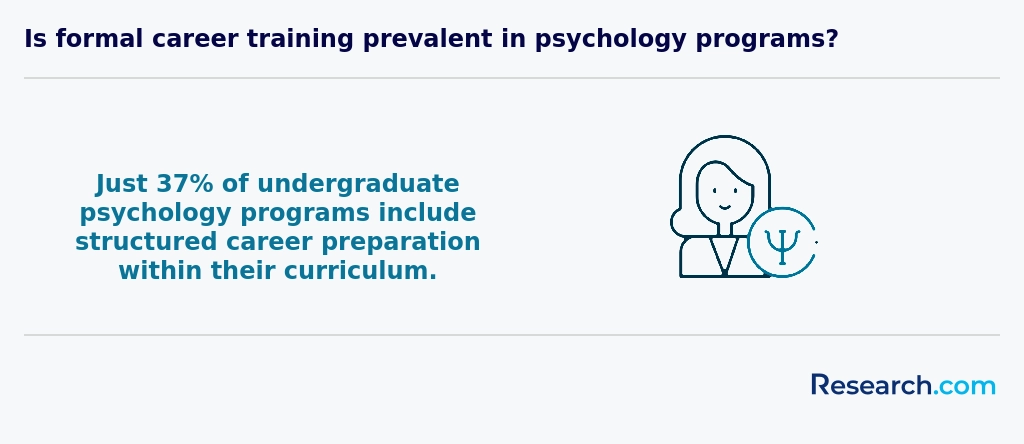
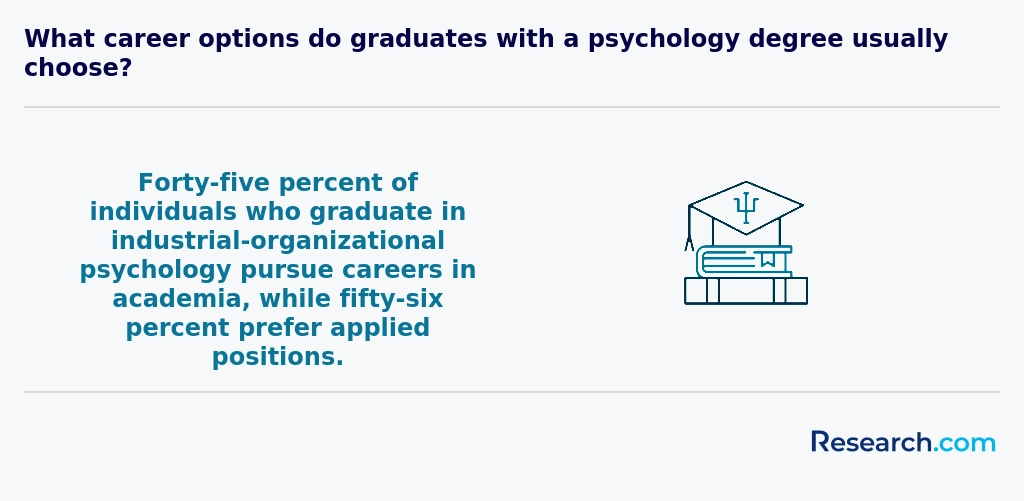
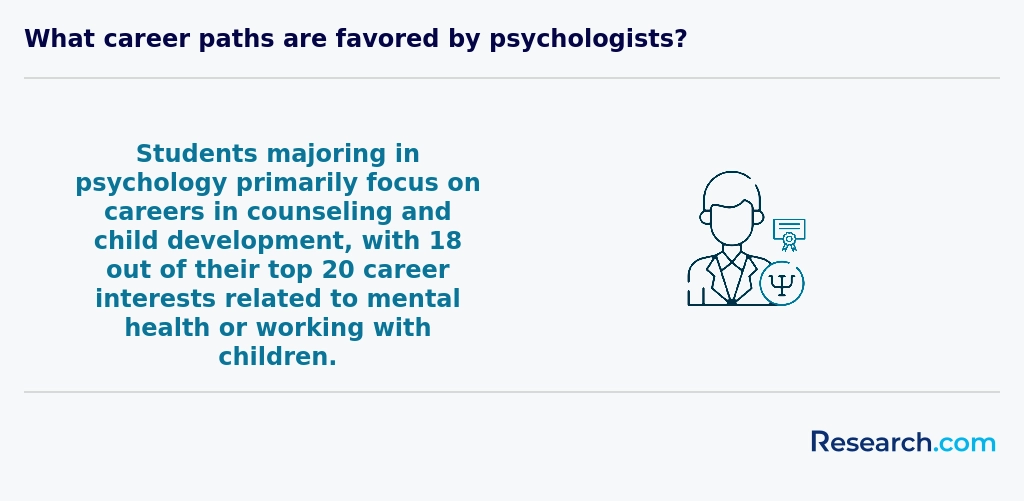
Graduates with an online psychology degree in the South find themselves stepping into a vibrant mosaic of career opportunities that resonate deeply with the region's cultural and social fabric. Imagine those energized by helping others becoming licensed professional counselors or clinical psychologists in bustling Texas cities or serene Georgia towns, where they blend academic knowledge with heartfelt community support. These graduates often recall how programs at popular Southern universities shaped their path, equipping them with skills to navigate the requirements of supervised clinical hours and state licensure processes.
Others pursue jobs with online psychology degree in Southern states that lead them into schools, serving as school psychologists who champion student well-being through personalized interventions. Their stories echo the growing demand in districts boosted by renewed state education budgets, reflecting real joy in making tangible differences in young lives.
Some alumni creatively apply their degrees in human resources or organizational development, tapping into their training to unravel workplace dynamics within Southern companies or government agencies. For those curious about exploring such dynamic paths, checking out the best open enrollment online colleges is often where the journey begins.
The online psychology degree job outlook in the South sparkles with opportunity, especially as graduates from universities like the University of Florida or Texas A&M find themselves welcomed into roles that blend innovation with community impact. Picture a recent graduate who steps into a bustling school system in Georgia, armed with psychological expertise, ready to support diverse student needs amid expanding educational services. The rising demand across southern states creates a fertile ground for those with recognized credentials from regionally accredited online programs.
Career opportunities for psychology graduates in Southern states extend beyond typical clinical roles, reaching into government agencies, private practices, and social services. Imagine a graduate leveraging their online degree from a respected Southern college, moving smoothly into a behavioral health counselor role in a growing Florida metropolitan area where mental health services are flourishing. Many students find that the cost-effective investment in online education, paired with this vibrant job market, ignites hope and motivation.
Those considering their path might explore degree programs for older adults online as well, opening doors to psychology careers with flexible schedules. With salaries hovering between $65,000 and $85,000 and steady demand, the South signals promise for psychology graduates ready to transform lives and communities.
2027 Most Valuable Online Master's in Psychology Degree Programs Ranking in the South
Investing in your education is a significant decision that can shape your future, and the Research.com team understands the importance of making informed choices. To assist prospective students in the South, we have meticulously crafted the "2027 Most Valuable Online Master's in Psychology Degree Programs Ranking in the South." Our commitment to quality, credibility, and accuracy is reflected in the extensive research and analysis conducted to compile this ranking.
We utilized the following reputable data sources to ensure a comprehensive evaluation of these programs:
By exploring this ranking, readers will gain valuable insights into the most valuable online psychology master's programs in the South, empowering them to make well-informed decisions about their educational future. For more details on our methodology, please visit our Research.com methodology page.

# 2 position
Cameron University
Master of Behavioral Science



# 6 position
Amridge University
Master of Professional Counseling


# 10 position
University of the Incarnate Word
Master of Administration, Industrial and Organizational Psychology


# 12 position
Bob Jones University
Master of Biblical Counseling





Frequently Asked Questions About psychology
Online psychology degree students in the South can enhance their learning by actively engaging with course materials and participating in virtual discussions. Research from the Southern Regional Education Board shows that collaborative learning improves retention by up to 25%. Utilizing local resources, such as regional psychology associations and internships, offers practical experience relevant to Southern communities.
Time management is crucial; Southern universities often provide flexible scheduling but staying consistent helps manage workload efficiently. According to the American Psychological Association, nearly 60% of online psychology students benefit from setting dedicated study times for balancing work, family, and education.
Seeking faculty support and networking within online platforms also connects students to mentors and peers, fostering academic success and career opportunities.
The field of psychology is rapidly evolving, with several emerging niches gaining prominence, especially in the Southern United States. One growing area is telepsychology, which uses online platforms to deliver mental health services, reflecting the increased demand for remote care post-pandemic. According to the American Psychological Association, telepsychology services in the South have expanded by over 40% since 2020.
Another niche is health psychology, focusing on the interplay between mental and physical health-important given the South's higher rates of chronic illnesses. Additionally, forensic psychology is gaining traction due to rising interest in the criminal justice system and rehabilitation.
These specialized fields can be accessed through various accredited online master's programs in psychology offered by Southern universities, allowing students to tailor their education to these in-demand areas.
Preparing for the job market after earning an online psychology degree in the South requires strategic planning. Graduates should first ensure they meet state licensing requirements, as many Southern states have specific rules for practicing psychologists.
Networking is crucial. Connecting with local psychology associations like the Southeastern Psychological Association can open doors to employment and mentorship opportunities.
Gaining practical experience through internships or supervised clinical hours is vital. The U.S. Bureau of Labor Statistics notes that psychology jobs in Southern states such as Texas and Florida are growing faster than the national average, increasing to 15% by 2031.
Additionally, pursuing certification in specialized areas, such as school or clinical psychology, can improve job prospects in regional job markets.
Employers in the South value psychology graduates who demonstrate strong critical thinking and communication skills. According to the Southern Regional Education Board, effective interpersonal abilities are essential for roles in counseling and human services. Analytical skills, especially the ability to interpret behavioral data, remain highly sought after to support evidence-based practices.
Additionally, cultural competency is increasingly important due to the South's diverse populations. Graduates must show adaptability and sensitivity to different backgrounds and communities. Technical proficiency with statistical software and familiarity with telehealth tools also enhance employability, reflecting broader trends in psychology career demands nationwide.
Mastery of ethical decision-making, grounded in the American Psychological Association's guidelines, completes the core skill set preferred by Southern employers.
Finding internships relevant to a psychology degree in the South involves a combination of research and networking. Many universities in Southern states maintain partnerships with local clinics, hospitals, and counseling centers that offer internship placements to students.
Students should begin by contacting their program's internship coordinator for tailored opportunities and guidance on application requirements. Additionally, platforms like the American Psychological Association's (APA) internship directory can help locate accredited placements across the South.
Internship availability varies by state, but regions such as Georgia, Texas, and Florida report higher numbers due to larger populations and health infrastructures, according to recent APA data.
Joining local psychology associations, such as the Southern Psychological Association, also facilitates connections with professionals who might offer or recommend internships.
Obtaining an online psychology degree in the South can significantly enhance career mobility and advancement. Many Southern states, including Texas, Florida, and Georgia, report growing demand for mental health professionals, with the Bureau of Labor Statistics projecting a 15% increase in psychology-related jobs in the region by 2030. This growth creates more opportunities for graduates to transition into specialized roles or leadership positions.
The flexibility of online programs allows working professionals to gain credentials without disrupting their careers. Additionally, degrees from regionally accredited Southern universities are recognized by local employers and licensing boards, facilitating licensure and further career progression.
Data from the Southern Regional Education Board (SREB) highlights that graduates with graduate psychology degrees often see salary increases of 10-20% compared to those with bachelor's degrees, reflecting enhanced roles and responsibilities.
Studying for a psychology degree in the South equips students with skills essential for interdisciplinary roles by emphasizing collaboration across health, education, and social services. Many Southern institutions integrate courses in counseling, behavioral health, and human development, preparing graduates to work alongside professionals in medicine, social work, and education. The region's universities often emphasize applied research and community engagement, fostering practical experience in diverse environments.
According to the Southern Regional Education Board, psychology graduates in Southern states increasingly pursue careers combining mental health and public health fields, reflecting the demand for interdisciplinary expertise. Online programs offer flexible access while maintaining rigorous curriculum standards aligned with national accrediting bodies like APA.
When choosing between a thesis and a non-thesis psychology degree program in the South, consider your career goals. Thesis programs emphasize research and developing a strong foundation in scholarly inquiry. They suit students interested in pursuing doctoral studies or research roles.
Non-thesis programs focus on practical skills and coursework, preparing students for direct employment in clinical or counseling settings. According to the Southern Regional Education Board, about 60% of psychology master's degrees awarded in the South in 2022 were non-thesis, reflecting demand for applied skills.
Additionally, thesis options may require more time and commitment, often extending program length by a semester or more. Prospective students should weigh their interests, timeline, and professional plans carefully.
Students based in the South who wish to study psychology abroad have several options, though most online psychology programs focus on domestic institutions. Currently, there are no widespread offerings of fully online international psychology degrees specifically designed for Southern students seeking foreign accreditation.
Many Southern universities, such as the University of Florida and the University of North Carolina, offer accredited online psychology master's degrees, which can include study-abroad components or international research collaborations. According to the Southern Regional Education Board, participation in exchange programs has been growing but remains under 10% among psychology graduate students in the region.
For students interested in global perspectives, pursuing partnerships or dual-degree agreements with foreign universities may be possible, though these are limited and often require some on-site attendance. Overall, Southern students mainly pursue online psychology degrees from U.S.-based institutions accredited by the American Psychological Association or regional accrediting bodies.
Part-time job opportunities in the South that complement psychology degree education include roles such as behavioral health technicians, research assistants, and case management aides. These positions allow students to gain practical experience while pursuing their studies.
Behavioral health technicians support patients with mental health conditions under the supervision of licensed professionals, which enhances clinical understanding. Research assistants at universities or healthcare organizations in states like Texas and Florida help gather and analyze data, offering valuable exposure to psychological research methods.
Case management aides assist social workers in community settings, a role common in Southern states with large Medicaid populations. According to the Bureau of Labor Statistics, mental health technician roles in the South grew by 8% from 2019 to 2022, indicating increasing opportunities.
Online psychology students in the South benefit from diverse networking opportunities despite geographic distances. Many Southern universities hosting online programs offer virtual meetups, guest lectures, and career fairs that connect students with alumni and local professionals.
State psychology associations, such as the Texas Psychological Association and the Georgia Psychological Association, provide online forums and events, helping students build professional relationships. Additionally, regional conferences like the Southeastern Psychological Association Convention frequently include sessions accessible to remote students.
According to the American Psychological Association, 62% of psychology graduates find value in joining such organizations. These resources support online learners in gaining mentorship, internships, and job leads within the South's psychology community.
Alumni networks offer significant advantages to online psychology degree students in the South. These networks provide access to a community of graduates who share regional insights, professional connections, and career opportunities specific to southern states. According to the Southern Regional Education Board, over 70% of psychology graduates remain in the South, making local alumni connections especially valuable for job placements and internships.
Members often share job leads within hospitals, counseling centers, and educational institutions that have a strong presence in southern cities. Networking events and online forums sponsored by universities enhance students' chances for mentorship and guidance.
Moreover, alumni may facilitate collaborations in research projects addressing mental health issues prevalent in the South, such as rural healthcare disparities, boosting students' professional growth.
Customizing your online psychology degree in the South allows you to align your education with your career goals. Many Southern universities offer specializations such as clinical, counseling, forensic, or industrial-organizational psychology. According to the Southern Regional Education Board, schools provide flexible elective options and practicum placements tailored to local industry needs. This flexibility helps you gain relevant experience in areas like child psychology or mental health counseling.
Additionally, some programs partner with community agencies in Southern states, offering internships to enhance practical skills. Accreditation by the American Psychological Association ensures curriculum quality and supports licensure in most Southern states.
Online psychology students in the South often face challenges related to access and connectivity. Rural areas in Southern states like Mississippi and Alabama report broadband internet speeds below the national average, which can hinder video lectures and real-time interactions (FCC, 2023).
Another common difficulty is meeting practicum or internship requirements. Many psychology programs require hands-on experience, which can be scarce in underserved or remote Southern communities (APA, 2022). Students may need to travel long distances to find approved sites.
Additionally, online learners frequently encounter limited peer and instructor engagement compared to traditional settings, impacting motivation and support networks. Balancing work, family, and study is a widespread concern cited in surveys of Southern graduate students (NCES, 2021).
With an online psychology degree from the South, graduates can pursue several professional certifications to advance their careers. Common certifications include becoming a Licensed Professional Counselor (LPC) or Licensed Marriage and Family Therapist (LMFT), both requiring state licensure which varies across southern states.
Many programs prepare students for the National Certified Counselor (NCC) credential offered by the National Board for Certified Counselors, recognized nationally and valuable in Southern job markets. Another option is certification as a Certified Addiction Counselor (CAC), especially relevant given rising substance use treatment needs in the South, according to the Substance Abuse and Mental Health Services Administration (SAMHSA).
Psychology graduates may also aim for credentials like Board Certified Behavior Analyst (BCBA), requiring a master's degree and supervised experience-fields growing in demand in Southern states with expanding special education services. It is essential to verify each state's licensure requirements, as they vary significantly.
Applying to an online psychology program in the South requires a clear, focused approach. Start by ensuring your application highlights relevant educational background, such as a bachelor's degree in psychology or related fields. Most Southern universities look for a minimum GPA of 3.0, so emphasize academic achievements.
Strong letters of recommendation from professors or professionals familiar with your work can set you apart. Additionally, craft a personal statement that clearly explains your goals and why you chose an online program in the South. Use data from the Southern Association of Colleges and Schools (SACS) to understand regional standards and expectations.
Finally, prepare for standardized test requirements if applicable, and submit all materials well before deadlines to show professionalism and commitment.
The global perspective on a psychology career highlights diverse opportunities, but the United States remains a leader in research and clinical training. For students in the South pursuing online psychology degrees, understanding this context helps frame career potential. The U.S. Bureau of Labor Statistics projects a 8% growth in psychology jobs nationwide by 2031, with Southern states like Texas and Florida contributing significantly to demand in healthcare, education, and social services.
Internationally, psychology careers vary by region, but U.S.-based degrees, especially those accredited and offered online, are widely respected. This gives Southern students a competitive advantage for global mobility and cross-cultural practice.
Professional organizations such as the APA ensure consistent standards, supporting graduates entering the broad, evolving psychological workforce.
Gaining practical experience while studying for an online psychology degree in the South is essential for career readiness. Many accredited Southern universities require internships or practicum placements in clinical, counseling, or research settings. These can often be arranged locally to fit students' schedules.
Students benefit from partnerships between schools and Southern mental health agencies or hospitals, providing access to supervised hands-on work. According to the Southern Regional Education Board, around 70% of psychology programs in the region emphasize applied training components.
Additionally, virtual simulations and telepsychology internships are growing, especially post-pandemic, supplementing in-person experience. Pursuing certifications related to psychological assessment or research methods can also enhance practical skills during study.
When choosing a concentration within an online psychology degree program in the South, consider your career goals first. Popular concentrations include clinical, counseling, industrial-organizational, and developmental psychology, each leading to different job roles.
Look for programs accredited by the American Psychological Association (APA) or regionally accredited institutions common in Southern states, ensuring quality education. According to the Southern Regional Education Board, psychology remains among the top five most sought-after graduate degrees in the region, emphasizing clinical and counseling specialties.
Also, evaluate state licensure requirements since Southern states often have different criteria for psychology practice. Selecting a focus aligned with local job market demand can increase employment prospects.
See What Experts Have To Say About Studying Psychology
Read our interview with Psychology experts

Catherine Caldwell-Harris, Ph.D.
Psychology Expert
Associate Professor of Psychology
Boston University

Robin M. Kowalski. Ph.D.
Psychology Expert
Professor of Psychology
Clemson University

Joann Farrell Quinn, Ph.D., MBA
Psychology Expert
Director at the College of Medicine Department of Medical Education
Morsani College of Medicine

- Study Psychology Abroad | Go Overseas https://www.gooverseas.com/study-abroad/psychology
- Clinical Internship https://www.overcome.org.uk/clinical-internship
- Psychologist Salary | Psychology Salary https://www.bestpsychologydegrees.com/psychologist-salaries/
- Professional Networking For Psychologists | Psychology.org https://www.psychology.org/resources/professional-networking/
- Psychology Online Degree Pathway https://www.learndirect.com/course/psychology-online-degree
- Psychology (Online) https://www.claflin.edu/DivisionofAcademicAffairs/the-center-for-professional-and-continuing-studies/degrees/psychology-(online)
- Financial Aid for Psychology Students https://www.onlinepsychologydegrees.com/financial-aid/
- Know more about thesis vs non- thesis: what is the difference? https://studyfans.com/en/blogs/816
- Mental Health Challenges Faced by Psychology Students | The Healthcare Guys https://healthcareguys.com/2023/11/23/mental-health-challenges-faced-by-psychology-students/
- 2025 Most Affordable Online Colleges for Psychology Degrees https://www.onlineu.com/most-affordable-colleges/psychology-degrees