2027 Psychology Degree Wage Advantage by Region: Where Graduates Gain the Biggest Earnings Edge

Co-Founder and Chief Data Scientist
Psychology graduates often face a practical question: where will the degree pay off best? The answer depends on more than salary, because licensing rules, employer mix, cost of living, and career stage can change the value of a job offer. The U. S. Bureau of Labor Statistics reported a $94,310 median annual wage for psychologists in May 2024, but local outcomes vary widely.
This guide helps students, new graduates, and career changers compare regions, identify higher-value industries, and decide whether relocating is financially worthwhile.
Key Things You Should Know
- The strongest nominal wage advantage for psychology graduates is usually found in high-cost coastal and major metropolitan markets, especially where hospitals, government agencies, universities, and specialized behavioral health employers cluster.
- Cost of living can reverse the ranking: a lower advertised salary in the Midwest, South, or selected Mountain West markets may provide stronger purchasing power than a higher salary in an expensive coastal metro.
- BLS employment projections published in 2024 show psychologist employment growing 7% from 2023 to 2033, so the best region is often the one that combines licensure fit, job openings, specialization demand, and sustainable living costs.
- What Is the Regional Wage Advantage for Psychology Graduates?
- Which U.S. Regions Offer the Highest Salaries for Psychology Graduates?
What Is the Regional Wage Advantage for Psychology Graduates?
The regional wage advantage is the extra economic value a psychology graduate can gain by working in one U.S. region instead of another. It is not just the highest paycheck. A useful comparison looks at nominal salary, local cost of living, employer demand, degree requirements, licensing rules, and advancement potential.
For psychology graduates, this distinction matters because the degree leads to several labor markets. Bachelor's graduates may enter case management, human services, research assistance, sales, workforce analytics, or behavioral health support. Master's and doctoral graduates may qualify for counseling, school psychology, clinical psychology, industrial-organizational psychology, or research roles, depending on state licensure and program accreditation.
A practical wage advantage calculation should compare three things: what employers pay, what it costs to live there, and how quickly the region helps you move into better-paid roles. The table below summarizes the main ways a region can create or reduce value for a psychology graduate.
| Factor | How it affects wage advantage | Why it matters for psychology graduates |
| Nominal salary | Shows the advertised or reported pay before adjusting for expenses | Useful for comparing offers, but incomplete on its own |
| Cost of living | Changes how much income remains after housing, transportation, taxes, and services | High-salary metros can feel less rewarding if rent absorbs the wage premium |
| Industry mix | Regions with hospitals, government agencies, universities, and corporate research teams often pay more | Specialized employers tend to reward graduate credentials and advanced skills |
| Licensure environment | State rules affect whether and how quickly graduates can practice independently | Relocating without checking requirements can delay earnings growth |
| Career ladder | Some regions offer more supervisor, director, research, or consulting roles | Long-term ROI often depends on advancement, not only first-year pay |
The biggest mistake is treating "psychology graduate" as one salary category. A bachelor's-level behavioral health technician, a licensed clinical psychologist, and an industrial-organizational psychologist compete in different markets, even if all started with psychology education.
Which U.S. Regions Offer the Highest Salaries for Psychology Graduates?
The highest salaries for psychology graduates tend to appear in regions with dense healthcare systems, public agencies, school districts, corporate headquarters, and research institutions. These markets often have more specialized roles, but they also attract stronger competition and may require graduate credentials.
The table below compares major U.S. regions by typical wage-positioning for psychology-related careers. Use it as a decision guide, not as a guarantee, because exact pay varies by occupation, license, employer, and metro area.
| Region | Typical salary position | Best-fit psychology paths | Main trade-off |
| Pacific Coast | High nominal pay | Clinical psychology, counseling, health psychology, tech-related people analytics, university research | Very high housing and commuting costs can reduce take-home value |
| Northeast | High nominal pay in major metros | Hospital psychology, school psychology, academic research, neuropsychology, private practice | Licensure competition and high living costs can be significant |
| Mid-Atlantic | High to upper-middle pay | Government, defense, public health, school psychology, policy research, organizational psychology | Pay can vary sharply between metro and non-metro counties |
| Mountain West | Moderate to high in fast-growing metros | School psychology, counseling, telebehavioral health, community mental health, workforce development | Rapid population growth can raise housing costs quickly |
| South Atlantic | Moderate pay with strong population-driven demand | Healthcare systems, schools, counseling centers, veteran services, applied behavior roles | Some areas have lower pay ceilings unless graduates specialize |
| Midwest | Moderate nominal pay but often strong purchasing power | School psychology, hospital systems, community mental health, university roles, assessment services | Fewer high-end corporate psychology roles outside large metros |
| Southwest | Moderate to high in selected metros | School psychology, bilingual counseling, healthcare, corrections, veteran and military-adjacent services | Demand may be strong, but pay differs widely by employer type |
For a graduate choosing among regions, the best first question is not "Where are salaries highest?" but "Where do employers pay a premium for the specialization I can actually offer?" A doctoral clinical psychologist may find a strong wage premium in hospital-heavy metros, while a bachelor's graduate may get better value in regions with lower expenses and more entry-level human services openings.
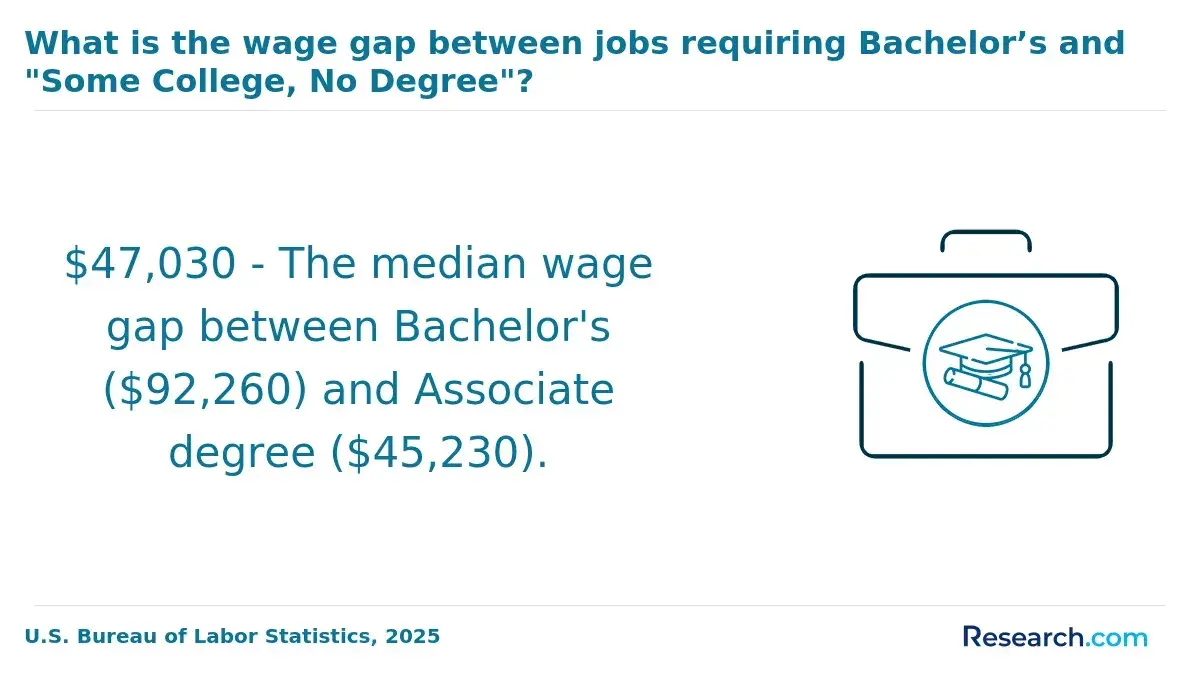
Cost of living determines whether a higher salary actually improves your financial position. Regional Price Parities from the U.S. Bureau of Economic Analysis, published with recent regional cost data, show that the same income can buy very different amounts depending on location. For psychology graduates, housing is often the deciding factor because early-career roles may not provide enough wage premium to offset expensive rent.
The table below shows how to think about salary value across different regional cost profiles. It focuses on decision-making rather than raw pay because purchasing power is what determines day-to-day financial comfort.
| Regional cost profile | What it usually means for salary value | When it can be a good choice | When it can be risky |
| High salary, high cost | Strong professional networks but reduced disposable income | You need specialized training sites, hospital roles, research labs, or private practice opportunities | You are entering a low-paid assistant or support role without housing flexibility |
| Moderate salary, moderate cost | Balanced purchasing power and manageable career growth | You want stable school, healthcare, or public-sector roles without extreme living expenses | The region has limited advancement beyond entry-level jobs |
| Lower salary, low cost | Potentially strong practical value if jobs are stable | You want to minimize debt pressure, build experience, or work in underserved areas | You need highly specialized supervision or niche clinical placements |
| Fast-growing, rising cost | Good demand but uncertain affordability over time | You can enter early, gain experience, and benefit from expanding healthcare or school systems | Wages lag behind housing costs or employers rely heavily on contract roles |
Before accepting an offer in a higher-paying region, compare the job using a simple sequence. This helps avoid the common mistake of relocating for a larger paycheck that produces less real financial security.
- Estimate monthly take-home pay after federal, state, and local taxes.
- Compare rent or mortgage costs within a realistic commute, not just regional averages.
- Add transportation, insurance, professional fees, supervision costs, and student loan payments.
- Check whether the role provides paid supervision, continuing education support, licensure reimbursement, or relocation assistance.
- Compare the remaining income with a similar role in a lower-cost region.
A high-cost region can still be worth it if it accelerates licensure, provides specialized training, or opens doors to higher-paying roles later. It is less attractive when the job offers no advancement path and most of the wage premium goes to housing.
Entry-level psychology jobs and experienced psychology careers should be compared separately. Many bachelor's-level roles are not classified by BLS as "psychologist" jobs, while the higher national psychologist wage data mostly reflects graduate-level and often licensed positions. This is why a region that looks excellent for licensed psychologists may not be equally strong for new bachelor's graduates.
The table below shows how regional value changes by career stage. It helps students avoid comparing an entry-level support job with a licensed doctoral role as if they were the same labor market.
| Career stage | Common roles | Regions that may offer stronger value | Best decision factor |
| Bachelor's entry level | Case manager, behavioral health technician, research assistant, HR assistant, youth services worker | Lower-cost Midwest, South, and selected Mountain West markets | Affordability, supervision access, and experience quality |
| Master's level or pre-licensure | Counseling associate, school psychology intern, assessment assistant, mental health clinician under supervision | Regions with strong school districts, community clinics, and health systems | Paid supervision, licensure timeline, and caseload quality |
| Licensed or doctoral level | Clinical psychologist, school psychologist, neuropsychologist, forensic psychologist, consultant | Major healthcare, government, academic, and corporate markets | Specialization premium, benefits, and advancement path |
| Experienced specialist | Director, private practice owner, I-O consultant, senior researcher, clinical supervisor | Large metros and regions with deep employer networks | Referral base, leadership opportunities, and payer mix |
For students who want a faster route into patient-facing healthcare work, psychology is not the only option. Comparing timelines with LPN programs can clarify whether a shorter licensed healthcare pathway fits better than a longer psychology route requiring graduate school.
A common mistake is assuming the first job after a psychology bachelor's degree represents the degree's full earning potential. In many regions, the wage advantage grows only after a graduate adds licensure, assessment skills, data skills, bilingual capability, or specialized clinical experience.
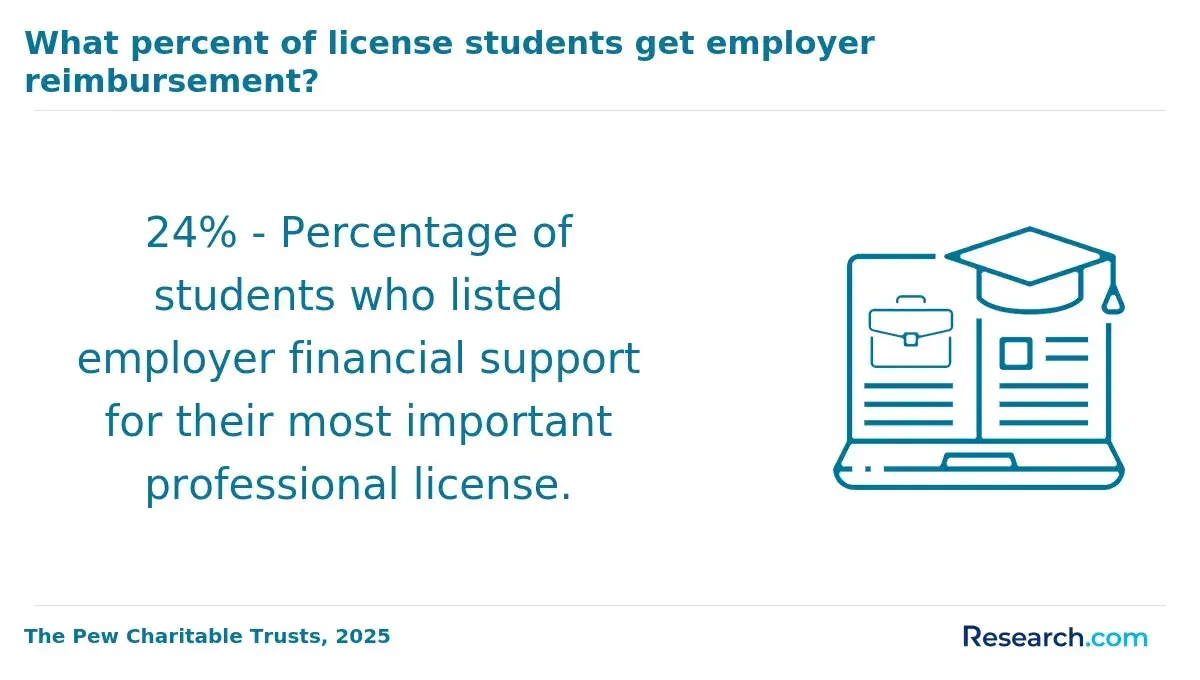
The best ROI region is not always the highest-paying region. ROI depends on degree cost, debt, time to completion, licensure speed, local demand, and how quickly the graduate can move from lower-paid support roles into higher-value professional roles.
The table below compares regional ROI patterns for psychology graduates. It is especially useful for students deciding where to study, complete supervised hours, or start their first full-time role.
| Regional ROI profile | Why it can work | Who benefits most | Biggest risk |
| High-wage coastal metro | Access to specialized employers, hospitals, research centers, and private practice markets | Graduate students, licensed psychologists, and specialists | Debt and housing costs can absorb the salary premium |
| Mid-cost healthcare hub | Balanced pay, strong hospitals, universities, and manageable living costs | Master's and doctoral graduates seeking stable growth | Competition for preferred placements can still be high |
| Low-cost underserved region | Lower expenses and potential access to loan repayment or public-service roles | Graduates committed to community mental health, schools, or rural practice | Professional isolation or limited specialty supervision |
| Fast-growth Sun Belt or Mountain West metro | Population growth can increase demand for schools, healthcare, and counseling services | Early-career graduates willing to grow with the market | Housing costs may rise faster than wages |
Psychology ROI also depends on degree level. A bachelor's degree may be a flexible foundation, but independent clinical practice usually requires graduate education and state licensure. Doctoral study can raise earning potential, but it also adds years of tuition, opportunity cost, and internship requirements. Students comparing long doctoral pathways in healthcare may also want to benchmark costs against other clinical routes, such as PharmD programs, to understand how different professional degrees convert education spending into earnings.
To evaluate ROI before moving or enrolling, compare the total path rather than a single salary estimate. Include tuition, lost work time, exam fees, supervision costs, relocation expenses, and the realistic number of years before you qualify for the roles that pay the regional premium.
Relocating can be worthwhile when the new region offers more than a higher salary. The strongest relocation cases usually include better supervision, faster licensure progress, stronger employer networks, specialized training, or a clearer path into higher-paid roles.
Use the following steps to decide whether relocation improves your financial and career position. This sequence helps separate a true wage advantage from an offer that only looks better on paper.
- Compare the salary offer with local rent, transportation, taxes, insurance, and student loan payments.
- Confirm whether the state recognizes your degree, internship, supervised hours, and exam requirements for your intended license.
- Check whether the employer provides supervision, continuing education, relocation support, or loan repayment eligibility.
- Look at the number of relevant employers within commuting distance so you are not dependent on one organization.
- Evaluate the career ladder: ask what roles employees move into after two to five years.
- Consider nonfinancial fit, including family support, commute stress, safety, climate, and long-term lifestyle preferences.
Relocation makes the most sense for licensed or nearly licensed graduates entering regions with higher-paying healthcare, government, or specialized practice opportunities. It may make less sense for a bachelor's graduate accepting a low-wage support role in a high-cost metro unless the job provides exceptional experience or a clear graduate-school pathway.
Red flags include vague promises about future pay, unpaid or poorly structured supervision, high caseloads without support, and a region where housing costs have recently outpaced entry-level wages. A larger paycheck should not be treated as a better outcome unless it improves both purchasing power and career mobility.
Skills can turn a psychology degree into a stronger regional wage advantage because employers pay more for capabilities that solve local shortages. In many markets, psychology graduates who combine human behavior expertise with assessment, data, clinical, or organizational skills have more options than graduates relying only on general coursework.
The skills below are especially useful because they travel across regions and industries. They can help graduates compete in both traditional mental health settings and newer roles shaped by telehealth, analytics, and workplace behavior needs.
- Psychological assessment and testing: Valuable in schools, hospitals, neuropsychology practices, disability services, and forensic settings.
- Evidence-based intervention skills: Training in cognitive behavioral therapy, crisis intervention, trauma-informed care, and behavioral health documentation improves readiness for supervised clinical roles.
- Quantitative and research methods: Statistics, survey design, program evaluation, and data visualization support research, people analytics, UX research, and public health roles.
- Telehealth readiness: Familiarity with virtual care workflows, privacy expectations, digital intake, and remote patient engagement can expand job options beyond one local market.
- Bilingual and culturally responsive practice: Regions with diverse populations may place a premium on graduates who can serve communities effectively and ethically.
- Case management and systems navigation: Knowledge of insurance, referrals, school systems, social services, and community resources is especially useful in public-sector and nonprofit roles.
- Business and organizational communication: Presentation, consulting, leadership development, and change-management skills help psychology graduates move into corporate and management tracks.
Students interested in the data side of human behavior should also examine adjacent labor markets. Reviewing bioinformatics major jobs can help psychology students understand how analytics-heavy roles differ from counseling or clinical pathways, especially if they enjoy statistics, research design, and applied data work.
The main mistake to avoid is collecting credentials without a regional strategy. A certificate or skill is most valuable when local employers clearly request it, when it supports licensure or promotion, or when it opens roles in a higher-paying industry.
Salary growth is usually strongest where demand rises faster than the supply of qualified professionals. For psychology careers, that often means regions with population growth, expanding school systems, aging populations, behavioral health shortages, hospital investment, and broader acceptance of telebehavioral care.
BLS projections published in 2024 show psychologist employment growing 7% from 2023 to 2033, which is faster than the average for all occupations. That national trend does not mean every region will grow equally, so graduates should look for local evidence of hiring momentum.
The table below highlights regional growth signals to watch. These indicators are more useful than relying on a single salary number because they show whether a market may keep improving.
| Region type | Growth signal | Psychology careers likely to benefit | What to verify locally |
| Fast-growing Sun Belt metros | Population growth and expanding healthcare networks | Counseling, school psychology, behavioral health coordination, assessment services | Whether wages are keeping up with housing costs |
| Mountain West metros | New residents, school expansion, and demand for community mental health | School psychology, counseling, telehealth-supported roles, crisis services | Availability of licensed supervisors and specialized training sites |
| Large medical and research hubs | Hospital investment, specialty clinics, academic research, and grant-funded programs | Clinical psychology, neuropsychology, health psychology, research management | Degree level, internship expectations, and competition for roles |
| Underserved rural and small-city markets | Shortages of mental health professionals and public-service need | Community mental health, school services, integrated care, substance use counseling | Professional support, travel requirements, and loan repayment options |
| Corporate headquarters and tech-adjacent markets | Interest in workforce analytics, employee well-being, UX research, and leadership development | Industrial-organizational psychology, people analytics, organizational development | Portfolio requirements and competition from business or data science graduates |
AI and automation are also changing the psychology labor market, but not by replacing the need for human judgment. Routine documentation, screening, scheduling, and analytics may become more automated, while employers continue to value ethical decision-making, assessment interpretation, therapeutic relationship skills, and culturally competent care.
Students should choose a region by matching their career goal to the local labor market. A future school psychologist, clinical psychologist, I-O consultant, research coordinator, and bachelor's-level case manager should not use the same regional ranking.
A strong decision process starts with your target role and works backward. The steps below can help you compare regions without being misled by high salaries or broad job-growth claims.
- Define your target role and required credential, including whether you need a bachelor's, master's, doctorate, certification, or state license.
- Check whether regional employers actually hire for that role and whether they prefer local graduates, accredited programs, supervised experience, or specialized training.
- Compare salary with cost of living, especially rent, transportation, health insurance, taxes, and professional fees.
- Review licensure rules before moving, because supervised hours, exams, school psychology certification, and practice authority vary by state.
- Look for career ladders, not only first jobs, by identifying employers that promote into senior clinician, supervisor, director, consultant, or research leadership roles.
- Evaluate lifestyle fit, because burnout risk is higher when the job, commute, caseload, and living costs are all misaligned.
Students who are still exploring adjacent health and human performance fields may also compare psychology with options such as the best kinesiology programs. This can clarify whether their long-term interests are more focused on mental health, behavior change, rehabilitation, performance, research, or healthcare support.
The best region is the one where your credential has a clear market, your salary has real purchasing power, and your first role moves you toward the next credential or promotion. For many psychology graduates, the smartest choice is not the most famous metro but the region that offers affordable living, strong supervision, and a realistic path into specialized work.
Industry often matters as much as geography. The same psychology credential may pay differently in a school district, hospital, correctional facility, consulting firm, university, or corporate analytics team. BLS May 2024 data show that psychologist wages are generally stronger in government, hospitals, and ambulatory healthcare than in some school-based settings, although benefits and job stability can narrow the difference.
The table below connects industries with the regions where they often create stronger wage advantages. It can help graduates look beyond state averages and focus on the employers most likely to value their training.
| Industry | Regions where it often creates a wage advantage | Psychology roles commonly found there | What to verify before choosing |
| Hospitals and health systems | Pacific Coast, Northeast, Midwest medical hubs, South Atlantic metros | Clinical psychologist, neuropsychology assistant, behavioral health clinician, health psychology specialist | Required degree, internship standards, licensure eligibility, patient population |
| Government and public agencies | Mid-Atlantic, state capitals, military-adjacent Southwest and South Atlantic markets | Forensic psychology, correctional mental health, veteran services, program evaluation | Security clearance, civil service rules, pension value, relocation policies |
| K-12 education | Suburban Northeast, Midwest, Mountain West, fast-growing Southern districts | School psychologist, assessment specialist, student support coordinator | State certification rules, caseload expectations, contract length |
| Corporate and consulting | Large metros, tech corridors, finance hubs, headquarters markets | Industrial-organizational specialist, people analytics analyst, UX researcher, leadership development consultant | Quantitative skills, business experience, portfolio expectations |
| Community mental health | Broad demand across South, Midwest, rural West, and underserved metros | Counselor, case manager, crisis worker, behavioral health coordinator | Supervision quality, burnout risk, loan repayment eligibility, advancement path |
| Higher education and research | Northeast, Midwest, Pacific Coast, university towns nationwide | Research coordinator, lab manager, faculty-track psychologist, assessment researcher | Grant funding stability, degree expectations, publication or data requirements |
One red flag is relying only on broad "healthcare is growing" statements. Psychology graduates should identify specific employers in the region, confirm what credentials they require, and check whether the job leads toward licensure, research specialization, management, or a higher-paying niche.
Other Things You Should Know About Psychology
It can be worth it if you use the degree intentionally. Bachelor's psychology graduates often need complementary skills in data analysis, human services, HR, sales, research, or case management to compete for stronger roles. If your goal is independent clinical practice, expect to need graduate education and licensure.
New graduates often get the best practical value in regions with moderate living costs, steady entry-level openings, and access to supervision or graduate programs. High-cost metros may be better for specialized research or clinical pipelines, but they can be financially difficult for low-paid entry roles.
Both matter, but specialization often has the bigger long-term effect. A licensed clinical psychologist, school psychologist, I-O specialist, and bachelor's-level case manager may have very different earning potential within the same state. Region matters most when it changes employer access, cost of living, and advancement opportunities.
In many cases, it is safer to check licensure rules before moving and relocate only if the new state accepts your education, supervised hours, and exams. Moving after licensure can improve bargaining power, but some states may still require additional documentation or steps.
See What Experts Have To Say About Studying Psychology
Read our interview with Psychology experts

Robin M. Kowalski. Ph.D.
Psychology Expert
Professor of Psychology
Clemson University

Elizabeth L. Jeglic Ph.D.
Psychology Expert
Professor of Psychology
City University of New York

Catherine Caldwell-Harris, Ph.D.
Psychology Expert
Associate Professor of Psychology
Boston University

- Top 5 Highest-Paying Psychology Careers - Rivier Academics https://www.rivier.edu/academics/online/resources/program-resources/top-5-highest-paying-psychology-careers-rivier-university/
- Highest Paying Psychology Careers: 45+ Jobs & Salaries 2026 https://psydprograms.org/top-highest-paying-psychology-careers/
- Explaining the Gap in Pay Between Rural and Urban Work | The Daily Yonder https://dailyyonder.com/explaining-gap-pay-between-rural-and-urban-work/2008/03/03/
- What are Psychologist Salaries? - Expathy.org https://www.expathy.org/what-are-psychologist-salaries