2027 Psychology Degree Earnings by Sector Report: Which Industries Reward Graduates the Most

Co-Founder and Chief Data Scientist
Psychology graduates often face a practical question, which sector turns the degree into the strongest career payoff? The U.S. Bureau of Labor Statistics reports a May 2024 median annual wage of $94,310 for psychologists, but earnings vary sharply by industry, credential level, and job function.
This guide is for students, recent graduates, and career changers comparing healthcare, business, government, education, technology, and nonprofit paths. You will learn where psychology skills are best rewarded, where hiring demand is strongest, and how to choose a sector based on salary, stability, growth, and fit.
Key Things You Should Know
- Psychology-related earnings are highest when the degree is paired with advanced training, licensure, analytics, organizational consulting, or specialized healthcare experience. BLS data places industrial-organizational psychologists at a May 2024 median wage of $147,420.
- Healthcare, government, education, and social services hire many psychology graduates, but business, technology, and consulting roles often offer stronger upside for graduates who build research, data, assessment, and people-strategy skills.
- The best-paying sector is not always the best value: benefits, licensure costs, graduate school debt, geographic pay differences, job stability, and promotion paths can change the long-term return on a psychology degree.
- Which Industries Pay Psychology Graduates the Highest Salaries?
- How Do Salary Levels Compare Across Industries for Psychology Graduates?
Which Industries Pay Psychology Graduates the Highest Salaries?
The highest-paying industries for psychology graduates tend to be those that use psychological expertise to solve expensive problems: employee performance, healthcare outcomes, product behavior, safety, risk, and organizational change. In practical terms, graduates usually earn more when they move from general helping roles into licensed clinical practice, industrial-organizational psychology, people analytics, behavioral research, or management.
The table below compares major sectors by the psychology-related roles they commonly reward. The salary figures are best read as role benchmarks, not guarantees for every psychology graduate, because pay depends on degree level, licensure, experience, location, and employer type.
| Sector | Common psychology-related roles | Recent U.S. pay signal | Best fit for graduates who want |
| Business, consulting, and organizational services | Industrial-organizational psychologist, organizational development consultant, people analytics specialist | Industrial-organizational psychologists had a May 2024 median wage of $147,420 according to BLS occupational wage data | High ceiling, analytics, assessment, leadership work |
| Healthcare and behavioral health | Clinical psychologist, counseling psychologist, behavioral health specialist, care program manager | Psychologists overall had a May 2024 median wage of $94,310 | Licensure-based practice, patient care, stable demand |
| Technology and product research | UX researcher, behavioral researcher, human factors specialist, consumer insights analyst | Market research analysts had a May 2024 median wage of $76,950 | Research, product strategy, mixed-methods analysis |
| Government and public agencies | Program analyst, forensic psychology support role, public health behavioral specialist, corrections counselor | Government roles often trade some private-sector upside for structured pay scales and benefits | Stability, benefits, mission-driven work |
| Education | School psychologist, student support specialist, academic advisor, learning assessment specialist | School psychologists typically require graduate-level preparation and state credentialing | School calendars, youth development, public service |
| Nonprofit and social services | Case manager, community program coordinator, victim advocate, behavioral health outreach worker | Social and community service managers had a May 2024 median wage of $78,240 | Mission alignment, community impact, management growth |
For many graduates, the biggest salary jump comes from shifting from a broad psychology job title to a specialized function. A bachelor's degree may open doors to HR, research assistance, case management, and sales-support roles, while a master's, doctorate, or license can qualify graduates for clinical, school, counseling, or advanced organizational psychology roles.
How Do Salary Levels Compare Across Industries for Psychology Graduates?
Salary comparisons across industries are most useful when you separate entry-level access from long-term earning potential. A sector that pays modestly at the start may become attractive after licensure or promotion, while a business role may pay better early but offer less mission alignment for some graduates.
The table below organizes sectors by likely pay trajectory rather than treating one average salary as the whole story. This matters because psychology careers often progress through credentials, supervision hours, specialization, and management responsibility.
| Sector | Typical early-career access | Mid-career earnings driver | Long-term pay outlook |
| Business and consulting | HR assistant, research coordinator, talent specialist, analyst | Data analysis, assessment design, consulting experience, graduate study | High for graduates who combine psychology with business and analytics |
| Healthcare | Behavioral health technician, intake coordinator, research assistant | Graduate degree, supervised practice, state licensure | Strong for licensed clinicians and healthcare leaders |
| Technology | UX research assistant, customer insights analyst, usability coordinator | Portfolio, research methods, statistics, product experience | Strong but more sensitive to tech hiring cycles |
| Government | Program assistant, corrections support, public health coordinator | Civil service advancement, graduate degree, policy expertise | Moderate to strong with stable benefits |
| Education | Student services assistant, paraprofessional, advising support | School psychology credential, counseling license, leadership role | Moderate, often steadier than faster-growing private sectors |
| Nonprofit and social services | Case aide, outreach worker, program assistant | Grant management, supervision, program evaluation | Moderate, with strongest growth in management or policy roles |
A common mistake is comparing only average salaries without asking what it takes to reach them. For example, licensed clinical roles can offer strong earnings, but they require graduate education, supervision, exams, and state-specific licensing. Business analytics roles may require less formal licensure but can demand stronger quantitative skills and a portfolio of measurable results.
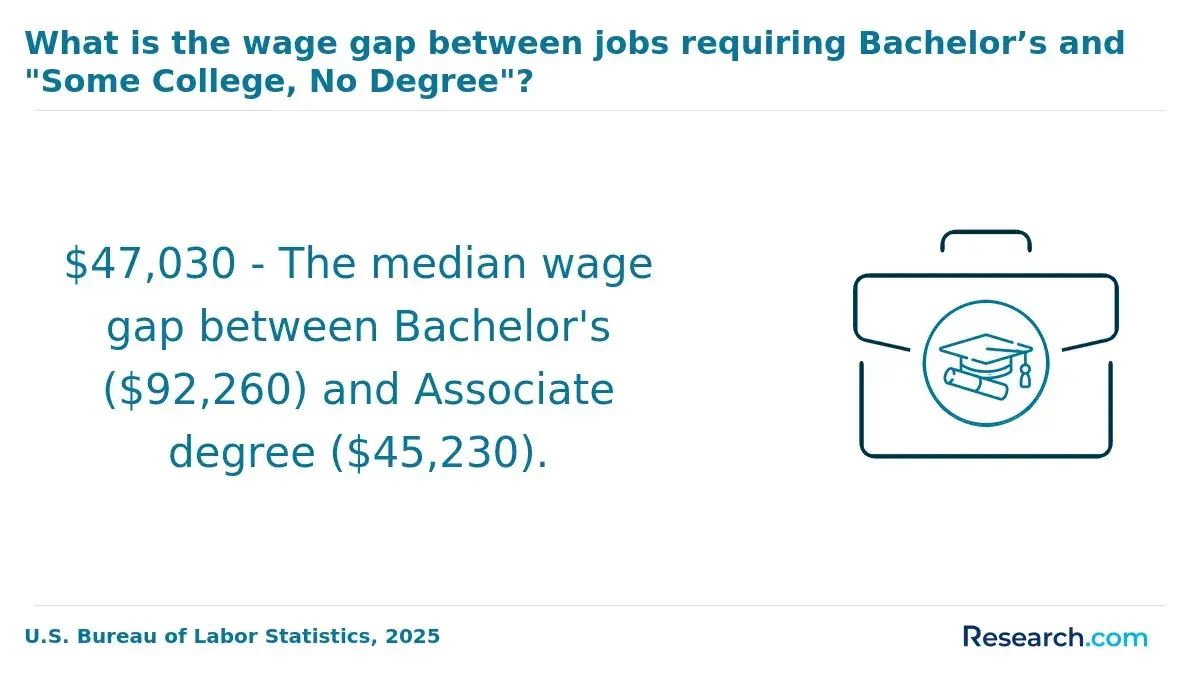
The industries that hire the most psychology graduates are not always the industries that pay the most. Healthcare, education, social assistance, government, HR, and research-heavy business functions tend to provide more openings because they need workers who understand behavior, communication, assessment, and human development.
According to BLS projections covering the 2023 to 2033 period, employment for psychologists is expected to grow 7%, faster than the average for all occupations. For readers, that means the strongest hiring will likely favor graduates who can meet specific employer requirements rather than those relying on the psychology degree alone.
| Hiring sector | Why psychology graduates are hired | Typical entry points | Hiring strength |
| Healthcare and behavioral health | Demand for mental health assessment, counseling support, care coordination, and patient behavior programs | Behavioral health technician, intake specialist, research assistant | Strong, especially with advanced credentials |
| Education | Student mental health, learning assessment, disability services, and academic support | Student support assistant, advising coordinator, school psychology trainee | Strong where schools face staffing shortages |
| Social assistance and nonprofit services | Community programs need staff trained in human behavior, crisis response, and client support | Case manager, outreach coordinator, program assistant | Steady, but pay varies widely |
| Business and HR | Employers need talent acquisition, training, employee engagement, and performance support | HR coordinator, recruiter, learning and development assistant | Steady and competitive |
| Research, marketing, and technology | Organizations need consumer behavior insights and user research | Research assistant, UX research coordinator, insights analyst | Selective, stronger with statistics and portfolio evidence |
| Government and public safety | Agencies use psychology knowledge in public health, corrections, veterans services, and policy programs | Program assistant, behavioral services aide, analyst trainee | Stable but often slow-moving |
Students who want the broadest hiring options should build a flexible resume rather than preparing for only one job title. The most transferable early-career experiences include research labs, internships, crisis lines, HR internships, tutoring or student support roles, and data projects using survey or behavioral data.
Industry salary comparisons can be misleading if they ignore location and cost of living. A psychology graduate earning more in a high-cost metro may have less disposable income than someone earning a lower salary in a more affordable region, especially after rent, commuting, taxes, and student loan payments are considered.
Location affects psychology earnings in three main ways: employer concentration, state licensing rules, and local public-sector budgets. Urban areas may offer more hospitals, universities, consulting firms, and tech employers, while rural and underserved areas may offer stronger demand for behavioral health workers but fewer specialized roles.
| Factor | How it affects earnings | What to check before choosing a sector |
| Cost of living | Higher nominal salaries may be offset by housing and transportation costs | Compare after-rent income, not just salary |
| Licensure rules | Clinical, counseling, and school roles vary by state requirements | Review state boards before enrolling in a graduate program |
| Employer concentration | Metro areas with hospitals, universities, agencies, and corporate headquarters may offer more options | Search local job postings by role, not only by degree |
| Public funding | Education, corrections, and public health pay can depend on state and local budgets | Compare salary schedules and benefits packages |
| Remote eligibility | Research, HR, analytics, and UX roles may be more remote-friendly than direct care roles | Confirm whether remote roles require residency, travel, or licensure in client states |
Psychology graduates interested in health, movement, behavior change, or performance may also compare adjacent programs such as the best kinesiology programs when evaluating regional opportunities in wellness, rehabilitation support, ergonomics, and human performance sectors.
A practical way to compare locations is to collect three job postings in each target city, note the salary range, estimate monthly living costs, and check whether the employer offers tuition support, supervision, retirement contributions, or loan repayment. Benefits can materially change the value of a lower headline salary.
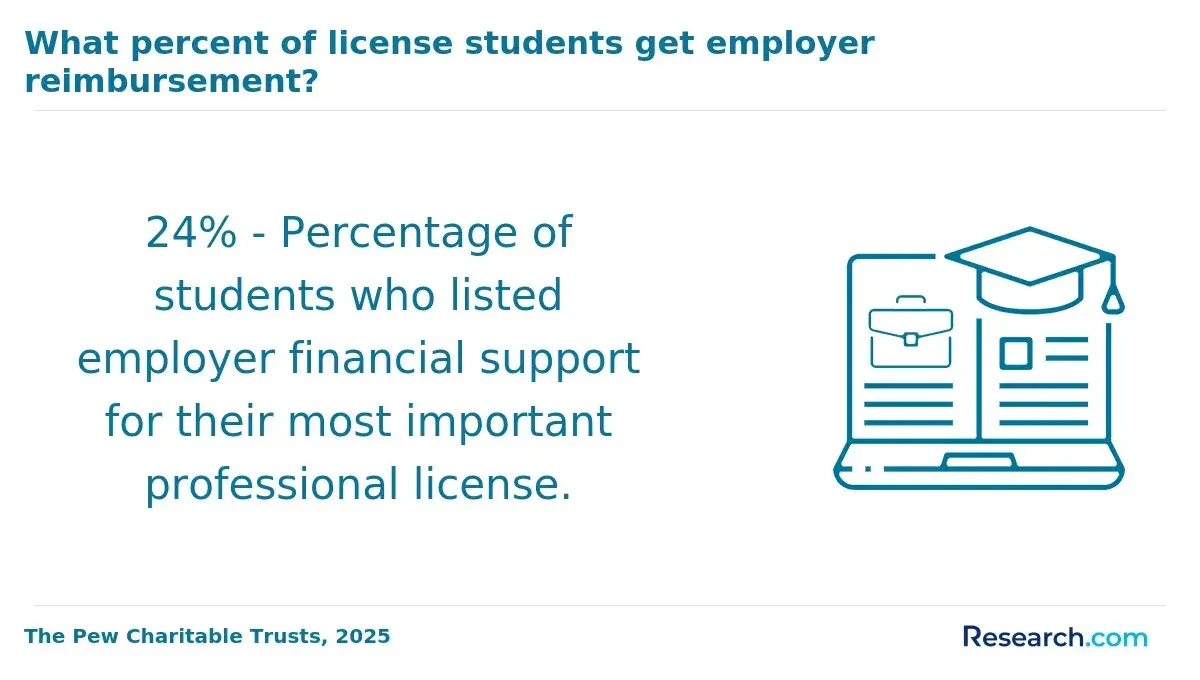
Across industries, psychology graduates earn more when they can turn behavioral knowledge into decisions employers can measure. The highest-value skill combinations usually pair human behavior with data, communication, compliance, business judgment, or clinical competence.
The skills below are especially important because they travel across sectors. They can help a graduate move from entry-level support roles into analyst, specialist, manager, consultant, or licensed professional positions.
- Research methods and statistics: Useful in UX research, market research, program evaluation, graduate study, and evidence-based practice.
- Assessment and measurement: Valuable in HR selection, organizational psychology, education, clinical screening, and training evaluation.
- Data tools: Spreadsheet modeling, survey platforms, statistical software, dashboards, and basic coding can help graduates qualify for analyst roles.
- Clinical communication: Active listening, documentation, crisis response, and ethical judgment matter in healthcare, education, and social services.
- Business writing and presentation: Employers reward graduates who can translate behavioral findings into clear recommendations for leaders.
- Program evaluation: Nonprofits, agencies, schools, and healthcare organizations need staff who can show whether interventions are working.
One red flag is assuming that "people skills" alone will separate you in the job market. Employers usually want evidence: research projects, internship outcomes, supervised clinical experience, HR metrics, dashboards, writing samples, or a portfolio showing how you analyzed behavior and recommended action.
Credentials matter more in some psychology sectors than others. Healthcare, counseling, and school settings are credential-heavy, while business, technology, and HR roles may reward certificates, portfolios, and experience more than formal licensure.
The table below summarizes the credentials that can increase earning potential or access to better roles. Requirements vary by state, employer, and job title, so students should verify rules before choosing a program or certification.
| Sector | Credential or degree that may matter | Why it can increase earnings |
| Clinical and counseling healthcare | Master's or doctoral degree, supervised hours, state license | Licensure can qualify graduates for independent or higher-responsibility practice |
| School psychology and education | Specialist-level or graduate credential, state school psychology certification | Public school roles often require specific state credentials and salary schedules |
| Industrial-organizational psychology | Master's or doctoral degree in I-O psychology, analytics experience | Advanced training supports assessment, consulting, and organizational research roles |
| Human resources | SHRM or HRCI certification, HR analytics training | Can support advancement into specialist or management positions |
| UX and market research | Portfolio, research certificate, statistics or data analytics training | Employers often want proof of research design, interviewing, testing, and synthesis skills |
| Nonprofit and public programs | Program evaluation, grant writing, project management training | Can help graduates move from direct service into management and funding-related roles |
Students comparing psychology with other licensed healthcare routes should note that credentials can change career economics significantly; for example, PharmD programs lead to a different regulated profession with a separate training model, cost structure, and labor market.
The main mistake to avoid is paying for a certificate before confirming that employers in your target sector actually request it. Search job postings first, then choose credentials that appear repeatedly for the roles and locations you want.
Company size and organization type can affect psychology earnings as much as industry. Large employers often provide structured pay bands, benefits, tuition assistance, supervision, and promotion ladders, while smaller organizations may offer faster responsibility growth but less predictable compensation.
The table below shows how employer type can influence both salary and career value. This is especially important for psychology graduates because many roles have similar titles but very different budgets and advancement paths.
| Employer type | Potential earnings advantage | Potential trade-off | Best fit |
| Large healthcare systems | Benefits, supervision pathways, internal mobility, specialized teams | More bureaucracy and credential requirements | Graduates pursuing clinical, behavioral health, or care management careers |
| Government agencies | Stable pay scales, pensions or retirement plans, public-service benefits | Slower hiring and promotion processes | Graduates who value stability and mission-driven work |
| Large corporations | Higher ceiling in HR, analytics, training, employee experience, and research | Competition and performance pressure can be higher | Graduates with business, data, and communication strengths |
| Startups and small companies | Broad responsibilities and fast skill development | Less structure, fewer mentors, and variable benefits | Graduates comfortable with ambiguity and portfolio building |
| Universities and research centers | Research credibility, graduate school preparation, academic networks | Entry-level pay may be modest | Students planning graduate study or research careers |
| Nonprofits | Leadership opportunities may appear earlier in smaller teams | Pay depends heavily on funding and grants | Graduates focused on community impact and program leadership |
When comparing offers, do not stop at base pay. Ask about supervision for licensure, health insurance, retirement match, paid training, tuition reimbursement, caseload expectations, bonus eligibility, remote flexibility, and promotion criteria. A lower salary with strong supervision or tuition support may be worth more than a higher salary with limited advancement.
Emerging industries are expanding the ways psychology graduates can earn beyond traditional counseling or education roles. The strongest opportunities are in areas where behavior, data, technology, and health intersect.
These sectors are promising because employers increasingly need professionals who can understand motivation, decision-making, user behavior, learning, trust, and adoption. Psychology graduates who add technical fluency can compete for roles that did not exist in older career guides.
- Behavioral health technology: Digital therapy platforms, care navigation tools, and measurement-based care programs need workers who understand mental health workflows and patient engagement.
- UX research and human-centered AI: Product teams need researchers who can study user behavior, test interfaces, and evaluate trust, bias, usability, and adoption.
- People analytics: Employers use workforce data to improve retention, hiring, engagement, training, and leadership decisions.
- Neurotechnology and human performance: Roles may involve research support, usability, ethics, participant testing, or applied behavior insights.
- Public health behavior change: Agencies and healthcare organizations need programs that improve adherence, prevention, and community outcomes.
- Consumer insights and behavioral marketing: Companies pay for research that explains why customers choose, abandon, trust, or recommend products.
Psychology students interested in data-heavy life science careers may also explore bioinformatics major jobs to understand how analytics-driven health sectors differ from behavior-focused psychology pathways.
The caution is that emerging sectors can be volatile. To reduce risk, build transferable skills: research design, statistics, interviewing, ethics, data visualization, writing, and stakeholder communication. Those skills can move across healthcare, technology, consulting, education, and public-sector roles if one industry slows down.
The best industry for a psychology graduate depends on what kind of return matters most: income, stability, independence, mission, work-life balance, or speed to employment. A high-paying sector is attractive, but it may require graduate school, relocation, competitive hiring, or tolerance for corporate pressure.
Use the following process to compare sectors before committing to a job search, graduate program, or certificate. It helps you avoid choosing based only on salary headlines.
- Choose two or three target sectors, such as healthcare, HR, UX research, education, government, or nonprofit services.
- Collect current job postings in your preferred locations and write down required degrees, licenses, software skills, experience, and salary ranges.
- Separate entry-level roles from advanced roles so you know what is realistic now and what requires graduate school or supervised experience.
- Estimate total career cost, including tuition, exams, unpaid internships, supervision fees, relocation, and time out of the full-time workforce.
- Compare benefits, schedule, advancement, and burnout risk alongside salary.
- Interview professionals in each sector and ask what actually drives promotions and pay increases.
- Pick the sector where your interests, tolerance for training, and market demand overlap most strongly.
For some students, a lower-paying first role in research, healthcare, or education may make sense if it provides supervision, graduate school preparation, or a direct path to licensure. For others, entering HR, sales enablement, UX research, or analytics may produce a faster financial return with less formal schooling.
Students who mainly want a faster route into hands-on healthcare employment may also compare psychology pathways with alternatives such as LPN programs, which follow a different training timeline and lead to nursing-focused roles rather than psychology-focused careers.
The biggest red flags are relying on outdated salary reports, assuming a bachelor's degree qualifies you for licensed therapist roles, ignoring state rules, and choosing a graduate program without checking placement outcomes. A psychology degree can be valuable across sectors, but its earnings power depends on the industry strategy you build around it.
Long-term career growth depends on whether a sector offers clear promotion ladders, credential premiums, and demand that is likely to persist. Psychology graduates should look beyond the first job and ask whether the industry can support advancement into licensed practice, management, consulting, analytics, policy, or product leadership.
For long-term growth, the best sectors usually share several characteristics. They reward specialization, offer supervision or mentorship, and connect psychology knowledge to measurable outcomes such as improved care, reduced turnover, better product usability, or stronger program results.
- Best for high earnings growth: Business consulting, industrial-organizational psychology, people analytics, and technology research, especially for graduates who add statistics, assessment, and communication skills.
- Best for stable advancement: Government, public education, hospitals, and large healthcare systems, especially where formal pay bands, benefits, and internal promotion pathways are available.
- Best for mission-driven leadership: Nonprofits, community behavioral health, public health programs, and social services, particularly for graduates who move into program evaluation, grant management, or director roles.
- Best for clinical independence: Licensed counseling, clinical psychology, and private practice, though the pathway usually requires graduate school, supervised hours, and state licensure.
The trade-off is that the fastest-growing path may not be the easiest to enter. Technology and consulting can be lucrative but competitive; healthcare and education may have clearer credential routes but longer training timelines. The smartest choice is the sector where you can build durable expertise, not simply the one with the highest headline salary.
Other Things You Should Know About Psychology
Business consulting, industrial-organizational psychology, and specialized organizational roles often offer the highest upside. Licensed clinical practice and healthcare leadership can also pay well, but they usually require graduate education and state licensure.
Yes, but usually outside licensed psychologist roles. Bachelor's graduates often improve earnings by moving into HR, research, sales operations, UX support, case management leadership, or data-informed business roles.
Healthcare is often better for graduates who want patient care, licensure, and stable demand. Business may be better for those who want higher private-sector upside and are willing to build analytics, consulting, and organizational skills.
Not always. Compare salary with training cost, benefits, licensure requirements, workload, location, and promotion paths. A slightly lower-paying sector may be better if it offers stability, supervision, loan support, or a clearer long-term fit.
See What Experts Have To Say About Studying Psychology
Read our interview with Psychology experts

Robin M. Kowalski. Ph.D.
Psychology Expert
Professor of Psychology
Clemson University

Elizabeth L. Jeglic Ph.D.
Psychology Expert
Professor of Psychology
City University of New York

Joann Farrell Quinn, Ph.D., MBA
Psychology Expert
Director at the College of Medicine Department of Medical Education
Morsani College of Medicine

- The 25 Most Lucrative Careers in Psychology https://www.bestpsychologydegrees.com/25-most-lucrative-careers-in-psychology/
- What Do Psychologists Earn? Highest Paying Psychology Jobs | Walbrook https://www.walbrook.ac.uk/subjects/psychology/psychologist-salaries-highest-paying-jobs/
- Master’s vs PhD: Which Degree Is Right for Your Career Goals? https://theredpen.in/blog/masters-vs-phd-everything-you-need-to-know/
- From Mind to Money: The Top Earning Opportunities for Psychology Graduates https://psychologyspeaks.com/from-mind-to-money-the-top-earning-opportunities-for-psychology-graduates/
- What Can You Do With A Psychology Degree? | Psychology.org https://www.psychology.org/resources/alternative-careers-for-psychology-majors/
- Top 5 Highest-Paying Psychology Careers - Rivier Academics https://www.rivier.edu/academics/online/resources/program-resources/top-5-highest-paying-psychology-careers-rivier-university/