
2027 Easiest Online Bachelor's in Psychology Degree Programs Ranking in Kansas

Co-Founder and Chief Data Scientist
Choosing the right online bachelor's program in psychology can feel overwhelming, especially in Kansas. That's why the 2027 Easiest Online Bachelor's in Psychology Degree Programs Ranking in Kansas was created by the Research.com team of data scientists to guide you. This ranking highlights programs that balance quality and convenience, making your education journey smoother.
Exploring psychology opens doors to understanding human behavior and building a meaningful career. This article helps you identify valuable programs that fit your lifestyle and goals, so you can confidently take the next step.
Key benefits of getting online psychology degree in Kansas
- Salary for psychology degree graduates: Graduates in Kansas can expect rewarding salaries such as $76,060 annually for Human Resources Specialists and $83,190 for Marketing Research Analysts, reflecting strong earning potential in related roles.
- Career paths: A psychology graduate from the University of Kansas often pursues diverse roles like Clinical Research Associate or Survey Researcher, offering fulfilling opportunities in healthcare, research, and human services.
- Benefits of online degrees: Earning a psychology degree online from Wichita State University offers flexibility and access to quality education while balancing work or family, making career advancement more achievable and enjoyable.
- 2027 Easiest Online Bachelor's in Psychology Degree Programs Ranking in Kansas
- What can I expect from online psychology degree in Kansas?
- Where can I work with online psychology degree in Kansas?
What can I expect from online psychology degree in Kansas?
The average cost of earning an online psychology degree in Kansas often surprises prospective students seeking affordability alongside quality. Graduates from Wichita State University or Fort Hays State University recall that tuition typically ranges from $7,000 to $12,000 per year for online programs-significantly less than many might expect for a degree that opens doors to diverse opportunities.
These savings come without sacrificing rigorous coursework. Students balance their roles at work or home while engaging deeply with developmental psychology and research methods, reinforcing the value of every dollar spent. They relish the flexibility of remote study, which not only cuts transportation and housing costs but also allows more time for reflective learning and fostering virtual connections with faculty and peers.
Graduates often highlight the emotional uplift of applying theory to real-world cases through virtual labs or group projects, experiences that make their investment feel immediately worthwhile. For those considering the University of Kansas, the blend of credible accreditation and funding options reinforces confidence that pursuing an online degree in Kansas is both practical and inspiring.
Where can I work with online psychology degree in Kansas?
Graduates with an online psychology degree from institutions like the University of Kansas or Kansas State University often find themselves stepping into dynamic roles in community mental health centers. Imagine working alongside dedicated professionals at centers supported by the Kansas Department for Aging and Disability Services, helping individuals and families navigate complex mental health challenges-a truly rewarding experience.
Others have embraced positions as school counselors or behavioral specialists in Kansas schools, where their work directly impacts student well-being. With growing statewide demand reported by the Kansas State Department of Education, these roles offer meaningful engagement with youth facing emotional hurdles.
Healthcare settings such as hospitals and outpatient clinics also attract psychology graduates. Visualize assessing patients or providing therapy in a bustling Kansas City hospital, where your expertise supports recovery and rehabilitation.
Some graduates pursue licensure to open private practices or join counseling centers, turning their passion into independent careers. The journey from an online degree to Licensed Psychologist or LSCSW status demands dedication, yet many find the process deeply fulfilling.
Furthermore, Kansas's corporate and legal landscapes offer intriguing paths. Industrial-organizational psychology in major businesses or forensic psychology within legal systems provide diverse opportunities to apply psychological insights.
While entry-level roles like psychiatric technician often follow a bachelor's degree, graduates from Kansas universities share a common sense of optimism, knowing that their education is a strong stepping stone toward impactful, community-focused careers.
Graduates from online psychology programs in Kansas often step into roles like Human Resources Specialist or Marketing Research Analyst with strong earning potential. For instance, a Human Resources Specialist in Kansas earns about $76,000 annually on average, combining psychology knowledge with people skills to shape workplace environments.
Marketing Research Analysts, another common path for psychology graduates from institutions such as the University of Kansas or Wichita State University, enjoy mean annual wages over $83,000. Graduates often share how applying behavioral insights to market trends has boosted their confidence and career satisfaction, proving that a psychology degree can open lucrative, dynamic doors.
Positions like Clinical Research Associate and Survey Researcher, which require solid training in research methodology, also offer competitive salaries around $62,000 per year. Graduates recall their hands-on research projects during training making them feel well-prepared to tackle real-world challenges.
Even entry-level roles like Childcare Workers, with average wages near $32,000, provide meaningful work that sparks passion in many graduates, especially those aiming to grow into counseling or educational psychology careers within Kansas's supportive community settings.
With the cost of living in Kansas generally below the national average, these salaries allow graduates to enjoy fulfilling careers without the pressure of high urban living costs, encouraging deeper focus on personal and professional growth.
- Kansas public universities offer online psychology bachelor's programs with tuition costs ranging from $8,000 to $15,000 per year for residents.
- Entry-level psychologists in Kansas earn about $50,000 to $55,000 annually, with experienced professionals making $75,000 or more.
- Online programs in Kansas prepare students to meet licensure requirements, including supervised hours, exams, and ethical standards overseen by the Kansas Behavioral Sciences Regulatory Board.
- The job market for psychology graduates in Kansas is expected to grow moderately, especially in mental health counseling, social work, and school psychology roles.
- Major metropolitan areas like Wichita, Overland Park, and Kansas City have higher concentrations of psychology-related jobs.
Completing an online psychology degree in Kansas typically takes about four years for full-time students-mirroring the pace of established programs at institutions like the University of Kansas and Washburn University. Graduates often reflect on the balance required between coursework and personal life, sharing how flexible scheduling helped them stay motivated without sacrificing their well-being. On the other hand, part-time students frequently experience a longer journey, stretching five to six years as they juggle jobs and family responsibilities, illustrating that patience and persistence become as important as academic focus.
Many graduates highlight how accelerated courses or continuous year-round sessions offered by Kansas colleges can transform the typical timeline, allowing committed students to complete their degrees faster. Transfer credits frequently shorten this path, rewarding prior academic efforts. These varied experiences reveal that the true length of study is personal and dynamic, inviting prospective students to reflect on their own pace rather than defaulting to a one-size-fits-all expectation.
Navigating the path from graduation to professional practice involves understanding Kansas’ licensure and certification process for those earning a psychology online degree. After completing an accredited bachelor’s, master’s, or doctoral program, aspiring practitioners must meet specific state requirements: • Education and Supervised Experience – Bachelor’s graduates often pursue licensure as a Licensed Specialist Clinical Social Worker (LSCSW) or a Licensed Professional Counselor (LPC), requiring a master’s degree and 3,000 supervised hours. – Doctoral candidates complete 1,500–2,000 supervised hours under a licensed psychologist before applying for the Examination for Professional Practice in Psychology (EPPP). • Examination Requirements – The EPPP, administered by the Association of State and Provincial Psychology Boards, assesses foundational knowledge and must be completed with a passing score determined by the Kansas Behavioral Sciences Regulatory Board (BSRB). – Some specializations (e.g., school psychology) require additional state-specific exams, such as the Praxis Series. • State Application and Fees – Submit official transcripts, verification of supervised practice, and background checks to the BSRB. – Fees range from $150 to $300 for initial licensure and renewal every two years involves continuing education credits (20 hours minimum, including ethics). • Continuing Education and Renewal – Kansas mandates 20 hours of approved CEUs per renewal period, with at least 3 hours in ethics. – Accepted formats include workshops, online seminars, and university courses. Understanding these licensure requirements early in your academic journey ensures a smooth transition from earning a degree to delivering psychological services across Kansas’ schools, hospitals, and private practices.
Choosing between online and on-campus psychology programs in Kansas often boils down to how you envision your daily learning experience. For instance, graduates from the University of Kansas who took the online route often speak of the freedom to balance coursework with jobs or family, accessing lectures whenever it fits their schedule. This flexibility contrasts sharply with the structured, face-to-face atmosphere at Kansas State University, where on-campus students enjoy spontaneous interactions and lab work that deeply enrich hands-on understanding.
This difference isn't just about location; it shapes how you connect with peers and faculty. On-campus students often describe the vibrant campus energy-joining study groups inperson or grabbing coffee to discuss theories-that fosters a sense of belonging hard to replicate online. Yet, online learners at institutions like Wichita State find unexpected community through virtual forums and local internships arranged through the program, proving that meaningful support and engagement can transcend screens.
Many psychology students already familiar with Kansas' rigorous accreditation standards feel confident both paths prepare them well, but the personal rhythm of study and interaction ultimately defines their unique journey.
Ensuring your online psychology program is properly accredited is the first step toward meeting Kansas licensure standards and building a reputable career. In Kansas, regional accreditation-such as from the Higher Learning Commission (HLC)-guarantees that institutions meet rigorous academic and administrative criteria. For clinical practice or counseling roles, graduates should also verify programmatic accreditation from the American Psychological Association (APA), which is often required to sit for the Examination for Professional Practice in Psychology (EPPP). The Kansas Behavioral Sciences Regulatory Board (BSRB) sets specific requirements for licensure as a psychologist or psychological associate. Key milestones include: • Completion of a minimum 120-credit bachelor’s degree from an HLC-accredited institution, followed by an APA-accredited master’s or doctoral program if pursuing full licensure. • Accrual of supervised professional experience-typically 1,500–2,000 hours under a licensed psychologist. • Passing the EPPP and, where applicable, the Kansas jurisprudence exam. • Submission of official transcripts, supervision logs, and application materials to the BSRB. Before enrolling, prospective students should review each program’s accreditation status on the U.S. Department of Education’s database and consult the BSRB’s licensure handbook. For those prioritizing cost alongside accreditation, compare Kansas offerings with our Affordable Psychology Degree Programs Ranking in Minnesota to benchmark tuition and accreditation models. By choosing an accredited program and mapping out Kansas licensure steps early, graduates can streamline their path from diploma to licensed practice.
The average cost of an online psychology degree in Kansas typically centers around a median total of $40,590, reflecting a balance between affordability and quality education. Graduates from public universities such as Wichita State University and Fort Hays State University often recall their tuition fees being significantly lower than national averages, with many in-state students paying between $4,000 and $7,000 annually. This stark contrast highlights how Kansas students can achieve valuable degrees without accruing overwhelming debt.
Financial planning becomes more manageable when prospective students understand that tuition per credit hour ranges from $250 to $400 for in-state attendees at public institutions. By comparison, private universities, while offering potentially broader opportunities, can charge upwards of $600 per credit hour, which quickly escalates overall costs. Graduates frequently share that the relatively affordable cost combined with robust online support helped them stay motivated and confident throughout their studies.
When navigating Kansas online bachelor's in psychology tuition fees, it helps to visualize a day in the life of a student juggling coursework with personal responsibilities while leveraging scholarships and tuition reimbursement programs. Their ability to reduce expenses and focus on learning transforms the investment into a rewarding journey. For those still exploring options, examining different programs' accreditation adds an essential layer of reassurance.
Resources like the psychology online degree guides provide targeted insights for students seeking the best value in cost and quality. Ultimately, the interplay between cost, program reputation, and personal commitment shapes the real experience behind these numbers.

Online psychology students in Kansas can take advantage of various scholarships and grants to help fund their education. The Kansas Board of Regents offers several scholarships, including the Kansas Comprehensive Grant, which provides awards ranging from $100 to $10,000 to students with demonstrated financial need. Additionally, the Kansas Education Opportunity Scholarship is available to first-generation college students and dependents of teachers and paraprofessionals. Many universities in Kansas, such as the University of Kansas and Wichita State University, also offer departmental scholarships, like the Howard Carvajal Undergraduate Psychology Scholarship, which can help cover tuition, fees, and other educational expenses. Some key scholarships and grants available to online psychology students in Kansas include:
- The Kansas Career Technical Workforce Grant, which is geared towards students enrolled in technical certificate or associate of applied science degree programs in high-demand fields
- Federal work-study programs and Federal Stafford student loans, which can be applied for by completing the Free Application for Federal Student Aid
- Departmental scholarships, such as the Stephen Davis Student Opportunity Fund, which can provide additional support to psychology students These scholarships and grants can help make pursuing an online psychology degree in Kansas more affordable and accessible, and can also provide assistance with books and other course materials, helping to reduce the overall cost of pursuing a degree in this field. By exploring these options, online psychology students in Kansas can find the financial support they need to succeed in their academic pursuits.
Many students pursuing online psychology degrees in Kansas discover that financial aid options are more accessible than they initially imagined. Graduates from institutions like the University of Kansas or Wichita State often share relief about Pell Grants, which can award up to $7,395 without the burden of repayment-transforming their ability to focus on studies rather than finances.
State-specific programs offered by the Kansas Board of Regents, such as the Comprehensive Grant and Career Technical Workforce Grant, directly shrink tuition costs for those enrolled in public universities with online psychology tracks. Students frequently speak of how these grants turn daunting bills into manageable investments in their future.
Institutional scholarships, whether merit- or need-based, play a pivotal role at colleges across Kansas. Psychology majors often recount receiving targeted scholarships that validate their dedication to the field and ease stress, fueling enthusiasm and persistence.
External scholarships from groups like the American Psychological Association also inspire students by recognizing leadership and commitment, while work-study and employer tuition assistance add practical financial relief, making it possible to balance education with real-world responsibilities.
When evaluating online bachelor’s in psychology programs in Kansas, accreditation is a critical indicator of academic rigor and institutional integrity. Prospective students should verify that their chosen university holds regional accreditation-such as from the Higher Learning Commission (HLC)-to ensure eligibility for federal financial aid, seamless credit transfers, and broad employer recognition. Beyond institutional accreditation, psychology departments may pursue specialized endorsements: while the American Psychological Association (APA) does not accredit bachelor’s programs, it sets the standard for doctoral-level training. Students planning to advance to a doctoral degree should review listings of psyd online programs apa accredited to guarantee that their graduate training meets licensure requirements. Quality assurance also involves state authorization: online programs must be approved to enroll Kansas residents, safeguarding compliance with local education agencies. Additionally, look for programs that engage external advisory boards, publish annual student achievement data, and maintain low student–faculty ratios in virtual labs or practicum placements. Transparent reporting of retention rates, internship placements, and alumni outcomes speaks to a program’s commitment to continuous improvement. Finally, accreditation reviews are cyclical-typically every five to ten years-so confirm that your institution’s accreditation status is current and free of probationary restrictions. By prioritizing accredited and state-authorized online psychology programs in Kansas, you safeguard your investment, support licensure eligibility, and position yourself competitively for internships, graduate studies, and future employment.
To enroll in an online psychology degree program in Kansas, you must typically present a high school diploma or GED. Graduates from popular universities like the University of Kansas often recall how this basic credential felt like the first stepping stone to their rewarding journey in psychology. Beyond that, a minimum GPA-usually between 2.5 and 3.0-is expected to show academic readiness, a challenge that many find motivates deeper commitment rather than discouragement.
Transcripts from previous studies are often required, especially for those transferring credits to reduce costs, which is a pragmatic step embraced by many students attending institutions such as Kansas State University. While standardized test scores like the SAT or ACT might no longer be strictly necessary, some schools in Kansas still consider them, prompting students to verify these evolving requirements carefully.
Technical readiness is vital too. Reliable internet and basic tech skills aren't just hoops to jump through-they're key enablers for online learning success, as reported by graduates who felt empowered navigating digital platforms from home. Finally, many programs request personal statements or recommendation letters. These elements, often viewed as mere formalities, are actually meaningful chances to express unique motivation and experience, particularly for nontraditional students balancing work and study.
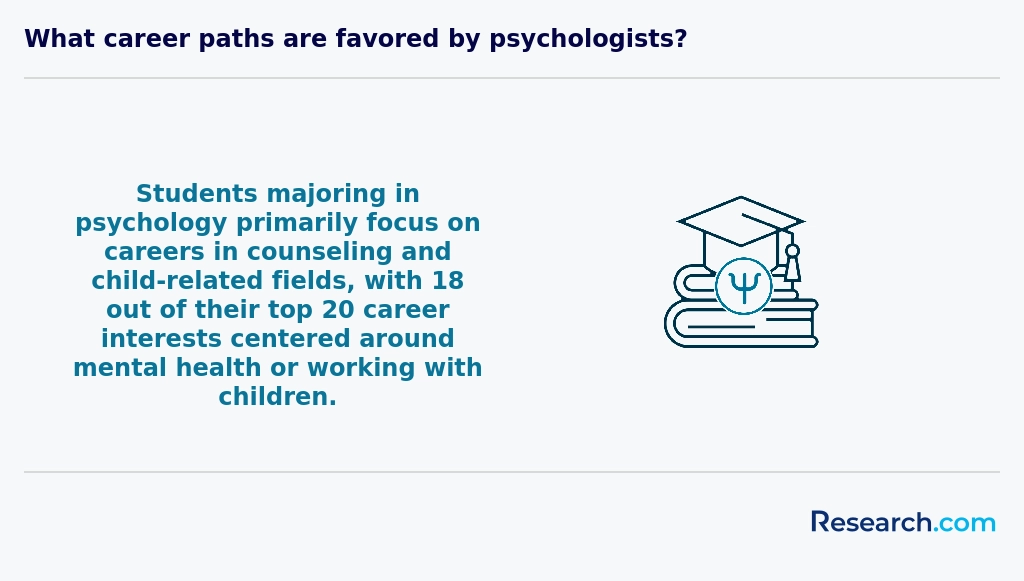
To ensure your online psychology degree holds value with employers and professional boards, verify each program’s regional accreditation and state authorization. In Kansas, approval from the Kansas Board of Regents and accreditation by the Higher Learning Commission (HLC) are essential markers of quality and eligibility for federal financial aid.
Key considerations for future professionals:
- Accreditation status: Confirms academic rigor, transferability of credits and access to federal aid
- Licensure eligibility: Aligns coursework with Kansas Behavioral Sciences Regulatory Board (BSRB) requirements for roles like Licensed Professional Counselor (LPC) or Licensed Specialist Clinical Social Worker (LSCSW)
- Graduate study readiness: Regionally accredited programs streamline admission to master’s or doctoral psychology tracks
For those exploring specialized clinical pathways, consider how a bachelor’s degree can lead into online mft programs that meet marriage and family therapy licensure prerequisites.
Online psychology degree programs in Kansas offer a curriculum designed to deeply connect theory with lived experience, making courses like Introduction to Psychology immediately relevant as graduates recall exploring how everyday emotions and decisions shape their social worlds. At popular institutions such as the University of Kansas, students find Developmental Psychology enlightening, tracing human growth stages from infancy to old age-many relate this to watching family members evolve over time.
Courses like Abnormal Psychology take on new meaning as students learn about mental health challenges that friends or community members face, fostering empathy and practical understanding. Graduates frequently highlight Psychological Research Methods and Statistics for the Social Sciences as empowering, equipping them to interpret data that drives real-world policies affecting Kansans.
Studying Biological and Social Psychology cultivates insights into how brain function and group dynamics influence behavior, topics that local students at Wichita State reflect on when considering their careers in counseling or community health. Ethics in Psychology and Counseling Techniques prepare these future professionals not just academically but emotionally and ethically, enhancing their ability to help others across Kansas.
- Introduction to Psychology
- Developmental Psychology
- Abnormal Psychology
- Psychological Research Methods
- Statistics for the Social Sciences
- Biological Psychology
- Social Psychology
- Cognitive Psychology
- Ethics in Psychology
- Counseling Techniques
Online psychology degree specializations Kansas programs commonly include Clinical Psychology, Child and Adolescent Psychology, Industrial-Organizational Psychology, Counseling Psychology, and Forensic Psychology. These specializations challenge students to think beyond textbooks, offering paths focused on diagnosing mental health disorders, supporting workplace efficiency, or navigating the intersection of psychology and law.
Graduates from institutions like Fort Hays State University and Washburn University often describe how their chosen concentration helped them engage deeply with real-world applications. For example, those in Industrial-Organizational Psychology find themselves energized by contributing to Kansas's growing healthcare and logistics industries, applying psychological principles to enhance workforce well-being.
By selecting a specialization, students tailor their skills to meet diverse career goals, which feels deeply rewarding as it directly connects learning to future opportunities. This makes online psychology programs in Kansas a natural fit for those who want a degree aligned with clear, tangible professional outcomes and local job market needs, especially when exploring concentrations within Kansas online psychology programs concentrations or researching psyd online programs apa accredited.
Choosing the best online psychology degree in Kansas means looking beyond surface-level perks. Graduates from popular Kansas universities often recount how confirming regional accreditation from the Higher Learning Commission (HLC) gave them confidence that their credits and degree would hold real value in local job markets. It's not just about name recognition-many find that programs offering courses in developmental or abnormal psychology alongside research methods prepare them more effectively for practical roles in counseling and social work.
Cost-conscious students appreciate that state schools in Kansas frequently offer lower tuition rates, especially when compared to private or out-of-state options. One graduate reflected on how this affordability, combined with asynchronous course schedules, allowed them to continue working while pursuing their degree. For those seeking affordable psychology bachelor's programs Kansas provides unique opportunities to balance life commitments without sacrificing education quality.
Finally, consider how local support services and connections to practicum sites influence your experience. Graduates emphasize how access to career guidance and local internships made a tangible difference in starting their careers. Exploring resources like the Affordable Psychology Degree Programs Ranking in Minnesota can also inspire creative paths to funding and program choice.
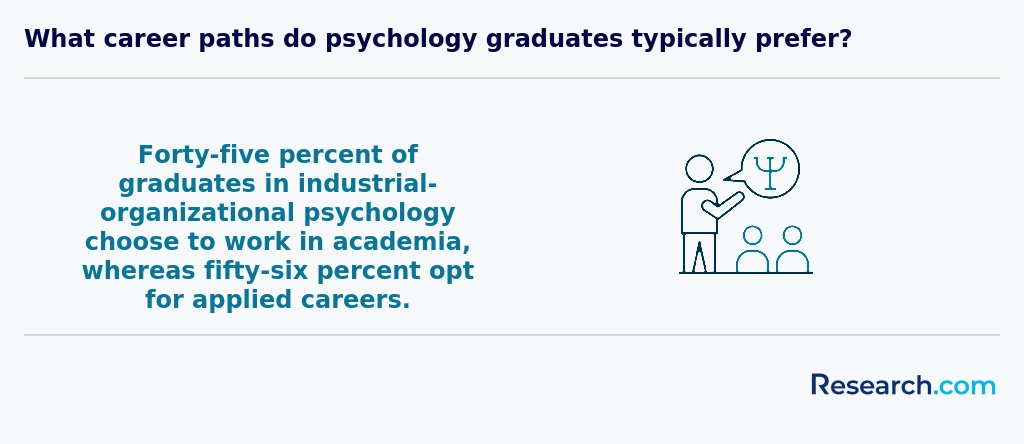
Graduates holding an online psychology degree in Kansas often discover that the field's possibilities extend far beyond traditional therapy roles. Many find themselves flourishing as licensed therapists or counselors after further study-building emotionally rewarding careers rooted in community impact, especially in underserved rural towns. Those emerging from popular psychology programs at Kansas universities appreciate how their studies empower them to transform lives through counseling, resonating deeply with the state's growing mental health needs.
Others leverage their understanding of human behavior in the vibrant business scenes of Kansas City, advancing in human resources or organizational development. Here, the knowledge gained from an online psychology degree career options Kansas unfolds in real time, crafting pathways into roles where empathy meets strategic influence. Graduates report personal satisfaction in shaping workplace culture, a less conventional but equally impactful route.
Some choose to join criminal justice fields as probation officers or victim advocates, applying psychology insights to rehabilitation and support. The chance to engage with real-world challenges motivates many students who also explore research assistant jobs in academic settings. With median wages surpassing $63,000 in Kansas City, the investment in programs-including options found in affordable phd programs online-often feels worthwhile to graduates envisioning rich career prospects. This dynamic landscape of psychology job opportunities in Kansas encourages thoughtful exploration and personal fulfillment.
Many graduates from Kansas universities offering online psychology degrees find the job market to be both promising and demanding. Institutions like the University of Kansas and Kansas State University boast alumni who enter the local workforce feeling optimistic about roles in behavioral health aides, case management, or psychiatric technician positions. However, the job outlook for psychology graduates in Kansas often highlights how crucial further credentials and experience are to stand out, especially since many entry-level positions offer salaries between $35,000 and $45,000.
Several graduates remark on the valuable role of certifications that complement their degrees; exploring certifications you can get online that pay well has helped them secure meaningful employment. Increasing telehealth services and community health initiatives in the state expand opportunities, but advanced licensing requirements push many toward master's or doctoral programs to access roles with stronger pay and influence.
2027 Easiest Online Bachelor's in Psychology Degree Programs Ranking in Kansas
Investing in your education is a significant decision that can shape your future, and the Research.com team understands the importance of making informed choices. To assist prospective students in Kansas, we have meticulously crafted the "2027 Easiest Online Bachelor's in Psychology Degree Programs Ranking in Kansas." Our commitment to quality, credibility, and accuracy is reflected in the extensive research and analysis conducted to compile this ranking.
We utilized the following reputable data sources to ensure a comprehensive evaluation of psychology degree programs:
By exploring this ranking, readers will gain valuable insights into the easiest online bachelor's in psychology programs available in Kansas, helping them make well-informed decisions about their educational journeys. For more details on how this ranking was created, please visit our Research.com methodology page.

# 2 position
Southwestern College
Bachelor of Organizational Psychology


Frequently Asked Questions About psychology
Students pursuing online psychology degrees in Kansas can maximize their learning by actively engaging with course materials and professors. Participating in virtual discussions and study groups helps deepen understanding and build a professional network. Kansas students should also take advantage of local internship opportunities; the state's demand for psychologists is expected to grow by 12% from 2021 to 2031, according to the U.S. Bureau of Labor Statistics.
Utilizing campus resources offered remotely, such as academic advising and tutoring, can improve retention and performance. Additionally, staying organized with a structured study schedule supports balancing coursework with personal and professional responsibilities.
Finally, pursuing accreditation through the American Psychological Association or similar bodies ensures programs meet high educational standards, which benefits Kansas students entering psychology careers locally or nationally.
The psychology field is evolving, with several emerging niches offering new career opportunities. In Kansas, online psychology degree students often explore areas like forensic psychology, which applies psychological principles to legal issues. Another growing niche is health psychology, focusing on how behavior impacts physical health. Additionally, sports psychology is gaining attention, helping athletes improve performance through mental training. According to the U.S. Bureau of Labor Statistics, jobs for psychologists in Kansas are expected to grow about 8% through 2031, reflecting a demand in these specialties. Online programs increasingly incorporate these fields to prepare graduates for diverse roles.
After completing an online psychology degree in Kansas, it is important to build practical experience and professional connections. Many graduates pursue internships or volunteer positions in local mental health clinics, hospitals, or social service agencies to strengthen their resumes. The Kansas Department for Aging and Disability Services and Mental Health Centers often offer such opportunities.
Licensure is crucial for many psychology-related careers in Kansas. Graduates should research requirements for roles like Licensed Specialist Clinical Social Worker (LSCSW) or Licensed Psychologist, which typically require supervised post-degree experience and passing state exams.
Joining professional groups such as the Kansas Psychological Association can help build networks and provide access to job listings and continuing education.
The U.S. Bureau of Labor Statistics projects a 13% growth in psychology jobs nationally through 2032, with similar trends in Kansas, especially in counseling and social work fields.
Employers in Kansas highly value psychology graduates who demonstrate strong critical thinking skills. These abilities enable professionals to analyze client needs and apply appropriate psychological theories effectively. Communication skills are equally essential, as psychologists must clearly convey findings and collaborate with colleagues.
Another top skill is proficiency in research methods. Graduates comfortable with data collection and statistical analysis are in demand, especially as evidence-based practices gain prominence in Kansas mental health settings. According to the Bureau of Labor Statistics, employment for psychologists in Kansas is projected to grow 8% by 2030, increasing the need for such skills.
Finally, cultural competence ranks among the most sought-after attributes. Given Kansas's growing diversity, being able to work respectfully with various populations enhances employment prospects across clinical and counseling roles.
Finding internships in Kansas relevant to a psychology degree involves several key steps. Start by exploring partnerships between online programs and local organizations, such as community mental health centers, hospitals, and university clinics. These sites often provide supervised practicum opportunities essential for hands-on experience.
The Kansas Psychological Association and the Kansas Department for Aging and Disability Services list internship openings and guidelines on their websites. Additionally, career centers at Kansas universities, even for online students, can assist in connecting candidates with suitable placements.
It is important to verify that internships meet the requirements for licensure or graduate school prerequisites, which typically include a minimum number of supervised hours.
Obtaining an online psychology degree in Kansas can significantly enhance career mobility and advancement within the state's growing mental health sector. According to the Kansas Department for Aging and Disability Services, the demand for qualified psychology professionals is projected to grow by 10% through 2030, outpacing many other fields.
An online degree offers flexibility for working adults to gain essential credentials without relocating, which is valuable given Kansas's mix of urban and rural job markets. Graduates often qualify for entry-level roles such as behavioral health technicians or case managers, with clear pathways to higher-paying clinical or counseling positions.
Accredited programs that align with Kansas licensing requirements also help graduates pursue advanced certifications or graduate study, further boosting their career prospects. This alignment is crucial because the Kansas Behavioral Sciences Regulatory Board requires specific coursework for licensure. Overall, an online degree can open doors to diverse roles and leadership opportunities in Kansas's mental health workforce.
Studying for an online psychology degree in Kansas offers strong preparation for interdisciplinary roles through a curriculum that integrates diverse fields such as sociology, biology, and education. Kansas universities often emphasize applied learning, allowing students to develop skills relevant to healthcare, social services, and business.
According to the Kansas Board of Regents, many programs encourage internships and collaboration with community agencies, which helps students gain practical experience across sectors. This exposure equips graduates to work effectively in teams with professionals from different backgrounds.
Additionally, coursework typically covers research methods and ethical decision-making, foundational for adapting psychological knowledge in varied contexts like public health or human resources. Thus, Kansas programs aim to produce versatile graduates ready to contribute in multiple professional environments.
When choosing between a thesis and a non-thesis online psychology degree in Kansas, students should consider their career goals and learning preferences. Thesis programs often require research projects, which are ideal for students planning to pursue graduate studies or research roles. Non-thesis options focus more on coursework and practical applications, suiting those aiming for immediate entry into the workforce.
In Kansas, programs follow typical U.S. education standards, and the choice impacts time to graduation-thesis tracks usually take longer.
The Kansas Board of Regents notes that psychology graduates with research experience have higher acceptance rates into competitive graduate programs.
Students based in Kansas interested in studying psychology abroad have several options, primarily through online degree programs offered by U.S. institutions with international partnerships or global campuses. While fully foreign online psychology degrees are less common, many universities accredited in the United States provide programs recognized internationally, allowing Kansas residents to access diverse curricula without leaving home.
Kansas students can also explore exchange programs or virtual collaborative courses through Kansas universities with ties to foreign institutions. According to the Kansas Board of Regents, these arrangements help expand academic perspectives while maintaining in-state affordability and accreditation standards.
Before enrolling, students should verify that any international curriculum meets licensure requirements in Kansas if they plan to practice psychology locally.
Students pursuing online psychology degrees in Kansas can benefit significantly from part-time jobs that provide relevant experience and strengthen their resumes. Common opportunities include roles as behavioral health technicians, where individuals support patients with mental health needs under professional supervision. According to the Kansas Department of Labor, the demand for these positions is projected to grow by 15% through 2030, reflecting a healthy job market for psychology students.
Other suitable roles are research assistants at local universities or healthcare facilities, offering hands-on experience with psychological studies and data collection methods.
Additionally, work as rehabilitation aides in community health centers helps students develop client interaction and case management skills, valuable for future psychology careers.
Online psychology students in Kansas benefit from multiple networking opportunities despite studying remotely. Universities often provide virtual events, such as webinars and guest lectures, which connect students with faculty and professionals in the field. Additionally, students can join psychology-related student organizations and honor societies that encourage peer interaction and professional networking.
Many programs also leverage partnerships with local clinics and mental health agencies in Kansas that offer internships and practicum placements. These in-person experiences help students build connections within the state's psychology community.
The Kansas Psychological Association offers resources and events that online students can access to engage with practicing psychologists across Kansas.
Alumni networks offer significant benefits to students pursuing online psychology degrees in Kansas. These networks create valuable opportunities for mentorship, professional networking, and career growth. Graduates from Kansas institutions often connect through local chapters or virtual platforms, gaining insights from experienced professionals in psychology fields.
Kansas has a growing demand for mental health professionals, with the Bureau of Labor Statistics projecting a 13% growth in psychology roles statewide by 2030. Alumni connections help students navigate this job market effectively by sharing job leads and internship opportunities specific to Kansas.
Moreover, engagement with alumni enhances students' access to continuing education resources and local professional events, fostering lifelong learning and community support.
Customizing an online psychology degree in Kansas often involves selecting electives and specialized tracks that align with your career goals. Many Kansas institutions offer concentrations such as clinical psychology, counseling, or industrial-organizational psychology, allowing you to gain relevant skills.
Advisors play an important role in tailoring your program by helping you choose courses and internships suited to your desired profession. For example, the Kansas Board of Regents provides guidance on program flexibility to meet workforce needs.
Additionally, some programs incorporate hands-on experiences through virtual practicums or collaborations with local agencies, which can be valuable for licensure or job readiness in Kansas.
Online options allow students to balance study with work, making it easier to pursue certifications or graduate education later.
Online psychology students in Kansas often face challenges related to balancing coursework with personal and professional responsibilities. Many students are working adults who juggle jobs, family, and studies simultaneously, which can affect their time management and focus. Additionally, limited access to local internships or practicum opportunities can make gaining hands-on experience difficult, especially when programs require in-person clinical hours.
Another common hurdle is the need for reliable technology and internet access. Rural areas in Kansas may have connectivity issues, impacting students' ability to participate fully in online discussions and live sessions. According to the Kansas State Department of Education, about 7% of rural students report limited internet access, which may mirror challenges faced by adult learners as well.
Furthermore, students sometimes find it challenging to build connections with faculty and peers, which are critical for mentoring and networking in psychology fields. Navigating licensure requirements also poses difficulties, as graduates must ensure their online coursework aligns with Kansas behavioral health licensure standards.
With an online psychology degree in Kansas, graduates can pursue various professional certifications to enhance their careers. While a bachelor's degree provides foundational knowledge, many certifications require additional study or supervised experience.
Common certifications include Certified Alcohol and Drug Counselor (CADC) and Certified Professional Counselor Associate (PC). These credentials are recognized by the Kansas Behavioral Sciences Regulatory Board (BSRB), which oversees licensing of mental health professionals in the state.
For example, aspiring counselors often work toward Licensed Specialist Clinical Social Worker (LSCSW) or Licensed Psychologist credentials, but these require graduate degrees. However, certain certifications related to behavioral health, counseling, or rehabilitation can start with a bachelor's degree complemented by supervised hours.
According to BSRB, the demand for certified counselors in Kansas is projected to grow 12% through 2030, reflecting statewide mental health initiatives. Students should verify certification prerequisites carefully, as requirements vary by specialization and employer.
Applying to online psychology programs in Kansas requires clear, well-organized materials that highlight your academic and professional readiness. Start by ensuring your transcripts show a strong foundation in science and social sciences, as psychology programs often emphasize these subjects. A competitive GPA generally falls above 3.0, though some schools may accept lower scores with additional experience.
Craft a compelling personal statement that explains your motivation for studying psychology online, your career goals, and how the program fits your needs. Admissions committees appreciate applicants who demonstrate an understanding of psychology's role in addressing mental health challenges prevalent in Kansas communities, such as those documented by the Kansas Department for Aging and Disability Services.
Including relevant work or volunteer experience in counseling, social work, or related fields can strengthen your application. Letters of recommendation from academic or professional contacts familiar with your abilities are also critical. Finally, be sure to follow all application instructions carefully and submit materials on time for the best chance of acceptance.
Psychology is a globally respected profession, with growing demand for trained experts in many countries, including the United States. In Kansas, the Bureau of Labor Statistics projects a steady increase in psychology-related jobs, reflecting national trends for a 9% growth rate from 2021 to 2031. This growth underscores wider global recognition of mental health's importance.
Internationally, psychology careers often require similar educational backgrounds, with a bachelor's degree as a foundation for advanced study or entry-level roles. U.S. standards, including those in Kansas, emphasize strong ethical training and research skills.
Online psychology programs in Kansas align well with global standards, providing flexibility while meeting rigorous accreditation requirements. This accessibility supports students preparing for diverse careers in counseling, clinical practice, or research internationally.
Gaining practical experience while pursuing an online psychology degree in Kansas is essential for career readiness. Many programs require internships or practicum placements at local mental health clinics, hospitals, or community centers. Since Kansas has a growing demand for mental health professionals, students often find opportunities through partnerships established by their universities.
In addition, virtual internships and telehealth experiences are increasingly common, allowing students to work remotely under supervision. The Kansas Psychological Association and other state organizations may provide resources for locating placements.
Students should also consider volunteering with social service agencies or participating in research projects with licensed psychologists to build practical skills.
When choosing a concentration within an online psychology degree program in Kansas, start by considering your career goals. Different concentrations lead to varied opportunities, such as clinical, counseling, or industrial-organizational psychology. Research job outlooks in Kansas; for instance, the Kansas Department of Labor projects a 14% growth for psychologists from 2020 to 2030.
Reflect on your interests and strengths. If you enjoy working directly with clients, clinical or counseling tracks may suit you. For interests in workplace behavior, industrial-organizational psychology is a good fit. Also, verify if the program's concentration prepares you for necessary licensure in Kansas, as licensing requirements vary by specialization.
Consider the availability of faculty expertise and practicum placements. Look for programs that provide access to Kansas-based internships or research opportunities, which can enhance your learning and employment prospects within the state.
- 2027 Easiest Online Bachelor's in Psychology Degree Programs Ranking in Missouri
- 2027 Easiest Online Bachelor's in Psychology Degree Programs Ranking in Colorado
- 2027 Easiest Online Bachelor's in Psychology Degree Programs Ranking in Iowa
- 2027 Easiest Online Bachelor's in Psychology Degree Programs Ranking in Texas
- 2027 Easiest Online Bachelor's in Psychology Degree Programs Ranking in Minnesota
- 2027 Easiest Online Bachelor's in Psychology Degree Programs Ranking in Illinois
- 2027 Easiest Online Bachelor's in Psychology Degree Programs Ranking in Alabama
- 2027 Easiest Online Bachelor's in Psychology Degree Programs Ranking in Georgia
- 2027 Easiest Online Bachelor's in Psychology Degree Programs Ranking in Florida
- 2027 Easiest Online Bachelor's in Psychology Degree Programs Ranking in Ohio
See What Experts Have To Say About Studying Psychology
Read our interview with Psychology experts

Robin M. Kowalski. Ph.D.
Psychology Expert
Professor of Psychology
Clemson University

Joann Farrell Quinn, Ph.D., MBA
Psychology Expert
Director at the College of Medicine Department of Medical Education
Morsani College of Medicine

Elizabeth L. Jeglic Ph.D.
Psychology Expert
Professor of Psychology
City University of New York

- Psychology Unveiled: Fields and History - Virtual Work Experience | Springpod https://www.springpod.com/virtual-work-experience/psychology-unveiled-fields-and-history-virtual-work-experience/WEXP-00025
- Online Psychology Degrees | University of Phoenix https://www.phoenix.edu/online-psychology-degrees.html
- Scholarships For Psychology Majors (2025) https://www.psychology.org/scholarships/
- Ontario Psychological Association - Networking and Community Resources https://www.psych.on.ca/become-a-member-(1)/member-services/networking-and-community-resources
- Study Psychology Abroad https://astarfuture.co.uk/study_psychology_abroad.html
- Society for the Teaching of Psychology https://teachpsych.org/page-1784686/8675326
- Best Online and Campus Psychology Schools in Kansas https://www.psychologydegree411.com/schools/kansas/
- Why Get a Psychology Degree Online? | University of Bridgeport https://www.bridgeport.edu/news/reasons-to-get-your-psychology-degree-online/
- Have You Found a Niche? https://www.apaservices.org/practice/business/marketing/building/niche
- Alumni Perspectives - Meet Our FPN Alumni https://www.aanmelder.nl/alumni-perspectives-june-2023


