
2027 Easiest Online Bachelor's in Psychology Degree Programs Ranking in Iowa

Co-Founder and Chief Data Scientist
Choosing the right online psychology degree program in Iowa can feel overwhelming. That's why we created the 2027 Easiest Online Bachelor's in Psychology Degree Programs Ranking in Iowa, developed by the Research.com team of data scientists. This ranking helps you identify programs that are accessible and supportive, making your educational journey smoother.
Reading this article will guide you toward programs that match your goals and lifestyle. Earning a psychology degree opens doors to meaningful careers that truly make a difference. Your future in psychology starts here.
Key benefits of getting online psychology degree in Iowa
- Graduates with an online psychology degree in Iowa can explore careers like Marketing Research Analyst, with a mean annual wage of $83,190, or Clinical Research Associate, earning around $62,370 annually, showcasing strong salary potential.
- Psychology graduates from popular Iowa schools often find diverse career paths, including Human Resources Specialist or Survey Researcher, allowing flexibility and growth in fields related to people and data analysis.
- Completing a psychology degree online offers the benefit of balancing studies with work or family life, a convenience highlighted by many successful Iowa graduates who value the flexibility and support of virtual learning environments.
- 2027 Easiest Online Bachelor's in Psychology Degree Programs Ranking in Iowa
- What can I expect from online psychology degree in Iowa?
- Where can I work with online psychology degree in Iowa?
What can I expect from online psychology degree in Iowa?
When you dive into an online psychology degree in Iowa, the cost can feel surprisingly friendly, especially compared to on-campus options. Graduates from universities like the University of Iowa or Iowa State recall the relief of enrolling in programs that offer in-state tuition even while studying remotely, making the dream of a psychology degree feel much more affordable. Imagine balancing coursework at home, knowing your investment is less daunting because some public colleges keep tuition rates accessible.
On average, the cost floats within a range that eases financial stress-often less than traditional campus prices-which graduates say lets them focus on their passion without the looming shadow of massive debt. The affordability combined with local access to internships or capstone projects helps create a blend of practical experience and budget-conscious education.
One graduate described the feeling of attending classes via video lectures and forums as both empowering and cost-effective, bridging quality education with modern tech, proving that in Iowa, pursuing a psychology degree online doesn't have to break the bank.
Where can I work with online psychology degree in Iowa?
Graduates holding an online psychology degree from universities like the University of Iowa or Iowa State find themselves stepping into a vibrant Iowa workforce eager for their unique insight. Picture a fresh graduate navigating the bustling halls of a Cedar Rapids community health center, supporting mental health initiatives as a counselor's assistant-this isn't just a job, it's a purpose in motion. Others land in the hum of HR departments within Des Moines' growing businesses, applying their understanding of human behavior to enhance recruitment and training, shaping work cultures one conversation at a time.
In Iowa's schools, graduates transform theory into action, becoming behavioral aides or program coordinators who light up classrooms with empathy and structured support, especially in special education spaces. Social service agencies, stretching across Iowa's towns, beckon those ready to offer case management and assistance that truly changes lives, reflecting an 11% growth forecast that speaks volumes about future possibilities.
Meanwhile, some graduates channel their analytical curiosity into Iowa's research labs and marketing firms, where interpreting human behavior data feels like uncovering the secret patterns that drive decisions and trends. Across these diverse roles, graduates feel a strong connection to their communities and a fulfilling sense of impact, all rooted in the rich learning experiences their Iowa-based online degrees provide.
Graduates from online psychology programs at Iowa's universities like the University of Iowa or Iowa State often find their earnings reflecting their chosen career path's rich tapestry. Take the role of a Marketing Research Analyst, for example-these professionals bring psychology into the world of business and enjoy mean annual wages around $83,190 in Iowa. It's a dynamic pivot from theory to data-driven decision-making that excites many alumni.
For those drawn to hands-on clinical environments, stepping into Clinical Research Associate positions offers a mean annual wage near $62,370. Imagine applying psychological insights while collaborating on groundbreaking studies; it's both intellectually rewarding and financially viable.
Human Resources Specialists, often psychology grads shaping workplace culture, hold average salaries around $76,060. Many find satisfaction in influencing hiring decisions and employee well-being, turning education into real-world impact.
Entry-level roles like Childcare Workers or Survey Researchers, with wages closer to $32,070 and $62,370 respectively, provide a fulfilling start, especially for those balancing early careers with personal growth. Online learners in Iowa report feeling confident about their earning potential, knowing their degrees open doors across diverse fields where psychology's touch is valued.
- Online psychology programs in Iowa offer accredited bachelor's degrees that ensure quality education standards.
- Average total tuition ranges from $20,000 to $40,000, with public universities generally more affordable for in-state students.
- Entry-level psychology jobs in Iowa have starting salaries around $40,000 per year, with experienced professionals earning $80,000 to $90,000 annually.
- Growth is expected in healthcare, social services, and education sectors due to Iowa's aging population and expanded mental health services.
- Online programs should meet Iowa Board of Psychology standards for those seeking licensure and eligibility for supervised experience and exams.
Imagine starting your online psychology journey at the University of Iowa or Drake University, where full-time students often cross the finish line in just four years-like a runner pacing steadily toward the goal at an Iowa marathon. This is anchored in the solid foundation of 120 to 128 credit hours, a roadmap many graduates know well.
Yet, life in Iowa is diverse, and so are study rhythms. Part-time learners balancing jobs and family might find themselves gracefully extending their path to six years or beyond, savoring each course like a chapter in an unfolding story. Some have even fast-tracked their way by transferring up to 90 credits from previous adventures, shrinking the timeline to just two years, proving that past experiences can accelerate success.
Then, there are those who embrace the challenge of accelerated tracks-intense, year-round coursework mimicking the swift Iowa winds, designed to get ambitious students across the finish line faster. Semester systems of about 15 weeks or brisk 10-week quarters add flavor to pacing choices. These options reflect how Iowa's online programs blend flexibility with structure, catering to every dreamer's pace.
Forensic psychology is emerging as one of the most dynamic specializations within the broader field of psychology, uniquely blending insights from behavioral science with legal practices. As the demand for expertise in understanding criminal behavior and legal decision-making grows, many institutions are beginning to offer targeted courses and concentrations to equip students with the necessary skills for a successful career. Recent industry analyses, including insights from the forensic psychology job market, reveal a significant increase in recruitment for roles such as forensic evaluators, criminal profilers, and legal consultants. These positions require not only a robust understanding of psychological principles but also specialized knowledge in legal standards and ethical considerations. Graduates with a focus on forensic psychology can anticipate a career path that includes opportunities in correctional facilities, law enforcement agencies, private consultation, and research institutions. This trend underscores the importance of integrating forensic psychology training into online bachelor's programs, thereby offering a competitive edge and a broader range of career prospects for ambitious students.
Picture a psychology student enrolled at the University of Iowa, logging into their online class at midnight, sipping coffee in cozy solitude. The freedom to weave study around family life or a day job sparks a sense of empowerment-no commute, no rigid schedules. But that same student might crave the buzzing energy felt by their counterpart on the Iowa State University campus, where lively debates with professors and spontaneous peer study groups happen between classes in the psychology building.
The on-campus experience offers tactile immersion: access to cutting-edge labs and those serendipitous hallway chats that birth internships or research openings. Meanwhile, the online learner, say at Drake University, designs a patchwork practicum experience, hunting for local mental health centers to fulfill hands-on hours, cultivating independence and resourcefulness.
Iowa students embrace these paths differently-one thrives on structured community; the other flourishes in flexible autonomy. Tuition reflects this too: online tuition can ease costs by cutting out housing and transport, though often parallels campus rates. Both roads carve distinct, yet valid journeys into the heart of psychology within Iowa's vibrant academic landscape.
Transitioning from an online bachelor’s in psychology to graduate study unlocks specialized roles and higher earning potential. Many Iowa students leverage their foundational coursework and research skills to pursue a master’s in counseling, industrial‐organizational psychology, or school psychology. Others aim for doctoral training-either a PhD or a PsyD-to work as licensed clinical psychologists, neuropsychologists, or academic researchers. When selecting a graduate program, consider accreditation by the American Psychological Association (APA) or regional bodies to ensure licensure eligibility and employer recognition. Research assistantships, teaching fellowships, and funded practica often accompany APA‐accredited programs, reducing out‐of‐pocket costs while building professional networks. For students intrigued by brain‐behavior relationships, exploring specialized tracks in cognitive rehabilitation or pediatric neuropsychology can be a game-changer. If your goal is to assess, diagnose, and treat neurological conditions, doctoral offerings such as online PhD and PsyD programs in neuropsychology provide rigorous training. Prospective applicants should review clinical internship placements, faculty research interests, and licensure pass rates. To explore research‐focused and practice‐oriented doctoral pathways, see our detailed overview of psyd neuropsychology programs. Preparing for graduate admissions involves securing strong letters of recommendation, highlighting undergraduate research or practicum experience, and achieving competitive GRE or program‐specific test scores (where required). By charting a clear path from your bachelor’s degree to advanced credentials, you’ll position yourself for leadership roles in mental health clinics, school districts, or academic institutions-and make a lasting impact on individual and community well-being.
The average cost of an online psychology degree in Iowa invites a refreshing blend of accessibility and quality that many graduates celebrate. Public universities like Iowa State University and the University of Iowa offer online bachelor's programs with tuition falling roughly between $8,000 and $12,000 per year for in-state students. Imagine a graduate reflecting on their journey, grateful that the affordable tuition meant less financial strain and more focus on their passion for psychology. This balance of cost and opportunity keeps Iowa's public institutions competitive for those tracking the average cost of online psychology degree Iowa hopefuls seek.
Out-of-state students often face steeper tuition, sometimes approaching $20,000 annually, yet many programs extend tuition rates closer to in-state fees, fostering a welcoming environment for remote learners. Private colleges, by contrast, might charge $20,000 to $35,000 per year, but their appeal lies in specialized psychology cohorts and tailored student support, turning higher costs into a worthwhile investment for some. Expenses beyond tuition-like technology fees and materials-shouldn't be overlooked, as they add a modest layer of cost that recent graduates often mention as manageable in their overall planning.
The Iowa College Student Aid Commission's data supports a generally affordable climate, encouraging students to explore and compare options within the state's public universities. Many students find that financial assistance, scholarships, and employer programs often ease the way. For example, a current student studying the nuances of counseling might combine their degree journey with employer tuition reimbursement while researching pennsylvania counseling licensure steps as part of their post-graduation plans, weaving practical costs into long-term career visions.

When it comes to pursuing an online psychology degree in Iowa, affordability and financial considerations are crucial factors to take into account. Prospective students should research the total cost of the program, including tuition, fees, and any additional expenses, to determine which program best fits their budget. For those looking for affordable options, considering affordable psychology programs in iowa can be a great starting point. Many online psychology programs in Iowa offer financial aid, scholarships, and payment plans to help make the program more accessible. Additionally, students should also consider the potential return on investment, including the potential salaries and career opportunities available to graduates of online psychology programs in Iowa. By carefully evaluating these factors, prospective students can make an informed decision and choose a program that meets their financial needs and career goals.
Imagine a psychology student at the University of Iowa easing financial stress by unlocking federal Pell Grants through a simple FAFSA submission-money that doesn't demand repayment but fuels their academic dreams. Across the state, a graduate from Drake University discovered the Iowa Tuition Grant, a state-specific treasure chest helping private college attendees tackle tuition head-on. These emeralds in financial aid aren't just abstract funds but lifelines, transforming late-night study marathons into exciting steps toward a psychology career.
Financial aid here also blooms through scholarships tailored for psychology minds. A former student recalls scrolling through Kirkwood Community College's departmental awards, pairing passion with support-plus a sprinkle of encouragement from American Psychological Association awards, radiant beams for deserving learners nationwide.
Working part-time while studying? The federal Work-Study Program gently balances income with education, while Iowa's 529 College Savings Plan invites families to nurture future psychologists with tax-free savings, turning dreams into reality one deposit at a time.
Ensuring your online bachelor’s in psychology in Iowa comes from a regionally accredited institution and, where applicable, holds American Psychological Association (APA) recognition is critical for graduate licensure and career mobility. Regional accreditation guarantees that credits transfer smoothly between colleges and that the curriculum meets rigorous academic standards. Many Iowa programs, including those at Iowa State University and the University of Northern Iowa, hold Higher Learning Commission (HLC) accreditation and embed APA-aligned coursework in research methods and ethics, which enhances both the credibility and employability of graduates. Faculty credentials further distinguish program quality. Look for instructors with doctoral degrees (Ph.D. or Psy.D.) from AACSB- or APA-accredited universities, active research portfolios published in peer-reviewed journals, and professional experience in clinical, industrial-organizational, or counseling psychology. Instructors who have served on state licensure boards or led NIH-funded projects bring real-world insights into virtual discussions and capstone projects, fostering a bridge between theory and practice. Transparent faculty-to-student ratios and readily available virtual office hours also bolster student success. Programs that maintain ratios of 1:15 or lower allow for individualized mentorship, timely feedback on research assignments, and customized career guidance. Review faculty profiles for areas of specialty-such as developmental psychology, neuropsychology, or social behavior-to ensure alignment with your academic and professional goals. While evaluating these quality indicators, you may also wish to compare tuition and affordability metrics. For additional insights into cost-effective psychology pathways, explore our Low Cost Psychology Degree Programs Ranking in District of Columbia, which highlights budget-friendly options without compromising on accreditation or faculty excellence.
Imagine stepping into the virtual halls of the University of Iowa or Drake University, where your journey to understanding the human mind begins with just a high school diploma or GED in hand. Graduates often recall how clearing the initial hurdle of a 2.5 to 3.0 GPA felt like unlocking a secret door, one that many Iowa online psychology programs quietly guard to ensure readiness for the academic adventure ahead.
Picture submitting your transcripts like handing over a keychain of past accomplishments, each document telling stories of biology labs or introductory psychology classes that laid your foundation. Many alumni describe how skipping standardized tests-thanks to Iowa's growing test-optional trend-lightened their load, letting them focus on crafting heartfelt personal statements expressing why psychology fuels their passion.
Students relay that letters of recommendation add a warm glow to their applications, like trusted voices cheering them onward. Meanwhile, reliable Wi-Fi becomes their lifeline, connecting them to professors and peers many miles away, transforming digital spaces into vibrant classrooms where their curiosity thrives.

Regional accreditation ensures credit transfer, financial aid eligibility, and acceptance by employers and graduate schools. While the American Psychological Association (APA) accredits only doctoral programs, bachelor’s curricula should align with APA coursework guidelines to strengthen your graduate school application and licensure readiness.
Before enrolling:
- Verify regional accreditation (e.g., Higher Learning Commission)
- Check Iowa Board of Educational Examiners or Behavioral Science Board requirements for counseling, school psychology, or social work licensure
- Ensure prerequisite courses meet graduate program and exam standards
For clinical practice or counseling certification, you’ll need a master’s or doctorate-consider an affordable online psychology masters to satisfy those requirements efficiently.
Diving into an online psychology degree in Iowa is like unlocking a treasure chest of the human mind, starting with core courses such as introduction to psychology. Graduates from the University of Iowa often recall how this foundation illuminated the fascinating world of human thoughts and emotions, making complex theories feel like everyday conversations. Research methods and statistics, though intimidating at first, quickly become empowering tools for understanding real-life studies-from analyzing local mental health trends to evaluating wellness programs in Iowa communities.
Developmental psychology takes you on a journey from a newborn's first smile to adulthood's intricate social webs-a favorite among students at Iowa State University who appreciate its relevance to family counseling careers. Abnormal psychology brings new insight, helping learners recognize and empathize with mental health challenges faced by friends or neighbors, enhancing their desire to make a positive impact locally.
Applied courses like counseling techniques transform theory into practice, with graduates recalling virtual role-plays that prepared them to support clients meaningfully. Ethical considerations and psychological measurement anchor this knowledge firmly, ensuring Iowa's distance learners graduate ready to uphold professional integrity and contribute thoughtfully to the state's growing psychology field.

Online psychology degree specializations in Iowa unfold like a rich mosaic, inviting students into distinct realms of human experience. Imagine graduates from large state universities narrating their journeys through clinical psychology, diagnosing and healing souls with empathy sharpened by rigorous online training tailored to Iowa's community needs. Counseling psychology attracts those inspired to support everyday life challenges, creating hopeful spaces in schools and agencies across Iowa's towns.
Developmental psychology paints a vivid portrait of growth, where students envision guiding children through milestones, their learning curves resonating with Iowa's family-centered culture. Industrial-organizational psychology, ever adapting to Iowa's robust industries, offers a dynamic path for graduates eager to enhance workplace wellbeing and efficiency.
For those craving something more niche, forensic or health psychology promise exciting intersections of mind, law, and body. Particularly compelling is the prospect of affordable business psychology degrees that Iowa universities provide, making diverse psychology career paths Iowa graduates pursue both accessible and inspiring.
Choosing the best online psychology degree in Iowa feels like navigating a vibrant maze of possibilities where accreditation acts as your compass. Graduates from the University of Iowa often praise how the HLC-accredited Bachelor of Arts in Psychology shapes both their research aptitude and practical outlook, proving that quality seals future doors wide open. Picture yourself juggling work and study-the magic lies in programs offering asynchronous courses that bend time to your rhythm, a common delight among those who settle for affordable psychology degree Iowa online options.
Curriculum diversity is more than a checklist; it's your personal adventure map. Imagine uncovering specializations tailored to your passion, whether clinical or industrial-organizational psychology. These pathways, like those at Iowa State University, create foundations sturdy enough for real-world challenges. To grasp how this fits into your future job landscape, exploring different types of psychology jobs can turn abstract hopes into concrete plans.
Costs matter, yet so does emotional peace of mind. Many Iowa students find solace knowing financial aid and scholarships might gently lower barriers, making the dream of earning an online psychology degree not just an aspiration, but a hopeful reality.
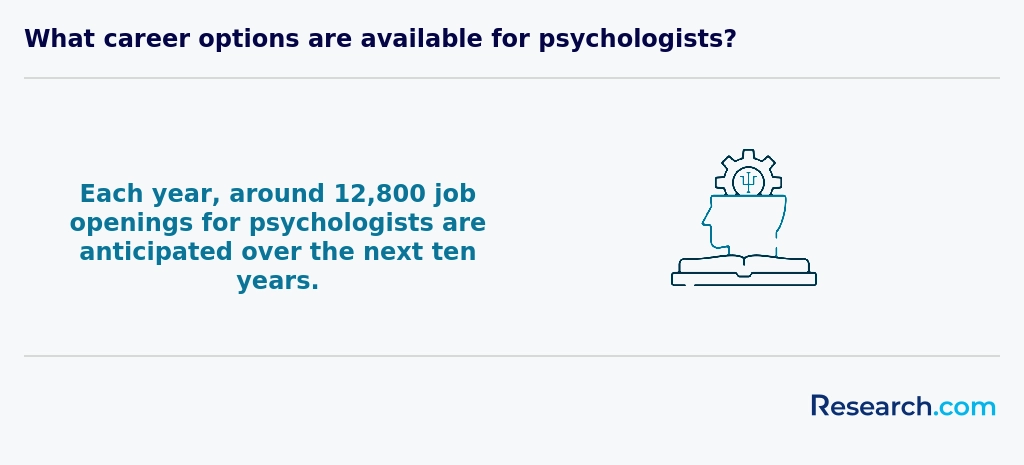
Imagine pursuing an online psychology degree in Iowa and stepping into a world of diverse career paths that blend science with human connection. Graduates from well-regarded schools like the University of Iowa often find themselves thriving as psychiatric technicians or social services assistants, roles where empathy powers real change in community mental health. Others leverage their degree to explore psychology job opportunities in Iowa's booming healthcare and rehabilitation sectors, turning analytical skills into impactful work as human resources specialists or market researchers. For those who push further, advanced degrees open doors to licensed psychologist roles, blending clinical insight with Iowa's unique cultural fabric.
Graduates recall how accessing the careers in behavioral psychology sparked enthusiasm as they worked with marriage and family therapy clients or industrial-organizational psychology projects, addressing both rural and urban populations. The flexibility of studying online makes it feasible to balance coursework with internships in criminal justice or social work, highlighting the range of possibilities that Iowa's affordable, quality programs afford. These pathways embody a bridge between passion and profession for many future psychologists.
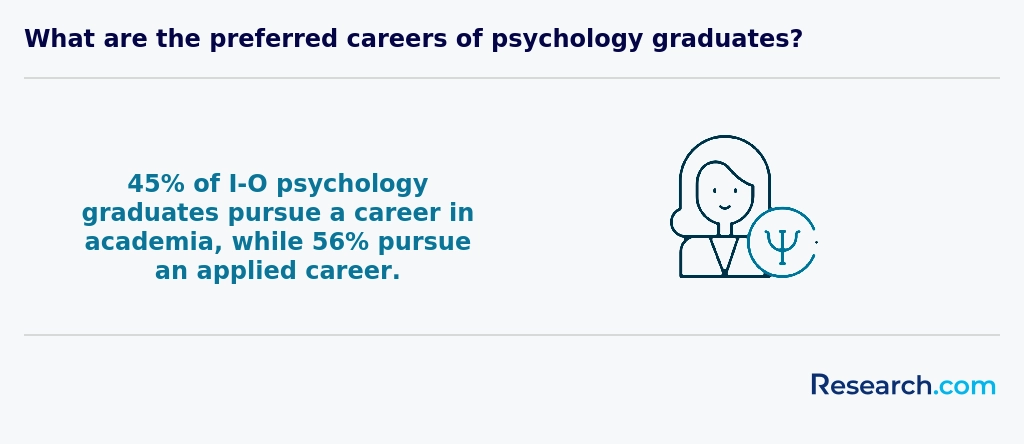
Graduates holding an online psychology degree in Iowa find themselves at the heart of a uniquely vibrant job market where demand flows like the Mississippi-steady and wide. Those emerging from universities like the University of Iowa or Iowa State often share stories of landing roles in community health centers or school programs, feeling rewarded by making tangible impacts in small-town or urban settings. The psychology career opportunities Iowa online graduates chase are often intertwined with the rise of telehealth, revolutionizing how therapy and counseling unfold across rural areas.
Imagine a recent graduate collaborating remotely with clients, their digital tools bridging distances, enriching lives, and opening doors to flexible careers. Salaries averaging around $82,000 reflect a balance between opportunity and accessible living costs in places like Cedar Rapids or Des Moines. Many graduates appreciate Iowa's supportive environment-affordable online programs paired with a real chance to engage directly in mental health service expansion fueled by local initiatives.
For those still exploring paths, programs focused on behavioral health stand out. The growing online options invite students ready to dive into fields where passion meets community needs, often through behavioral psychology degree programs online. This combination of accessibility, evolving market demand, and the nurturing of genuine connections paints a hopeful picture for online psychology degree job outlook Iowa.
2027 Easiest Online Bachelor's in Psychology Degree Programs Ranking in Iowa
Investing in your education is a significant decision that can shape your future, and the Research.com team understands the importance of making informed choices. To assist prospective students in Iowa, we have meticulously crafted the "2027 Easiest Online Bachelor's in Psychology Degree Programs Ranking in Iowa." Our commitment to quality, credibility, and accuracy is reflected in the extensive research and analysis conducted to compile this ranking.
We utilized the following reputable data sources to ensure a comprehensive evaluation of psychology degree programs:
By exploring this ranking, readers will gain valuable insights into the easiest online psychology degree programs in Iowa, enabling them to make confident and well-informed decisions about their educational paths. For more details on our methodology, please visit our Research.com methodology page.


Frequently Asked Questions About psychology
Online psychology degree students in Iowa can maximize their learning by engaging actively with their coursework and faculty. Participating in virtual discussions and study groups helps deepen understanding and build connections. Utilizing university resources like online libraries and academic advising enhances research and academic planning. Accreditation matters-choosing programs accredited by the Higher Learning Commission ensures quality education recognized across the state.
Iowa's job market for psychologists is expected to grow by 6% through 2030, according to the U.S. Bureau of Labor Statistics, making experiential learning crucial. Students should seek internships or volunteer opportunities related to psychology to gain practical skills. Time management and self-discipline are also key for success in online learning environments.
Emerging niches within psychology reflect growing societal needs and technological advances. In Iowa, areas like telepsychology and health psychology are gaining attention due to increasing demand for remote mental health services and integration with healthcare systems. According to the Iowa Department of Public Health, mental health telemedicine appointments have surged by over 30% since 2020, highlighting career potential in digital therapy.
Additionally, forensic psychology is expanding as Iowa invests more in criminal justice reform and rehabilitation programs. Industrial-organizational psychology also shows promise, helping Iowa businesses enhance employee wellbeing and productivity amid competitive markets.
These specialties offer new training paths for students pursuing online psychology degrees. Awareness of such niches enables informed decisions aligned with Iowa's evolving job market trends and educational resources.
After completing an online psychology degree in Iowa, preparing for the job market involves several strategic steps. First, gaining practical experience through internships or volunteer work is crucial. Iowa offers many mental health organizations and clinics where students can build relevant skills.
Networking within Iowa's psychology community, including joining groups like the Iowa Psychological Association, helps graduates connect with professionals. Licensing requirements are another key consideration; many psychology roles require state licensure, so understanding Iowa's specific criteria is important.
Finally, staying informed on Iowa's labor market trends can guide job seekers. The U.S. Bureau of Labor Statistics projects a steady 3% growth in Iowa's mental health services sector through 2030, signaling growing opportunities.
Employers in Iowa seeking psychology degree graduates prioritize several key skills crucial for success in the field. Strong communication abilities top the list, as professionals must convey complex psychological concepts clearly to clients, colleagues, and stakeholders. Analytical thinking is also vital, enabling graduates to interpret data and apply evidence-based methods effectively.
Emotional intelligence is highly valued, helping psychologists understand and respond to diverse client needs compassionately. Additionally, research skills are important, given Iowa's emphasis on data-driven practices in clinical and counseling settings. According to the Iowa Workforce Development, job growth in psychological services is expected to rise by 9% through 2030, increasing the demand for these competencies.
Finding internships in Iowa that align with a psychology degree involves targeted research and networking. Many Iowa universities cooperate with local hospitals, mental health clinics, and community organizations to offer placement opportunities. The Iowa Department of Public Health and the Iowa Psychological Association often list internship openings suitable for psychology students.
Students should explore agencies in urban centers like Des Moines and Iowa City, where demand for psychology-related services is higher. Checking with your online program's career services or academic advisors can also connect you with vetted local options.
According to the Bureau of Labor Statistics, Iowa had approximately 2,900 clinical, counseling, and school psychologists in 2022, suggesting a steady market for internships focused on mental health.
Obtaining an online psychology degree in Iowa can significantly enhance career mobility and advancement opportunities. According to the Bureau of Labor Statistics, Iowa's employment for psychologists is projected to grow 10% through 2031, indicating strong demand in the region. An online degree allows students to balance work and study, making it easier to gain relevant experience alongside their education. Many Iowa employers recognize accredited online degrees, which can lead to increased eligibility for higher-level roles such as counselor, behavioral analyst, or human services manager.
Furthermore, online programs often include coursework aligned with Iowa's licensure requirements, helping graduates pursue certification and specialized credentials. This credentialing is critical because licensed practitioners often earn higher salaries and have broader job options. The flexibility of online study also supports continual professional development, essential for long-term career growth within Iowa's healthcare and education sectors.
Studying for a psychology degree in Iowa offers strong preparation for interdisciplinary roles by emphasizing collaboration across various fields such as healthcare, education, and social services. Iowa's universities often integrate coursework in neuroscience, sociology, and counseling, equipping students with diverse skills.
Many online psychology programs in the state align with standards from the American Psychological Association, ensuring content relevance for multiple career paths. Additionally, Iowa's focus on community mental health prepares graduates for roles involving teamwork with medical professionals and educators.
According to the Iowa Department of Education, psychology graduates have expanded opportunities in interdisciplinary settings statewide.
Choosing between a thesis and a non-thesis psychology degree program in Iowa depends on your career goals and learning preferences. A thesis program involves conducting original research and writing a formal paper, which can be valuable if you plan to pursue graduate studies or a research career.
Non-thesis programs focus more on coursework and practical skills, often requiring internships or applied projects. These are typically suited for students aiming for professional roles immediately after graduation, such as counseling or human services.
According to the Iowa Board of Educational Examiners, psychology graduates with research experience may have an edge in academic and clinical settings.
Cost and time commitment also vary, with thesis options generally requiring more time to complete due to research demands. Your choice should align with your future plans in psychology and the learning style that best fits you.
Students based in Iowa who seek to study psychology abroad have several options through approved online programs and international partnerships. While Iowa universities primarily offer accredited online psychology degrees domestically, some collaborate with foreign institutions to provide joint online learning experiences.
Due to U.S. accreditation standards, many Iowa students opt for programs that offer global perspectives within their curriculum rather than fully foreign degrees. For example, the American Psychological Association (APA) accredits programs that meet strict criteria, ensuring quality education even when courses include international content.
Additionally, students interested in studying abroad virtually can explore exchange opportunities or dual-degree programs facilitated by Iowa schools connected with universities in Europe or Canada. According to the Iowa College Student Aid Commission, around 7% of Iowa college students participate in study abroad activities, although the number is smaller for fully online psychology degrees.
Overall, Iowa students interested in global psychology studies should consult advisors about approved online pathways featuring international collaborations while remaining mindful of licensure requirements for professional psychology in the United States.
Students pursuing an online psychology degree in Iowa have various part-time job options that complement their academic training. Working as a behavioral health technician, for example, helps develop skills in patient care and observation, valuable for psychology careers. Iowa's healthcare sector, including mental health facilities in cities like Des Moines and Iowa City, often hire part-time assistants to support therapy and counseling services.
Additionally, research assistant roles at Iowa's universities provide practical experience with psychological studies, an asset for students interested in academic or clinical research. According to Iowa Workforce Development, these jobs often pay competitively and offer flexible hours suited to student schedules.
Other opportunities include case management aides or social service assistants, roles that build communication and casework skills essential for psychology professionals. These positions are typically available through nonprofit organizations focused on mental health and community support.
Online psychology students in Iowa have several valuable networking opportunities despite studying remotely. Many Iowa universities offering online psychology degrees, such as the University of Iowa and Iowa State University, provide virtual student organizations and psychology clubs where students can connect.
Additionally, Iowa's regional psychology associations often host conferences and workshops accessible to online learners. The Iowa Psychological Association regularly facilitates events that help students engage with practicing professionals across the state.
Students can also benefit from virtual career fairs and internship placements within Iowa's health and social service sectors, crucial for building professional relationships. These opportunities are important given Iowa's growing demand for psychology professionals, with the Bureau of Labor Statistics projecting a 13% growth in mental health jobs statewide through 2031.
Alumni networks provide valuable support for online psychology degree students in Iowa by fostering professional connections and mentorship opportunities. Graduates often share job leads and internship openings, increasing students' access to local mental health organizations.
According to the Iowa Psychological Association, strong networking can improve employment prospects in a state where psychology-related jobs are growing by 9% annually. Alumni connections also help students navigate licensure requirements in Iowa, which are essential for clinical practice.
Furthermore, these networks offer continuing education resources and workshops, keeping students and graduates updated on best practices and research developments in psychology.
Students pursuing an online psychology degree in Iowa can customize their programs by selecting electives aligned with their career goals. Many Iowa institutions offer concentrations such as clinical psychology, counseling, or industrial-organizational psychology. Choosing a specialization helps tailor coursework to specific job markets.
Additionally, students may engage in internships or research projects remotely with Iowa-based organizations, enhancing practical experience. According to the Iowa College Student Aid Commission, aligning academic options with professional standards is crucial for licensure and employment in psychology fields statewide.
Flexible scheduling and transfer credit policies also support degree customization for working adults and professionals aiming to advance their careers.
Online psychology students in Iowa encounter several typical challenges that can affect their learning experience. One common issue is balancing coursework with personal and professional responsibilities, as many students juggle jobs or family commitments while studying.
Accessibility to internships and practicum placements in Iowa can be difficult, given that hands-on clinical experience is essential for psychology degrees but often requires local coordination. The Iowa Board of Psychology emphasizes the importance of supervised training for licensure, which online students must arrange independently.
Technology-related problems, such as unreliable internet access in rural areas, also pose barriers for some Iowa students. According to the Iowa Communications Network report, about 8% of rural households still lack high-speed internet, impacting online learning quality.
Finally, students sometimes report feeling isolated due to limited face-to-face interaction with peers and instructors, which can affect motivation and engagement in a demanding field like psychology.
With an online psychology degree in Iowa, graduates can pursue several professional certifications that enhance career opportunities. One common certification is the Certified Alcohol and Drug Counselor (CADC), which supports roles in addiction treatment. Iowa also offers licensure as a Licensed Mental Health Counselor (LMHC), but this requires advanced degrees and supervised experience beyond a bachelor's.
Other relevant credentials include certifications in behavior analysis or human resources, depending on specialization. The Iowa Board of Psychology regulates licenses and provides guidelines on education and experience needed. According to the Iowa Department of Public Health, these certifications improve employability and reflect professional standards in mental health fields.
To write a winning application for an online psychology program in Iowa, start by clearly demonstrating your passion for psychology and your career goals. Admissions committees value applicants who articulate why psychology matters to them and how the degree fits into their plans.
Include strong academic records, emphasizing coursework in biology, statistics, or related fields. According to the Iowa College Student Aid Commission, a competitive GPA often exceeds 3.0 for psychology programs.
Highlight relevant experience, such as volunteering or working in mental health settings, to show practical engagement. Strong letters of recommendation from professors or employers who can vouch for your commitment and skills are crucial.
Finally, write a concise, well-structured personal statement focused on your motivation for studying psychology online in Iowa, referencing local workforce needs if possible.
Psychology careers offer diverse opportunities worldwide, reflecting the growing importance of mental health. In the United States, including Iowa, psychology professionals are in high demand due to increasing awareness of mental well-being. According to the U.S. Bureau of Labor Statistics, employment of psychologists is projected to grow 6% from 2021 to 2031, aligning with global trends promoting mental health care.
Internationally, psychology practice varies, but the foundation rests on evidence-based treatment and research. For Iowa students opting for online psychology degrees, understanding these global trends supports adaptable skill sets relevant both locally and globally.
Notably, Iowa universities emphasize training aligned with national standards, preparing graduates to meet licensure requirements and serve diverse communities effectively. This approach reflects a balance between local needs and international best practices.
Gaining practical experience is essential when pursuing an online psychology degree in Iowa. Many programs encourage students to seek internships or volunteer opportunities within local mental health agencies, hospitals, or schools. These placements help apply theoretical knowledge in real-world settings. Iowa supports psychology students through organizations like the Iowa Psychological Association, which may provide networking and internship resources.
Additionally, some Iowa universities with online programs offer virtual practicums or supervised fieldwork, meeting state licensure requirements. According to the Bureau of Labor Statistics, psychology-related jobs in Iowa are growing steadily, making practical experience valuable for future employment. Proper planning can balance online coursework and hands-on training effectively.
Choosing the right concentration within an online psychology degree program in Iowa involves aligning your interests with career goals. Psychology offers various specializations such as clinical, counseling, industrial-organizational, or developmental psychology. Each focuses on different skills and job markets.
Research Iowa-specific employment trends; for example, the Iowa Workforce Development reports a steady demand for mental health counselors, making clinical or counseling psychology practical choices. Also, consider program accreditation and whether it prepares you for licensure if your goal is to be a practicing psychologist.
Additionally, examine courses and faculty expertise to find a concentration matching your passion and strengths. Many programs offer guidance to help select concentrations based on career outlook and state regulations.
- 2027 Easiest Online Bachelor's in Psychology Degree Programs Ranking in Minnesota
- 2027 Easiest Online Bachelor's in Psychology Degree Programs Ranking in Illinois
- 2027 Easiest Online Bachelor's in Psychology Degree Programs Ranking in Missouri
- 2027 Easiest Online Bachelor's in Psychology Degree Programs Ranking in Kansas
- 2027 Easiest Online Bachelor's in Psychology Degree Programs Ranking in Ohio
- 2027 Easiest Online Bachelor's in Psychology Degree Programs Ranking in Colorado
- 2027 Easiest Online Bachelor's in Psychology Degree Programs Ranking in Alabama
- 2027 Easiest Online Bachelor's in Psychology Degree Programs Ranking in Georgia
- 2027 Easiest Online Bachelor's in Psychology Degree Programs Ranking in Texas
- 2027 Easiest Online Bachelor's in Psychology Degree Programs Ranking in Florida
See What Experts Have To Say About Studying Psychology
Read our interview with Psychology experts

Catherine Caldwell-Harris, Ph.D.
Psychology Expert
Associate Professor of Psychology
Boston University

Elizabeth L. Jeglic Ph.D.
Psychology Expert
Professor of Psychology
City University of New York

Joann Farrell Quinn, Ph.D., MBA
Psychology Expert
Director at the College of Medicine Department of Medical Education
Morsani College of Medicine

- Professional Networking For Psychologists https://www.psychology.org/resources/professional-networking/
- Online Psychology Degrees https://www.phoenix.edu/online-psychology-degrees.html
- Iowa Psychology Schools https://psychologydegreeguide.org/state/iowa/
- Networking and Community Resources https://www.psych.on.ca/become-a-member-(1)/member-services/networking-and-community-resources
- Psychology | EICC https://eicc.edu/classes-programs/pathway/culinary-education/psychology-transfer/default.aspx
- Psychology https://www.nicc.edu/academics/programs/psychology/
- Online Psychology Degree Salary by Career Path https://www.collegetransitions.com/blog/online-psychology-degree-salary-by-career-path/
- Alumni Perspectives - Meet Our FPN Alumni https://www.aanmelder.nl/alumni-perspectives-june-2023
- Psychology Programs and Careers in Iowa | Online Degrees https://www.onlinepsychologydegrees.com/states/iowa/
- Alumni Network - https://efpsa.org/alumni-network/


