2027 Fastest Online Doctorate in Psychology Degree Programs Ranking in the Midwest

Co-Founder and Chief Data Scientist
Are you considering advancing your career with a doctorate in psychology? Our article presents the 2027 Fastest Online Doctorate in Psychology Degree Programs Ranking in the Midwest, carefully crafted by the Research.com team of data scientists.
This ranking is designed to help you find programs that match your goals, balancing speed and quality. Earning a psychology doctorate opens doors to meaningful work in mental health, research, and education.
Explore our guide to make an informed choice and take a confident step toward a rewarding future in psychology.
Key benefits of getting online psychology degree in the Midwest
- Psychology degree graduates in the Midwest can expect solid salaries, with roles like Clinical Psychologists earning a mean annual wage of $106,600 and Forensic Psychologists or Neuropsychologists reaching around $110,300.
- Graduates from popular Midwest universities often pursue diverse career paths including clinical practice, research, and forensic psychology, offering meaningful work that fits various interests and talents.
- Completing a psychology degree online from a respected Midwest institution offers flexibility and convenience, allowing students to balance work or family life while accessing quality education without relocating.
- 2027 Fastest Online Doctorate in Psychology Degree Programs Ranking in the Midwest
- What can I expect from online psychology degree in the Midwest?
- Where can I work with online psychology degree in the Midwest?
What can I expect from online psychology degree in the Midwest?
The average cost of an online psychology degree in the Midwest typically ranges from $10,000 to $25,000 per year, influenced heavily by residency status and institution type. Public universities such as those in Illinois or Michigan often offer in-state tuition rates that significantly lower costs for local students, while out-of-state or private school rates tend to approach the higher end of the spectrum. Graduates from these programs often report financial relief when scholarships and financial aid specifically targeting psychology students are available, making education more accessible and reducing reliance on loans.
Many students share that attending schools like those in Minnesota offers a balanced investment, where cost aligns with program quality and regional accreditation standards like the Higher Learning Commission. The structured flexibility of online formats allows working professionals to continue earning while studying, which alleviates financial stress and promotes a positive educational experience. This practical approach is critical, given the extended duration-three to seven years-typical of doctoral-level programs in the field, allowing students to manage expenses alongside commitments outside school.
Where can I work with online psychology degree in the Midwest?
Graduates holding an online psychology degree in the Midwest frequently find employment in healthcare environments such as hospitals and outpatient clinics in Illinois, Ohio, and Michigan. These settings employ psychologists and counselors to conduct mental health assessments, therapy, and rehabilitation, reflecting a steady 7% job growth rate for clinical, counseling, and school psychologists reported by the U.S. Bureau of Labor Statistics (May 2023). For example, graduates from prominent institutions like the University of Illinois or Ohio State University often share successful transitions into such roles, highlighting positive experiences in patient care and interdisciplinary collaboration.
School districts throughout Minnesota and Wisconsin represent another major career path, where licensed school psychologists support student mental well-being in K-12 education. The demand here, exceeding 1,000 openings across these states, aligns with the increased focus on mental health initiatives. Alumni of online psychology programs from universities such as the University of Minnesota describe rewarding roles working directly with children and families in educational settings.
Beyond clinical and educational roles, many graduates leverage their degrees in corporate human resources, organizational development, and research at universities or public agencies. Midwest companies and institutions prize skills in workplace behavior and community health, enabling psychology graduates to play vital roles in employee wellness programs and behavioral research projects.
Licensure requirements vary across states; for instance, Illinois requires a doctoral degree and supervised experience, while some states permit master's-level counseling licensure. Graduates emphasize the importance of reviewing state-specific regulations early to align career goals with local requirements.
Graduates holding online psychology degrees from Midwestern institutions such as the University of Michigan or Ohio State University often find competitive earnings aligned with regional demand. For example, clinical psychologists in the Midwest typically earn an average annual wage of around $106,600, according to the U.S. Bureau of Labor Statistics. This figure reflects roles requiring advanced credentials and hands-on experience in clinical or counseling settings.
Similarly, graduates pursuing research careers benefit from salaries averaging $102,210 per year, a strong incentive for those focusing on psychological research or academic positions. Forensic psychologists and neuropsychologists command some of the highest average wages, both reaching approximately $110,300 annually, underscoring their specialized expertise in legal and neurological fields.
These income levels illustrate tangible benefits for students completing respected online psychology programs while staying in the Midwest. Graduates often share positive feedback on their ability to secure rewarding roles with salary potential well above typical entry-level positions, supporting financial stability alongside personal and professional growth.
- Tuition for online bachelor's degrees in psychology at Midwestern public universities ranges from $8,000 to $15,000 per year, while private schools charge between $20,000 and $35,000 annually.
- Graduate psychology programs online cost between $12,000 and $40,000 per year depending on the institution and format.
- Psychologist employment in the Midwest is expected to grow by about 6% through 2030, driven by healthcare, education, and social services demand.
- Starting salaries range from $35,000 to $45,000 for bachelor's degree holders and $50,000 to $60,000 for those with a master's degree.
- Doctoral degree holders typically earn over $80,000 early in their careers, with experienced professionals making more than $100,000 annually.
- Licensure generally requires a doctorate, supervised clinical hours, and national exam passing; accreditation from the APA is important for clinical roles.
Completing an online psychology degree in the Midwest typically takes about four years for undergraduate programs like a Bachelor of Arts or Bachelor of Science. Graduates from well-known institutions such as the University of Illinois Urbana-Champaign or Ohio State University often appreciate the flexible pacing offered, allowing some to finish earlier by taking extra courses each term.
For graduate-level psychology degrees in the Midwest, completion times vary: master's programs generally require 1.5 to 3 years, with some accelerated tracks finishing in as little as 12 months. Doctorate programs, including PhDs and PsyDs from schools like the University of Minnesota, often range from 4 to 7 years. These programs may combine online coursework with occasional campus visits, which many students find manageable alongside their work and family commitments.
Midwestern graduates regularly highlight that part-time enrollment and asynchronous classes enable balancing internship or practicum requirements-often exceeding 1,500 supervised hours-that add to the total timeframe but provide invaluable real-world experience. This personalized pacing, while occasionally extending total duration, creates a rewarding pathway toward licensure and career readiness.
Online psychology degrees in the Midwest, such as those offered by the University of Illinois or Michigan State University, appeal to students seeking flexibility. Graduates often share how asynchronous coursework lets them balance jobs or family commitments without relocating. This flexibility is crucial, as enrollment in online psychology programs across states like Illinois and Ohio has risen by 20% recently, according to NCES data.
Cost differences are notable; online programs typically reduce expenses tied to housing, transportation, and campus fees. For example, graduates note saving thousands compared to the average $10,000 annual in-state tuition at public Midwest universities. However, on-campus students at institutions like the University of Minnesota emphasize the value of immediate face-to-face interaction and access to on-site clinical practicum experiences necessary for licensure.
- Online students frequently develop strong self-motivation and time management skills through independent study.
- On-campus participants benefit from spontaneous academic discussions enhancing learning.
- Both formats accommodate supervised clinical hours, a Midwest licensure requirement, via local placements or virtual labs.
The average cost of an online psychology degree in the Midwest varies significantly depending on the level of study and whether the institution is public or private. For undergraduate students enrolled in online bachelor's psychology programs at well-regarded Midwestern universities, tuition usually ranges from $8,000 to $20,000 annually. Many graduates recall the financial relief of in-state rates versus out-of-state fees, which can be substantially higher. These costs reflect the broader trend seen in the Midwest online doctorate in psychology tuition, where total expenses can range widely but often stay below national averages.
Graduate students pursuing master's degrees in psychology online frequently encounter tuition fees between $12,000 and $40,000 per year. Private institutions in the region tend to charge on the higher end of this spectrum. Doctoral students, especially those focused on clinical or counseling psychology, may invest between $30,000 and $50,000 in total tuition, which aligns with typical costs reported by Midwestern public and private schools. Graduates emphasize that these programs offer valuable flexibility and a chance to balance studies with work, especially when factoring in the saved costs related to commuting or relocation.
Beyond tuition, additional technology and exam fees might slightly increase expenses. Yet, many students find that access to financial aid, scholarships, and employer tuition reimbursement programs makes these degrees more affordable. Prospective psychology students in the Midwest can maximize savings by thoroughly exploring these resources and comparing offerings at several institutions.
Familiarity with the average cost online psychology degree Midwest encourages a data-driven approach to selecting a program that fits both educational goals and budget constraints. Some students have found guidance through evaluating the top money making majors, helping align their investment with future career potential.
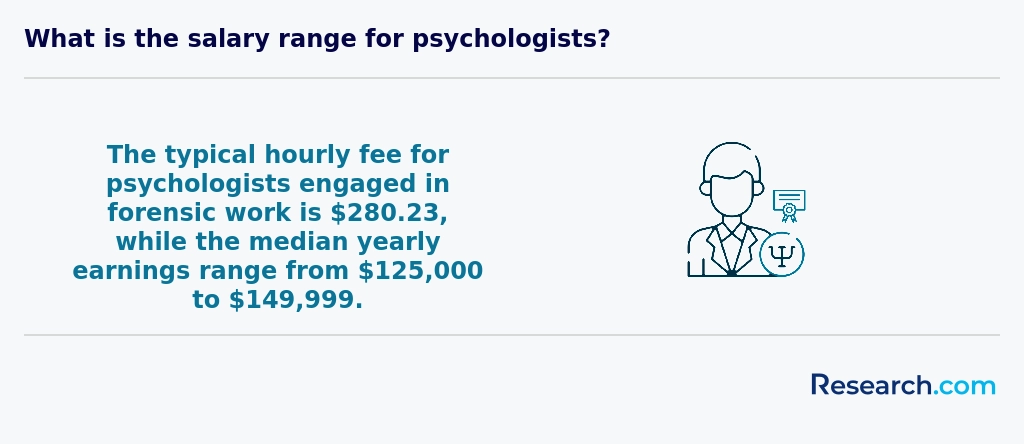
Students pursuing an online psychology degree in the Midwest typically access a range of financial aid options to manage costs effectively. For instance, graduates from universities such as the University of Illinois Urbana-Champaign and Ohio State University often begin by applying for federal aid via FAFSA, unlocking eligibility for Pell Grants that provide up to $7,395 annually without repayment obligations.
Midwest institutions frequently supplement federal support with institutional grants focused on merit or need, easing financial strain for many learners balancing work and studies. State-specific programs also play a vital role; psychologists studying in Illinois can benefit from the Monetary Award Program (MAP), while Ohio and Michigan offer targeted grants to residents, ensuring regional support tailored to online education.
Scholarships from entities like the American Psychological Association and local university partnerships offer additional financial relief. Alumni report these awards significantly reduce debt and enable focus on coursework rather than financial stress.
Flexible federal loans further support those requiring additional funding, although students are advised to consider interest implications carefully. Many Midwestern schools also provide payment plans or discounted tuition rates for online psychology students, enhancing affordability and access.
To enroll in an online psychology degree program in the Midwest, students must meet several academic and administrative prerequisites designed to ensure readiness and alignment with regional educational standards. For example, graduates from prominent Midwest institutions often recall that a high school diploma or equivalent, such as a GED, is mandatory for undergraduate admission, alongside a competitive GPA generally around 2.5 to 3.0. While SAT or ACT scores are increasingly optional, some programs still value them for scholarship consideration.
Graduate programs require a more rigorous profile. Applicants typically need a completed bachelor's degree from an accredited university-often with coursework in psychology or related fields-and a minimum GPA of about 3.0. Personal statements and letters of recommendation are vital; one graduate shared how a compelling statement outlining career passion at a major Midwest college helped secure admission. GRE requirements are waning, especially for online formats, though relevant research or professional experience remains a strong asset.
Successful students emphasize the importance of reliable technology access and basic computer skills, as online courses demand active digital engagement. For clinical training, background checks or immunization proof may also be necessary, underscoring the practical considerations beyond academics.
Online psychology degree programs in the Midwest generally include core courses that build a strong foundation in the field. These typically cover Introduction to Psychology, where students explore basic concepts and historical approaches, and Research Methods and Statistics, essential for mastering experimental design and data analysis. Graduates from institutions like the University of Iowa highlight how courses such as Developmental Psychology provide a relatable understanding of human growth stages, from infancy to adulthood.
Other key subjects include Cognitive Psychology, focusing on mental processes such as memory and problem-solving, and Abnormal Psychology, which delves into psychological disorders and diagnostic criteria. Students at Michigan State University often emphasize how Biological Psychology helped them connect brain function with behavior in practical ways.
Beyond core topics, many Midwest programs incorporate specialized classes like clinical psychology and ethics, combined with practicum experiences that prepare students for real-world application. This blend of theory and hands-on training resonates strongly with Midwestern online learners balancing education and career goals.
Online psychology degree specializations Midwest programs commonly include clinical psychology, counseling psychology, industrial-organizational psychology, forensic psychology, and developmental psychology. Graduates from prominent Midwest universities often share positive experiences about gaining practical skills through these focused tracks, such as diagnosing mental health disorders in clinical psychology or applying workplace behavior principles in industrial-organizational psychology. These programs are frequently accredited, ensuring quality education crucial for licensure and employment.
Many students pursuing Midwest accredited online psychology programs appreciate the applied nature of counseling psychology, which prepares them for community mental health roles, schools, or private practice. Forensic psychology specialization stands out for those interested in legal system intersections, with graduates recalling involvement in psychological assessments and expert witness preparations during practicum experiences.
Interest in areas like industrial-organizational psychology is rising, reflecting the demand for professionals who can enhance employee motivation and productivity in states such as Illinois and Ohio. Some students have found online studies with this specialization align well with their career goals and personal growth. Career-oriented students also explore pathways supported by research on highest paying master degrees, ensuring their investment aligns with job market trends.
Choosing the best online psychology doctorate programs Midwest hinges on accreditation and program quality. Graduates from popular Midwest universities appreciate degree programs accredited by the American Psychological Association (APA) or regional bodies like the Higher Learning Commission (HLC), which assure rigorous standards necessary for licensure and career advancement.
Affordability also influences choice, especially for those seeking an affordable online psychology degree Midwest. Data from public institutions show average annual tuition between $7,000 and $12,000, while some offers include in-state tuition and financial aid. Many students benefit from exploring options like the cheapest associate degree online pathways to reduce costs before transferring to four-year programs.
Flexibility matters to working adults balancing responsibilities. Asynchronous courses and part-time enrollment-common at institutions popular in the Midwest-allow students to progress at their own pace. Alumni often cite faculty with active research interests and real-world internship placements as key to their positive learning experience and enhanced job prospects.

Graduates with an online psychology degree in the Midwest find diverse career opportunities aligned with regional needs. Licensed psychologist roles remain prominent, involving therapy, assessments, and research, particularly in states like Illinois and Ohio where universities such as the University of Michigan and Indiana University have reputable online programs. These graduates often experience fulfillment working in clinical settings or private practice, addressing rising mental health demand.
Beyond clinical paths, Midwest psychology doctorate job prospects include counseling roles in schools and hospitals, especially in urban centers like Chicago and Minneapolis. Many graduates report positively on their career flexibility and impact when working in community organizations. Industrial-organizational psychology is also expanding, with graduates supporting employee well-being in corporate hubs such as Detroit and Columbus.
- Research careers at prominent Midwest institutions offer roles contributing to behavioral science knowledge.
- Forensic psychology positions collaborate with law enforcement to analyze behavior related to legal cases.
For students weighing cost and career outcomes, programs at these institutions often balance quality and affordability. Exploring the cheapest online doctoral programs may help prospective students optimize their investments while tapping into these promising Midwest psychology degree career opportunities Midwest.
The job market for online psychology degree jobs Midwest is steady, reflecting strong regional demand in healthcare, education, and corporate sectors. Graduates from popular Midwestern universities often secure roles in clinical settings, school systems, and mental health clinics, where urban centers like Chicago bolster job availability. Many report satisfaction finding positions in hospitals or counseling centers, appreciating the region's balance of opportunity and lifestyle.
Salaries in the Midwest generally align with or exceed the national median, ranging roughly between $70,000 and $90,000 annually. This competitive pay, combined with more affordable tuition costs at local institutions, supports positive career outlooks for those pursuing an online psychology degree. Practical experience and licensure requirements remain vital, and graduates recognize the importance of accredited programs to meet state regulations across the Midwest.
Prospective students often compare total costs and value before enrolling, pointing to resources like cheapest online masters options as helpful guides. Overall, the Midwest continues to provide a robust environment for advancing psychology careers online.
2027 Fastest Online Doctorate in Psychology Degree Programs Ranking in the Midwest
Investing in your education is a significant decision that can shape your future, and the Research.com team understands the importance of making informed choices. To assist prospective students in the Midwest, we have meticulously developed the "2027 Fastest Online Doctorate in Psychology Degree Programs Ranking." Our unwavering commitment to quality, credibility, and accuracy is demonstrated through extensive research and careful analysis.
We utilized the following reputable data sources to ensure a comprehensive evaluation of doctorate in psychology programs:
By exploring this ranking, readers will gain valuable insights into the fastest programs to help them efficiently advance their careers while maintaining academic rigor. For a detailed explanation of our approach, please visit our Research.com methodology page.
# 1 position
University of Missouri
Doctor of Psychiatric Mental Health Nurse Practitioner (Across the Lifespan)

# 2 position
Adler University
Doctor of Industrial and Organizational Psychology

# 3 position
Walden University
Doctor of Psychology

# 4 position
Capella University
Doctor of Psychology

Frequently Asked Questions About psychology
Students pursuing online psychology degrees in the Midwest can enhance their learning by actively engaging with course materials and participating in virtual discussions. Research from the American Psychological Association highlights that interactive learning improves comprehension and retention. Additionally, leveraging local resources such as Midwest-based psychology organizations can provide networking and internship opportunities. According to the National Center for Education Statistics, Midwestern states like Illinois and Ohio have high enrollment rates in online programs, reflecting strong institutional support. Students should also connect with regional professors and advisors who understand local mental health issues, enriching their academic experience with relevant, community-specific insights.
Emerging niches within the psychology field offer promising career paths, especially for students pursuing online psychology degrees in the Midwest. One growing area is health psychology, focusing on how psychological factors influence physical health and illness management. According to the Bureau of Labor Statistics, roles in health psychology are expected to grow faster than average nationwide, with Midwest hospitals increasingly hiring specialists.
Another notable niche is forensic psychology, which combines legal studies with psychological expertise. Midwestern states like Illinois and Ohio have seen a rise in demand for professionals in criminal justice settings. Additionally, neuropsychology is advancing due to increasing research funding in universities across the Midwest, aiming to better understand brain-behavior relationships.
These niches reflect dynamic changes in both regional job markets and academic research, making them key considerations for prospective students.
After completing an online psychology degree in the Midwest, it is crucial to actively prepare for the job market. Building practical experience through internships or volunteer opportunities in local mental health clinics can enhance employability. According to the Bureau of Labor Statistics, the Midwest has a steady demand for psychologists, with growth rates around 6% through 2030.
Networking with professionals via regional psychology associations, such as the Illinois Psychological Association or Michigan Psychological Association, offers valuable contacts and job leads. Additionally, obtaining relevant licenses or certifications as required by Midwestern states significantly improves job prospects. Tailoring your resume to highlight research skills and clinical experience is also recommended for competitive application processes.
Employers in the Midwest highly value psychology graduates who demonstrate strong analytical skills, crucial for interpreting behavioral data and conducting research. According to the Bureau of Labor Statistics, critical thinking and data analysis are essential as the demand for evidence-based practice grows in clinical and organizational settings.
Communication skills also rank top, as professionals must clearly explain psychological concepts to clients and collaborate with multidisciplinary teams. A 2023 survey by the Midwest Psychological Association found that 78% of employers prioritize graduates with excellent interpersonal abilities.
Additionally, technical proficiency in statistical software like SPSS or R is increasingly important for managing complex datasets and supporting research projects in universities and healthcare facilities across the region.
Finding internships relevant to a psychology degree in the Midwest begins with utilizing university career centers, which often maintain partnerships with local hospitals, clinics, and research institutions. Students should also explore opportunities through the American Psychological Association's (APA) internship database, which features listings specific to the region.
Many Midwestern states, such as Illinois and Ohio, have active mental health organizations that offer internship programs focused on community psychology and counseling. Networking through local psychological associations can further connect students with mentors and supervisors.
Internships typically require background checks and proof of insurance, so planning early is essential. The Illinois Department of Human Services, for example, provides internship guidelines and approvals relevant to psychology students.
Overall, combining formal university resources with regional professional groups enhances the chance of securing valuable internship experiences in the Midwest.
An online psychology degree can significantly improve career mobility and advancement opportunities in the Midwest. According to the U.S. Bureau of Labor Statistics, the demand for psychologists in this region is projected to grow by 6% from 2021 to 2031, faster than the national average. Completing an accredited online program allows students to gain flexible access to advanced training while maintaining professional roles.
Employers in fields like healthcare, education, and business increasingly value candidates with specialized psychology credentials. Graduates often qualify for roles such as licensed counselors, behavioral analysts, or organizational psychologists. Additionally, online degrees from regionally accredited institutions meet state licensure requirements across many Midwestern states, supporting career advancement.
Studying for a psychology degree in the Midwest offers unique advantages for preparing students for interdisciplinary roles. Midwest institutions often emphasize collaboration across fields such as healthcare, education, and social services. This approach reflects regional workforce needs, where integrated care models are growing rapidly.
The American Psychological Association notes that many Midwestern programs include coursework and practica involving teamwork with professionals in nursing, social work, and counseling. Such training equips students to apply psychological principles in diverse settings.
Additionally, the Midwest's robust healthcare and educational sectors provide strong internship and research opportunities. These experiences foster skills essential for interdisciplinary communication and problem-solving.
When choosing between a thesis and a non-thesis psychology degree program in the Midwest, consider your career goals first. Thesis programs typically require original research, ideal for students aiming for academic or research careers. Non-thesis tracks often focus on practical skills, suitable for those who want to work directly in applied psychology settings.
Midwestern universities like the University of Michigan emphasize research in their thesis options, which can enhance chances for grants or doctoral studies. According to the National Science Foundation, about 60% of psychology graduate students in the Midwest pursue thesis tracks, reflecting strong research traditions in the region.
Cost and duration also matter. Non-thesis programs often take less time and may be more affordable. Always review program requirements and consult academic advisors to align your choice with professional aspirations.
Students in the Midwest interested in studying psychology abroad have several strategic options through US institutions offering international partnerships. Many Midwestern universities with accredited online psychology programs maintain exchange agreements or study-abroad affiliations with universities overseas. This setup allows students to gain global exposure without relocating permanently. For example, institutions like the University of Minnesota or Michigan State University often facilitate semester-abroad opportunities that complement online coursework.
Additionally, professional psychology organizations such as the American Psychological Association (APA) provide resources on international study options and accreditation standards. Although direct online psychology degrees from foreign countries are uncommon for US-based Midwestern students, combined programs and supervised international internships remain viable paths.
Data from the National Center for Education Statistics (NCES) indicate increasing interest in global education from the Midwest, supporting broader access to study-abroad psychology experiences integrated with online learning.
In the Midwest, part-time job opportunities that complement psychology degree education often focus on direct experience with mental health, research, and social services. Roles such as behavioral health technicians or case aides allow students to work closely with licensed professionals, gaining practical skills relevant to licensed psychology careers. According to the U.S. Bureau of Labor Statistics, healthcare support roles in states like Illinois and Michigan are growing by over 15% annually.
Research assistant positions at universities or healthcare centers provide vital exposure to experimental psychology methods and data analysis.
Additionally, crisis hotline support and community outreach jobs offer real-world insight into psychological support systems, aligning well with online psychology program schedules.
Online psychology students in the Midwest benefit from multiple networking opportunities despite the virtual format. Many Midwestern universities with online programs connect students to local psychology associations, such as the Illinois Psychological Association and the Missouri Psychological Association. These groups offer conferences, workshops, and virtual events where students can meet practicing professionals.
Additionally, Midwestern schools often provide access to regional alumni networks. For example, Indiana and Ohio universities maintain active online forums and LinkedIn groups to foster professional connections. This support helps students build relationships that are crucial for internships and job placement after graduation, according to U.S. Bureau of Labor Statistics data on psychology careers in the region.
Alumni networks play a crucial role for online psychology degree students in the Midwest. These networks offer access to a community of professionals who understand regional job markets and licensing requirements specific to states like Illinois, Ohio, and Michigan. According to the National Association of Colleges and Employers, connections through alumni can increase job placement rates by up to 20%.
They also provide mentorship opportunities that help students navigate career paths, internships, and graduate programs. With psychology being a highly interpersonal field, these relationships often lead to collaborative research or clinical job openings in nearby hospitals and counseling centers.
Moreover, alumni events and online platforms foster ongoing professional development, essential for maintaining state licensure and certification. This support system thus complements academic learning with real-world experience valuable in Midwest psychology careers.
Customizing an online psychology degree program in the Midwest involves selecting electives and specializations aligned with your career goals. Many universities offer concentrations such as clinical psychology, counseling, industrial-organizational psychology, or educational psychology. According to the Illinois Board of Higher Education, approximately 60% of Midwest colleges provide flexible online curriculum options allowing students to tailor coursework.
Additionally, you can pursue internships or practicum placements in local mental health agencies or organizations near you. Faculty advisors often help guide course selection to match professional licensure requirements specific to states like Ohio, Michigan, or Minnesota. Reviewing accreditation status, such as APA approval, ensures the program supports your intended career path.
Online psychology students in the Midwest often face challenges related to access and support. Many programs require internships or practicum hours that must be completed in person, which can be difficult in rural areas with limited clinical sites. According to the National Center for Education Statistics (NCES), about 35% of Midwestern counties have fewer than one mental health provider per 10,000 residents, complicating placement opportunities.
Additionally, students may experience feelings of isolation due to limited face-to-face interaction with peers and faculty. Technological barriers also present issues, especially in regions where high-speed internet is less reliable.
With an online psychology degree, professionals in the Midwest can pursue various certifications to enhance their careers. Common certifications include Licensed Professional Counselor (LPC), Licensed Clinical Social Worker (LCSW), and Certified Alcohol and Drug Counselor (CADC). These certifications require completing state-specific licensure exams and supervised clinical hours. For example, states like Illinois and Ohio have defined pathways to LPC certification, often requiring 2,000 to 3,000 supervised hours.
The National Board for Certified Counselors (NBCC) offers the National Certified Counselor (NCC) credential, which is widely recognized across the Midwest. Obtaining these certifications can significantly improve job prospects in clinical, educational, and organizational settings.
Writing a winning application for an online psychology program in the Midwest requires clear focus and preparation. Start by researching schools accredited by the American Psychological Association (APA) or regional accreditors such as the Higher Learning Commission (HLC). These credentials ensure quality education recognized nationwide.
Highlight your academic achievements and relevant experience in psychology or related fields. Many Midwest programs value strong GRE scores and letters of recommendation that emphasize your commitment and skills.
Personalize your statement of purpose by explaining why you want to study psychology online in the Midwest, referencing local population needs or regional internship opportunities when possible. According to the National Center for Education Statistics, enrollment in psychology graduate programs in Midwestern states grew by 7% between 2018 and 2022, demonstrating increasing demand for qualified professionals in the region.
Finally, proofread carefully and meet all application deadlines to strengthen your chances for admission.
Psychology careers have a broad global relevance, reflecting diverse cultural and professional practices. In the United States, and specifically the Midwest, the field emphasizes evidence-based approaches and regulatory standards set by bodies such as the American Psychological Association (APA). These guidelines shape training and licensure, ensuring that professionals meet rigorous criteria.
Internationally, psychology varies by region but often shares foundational principles with U.S. practices. The global demand for mental health services is rising, promoting cross-cultural competencies among psychologists. According to the Bureau of Labor Statistics, employment of psychologists in the Midwest is projected to grow about 8% from 2022 to 2032, aligning with national trends.
Midwestern universities offering online psychology degrees often incorporate these global and local insights, preparing students for culturally informed careers in research, clinical work, and counseling.
Gaining practical experience while pursuing an online psychology degree in the Midwest is essential for career readiness. Many accredited Midwestern programs integrate supervised internships or practicum opportunities with local healthcare providers and community organizations. These placements often comply with state licensing requirements, ensuring relevant hands-on training.
Students can also seek volunteer positions or part-time roles in mental health clinics, schools, or research projects. For example, Midwestern universities frequently partner with regional hospitals to support remote students. According to the American Psychological Association, practical experience significantly improves licensure exam success rates and job placement in the region.
Networking through professional associations like the Midwestern Psychological Association offers additional pathways to real-world training and mentorship.
Choosing the right concentration within an online psychology degree in the Midwest depends on your career goals and interests. Popular options include clinical, counseling, industrial-organizational, and school psychology. According to the Bureau of Labor Statistics, clinical and counseling psychologists make up over 60% of psychology professionals nationwide, with growing demand in Midwestern states like Illinois and Ohio. Consider job outlook data from local state labor departments to see which specialties have higher employment growth.
Evaluate program coursework and alignment with your desired licensure. Some concentrations better prepare students for state licensing exams, which vary across Midwest states. Additionally, research internship or practicum opportunities connected to specific concentrations, as hands-on experience is often required.
See What Experts Have To Say About Studying Psychology
Read our interview with Psychology experts

Robin M. Kowalski. Ph.D.
Psychology Expert
Professor of Psychology
Clemson University

Catherine Caldwell-Harris, Ph.D.
Psychology Expert
Associate Professor of Psychology
Boston University

Joann Farrell Quinn, Ph.D., MBA
Psychology Expert
Director at the College of Medicine Department of Medical Education
Morsani College of Medicine

- Professional Networking For Psychologists | Psychology.org https://www.psychology.org/resources/professional-networking/
- Know more about thesis vs non- thesis: what is the difference? https://studyfans.com/en/blogs/816
- The Role of Psychology in Career Development and Planning https://psyvanta.com/the-role-of-psychology-in-career-development-and-planning/
- Sample letters in psychology https://www.mystudies.com/en-in/human-and-social-sciences/psychology/letter-model/
- How Psychology Students Can Get Clinical Experience Before Graduating | The Playful Psychologist https://www.theplayfulpsychologist.com/post/students-experience-how-to-get-the-experience-you-need-before-you-graduate
- Online Psychology Major https://www.hamline.edu/academics/online-bachelors-psychology-major
- Study Psychology Abroad | Go Overseas https://www.gooverseas.com/study-abroad/psychology
- Doctor of Clinical Psychology Program https://www.midwestern.edu/academics/degrees-programs/college-health-sciences/doctor-clinical-psychology-program
- Study Psychology Abroad https://astarfuture.co.uk/study_psychology_abroad.html
- How to help students cope with mental health challenges https://www.eaie.org/resource/help-students-cope-mental-health-challenges.html