
2027 Most Valuable Psychology Degree Programs Ranking in Maine

Co-Founder and Chief Data Scientist
Choosing the right psychology degree program is an important step toward a rewarding career. This article introduces the 2027 Most Valuable Psychology Degree Programs Ranking in Maine, crafted by the Research.com team of data scientists. It provides clear, data-driven insights to help you decide which programs offer the most value and opportunities.
Whether you're starting your journey or considering a transfer, understanding the best options in Maine can make all the difference. A psychology degree opens doors to meaningful work, personal growth, and exciting possibilities.
Explore the ranking to find a path that fits your goals and passions.
Key benefits of getting psychology degree in Maine
- Salary for psychology degree graduates: Graduates in Maine can pursue roles such as Human Resources Specialist earning an average of $76,060 annually or Marketing Research Analyst with about $83,190 yearly, showing strong earning potential.
- Career paths: A psychology graduate from the University of Maine might explore diverse fields like clinical research or childcare, reflecting encouraging versatility and opportunity in local job markets.
- Benefits of online degrees: Earning a psychology degree online from University of Southern Maine offers flexibility and convenience, helping students balance education with life, while still preparing well for rewarding careers.
- 2027 Most Valuable Psychology Degree Programs Ranking in Maine
- What can I expect from psychology degree in Maine?
- Where can I work with psychology degree in Maine?
What can I expect from psychology degree in Maine?
The average cost of a psychology degree in Maine varies, but students often find it manageable compared to national figures. Graduates from the University of Maine and the University of Southern Maine recall tuition ranges typically between $11,000 and $15,000 per year for in-state undergraduates. This cost can feel justified when weighed against the exceptional hands-on opportunities, such as research projects or internships embedded in these programs.
One graduate shared how engaging directly with faculty-led studies at the University of Maine transformed abstract theories into practical understanding, making every dollar spent feel like an investment. Another reflected on the University of Southern Maine's clinical psychology master's coursework, which provided essential preparation for licensure and career readiness, further validating the tuition expenses.
While out-of-state tuition may be higher, many find financial aid and scholarships available through Maine's colleges helpful. This support encourages students to pursue their passion for psychology without overwhelming financial burdens, fostering both confidence and optimism about their educational journey.
Where can I work with psychology degree in Maine?
Graduates from psychology programs at universities like the University of Maine often discover diverse and rewarding career paths throughout the state. Many find meaningful work in mental health services, such as hospitals or community health centers in Portland or Bangor, where they contribute to real change by helping individuals cope with challenges. These roles frequently require further licensure, but bachelor's or master's degree holders can engage as behavioral health technicians, supporting licensed professionals in impactful ways.
Others pursue careers in education, becoming school counselors or special education coordinators in local school districts. These positions allow graduates to directly support children's development and wellbeing, a goal shared by many who studied psychology in Maine. The growing focus on mental health in schools creates hope and opportunity for those passionate about making a difference.
Social services and nonprofit organizations offer additional options, with graduates working on community programs for child welfare or elder care. Business environments also attract psychology majors, particularly in human resources and market research, where analytical skills developed at colleges like Bates College are highly valued. The chance to apply psychology in everyday workplaces excites many alumni, offering fulfilling and versatile career experiences close to home.
Graduates from psychology programs in Maine, such as those at the University of Maine or Bowdoin College, often find themselves stepping into roles with diverse earning potentials. Entry-level positions like childcare workers typically earn around $32,070 annually, offering a modest but stable start as new professionals gain experience.
Many psychology degree holders branch into roles like clinical research associates or survey researchers, where the median annual wage hovers near $62,370. This path often appeals to graduates seeking engagement in research-driven careers or community health projects within Maine's supportive academic and medical settings.
Other graduates leverage their degree in fields such as marketing research analysis or human resources, which offer higher salaries-with average wages of about $83,190 and $76,060, respectively. These careers exemplify how a psychology foundation, combined with skills developed during studies, can open doors to rewarding opportunities beyond traditional clinical roles.
Had you graduated from a Maine psychology program, these figures illustrate the varied, promising salary landscape awaiting you-encouraging you to align your passions with practical career choices in the vibrant Maine job market.
- Psychology programs in Maine are available at bachelor's, master's, and doctoral levels across public universities and community colleges.
- Undergraduate tuition ranges from $10,000 to $15,000 per year at public institutions and over $30,000 at private colleges.
- Graduate psychology programs cost between $20,000 and $40,000 annually, with additional expenses for books, fees, and living costs.
- Entry-level psychology salaries average around $50,000 per year for bachelor's degree holders; master's and doctoral degree holders typically earn $60,000 to $80,000 annually.
- Licensure in Maine requires completion of accredited doctoral programs, supervised hours, and passing the Examination for Professional Practice in Psychology (EPPP).
Completing a psychology degree in Maine generally requires four years of full-time study for undergraduates, similar to the national norm. Many graduates from well-regarded schools like the University of Maine or Bowdoin College share how their four-year journey encompassed both general education and specialized psychology courses, creating a solid foundation. This timeframe helped them balance study with campus involvement and part-time work.
For graduate studies, a Master's degree often adds about two years. Students at institutions such as the University of Southern Maine often describe this period as intense yet rewarding, involving hands-on internships or research projects that deepen practical skills and theoretical understanding.
Doctoral candidates investing five to seven years-common at programs like those at the University of New England-frequently reflect on the challenge of juggling coursework, dissertation research, and clinical practice. Flexible schedules offered by some Maine colleges provide valuable breathing room, making the long commitment feel achievable without sacrificing life outside school.
In today’s dynamic landscape of psychology, further education is becoming a cornerstone for professionals seeking to expand their expertise and advance their careers. While undergraduate and master’s level programs provide a strong foundation, pursuing an advanced degree-such as online doctorate degrees-can offer specialized training and open new avenues for research, clinical practice, and academic leadership. Obtaining a doctoral degree not only deepens your understanding of complex psychological theories and practices but also enhances your eligibility for higher-level positions and competitive roles in both private and public sectors. Moreover, advanced studies often come with flexible learning options that cater to working professionals, making it possible to balance career demands with continuing education. Embracing further education can lead to improved job prospects, higher earning potential, and a broader professional network, ultimately empowering you to make a significant impact in the ever-evolving field of psychology.
Choosing between online and on-campus psychology degrees in Maine often comes down to how you want to experience your education. Graduates from the University of Maine describe on-campus learning as a vibrant blend of face-to-face discussions, hands-on lab work, and campus events that naturally build connections. This environment nurtures a strong sense of community and mentorship, which many find invaluable for developing interpersonal skills crucial in psychology careers.
In contrast, those who completed psychology programs online appreciate the flexibility to balance studies with work or family life, often citing a deep sense of personal discipline and autonomy. Husson University alumni who studied online highlight the convenience of learning from home while still engaging in local internships arranged by their program, ensuring practicum requirements are met.
Both pathways cover the same core subjects and maintain academic rigor. The key difference lies in the mode of interaction and learning dynamics, making it essential to reflect on your lifestyle and how you learn best when deciding which fits you in Maine's unique educational landscape.
Graduates seeking to practice as psychologists in Maine must obtain licensure through the Maine Board of Examiners of Psychologists, which ensures adherence to state regulations and ethical standards. To qualify for the Examination for Professional Practice in Psychology (EPPP), candidates typically need:
- A doctoral degree in psychology (PhD or PsyD) from a regionally accredited institution. Many aspiring practitioners explore accredited online psyd programs to complete their training with flexibility.
- At least 3,000 hours of supervised professional experience, including a minimum of 1,500 post-doctoral hours under a licensed psychologist. Internships and practicum hours accumulated during graduate study count toward this requirement.
- Successful completion of the EPPP, administered by the Association of State and Provincial Psychology Boards (ASPPB), with a passing score determined by Maine regulations.
- Submission of official transcripts, a supervision verification form, and background check clearance to the Maine Board. Once licensed, psychologists must renew their credential biennially and complete 40 hours of continuing education (CE) per renewal cycle, including at least 3 hours in ethics and law. Approved CE providers include universities, professional associations, and online platforms. By understanding these licensure steps and planning early-for example, by selecting programs that integrate practicum placements-graduates can navigate Maine’s certification process smoothly and launch a successful psychology career.
The average cost of a psychology degree in Maine reflects a balance between quality education and financial planning. Median total tuition expenses hover around $42,776, which offers perspective beyond initial sticker prices and highlights the commitment students make over the years. Many graduates from the University of Maine, known for its solid psychology program, recall managing these costs while relishing the strong community feel and hands-on learning opportunities that made the investment worthwhile.
Residents benefit from significantly reduced tuition compared to out-of-state students, with median in-state totals around $23,304. This affordability encourages locals to pursue their passions without the heavy burden often associated with private education. Conversely, private institutions like the University of New England often present higher figures, yet many students find their specialized psychology offerings and smaller class sizes invaluable.
Beyond tuition, Maine psychology degree tuition and expenses also include fees, textbooks, and living costs that students learn to budget carefully. Many who sought grants and scholarships found relief-these resources are essential when navigating the financial challenges of college life. For those seeking guidance on reducing expenses, exploring affordable psychology schools in Maine proves a practical step in smart cost management.

When considering a psychology degree program in Maine, one of the critical factors to evaluate is the cost. The financial implications of pursuing a degree can be significant, and understanding these costs is essential for making an informed decision. For those looking to minimize expenses, exploring affordable psychology schools in maine can be a practical step. This includes not only tuition fees but also other expenses such as living costs, materials, and potential internship or research opportunities. Prospective students should weigh these financial considerations against the potential benefits and career outcomes of a psychology degree, taking into account factors like scholarship availability, financial aid, and the potential for future earnings in their chosen field. By carefully assessing these aspects, individuals can make a more informed decision about their educational pursuits in psychology.
Many psychology students in Maine find that federal financial aid is their first lifeline. Completing the FAFSA unlocks access to grants like the Pell Grant, which can cover up to $7,395 annually, a crucial help when balancing tuition costs at public universities averaging around $11,000 per year. Graduates from the University of Maine often recall how these grants eased their financial stress, allowing focus on studies without immediate financial strain.
Scholarships offered by institutions such as Bates College can be equally transformative. These awards, typically ranging from $1,000 to $5,000, often recognize both merit and need, making a noticeable difference in managing expenses. Many students share stories of how departmental scholarships empowered them to pursue specialized psychology research or clinical experiences without the weight of excessive loans.
State programs like the Public College Opportunity Pathway further brighten the outlook for Maine residents by reducing costs specifically at public schools. Coupled with employer tuition assistance and work-study roles tailored for psychology students, these supports create a mosaic of financial relief. Former students emphasize that these opportunities not only lightened their financial load but enriched their professional growth, making the journey both practical and fulfilling.
- University of Maine, Orono – B.A. in Psychology. High ROI driven by active research labs and strong alumni career support.
- University of Southern Maine – B.S. in Psychology. Affordable tuition with flexible schedules and community practicum placements.
- Bates College – B.A. in Psychology. Private liberal arts program featuring low student-faculty ratios and top-tier graduate school acceptance.
- Bowdoin College – B.A. in Neuroscience & Behavior. Emphasizes hands-on labs, faculty mentorship, and competitive scholarship awards.
- University of Maine at Farmington – B.S. in Psychology. Applied learning through local mental health partnerships and field internships.
Many graduates pursue advanced credentials through a flexible online masters in psychology to boost career outcomes.
To enroll in a psychology degree program in Maine, you'll need a solid academic foundation, typically a high school diploma or GED for undergraduate entry. Many graduates recall that completing courses like biology, math, and English helped them build the critical thinking skills essential for succeeding in psychology classes, especially at schools like the University of Maine or Husson University.
Standardized tests such as the SAT or ACT are often part of the process, though some Maine colleges have adopted test-optional policies, easing the application burden. Letters of recommendation and a personal statement also played a vital role for many, offering a chance to express genuine motivation and a personal connection to the field.
For those targeting graduate programs, the journey demands more focus. Holding a bachelor's degree in psychology or a related discipline is typically mandatory, along with submitting GRE scores and detailed resumes that showcase research or mental health internship experiences-insights firsthand learned by successful applicants from Maine's graduate psychology programs.
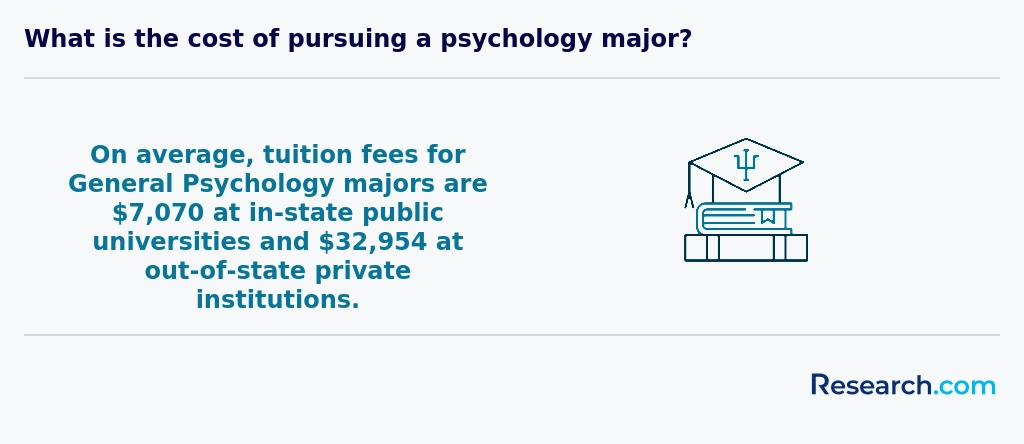
Understanding the path from graduation to professional practice is essential for psychology students in Maine. To become a licensed psychologist, candidates must complete the following steps: 1. Earn an Accredited Degree You must hold a doctoral degree in psychology from a program accredited by the American Psychological Association (APA) or regionally accredited by the New England Commission of Higher Education. While researching programs, you may also explore cost-effective options through the Most Affordable Psychology Degree Programs Ranking in Ohio for comparative insights on tuition. 2. Supervised Postdoctoral Experience After graduation, you are required to complete at least 1,600 hours of supervised experience under a licensed psychologist. These hours must span a minimum of two years, covering assessment, diagnosis, and therapeutic techniques. Detailed supervision logs and evaluation forms should be submitted to the Maine Board of Examiners of Psychologists. 3. Pass the Examination for Professional Practice in Psychology (EPPP) Administered by the Association of State and Provincial Psychology Boards (ASPPB), the EPPP assesses foundational and applied knowledge across core psychological domains. Achieving a passing score is mandatory before licensure application. 4. Apply for Licensure with the Maine Board Once the EPPP and supervised hours are complete, submit an application to the Maine Board of Examiners of Psychologists, including official transcripts, verification of supervised experience, exam scores, and the required fee. The Board reviews credentials to ensure compliance with statutory and ethical standards. For those pursuing counseling or therapy roles, Maine also offers the Licensed Professional Counselor (LPC) credential. Requirements include a master’s degree in counseling or psychology, 3,000 hours of supervised clinical work, and successful completion of the National Counselor Examination (NCE). Maintaining licensure for both psychologists and LPCs involves biennial renewal and completion of continuing education credits, reinforcing lifelong learning and ethical practice.
Psychology students in Maine often find their coursework rich and varied, laying a strong foundation for both understanding human behavior and practical application. Graduates from universities like the University of Maine recall how foundational classes such as Introduction to Psychology opened their eyes to the diverse branches of the field, from cognitive processes to social interactions.
Core courses typically include Research Methods and Statistics, where students gain hands-on experience designing experiments and analyzing data, skills crucial for any psychology career. One graduate described how this course transformed abstract concepts into clear, manageable projects, boosting confidence in scientific thinking.
Other essential subjects include Developmental Psychology, illustrating how humans evolve through life stages, and Biopsychology, which connects brain functions to behavior-both often taught with local examples that resonate with Maine's community-centered values.
Courses in Social and Abnormal Psychology provide insights into everyday human relationships and mental health challenges. Maine's emphasis on community and clinical psychology often shines through specialized classes on counseling and behavioral interventions, directly preparing students for impactful roles in the state's growing mental health sector.
Students pursuing a psychology degree in Maine encounter a broad spectrum of specializations, each designed to suit different professional aspirations. Popular choices at colleges like the University of Maine or Bates College reflect real-world demands and personal interests, from clinical psychology focused on mental health treatment, to counseling psychology where graduates find fulfillment helping individuals through substance abuse or family issues. Many graduates recall how hands-on internships within local communities deepened their empathy and practical skills, making their education feel truly purposeful.
Those drawn to research often gravitate toward cognitive and behavioral psychology, developing expertise in areas such as memory and learning that align with Maine psychology program concentration options emphasizing scientific inquiry. Additionally, specialized paths such as forensic psychology offer intriguing roles within the legal system, while industrial-organizational psychology prepares students for improving workplace dynamics in Maine's evolving economy. Developmental psychology also attracts those passionate about human growth from childhood to adulthood, with graduates recalling how their studies enhanced their ability to support diverse populations.
For students eager to advance further, exploring online doctorate degrees offers flexibility and depth, blending Maine's strong foundational programs with accessible advanced study.
Choosing the best psychology degree programs in Maine means balancing your academic ambitions with practical realities. Graduates from the University of Maine often share how the strong on-campus engagement and access to faculty research shaped their passion and prepared them for diverse career paths. Others who prioritized flexibility found success enrolling in online programs, appreciating the ability to study while managing work or family commitments. Reflecting on these experiences reminds you to consider not only the degree level-be it bachelor's, master's, or doctoral-but also the program's format and local reputation.
Affordability is another key concern. Many students find that affordable psychology colleges Maine offer support through scholarships or financial aid, reducing the burden without sacrificing quality. Keep in mind that accreditation and post-graduate outcomes mean a lot for your future. Programs accredited by recognized bodies ensure your education meets professional standards, a crucial step if you plan careers in counseling or clinical practice. For those interested in practical clinical training, exploring accredited online psyd programs can open additional pathways tailored to your schedule and goals.
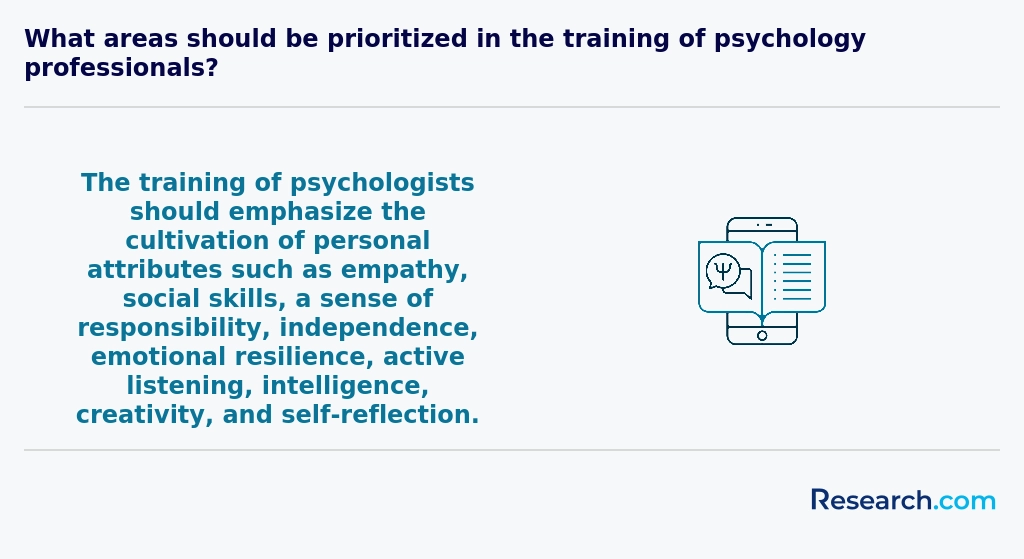
Graduates with a psychology degree in Maine find rewarding career paths spanning mental health, education, research, and business. Many step into roles as mental health clinicians or counselors in hospitals and community centers, inspired by growing demand driven by the state's focus on behavioral health. Those from the University of Maine and other local colleges often describe valuable hands-on experiences that make their transition into roles like social services case managers or behavioral technicians feel purposeful and stable.
Others pursue educational psychology careers within Maine's schools, helping to nurture student development with real impact. The path can also lead to research assistantships or academic positions, blending curiosity and scholarship in familiar university environments. Graduates interested in business frequently find their niche in industrial-organizational psychology, contributing to human resources and organizational development in corporate or consultancy settings. These examples reflect the diverse psychology career opportunities in Maine and show how graduates create meaningful futures tailored to the state's unique landscape.
For prospective students weighing options, Maine's affordability enhances access to these roles, unlike pricier programs elsewhere. To explore pathways further, consider checking the Most Affordable Psychology Degree Programs Ranking in Ohio for comparative insight.
The psychology degree job opportunities in Maine reflect the state's unique demographic and economic landscape. Graduates from well-regarded institutions often find themselves stepping into roles in healthcare facilities or educational settings across cities like Portland, Bangor, and Augusta. These positions offer meaningful work, particularly in counseling and clinical psychology, with an emphasis on mental health and geriatric care. Many graduates recount positive experiences gaining hands-on training through local internships, which are often supported by state programs aimed at expanding mental health services.
Although salaries for psychologists in Maine average slightly below national figures, the steady demand, combined with the growing use of telehealth, expands access to rural communities and creates diverse career paths. Psychology degree career outlook in Maine benefits from retirements opening new doors and the encouragement of specialization, which graduates have found vital in improving employability and earnings. For those weighing costs and benefits, exploring options like the 6 month associate degree online programs can be a practical first step in entering this sector.
2027 Most Valuable Psychology Degree Programs Ranking in Maine
Investing in your education is a significant decision that can shape your future, and the Research.com team understands the importance of making informed choices. To assist prospective students in Maine, we have meticulously crafted the "2027 Most Valuable Psychology Degree Programs Ranking in Maine." Our commitment to quality, credibility, and accuracy is reflected in the extensive research and analysis conducted to compile this ranking. We utilized the following reputable data sources to ensure a comprehensive evaluation of psychology degree programs:
By exploring this ranking, readers will gain valuable insights into the most valuable psychology degree options in Maine, empowering them to make well-informed decisions about their educational paths. For more details on our methodology, please visit our Research.com methodology page.


# 10 position
Thomas College
Bachelor of Science in Psychology

Frequently Asked Questions About psychology
Psychology degree students in Maine can maximize their learning by engaging deeply in both coursework and practical experiences. Many Maine institutions emphasize internships and research opportunities, which help students apply theory to real-world settings. For example, the University of Southern Maine offers programs aligned with the American Psychological Association's guidelines, providing valuable hands-on training.
Networking with faculty and professionals in Maine's mental health community also broadens understanding and job prospects. According to the Bureau of Labor Statistics, employment for psychologists in Maine is projected to grow by 7% through 2031, highlighting the importance of practical experience.
Balanced study plans combining core psychology classes with electives in counseling or behavioral science can enhance learning and versatility in the field.
The field of psychology in Maine is expanding with several emerging niches that offer promising career paths. One notably growing area is neuropsychology, which combines brain science with behavioral studies to address cognitive disorders. Another rising specialty is health psychology, focusing on how mental well-being impacts physical health, an approach gaining traction in Maine's healthcare settings.
Additionally, forensic psychology is becoming more relevant due to increasing intersection of psychology and law enforcement in the state. Industrial-organizational psychology also shows strong growth prospects as Maine businesses seek to improve workplace dynamics and employee mental health.
According to the Maine Department of Labor, job opportunities for psychologists in these fields are projected to grow faster than average through 2030.
After earning a psychology degree in Maine, preparing effectively for the job market involves several key steps. Start by gaining practical experience through internships or volunteer work in local healthcare facilities, schools, or counseling centers. This hands-on exposure is highly valued by employers and helps build a professional network.
Additionally, obtaining state licensure or certification is crucial for clinical roles. Maine's Board of Psychology requires specific supervised hours and exams, so familiarize yourself early with these requirements.
Consider pursuing graduate education or specialized certifications, as many psychology-related jobs demand advanced degrees. According to the Maine Department of Labor, employment for psychologists is expected to grow by 10% by 2030, indicating steady demand. Staying informed about job trends through Maine's career resources enhances your readiness and competitiveness.
Employers in Maine seek psychology graduates with strong analytical and research skills. Graduates must be able to design studies, interpret data, and draw evidence-based conclusions. According to the Maine Department of Labor, critical thinking ranks high among desired abilities for entry-level psychology roles.
Communication skills are equally essential. Psychology professionals often work in healthcare, education, and social services, so clear verbal and written communication is needed to explain complex concepts to clients and colleagues.
Interpersonal skills, such as empathy and active listening, are crucial in Maine's expanding mental health sector. The U.S. Bureau of Labor Statistics notes that demand for psychological services is growing regionally, emphasizing teamwork and client engagement.
Additionally, familiarity with ethical guidelines and cultural competency is increasingly valued as Maine's population becomes more diverse.
Finding psychology internships in Maine involves targeting local universities, healthcare facilities, and community organizations. Many institutions like the University of Maine and Bates College offer internship listings or have partnerships with local mental health clinics.
State agencies, such as the Maine Department of Health and Human Services, also provide internship opportunities in psychology-related roles. Additionally, nonprofits focusing on mental health, substance abuse, or developmental disabilities are common internship providers.
Students should utilize campus career centers, attend Maine psychology association events, or consult online platforms like Handshake, which often list internships specific to the region.
According to the Maine Bureau of Labor Statistics, psychology internships can lead to higher employment rates within the state's growing behavioral health sector.
A psychology degree in Maine can significantly enhance career mobility and advancement opportunities. Graduates with a bachelor's or higher in psychology often qualify for various roles in healthcare, education, and social services.
According to the U.S. Bureau of Labor Statistics (BLS), Maine's employment of psychologists is projected to grow moderately through 2031, reflecting steady demand. Professionals with advanced degrees, such as a master's or doctorate, typically access higher-paying roles and leadership positions.
In addition, licensing requirements in Maine-such as those for clinical psychologists-often mandate advanced degrees, influencing career progression.
Employers in Maine value psychology graduates' research, counseling, and analytical skills, which support career flexibility across sectors like mental health, human resources, and community outreach.
Studying for a psychology degree in Maine equips students with skills valuable across many fields, fostering interdisciplinary collaboration. Many Maine programs emphasize a broad curriculum, integrating biology, sociology, and statistics, which prepares graduates to work in healthcare, education, and social services.
Maine's universities often encourage research projects and internships that connect psychology with disciplines like public health and counseling. According to data from the National Center for Education Statistics, Maine awarded approximately 150 psychology bachelor's degrees in 2022, reflecting steady interest and demand in this field.
This educational approach helps students understand complex, real-world problems and communicate effectively with professionals in various sectors, positioning them well for interdisciplinary roles.
When choosing between a thesis and a non-thesis psychology degree program in Maine, consider your career goals and learning preferences. A thesis program typically requires original research and a written dissertation, which benefits students aiming for research roles or doctoral studies.
Non-thesis options emphasize coursework and practical skills, often including internships, preferred by those seeking clinical or applied psychology careers. In Maine, institutions like the University of Southern Maine offer both paths, allowing flexibility based on student needs.
According to the National Center for Education Statistics, thesis programs can take longer, usually about two years for a master's, compared to 1.5 years for non-thesis. Evaluate your time, resources, and professional plans carefully before deciding.
Students in Maine interested in studying psychology abroad have several pathways to consider. While Maine itself offers reputable psychology programs, such as those at the University of Maine, studying abroad can enhance cultural understanding and research opportunities. Many U.S. institutions, including those in Maine, participate in exchange programs through organizations like the Council on International Educational Exchange (CIEE) or the Institute of International Education (IIE), which offer placements in Europe, Asia, and Australia.
Additionally, students can pursue dual-degree or study abroad options affiliated with their home universities. This allows credits earned internationally to count toward their psychology degree, facilitating seamless progress. Students should verify accreditation and ensure the program's curriculum aligns with American Psychological Association (APA) standards if planning licensure in the U.S.
Financial aid and scholarships are available through some Maine colleges and external grants to support these international experiences. Resources like the U.S. Department of Education's Study Abroad page provide updated guidance specifically relevant to U.S. students.
Students pursuing psychology degrees in Maine can benefit from part-time jobs that offer relevant experience alongside their studies. Common opportunities include working as research assistants at local universities, such as the University of Southern Maine, where psychology research projects are active. These roles help develop skills in data collection and analysis.
Another option is employment in mental health support roles, including peer support specialists or behavioral health technicians, particularly in community clinics and hospitals. According to the Maine Department of Labor, demand for mental health aides is increasing, reflecting broader national trends.
Additionally, tutoring psychology or related subjects can enhance knowledge while providing flexible income. These positions help students gain practical experience useful for graduate programs or careers in counseling, social work, and clinical psychology.
Psychology students in Maine have several networking opportunities through local universities and professional organizations. The American Psychological Association's Maine Psychological Association offers events, workshops, and conferences that connect students with practicing professionals. Students can attend meetings to engage with a statewide network of psychologists, researchers, and clinicians.
Colleges like the University of Maine and Bowdoin College often host guest lectures and career fairs focused on psychology and mental health fields. These events provide direct access to experts and potential employers. Additionally, internships and research assistantships in Maine's growing healthcare and educational sectors further expand students' professional contacts.
The Maine Department of Labor reports that psychology-related jobs are expected to grow by 8% through 2030, highlighting the importance of early networking. Students benefit from joining regional clubs and volunteer groups to build connections that can support their career development.
Alumni networks play a significant role for psychology degree students in Maine by offering connections to experienced professionals and recent graduates. These networks provide mentorship opportunities, which help students navigate career paths and graduate school options. According to the Maine Psychological Association, access to alumni can increase chances of internships and job placements within the state, particularly in clinical and counseling psychology sectors.
Many Maine universities facilitate alumni events and online platforms where students gain insights into local labor market trends and employer expectations. Networking through alumni often leads to recommendations that can improve employment prospects in Maine's psychology field.
Customizing a psychology degree in Maine to fit your career goals often involves selecting specialized courses and practical experiences. Many Maine colleges offer electives in areas such as clinical, counseling, developmental, or industrial-organizational psychology. Choosing internships or research projects related to your interests can also enhance your expertise. For example, the University of Southern Maine emphasizes applied learning that aligns with regional workforce needs. According to the Bureau of Labor Statistics, demand for psychologists in New England, including Maine, is expected to grow by 11% through 2030, highlighting the value of tailored training. Consulting academic advisors is key to planning relevant coursework and experiential opportunities.
Psychology students in Maine often face several challenges related to both academics and practical experience. One significant difficulty is the limited number of local internship and practicum sites, which are crucial for hands-on training in psychology. According to the Maine Department of Education, students may need to commute extensively or seek placements outside their immediate area.
Another common challenge is balancing coursework with financial costs. Tuition rates at Maine's public universities average around $11,000 per year for in-state students, which can be burdensome without adequate financial aid (NCES, 2023). Moreover, Maine's rural population distribution sometimes limits access to specialized faculty and research opportunities.
Students also report the rigorous nature of combining scientific research methods with clinical psychology topics. This requires strong time management and adaptability skills to succeed in their programs.
A psychology degree from Maine opens the door to several professional certifications that can enhance your career prospects. Graduates often pursue credentials such as Licensed Clinical Social Worker (LCSW), Licensed Professional Counselor (LPC), and Licensed Psychologist, each requiring additional supervised experience and passing state exams. For example, becoming a Licensed Psychologist in Maine involves completing a doctoral degree, accumulating 3,000 hours of supervised practice, and passing the Examination for Professional Practice in Psychology (EPPP).
Other certifications include Certified Alcohol and Drug Counselor (CADC) and Board Certified Behavior Analyst (BCBA), both valuable in specialized fields. Maine's Department of Labor highlights a growing demand for such professionals, projecting a 14% employment increase through 2030. These certifications can provide competitive advantages and access to higher salaries in the state's mental health sector.
Crafting a winning application for a psychology program in Maine requires careful attention to academic performance and experiences. Most Maine universities look for a strong GPA, often above 3.0, especially in relevant coursework such as biology, statistics, and psychology. Including well-written personal statements that clearly express your passion for psychology and your career goals is essential. Schools like the University of Southern Maine emphasize the importance of research experience, internships, or volunteer work in mental health settings. Additionally, securing strong letters of recommendation, ideally from professors familiar with your academic abilities, can enhance your application.
Standardized tests like the GRE are sometimes optional but can still strengthen your submission if scores are competitive. According to the Maine Department of Education, students with research or clinical experience tend to have higher acceptance rates. Finally, tailoring each application to the specific program's focus-whether clinical, counseling, or educational psychology-demonstrates your genuine interest and fit for the program.
Psychology careers in Maine align closely with broader trends seen across the United States, reflecting a global emphasis on mental health and human behavior research. The U.S. Bureau of Labor Statistics projects a 8% growth in psychologist jobs nationwide from 2022 to 2032, which impacts demand in Maine as well. Professionals with psychology degrees often engage in diverse fields such as clinical practice, counseling, research, and organizational development.
Globally, psychology is valued for its role in improving well-being and mental health policy. Maine's universities emphasize research methods and applied psychology, preparing graduates for careers that address both local and international mental health challenges. According to the American Psychological Association, practitioners trained in the U.S. often hold credentials respected worldwide, supporting cross-border career opportunities.
The increasing focus on telepsychology and digital mental health services also creates global prospects for graduates. Maine students benefit from this trend through specialized training and internships that incorporate emerging technologies and culturally aware care approaches. Overall, psychology professionals in Maine are well-positioned to contribute locally and globally while adapting to evolving industry needs.
Gaining practical experience while studying psychology in Maine is essential for career readiness. Many universities in the state offer internships or practicum opportunities through partnerships with local mental health clinics, schools, and social service agencies. These placements allow students to apply theoretical knowledge in real-world settings.
Additionally, some programs encourage participation in research projects alongside faculty, giving hands-on experience in experimental design and data analysis. Maine's Department of Labor notes that applied experience significantly enhances employability in psychology-related roles.
Networking events and psychology clubs can also connect students with professionals for mentorship and field exposure.
Choosing the right concentration within a psychology degree program in Maine involves evaluating your career goals and interests. Psychology programs often offer areas such as clinical, counseling, developmental, or industrial-organizational psychology. Research how these concentrations align with Maine's job market, where clinical psychology is among the most in-demand specialties, according to the Maine Department of Labor.
Consider practical experience opportunities in your chosen field. Many Maine colleges partner with local hospitals, schools, or businesses to provide internships. Accreditation is also important; verify that the program meets standards set by the American Psychological Association or regional accrediting bodies.
Finally, review faculty expertise and resources available. Programs with faculty active in research or local mental health initiatives can enhance your learning and networking prospects in Maine's psychological community.
- 2027 Most Valuable Psychology Degree Programs Ranking in New Hampshire
- 2027 Most Valuable Psychology Degree Programs Ranking in Massachusetts
- 2027 Most Valuable Psychology Degree Programs Ranking in New York
- 2027 Most Valuable Psychology Degree Programs Ranking in New Jersey
- 2027 Most Valuable Psychology Degree Programs Ranking in Pennsylvania
- 2027 Most Valuable Psychology Degree Programs Ranking in Maryland
- 2027 Most Valuable Psychology Degree Programs Ranking in Ohio
- 2027 Most Valuable Psychology Degree Programs Ranking in Kentucky
- 2027 Most Valuable Psychology Degree Programs Ranking in Illinois
- 2027 Most Valuable Psychology Degree Programs Ranking in Missouri
See What Experts Have To Say About Studying Psychology
Read our interview with Psychology experts

Elizabeth L. Jeglic Ph.D.
Psychology Expert
Professor of Psychology
City University of New York

Robin M. Kowalski. Ph.D.
Psychology Expert
Professor of Psychology
Clemson University

Catherine Caldwell-Harris, Ph.D.
Psychology Expert
Associate Professor of Psychology
Boston University

- Why Get a Psychology Degree Online? | University of Bridgeport https://www.bridgeport.edu/news/reasons-to-get-your-psychology-degree-online/
- Master of Arts in Psychology [non-thesis] https://su.edu.ph/academic-offering/master-of-arts-in-psychology-non-thesis/
- Ontario Psychological Association - Networking and Community Resources https://www.psych.on.ca/become-a-member-(1)/member-services/networking-and-community-resources
- Study Psychology Abroad | Go Overseas https://www.gooverseas.com/study-abroad/psychology
- Study Psychology Abroad https://astarfuture.co.uk/study_psychology_abroad.html
- Have You Found a Niche? https://www.apaservices.org/practice/business/marketing/building/niche
- Call for papers https://www.hogrefe.com/us/journal/international-perspectives-in-psychology-research-practice-consultation
- Psychology https://www.kvcc.me.edu/academics/programs-of-study/psychology/
- Psychology Online Degree Pathway https://www.learndirect.com/course/psychology-online-degree
- Financial Aid For Psychology Students | Psychology.org https://www.psychology.org/resources/financial-aid/


