
2027 Most Affordable Psychology Degree Programs Ranking in Richmond

Co-Founder and Chief Data Scientist
Choosing the right psychology degree program in Richmond can feel overwhelming. To help you navigate your options, this article presents the 2027 Most Affordable Psychology Degree Programs Ranking in Richmond. Developed by the Research.com team of data scientists, this ranking offers clear insights to guide your decision.
Discover programs that balance quality education with affordability, making your dream of earning a psychology degree achievable. Whether you want to start a rewarding career or deepen your understanding of human behavior, this guide supports you every step of the way.
Key benefits of getting psychology degree in Richmond
- A psychology degree in Richmond can lead to rewarding jobs such as Human Resources Specialist, with a mean annual wage of $76,060, or Marketing Research Analyst, earning around $83,190 per year, offering strong financial stability.
- Graduates from local Richmond universities explore diverse careers including Clinical Research Associate and Survey Researcher, providing varied paths in health, research, and business sectors that inspire growth and impact.
- Choosing an online psychology degree from a Richmond institution offers flexible scheduling and accessibility, helping students balance work and studies while gaining the same valuable knowledge as traditional programs.
- 2027 Most Affordable Psychology Degree Programs Ranking in Richmond
- What can I expect from psychology degree in Richmond?
- Where can I work with psychology degree in Richmond?
What can I expect from psychology degree in Richmond?
When diving into a psychology degree in Richmond, the financial landscape often hovers around the $25,000 to $40,000 per year mark, depending on the institution and program level. Graduates from Virginia Commonwealth University recall stretching every dollar while gaining hands-on experience through internships that felt like stepping stones toward their future careers.
At the University of Richmond, students appreciated the blend of rigorous academics and practical placements that made each tuition dollar feel like an investment in real-world impact. One graduate described balancing coursework with clinical hours at local nonprofits, a rhythm that turned classroom theory into meaningful community change without breaking the bank.
This cost frame includes tuition, fees, and the occasional required materials for labs or research-essential building blocks for psychology majors eager to explore human behavior in Richmond's vibrant urban tapestry. Scholarships and assistantships sometimes soften the financial climb, making the path to becoming a licensed psychologist both affordable and alive with opportunity.
Where can I work with psychology degree in Richmond?
Graduates with a psychology degree in Richmond find themselves stepping into a vibrant mosaic of career paths, each pulsing with opportunity. Imagine joining a bustling hospital like VCU Health, where alumni work side-by-side licensed clinicians as behavioral health technicians or psychological assistants, making real-time impacts on patient care. Others gravitate toward Richmond's school districts, transformed by their work as school counselors or behavioral interventionists, guiding young minds through challenges with empathy grounded in theory learned right here.
Richmond's social service scene buzzes with roles that turn passion into action-working at the Richmond Behavioral Health Authority or nonprofits, graduates become caseworkers or program coordinators, weaving community support networks that truly matter. Plus, in the city's growing tech and business sectors, psychology grads energize workplaces, sculpting training programs and decoding consumer behavior with savvy insights.
Many local graduates treasure their time at Virginia Commonwealth University, where internships in local hospitals and agencies don't just teach-they connect students directly to Richmond's thriving job market, fueling careers with confidence and purpose.
Imagine walking out of a psychology lecture hall at Virginia Commonwealth University, diploma in hand, wondering how that degree will translate into dollars in Richmond's job market. Graduates stepping into roles like Human Resources Specialist here can anticipate a mean annual wage of about $76,060, giving you a solid footing right after college.
Others leveraging their research skills might find themselves as Marketing Research Analysts, where salaries hover around $83,190 annually-decent proof that your knack for understanding human behavior can pay well in the local economy.
Some graduates land roles as Clinical Research Associates or Survey Researchers earning roughly $62,370 yearly, balancing practical research with a passion for psychology's data-driven side.
Picture the energy of setting up client sessions in Richmond's cozy private practices, while knowing that climbing the licensure ladder could bump your income well beyond these figures.
Psychology students in Richmond are not just earning wages-they're investing in potential and a lifestyle that blends compassion with opportunity, all within reach of their campus doors.
- Annual tuition for psychology undergraduate programs in Richmond ranges from $10,000 to $30,000, with public schools offering lower rates for in-state students.
- Graduate psychology programs cost between $15,000 and $40,000 per year, depending on the school and degree level.
- Entry-level salaries for psychology graduates in Richmond average between $45,000 and $55,000 annually.
- Experienced professionals with advanced degrees or licensure can earn $70,000 to $90,000 per year.
- Psychology and counseling jobs in Richmond are expected to grow by about 10% over the next decade, above the national average.
In Richmond, completing a bachelor's degree in psychology feels like stepping into a four-year journey filled with discovery, roughly matching the rhythm felt at local institutions like Virginia Commonwealth University. Imagine mornings filled with engaging lectures and afternoons diving into 120 to 130 credit hours of fascinating human behavior studies. Graduates often recall how full-time study shaped their vibrant campus life, balancing study groups with coffee-fueled library sessions.
Advancing to a master's degree stretches this adventure by another two years, where students juggle research projects and internships at universities known for strong graduate psychology programs. Graduates speak warmly about the intense yet rewarding challenge of clinical practicums that deepen their connection to real-world psychology.
Doctoral candidates, often at institutions offering PhD or PsyD tracks, embark on a longer path-four to seven years, an odyssey marked by both rigorous research and moments of personal triumph. The blend of passion and perseverance creates a unique experience that many Richmond students treasure, all while navigating part-time enrollments or accelerated programs that add their own twist to the timeline.
Choosing an accredited psychology degree in Richmond ensures your education meets state and national standards, which is essential for professional practice in Virginia. Keep these points in mind:
- Regional accreditation (SACSCOC) confirms overall program quality and transferability.
- APA accreditation for clinical and counseling psychology programs is required for licensure eligibility.
- Virginia Board of Psychology requires a degree from an accredited institution, a minimum of 2,000 supervised clinical hours, and passing the EPPP exam.
- Some students explore related pathways, such as online marriage and family therapy programs, which also meet Virginia licensure standards.
Understanding these requirements early helps you choose a psychology program that leads directly to your licensure and career goals.
Imagine stepping into a lively classroom at Virginia Commonwealth University, where you exchange ideas face-to-face, dive into hands-on labs, and build instant connections. That's the rhythm of on-campus psychology degrees in Richmond-immersion in a buzzing ecosystem with real-time mentorship and deep networking. Graduates often cherish how this environment sharpened their interpersonal skills, making internships and practicums feel like natural extensions of their classroom experience.
Contrast that with the quiet confidence of online learners tapping into Richmond's digital psychology scene-from their favorite cafe or home office. These students juggle work, family, and studies with flexible schedules, savoring the freedom to shape their day. Though missing some physical labs, they embrace virtual simulations and online research, crafting a personalized pace that suits their unique life story.
Both paths meet the rigorous standards set by accrediting bodies, but the choice between on-campus energy and online flexibility reflects how Richmond's psychology students envision their journey in this dynamic field.
Students considering a psychology degree in Richmond, VA, are increasingly looking beyond traditional classroom experiences and exploring innovative practices that shape the future of the field. This emerging trend includes a growing emphasis on digital learning platforms, interactive online modules, and real-time virtual collaborations that enhance academic flexibility and broaden access. Institutions are now integrating modern technology into their curricula, with many programs offering hybrid options that combine on-campus and online learning to simulate real-world scenarios. For example, programs that incorporate elements from fast online masters in applied behavior analysis demonstrate how remote learning can foster critical thinking and adaptability while keeping pace with evolving industry standards. Additionally, many schools are strengthening their career services by partnering with local businesses and mental health organizations to provide students with hands-on projects, mentorship opportunities, and networking events. As the psychology landscape evolves, graduates are also witnessing a shift toward multidisciplinary collaborations-blending behavioral science with data analytics and digital health-which opens new career pathways and enhances their overall return on investment. These forward-thinking educational models not only align with current market demands but also prepare students to be agile, innovative professionals in a dynamic and competitive job market.
The average cost of a psychology degree in Richmond spins around a median total of about $59,613, weaving together the stories of students navigating tuition and living expenses. Those attending as in-state residents find a gentler financial rhythm around $16,945, making their academic dreams at places like Virginia Commonwealth University feel a bit more attainable. Imagine a graduate recalling the balance of part-time work and campus life, energized by affordable tuition that eased the burden and opened doors to research opportunities and assistantships.
Out-of-state students encounter a different landscape, where the finances reflect a larger investment, often closer to that median total cost, echoing the experience of many who journey to Richmond's private universities. These learners, while embracing higher tuition fees, often celebrate the vibrant campus communities and expert faculty that enrich their psychology education. This interplay of value and cost embodies the challenge and excitement of pursuing psychology in this city.
When exploring affordable psychology programs in Virginia, it becomes clear that Richmond balances costs with quality, a crucial factor for anyone considering this path. Students consistently highlight the supportive environments and manageable fees, which transform the financial investment into a stepping stone toward fulfilling careers. Understanding these numbers, infused with real student perseverance, highlights the genuine accessibility of psychology degrees amid Richmond's dynamic academic scene.
Whether budgeting for tuition, books, or daily life, many graduates remember the mix of thoughtful planning and institutional resources that made their degrees possible. The narrative of the psychology degree cost in Richmond is not just numbers-it's the heartbeat of ambition, resilience, and hope for those who choose this vibrant city to build their future.

To find the most affordable psychology degree programs in Richmond, VA, prospective students should research and compare tuition fees, financial aid options, and scholarship opportunities. One crucial step is to review rankings that highlight affordable programs, such as our list of affordable psychology programs in Virginia, which can provide valuable insights into cost-effective options. By understanding the factors that contribute to the affordability of psychology programs, students can make informed decisions about their education, balancing academic aspirations with financial considerations. This approach enables them to pursue their passion for psychology without incurring excessive debt, setting them up for success in their future careers.
Imagine a Richmond psychology student unlocking the door to financial aid like it's a hidden lab experiment. Federal aid, accessed by filling out the FAFSA, often feels like the first crucial test. Pell Grants, which in 2023-2024 reach up to $7,395, transform dreams into reality without the looming shadow of repayment. A graduate from Virginia Commonwealth University once described this as "the difference between walking into class with confidence or stressing over rent."
State-level support adds a secret ingredient: the Virginia Tuition Assistance Grant (VTAG), offering up to $9,000 for private colleges in Richmond. This grant lights the path for students who choose schools like the University of Richmond with extensive psychology offerings.
Closer to campus, institutional aid pulses through departments-merit scholarships, research assistantships, and work-study gigs that create vibrant campus lives and deeper engagement. Richmond College alumni recall how these opportunities felt like personal endorsements of their passion and dedication.
Outside campus walls, private scholarships from groups such as the Virginia Psychological Association reward commitment and excellence, like small trophies on the mantel of a student's journey. Federal loans exist too, but graduates advise balancing aid wisely to sidestep daunting post-degree debt, especially with average grad loan rates near 7%.
These intertwined threads of support help Richmond psychology students weave their futures without unraveling under financial strain.
To ensure your psychology degree leads to professional practice in Virginia, you must meet both accreditation and licensure standards set by the Virginia Board of Psychology and national bodies.
- Graduate from a regionally accredited institution; clinical and counseling programs should hold APA accreditation for full licensure eligibility.
- Complete required supervised experience (typically 3,300 post-master’s hours under a licensed psychologist).
- Pass the Examination for Professional Practice in Psychology (EPPP) and Virginia’s jurisprudence exam.
- Maintain licensure with ongoing continuing education (usually 40 hours every two years).
For those interested in related counseling fields, consider accredited alternatives like marriage and family therapy online programs accredited.
Those eager to dive into psychology in Richmond start with the basics: a high school diploma or its equivalent, packed with solid English and math skills. Imagine a Richmond community college classroom buzzing with students who've just nailed their core subjects and now feel ready to tackle human behavior.
It's not just about showing up; a GPA hovering between 2.5 and 3.0 often opens doors. Picture a hopeful applicant reviewing their grades nervously, knowing it's their ticket to programs at places like Virginia Commonwealth University. Some grads recall how meeting these GPA benchmarks transformed their dreams into acceptance letters.
While standardized tests like the SAT or ACT might lurk in the background, many Richmond schools let you breathe easier with test-optional policies. And if you're transferring in, having completed general education and introductory psych courses with strong marks is your secret handshake to smooth entry.
Graduate hopefuls in Richmond remember juggling letters of recommendation, statements of purpose, and proving their passion through internships - a rite of passage for those aiming to advance their minds and careers amid the city's vibrant academic scene.

Investing in a psychology degree requires weighing tuition expenses against future earning potential. In Richmond, VA, the average undergraduate student graduates with approximately $25,000 in debt at public institutions and up to $35,000 at private colleges. With entry-level salaries for psychology graduates ranging from $40,000 to $57,760, most students reach a break-even point-where cumulative earnings offset educational costs-in about 5–6 years post-graduation. Key ROI considerations:
- Average Debt Load: $25,000 (public, in-state) vs. $35,000 (private)
- Entry-Level Median Salary: $40,000–$57,760
- Estimated Break-Even Period: 5–6 years
- Long-Term Earnings Growth: Mid-career salaries often exceed $73,000 for roles such as Human Resources Specialist Strategies to Improve ROI:
- Enroll in accelerated or dual-degree tracks to reduce total tuition.
- Leverage internships and assistantships to gain paid experience.
- Apply early for grants and scholarships highlighted in the financial aid section. For a broader view on affordable programs and ROI comparisons across states, explore the Low Cost Psychology Degree Programs Ranking in California.
Imagine diving into the vibrant world of the mind at a Richmond university, where courses like Introduction to Psychology unfold the mysteries of human behavior with a lively mix of history and groundbreaking research. Graduates recall how Developmental Psychology felt like tracing life's journey-from childhood laughter to wise elder insight-right in their classrooms.
In Abnormal Psychology, students explore real stories of resilience, understanding disorders not as labels but as chapters in human experience. Cognitive Psychology invites you to experiment with your own memory and attention, turning abstract concepts into daily discoveries. At Richmond's institutions, Social Psychology feels personal, as you analyze the very dynamics playing out in campus groups and community events.
Biological Psychology brings the brain's electric dance into focus, while Research Methods and Statistics arm you with the tools to unveil hidden patterns, empowering every aspiring psychologist to trust data-driven insights. Internship stories often mention Psychological Assessment courses, where hands-on evaluation unlocks practical empathy for future clients in Richmond's growing mental health scene.
Imagine walking through the halls of a Richmond university where every psychology degree takes you on a unique voyage through the mind's vast terrain. Graduates often describe their journey through clinical psychology-a specialization buzzing with purpose as they ready themselves to diagnose and heal mental health maladies amidst Richmond's vibrant community. Meanwhile, those enchanted by human connection find counseling psychology in local clinics and schools a heartfelt experience, offering practical internships that transform theory into touching reality. This rich variety of psychology degree specializations in Richmond also includes neuropsychology and cognitive psychology, where students explore the mysteries of brain-behavior dynamics, threading neuroscience with everyday life.
At another corner, industrial-organizational psychology beckons students focusing on workplace harmony and boosting morale, a real asset in Richmond's bustling job market. Developmental psychology lends a compassionate lens on growth from cradle to eldercare, a path walked by many passionate graduates. Some dive into pioneering niches like forensic and health psychology, where the mind meets law or physical health in insightful ways. Options like the fast online masters in applied behavior analysis add even more depth and flexibility.
Exploring Richmond psychology careers and specializations opens doors to vibrant, meaningful futures filled with discovery, impact, and heart.
Choosing the best psychology degree in Richmond feels like navigating a vivid mosaic of options, each tile reflecting a unique blend of curriculum, faculty energy, and real-world experience. Imagine walking through the historic campus grounds of a Richmond college, where graduates often recall how small class sizes sparked lively debates and personalized mentorship fueled their passion for clinical psychology or forensic specialties. These personal connections turn theory into life-changing understanding.
Richmond's urban backdrop lets students immerse themselves in diverse communities, offering hands-on internships that transform classroom lessons into human stories. Graduates frequently highlight how program flexibility-part-time or online formats-helped them balance studies with life's unpredictability, an essential feature for today's ambitious learners. For those navigating budgets, exploring affordable psychology degree programs Richmond wide reveals surprising pathways, including community college transfer options and scholarships.
Don't overlook a resourceful step inspired by alumni: check out the Low Cost Psychology Degree Programs Ranking in California to envision cost-effective strategies inspired by peers beyond Richmond's borders, expanding your horizon of smart choices.
Graduates from Richmond's universities often find their psychology degree opening doors beyond the typical counselor's office. Imagine stepping into bustling healthcare facilities or vibrant private practices, where licensed mental health counselors and clinical psychologists respond energetically to rising community needs. These roles are a heartbeat of Richmond's mental health landscape, blending science with heartfelt human connection.
Jobs with a psychology degree in Richmond also branch into dynamic business sectors. Many alumni thrive as human resources specialists, decoding team dynamics and boosting workplace harmony with insights honed during their academic journey. Some even pivot into academic research or teaching roles at local colleges, fueled by partnerships exploring addiction or social behavior-projects that spark intellectual excitement and real-world impact.
Other paths intersect Richmond's schools, where school psychologists nurture student wellbeing, aligning perfectly with the district's growing social-emotional programs. Plus, for those seeking flexibility, many consider an associate's degree online in 6 months as a strategic stepping stone, blending speed with career ambition. Richmond's psychology career opportunities in Richmond unfold like a vivid mosaic, inviting graduates to craft roles that feel uniquely their own.
Richmond's job market for psychology degree holders bursts with color and possibility, weaving together academic excellence and real-world impact. Graduates from local universities often step into roles in mental health counseling, finding themselves guiding patients through healing journeys in vibrant hospital settings or cozy private practices. These stories headline the employment opportunities for psychology graduates Richmond offers, where experts in school psychology nurture young minds and industrial-organizational psychologists reshape corporate cultures.
One graduate recalls balancing late nights studying behavioral theories with weekend internships at community clinics, ultimately landing a role that pays between $70,000 and $90,000 annually-a comforting reward compared to the city's $58,000 median household income. The steady growth in healthcare jobs here mirrors national momentum, making Richmond a fertile ground for psychology careers.
Meanwhile, the financial investment feels manageable with in-state tuition near $12,000 annually, especially as students tap unique networks at Richmond's colleges. Some even choose easiest degrees to get online to complement their traditional studies, balancing flexibility with ambition. The psychology degree job outlook Richmond presents isn't just statistics; it's vibrant lives shaped by compassion and discovery.
2027 Most Affordable Psychology Degree Programs Ranking in Richmond
Investing in your education is a significant decision that can shape your future, and the Research.com team understands the importance of making informed choices. To assist prospective students in Richmond, we have meticulously crafted the "2027 Most Affordable Psychology Degree Programs Ranking in Richmond." Our commitment to quality, credibility, and accuracy is reflected in the extensive research and analysis conducted to compile this ranking.
We utilized the following reputable data sources to ensure a comprehensive evaluation of psychology programs:
By exploring this ranking, readers will gain valuable insights into affordable psychology degree programs in Richmond, enabling well-informed decisions about their academic investments. For more details on our methodology, please visit our Research.com methodology page.


Frequently Asked Questions About psychology
Psychology degree students in Richmond can maximize their learning by engaging actively with both academic and practical experiences. Enrollment in research projects at institutions like Virginia Commonwealth University boosts understanding of psychological theories through real-world application. Richmond also offers diverse internship opportunities in local clinics and community centers, which provide valuable hands-on experience.
Maintaining connections with faculty advisors helps tailor study plans and explore specializations like clinical or industrial-organizational psychology. Additionally, Richmond students benefit from access to professional organizations such as the Virginia Psychological Association, which offers networking and development resources. Staying informed about recent psychology research through local university libraries also strengthens academic growth.
The psychology field is rapidly evolving, with several emerging niches gaining prominence in Richmond and across the US. One growing area is neuropsychology, focusing on brain-behavior relationships, which is increasingly important due to advances in brain imaging. Another developing niche is health psychology, addressing mental well-being in managing chronic illnesses-a vital field as Virginia's aging population grows. Industrial-organizational psychology also sees expansion, helping Richmond's diverse industries improve workplace productivity and employee satisfaction. Additionally, technology-driven specialties like telepsychology and digital mental health services are becoming essential, particularly after the COVID-19 pandemic increased remote care demand, according to the American Psychological Association.
Graduates with a psychology degree in Richmond should focus on building practical experience to enhance employability. Many local employers value internships and volunteer roles at Richmond-area mental health clinics or community centers. According to the Virginia Employment Commission, psychology-related jobs in Richmond are projected to grow by 10% from 2022 to 2032, indicating steady demand.
Networking with Richmond-based professionals through organizations like the Virginia Psychological Association can open job opportunities. Additionally, obtaining relevant certifications, such as those for behavioral health or counseling, helps graduates stand out.
Strong communication and research skills are essential, so consider joining university research projects or local workshops.
Employers in Richmond seeking psychology degree graduates prioritize a mix of analytical and interpersonal skills. Critical thinking stands out as essential, enabling graduates to assess complex behavioral data effectively. According to the National Association of Colleges and Employers (NACE), 81% of employers value strong communication abilities, which help in both research presentation and client interaction.
Moreover, proficiency in research methods and statistics is crucial, given Richmond's growing focus on evidence-based practice in mental health and social services. The Bureau of Labor Statistics (BLS) projects a 14% growth in psychology-related roles in Virginia through 2032, increasing demand for graduates skilled in data analysis.
Additionally, cultural competence is particularly important in Richmond's diverse communities, ensuring graduates can work sensitively across different populations. Time management and ethical judgment are other capabilities frequently highlighted by local employers.
Finding internships in Richmond related to a psychology degree involves leveraging local resources and university partnerships. Many Richmond institutions like Virginia Commonwealth University offer internship placement services specifically for psychology students. These internships often span clinical, research, and community settings.
The Richmond area hosts several hospitals, mental health clinics, and nonprofit organizations where students can gain practical experience. According to the Virginia Department of Behavioral Health and Developmental Services, Richmond has a growing demand for mental health professionals, increasing available internship opportunities.
Students should also explore Richmond's psychology professional associations and local job boards. Networking through attending university events and joining RVA-area psychology groups on platforms like LinkedIn can significantly enhance internship prospects.
A psychology degree in Richmond offers significant career mobility and advancement opportunities. According to the U.S. Bureau of Labor Statistics, psychology-related jobs in Virginia are projected to grow about 8% from 2021 to 2031, slightly faster than average. Local employers, including healthcare facilities and social service agencies, often require degrees for roles such as behavioral therapist, counselor, or case manager.
Richmond's universities provide pathways to advanced degrees, which are necessary for clinical and licensed psychology positions. Earning a bachelor's or master's in psychology can lead to promotions in education, human resources, or marketing fields, where psychological knowledge enhances performance.
Professional growth in Richmond is supported by networking through the Virginia Psychological Association and local internships, further boosting career prospects.
Studying for a psychology degree in Richmond equips students with skills applicable across various disciplines. Many programs emphasize collaboration between psychology and fields like social work, education, and healthcare. This interdisciplinary focus reflects Richmond's growing job market, where nearly 30% of psychology graduates enter roles involving cross-sector teamwork, according to the Virginia Department of Labor statistics (2023).
Richmond's institutions often integrate coursework in research methods, data analysis, and communication, which are valuable in diverse professional settings. Students gain experience working on projects that merge psychological principles with community needs, fostering adaptability.
Such training prepares graduates for careers in counseling, human resources, public policy, or health services, where understanding human behavior complements technical expertise. The region's emphasis on applied psychology also encourages internships and partnerships across multiple sectors, supporting interdisciplinary career development.
Choosing between a thesis and a non-thesis psychology degree program in Richmond depends on your career goals and learning preferences. Thesis programs generally focus on research, requiring students to conduct original studies and write a detailed paper. This path suits those interested in pursuing doctoral degrees or research-based jobs. Non-thesis programs emphasize coursework and practical experience, often incorporating internships or applied projects, ideal for students targeting professional practice or immediate employment.
In Richmond, institutions like VCU offer both options, with about 40% of psychology graduates opting for thesis tracks, according to recent enrollment data from the National Center for Education Statistics. Consider your future plans and whether you prefer research or hands-on application when deciding.
Students in Richmond interested in studying psychology abroad have several pathways through U.S. college programs with international partnerships. Many universities in Richmond, such as Virginia Commonwealth University (VCU), offer study abroad options or exchange programs that allow psychology students to gain global experience while earning credits.
These programs often include destinations in Europe, Asia, and Latin America, focusing on cross-cultural psychology and research practices. According to Open Doors 2023 data, approximately 15% of U.S. psychology students participate in study abroad, reflecting growing demand.
Richmond-based students can also consider summer programs or internships overseas affiliated with their home institutions. These opportunities help develop a broader understanding of psychological theories and practices in diverse cultural contexts, enhancing both academic and professional profiles.
Students pursuing psychology degrees in Richmond benefit from several part-time job opportunities aligned with their studies. Working as a research assistant at local universities like Virginia Commonwealth University provides practical experience in psychological research and data analysis. According to recent data from VCU, research assistant positions often pay between $12 and $18 per hour, supporting skill development in experimental methods.
Other relevant roles include behavioral health technician or rehabilitation aide positions in Richmond-area clinics. These jobs enable students to engage directly with clients, gaining insights into mental health practices and patient care. The Virginia Employment Commission notes that such roles typically offer flexible hours suitable for student schedules.
Additionally, peer tutoring in psychology or related subjects at college learning centers can reinforce academic knowledge while honing communication skills. These job experiences collectively enhance employability after graduation by providing applied knowledge relevant to psychology careers.
Psychology students in Richmond benefit from a variety of valuable networking opportunities throughout their studies. Local universities like Virginia Commonwealth University and the University of Richmond often host academic conferences and workshops, providing students with a chance to meet professors and practicing psychologists.
Moreover, Richmond's active chapter of the Virginia Psychological Association offers student membership, allowing access to professional events and mentorship programs. Internships in nearby hospitals and mental health centers further connect students with professionals in the field.
Richmond's growing healthcare industry creates additional opportunities to attend seminars and join local psychology groups, essential for career growth.
Alumni networks provide significant advantages for psychology degree students in Richmond, offering valuable connections that support career development. Graduates often gain access to local professionals working in clinical, counseling, and research roles across the Richmond area. These networks facilitate mentorship opportunities, internships, and job placements, which are critical in competitive psychology fields.
According to data from the Richmond Psychological Association, over 70% of early-career psychologists in the region found their first positions through alumni or professional contacts. Networking events and online platforms maintained by local universities help students build relationships before graduation.
Moreover, active alumni communities often share resources such as continuing education workshops and industry updates, ensuring psychology students stay informed about evolving practices and licensure requirements in Virginia.
Customizing a psychology degree in Richmond involves selecting courses and experiences that align with your specific career goals. Many local institutions, such as Virginia Commonwealth University, offer concentrations like clinical, counseling, or industrial-organizational psychology. Choosing electives focused on research methods or applied psychology can enhance specialized skills needed in various fields.
Internships and practicum opportunities within Richmond's mental health agencies provide practical experience and networking advantages. Additionally, engaging in undergraduate research projects can prepare you for graduate studies or research careers. Advisors typically guide students to tailor coursework effectively while meeting licensure requirements specific to Virginia.
Psychology students in Richmond often face several challenges unique to their academic and local environment. One major issue is balancing coursework with practical experience requirements, as many programs mandate internships or research participation to graduate. According to the American Psychological Association, access to diverse clinical placements in Richmond can be limited due to the city's smaller network of mental health facilities compared to larger metro areas.
Another hurdle is managing the financial burden. Tuition fees in Richmond's universities average between $7,000 and $12,000 per year for in-state students, and many must also cover costs for textbooks and research materials. Additionally, some students struggle with maintaining mental health themselves while studying psychology, a demanding field often involving emotionally intense topics.
Lastly, staying competitive for graduate studies or jobs post-graduation requires strong grades and research experience, which can be stressful given the academic rigor. Support services at Richmond institutions have increased but may still fall short of demand.
With a psychology degree in Richmond, graduates can pursue several professional certifications to advance their careers. A common path is obtaining licensure as a Licensed Professional Counselor (LPC), which requires graduate study, supervised experience, and passing a state exam. LPCs typically work in counseling settings, schools, or healthcare facilities.
Another widely recognized certification is becoming a Licensed Clinical Social Worker (LCSW), often pursued by psychology graduates interested in social services and therapy roles. Certifications such as Certified Alcohol and Drug Counselor (CADC) are also available, focusing on substance abuse treatment.
The Virginia Board of Psychology oversees these credentials, ensuring professionals meet state standards. Earning these certifications often improves job prospects, with Richmond reporting steady growth in mental health employment, reflecting national trends described by the U.S. Bureau of Labor Statistics.
Writing a winning application for a psychology program in Richmond begins with thorough research about local universities. Virginia Commonwealth University (VCU), for example, offers well-regarded psychology degrees, and their admissions emphasize strong academic records and relevant experience. Applicants should highlight their GPA, ideally above 3.0, and any related volunteer or work experience in mental health settings.
Personal statements must clearly express motivation for studying psychology and specific career goals. Richmond programs value candidates who demonstrate understanding of psychology's impact on diverse populations. Including references from professionals familiar with your academic abilities or community involvement strengthens your application.
Finally, meeting all deadlines and submitting standardized test scores, if required, solidifies your candidacy. According to VCU data, successful applicants often showcase a blend of academic excellence and practical insight into psychology practice.
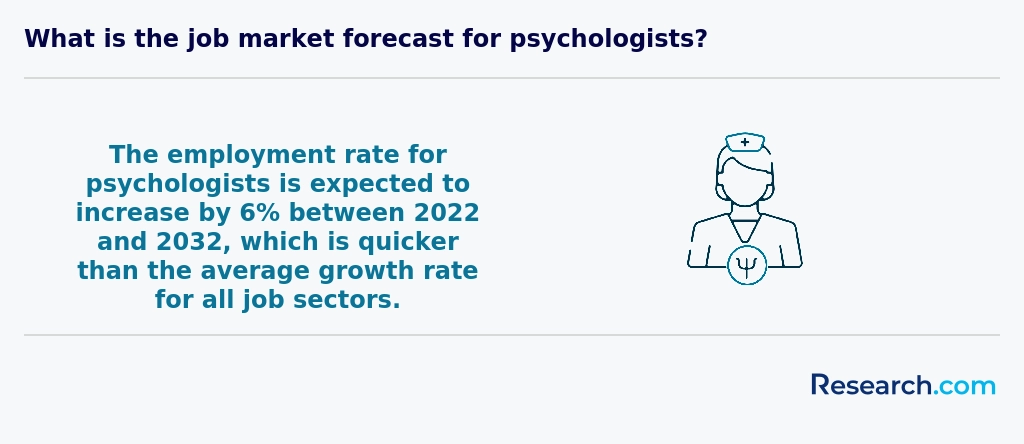
Psychology careers have expanding global relevance, reflecting growing mental health awareness worldwide. In the U.S., including Richmond, psychology remains a popular field due to its broad applications in healthcare, education, and business. According to the U.S. Bureau of Labor Statistics, employment of psychologists is projected to grow 6% from 2021 to 2031, a steady increase driven by demand for mental health services.
Internationally, psychologists often face diverse challenges shaped by cultural differences and healthcare systems. U.S.-trained psychologists, such as those educated in Richmond, benefit from accreditation standards ensuring their skills apply globally, though licensing requirements vary by country. Richmond's university programs emphasize both clinical and research skills useful worldwide.
Graduates entering psychology careers will find opportunities in counseling, social work, and organizational psychology across borders, highlighting the profession's growing global interconnectedness.
Students pursuing a psychology degree in Richmond can gain practical experience through internships, research projects, and volunteering. Local universities often collaborate with community organizations, offering placements in mental health clinics, schools, and social services. These opportunities allow hands-on skill development while studying.
Additionally, many Virginia institutions encourage participation in faculty-led research, providing access to cutting-edge studies. This experience enhances understanding of psychological theories and research methods.
The Virginia Psychological Association highlights that applied experience is vital for licensure and employment, making internships in Richmond a critical step toward professional readiness.
Choosing the right concentration within a psychology degree program in Richmond begins with understanding your career goals. Concentrations such as clinical, counseling, or industrial-organizational psychology each prepare students for different paths. According to the American Psychological Association, clinical psychology is the most popular concentration nationwide, often leading to licensure and direct patient care roles.
Richmond's universities frequently offer specialized tracks aligned with local healthcare and business needs. Research by the Virginia Department of Education highlights a growing demand for counseling professionals in the Richmond metro area, which may influence your choice.
It is important to review program curricula and internships offered locally, as hands-on experience is critical in this field. Connecting with department advisors and alumni can provide valuable insights into outcomes and job placements within Richmond's community and industries.
- 2027 Most Affordable Psychology Degree Programs Ranking in Washington
- 2027 Most Affordable Psychology Degree Programs Ranking in Baltimore
- 2027 Most Affordable Psychology Degree Programs Ranking in New York
- 2027 Most Affordable Psychology Degree Programs Ranking in New Haven
- 2027 Most Affordable Psychology Degree Programs Ranking in Buffalo
- 2027 Most Affordable Psychology Degree Programs Ranking in Rochester
- 2027 Most Affordable Psychology Degree Programs Ranking in Albany
- 2027 Most Affordable Psychology Degree Programs Ranking in Springfield
- 2027 Most Affordable Psychology Degree Programs Ranking in Amherst
- 2027 Most Affordable Psychology Degree Programs Ranking in Worcester
See What Experts Have To Say About Studying Psychology
Read our interview with Psychology experts

Joann Farrell Quinn, Ph.D., MBA
Psychology Expert
Director at the College of Medicine Department of Medical Education
Morsani College of Medicine

Catherine Caldwell-Harris, Ph.D.
Psychology Expert
Associate Professor of Psychology
Boston University

Elizabeth L. Jeglic Ph.D.
Psychology Expert
Professor of Psychology
City University of New York

- Psychology Degree Requirements | University of Bridgeport https://www.bridgeport.edu/news/psychology-education-requirements/
- What Certifications Can I Get With A Bachelor's In Psychology? https://www.psychology.org/resources/certification-skills-for-psychology-major-resumes/
- Sample letters in psychology https://www.mystudies.com/en-in/human-and-social-sciences/psychology/letter-model/
- Psychology - SWPS University https://english.swps.pl/academics/warsaw/ba-programs/psychology
- Alumni Perspectives - Meet Our FPN Alumni https://www.aanmelder.nl/alumni-perspectives-june-2023
- Study Psychology Abroad | Go Overseas https://www.gooverseas.com/study-abroad/psychology
- How to help students cope with mental health challenges https://www.eaie.org/resource/help-students-cope-mental-health-challenges.html
- Know more about thesis vs non- thesis: what is the difference? https://studyfans.com/en/blogs/816
- Community Psychology in Global Perspective http://siba-ese.unisalento.it/index.php/cpgp
- Mental Health Challenges Faced by Psychology Students | The Healthcare Guys https://healthcareguys.com/2023/11/23/mental-health-challenges-faced-by-psychology-students/


