
2027 Most Affordable Psychology Degree Programs Ranking in Berkeley

Co-Founder and Chief Data Scientist
Choosing the right psychology degree program in Berkeley can feel overwhelming. To help, this article features the 2027 Most Affordable Psychology Degree Programs Ranking in Berkeley, created by the Research.com team of data scientists. It's designed to guide you toward programs that offer great value without sacrificing quality.
Reading this will give you clear insights to make an informed decision, saving time and effort. Pursuing a psychology degree opens doors to meaningful careers and personal growth, making your investment truly worthwhile.
Key benefits of getting psychology degree in Berkeley
- Salary for psychology degree graduates: Graduates can expect rewarding salaries such as $76,060 annually for Human Resources Specialists or $83,190 for Marketing Research Analysts, reflecting strong earning potential in related fields.
- Career paths: A Berkeley psychology graduate often explores roles like Clinical Research Associate or Survey Researcher, opening diverse opportunities in research, healthcare, and business sectors.
- Online degree benefits: Earning a psychology degree online from Berkeley offers flexibility and accessibility, enabling students to balance studies with personal and professional commitments more easily.
- 2027 Most Affordable Psychology Degree Programs Ranking in Berkeley
- What can I expect from psychology degree in Berkeley?
- Where can I work with psychology degree in Berkeley?
What can I expect from psychology degree in Berkeley?
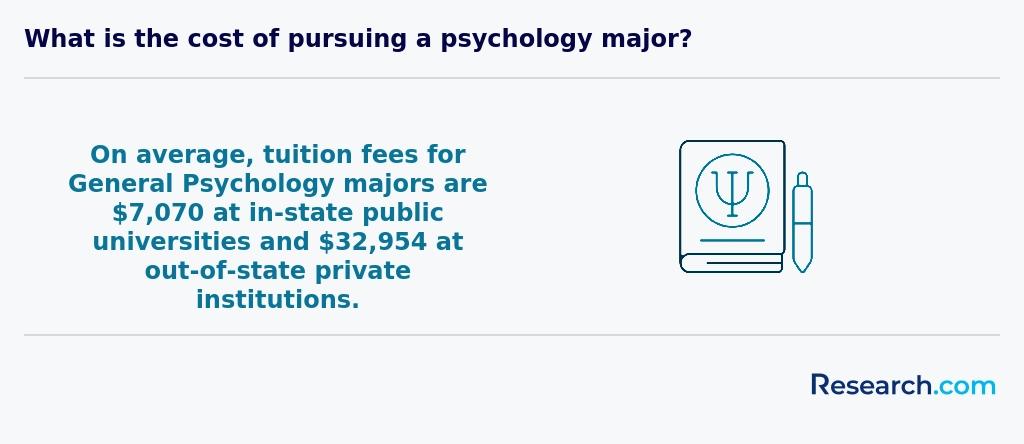
The average cost of pursuing a psychology degree at UC Berkeley for in-state students is around $14,000 per year. Out-of-state students, however, should prepare for a higher tuition fee, reflecting the university's premium academic offerings. Many students find this investment worthwhile given the department's outstanding reputation and the wealth of research opportunities available.
Graduates often recall balancing coursework and hands-on research projects at Berkeley's renowned Department of Psychology, which sharpened their skills in real-world settings. Some describe collaborating with faculty at places like the Lawrence Berkeley National Laboratory, gaining invaluable experience that's hard to match elsewhere. These practical experiences enrich their understanding far beyond textbook knowledge.
Additionally, various financial aid options and scholarships specifically targeting psychology students at Berkeley make the cost more manageable, empowering many to pursue their passion without overwhelming debt. For students eager to join a vibrant academic community and develop a deep expertise in psychology, Berkeley's program offers both challenge and support at a justifiable cost.
Where can I work with psychology degree in Berkeley?
If you earn a psychology degree in Berkeley, a wealth of career paths opens up for you across healthcare, education, research, and the corporate world. Many graduates from institutions like the University of California, Berkeley, find rewarding roles in local hospitals such as Alta Bates Summit Medical Center. Here, they support patient care through counseling, case management, or administrative work, making a direct impact on community well-being.
Others take their passion for helping people into education, working with Berkeley Unified School District or community colleges as school counselors or academic advisors. With further credentials, graduates become licensed clinicians who empower individuals through private practice or mental health organizations in the area.
Research opportunities are vibrant too. For instance, UC Berkeley offers roles as research assistants where you help push the boundaries of psychological science, engaging with studies that shape understanding of the human mind.
Additionally, psychology graduates thrive in corporate and government sectors nearby, applying behavioral insights to HR, marketing, or public health programs. Each path allows you to bring your knowledge to life, deeply connecting with Berkeley's supportive and dynamic community.
Graduates from universities in Berkeley often find their psychology degrees open doors to rewarding careers with competitive salaries. For those starting out in roles like human resources specialists, the mean annual wage is about $76,060, offering a solid foundation right after completing a bachelor's program. Others who pursue paths such as marketing research analysts enjoy even higher earnings, with mean salaries near $83,190, reflecting the demand for skilled professionals who understand human behavior in business contexts.
Many psychology grads from Berkeley's vibrant academic community land positions as clinical research associates or survey researchers, both offering mean salaries around $62,370. These roles provide invaluable experience and entry into specialized fields that align well with advanced studies.
Imagine a graduate from UC Berkeley thriving as a marketing research analyst, applying psychological insights to shape product strategies that impact thousands. Another might find fulfillment as a human resources specialist at a leading Bay Area company, supporting employee well-being and organizational growth-all while earning a competitive salary.
These figures highlight how the Berkeley education equips psychology students to achieve financial stability and professional satisfaction in the region's dynamic job market.
- In-state tuition and fees for psychology undergraduates at UC Berkeley are around $14,000 per year, while out-of-state students pay about $44,000 annually.
- Graduate psychology programs generally cost between $15,000 and $35,000 per year, depending on residency and program details.
- Entry-level salaries for psychology bachelor's degree graduates in Berkeley typically range from $45,000 to $55,000 per year.
- Experienced professionals with graduate degrees often earn between $80,000 and $110,000 annually in the Berkeley area.
- Psychology job growth in California is strong, with annual increases averaging 5% to 7%, higher than the national average.
Completing a psychology degree in Berkeley often means committing to a journey of around four years for an undergraduate program, just like many students at UC Berkeley who dive into about 120 to 130 semester units. Imagine yourself navigating foundational courses, research labs, and vibrant campus life, building strong research skills while immersed in Berkeley's dynamic academic environment.
If you're dreaming bigger, pursuing a master's degree takes roughly two years, but keep in mind Berkeley leans more toward Ph.D. programs-those can stretch between 5 to 7 years. Graduates often share how the deep mentorship and challenging research projects shape their experience, making every extended hour worthwhile as they contribute original discoveries to psychology.
Many students find that balancing coursework, thesis writing, and internships adds richness to their path, though it might extend their timeline. Choosing full-time enrollment can speed up progress, but the extra research opportunities here are invaluable for growth and future careers in Berkeley's thriving psychological community.
Choosing an accredited program is essential for ensuring educational quality and qualifying for professional licensure. For doctoral candidates, the American Psychological Association (APA) accreditation is the gold standard, while regional accreditation applies to undergraduate and master’s programs. For those seeking flexible options, explore online psyd programs accredited.
Key steps to California licensure:
- Enroll in an APA-accredited doctoral program or a regionally accredited bachelor’s/master’s program with psychology coursework.
- Complete 3,000 hours of supervised professional experience (including pre- and post-doctoral internships).
- Pass the national Examination for Professional Practice in Psychology (EPPP) and California’s supplementary law and ethics exam.
- Submit your application, transcripts and exam scores to the California Board of Psychology for licensure approval.
Choosing between online and on-campus psychology degrees in Berkeley comes down to your lifestyle and learning preferences. Graduates from UC Berkeley often share how on-campus programs gave them invaluable hands-on experience through direct access to labs and internships, enhancing their practical skills and connections with faculty. They recall lively classroom debates and the energizing campus atmosphere that sparked deeper understanding.
In contrast, those who pursued online degrees appreciated the freedom to study flexibly around work or family. They describe logging in from home or a favorite café, managing coursework at their own pace, which made juggling responsibilities much easier. However, some noted the challenge of missing those face-to-face moments and labs common in traditional programs.
Tuition in Berkeley varies-public university in-state students often benefit from lower costs, around $7,000 to $9,000 annually, while private schools can be much higher. Online programs may save you additional expenses like housing or transportation, but accreditation remains key, ensuring your degree carries weight regardless of format.
For students seeking to pursue a psychology degree in Berkeley, CA, without breaking the bank, it's essential to explore affordable options that still offer high-quality education. One crucial aspect to consider is the cost of tuition and living expenses, as these can significantly impact the overall affordability of a program. By comparing costs and weighing the benefits of different programs, students can make informed decisions about their education. For instance, some institutions may offer financial aid, scholarships, or assistantships that can help reduce the financial burden. If you are looking for the cheapest psychology school in California, researching and comparing the tuition fees and living costs of various institutions can provide valuable insights. Additionally, students should also consider the long-term benefits of their education, including potential career paths and salary expectations, to ensure that their investment in a psychology degree yields a strong return.
The average cost of a psychology degree in Berkeley typically reflects the expenses at renowned institutions like UC Berkeley, where the overall median total cost hovers around $70,399. For in-state students, this figure is significantly lower, about $16,347, making it a more manageable financial commitment for California residents. Graduates often share how investing in their education at Berkeley's psychology programs opened doors to rewarding careers despite the costs involved.
Living expenses in Berkeley, known for a high cost of living, add to the financial planning needed for a psychology degree. Students spend considerable amounts on housing, transportation, and course materials, which can reach over $18,000 annually. This is an important factor when thinking about the average cost of psychology degree in Berkeley as it encompasses more than just tuition fees.
Many students pursuing affordable psychology degree programs Berkeley explore options like starting at community colleges for foundational courses before transferring. Additionally, they actively seek financial aid, scholarships, and assistantships to reduce out-of-pocket expenses. Graduate students, particularly those aiming for doctorates, often secure funding that covers tuition and provides stipends, lightening the financial burden.
For those curious about maximizing resources and understanding what their journey might entail, it's worth looking into the lpc coursework requirements in maryland as an example of targeted career preparation after earning a degree. This kind of focused planning can inspire confidence in managing both academic and economic challenges while studying psychology in Berkeley.
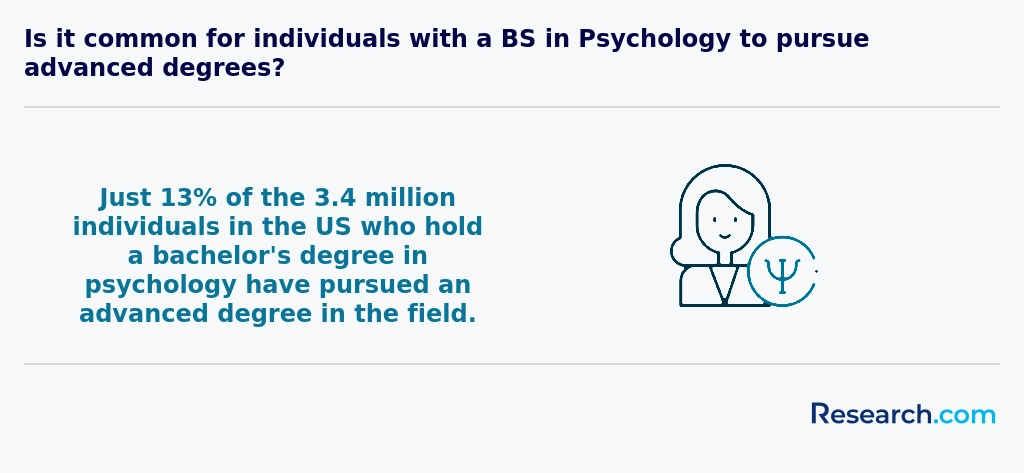
To practice as a psychologist or professional counselor in California, graduates must meet state licensing standards and choose accredited programs.
- Earn a master’s or doctoral degree from an accredited program (e.g., APA for psychology, CACREP for counseling) – consider cacrep accredited online counseling programs
- Complete a minimum of 3,000 hours of supervised clinical experience under an approved supervisor
- Pass the national Examination for Professional Practice in Psychology (EPPP) and the California Psychology Law and Ethics Exam
- Apply for licensure with the California Board of Psychology and fulfill continuing education requirements every renewal cycle
Many psychology students at UC Berkeley find that financial aid opens doors they once thought closed. For example, undergraduates often rely on the Federal Pell Grant, which can award up to $7,395 to low-income students, easing the burden of tuition and living costs. Imagine a first-year psychology major feeling the relief when this grant significantly lowers their out-of-pocket expenses.
California residents benefit even further through the Blue and Gold Opportunity Plan, which covers systemwide tuition for families earning under $80,000 annually-something many local students pursuing psychology have praised for removing financial stress.
Graduate students, especially those in clinical or research tracks, often secure assistantships or fellowships, which provide stipends between $20,000 and $35,000 annually plus tuition remission. This support allows them to focus fully on demanding coursework or groundbreaking research.
Beyond university aid, scholarships from private foundations and work-study programs offer practical ways to gain both experience and financial support. Many graduates recount how such opportunities made their psychology journey in Berkeley not just possible, but deeply rewarding.
Berkeley’s psychology programs are not just defined by academic rigor but also by the comprehensive student support systems and vibrant campus life they offer. Prospective students benefit from dedicated academic advising, mental health services, and career centers that guide them through academic challenges and future career planning. Many institutions provide peer mentorship programs, study groups, and accessible alumni networks that create an inclusive atmosphere and help students navigate both academic and personal aspects of university life. Moreover, co-curricular activities-from psychology clubs to community service projects-play an essential role in reinforcing classroom learning and in building valuable professional connections. Students also have opportunities to connect with specialized programs, such as psyd programs, which offer additional research and hands-on experiences that further enrich their education. These supplemental resources are instrumental in fostering a dynamic environment that emphasizes personal growth, networking, and practical experience, ensuring that graduates are well-equipped to succeed after graduation.
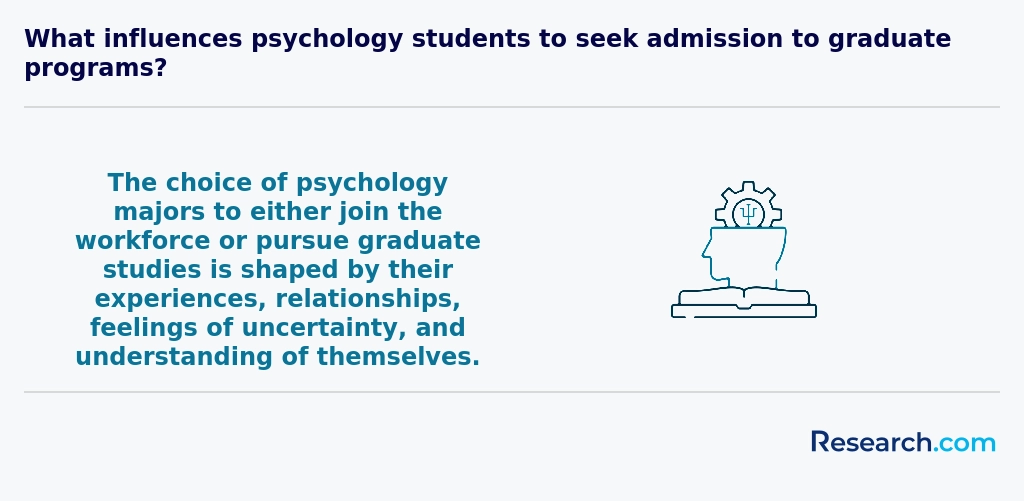
To enroll in a psychology degree program in Berkeley, you must first meet academic standards that set a strong foundation for success. Graduates from popular Berkeley institutions often share how maintaining a high GPA-typically above 3.5 during high school-opened doors for them. Being prepared with rigorous coursework in English, math, science, and social studies is crucial, as these lay the groundwork for the analytical skills needed in psychology.
Once admitted, students dive into essential lower-division courses like Introduction to Psychology and Research Methods, which build the critical thinking necessary for real-world application. Many find that early immersion in these classes at UC Berkeley or similar colleges sparks their passion and confidence.
Graduate hopefuls are encouraged to gather research experience and strengthen quant skills, often sharing how hands-on projects and solid GRE scores proved invaluable during admission. Embrace these challenges-they're your stepping stones to thriving in Berkeley's vibrant psychology community.
Aspiring psychologists in Berkeley, CA, must navigate the state’s rigorous licensure process to practice independently. Understanding these requirements early can streamline your path from graduation to a professional license. 1. Educational Credentials • Doctoral Degree (PhD or PsyD) from an APA-accredited program • Coursework in ethics, research methods, and assessment 2. Supervised Professional Experience • Minimum 3,000 hours of supervised practice under a licensed psychologist • At least 1,500 hours post-doctoral, including assessment and therapy 3. Examinations • Examination for Professional Practice in Psychology (EPPP) – national licensing exam • California Psychology Supplemental Examination (CPSE) – state-specific law and ethics 4. Application and Background Checks • Submit application and fees to the California Board of Psychology • Fingerprinting and criminal background clearance 5. Continuing Education and Renewal • 36 hours of approved continuing education every two years • Courses in ethics, diversity, and law to maintain high professional standards Navigating licensure in California can differ significantly from other states’ processes. For a detailed comparison of program costs and licensure pathways, explore our Low Cost Psychology Degree Programs Ranking in Tennessee, which highlights affordable options and state-specific requirements that may inform your career planning.
If you're diving into a psychology degree in Berkeley, expect a curriculum that truly opens your eyes to the vast world of human behavior. Graduates from UC Berkeley often share how foundational courses like Introduction to Psychology laid the groundwork, helping them understand core theories and principles that they witnessed firsthand during studies or internships. Research Methods in Psychology is another cornerstone, giving you hands-on experience with designing experiments and analyzing real data-skills highly valued in labs and clinics across Berkeley.
Imagine exploring Biological and Cognitive Psychology as you learn how your brain influences decisions and memories; many students describe this as mind-opening and deeply personal. Developmental and Social Psychology courses bring to light everyday interactions and growth, making students more empathetic and insightful in group or community settings.
Plus, advanced seminars on neuropsychology or behavioral neuroscience let you dive deeper into current research, often collaborating with leading professors in Berkeley's renowned labs.
When pursuing a psychology degree in Berkeley, you'll find a range of captivating specializations designed to align with your unique interests. Many students at the University of California, Berkeley immerse themselves in cognitive psychology, exploring how people perceive and process information-skills that are invaluable in research and tech industries alike.
Others are drawn to clinical psychology to prepare for careers in mental health, gaining foundational knowledge before graduate training. Developmental psychology attracts those passionate about understanding human growth, which is enriched by close ties with education and neuroscience departments on campus.
Social psychology and behavioral neuroscience are also prominent paths, offering insights into human interaction and brain-behavior relationships. Graduates often describe their Berkeley experience as transformative, with hands-on research opportunities that bring theory to life.
Exploring psychology degree specializations in Berkeley encourages you to find a focus that resonates deeply, helping you carve a meaningful career. For those aiming beyond the bachelor's level, understanding the doctorate degree meaning is essential to plan your future effectively.
Choosing the best psychology degree in Berkeley means aligning your education with your career aspirations. Graduates from UC Berkeley often share how starting with a Bachelor's degree provided them foundational knowledge and opened doors to advanced programs or entry-level roles. If your goal is clinical practice or research, pursuing a PhD or PsyD is essential. The key to finding the right fit is exploring curriculum and specializations offered by the best psychology colleges in Berkeley California, ranging from cognitive to social psychology, helping you focus on what ignites your passion.
Affordability matters too-seeking out affordable psychology degree programs in Berkeley will ease financial stress, especially when tuition rates vary widely. Many students recommend considering financial aid and scholarships available locally. Also, don't overlook hands-on experience; internship opportunities and career support at Berkeley's institutions helped many confident graduates step into the professional world. If you want to expand related skills, some even explore top-rated MSW programs Florida as complementary paths to deepen their impact.
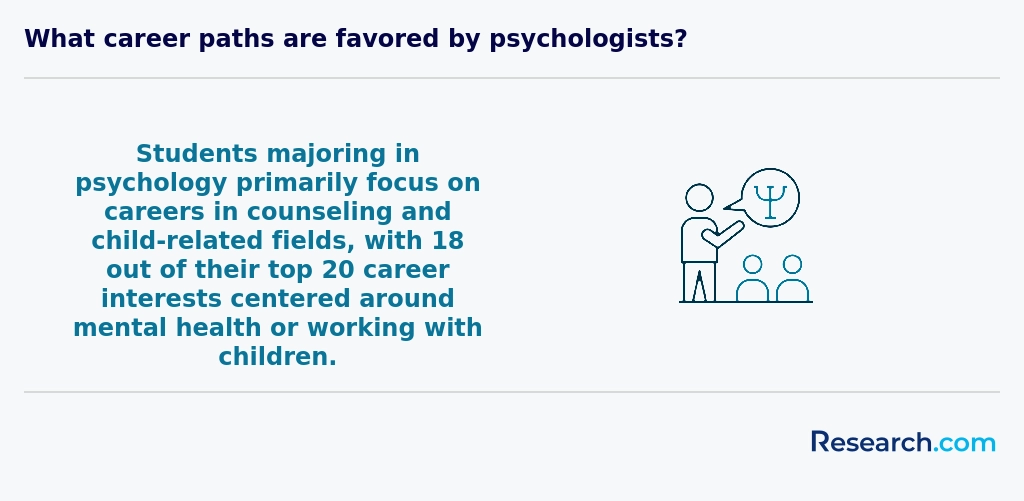
Graduates of a psychology degree in Berkeley find themselves stepping into a wide range of rewarding careers. Many pursue clinical psychology roles as therapists or counselors, inspired by hands-on experiences at institutions like the University of California, Berkeley. These graduates thrive knowing they can support mental health in diverse communities, and while advanced certification is needed for licensure, starting with a strong undergraduate foundation is key. Others channel their passion into industrial-organizational psychology, improving workplace environments at Berkeley's vibrant business hubs through enhanced employee training and well-being programs.
Berkeley psychology degree job opportunities also extend into research, where graduates engage in cutting-edge projects on cognition and behavior, gaining real-world skills that boost their resumes for academic or applied research careers. Many graduates find fulfillment in education and social services, becoming school counselors or social workers who make impactful differences daily. If you envision a role helping communities, investigating human behavior, or improving workplaces, this region's diverse pathways await. For those curious about further credentials, understanding the requirements for psychology license in Tennessee can offer guidance beyond Berkeley's borders.

The psychology degree job outlook in Berkeley is encouraging for motivated graduates ready to immerse themselves in a community that values mental health. Graduates from popular universities here often find themselves drawn to roles in mental health counseling centers or university research facilities, gaining hands-on experience that is both fulfilling and impactful. Many have shared how working alongside leading clinicians in major Bay Area hospitals has sparked their passion for advanced practice or specialized research.
Berkeley employment opportunities for psychology graduates reflect the area's expanding mental health services and growing awareness around psychological well-being. Entry-level roles such as psychiatric technicians or research assistants allow graduates to contribute meaningfully while building crucial skills. Several alumni have also emphasized the rewarding challenge of collaborating with tech companies focused on organizational psychology, blending psychology with innovation.
Costs of study are an important consideration. For students seeking affordable pathways, public universities in California, including UC Berkeley, offer tuition starting near $14,000 for in-state students. Graduate programs can be more costly, often exceeding $30,000 annually. Balancing these costs against future earnings is key, and prospective students may find helpful resources like the cheapest psychology school in California to plan wisely.
2027 Most Affordable Psychology Degree Programs Ranking in Berkeley
Investing in your education is a significant decision that can shape your future, and the Research.com team understands the importance of making informed choices. To assist prospective students in Berkeley, we have meticulously crafted the "2027 Most Affordable Psychology Degree Programs Ranking in Berkeley." Our commitment to quality, credibility, and accuracy is reflected in the extensive research and analysis conducted to compile this ranking.
We utilized the following reputable data sources to ensure a comprehensive evaluation of psychology programs:
By exploring this ranking, readers will gain valuable insights into the most affordable psychology degree programs available in Berkeley, helping them make informed decisions about their educational paths. For more details on our methodology, please visit our Research.com methodology page.

# 3 position
The Wright Institute
Master of Arts in Counseling Psychology

Frequently Asked Questions About psychology
Psychology degree students in Berkeley can maximize their learning experience by engaging deeply with both coursework and practical opportunities. The University of California, Berkeley, is recognized for its robust psychology program, featuring access to renowned faculty and cutting-edge research. Students should take advantage of research assistant positions, which not only reinforce theoretical knowledge but also enhance critical thinking and methodological skills. According to UC Berkeley's Spring 2023 data, nearly 60% of psychology undergraduates participate in research projects during their studies.
Additionally, joining psychology-related student organizations and attending guest lectures can broaden perspectives and professional networks. Berkeley's proximity to diverse clinical and community settings allows students to obtain valuable internships, crucial for applied learning. Engaging with interdisciplinary courses also helps develop a well-rounded understanding of psychology's role in broader social contexts.
Emerging niches within the psychology field near Berkeley reflect broader trends seen across the U.S. One growth area is neuropsychology, focusing on brain-behavior relationships, supported by research at institutions like UC Berkeley's Helen Wills Neuroscience Institute. Another expanding specialty is health psychology, which examines how psychological factors influence physical health and chronic illness management. Clinical psychology with an emphasis on multicultural competence is also gaining attention given Berkeley's diverse population. Additionally, the field of environmental psychology is developing, studying how people interact with their surroundings-an area relevant to Bay Area sustainability initiatives.
After completing a psychology degree in Berkeley, preparing for the job market involves strategic steps to enhance employability. Students should seek internships or research assistant positions during their studies, as they provide practical experience highly valued by employers. Joining professional organizations such as the California Psychological Association can expand networking opportunities. According to the U.S. Bureau of Labor Statistics, employment of psychologists in California is projected to grow 10% from 2020 to 2030, indicating positive job prospects.
Acquiring certification or license relevant to psychology specializations is often required for clinical roles. Additionally, developing strong communication and data analysis skills can differentiate candidates in various sectors including healthcare, education, and business.
Employers in Berkeley value psychology graduates who demonstrate strong analytical skills. The ability to interpret research data and apply statistical methods is essential, as nearly 70% of local psychology roles require data proficiency according to the California Employment Development Department (2023).
Communication skills are also crucial. Graduates must clearly convey complex psychological concepts to diverse audiences, including clients and interdisciplinary teams.
Critical thinking and problem-solving abilities rank high on employer wish lists. These skills help graduates develop effective interventions and make informed decisions.
Additionally, proficiency in ethical standards and cultural competence is vital, reflecting Berkeley's diverse population and regulatory environment.
Finding internships in Berkeley relevant to a psychology degree involves several strategic steps. Students should leverage resources at local universities such as UC Berkeley's Career Center, which offers internship listings and counseling specifically for psychology majors. Many internships are available in nearby hospitals, research labs, and nonprofit organizations focused on mental health.
The California Psychological Association and the Society for Industrial and Organizational Psychology provide listings and networking opportunities to connect students with potential internships. Additionally, websites like Handshake and Indeed often feature psychology internship openings in the Berkeley area.
Networking with faculty and attending local psychology conferences can also increase internship opportunities. According to the National Association of Colleges and Employers (NACE), about 60% of psychology interns in California secure their positions through personal connections or university programs.
A psychology degree in Berkeley can significantly impact career mobility and advancement. The city's robust healthcare, education, and tech sectors value psychology graduates for their understanding of human behavior and data analysis skills. According to the California Employment Development Department, many psychology-related jobs in Berkeley offer above-average salary growth compared to other regions.
Graduates often find opportunities in mental health counseling, research, and human resources. Additionally, local universities and institutions frequently seek professionals with strong psychological training for interdisciplinary roles. Earning a psychology degree enhances eligibility for advanced certifications, which can accelerate promotion prospects in clinical and organizational settings.
Furthermore, Berkeley's network of research centers provides students and alumni with valuable internships and professional connections, aiding long-term career progression.
Studying for a psychology degree in Berkeley equips students with skills that span multiple disciplines. The University of California, Berkeley offers programs that emphasize research methods, cognitive science, and behavioral studies, preparing graduates to work in fields like healthcare, technology, and education. According to the UC Berkeley Department of Psychology, students can engage in interdisciplinary labs combining psychology with neuroscience, computer science, and public policy.
This integration fosters critical thinking and analytical abilities, enabling graduates to address complex problems. Additionally, partnerships with local institutions provide practical experience in diverse environments, essential for multidisciplinary roles. The curriculum's strong foundation in statistics and experimental design is particularly valuable for careers in data analysis and consulting.
When deciding between a thesis and a non-thesis psychology degree program in Berkeley, students should consider their academic and career goals. Thesis programs typically involve conducting original research and writing a comprehensive paper, which is ideal for those planning to pursue doctoral studies or research-based careers.
Non-thesis programs generally focus on coursework and practical experience, appealing to students aiming for professional practice or immediate employment after graduation. According to Berkeley's academic advisors, about 40% of psychology graduates opt for thesis tracks to strengthen research skills, while 60% choose non-thesis routes for flexibility.
Cost and time commitment also differ; thesis programs may take longer and sometimes require more campus resources. Prospective students should consult Berkeley's Department of Psychology for specific requirements and outcomes.
Students based in Berkeley seeking to study psychology abroad have several options through established international programs affiliated with U.S. universities. For example, the University of California system, including UC Berkeley, offers exchange programs with institutions across Europe, Asia, and Australia, enabling students to take psychology courses overseas while receiving credit toward their degree.
These programs often focus on research opportunities and cultural immersion, which can enhance understanding of psychological concepts in varied social contexts. According to NAFSA: Association of International Educators, nearly 10% of UC undergraduates participate in study abroad, many choosing fields related to social sciences, including psychology.
Additionally, some Berkeley students pursue joint or dual degrees in psychology through partnerships with international universities, although such options are less common and often competitive. Scholarships and financial aid are available to support these international studies, further facilitating access for Berkeley-based psychology students.
Berkeley offers several part-time job opportunities that can effectively complement psychology degree education. Many students find roles as research assistants at institutions like the University of California, Berkeley, where they can gain hands-on experience in psychological studies. According to the UC Berkeley Career Center, research positions often pay between $15 and $20 per hour, providing both income and relevant skill development.
Another common option is working as a mental health technician or behavioral health aide in local clinics or community centers. These positions expose students to patient care and practical psychological applications.
Additionally, peer counseling and tutoring programs on campus allow students to build interpersonal and counseling skills essential in psychology careers.
Psychology students in Berkeley benefit from extensive networking opportunities through the University of California, Berkeley, known for its strong psychology department. The campus hosts numerous student organizations such as the Psychology Student Association, which connects students with peers and faculty for research collaborations and career development.
Students frequently attend seminars, workshops, and guest lectures featuring leading psychologists, providing direct access to professionals in the field. According to UC Berkeley's Office of Career Counsel, psychology majors have access to over 200 internship placements locally every year, offering practical industry contacts.
Additionally, Berkeley's proximity to a range of clinical, educational, and tech institutions supports diverse networking options important for career growth.
Alumni networks for psychology degree students in Berkeley offer valuable connections that can enhance academic and professional growth. Graduates often provide mentorship opportunities, helping current students navigate career choices and graduate school applications. The University of California, Berkeley, with one of the largest psychology alumni groups nationally, enables networking through events and online platforms.
These networks also facilitate internships and job placements by connecting students with professionals in clinical, research, and counseling fields. According to the UC Berkeley Career Center, over 70% of psychology graduates find employment through alumni referrals within six months.
Overall, alumni connections create a supportive community that enriches learning and career success for psychology students in Berkeley.
Customizing a psychology degree program in Berkeley allows students to align their studies with specific career goals. Many local institutions offer diverse electives, enabling focus areas like clinical psychology, cognitive science, or behavioral neuroscience.
Students should explore opportunities to engage in research projects, internships, or practicums available through Berkeley's universities. According to the American Psychological Association, hands-on experience is vital for career readiness in psychology fields.
Additionally, selecting courses guided by academic advisors helps tailor knowledge toward careers in counseling, research, or human services. Berkeley students can benefit from the city's rich mental health service network to gain relevant professional exposure.
Psychology students in Berkeley commonly face challenges related to academic rigor and competitive environments. The University of California, Berkeley, for example, has a demanding curriculum that requires strong critical thinking and research skills, which can be overwhelming for some students. According to the UC Berkeley Academic Senate, nearly 30% of psychology undergraduates report high stress levels linked to workload and expectations.
Additionally, limited access to research assistant positions creates competition among students, which can hinder hands-on learning opportunities essential for psychology careers. Financial stress is also a concern; California College Aid Commission reports that 56% of Berkeley students rely on some form of financial aid, which may add pressure alongside academic demands.
Time management is another common difficulty. Balancing classes, lab work, and internships can be challenging, especially for students working part-time. Mental health concerns are increasingly prevalent; the UC Berkeley Student Health Center notes rising counseling demand among psychology students facing stress and burnout.
With a psychology degree from Berkeley, you can pursue several professional certifications that enhance your career prospects. Common certifications include becoming a Licensed Professional Clinical Counselor (LPCC) or Licensed Marriage and Family Therapist (LMFT), both requiring additional supervised experience and exams after graduation.
Another option is certification as a Certified Alcohol and Drug Counselor (CADC), which is valuable in substance abuse treatment fields. For those interested in school settings, the School Psychologist credential is available but typically requires further graduate study and a specialist-level degree.
According to the California Board of Behavioral Sciences, these certifications require adherence to specific state licensure guidelines and continuing education. Berkeley graduates benefit from local opportunities to complete required clinical hours in various Bay Area clinics and institutions.
To write a winning application for a psychology program in Berkeley, start by highlighting your academic achievements, especially in psychology and related sciences. Berkeley programs value a strong GPA, typically above 3.5 for competitive candidates, according to U.S. News data.
Clearly express your research interests and career goals. Berkeley's psychology department emphasizes research, so demonstrating experience or enthusiasm for experimental or clinical research can strengthen your application.
Letters of recommendation should come from professors or professionals familiar with your academic or research abilities. Personal statements must be clear, focused, and reflect your passion for psychology.
Lastly, meet all deadlines and submit all required materials promptly to ensure full consideration.
Psychology careers increasingly embrace a global outlook, reflecting the field's diverse applications across cultures and societies. Graduates with psychology degrees in Berkeley benefit from exposure to internationally recognized research and methodologies. The U.S. Bureau of Labor Statistics reports that psychology jobs are expected to grow 8% from 2022 to 2032, with demand rising worldwide. Berkeley's programs emphasize cross-cultural competence, preparing students to address mental health issues in a range of populations.
Research from Berkeley's Greater Good Science Center highlights the importance of understanding cultural differences in psychological practices. This global perspective enhances career opportunities not only in the U.S. but also with international organizations and NGOs focused on mental health.
Gaining practical experience while studying psychology in Berkeley is essential for building relevant skills. Many students engage in research assistant positions at the University of California, Berkeley, where psychology faculty actively involve undergraduates in ongoing studies. These roles provide hands-on experience in experimental design and data analysis.
Internships are another valuable option. Local mental health clinics and nonprofit organizations in the Berkeley area often offer internships or volunteer opportunities related to counseling, community outreach, or behavioral research.
Additionally, Berkeley psychology students can join student clubs dedicated to mental health advocacy and peer counseling, which foster practical skills and networking.
According to the UC Berkeley Psychology Department, nearly 70% of undergraduates participate in some form of experiential learning before graduation.
Choosing the right concentration within a psychology degree program in Berkeley depends on your career goals and interests. Berkeley offers diverse areas such as clinical psychology, cognitive science, developmental psychology, and social psychology. Each concentration focuses on different skills and research methods.
Consider the type of work you want to pursue after graduation. For example, clinical psychology prepares students for counseling and therapy roles, while cognitive science leans more toward research and technology applications. The University of California, Berkeley, reports that about 30% of psychology undergraduates pursue mental health careers, highlighting clinical options' popularity.
Also, explore faculty expertise and lab availability to support your concentration. Visiting course schedules and talking to academic advisors at Berkeley can clarify which path aligns best with your interests and strengths.
- 2027 Most Affordable Psychology Degree Programs Ranking in San Francisco
- 2027 Most Affordable Psychology Degree Programs Ranking in Santa Barbara
- 2027 Most Affordable Psychology Degree Programs Ranking in Pasadena
- 2027 Most Affordable Psychology Degree Programs Ranking in Los Angeles
- 2027 Most Affordable Psychology Degree Programs Ranking in Claremont
- 2027 Most Affordable Psychology Degree Programs Ranking in Irvine
- 2027 Most Affordable Psychology Degree Programs Ranking in La Jolla
- 2027 Most Affordable Psychology Degree Programs Ranking in Riverside
- 2027 Most Affordable Psychology Degree Programs Ranking in San Diego
- 2027 Most Affordable Psychology Degree Programs Ranking in Phoenix
See What Experts Have To Say About Studying Psychology
Read our interview with Psychology experts

Catherine Caldwell-Harris, Ph.D.
Psychology Expert
Associate Professor of Psychology
Boston University

Joann Farrell Quinn, Ph.D., MBA
Psychology Expert
Director at the College of Medicine Department of Medical Education
Morsani College of Medicine

Robin M. Kowalski. Ph.D.
Psychology Expert
Professor of Psychology
Clemson University

- A Guide to Psychology Internships | Psychology Degree Guide https://psychologydegreeguide.org/resources/internships/
- How To Find Psychology Internships https://www.psychology.org/resources/how-to-find-an-internship/
- Study Psychology Abroad https://astarfuture.co.uk/study_psychology_abroad.html
- Italian Breeze: UC Berkeley Psychology: Is It Right For You? https://my.sancarlo.co.uk/sancarlo-news/uc-berkeley-psychology-is-it-right-for-you-1767648409
- MAPP Alum https://mappalum.org/
- Ontario Psychological Association - Networking and Community Resources https://www.psych.on.ca/become-a-member-(1)/member-services/networking-and-community-resources
- Psychology Transfer Pathway https://admission.universityofcalifornia.edu/admission-requirements/transfer-requirements/uc-transfer-programs/transfer-pathways/psychology.html
- Psychology Online Degree Pathway https://www.learndirect.com/course/psychology-online-degree
- Society for the Teaching of Psychology https://teachpsych.org/page-1784686/8675326
- Mental Health Challenges Faced by Psychology Students | The Healthcare Guys https://healthcareguys.com/2023/11/23/mental-health-challenges-faced-by-psychology-students/


