
2027 Best Psychology Degree Programs Ranking in Buffalo

Co-Founder and Chief Data Scientist
Choosing the right psychology degree program in Buffalo can shape your future career and personal growth. This article presents the 2027 Best Psychology Degree Programs Ranking in Buffalo, created by the Research.com team of data scientists to guide you through top program options.
Exploring these rankings helps you find programs that align with your goals and interests, making the decision process easier and more confident.
Psychology offers rewarding opportunities to understand human behavior, and pursuing a degree in this field can open many fulfilling paths.
Key benefits of getting psychology degree in Buffalo
- Psychology degree graduates in Buffalo can expect competitive salaries, such as Human Resources Specialists earning around $76,060 annually and Marketing Research Analysts making approximately $83,190 per year, ensuring financial stability in diverse roles.
- Career paths for psychology graduates in Buffalo are broad, including roles in clinical research, marketing, and childcare, showcasing flexibility and opportunities for personal growth beyond traditional therapy jobs.
- Completing a psychology degree online in Buffalo offers great benefits like flexible schedules and lower costs, allowing students to balance work and study while gaining similar career advantages as traditional graduates.
- 2027 Best Psychology Degree Programs Ranking in Buffalo
- What can I expect from psychology degree in Buffalo?
- Where can I work with psychology degree in Buffalo?
What can I expect from psychology degree in Buffalo?
In Buffalo, the average cost of pursuing a psychology degree is influenced by attending public institutions like the University at Buffalo (UB), where in-state tuition is generally more affordable than private colleges. Graduates often share that managing tuition alongside living expenses is feasible thanks to Buffalo's reasonable cost of living. For example, students enrolled at UB find that tuition costs balance well with opportunities for paid internships and research assistantships, which provide both practical experience and financial relief.
Many psychology students report that the investment feels worthwhile because these programs combine rigorous academic coursework with hands-on practicum placements in local hospitals and social service agencies. This direct engagement helps reduce post-graduation costs by improving job readiness, increasing chances for early employment in clinical or counseling settings. Additionally, public universities in Buffalo often offer scholarships and assistantships that students can apply for to further offset costs while gaining valuable skills.
Choosing a program within Buffalo means students benefit from a supportive community and accessible resources that lower overall education expenses without sacrificing quality or career prospects.
Where can I work with psychology degree in Buffalo?
With a psychology degree in Buffalo, you can pursue rewarding careers in healthcare settings like Buffalo General Medical Center or ECMC, where licensed clinical psychologists and counselors are essential for patient care and mental health support. Graduates from the University at Buffalo often share how their internships at these hospitals helped them build confidence and practical skills.
Mental health clinics and nonprofit organizations, such as the Mental Health Association of Erie County, offer roles in counseling and program coordination, making this a fulfilling path for graduates eager to impact their community.
Many psychology students find opportunities in educational institutions, including Buffalo Public Schools and local universities. Those with advanced degrees frequently engage in research or teaching, applying theories in real-world academic environments.
Corporate sectors also value psychology grads for improving workplace wellbeing and human resources functions. Consulting firms in Buffalo hire organizational psychologists to enhance employee satisfaction, a popular career trajectory shared by alumni.
Research roles at Buffalo's universities and government agencies offer exciting possibilities in experimental and clinical psychology, perfect for those passionate about advancing the field.
Graduates with psychology degrees in Buffalo often find rewarding careers with competitive pay. For example, those working as human resources specialists earn around $76,060 annually, reflecting steady demand in local businesses and organizations. Marketing research analyst roles offer even higher earnings, with an average salary near $83,190, great for graduates interested in combining psychology with data analysis. Clinical research associate positions provide valuable hands-on experience, bringing in about $62,370 per year, which can be especially appealing to recent graduates from Buffalo State College or the University at Buffalo looking to build expertise in clinical trials and research.
Entry-level roles like childcare workers tend to have lower salaries, averaging $32,070, but they offer meaningful ways to engage with developmental psychology first-hand. Survey researchers similarly earn about $62,370 annually, ideal for graduates who enjoy collecting and analyzing behavioral data. Buffalo graduates often report satisfaction from practical experience gained via internships or research assistantships at local hospitals and educational institutions, making these salary ranges attainable while laying the foundation for future career growth.
- Psychology programs in Buffalo are offered at multiple institutions with undergraduate and graduate degrees available.
- Tuition costs range from about $7,000 to $10,000 per year for in-state students at public universities and can exceed $30,000 annually at private schools.
- Entry-level salaries for psychology graduates in Buffalo average around $45,000 per year, increasing to $70,000-$80,000 with experience and advanced qualifications.
- Job opportunities exist in healthcare, education, and social services, including roles such as clinical psychologists and school counselors.
- Many graduate programs are accredited by the American Psychological Association (APA) and provide internships or practicum experiences locally.
Completing a psychology degree in Buffalo depends largely on the level you choose to pursue. For many undergraduate students at SUNY Buffalo State or the University at Buffalo, the journey takes about four years of full-time study. Graduates often share that balancing a mix of general education and specialized psychology courses helps them build a strong foundation in human behavior and research skills within this timeframe.
Those aiming for a master's degree usually spend an extra two years. Students appreciate that programs at the University at Buffalo offer focused tracks like clinical or experimental psychology, allowing them to tailor their studies to their career goals while engaging in meaningful research.
Doctoral studies, such as a PhD or PsyD, can take from four to seven years after the bachelor's degree. Many find this period demanding but rewarding, as it combines rigorous coursework, research projects, and supervised clinical work, preparing them for advanced positions or academic roles.
Working part-time or pursuing internships may extend your timeline, but many Buffalo students value this hands-on experience for boosting confidence and job readiness in the competitive psychology field.
When considering a psychology degree in Buffalo, NY, affordability is a crucial factor. Many students seek options that balance quality education with manageable costs. For those looking to invest in their future without breaking the bank, exploring affordable psychology schools in New York can be a wise decision. These institutions offer a range of programs, from undergraduate to graduate levels, with pricing that is competitive and often more accessible than private universities. By choosing an affordable psychology program, students can focus on their studies and career aspirations without the burden of excessive debt, setting themselves up for success in their future endeavors.
Online and on-campus psychology degrees in Buffalo differ mainly in format, flexibility, and hands-on experience. Graduates from Buffalo State College often recall the rich face-to-face interactions with professors and peers, which helped sharpen their communication and interpersonal skills-key assets in psychology careers. On-campus students enjoy direct access to labs and campus resources, making it easier to engage in research or clinical practice.
Conversely, graduates who chose online programs appreciate how studying remotely fits their busy lives, such as managing jobs or family. They value the freedom to study from anywhere without commuting, a major advantage for those balancing multiple responsibilities. Yet, many online students still complete in-person labs or clinical hours locally, ensuring they gain practical experience essential for psychological training.
Cost-wise, on-campus students at private colleges in Buffalo often face higher tuition and living expenses, while online learners may save on housing and travel, though tuition rates vary. Both paths meet rigorous accreditation standards, critical for licensure and employment, letting you tailor your choice to fit your lifestyle and career goals.
Buffalo’s campuses offer more than just rigorous academics-they foster vibrant communities where students thrive both inside and outside the classroom. Whether you decide to study on-campus or online, you’ll discover a mix of academic support, extracurricular activities, and local cultural experiences that can enrich your personal growth. Many institutions in Buffalo provide mentorship programs, student clubs, and community events that help you build lasting relationships and develop essential soft skills. For instance, students frequently highlight campus resource centers that offer career advising, mental health support, and networking opportunities with industry professionals. In addition to traditional classroom learning, some programs have accelerated formats that allow you to complete your degree swiftly without sacrificing quality. If you’re curious about expedited options, check out what are the best accelerated psychology degree programs online for a deeper look at innovative pathways. Balancing rigorous coursework with a dynamic social scene, Buffalo’s educational community is designed to help you succeed academically while nurturing your personal interests and career ambitions.
The average cost of a psychology degree in Buffalo varies based on residency and institution type, but students can expect some consistent figures to guide their financial planning. For in-state students attending public universities, such as the University at Buffalo, the median in-state total cost is approximately $10,936. Many graduates recall this as an achievable investment that made their psychology education feel accessible without overwhelming debt.
Out-of-state students face a higher median total cost near $49,901, reflecting tuition differences and living expenses. Despite the greater price, these students often highlight the enriching experience of studying in Buffalo's diverse academic environment as worth the investment. Private colleges, including well-known options like D'Youville University, tend to have tuition fees closer to this upper range, especially for graduate programs where costs per credit hour can add up.
Understanding the psychology degree tuition and fees Buffalo requires means factoring in additional costs beyond tuition. Successful students share how budgeting for textbooks, supplies, and living expenses early on helped prevent surprises and stretched financial aid and scholarships further. For those aiming to reduce expenses, exploring affordable psychology schools in New York can be a smart move, offering solid programs without breaking the bank.

When choosing a psychology degree program in Buffalo, NY, ensuring proper accreditation and understanding state licensure requirements are essential steps toward a successful career. First, look for programs accredited by the American Psychological Association (APA) or regionally accredited by MSCHE (Middle States Commission on Higher Education). APA accreditation guarantees that the curriculum meets rigorous standards for clinical training, ethical guidelines, and research competencies, while regional accreditation validates overall institutional quality. In New York State, aspiring psychologists must complete a doctoral degree from an accredited institution, accrue at least 1,500 hours of supervised professional experience, and pass the Examination for Professional Practice in Psychology (EPPP). For school psychologists, a specialist-level program (e.g., Ed.S.) approved by NYSED and a School Psychology Internship are required before applying for licensure. Maintaining licensure involves fulfilling continuing education credits-normally 36 hours every three years-covering ethics, diversity, and evidence-based practice. Budget-conscious students can compare accredited programs and stay within financial goals by exploring our Most Affordable Psychology Degree Programs Ranking in Albany, NY, which highlights cost-effective options that uphold high accreditation standards and support seamless licensure preparation.
Psychology students in Buffalo often rely on a combination of financial aids to manage tuition and fees. Many start by completing the FAFSA, unlocking access to federal Pell Grants that can provide up to $7,395 annually for eligible low-income students, a vital relief celebrated by graduates from the University at Buffalo. These grants make attending psychology programs feel more achievable and less financially stressful.
New York State's Tuition Assistance Program (TAP) offers up to $5,665 yearly, specifically benefiting residents enrolled in approved local colleges like Buffalo State College. Students frequently share how TAP bridges the gap between tuition costs and personal budgets, easing anxiety about finances.
At the University at Buffalo, departmental fellowships and research assistant positions reward dedicated psychology students with tuition remission and stipends, creating opportunities to gain experience and reduce out-of-pocket expenses. Graduates often describe these roles as both financially supportive and confidence-boosting.
Federal student loans remain a practical option, offering flexible repayment and manageable interest rates when grants and scholarships fall short. Additionally, private scholarships from community groups and psychological associations provide competitive yet rewarding chances to secure extra funding.
When evaluating psychology degree programs in Buffalo, NY, ensuring proper accreditation and understanding licensure pathways is essential for launching a credible career. Most reputable programs hold American Psychological Association (APA) accreditation or regional accreditation through Middle States Commission on Higher Education, which guarantees that your coursework meets industry standards. Graduates from APA-accredited institutions are typically eligible to sit for the Examination for Professional Practice in Psychology (EPPP), a critical step toward becoming a licensed psychologist in New York State. New York’s Office of the Professions requires:
- A doctoral degree from an APA-accredited program (for clinical or counseling psychologist licensure).
- Completion of a minimum number of supervised practicum and internship hours (usually 1,500–2,000 hours).
- Passing score on the EPPP and a jurisprudence exam on state laws and ethical standards. For those pursuing a master’s in psychology or counseling, look for programs accredited by the Council for Accreditation of Counseling and Related Educational Programs (CACREP) to qualify for Licensed Mental Health Counselor (LMHC) licensure. Additionally, affordability factors can influence your choice-consider comparing cost-effective options in nearby regions by exploring our Most Affordable Psychology Degree Programs Ranking in Albany, NY for further insights on balancing quality and expense.
To enroll in a psychology degree program in Buffalo, you'll need a high school diploma or GED if you're applying for an undergraduate program. Graduates from local institutions often mention how focusing on science and math courses in high school helped them meet the competitive GPA expectations, usually between 2.5 and 3.5. Several colleges in Buffalo have embraced test-optional policies on SAT or ACT scores, so if you're confident, submitting your scores can strengthen your application, but it's not always mandatory.
Many students who succeed share that preparing strong personal statements and gathering thoughtful letters of recommendation made their applications stand out at popular Buffalo universities. For graduate studies, you'll need a bachelor's degree with solid grades-typically a minimum GPA of 3.0-and relevant coursework in psychology and research methods. Some doctoral programs still request GRE scores, but this is becoming less common.
Engaging early with faculty for recommendation letters and starting your statement of purpose well ahead of deadlines often eases stress and boosts confidence during Buffalo's application process.
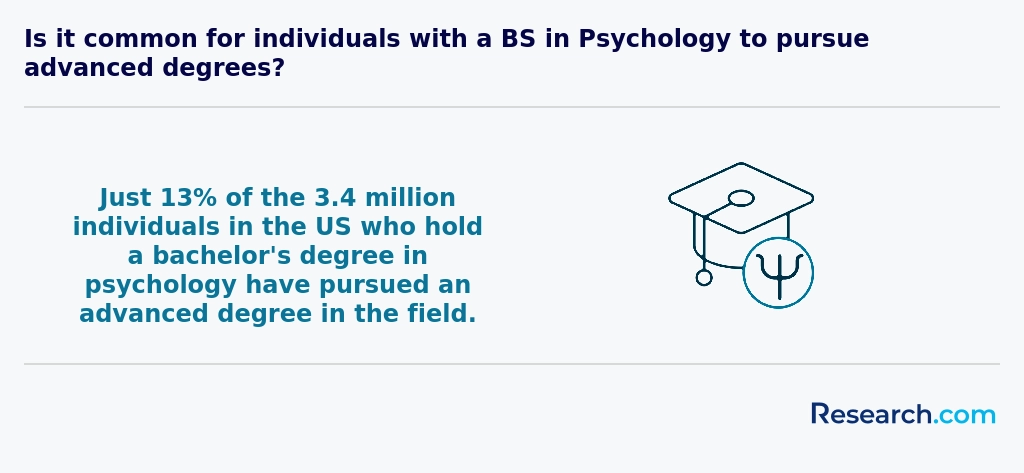
After earning your psychology degree, obtaining the proper licensure is crucial to practice professionally in Buffalo, NY. New York State requires aspiring psychologists to hold a doctoral degree in psychology from an APA-accredited or regionally accredited institution, complete at least 3,500 hours of supervised experience, and pass the Examination for Professional Practice in Psychology (EPPP) as well as the New York State Jurisprudence Exam. For those pursuing school psychology, certification through the New York State Education Department mandates a valid teaching certificate, at least a master’s degree in school psychology, and 1,200 hours of supervised internship. Licensed Mental Health Counselors (LMHCs) and Licensed Marriage and Family Therapists (LMFTs) need a relevant master’s degree, 3,000 hours of supervised practice, and successful completion of the National Clinical Mental Health Counseling Examination or its equivalent. Planning your graduate education strategically can streamline this process. When comparing programs, consider those offering integrated practicum placements, strong faculty mentorship, and flexible delivery formats. For example, many students find value in online graduate programs in psychology that balance affordability with robust clinical training. By mapping out degree requirements, internship opportunities, and exam preparations early, you’ll position yourself to meet New York’s licensure criteria efficiently and embark on a successful career in psychology.
Psychology degree programs in Buffalo commonly include foundational courses like introduction to psychology, where students explore key ideas such as cognition, behavior, and development. Graduates from popular Buffalo colleges often recall how this course provided a clear roadmap for understanding human mental processes, making complex topics feel accessible and relevant.
Research methods and statistics are core components, equipping students with practical skills to design experiments and analyze data. For example, many Buffalo students value how these classes helped them confidently interpret psychological studies, a skill emphasized by employers and graduate programs alike.
Courses in biological psychology or neuroscience explore how the brain influences behavior. Buffalo's emphasis on this area reflects growing trends in integrating biology with psychology, exciting students who enjoy linking science with human experience.
Additionally, students engage with cognitive psychology, developmental psychology, social psychology, and abnormal psychology. Graduates highlight how applied courses like clinical or counseling psychology, often offered at Buffalo's well-known colleges, provided hands-on learning through internships, making their education both practical and motivating.
Students pursuing psychology degrees in Buffalo commonly choose from a variety of specializations tailored to both research and applied fields. Clinical psychology is popular, focusing on mental health diagnosis and treatment, with graduates often working in hospitals or private practices. Many Buffalo psychology programs with specializations also include counseling psychology, which prepares students to support individuals dealing with personal challenges in schools or mental health agencies.
Others gravitate toward cognitive psychology, an area involving memory and decision-making research, ideal for those interested in academic or human factors careers. Social psychology is another typical specialization, emphasizing group behavior and social influence, which graduates find useful in market research and public policy roles. Health psychology programs reflect growing interest in the mind-body connection and prepare students for wellness program roles locally.
Graduates from popular Buffalo universities report practical benefits from these focused tracks, especially when paired with interdisciplinary options like neuroscience or business. For those exploring faster paths, students can consult what are the best accelerated psychology degree programs online to complement their Buffalo education and career goals.
When selecting the best psychology degree programs in Buffalo, focus on the program's accreditation and practical experience opportunities. Graduates from the University at Buffalo often praise its APA-accredited clinical psychology graduate programs, highlighting how this expanded their career options and eased licensure requirements. Choosing a program with strong ties to local hospitals or research centers means access to internships and practicums that offer hands-on experience, which many students find invaluable for gaining confidence and real-world skills.
Cost is a critical factor for affordable psychology colleges Buffalo NY. Students note that public institutions in Buffalo typically charge between $10,000 and $15,000 annually for in-state tuition, a much more manageable price point compared to private colleges. Also, consider programs that balance class sizes and faculty expertise-smaller groups often mean more personalized mentorship and deeper engagement, which can positively impact your educational journey.
Finally, if you're exploring flexible study options, check out online graduate programs in psychology that can fit your schedule while maintaining quality. This strategy has helped Buffalo students continue working while progressing toward their degrees.
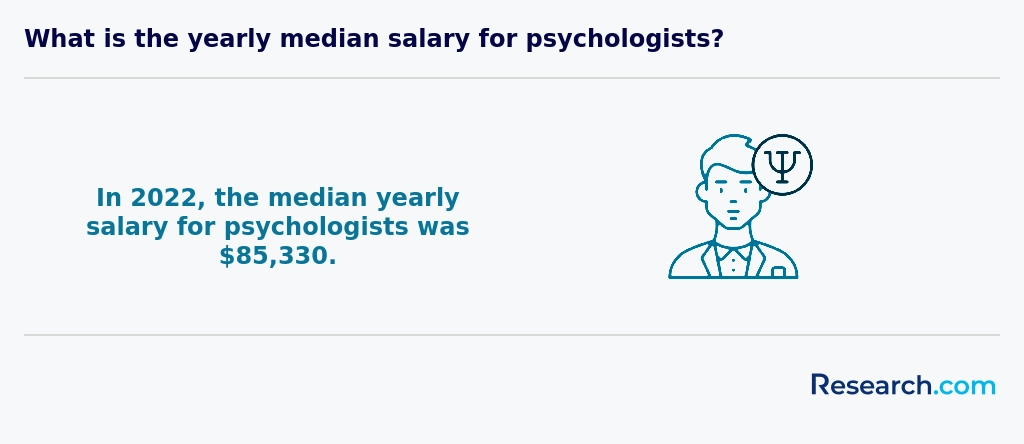
Graduates with a psychology degree in Buffalo have diverse career paths, tailored to their interests and education level. Many find rewarding roles in clinical psychology, working as therapists or counselors in local facilities like ECMC and the Buffalo Psychiatric Center, where hands-on experience is readily available. Others explore industrial-organizational psychology, applying their skills in Buffalo's healthcare and manufacturing industries to improve workplace efficiency and employee well-being, aligning well with growing job markets.
Academic research is a popular option for graduates from the University at Buffalo or Buffalo State College, who often assist in projects on cognitive neuroscience or developmental psychology. This path usually requires a master's degree but offers stimulating work with meaningful community impact. School psychology is another viable route, with Buffalo public schools actively hiring to address student mental health needs, providing fulfilling opportunities to support children and educators.
For those seeking guidance on cost-effective options, the Most Affordable Psychology Degree Programs Ranking in Albany, NY can help students find accessible programs nearby. Overall, jobs with psychology degree Buffalo NY graduates emphasize practical skills and community connection, making these paths both achievable and inspiring.
The psychology degree job opportunities Buffalo offers are steadily growing, especially in healthcare, education, and social services. Graduates from universities like the University at Buffalo often find entry-level roles in mental health clinics or school systems, where behavioral specialists and counselors are in demand. These positions usually start with salaries between $45,000 and $55,000, providing a solid foundation for new graduates.
Buffalo's demand for psychology professionals is supported by institutions such as Erie County Department of Mental Health and local hospitals that offer internships and career pathways. Psychology graduates report positive experiences transitioning to roles in clinical and research fields, benefiting from the strong network of nonprofits and academic centers in the region.
Since advanced degrees boost job prospects significantly, many students pursue master's or doctorates locally, understanding the importance of specialized training in unlocking higher salaries. If you're considering education costs, exploring easiest associate's degree programs can be a strategic step before advancing.
With stable growth predicted through 2027, Buffalo psychology career outlook 2027 remains optimistic, especially for those prepared with local experience and relevant credentials.
2027 Best Psychology Degree Programs Ranking in Buffalo
Investing in your education is a significant decision that can shape your future, and the Research.com team understands the importance of making informed choices. To assist prospective students in Buffalo, we have meticulously crafted the "2027 Best Psychology Degree Programs Ranking in Buffalo." Our commitment to quality, credibility, and accuracy is reflected in the extensive research and analysis conducted to compile this ranking.
We utilized the following reputable data sources to ensure a comprehensive evaluation of psychology programs:
By exploring this ranking, readers will gain valuable insights into the best psychology degree programs available in Buffalo, helping them make confident and informed decisions about their educational paths. For more details on our methodology, please visit our Research.com methodology page.


Frequently Asked Questions About psychology
Psychology degree students in Buffalo can maximize their learning experience by actively engaging in both academic and practical opportunities. Participating in research projects at local institutions like the University at Buffalo enhances understanding of psychological theories and methods. According to the National Center for Education Statistics, students involved in research report higher retention and career readiness. Buffalo also offers access to diverse clinical settings, allowing students to apply classroom knowledge in community mental health centers. Additionally, joining psychology clubs and attending local seminars can expand professional networks and expose students to emerging trends in psychology. Balancing coursework with internships is key to a comprehensive education.
Emerging niches in psychology reflect evolving societal needs and technological advancements. In Buffalo, growing interest surrounds neuropsychology, focusing on brain-behavior relationships, which aligns with regional healthcare development. Another expanding area is forensic psychology, driven by collaborations between psychology programs and local law enforcement agencies.
Health psychology and behavioral medicine are gaining momentum, partly due to an aging population in Erie County. These fields explore how mental health impacts chronic disease management. Additionally, the rise of digital technology propels cyberpsychology, studying human interaction with digital environments.
According to the Bureau of Labor Statistics, psychology-related jobs are projected to grow 8% nationwide through 2031, with Buffalo showing similar trends, indicating demand for specialists in these emerging fields.
To prepare for the job market after completing a psychology degree in Buffalo, students should focus on gaining practical experience alongside their academic work. Internships and volunteer opportunities at local hospitals, mental health clinics, or social service agencies help build essential skills and professional networks.
Buffalo's strong healthcare sector offers valuable employment possibilities for psychology graduates. According to the U.S. Bureau of Labor Statistics, the Buffalo-Niagara Falls metropolitan area had about 4,800 psychology-related jobs in 2022, reflecting steady demand in fields like clinical psychology and counseling.
Networking through Buffalo's professional groups such as the Western New York Psychological Association can connect graduates with mentors and job openings. Additionally, pursuing certifications or advanced degrees enhances competitiveness in specialized areas.
Developing strong communication, data analysis, and research skills is also critical for success in Buffalo's diverse psychology job market.
Employers in Buffalo highly value psychology graduates who demonstrate strong analytical skills. The ability to interpret data and apply research methods is essential, as many local agencies rely on evidence-based practices. Communication skills are equally important; professionals must convey complex psychological concepts clearly to diverse audiences, including clients and healthcare teams. According to the Bureau of Labor Statistics, interpersonal skills remain critical in the Buffalo region's mental health sector, which is projected to grow by 12% through 2030.
Additionally, problem-solving and critical thinking skills are in demand, allowing graduates to develop effective treatment plans. Cultural competence is increasingly emphasized, reflecting Buffalo's diverse population. Employers also seek ethics and professionalism, often assessed through internships or practicum experiences during a degree program.
Finding psychology internships in Buffalo involves leveraging local universities, healthcare facilities, and community organizations. Students often start by consulting their college's career services or psychology department, which typically maintain updated listings of internship opportunities.
Buffalo is home to institutions like the University at Buffalo, which collaborates with nearby mental health agencies and hospitals offering practical experience. According to the American Psychological Association, hands-on internships are crucial for licensure and skill development.
Additionally, organizations such as the Buffalo Psychiatric Center and behavioral health nonprofits provide internships that foster applied learning in clinical, counseling, and research settings.
Networking through Buffalo's psychological associations and attending local job fairs can also enhance internship prospects.
A psychology degree in Buffalo can significantly enhance career mobility and advancement opportunities within the local job market. Graduates often qualify for roles in mental health services, social work, education, and human resources-fields currently experiencing steady growth in Western New York.
According to the U.S. Bureau of Labor Statistics, the Buffalo-Niagara Falls metropolitan area has seen a 7% increase in employment for psychologists and related professionals over the past five years, suggesting expanding opportunities.
Holding a degree in psychology also provides a strong foundation for pursuing advanced certifications or graduate studies, which can open doors to higher-level positions such as licensed clinical psychologist or organizational consultant. Employers in Buffalo increasingly prefer candidates with specialized knowledge due to the growing complexity of behavioral health needs.
Studying for a psychology degree in Buffalo offers students access to diverse interdisciplinary training aligned with regional healthcare and social service needs. Local universities often incorporate coursework blending psychology with fields like social work, education, and public health, reflecting Buffalo's integrated community systems.
Internship opportunities through partnerships with Buffalo hospitals, schools, and nonprofits provide hands-on experience in multidisciplinary teams. This practical exposure is crucial for developing skills to collaborate with professionals in counseling, healthcare administration, and criminal justice.
According to the National Center for Education Statistics, psychology programs in Buffalo emphasize research methods and data analysis, preparing graduates for roles requiring cross-disciplinary problem-solving. This education approach equips students to contribute effectively in varied settings, from clinical environments to policy development.
Choosing between a thesis and a non-thesis psychology degree program in Buffalo depends largely on your career goals and interests. Thesis programs require conducting original research and writing a detailed report, which is ideal for students considering doctoral studies or research careers. Non-thesis options focus more on coursework and practical experience, appealing to those aiming for professional roles such as counseling or human services.
Thesis students in Buffalo often benefit from research opportunities at institutions like the University at Buffalo, which is recognized for strong psychology programs. According to the National Center for Education Statistics, thesis programs may take longer to complete, averaging 2-3 years compared to 1.5-2 years for non-thesis tracks.
Financial and time commitments should also be considered. Thesis work can require more faculty mentoring and access to research facilities, which may affect your overall educational budget and timeline. Reviewing program curricula and speaking with advisors in Buffalo-based universities can provide clearer guidance tailored to your needs.
Students based in Buffalo seeking to study psychology abroad have several pathways through U.S. higher education programs with international components. Many universities in New York State, including those near Buffalo, offer study abroad programs and exchange opportunities specifically for psychology majors. These programs often partner with institutions in Europe, Asia, and Latin America, allowing students to earn credits toward their degree while gaining global perspectives on psychological theories and practices.
According to the Institute of International Education, nearly 10% of U.S. undergraduates participate in study abroad, with psychology being one of the popular fields. In Buffalo, students can also leverage resources from local institutions such as the University at Buffalo, which supports global experiential learning through its International Center.
Students pursuing psychology degrees in Buffalo can benefit from several part-time job opportunities that complement their academic learning. Positions such as research assistants at local universities offer hands-on experience with experimental psychology methods. The University at Buffalo, for example, frequently hires part-time assistants to support faculty research projects.
Another viable option is mental health support roles in community centers or nonprofit organizations. These jobs provide practical exposure to client interaction, essential for social work or clinical psychology careers. According to Buffalo's Department of Behavioral Health, demand for such support roles has increased by 12% over recent years.
Additionally, roles as behavioral health technicians or case aides in healthcare facilities also align well with psychology studies, offering opportunities to observe therapeutic practices directly.
Psychology students in Buffalo have several valuable networking opportunities that can enhance their academic and professional growth. Local universities, such as the University at Buffalo, frequently host psychology-focused events, workshops, and guest lectures that connect students with faculty and practicing psychologists.
Additionally, Buffalo is home to various chapters of major organizations like the American Psychological Association (APA) and Psi Chi, the International Honor Society in Psychology. These groups offer networking events, conferences, and mentorship programs specifically tailored for psychology students.
Buffalo's strong healthcare and social services sectors also provide internship and volunteer opportunities where students can build professional connections. According to the Bureau of Labor Statistics, the Buffalo-Niagara Falls metro area employs a significant number of psychology-related professionals, increasing chances for local collaboration and career advancement.
Alumni networks play a crucial role in supporting psychology degree students in Buffalo. They provide valuable opportunities for mentorship, helping current students connect with graduates who have real-world experience in clinical, counseling, and research psychology. According to the University at Buffalo's career services, over 65% of psychology graduates found jobs through alumni referrals or networking events.
These networks also offer access to job postings and internships that may not be widely advertised. For psychology students, gaining practical experience is essential, and alumni can facilitate placements in local hospitals, schools, and mental health agencies.
Moreover, alumni events foster professional development and collaboration, enhancing students' knowledge of Buffalo's specific psychology community and labor market trends.
Customizing a psychology degree program in Buffalo allows students to align their education with specific career goals. Many local institutions offer elective courses, internships, and research opportunities tailored to areas like clinical psychology, counseling, or industrial-organizational psychology. Students can often select concentrations or minors that support their career interests.
Buffalo State College and the University at Buffalo provide options for hands-on experiences through partnerships with local clinics and organizations. According to the National Center for Education Statistics, students who engage in internships are 20% more likely to secure employment after graduation.
Faculty advising is also key when personalizing your program, helping navigate course selections and career pathways effectively.
Psychology students in Buffalo often face a range of challenges typical to rigorous academic programs. One key difficulty is balancing heavy coursework with practical experience requirements, such as internships or research assistant positions. Programs emphasize hands-on training, which can demand significant time and effort beyond classes.
Financial strain is also common, as tuition and living expenses in Buffalo continue to rise. According to the College Board, average undergraduate tuition at local institutions exceeds $10,000 per year, excluding housing and fees. Many students must juggle part-time jobs with their studies.
Additionally, accessing quality mental health support can be challenging. A 2023 survey by the Buffalo Mental Health Association noted that 35% of college students struggled to find adequate counseling services, which are critical given the stressful nature of psychology studies.
With a psychology degree in Buffalo, graduates can pursue several professional certifications that enhance career opportunities. Popular certifications include Licensed Professional Counselor (LPC) and Licensed Clinical Social Worker (LCSW), both requiring graduate education and supervised experience.
Other valuable credentials are the Board Certified Behavior Analyst (BCBA), which focuses on applied behavior analysis, and Certified Rehabilitation Counselor (CRC), ideal for those interested in vocational rehabilitation. According to the New York State Education Department, licensure standards in Buffalo align with statewide requirements.
Obtaining these certifications typically involves passing national exams and meeting specific practicum hours, which may vary by credential. Earning such certifications improves job prospects in healthcare, education, and social services sectors within Buffalo's growing mental health field.
Applying to psychology programs in Buffalo requires a clear and focused approach. Begin by researching the specific requirements of schools such as the University at Buffalo, which emphasizes academic excellence and relevant coursework. Maintaining a strong GPA, particularly in psychology and related fields, is crucial. Most programs look for applicants with at least a 3.0 GPA.
Craft a compelling personal statement that highlights your passion for psychology, relevant experience such as internships or volunteer work, and your career goals. Buffalo programs often value applicants who demonstrate community involvement and research interest. According to the University at Buffalo's admissions data, around 60% of psychology applicants present research experience.
Strong letters of recommendation from professors or supervisors familiar with your academic abilities can significantly strengthen your application. Lastly, prepare for possible interviews by articulating why you want to study psychology in Buffalo and how you plan to contribute to the field. These focused efforts improve admission chances in this competitive urban area.
The global perspective on psychology careers highlights the growing demand for mental health professionals worldwide, including in Buffalo. The U.S. Bureau of Labor Statistics projects a 8% growth in psychologist jobs nationally from 2022 to 2032, reflecting increasing awareness of mental health needs. Buffalo benefits from this trend, with local universities offering accredited programs that prepare students for diverse roles in clinical, counseling, and research psychology.
Psychology careers in the U.S. often require advanced degrees, such as a master's or doctorate, and licensure to practice clinically. Globally, there is a shift toward integrating cultural competence and evidence-based therapies, emphasizing skills that Buffalo students can develop through community engagement and internships.
Research from the American Psychological Association shows that multidisciplinary approaches in psychology are expanding opportunities beyond traditional therapy roles, including positions in education, business, and healthcare systems, all relevant for Buffalo graduates.
Gaining practical experience while studying for a psychology degree in Buffalo is essential for career readiness. Many local universities, including the University at Buffalo, offer supervised internships and lab assistant positions. These opportunities allow students to apply theoretical knowledge in clinical, research, or community settings.
Buffalo's healthcare facilities and nonprofit organizations frequently collaborate with psychology programs, providing internships in mental health services and social work. According to the Bureau of Labor Statistics, hands-on experience significantly boosts employment prospects in psychology fields in the region.
Additionally, attending workshops, joining psychology clubs, and participating in research projects can enhance practical skills before graduation.
Choosing the right concentration within a psychology degree program in Buffalo depends largely on your career goals and interests. Psychology programs in the area often offer tracks such as clinical, counseling, developmental, or industrial-organizational psychology. Clinical psychology is popular for students interested in therapy and mental health services, while industrial-organizational focuses on workplace behavior and human resources.
Consider the types of internships and research opportunities available locally. Buffalo's proximity to healthcare facilities and community agencies provides practical experience, especially in clinical settings. According to the New York State Education Department, about 30% of psychology graduates in Buffalo enter healthcare roles.
Also, review faculty expertise and the availability of specialized courses. Programs with strong ties to local research institutes or hospitals can enhance learning and job prospects. Reflect on your preferred work environment and long-term plans as well.
- 2027 Best Psychology Degree Programs Ranking in Detroit
- 2027 Best Psychology Degree Programs Ranking in Albany
- 2027 Best Psychology Degree Programs Ranking in Baltimore
- 2027 Best Psychology Degree Programs Ranking in Washington
- 2027 Best Psychology Degree Programs Ranking in New York
- 2027 Best Psychology Degree Programs Ranking in New Haven
- 2027 Best Psychology Degree Programs Ranking in Springfield
- 2027 Best Psychology Degree Programs Ranking in Amherst
- 2027 Best Psychology Degree Programs Ranking in Fort Wayne
- 2027 Best Psychology Degree Programs Ranking in Worcester
See What Experts Have To Say About Studying Psychology
Read our interview with Psychology experts

Robin M. Kowalski. Ph.D.
Psychology Expert
Professor of Psychology
Clemson University

Catherine Caldwell-Harris, Ph.D.
Psychology Expert
Associate Professor of Psychology
Boston University

Elizabeth L. Jeglic Ph.D.
Psychology Expert
Professor of Psychology
City University of New York

- Mental Health Challenges Faced by Psychology Students | The Healthcare Guys https://healthcareguys.com/2023/11/23/mental-health-challenges-faced-by-psychology-students/
- Study Psychology Abroad | Go Overseas https://www.gooverseas.com/study-abroad/psychology
- Know more about thesis vs non- thesis: what is the difference? https://studyfans.com/en/blogs/816
- Society for the Teaching of Psychology https://teachpsych.org/page-1784686/8675326
- Master of Arts in Psychology [non-thesis] https://su.edu.ph/academic-offering/master-of-arts-in-psychology-non-thesis/
- Study Psychology Abroad https://astarfuture.co.uk/study_psychology_abroad.html
- What Certifications Can I Get With A Bachelor's In Psychology? https://www.psychology.org/resources/certification-skills-for-psychology-major-resumes/
- Psychology Online Degree Pathway https://www.learndirect.com/course/psychology-online-degree
- Call for papers https://www.hogrefe.com/us/journal/international-perspectives-in-psychology-research-practice-consultation
- Ontario Psychological Association - Networking and Community Resources https://www.psych.on.ca/become-a-member-(1)/member-services/networking-and-community-resources


