
2027 Best Psychology Degree Programs Ranking in Columbia

Co-Founder and Chief Data Scientist
Choosing the right psychology degree program in Columbia can be both exciting and challenging. To help you navigate this important decision, this article presents the 2027 Best Psychology Degree Programs Ranking in Columbia created by the Research.com team of data scientists.
By exploring this carefully crafted ranking, you'll gain valuable insights into top programs that can shape your future in psychology. Whether you're passionate about understanding human behavior or aspiring to make a positive impact, earning a psychology degree opens doors to rewarding opportunities.
Read on to discover which programs might be the perfect fit for you.
Key benefits of getting psychology degree in Columbia
- Salary for psychology degree graduates: Graduates can expect competitive earnings, such as Human Resources Specialists making around $76,060 annually and Marketing Research Analysts earning approximately $83,190 per year, offering financial stability and growth potential.
- Career paths: A psychology graduate from a top Columbia university can pursue diverse roles including Clinical Research Associate or Survey Researcher, both averaging salaries around $62,370, reflecting varied and rewarding opportunities in health and research sectors.
- Online degree benefits: Earning a psychology degree online from a respected institution in Columbia provides flexible study schedules and access to quality education, allowing students to balance work and life while advancing their careers efficiently and confidently.
- 2027 Best Psychology Degree Programs Ranking in Columbia
- What can I expect from psychology degree in Columbia?
- Where can I work with psychology degree in Columbia?
What can I expect from psychology degree in Columbia?
The average cost of obtaining a psychology degree in Columbia varies significantly based on the type of institution attended. Public universities popular among psychology students typically charge around $10,000 per year in tuition for in-state residents. Many graduates recall balancing rigorous coursework alongside part-time jobs or internships to manage these expenses effectively. Meanwhile, private colleges known for their strong psychology programs may charge upwards of $35,000 annually, leading students to seek scholarships or financial aid specifically targeted at psychology majors.
Students at top psychology programs in Columbia often describe the investment as worthwhile, noting that access to research labs and mentorship from experienced faculty enriches their academic experience. One graduate from a well-regarded Columbia college shared how practicum placements not only enhanced learning but also opened doors to employment opportunities, justifying the financial commitment involved. Considering tuition alongside living costs, careful planning is essential for those pursuing degrees in this field locally.
Where can I work with psychology degree in Columbia?
Graduates with psychology degrees from well-regarded institutions in Columbia, such as the University of Columbia or State College of Columbia, find numerous rewarding career paths available to them. Many begin working in mental health services, gaining practical experience in hospitals or rehabilitation centers as licensed counselors or behavioral therapists, where their work directly benefits individuals overcoming challenges.
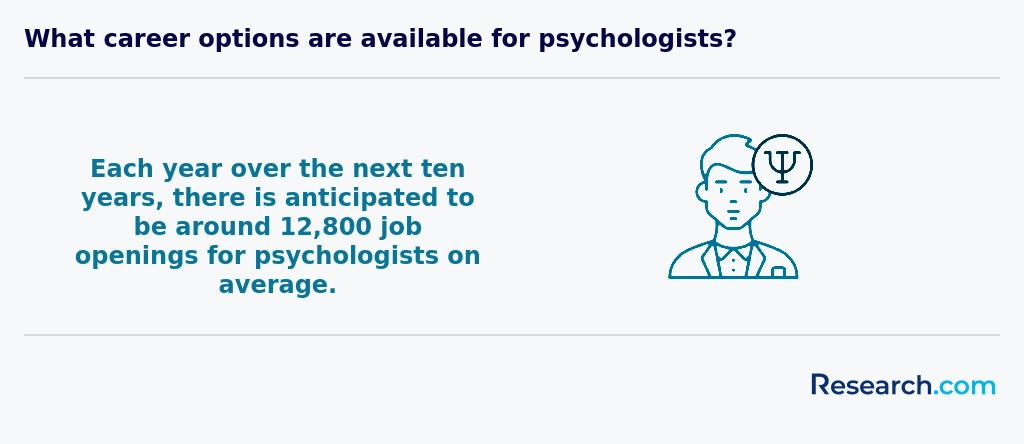
Others leverage their training in educational settings, serving as school psychologists or counselors who support student development and mental wellness. The local education authorities actively seek these professionals, reflecting a growing need demonstrated by a 6% hiring increase in recent years.
Social service agencies also provide fulfilling roles in case management or crisis intervention, where graduates make significant community impacts through direct client support and outreach.
Those pursuing advanced degrees often engage in research or academic positions at Columbia's universities, contributing to psychology's evolving knowledge base while enjoying collaborative environments and access to grants.
Additionally, corporate sectors value psychology graduates for roles in human resources and organizational development, where understanding human behavior fosters employee well-being and productivity, making graduates feel their skills truly matter.
Graduates with psychology degrees from prominent institutions in Columbia find diverse career opportunities with varying earnings. For instance, entry-level human resources specialists, a common role for psychology graduates, earn a mean annual wage of $76,060, reflecting a rewarding start for those applying their skills in employee relations and organizational behavior.
Marketing research analyst positions, often pursued by those with strong analytical skills sharpened in psychology programs at Columbia's well-regarded universities, bring higher average salaries around $83,190 annually. Graduates working as clinical research associates or survey researchers can expect mean salaries near $62,370, which validates the value of specialized research training gained during their studies.
Even those beginning careers as childcare workers earn a median salary of approximately $32,070, highlighting psychology's broad applicability. Columbia's competitive academic environment and proximity to metropolitan hubs like New York enhance employment prospects and salary potential, inspiring graduates to confidently pursue roles that align with their passions and expertise in psychology.
- Annual tuition for psychology degrees in Columbia ranges from $8,000 to $12,000 at public universities and $20,000 to $35,000 at private institutions, excluding additional costs.
- Job opportunities for psychology graduates include mental health counseling, social services, school psychology, and human resources.
- Entry-level salaries average between $45,000 and $50,000 per year, with higher earnings for those holding master's or doctoral degrees.
- Experienced psychologists and specialists can earn over $80,000 annually in clinical or industrial-organizational fields.
- Psychology jobs in Columbia are expected to grow at or above the national average in the coming decade.
- Attending an APA-accredited psychology program is important for licensure and employment prospects.
Completing a psychology degree in Columbia typically follows the national standard timelines, tailored to the local academic environment. Students pursuing a bachelor's degree can expect approximately four years of full-time study, encompassing 120 to 130 credit hours that balance general education, foundational psychology coursework, and electives. Graduates from institutions like the University of South Carolina often reflect positively on this steady pace, appreciating the comprehensive curriculum that prepares them for diverse career paths or further study.
For those advancing to graduate education in Columbia, a master's degree generally requires two to three years. This period may extend depending on whether the program includes a thesis or practicum, offering valuable hands-on experience that many graduates find rewarding and essential for professional growth.
Doctoral candidates, undertaking PhD or PsyD programs at Columbia's key universities, typically invest four to six years. The rigorous blend of research, clinical training, and dissertation work shapes a uniquely fulfilling journey, enabling graduates to confidently contribute to the psychology field.
Columbia’s psychology programs not only offer an exceptional academic curriculum but also provide a vibrant campus life and comprehensive student support services that play a decisive role in students’ overall success. Beyond classrooms and research labs, institutions in Columbia are committed to creating an environment where mental health, career development, and extracurricular activities converge to enhance personal growth. Students benefit from robust academic advising, tutoring centers, and career placement services designed to navigate internship opportunities and transition seamlessly into the professional realm. Campuses also foster a sense of community through student clubs, mental health initiatives, and well-equipped recreational facilities that encourage balanced lifestyles. For those seeking accelerated academic options, exploring programs like the fastest psychology degree can offer a streamlined path to entering the workforce while still enjoying these enriching campus experiences. Emphasizing holistic development, these institutions ensure that both academic rigor and personal well-being are prioritized, preparing graduates to excel not just as professionals in psychology, but as well-rounded community leaders.
Psychology students at institutions like the University of Missouri or Columbia College often highlight the tangible differences between online and on-campus degree experiences in Columbia. On-campus programs offer immersive learning through direct interactions with professors and peers, hands-on internships at local mental health centers, and access to campus facilities such as research labs and counseling clinics. Graduates frequently describe a strong sense of community and the motivation gained from in-person academic engagement, which greatly benefits clinical training components.
Conversely, those pursuing online psychology degrees appreciate the flexibility to balance coursework with work or family commitments. Virtual classrooms and asynchronous lectures allow students to study at their own pace, though graduates occasionally mention missing out on spontaneous campus discussions or immediate faculty feedback. Online learners must rely heavily on technology and self-discipline to succeed but enjoy reduced commuting time and often lower costs.
In Columbia, both formats are recognized and accredited, ensuring students receive quality education tailored to their lifestyle and career ambitions.
Accreditation is a critical factor in ensuring that psychology programs in Columbia, SC, meet the standards required for professional practice and licensure. Most institutions will hold regional accreditation from bodies like the Southern Association of Colleges and Schools Commission on Colleges (SACSCOC), but programmatic accreditation-particularly from the American Psychological Association (APA)-is essential for those aiming to become licensed psychologists. Graduates of APA-accredited programs are typically eligible to sit for the Examination for Professional Practice in Psychology (EPPP), a requirement for full licensure. In South Carolina, licensure is overseen by the Board of Examiners in Psychology. To qualify for a Licensed Psychological Associate (LPA) credential, candidates must complete a master’s degree in psychology, accumulate at least 2,000 hours of supervised experience, and pass the EPPP. For full licensure as a psychologist, a doctoral degree is required along with 3,000 hours of supervised practice. Applicants submit official transcripts, verification of supervised hours, and examination scores to the Board, often incurring application and renewal fees. Prospective students interested in advanced training should also explore what schools offer a masters in psychology to find affordable, accredited online and on-campus options that align with state licensure pathways. Understanding these requirements upfront ensures a smoother transition from graduate study to professional practice.
The average cost of a psychology degree in Columbia varies based on residency status and institution type, with a median total cost around $38,120 for out-of-state students and approximately $17,440 for in-state students. These figures align with those attending prominent universities in Columbia, where graduates often reflect on the value of their education relative to the investment made. For example, psychology students at well-known local universities frequently mention the balance between tuition expenses and the comprehensive academic and practical experiences offered.
Understanding the psychology degree tuition and fees Columbia institutions charge is essential for prospective students. Public universities attract in-state learners with significantly lower tuition rates, fostering a sense of accessibility and community. Graduates often share positive experiences about managing finances through scholarships and assistantships, which help offset costs. However, out-of-state students typically encounter much higher expenses but gain exposure to diverse academic environments.
Expenses beyond tuition, such as textbooks, testing fees, and practicum costs, contribute to the overall financial commitment. Many Columbia psychology students recommend early financial planning and exploring financial aid options. Some opt for institutions listed among affordable psychology schools in South Carolina to maximize their educational ROI while minimizing debt. These strategies support positive outcomes and encourage academic persistence in pursuing psychology careers.
When considering a psychology program, one crucial factor that prospective students often overlook is affordability. The cost of tuition, fees, and living expenses can significantly impact a student's decision, especially for those on a tight budget. In Columbia, SC, there are several options for affordable psychology programs that can provide students with a high-quality education without breaking the bank. For instance, students can explore affordable psychology schools in South Carolina to find programs that fit their financial needs. By prioritizing affordability, students can set themselves up for success and minimize their financial burden, allowing them to focus on their studies and career goals.
Students pursuing psychology degrees in Columbia frequently access a variety of financial aid options that make their education more affordable. Federal student aid stands out as a primary resource, with grants such as the Pell Grant providing need-based, no-repayment funds through FAFSA. Many psychology students at institutions like the University of Missouri report that these grants have significantly relieved their financial stress, allowing them to focus more on academics and research.
Loans also play a key role, particularly Federal Direct Subsidized Loans, which offer low interest and payment benefits during study. Graduates often recall how these loans helped bridge funding gaps without overwhelming debt immediately after graduation. Furthermore, numerous Columbia colleges offer scholarships for psychology majors, often merit-based or aimed at specialties like clinical psychology, rewarding academic excellence and dedication.
State-level programs like the Access Missouri Financial Assistance further support residents, while work-study opportunities at universities enable students to gain practical experience alongside financial benefits. Many students cherish these roles at local clinics, describing them as both financially and personally rewarding.
Ensuring your psychology degree comes from a regionally or nationally accredited institution is critical for both academic rigor and eligibility for licensure. In Columbia, SC, prospective students should verify that their chosen program holds regional accreditation (e.g., SACSCOC) and, for advanced clinical or counseling tracks, American Psychological Association (APA) or National Association of School Psychologists (NASP) approval. Accreditation not only guarantees that coursework meets industry standards but also ensures you can sit for the Examination for Professional Practice in Psychology (EPPP) and fulfill supervised experience requirements mandated by the South Carolina Board of Examiners in Psychology. Key steps to align your education with licensure requirements:
- Confirm regional accreditation and any programmatic endorsements (APA, NASP).
- Review South Carolina’s supervised internship hours (minimum 1,500 post-master’s or post-doctoral).
- Plan for the EPPP application process, including official transcripts and supervisor evaluations.
- Understand reciprocity agreements if you intend to practice in neighboring states. For students balancing work or family commitments, flexible online programs can still meet these standards-be sure to compare accredited online options carefully. If affordability is a priority, you might also explore our Most Affordable Online Psychology Degree Programs Ranking in Missouri for additional perspective on high-quality, cost-effective pathways.
Enrolling in a psychology degree program in Columbia requires applicants to meet several key academic prerequisites that ensure preparedness for the discipline's demands. For undergraduate admission at popular institutions like the University of Columbia or Columbia State College, students must provide a high school diploma or equivalent, along with standardized test scores such as the SAT or ACT-although some schools now offer test-optional pathways, reflecting a progressive shift in admissions.
High school transcripts demonstrating strong performance in science and math are particularly valued, as these subjects form the foundation for essential psychology coursework, including research methods and statistics. Many graduates recall that excelling in these areas helped them adapt quickly to their rigorous studies and analytical projects.
Graduate programs, such as those at Columbia Graduate University, require a bachelor's degree in psychology or related fields like biology or sociology. Applicants also submit letters of recommendation, statements of purpose, and evidence of relevant research or professional experience. Alumni often emphasize how these prerequisites shaped their confidence and readiness to engage deeply with psychological theories and applied research.
Pursuing licensure is a critical step for psychology graduates aiming to practice professionally in South Carolina. The South Carolina Board of Examiners in Psychology oversees licensure for clinical psychologists, while the Board of Examiners for Licensure of Professional Counselors administers credentials for counselors. Understanding these pathways ensures you meet state requirements and advance your career with confidence. Clinical Psychologist Licensure 1. Graduate from an APA-accredited doctoral program in clinical psychology. 2. Complete at least 1,500 supervised internship hours during your doctoral training. 3. Accumulate a minimum of 3,000 postdoctoral supervised hours, including assessment, diagnosis, and therapy. 4. Submit a licensure application to the SC Board of Examiners in Psychology, including official transcripts and supervisor evaluations. 5. Pass the Examination for Professional Practice in Psychology (EPPP) and the SC jurisprudence exam. 6. Maintain licensure through 40 hours of continuing education every two years, with at least six hours in ethics. Licensed Professional Counselor (LPC) Pathway 1. Earn a master’s degree in counseling or clinical psychology from a regionally accredited institution. 2. Complete 1,000 practicum and internship hours during your graduate program. 3. Obtain 3,000 post-master’s supervised hours under an approved LPC supervisor. 4. Apply to the SC Board of Examiners for Licensure of Professional Counselors, submitting transcripts, supervision logs, and references. 5. Pass the National Counselor Examination (NCE) or the National Clinical Mental Health Counseling Examination (NCMHCE). 6. Renew your LPC license biennially with 40 hours of continuing education, including ethics and cultural competence. School Psychologist Certification 1. Complete an Education Specialist (Ed.S.) program in school psychology. 2. Fulfill at least 1,200 internship hours in a K–12 setting under a certified school psychologist. 3. Apply for certification through the South Carolina Department of Education and pass the Praxis School Psychologist exam. Professional Development and Resources Ongoing professional growth and networking are essential. Join the South Carolina Psychological Association (SCPA) or the SC Counseling Association for workshops, mentorship, and advocacy updates. For prospective students exploring cost-effective program options, compare details in our Most Affordable Online Psychology Degree Programs Ranking in Missouri.
Psychology degree programs in Columbia typically encompass a comprehensive set of courses designed to build both theoretical insight and practical expertise. Graduates from well-known universities in Columbia often recall how the introductory psychology course laid a critical foundation, exploring major psychological theories and historical perspectives that shaped their understanding of human behavior.
Courses in research methods and statistics are vital components, teaching students to design experiments and analyze data rigorously. Many students find these classes challenging yet rewarding, as mastering these skills unlocks a scientific approach to studying behavior and mental processes.
Developmental psychology is another essential course, tracing the emotional and cognitive changes from infancy through adulthood, helping students relate textbook knowledge to real-life experiences observed during internships or community work.
- Biopsychology, examining brain functions and their biological basis
- Social psychology, focusing on social interactions and influences
- Abnormal psychology, studying mental health disorders and treatments
- Cognitive psychology, exploring memory, perception, and decision-making processes
Electives such as clinical or forensic psychology offered by Columbia's leading colleges allow students to specialize further, fostering enthusiasm and clear direction toward their professional aspirations.
Psychology degree specializations Columbia universities typically offer cover a broad spectrum to suit diverse professional ambitions. Graduates from institutions such as Columbia University and Barnard College often highlight specializations in clinical psychology, focusing on diagnosing and treating mental health conditions in hospital or private practice settings. Counseling psychology is widely pursued, with students valuing its emphasis on therapeutic support for emotional and social challenges faced by clients.
Columbia psychology programs with specialization options also include experimental psychology, where students engage deeply in research on cognitive and behavioral processes. Industrial-organizational psychology appeals to those interested in workplace dynamics and employee well-being, often leading to rewarding roles in corporate environments.
Graduates express enthusiasm for developmental psychology, which explores psychological growth across the lifespan, and forensic psychology, which bridges legal and psychological expertise. For students seeking interdisciplinary options, pathways like neuropsychology enrich learning through biology integration.
Many students in Columbia find that pursuing a fastest psychology degree allows them to advance swiftly into these specialized fields while benefiting from access to extensive research facilities and metropolitan internships.
When selecting one of the best psychology degree programs in Columbia, accreditation is paramount. Graduates from institutions with regional accreditation, such as those recognized by the Middle States Commission on Higher Education, often express confidence in the value of their credentials when seeking employment or graduate study. Equally important is reviewing the program curriculum-graduates recall that programs offering diverse specializations, including clinical or industrial-organizational psychology, better prepared them for their career paths. Cost considerations also influence decisions; many students weigh affordable psychology degrees Columbia tuition fees carefully, as in-state undergraduate tuition generally spans $7,000 to $15,000 annually, while graduate tuition can be considerably higher.
Faculty expertise and research opportunities significantly enhance the academic experience. Graduates frequently highlight how involvement in active research projects deepened their understanding and opened doors to advanced careers. The urban campus environment offers rich internship placements in clinical and community settings, crucial for practical learning. For students seeking flexibility, programs often incorporate online or hybrid formats, which can be explored when considering what schools offer a masters in psychology. Evaluating career support services is also essential to ease the transition into the workforce.
Graduates with a psychology degree in Columbia often find diverse career paths, including clinical psychology, counseling, school psychology, industrial-organizational roles, and research. For example, students from popular universities like the University of Missouri in Columbia pursue clinical psychology careers, diagnosing and treating mental health conditions after completing doctoral degrees. These positions offer rewarding challenges and a median salary aligning with U.S. clinical psychologists' earnings. Counseling and school psychology roles provide opportunities to support student mental health in local school districts, frequently requiring a master's degree and offering growth amid rising demand.
Industrial-organizational psychology professionals thrive in Columbia's corporate environment, enhancing workplace culture and productivity with salaries ranging from $70,000 to over $120,000. Psychology graduates may also engage in research or academic roles at institutions or private firms, contributing to projects funded by entities like the National Institute of Mental Health. Those seeking guidance on affordability can consult the Most Affordable Online Psychology Degree Programs Ranking in Missouri. Overall, psychology degree careers in Columbia blend practical impact with professional growth and personal fulfillment.
The job market for psychology degree holders in Columbia is robust, supported by the University of Missouri and a network of local healthcare and educational institutions. Psychology graduates often find opportunities in clinical and counseling roles at hospitals, educational psychology positions in school districts, and research positions linked to university-affiliated centers. For students exploring psychology degree job opportunities in Columbia, the presence of these institutions fosters a strong demand that can be encouraging for aspiring professionals.
Graduates report that entry-level positions typically require at least a master's degree, especially for clinical or counseling roles, while doctorate holders benefit from broader career options including private practice and leadership. The salary expectations align with Missouri's average, approximately $70,000 annually, which suits the city's moderate cost of living. Many students find that pursuing degrees locally is cost-effective, especially considering competitive tuition at the University of Missouri. Those interested in accelerating their education might explore a bachelor's degree online fast to begin their career sooner.
Columbia psychology graduate employment outlook remains promising as mental health awareness grows nationally and locally, translating into sustained demand across clinical, educational, and research settings. Graduates often describe their Columbia-based training as practical and directly relevant to real-world psychological services, enhancing professional confidence and satisfaction.
2027 Best Psychology Degree Programs Ranking in Columbia
Investing in your education is a significant decision that can shape your future, and the Research.com team understands the importance of making informed choices. To assist prospective students in Columbia, we have meticulously crafted the "2027 Best Psychology Degree Programs Ranking in Columbia." Our commitment to quality, credibility, and accuracy is reflected in the extensive research and analysis conducted to compile this ranking.
We utilized the following reputable data sources to ensure a comprehensive evaluation of psychology degree programs:
By exploring this ranking, readers will gain valuable insights into the top psychology degree programs available in Columbia, helping them make well-informed decisions about their educational and professional futures. For more details on our methodology, please visit our Research.com methodology page.


Frequently Asked Questions About psychology
Psychology degree students in Columbia can maximize their learning by engaging deeply with both coursework and practical experiences. According to the American Psychological Association, hands-on opportunities such as internships and research assistant positions significantly enhance understanding and employability in this field.
Students should actively participate in research projects offered by their universities, as Columbia hosts multiple institutions with strong psychology programs that emphasize experimental and clinical research. Developing relationships with faculty mentors also provides crucial guidance and networking.
Additionally, joining psychology clubs or organizations helps students gain peer support and professional exposure. Taking advantage of seminars and workshops on topics like cognitive behavior and neuropsychology is beneficial for staying current with modern practices.
The field of psychology is evolving rapidly, with several emerging niches gaining attention in Columbia's academic and professional landscape. One notable area is neuropsychology, which focuses on understanding brain-behavior relationships, critical as neurological disorders increase. According to the American Psychological Association, demand for neuropsychologists is projected to grow by 19% through 2030.
Another growing niche is health psychology, emphasizing mental well-being in medical settings. This field bridges psychology with physical health, addressing chronic illnesses and promoting healthy behaviors. Columbia universities increasingly offer specialized courses to meet this trend.
Additionally, forensic psychology is expanding, blending psychology with the legal system to aid criminal investigations and law enforcement. The Bureau of Labor Statistics notes steady job growth in this area.
Finally, industrial-organizational psychology helps improve workplace productivity and employee satisfaction, making it a popular choice among students.
After earning a psychology degree in Columbia, preparing for the job market involves combining practical experience with professional networking. Many graduates gain an edge by completing internships or volunteer work in mental health clinics, schools, or research facilities. According to the American Psychological Association, hands-on experience is crucial for entry-level positions.
Developing strong communication and data analysis skills is also vital, as employers seek candidates who can interpret research and collaborate effectively. Joining local psychology associations, such as the Columbia Psychological Association, helps build connections and access job leads. Additionally, pursuing certifications in specialties like counseling or behavioral analysis can improve employability.
Employers in Columbia highly value psychology graduates who demonstrate strong analytical and critical thinking skills. Graduates are expected to interpret research data accurately and apply findings to real-world problems. According to the U.S. Bureau of Labor Statistics, communication skills are essential, as many psychology roles involve client interaction and collaboration with healthcare professionals.
Additionally, proficiency in statistical software and research methodologies is increasingly important, reflecting the growth of data-driven decision-making in psychology careers. Problem-solving and adaptability are key, especially in clinical or counseling settings where patient needs vary.
Interpersonal skills and ethical awareness also rank among the top qualities employers seek, aligning with professional standards set by the American Psychological Association.
Finding psychology internships in Columbia involves several practical steps. Many universities in Columbia maintain partnerships with local hospitals, clinics, and community organizations that offer relevant internship opportunities. Students should regularly consult their university's career services or psychology department for updated listings.
Additionally, the American Psychological Association (APA) provides resources and a searchable database of accredited internships across the United States, which includes placements in Columbia. According to the APA, psychology internships significantly enhance employability and practical skills.
Networking through professors, alumni, and professional psychology groups in Columbia can also uncover hidden opportunities. Starting early-ideally by the junior year-is advisable to secure competitive placements.
A psychology degree in Columbia can significantly enhance career mobility and advancement opportunities. According to the U.S. Bureau of Labor Statistics, employment for psychologists is expected to grow by 8% from 2021 to 2031, indicating steady demand. Graduates with a psychology degree can access diverse roles in healthcare, education, business, and social services. Specialized degrees, such as clinical or counseling psychology, often lead to higher-paying positions and leadership roles.
Additionally, earning a graduate degree improves promotion prospects. Data from the National Center for Education Statistics shows that over 60% of psychology professionals in Columbia hold a master's or doctoral degree, which employers prefer for advanced responsibilities.
Studying for a psychology degree in Columbia offers students a strong foundation for interdisciplinary roles by integrating knowledge from fields such as neuroscience, sociology, and education. Many programs emphasize collaboration, critical thinking, and applied research skills, which are essential for working across disciplines. According to the American Psychological Association, psychology graduates are increasingly employed in diverse sectors including healthcare, business, and social services.
Columbia institutions often provide opportunities for internships and joint projects that link psychology with technology and public health, reflecting industry trends. This prepares graduates to address complex real-world problems by combining psychological insights with other professional fields.
Choosing between a thesis and a non-thesis psychology degree program in Columbia depends on your career goals and learning preferences. Thesis programs require original research, enhancing skills in data analysis and critical thinking, which are beneficial for students considering doctoral studies or research-oriented careers.
Non-thesis programs focus more on coursework and practical application, ideal for those aiming for professional roles in clinical settings or counseling. According to the American Psychological Association, about 40% of psychology undergraduates pursue thesis options to strengthen graduate school applications.
Consider the time commitment; thesis tracks often take longer to complete. Review specific program requirements at Columbia-area universities to make an informed choice.
Students based in Columbia seeking psychology degrees abroad often consider programs in the United States, which offers diverse options for undergraduate and graduate study. Many U.S. universities have established partnerships with institutions in Columbia, enabling credit transfers and joint research projects. According to the American Psychological Association, over 70 universities in the U.S. provide accredited psychology programs welcoming international students. Columbia students can access specialized fields such as clinical, cognitive, and social psychology, supported by substantial research funding. Moreover, institutions often offer scholarships and assistantships to help offset costs, making study abroad more feasible for qualified applicants.
Columbia offers several part-time job opportunities that align well with psychology degree studies. Positions such as mental health technician, case manager assistant, and research assistant at local universities or hospitals provide practical experience. These roles enhance understanding of clinical practices and research methods.
According to the Bureau of Labor Statistics, Columbia's healthcare support roles are growing by 12% annually, creating more openings for psychology students. Additionally, jobs in community outreach programs or crisis hotlines help develop communication and counseling skills, important for psychology careers.
Such jobs often offer flexible hours, accommodating study schedules while boosting resumes with relevant experience.
Psychology students in Columbia benefit from diverse networking opportunities that enhance their academic and professional growth. Many universities host psychology clubs and honor societies like Psi Chi, where students connect with peers and faculty. Local psychological associations also organize conferences and workshops, offering valuable chances to meet practicing professionals and researchers.
Internship programs are another key resource, linking students with hospitals, clinics, and research centers. According to the American Psychological Association, internships in Columbia often lead to job placements in mental health services and academic roles. Students can also attend events hosted by nearby institutions, expanding their regional network beyond campus.
Alumni networks play a crucial role for psychology degree students in Columbia by offering valuable connections within the local professional community. Graduates often gain access to mentorship programs, internships, and job opportunities through these networks, which can significantly enhance career prospects. According to the National Association of Colleges and Employers (NACE), 80% of job openings are filled through networking, emphasizing the importance of these relationships.
In Columbia, strong alumni networks also encourage collaboration on research projects and provide insights into emerging trends in psychology. These connections help students navigate the local job market more effectively and build lasting professional relationships that support long-term career growth.
Customizing a psychology degree program in Columbia to fit your career goals involves selecting courses and concentrations aligned with your interests. Many institutions offer specializations such as clinical psychology, counseling, or industrial-organizational psychology. By focusing on a particular track, you can develop skills relevant to your desired profession.
Internships and research opportunities also play a critical role. Columbia universities typically encourage hands-on experiences that build practical knowledge alongside theory. According to the American Psychological Association, students who engage in applied learning report better job readiness.
Additionally, elective courses in related fields like social work or education may enhance your expertise. Tailoring your program through these options not only meets academic requirements but also strengthens your resume for the competitive psychology job market in Columbia, which saw a 10% growth in employment from 2018 to 2028 (Bureau of Labor Statistics).
Psychology students in Columbia, Missouri, often face several common challenges during their academic journey. One significant difficulty is managing the demanding coursework, which typically involves extensive reading, research projects, and complex statistical analysis. According to data from the American Psychological Association, students across the U.S. report high stress levels associated with balancing academic and personal responsibilities.
Another challenge is gaining sufficient practical experience. Many programs require internships or clinical placements, which can be competitive and time-consuming to secure. This is particularly relevant in Columbia, home to several prominent universities with rigorous practicum requirements.
Financial constraints also affect students, as psychology programs often extend into graduate studies needed for professional licensure. In Columbia, the average yearly tuition for psychology undergraduates ranges between $10,000 and $25,000 depending on residency status and institution, which can be a burden for many.
With a psychology degree from Columbia, graduates can pursue several professional certifications that enhance career opportunities. Common certifications include becoming a Licensed Professional Counselor (LPC) or a Licensed Clinical Social Worker (LCSW), both of which require additional supervised experience and passing state exams. The American Psychological Association (APA) also certifies specialties such as clinical, counseling, or school psychology, which generally require a doctorate and supervised hours.
Many psychology graduates in Columbia also pursue certifications like Certified Alcohol and Drug Counselor (CADC) or Certified Behavior Analyst (CBA), expanding work options in healthcare and education. These credentials improve employability and earning potential, reflecting data from the Bureau of Labor Statistics and Columbia's state licensing boards.
To write a winning application for a psychology program in Columbia, start by thoroughly researching each university's specific admission requirements, as they can vary. Focus on showcasing academic achievements, such as a strong GPA in relevant coursework like biology or statistics. Highlight any research experience or internships related to psychology, which demonstrate your practical skills and commitment.
Personal statements should clearly convey your motivation for studying psychology and your career goals. Use concise language and provide specific examples to make your application memorable. Letters of recommendation from professors familiar with your academic work in psychology are crucial.
According to the American Psychological Association, competitive applicants often have GPAs above 3.5 and relevant hands-on experience. Meeting application deadlines and preparing for required standardized tests, like the GRE if applicable, also improves acceptance chances.
The field of psychology offers diverse career opportunities globally, with growing demand for qualified professionals. In the United States, including Colombia, psychology careers often require advanced degrees such as a master's or doctorate to practice clinically or conduct research.
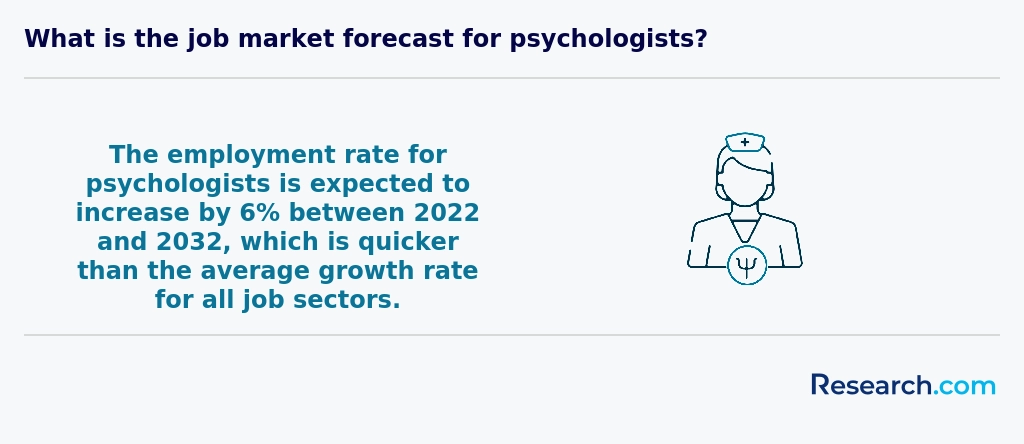
According to the U.S. Bureau of Labor Statistics, employment for psychologists is projected to grow 8% from 2022 to 2032, highlighting steady demand. Most psychology jobs in Colombia are focused on clinical, counseling, and educational roles, reflecting similar trends across the U.S. market.
Globally, psychology professionals contribute to mental health policy, human resources, and behavioral research, making the degree versatile and internationally relevant.
Gaining practical experience while studying for a psychology degree in Columbia is crucial for career readiness. Many universities integrate internships, allowing students to work in clinical, educational, or research settings. For example, Columbia University's psychology department recommends completing at least 100 hours of supervised experience to meet licensure requirements.
Students can also participate in on-campus research labs, contributing to ongoing studies. According to the American Psychological Association, research experience improves graduate program admission chances. Volunteering at local mental health clinics provides exposure to real-world challenges and strengthens practical skills.
Choosing the right concentration within a psychology degree in Columbia depends on your career goals and interests. Psychology offers areas like clinical, counseling, developmental, and industrial-organizational psychology. Clinical psychology is popular, focusing on mental health treatment, while industrial-organizational psychology applies psychological principles to workplace issues. Columbia has several accredited programs through the American Psychological Association, ensuring quality education.
Research local job markets and demand; for example, industrial-organizational psychology is growing due to increasing corporate focus on employee well-being, according to the U.S. Bureau of Labor Statistics. Consider internships or research opportunities available at the university to gain hands-on experience.
Finally, review faculty expertise and program resources to match your personal academic and professional aspirations.
- 2027 Best Psychology Degree Programs Ranking in Macon
- 2027 Best Psychology Degree Programs Ranking in Atlanta
- 2027 Best Psychology Degree Programs Ranking in Tallahassee
- 2027 Best Psychology Degree Programs Ranking in Montgomery
- 2027 Best Psychology Degree Programs Ranking in Daytona Beach
- 2027 Best Psychology Degree Programs Ranking in Birmingham
- 2027 Best Psychology Degree Programs Ranking in Louisville
- 2027 Best Psychology Degree Programs Ranking in Washington
- 2027 Best Psychology Degree Programs Ranking in Baltimore
- 2027 Best Psychology Degree Programs Ranking in Mobile
See What Experts Have To Say About Studying Psychology
Read our interview with Psychology experts

Robin M. Kowalski. Ph.D.
Psychology Expert
Professor of Psychology
Clemson University

Elizabeth L. Jeglic Ph.D.
Psychology Expert
Professor of Psychology
City University of New York

Joann Farrell Quinn, Ph.D., MBA
Psychology Expert
Director at the College of Medicine Department of Medical Education
Morsani College of Medicine

- Psychology - SWPS University https://english.swps.pl/academics/warsaw/ba-programs/psychology
- Professional Networking For Psychologists | Psychology.org https://www.psychology.org/resources/professional-networking/
- Why Get a Psychology Degree Online? | University of Bridgeport https://www.bridgeport.edu/news/reasons-to-get-your-psychology-degree-online/
- Psychology Online Degree Pathway https://www.learndirect.com/course/psychology-online-degree
- Psychology https://gocolumbia.edu/academics/programsofstudy/area_social_behavioral_sciences/psychology.html
- Psychology at Columbia University https://www.vaia.com/en-us/degrees/universities/columbia-university/psychology-at-columbia-university/
- Mental Health Challenges Faced by Psychology Students | The Healthcare Guys https://healthcareguys.com/2023/11/23/mental-health-challenges-faced-by-psychology-students/
- How Psychology Students Can Get Clinical Experience Before Graduating | The Playful Psychologist https://www.theplayfulpsychologist.com/post/students-experience-how-to-get-the-experience-you-need-before-you-graduate
- CLINICAL PSYCHOLOGY (THESIS / NON-THESIS) - Lisansüstü Eğitim Enstitüsü https://lee.nisantasi.edu.tr/en/clinical-psychology-thesis-non-thesis/
- Sample letters in psychology https://www.mystudies.com/en-in/human-and-social-sciences/psychology/letter-model/


