2027 Best Psychology Degree Programs Ranking in Missouri

Co-Founder and Chief Data Scientist
Choosing the right psychology degree program in Missouri is an important step toward a rewarding career. This article introduces the 2027 Best Psychology Degree Programs Ranking in Missouri, developed by the Research.com team of data scientists to help you make an informed decision.
By exploring this ranking, you'll discover top programs that match your goals and interests. Earning a psychology degree opens doors to many fulfilling paths, from counseling to research. Dive in to find a program that inspires and supports your future success.
Key benefits of getting psychology degree in Missouri
- Graduates with a psychology degree in Missouri can pursue roles like Marketing Research Analyst, earning a mean annual wage of $83,190, or Human Resources Specialist, with an average salary of $76,060, offering rewarding financial stability.
- Career paths often include positions in research, child development, or healthcare, such as Clinical Research Associate or Childcare Worker, showcasing the degree's versatility for diverse interests.
- Obtaining a psychology degree online from Missouri institutions provides flexibility and convenience, allowing students to balance work and study effectively without compromising on quality education.
- 2027 Best Psychology Degree Programs Ranking in Missouri
- What can I expect from psychology degree in Missouri?
- Where can I work with psychology degree in Missouri?
What can I expect from psychology degree in Missouri?
The average cost of pursuing a psychology degree in Missouri is quite manageable, especially if you attend a public university. For example, graduates from the University of Missouri-Columbia often recall that the in-state tuition hovers around $11,300 per year, making it affordable compared to many other states. Students also find relief in the availability of scholarships and state financial aid, which can significantly reduce out-of-pocket expenses.
Many students appreciate how this cost structure allows them to balance academics and practical experience without overwhelming debt. Those enrolled at institutions like Missouri State University benefit similarly, noting that public university tuition rates make it easier to focus on gaining essential clinical skills and internships rather than financial stress.
By planning finances around these costs, students can confidently pursue a psychology degree while accessing practical training opportunities relevant to Missouri's mental health landscape. This approach helps keep the dream of becoming a licensed psychologist or counselor within reach.
Where can I work with psychology degree in Missouri?
Graduates from psychology programs at institutions like the University of Missouri or Saint Louis University often find clear pathways into licensed psychologist roles. These positions require a doctoral degree and supervised clinical experience, but offer rewarding work in hospitals or private practices, helping real people manage mental health challenges.
Many students from Missouri State University share stories of starting as mental health counselors or case managers in community agencies right after earning their bachelor's or master's degrees. These roles provide hands-on experience and steady income, averaging around $48,000 annually, with promising job growth.
School psychology is another practical option, especially for those earning specialist-level degrees. Graduates frequently work in K-12 schools across the state, supporting students' learning and emotional well-being under Missouri's certification standards.
Others leverage their degrees in corporate settings, becoming human resources specialists or organizational psychologists, improving workplace dynamics in nearby business hubs. Forensic psychology openings within Missouri's correctional facilities also provide meaningful roles helping with rehabilitation.
Choosing psychology in Missouri means accessing diverse, stable careers that connect education to community impact and personal fulfillment.
Graduates with a psychology degree from Missouri universities like the University of Missouri or Missouri State University typically find diverse earning paths depending on their chosen roles. For entry-level positions such as Childcare Worker or Clinical Research Associate, salaries generally range from about $32,070 to $62,370 annually. These roles provide valuable experience and a foothold in the human services or research fields.
Many alumni progress to jobs like Human Resources Specialist, where the mean annual wage climbs to around $76,060, reflecting increased responsibility and the application of psychological insights to workforce management. Others choose the marketing research analyst route, where the mean salary rises to approximately $83,190, blending psychology with business strategy.
Experienced graduates appreciate that urban areas such as St. Louis and Kansas City often offer salaries closer to or above these averages. Missouri graduates report feeling encouraged by steady career growth prospects and salary improvements when pursuing specialized roles and advanced degrees, especially when combined with licensure.
- Public universities in Missouri charge about $10,000 to $12,000 per year for in-state undergraduate psychology tuition.
- Private institutions can cost between $20,000 and $40,000 annually for psychology degrees.
- Graduate psychology programs often range from $15,000 to more than $30,000 per year depending on residency and program.
- Entry-level psychology jobs in Missouri offer salaries around $40,000 to $50,000 annually.
- Experienced psychologists or those with advanced degrees can earn $70,000 to $90,000 or more per year.
- Licensure for psychologists in Missouri usually requires a doctorate, supervised experience, and passing a professional exam.
Completing a psychology degree in Missouri typically takes about four years for undergraduates attending schools like the University of Missouri-Columbia or Missouri State University. Many graduates share how a structured curriculum combining lectures, lab work, and a senior thesis helped them stay on track while gaining hands-on experience.
If you're aiming for a master's degree in psychology, plan for two to three years full-time. Missouri students often describe this stage as intense but rewarding, especially when completing a thesis or practicum that connects classroom theory with real-world practice.
For those pursuing a doctorate (PhD or PsyD), expect five to seven years due to demanding coursework, exams, internships, and dissertation research. Missouri doctorate students frequently emphasize how clinical placements in local communities deepen their learning and professional growth.
Keep in mind, factors like part-time study or specific internship opportunities at Missouri institutions can slightly extend your timeline but also enrich your education and career readiness.
Ensuring a psychology program is regionally accredited and meets Missouri’s licensure standards is essential for graduates aiming to become licensed practitioners. The Missouri Committee of Psychologists requires candidates to hold a bachelor’s degree in psychology or a closely related field from an institution accredited by one of the six regional accrediting bodies recognized by the U.S. Department of Education. Additionally, many employers and graduate schools prefer-or mandate-completion of an American Psychological Association (APA)-accredited master’s or doctoral program. Before enrolling, students should verify that their chosen program provides coursework aligned with the Missouri licensure exam content outline and offers practicum hours supervised by a licensed psychologist. Programs listed in the Inexpensive Online Bachelor’s in Psychology Degree Programs Ranking in Missouri help prospective students identify cost-effective, accredited options that satisfy these requirements. After graduation, candidates must complete: • 1,750 hours of supervised professional experience (SPE) at the post-baccalaureate level. • Pass the Examination for Professional Practice in Psychology (EPPP) with a minimum score set by Missouri’s Board of Psychology. • Submit a successful jurisprudence examination on Missouri’s statutes and rules governing psychology practice. By focusing on accredited programs and planning for supervised experiences, students can streamline their path to licensure. Early consultation with academic advisors and the Missouri Board of Psychology ensures alignment with evolving regulations and accelerates entry into professional roles such as clinical psychologist, school psychologist, or licensed counselor.
Choosing between online and on-campus psychology degrees in Missouri hinges on your learning style and schedule. Graduates from the University of Missouri often praise the face-to-face interactions that on-campus programs provide-like lively class discussions and hands-on lab work-that deepen understanding and build close faculty relationships.
On the other hand, students at Missouri State University who balanced jobs and family responsibilities highlight the flexibility of online programs. They attend lectures on their own time without missing key content, which allows them to stay on track without compromising other commitments.
In terms of cost, in-state tuition typically ranges from $9,000 to $12,000 annually at public Missouri universities. Some online programs can be slightly more affordable but watch out for additional fees such as technology or proctored exam costs.
Networking opportunities differ as well: on-campus students benefit from career fairs and psychology clubs while online learners often rely on virtual counseling and forums, requiring extra initiative to connect with peers and faculty.
Choosing a psychology program without proper accreditation can delay your ability to practice. In Missouri, aspiring psychologists and school counselors must graduate from programs recognized by the American Psychological Association (APA) or the Council for Accreditation of Counseling and Related Educational Programs (CACREP). These accreditations ensure that coursework aligns with state licensure requirements and that graduates are eligible to sit for the Examination for Professional Practice in Psychology (EPPP) or state counseling exams. Key elements to consider:
- APA/CACREP Accreditation: Verify that the institution’s doctoral or master’s program holds current APA or CACREP status, as this directly affects eligibility for licensure.
- Supervised Hours: Missouri requires a minimum of 1,500 supervised practice hours post-degree; some specializations, like school psychology, may demand additional practicum or internship hours.
- Examination Requirements: Graduates must pass the EPPP (for psychologists) or the Missouri Jurisprudence Exam (for counselors) within five years of completing their degree.
- State Board Application: The Missouri Committee for Professional Counselors and the Missouri Board of Psychology outline application steps, fees, and documentation needed.
- Continuing Education: Licensed professionals must complete 30 hours of continuing education every two years to maintain good standing. For students interested in specialized credentials such as Board Certified Behavior Analysts, planning around bcba cost and supervised fieldwork is crucial to fulfilling both certification and financial requirements.
The average cost of a psychology degree in Missouri centers around a median total of approximately $37,764, with in-state students paying closer to $19,055. For many students attending public universities, this translates into manageable annual tuition, especially when combined with practical budgeting for textbooks and materials. For example, graduates from the University of Missouri often emphasize how planning early for both tuition and associated expenses made the financial challenge feel achievable rather than overwhelming.
Private colleges in Missouri, such as Washington University in St. Louis, tend to have higher tuition fees-which can push the total cost closer to the median out-of-state figure. Yet, many students highlight how access to strong research programs and scholarships softened these costs. Scholarship programs and financial aid can make a significant difference in controlling the total expenses for psychology degree Missouri candidates.
Graduate students pursuing master's or doctoral degrees typically see higher expenses; however, many balance these costs with assistantships or clinical placements that provide both valuable experience and financial support. When budgeting, it helps to consider these added fees alongside tuition, keeping in mind that many resources exist to offset costs.
To explore affordable programs and options, it's practical to review listings of affordable psychology schools in Missouri. Graduates nationwide have found that an informed, step-by-step financial plan combined with these resources made their psychology education a rewarding investment rather than a burden.
When considering a psychology degree in Missouri, one of the most significant concerns for prospective students is the financial aspect. The cost of attending college can be daunting, and many students worry about how they will afford their education. However, there are several options available to help make a psychology degree more affordable. For instance, students can explore affordable psychology schools in Missouri, which can provide a high-quality education at a lower cost. Additionally, many universities offer financial aid, scholarships, and grants to help students cover the cost of tuition. By doing their research and exploring these options, students can find a way to make their educational goals a reality, even on a limited budget.
Psychology students in Missouri can access several financial aid options to manage tuition costs, which can range from $9,000 to over $30,000 annually depending on whether they attend public schools like the University of Missouri or private institutions such as Webster University. The first step is completing the FAFSA to unlock federal aid including Pell Grants, which can award up to $7,395 annually for students with financial need. Many graduates recall how these grants made a tangible difference, allowing them to focus more on studies and less on bills.
State programs like the Access Missouri Financial Assistance Program offer additional need-based grants that many Missouri residents have successfully used to bridge funding gaps. Psychology students often share how applying for scholarships through local organizations, such as the Missouri Psychological Association, provided both financial relief and a sense of community support.
Students aiming for graduate psychology degrees at schools like Saint Louis University find that federal Direct Subsidized and Unsubsidized Loans provide low-interest borrowing options, easing the pressure of upfront costs. Moreover, pursuing assistantships or work-study roles helps graduate students gain valuable experience while offsetting expenses.
Prospective students often benefit from a clear, step-by-step guide on navigating the admissions process for psychology programs in Missouri. In this section, we explore insider tips to strengthen your application, from perfecting your personal statement to collecting the best recommendations. Start by researching each university’s unique requirements and deadlines, ensuring that your transcripts, test scores, and application essays are ready well in advance. Focus on tailoring your personal statement to reflect not only your passion for understanding the human mind but also your commitment to community engagement and practical experience. Highlight internships, volunteer work, or research projects that demonstrate your proactive approach in the field of psychology. Additionally, preparing for interviews or open-house events can provide valuable insights into a program’s culture and academic focus. Consider reaching out to current or former students for firsthand advice-it can help refine your approach and boost your confidence. For those looking to accelerate their studies while balancing work and personal commitments, programs like the fastest psychology degree offer flexible options that might align perfectly with your goals. Remember, attention to detail and early preparation can significantly enhance your application’s impact, paving the way for a successful educational journey in Missouri’s esteemed psychology programs.
To enroll in a psychology degree program in Missouri, start by ensuring you meet the basic academic requirements. For undergraduate programs, universities like the University of Missouri or Missouri State typically expect a high school diploma with a GPA around 2.5 to 3.0. Graduates often recall that having solid coursework in biology and math made the transition smoother, since these subjects support psychology's scientific foundation.
Standardized tests like the SAT or ACT may be required, but many schools have adopted test-optional policies recently, which offers flexibility. Checking each school's admissions guidelines is essential to avoid surprises.
For graduate studies at places such as Saint Louis University, candidates usually need a bachelor's degree in psychology or a related field. Successful applicants highlight the value of previous coursework in statistics and research methods, along with relevant volunteer work in mental health settings, which helps strengthen applications.
Letters of recommendation and personal statements are common-graduates often share that these elements provided a chance to showcase their passion and commitment beyond grades.
One of the most critical factors when choosing a psychology degree program is accreditation, which ensures academic quality and smooth transfer of credits. In Missouri, the Higher Learning Commission (HLC) is the regional accrediting body overseeing public and private institutions; students should verify that their chosen school holds HLC accreditation to maintain eligibility for federal aid and graduate study. While the American Psychological Association (APA) does not accredit undergraduate programs, its standards guide many graduate curricula-so selecting a bachelor’s program that aligns with APA recommendations can streamline the path to an APA-accredited master’s or doctoral program. Licensure requirements in Missouri vary by career path. Aspiring counselors or clinical psychologists typically need at least a master’s degree and supervised clinical hours; the Missouri Committee for Professional Counselors oversees LPC licensure, requiring 3,000 supervised hours post-master’s. School psychologists must complete an NASP-approved specialist degree and register with the Missouri Department of Elementary and Secondary Education. Understanding these pathways early helps undergraduates plan coursework and internships strategically. For students balancing budgetary constraints, it’s wise to explore cost-effective programs that still meet accreditation standards. Prospective majors can compare tuition, accreditation, and student outcomes using our Inexpensive Online Bachelor's in Psychology Degree Programs Ranking in Missouri, ensuring they invest in a credential that’s both affordable and recognized by employers and licensing boards.
In Missouri, a psychology degree typically includes foundational courses that equip you with essential knowledge and skills. Graduates from universities like the University of Missouri or Saint Louis University recall how taking Introduction to Psychology gave them a clear overview of human behavior, making complex theories feel relevant to daily life. Courses such as Developmental Psychology help you understand the stages of growth from infancy to adulthood, which many found useful when interacting with diverse age groups during community internships.
Expect to study Biopsychology or Neuroscience, where you'll explore how brain functions influence behavior-ideal for those curious about the science behind emotions and actions. Research Methods and Statistics for Behavioral Sciences teach practical skills in designing experiments and analyzing data, which graduates say boosted their confidence in conducting real research projects.
Other key courses like Social Psychology, Abnormal Psychology, and Cognitive Psychology prepare you for careers dealing with social behavior, mental health disorders, and cognitive function. These classes often include case studies or role-playing scenarios, making the material engaging and directly applicable to internships and later work in Missouri's healthcare or educational settings.
If you're considering a psychology degree in Missouri, you'll find several practical specializations designed to match both career goals and market demand. Popular options include Clinical Psychology, where graduates often find rewarding roles diagnosing and treating mental health disorders across the state. Counseling Psychology is another favorite, equipping students with skills to help people manage stress and emotional challenges, a path that many Missouri license holders pursue.
Industrial-Organizational Psychology fits well if you're interested in improving workplace dynamics, especially at well-known Missouri universities popular for business and social sciences. School Psychology trains students to support children's development in local K-12 schools, while Forensic Psychology aligns with Missouri's growing criminal justice field. Some graduates also choose Health Psychology, reflecting the expanding healthcare sector in the state.
Students often praise how these best psychology concentration options Missouri programs include hands-on internships and research opportunities, making the learning experience both practical and inspiring. For those wanting to speed up their education, checking out the fastest psychology degree options can provide a clear path forward.
Begin by pinpointing your career goals to choose the best affordable psychology degree programs Missouri offers. For instance, graduates from the University of Missouri-Columbia often emphasize how their APA-accredited doctoral programs paved the way for licensure and clinical practice. If research or teaching appeals more, exploring graduate degrees like an MS or PhD at Missouri State University might suit you better, offering specialized faculty expertise and diverse research opportunities.
Cost is a major factor. Graduates frequently share that tuition at public universities offers relief compared to private institutions, and exploring financial aid is essential. Additionally, some look for options balancing affordability with flexibility, such as hybrid or online courses. Comparing tuition alongside program format helps you avoid surprises. If you want to know more about managing expenses on board certification routes, check out resources on bcba cost.
Check admission requirements closely. Graduates recount how preparing for GRE scores and gathering strong recommendation letters improved their chances, especially in competitive psychology programs. Lastly, look for programs with strong graduation rates to feel confident you'll receive the support needed to succeed at popular schools across Missouri.
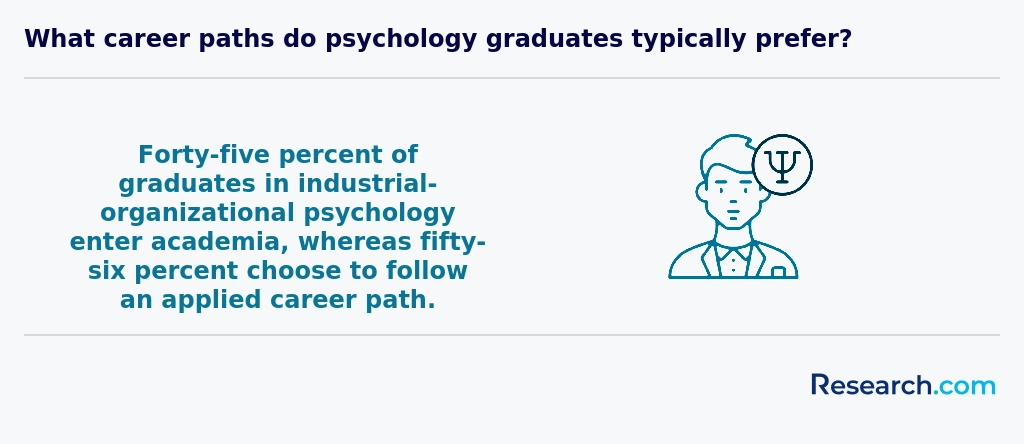
Graduates from psychology programs at universities like the University of Missouri or Saint Louis University often pursue diverse psychology career options in Missouri ranging from clinical psychology to industrial-organizational roles. For example, many clinical psychology graduates secure licensure and work in mental health clinics, directly helping individuals improve their well-being. Those interested in schools might become certified school psychologists working within public districts, addressing student behavioral challenges. Industrial-organizational psychology, while less common, offers opportunities in corporate environments to enhance workplace productivity and employee satisfaction.
Practical experience gained through internships or campus partnerships at colleges such as Missouri State University enables graduates to confidently step into these roles. For students mindful of costs, considering options like the Inexpensive Online Bachelor's in Psychology Degree Programs Ranking in Missouri helps balance education expenses with career aspirations. Job opportunities with psychology degree Missouri often expand with advanced certifications or graduate degrees, especially in counseling or research positions within universities or government agencies.
The job market for psychology degree graduates in Missouri is promising but requires strategic planning. Many graduates from universities such as the University of Missouri and Saint Louis University find opportunities in healthcare settings, schools, and corporate environments, reflecting broad demand for skills in clinical, counseling, and industrial-organizational psychology. Understanding local licensure requirements, especially for school psychologists, is crucial since Missouri mandates state licensure and the Department of Elementary and Secondary Education consistently reports openings in this area. Starting salaries for school psychologists hover around $50,000, with growth tied to experience.
Graduates often emphasize the value of selecting affordable programs to manage educational expenses effectively. Tuition for in-state students at Missouri public universities usually ranges from $9,000 to $12,000 per year, while private colleges may charge considerably more. For prospective students assessing costs, exploring Inexpensive Online Bachelor's in Psychology Degree Programs Ranking in Missouri can be a practical step in finding reasonable options.
Pursuing graduate education can enhance job prospects and salary potential, particularly for advanced clinical roles. For those focusing on psychology degree job opportunities Missouri offers a steady rise in demand linked to expanded healthcare access and mental health awareness. Graduates' successes in Missouri-based hospitals, school districts, and corporate wellness programs illustrate a realistic pathway to a rewarding career in psychology.
2027 Best Psychology Degree Programs Ranking in Missouri
Investing in your education is a significant decision that can impact your career and personal growth, and the Research.com team is committed to helping you make well-informed choices. To assist prospective students, we have carefully developed the "2027 Best Psychology Degree Programs Ranking in Missouri." Our dedication to quality, credibility, and accuracy is demonstrated through rigorous research and thorough analysis.
We utilized the following reputable data sources to ensure a comprehensive evaluation of psychology programs:
By exploring this ranking, readers will gain valuable insights into Missouri's top psychology programs, empowering them to select the best fit for their academic and professional goals. For more information on how the ranking was created, please visit our Research.com methodology page.


Frequently Asked Questions About psychology
Psychology degree students in Missouri can maximize their learning experience by actively engaging in both coursework and practical opportunities. Many Missouri colleges, such as the University of Missouri, emphasize internships and research projects, which help students apply theoretical knowledge in real-world settings. According to the Missouri Department of Higher Education, students who participate in internships increase their job placement rates by up to 20%.
Building relationships with faculty experts can also enhance learning, as personalized mentorship offers tailored academic guidance. Additionally, joining campus psychology clubs or organizations encourages networking with peers who share similar interests.
Leveraging online databases and Missouri-based research centers provides access to the latest studies in psychology, ensuring students stay current with advances in the field.
Emerging niches within the psychology field in Missouri reflect broader national trends, with increasing opportunities in areas like forensic psychology, neuropsychology, and health psychology. Forensic psychology is growing due to a rising need for expert testimony and criminal behavior analysis. Neuropsychology appeals to those interested in brain-behavior relationships, especially with Missouri's expanding healthcare systems. Health psychology focuses on how mental health impacts physical health, a priority in public health initiatives across the state.
Missouri's labor market indicates a 14% projected growth in clinical, counseling, and school psychologists from 2020 to 2030, signaling strong demand in specialized psychology fields (Bureau of Labor Statistics).
After completing a psychology degree in Missouri, preparing for the job market involves several key steps. First, gaining practical experience through internships or volunteer work is crucial. Many Missouri universities partner with local clinics and organizations, offering hands-on opportunities that improve employability.
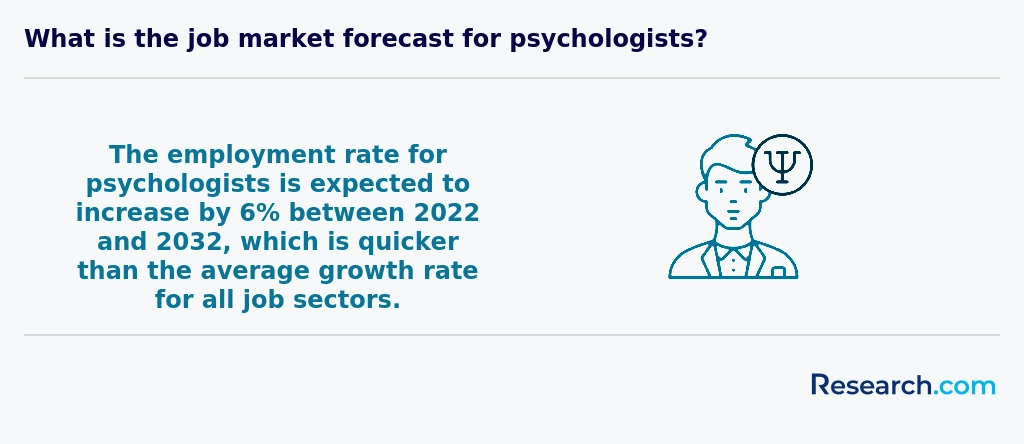
Second, networking through memberships like the Missouri Psychological Association can connect graduates with professionals and job openings. According to the Bureau of Labor Statistics, jobs for psychologists in Missouri are projected to grow 8% from 2022 to 2032, signaling a positive job outlook.
Finally, consider obtaining relevant licenses or certifications, such as the Licensed Professional Counselors credential, to expand career prospects in clinical or counseling roles within the state.
Employers in Missouri value several key skills when hiring psychology degree graduates. Strong analytical abilities are essential, as professionals must interpret complex data accurately. Communication skills-both written and verbal-are highly sought after to effectively engage with clients and colleagues.
Additionally, graduates need practical knowledge of research methods and statistical software, reflecting the data-driven nature of psychology careers. According to the Missouri Department of Higher Education, critical thinking and ethical decision-making rank among the top attributes for psychology roles statewide.
Interpersonal skills also remain crucial, especially in clinical or counseling settings where building trust is necessary. Finally, adaptability and problem-solving are emphasized as Missouri's psychology job market evolves with new technologies and diverse populations.
Finding psychology internships in Missouri involves leveraging resources at universities and local organizations. Many Missouri colleges, such as the University of Missouri and Washington University in St. Louis, offer internship placement assistance through their psychology departments. These internships often partner with hospitals, mental health clinics, and community centers.
The Missouri Psychological Association provides a directory of approved internship sites, which can be helpful for students seeking practical experience. Additionally, students should explore the Missouri Department of Mental Health internships, as the state employs numerous psychology professionals.
Networking through campus career services and joining psychology-related student groups increases internship opportunities.
A psychology degree in Missouri offers significant advantages for career mobility and advancement. Graduates gain critical skills valued in diverse fields such as healthcare, education, social services, and business. According to the Missouri Economic Research and Information Center (MERIC), jobs for psychologists in Missouri are projected to grow by 7% through 2030, slightly above the national average.
Holding a bachelor's degree can open entry-level positions, but advanced degrees such as a master's or doctorate provide greater access to specialized roles and higher salaries. For example, licensed clinical psychologists in Missouri earn a median annual wage of approximately $78,000, according to the U.S. Bureau of Labor Statistics.
Moreover, psychology degrees support career shifts into related industries including human resources, counseling, and research, enhancing professional flexibility. Missouri's licensure requirements encourage advanced education, which directly impacts promotion possibilities in mental health careers.
Studying for a psychology degree in Missouri equips students with versatile skills applicable across various interdisciplinary roles. Missouri's programs often emphasize research methods, statistics, and applied psychology, enabling graduates to collaborate effectively with fields such as healthcare, social work, and education. According to the Missouri Department of Higher Education, psychology graduates frequently engage in roles requiring knowledge of human behavior alongside expertise in counseling, public health, or business management.
Many Missouri institutions encourage experiential learning through internships and community partnerships. This hands-on approach develops communication and critical thinking skills valued in interdisciplinary teams.
Missouri's growing health and social service sectors increase demand for professionals who can integrate psychological principles with other disciplines, ensuring graduates are well-prepared for diverse career paths.
Choosing between a thesis and a non-thesis psychology degree program in Missouri depends largely on your career goals and learning preferences. Thesis options emphasize research skills, requiring original research and a formal written document. This path suits students aiming for doctoral study or research-focused roles. Non-thesis programs prioritize coursework and practical experience, often preferred by those seeking to enter counseling, education, or applied psychology jobs sooner.
In Missouri, universities like the University of Missouri offer both tracks, with about 60% of psychology graduates pursuing non-thesis routes to expedite entry into the workforce, according to the Missouri Department of Higher Education. Consider program requirements, time commitment, and faculty expertise when deciding.
Students based in Missouri who want to study psychology abroad have several options through their home institutions. Many Missouri universities, such as the University of Missouri and Saint Louis University, offer study abroad programs that include coursework in psychology. These programs often partner with universities in countries like the United Kingdom, Australia, and Spain, providing students with opportunities to experience different cultural perspectives in psychology.
Additionally, students can participate in faculty-led short-term programs or exchanges focused on psychology topics. According to the Institute of International Education, over 10% of Missouri students engage in study abroad activities annually, some within social sciences like psychology. Missouri universities also support credit transfer systems to ensure international courses count toward psychology degrees, helping students maintain academic progress while abroad.
Students pursuing psychology degrees in Missouri have several part-time job opportunities that align well with their academic goals. Many find roles as research assistants at universities like the University of Missouri, where hands-on experience with psychological studies supports their coursework. According to the Missouri Economic Research and Information Center, employment in social and community service occupations, which includes counseling assistant roles, is projected to grow by 9% through 2030, offering practical experience for psychology students.
Other common positions include behavioral health aides and case management assistants in community health centers. These jobs provide direct client interaction and a deeper understanding of mental health services. Gaining such experience can improve prospects for graduate programs or licensure in Missouri's psychology field.
Psychology students in Missouri have several valuable networking opportunities that can enhance their educational and career prospects. Many universities, such as the University of Missouri and Washington University in St. Louis, host psychology clubs and honor societies like Psi Chi, which provide a platform for students to connect with peers and professionals.
Statewide organizations like the Missouri Psychological Association offer student memberships, giving access to conferences and workshops. These events facilitate connections with licensed psychologists and potential employers.
Internships and research programs through universities often include networking components, allowing students to meet practitioners in clinical, research, and counseling settings. According to the Missouri Department of Higher Education, nearly 45% of psychology graduates engage in internships before earning their degree.
Alumni networks play a crucial role for psychology degree students in Missouri by offering key professional connections. These networks often provide mentoring from experienced graduates, which can improve job prospects and career development. According to the Missouri Department of Higher Education, psychology graduates who engage with alumni communities report a higher employment rate within six months of graduation.
Through networking events and online platforms, students gain access to internships, workshops, and research opportunities, essential for building practical skills. Additionally, alumni insights help students navigate licensure requirements and specialty certifications specific to Missouri's psychology field.
This support system fosters a collaborative environment, encouraging knowledge sharing and lifelong professional relationships.
Students pursuing psychology degrees in Missouri have various options to tailor their programs according to their career goals. Many universities offer concentrations such as clinical psychology, counseling, or forensic psychology. Choosing electives aligned with your interest allows deeper knowledge in specialized areas relevant to your desired profession.
Missouri institutions often provide experiential learning opportunities, including internships at local hospitals, schools, or community agencies. These practical experiences help build skills and professional networks. Additionally, students can engage in research projects, which are essential for those planning to pursue graduate studies.
Advisors at Missouri colleges can assist in planning course loads that meet licensure requirements for careers like licensed professional counselor or school psychologist, ensuring your education fulfills state standards from organizations like the Missouri Chapter of the American Psychological Association.
Psychology students in Missouri face several common challenges throughout their academic journey. A notable difficulty is balancing rigorous coursework with required practicum or internship hours, which are essential for hands-on experience but can be time-consuming. According to the Missouri Department of Higher Education, many students report stress linked to meeting these demands alongside part-time jobs or family responsibilities.
Another challenge is navigating the competitive nature of graduate program admissions, especially for PsyD and PhD degrees. Missouri schools often have limited spots, making acceptance rates low and causing anxiety among applicants.
Financial concerns also affect many psychology students. The average tuition for in-state psychology programs in Missouri can range between $7,000 and $20,000 annually, depending on the institution and degree level, as noted by the National Center for Education Statistics.
With a psychology degree in Missouri, you can pursue several professional certifications that enhance your career opportunities. One common certification is the Licensed Professional Counselor (LPC), which allows you to provide mental health counseling after completing supervised hours and passing a state exam. According to the Missouri Division of Professional Registration, LPC certification requires a master's degree in counseling or a related field.
Another important certification is the Licensed Psychologist credential, which demands a doctoral degree, supervised experience, and passing the Examination for Professional Practice in Psychology (EPPP). Additionally, certifications such as Certified Alcohol and Drug Counselor (CADC) are available for specialization in substance abuse treatment. These certifications demonstrate expertise and improve employability within Missouri's mental health field.
When applying to psychology programs in Missouri, it is essential to highlight strong academic performance, especially in psychology and related sciences. Most programs require a minimum GPA of 3.0, but competitive applicants often exceed this.
Include a well-crafted personal statement that clearly expresses your passion for psychology and your career goals. Tailor this essay to each school, demonstrating knowledge of their specific faculty interests and research opportunities.
Obtain letters of recommendation from professors or professionals familiar with your abilities. Missouri universities value endorsements reflecting your research skills and commitment.
Additionally, relevant volunteer or work experience in psychological settings can strengthen your application, showing practical understanding.
According to the Missouri Department of Higher Education, emphasizing both academic and practical experiences can increase your admission chances.
Psychology is a globally recognized field, yet career opportunities and approaches vary across countries. In the United States, including Missouri, psychology emphasizes evidence-based practice and research. According to the U.S. Bureau of Labor Statistics, Missouri employed about 7,500 psychologists in 2022, reflecting steady local demand.
Globally, psychologists might focus more on clinical roles or community mental health, depending on regional needs and healthcare systems. The emphasis on advanced degrees, like master's or doctoral programs, remains consistent in many countries.
For Missouri students, understanding these international differences highlights the versatility of a psychology degree and prepares them for potential work beyond state or national borders.
Gaining practical experience while studying for a psychology degree in Missouri is essential for career preparation. Many Missouri universities encourage students to complete internships, which provide hands-on learning in clinical, counseling, or research settings. For example, internships can be found in hospitals, schools, and community service agencies across the state. According to the Missouri Psychological Association, gaining supervised experience during your degree helps meet state licensure requirements later on.
Research assistant positions are another option, offering opportunities to work on active psychology studies at university labs. Missouri schools like the University of Missouri and Saint Louis University often have these roles available to undergraduates. Additionally, joining psychology clubs or volunteering for mental health organizations in Missouri can enhance practical skills and networking.
Choosing the right concentration within a psychology degree program in Missouri depends on your career goals and interests. Common concentrations include clinical psychology, counseling, industrial-organizational psychology, and school psychology. Each pathway requires different skills and prepares graduates for distinct roles in healthcare, education, or business settings.
Consider the demand for professionals in Missouri: for example, the Bureau of Labor Statistics reports a growing need for clinical psychologists and counselors in the state, reflecting increased mental health awareness. Schools like the University of Missouri offer specialized tracks that align with these trends.
Research the specific curriculum and practicum opportunities available at Missouri institutions. Gaining hands-on experience through internships or supervised practice is critical for licensure and employment. Additionally, review accreditation status, such as APA approval, especially for clinical tracks.
Ultimately, align your choice with your strengths and long-term aspirations, while taking advantage of Missouri's resources and market needs.
- 2027 Best Psychology Degree Programs Ranking in Kansas
- 2027 Best Psychology Degree Programs Ranking in Iowa
- 2027 Best Psychology Degree Programs Ranking in Illinois
- 2027 Best Psychology Degree Programs Ranking in Indiana
- 2027 Best Psychology Degree Programs Ranking in Colorado
- 2027 Best Psychology Degree Programs Ranking in Louisiana
- 2027 Best Psychology Degree Programs Ranking in Alabama
- 2027 Best Psychology Degree Programs Ranking in Georgia
- 2027 Best Psychology Degree Programs Ranking in Florida
- 2027 Best Psychology Degree Programs Ranking in Maryland
See What Experts Have To Say About Studying Psychology
Read our interview with Psychology experts

Joann Farrell Quinn, Ph.D., MBA
Psychology Expert
Director at the College of Medicine Department of Medical Education
Morsani College of Medicine

Robin M. Kowalski. Ph.D.
Psychology Expert
Professor of Psychology
Clemson University

Catherine Caldwell-Harris, Ph.D.
Psychology Expert
Associate Professor of Psychology
Boston University

- Call for papers https://www.hogrefe.com/us/journal/international-perspectives-in-psychology-research-practice-consultation
- Professional Networking For Psychologists | Psychology.org https://www.psychology.org/resources/professional-networking/
- Know more about thesis vs non- thesis: what is the difference? https://studyfans.com/en/blogs/816
- Have You Found a Niche? https://www.apaservices.org/practice/business/marketing/building/niche
- Alumni Perspectives - Meet Our FPN Alumni https://www.aanmelder.nl/alumni-perspectives-june-2023
- Best Online and Campus Psychology Schools in Missouri https://www.psychologydegree411.com/schools/missouri/
- Missouri Online Psychology Degree Programs https://www.onlinepsychologydegrees.com/states/missouri/
- How to help students cope with mental health challenges https://www.eaie.org/resource/help-students-cope-mental-health-challenges.html
- Best Missouri Psychology Degrees Updated for 2025, Online Included https://www.psychologydegrees.org/state/missouri
- A Guide to Psychology Internships | Psychology Degree Guide https://psychologydegreeguide.org/resources/internships/