2027 Most Valuable Psychology Degree Programs Ranking in Fayetteville

Co-Founder and Chief Data Scientist
Choosing the right psychology degree program in Fayetteville can shape your future career and personal growth. This article introduces the 2027 Most Valuable Psychology Degree Programs Ranking in Fayetteville, created by the Research.com team of data scientists to guide you in making an informed decision.
By exploring this ranking, you'll discover which programs offer strong value, helping you invest time and resources wisely. Earning a psychology degree opens doors to meaningful opportunities and a deeper understanding of human behavior, making your educational journey rewarding and impactful.
Key benefits of getting psychology degree in Fayetteville
- Salary: Psychology degree holders in Fayetteville can expect rewarding salaries, such as Human Resources Specialists earning around $76,060 annually and Marketing Research Analysts making about $83,190 per year, offering strong financial opportunities.
- Career paths: Graduates from Fayetteville State University commonly pursue diverse roles including Clinical Research Associates and Survey Researchers, both earning approximately $62,370 per year, reflecting varied and exciting career options.
- Online degree benefits: Earning a psychology degree online through a Fayetteville university offers flexibility and accessibility without sacrificing quality, making it easier for students to balance work and study while preparing for a fulfilling career.
- 2027 Most Valuable Psychology Degree Programs Ranking in Fayetteville
- What can I expect from psychology degree in Fayetteville?
- Where can I work with psychology degree in Fayetteville?
What can I expect from psychology degree in Fayetteville?
For many Fayetteville students chasing a psychology degree, the financial journey feels like navigating a winding trail through the Ozarks-full of anticipation and calculated steps. At the University of Arkansas, tuition for an undergraduate program typically hovers around $9,000 annually for in-state students, a manageable figure for those combining scholarships and part-time campus jobs. Graduates often recall balancing late-night study sessions on cognitive psychology with shifts at community centers, weaving together learning and earning.
Graduate paths, especially doctoral programs, come with heftier price tags, sometimes reaching $20,000 a year, but they unfold opportunities dense with mentorship, research, and clinical placements-each dollar an investment in specialized expertise. Local partnerships amplify value, letting students dive into hands-on experiences without hefty additional costs. These immersive engagements foster excitement and confidence, making every credit hour feel like a step closer to a meaningful career in Fayetteville's mental health and educational institutions.
Where can I work with psychology degree in Fayetteville?
With a psychology degree from Fayetteville State University or Fayetteville Technical Community College, graduates find themselves stepping into vibrant roles that shape the community's mental health landscape. Imagine starting your day at Womack Army Medical Center, assisting soldiers and their families through psychological assessments that feel like vital lifelines.
Others dive into the school hallways of Cumberland County, acting as anchors for students navigating behavioral storms or social challenges. One graduate shared how supporting a struggling teen transformed both their lives, highlighting the profound impact school psychologists hold.
Fayetteville's social service agencies also beckon, especially near Fort Bragg, where counselors engage in heartfelt crisis interventions and community outreach, blending psychology with real-world urgency.
Meanwhile, business sectors in Fayetteville unveil unexpected opportunities-graduates apply psychology in HR departments, tuning into employee well-being and boosting workplace harmony, making abstract theories tangibly valuable.
Whether a graduate pursues a master's locally or online, Fayetteville's unique blend of military, educational, healthcare, and business settings offers a dynamic career mosaic full of purpose and growth.
Picture this: you've just wrapped up your psychology degree at the University of Arkansas in Fayetteville, buzzing with fresh knowledge and eager to transform lives-and your paycheck reflects that promise. Entry-level grads often dive into roles like clinical research associates or survey researchers, where the median annual wage hovers around $62,370. It's not blockbuster money, but it's a solid start that matches the vibrant yet affordable Fayetteville lifestyle.
For those who branch out into human resources, the scene brightens. Imagine collaborating on talent acquisition at a local firm, enjoying a mean annual salary of $76,060, bringing some serious financial comfort to your mornings in the scenic Ozarks.
Got a knack for decoding market trends? Psychology grads tapping into marketing research analysis in Fayetteville can expect about $83,190 a year, blending data-driven insights with mind-reading skills-almost like turning psychology into a lucrative art form.
Even roles like childcare work offer a heartfelt paycheck around $32,070, perfect for compassionate grads shaping young minds while savoring Fayetteville's community vibe. These numbers dance within reach, coloring what a Fayetteville psychology grad can realistically expect post-degree, with plenty of room to grow and thrive.
- The annual cost for a bachelor's degree in psychology in Fayetteville ranges from $8,000 to $20,000, with community colleges and state universities offering more affordable tuition than private institutions.
- Entry-level psychology jobs for bachelor's degree holders include case managers, mental health technicians, and research assistants, with an average starting salary of about $40,000 per year.
- Graduate programs such as master's and doctoral degrees are available locally, leading to higher salaries between $60,000 and $75,000 for mid-career professionals depending on experience and specialization.
- The psychology job market in Fayetteville is expected to grow by approximately 10% over the next decade, with strong demand in healthcare, education, and social services.
- Proximity to military bases provides additional job opportunities in counseling and support roles for veterans and active-duty personnel, often including benefits and continuing education programs.
In Fayetteville, the psychology journey unfolds with familiar rhythm-a bachelor's degree typically blooms over four vibrant years, much like the steady growth of friendships in the University of Arkansas lecture halls. Imagine diving into 120 credit hours that weave general education with the fascinating core of psychology, sparking moments of insight that past graduates recall as eye-opening and deeply rewarding.
For those chasing mastery, the master's degree stretches time longer, around two to three years, blending coursework with hands-on experiences that transform theory into real-world empathy. Fayetteville's programs echo this national pattern, offering a path as enriching as it is demanding, where students feel the pulse of clinical practice come alive.
Doctoral candidates navigate a longer odyssey-five to seven years of intense research, internships, and dissertation crafting. Though Fayetteville's local options might be limited, resourceful learners tap into regional or online APA-accredited programs, weaving their aspirations into a tapestry of scholarly achievement.
Enrollment pace or transfer credits can shift your timeline, but many Fayetteville students cherish the steady, meaningful progress toward their passion in understanding minds and behavior.
Before beginning independent practice, graduates of psychology degree programs in Fayetteville, AR, must satisfy state licensure standards established by the Arkansas Board of Examiners in Psychology. Understanding these requirements ensures a smooth transition from academic training to professional credentialing. Core Requirements
- Accredited Degree: Hold at least a master’s degree in psychology from an APA-accredited program (doctoral degrees are strongly recommended for full licensure).
- Supervised Experience: Complete a minimum of 3,000 post-doctoral supervised hours under a licensed psychologist, typically over two years.
- Examinations: Pass the national Examination for Professional Practice in Psychology (EPPP) and Arkansas’s state jurisprudence exam. Application Process 1. Submit official transcripts and verification of supervised experience to the Arkansas Board of Examiners in Psychology. 2. Complete the licensure application form and pay applicable fees. 3. Receive board approval to register for the EPPP and schedule the Arkansas jurisprudence exam. Continuing Education & Renewal Licensed psychologists in Arkansas must complete at least 10 hours of continuing education (CE) annually, including ethics and professional development courses. Licenses renew every two years, with proof of CE credits required at renewal. For those aiming to become licensed psychologists, pursuing advanced degrees such as a PhD or PsyD through psychology doctoral programs online can provide the accredited credentials and research training necessary to meet these state regulations and excel in professional practice.
Imagine sitting in a bustling lecture hall at the University of Arkansas in Fayetteville, soaking in a live discussion about behavioral therapy techniques, surrounded by peers who become your study squad and future professional network. On-campus psychology degrees immerse you in this vibrant ecosystem, where hands-on labs and real-time internships bring theories to life, turning abstract concepts into tactile experiences.
Now, picture a graduate balancing a part-time job and family, logging into their psychology classes from home through virtual platforms in Fayetteville. Online programs offer that precious freedom-study on your schedule, rewind a complex lecture, or join a discussion forum at midnight. It's less about the physical room and more about creating a personal learning rhythm, which many find empowering but occasionally crave the face-to-face spark of campus connections.
Both paths at Fayetteville public institutions hover around $9,000 to $15,000 yearly-while the online route quietly trims costs by cutting commutes and housing expenses. Whether dissecting brain waves in a lab or navigating pathways on a laptop screen, Fayetteville's programs shape distinct journeys toward the same goal: mastering the mind.
While a psychology degree opens many doors, many students and professionals are also considering additional certifications to broaden their career prospects and enhance their expertise. In today’s competitive landscape, certifications such as Board Certified Behavior Analyst (BCBA) can complement a psychology degree by providing specialized skills in behavioral analysis and therapy. These supplementary credentials not only diversify your skill set but also boost your marketability in various fields, including mental health, education, and corporate environments. For instance, graduates pursuing further licensure or certification can benefit from exploring programs that offer flexibility and affordability. If you’re weighing your options, you might find valuable insights by reviewing the ranking of most affordable bcba online programs, which details cost-effective paths to earning such credentials. Additionally, these certifications often come with continuing education opportunities, networking events, and advanced training modules-all crucial to staying current in the evolving field of psychology. Embracing further education through certification programs not only enhances your resume but also provides practical tools and techniques applicable to real-world challenges, reinforcing your commitment to a lifelong journey of learning and professional growth.
What does it cost to chase a psychology degree in Fayetteville? The median total cost hovers around $45,364, a number that unfolds the tale of dedication and investment behind every studied mind. For those who qualify as in-state students, the journey can be lighter-about $10,104-making it feel like climbing a gentle hill rather than a mountain. Imagine a graduate from the University of Arkansas who balanced part-time work with classes, appreciating how this in-state tuition allowed a sense of financial breathing room while diving deep into behavioral science.
Students navigating the average cost of psychology degree in Fayetteville often mention the rhythm of managing not just tuition, but also living expenses like $500 to $800 monthly rent. Enrolling in popular institutions here, they understand that charges extend beyond tuition-extra lab fees, tech costs, and books add layers. Still, many actively find scholarships or aid opportunities, oscillating between excitement for their academic future and pragmatic budgeting.
The psychology degree tuition and fees Fayetteville 2027 will likely follow similar patterns, making it crucial to explore finance options early. Fellow psychology graduates frequently reflect on how scholarships and assistantships in graduate programs softened expenses that can soar well beyond $30,000 annually. Many recommend connecting with the arkansas psychology license board to understand long-term professional pathways and hidden financial support.
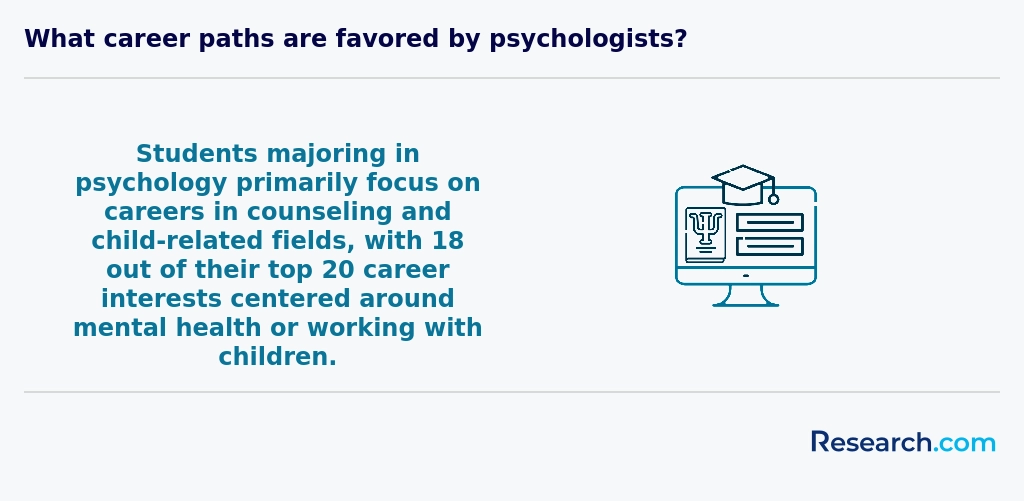
Students in Fayetteville, AR, can benefit from various resources that enhance their educational journey and career prospects in psychology. For those interested in exploring the best institutions for psychology studies, visiting https://research.com/rankings/psychology/most-valuable-psychology-ar as valuable psychology schools in arkansas can provide valuable insights. Additionally, many psychology graduates have found success by participating in internships, research projects, and volunteer work, which not only deepen their understanding of psychological principles but also foster a sense of community and social responsibility. Local organizations, such as mental health clinics and community centers, often offer these opportunities, allowing students to apply theoretical knowledge in real-world settings and make a positive impact in their community. By leveraging these resources and experiences, psychology students in Fayetteville, AR, can navigate their academic and professional paths with greater ease and confidence, ultimately leading to fulfilling careers in psychology and related fields.
Imagine walking through the vibrant halls of the University of Arkansas at Fayetteville, clutching a scholarship letter that feels like a golden ticket easing your journey through the psychology degree maze. Many graduates recall the relief brought by Pell Grants-federal gifts of up to $7,395 that don't ask for repayment. For them, submitting that FAFSA was like unlocking a treasure chest filled with opportunities. Beyond federal aid, Fayetteville's psychology students often tap into campus scholarships tailored just for their field-sometimes targeted at underrepresented voices-turning dreams into realities with merit or need-based awards.
Then there's the hands-on magic of work-study jobs embedded in the psychology department itself. Graduates say these roles not only padded their wallets but enriched their resumes, offering real-world brushstrokes to their academic canvas. State scholarships like Arkansas's Academic Challenge add another layer of support, shrinking tuition bills for residents who meet academic thresholds. Even pockets of funding from local psychological associations sprinkle occasional financial cheer, helping students reach new professional heights while exploring the mind's mysteries.
Graduates of psychology programs in Fayetteville, AR, must fulfill specific licensure criteria set by the Arkansas Board of Examiners in Psychology to practice professionally. First, applicants need to complete a doctoral degree in psychology from an APA-accredited institution and accrue at least 2,000 hours of supervised post-doctoral experience. Next, candidates must pass the Examination for Professional Practice in Psychology (EPPP) and the Arkansas Jurisprudence Examination, which assesses knowledge of state laws and ethical standards. After passing both exams, applicants submit official transcripts, verification of supervised hours, and a background check to the Board. Fees for licensure applications and examinations vary; prospective psychologists should budget for application fees (currently around $200) and exam costs (approximately $600 for EPPP). Maintaining licensure requires 40 continuing education units (CEUs) every two years, including mandatory courses on ethics and child maltreatment reporting. Licensed psychologists can also pursue specialized credentials-such as a health service provider endorsement in school psychology-by meeting additional coursework and practicum requirements. When evaluating programs, consider affordability alongside licensure preparation resources. For a broader view of cost-effective pathways, explore our Most Affordable Psychology Degree Programs Ranking in Montana, which highlights budget-friendly curricula that emphasize exam readiness and supervised training.
Imagine stepping into the vibrant halls of the University of Arkansas at Fayetteville, where your journey toward understanding the human mind begins. To unlock this door, most students have already danced through a high school curriculum rich in English, math, science, and social studies, building a foundation as sturdy as their curiosity. Many graduates recall that maintaining a GPA north of 2.5, often closer to 3.0, helped them feel confident and prepared for the challenge ahead.
Picture a typical Fayetteville psychology hopeful-armed with a mix of biology, statistics, and introductory psychology classes, these courses become the mental toolkit for navigating advanced studies.
Graduate hopefuls lean into their bachelor's degrees, usually wearing psychology or related fields as badges of honor. They showcase not just GPA triumphs of 3.0 or higher but also heartfelt letters of recommendation and personal stories that echo their commitment.
And financial worries? Here in Arkansas, the dream stays within reach, with tuition costs like a reassuring whisper-about $9,500 annually-making a psychology degree accessible and filled with promise.

Obtaining licensure ensures you can legally practice psychology in Arkansas and positions you for competitive roles upon graduation. To earn a license, you must:
- Complete a master’s or doctoral degree in psychology from an accredited program; many students choose an online masters in psychology to meet this requirement.
- Accrue supervised professional experience under a licensed psychologist (1,500–4,000 hours, depending on the license level).
- Pass the national Examination for Professional Practice in Psychology (EPPP) and the Arkansas jurisprudence exam.
- Submit official transcripts, supervisor verifications, and a completed application to the Arkansas Psychology Board.
Early planning for these steps ensures a smoother transition from graduation to professional practice in Fayetteville, AR.
Imagine diving into a course at the University of Arkansas where the buzz of lectures on Introduction to Psychology opens your eyes to the stories behind human actions-from the childhood friend's shy smile to the stress responses of campus finals week. Fayetteville's psychology programs wrap you in a world where Developmental Psychology unravels the mysteries of growth, helping you connect with family dynamics or the quirks of younger siblings.
Biopsychology classes let you peer into the brain's wiring like a detective tracing clues through nerve signals-something many Fayetteville grads recall as transforming abstract science into a personal quest to understand their own emotions. Meanwhile, Cognitive Psychology translates everyday decisions, like choosing your favorite coffee blend, into complex mental calculations.
Hands-on labs at Fayetteville colleges bring Social Psychology alive, letting students observe how group behavior shifts during a lively dorm debate or a bustling football game. And courses in Abnormal Psychology foster empathy, equipping students to recognize real human struggles beyond textbooks.
Sprinkled through this are rigorous Research Methods and Statistics sessions, empowering future psychologists to design studies as meticulous as crafting the perfect playlist to lift a friend's mood.

In Fayetteville, diving into a psychology degree means navigating a vibrant map of specializations, each one like a unique lens on the human mind. Imagine immersing yourself in clinical psychology, where graduates recount the thrill of diagnosing mental health puzzles during internships at local clinics, feeling empowered to make real impacts within their community. If the emotional pulse of everyday life intrigues you, counseling psychology stands out-students talk about the rewarding challenge of helping peers manage stress, relationships, and career dilemmas, shaping future counselors who thrive in Fayetteville's supportive environment.
For those captivated by the secrets behind the brain's behavior, Fayetteville universities encourage hands-on exploration in cognitive psychology or behavioral neuroscience, where research enthusiasts often find themselves unraveling mysteries in state-of-the-art labs. Industrial-organizational psychology draws in individuals motivated by improving workplaces, inspired by Fayetteville's buzzing business scene. Other paths like developmental or forensic psychology add further color, making psychology degree specializations in Fayetteville as diverse as the city itself. To learn more about advancing your psychology career, explore Arkansas psychology PhD programs.
Choosing the best psychology degree in Fayetteville means diving into an exploration of accreditation, affordability, and the heartbeat of campus life. Imagine walking through the halls of the University of Arkansas, where graduates recall the thrill of engaging with APA-accredited programs that transformed their understanding of the human mind. These degrees aren't just certificates-they're keys to licensure and career doors in clinical and counseling psychology. For those on a budget, affordable psychology colleges Fayetteville Arkansas offers options that cushion wallets without sacrificing quality, sparking gratitude among students juggling finances and dreams.
Curriculum buzz is another compass. Graduates rave about programs tailored to unique interests, from social psychology to industrial-organizational fields, with hands-on practicums that mold confident professionals. Picture late nights researching under faculty supervision, blending theory with real-world application. Meanwhile, the rise of hybrid formats allows students to balance life and study seamlessly, a boon echoed in many Fayetteville classrooms.
For broader comparisons, checking out Michigan psychology school rankings can offer fresh perspectives to sharpen your choice.
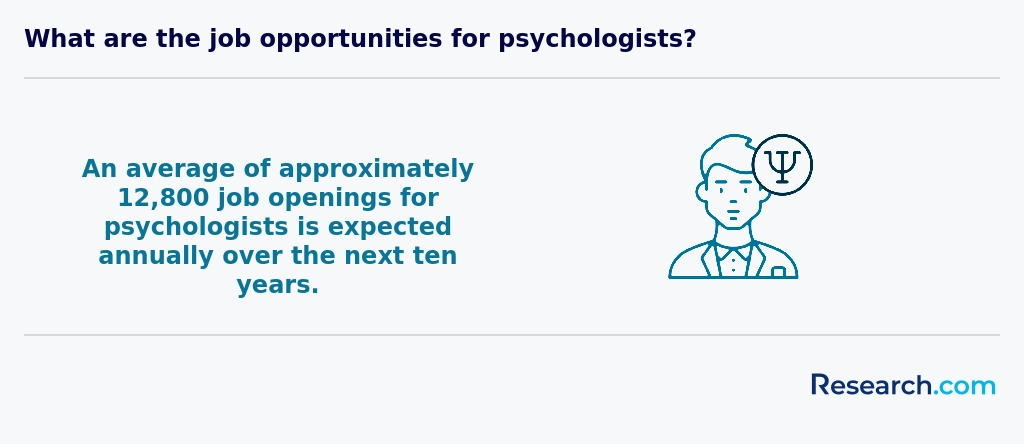
Graduates with a psychology degree in Fayetteville find themselves at the crossroads of fascinating career paths that blend compassion, science, and practical impact. Picture a graduate stepping confidently into a hospital corridor, ready to support minds in hospitals and clinics, thriving in clinical or counseling psychology roles that shine in Fayetteville's community. Others dive into the corporate hustle, applying industrial-organizational psychology at local businesses or military bases like Fort Bragg, crafting happier, more productive workplaces.
In Fayetteville, the thirst for knowledge also fuels careers in research, with many psychology graduates collaborating on groundbreaking behavioral studies alongside the University of Arkansas at Fayetteville. These roles offer gateways into critical insights on mental health and social behaviors, empowering students to pursue roles beyond the classroom, like behavioral psychology internships. For those passionate about education, school psychology roles in Fayetteville's public schools offer rewarding ways to nurture student well-being, highlighting the community-centered spirit of psychology degree jobs in Fayetteville.
Entry-level opportunities such as case management or psychiatric technician positions further enrich the landscape, allowing psychology graduates to gain hands-on experience while contributing meaningfully to healthcare and social services. These career opportunities for psychology graduates Fayetteville showcase a vibrant palette where science meets heart, ready to inspire each new cohort exploring this dynamic field.

The psychology degree job outlook Fayetteville paints a promising canvas for those eager to turn theory into impact. Graduates from the University of Arkansas and other local institutions often find themselves stepping into vibrant roles-from offering community counseling to engaging in clinical practice at area hospitals. One graduate shared how interning at a mental health agency not only built professional skills but also created a sense of belonging within Fayetteville's supportive network.
Employment opportunities for psychology graduates Fayetteville extend into schools and corporate settings, where understanding human behavior fuels success. Imagine a recent graduate applying organizational psychology principles to boost employee morale at a nearby company, translating classroom lessons into real-world solutions. The city's growing economy, backed by major employers, expands options beyond traditional paths.
For those weighing where to study, Fayetteville's public universities offer competitive tuition with rich hands-on experiences. Many students benefit from assistantships or internships that soften financial burdens and deepen expertise. Exploring the valuable psychology schools in Arkansas can reveal pathways tailored to your ambitions.
2027 Most Valuable Psychology Degree Programs Ranking in Fayetteville
Investing in your education is a significant decision that can shape your future, and the Research.com team understands the importance of making informed choices. To assist prospective students in Fayetteville, we have meticulously developed the "2027 Most Valuable Psychology Degree Programs Ranking in Fayetteville." Our commitment to quality, credibility, and accuracy is demonstrated through rigorous research and analysis conducted to compile this ranking.
We utilized the following reputable data sources to ensure a comprehensive evaluation of psychology degree programs:
By exploring this ranking, readers will gain valuable insights into the most valuable psychology degree programs available in Fayetteville, empowering them to make well-informed decisions about their educational journey. For more details on our methodology, please visit our Research.com methodology page.

Frequently Asked Questions About psychology
Psychology degree students in Fayetteville can maximize their learning experience by engaging actively in both classroom and community opportunities. Fayetteville is home to the University of Arkansas, which offers accredited psychology programs rich in research and applied practice.
Students should take advantage of internships and volunteer placements at local clinics and mental health organizations, gaining practical experience that complements academic study. According to the Bureau of Labor Statistics, applied experience is vital in enhancing job prospects in psychology fields.
Joining psychology-related student organizations and attending seminars can deepen understanding of current trends and networks. Utilizing campus resources such as tutoring and counseling centers supports academic success and well-being during study.
The psychology field is expanding into several emerging niches important for Fayetteville students to consider. One fast-growing area is neuropsychology, which combines psychology and neuroscience to understand brain-behavior relationships. According to the Bureau of Labor Statistics, jobs in neuropsychology-related fields are expected to grow 13% by 2031 nationally, reflecting increasing demand for specialized mental health services.
Another niche gaining traction is health psychology, focusing on how behavior affects physical health and illness. Fayetteville's healthcare institutions are increasingly incorporating health psychologists to improve patient outcomes through behavioral interventions.
Additionally, forensic psychology is expanding due to rising collaboration between psychologists and law enforcement in Fayetteville. This specialty involves applying psychological science to legal issues, helping in criminal justice cases and victim support.
Preparing for the job market after completing a psychology degree in Fayetteville requires strategic planning. Graduates should focus on gaining practical experience through internships or volunteer work in local healthcare facilities, schools, or social service agencies. The U.S. Bureau of Labor Statistics projects a 8% growth in psychology-related jobs nationally through 2031, highlighting opportunities in Fayetteville's growing mental health services sector.
Networking is crucial; joining professional organizations like the Arkansas Psychological Association can connect students with Fayetteville-area employers. Additionally, many positions require advanced degrees or certifications, so considering graduate studies or licensure exams increases job prospects. Fayetteville's proximity to Veterans Affairs clinics also offers specialized career options.
Employers hiring psychology degree graduates in Fayetteville prioritize a mix of technical and interpersonal skills. Critical thinking and data analysis are crucial, as many roles require interpreting research findings accurately. According to the Bureau of Labor Statistics, strong analytical abilities can improve employability by 15% in psychology-related fields nationally.
Communication skills are equally important. Fayetteville employers value graduates who can clearly explain psychological concepts to clients or team members, especially in counseling or social work settings. Adaptability is another sought-after trait, given the evolving nature of mental health practices.
Finally, practical experience, such as internships or research, significantly enhances job prospects. Local Fayetteville health organizations often prefer candidates with hands-on experience due to the competitive job market in 2024.
Finding psychology internships in Fayetteville often begins with exploring local universities such as the University of Arkansas, which offers partnerships and resources tailored for psychology students. Many Fayetteville clinics, counseling centers, and hospitals seek interns for practical experience, particularly in clinical and counseling psychology.
Students should utilize campus career centers, which frequently post internship openings and provide connections to local mental health organizations. Networking at psychology conferences or events hosted in Arkansas also helps uncover opportunities.
Additionally, Fayetteville is home to organizations like the Northwest Arkansas Council, which supports workforce development and can be a valuable resource for students seeking internships in psychology fields.
According to the Bureau of Labor Statistics, gaining hands-on experience through internships increases employability by up to 20% for psychology graduates nationwide, making local internships in Fayetteville critical to career advancement.
A psychology degree in Fayetteville can significantly enhance career mobility and advancement opportunities. The region's growing healthcare and social services sectors increasingly value professionals with psychological expertise. According to the U.S. Bureau of Labor Statistics, Fayetteville's metropolitan area employment for psychologists and related roles is projected to grow by 12% through 2031, faster than the national average.
Graduates with a psychology degree often qualify for diverse roles, including counseling, human resources, and behavioral research, allowing for lateral moves across industries. Advanced degrees further improve prospects for leadership positions and specialist roles.
Local employers frequently prioritize candidates with a strong foundation in psychology for positions involving analytical and interpersonal skills, critical for career progression.
Studying for a psychology degree in Fayetteville offers a strong foundation for interdisciplinary roles by combining core psychological theories with practical applications across various fields. Local programs emphasize collaboration with healthcare, education, and social services sectors, reflecting workforce demands in the region. According to the Bureau of Labor Statistics, Fayetteville's diverse economy benefits from graduates who understand mental health alongside community needs.
Many Fayetteville institutions incorporate research projects, internships, and partnerships with local organizations, allowing students to gain hands-on experience in interdisciplinary settings. Coursework often includes subjects like neuroscience, counseling, and data analysis, which prepares graduates for roles in business, healthcare, and education.
The integration of psychology with related disciplines helps students develop versatile skills, increasing employability in multidisciplinary teams and addressing complex real-world challenges.
Choosing between a thesis and a non-thesis psychology degree program in Fayetteville requires understanding your career goals and learning preferences. A thesis program typically involves conducting original research and writing a substantial paper, which is ideal for students aiming for doctoral studies or research careers.
Non-thesis programs emphasize coursework and practical experience, suited for those seeking employment in applied psychology fields, such as counseling or human services. According to the National Center for Education Statistics, about 40% of psychology graduate students nationwide opt for thesis tracks, often linked to academic ambitions.
In Fayetteville, schools may differ in requirements and support. Check local university offerings and consider faculty expertise. Evaluating your readiness for independent research versus preference for hands-on learning will guide your decision effectively.
Students based in Fayetteville seeking to study psychology abroad have several pathways within the US higher education framework. Many Fayetteville institutions, such as the University of Arkansas, offer exchange programs and partnerships with universities overseas, enabling students to gain international experience while earning credits toward their psychology degree. According to the Institute of International Education, approximately 4,500 American students majoring in psychology study abroad each year, highlighting strong opportunities. Popular destinations include the United Kingdom, Canada, and Australia, known for their well-regarded psychology programs and English-language instruction. Fayetteville students can also explore summer abroad programs focused on psychology research.
Fayetteville offers several part-time job opportunities that can complement psychology degree education, providing valuable hands-on experience. Positions such as research assistants at the University of Arkansas allow students to engage directly with psychological studies, enhancing analytical and experimental skills. Local mental health organizations also offer roles like peer support specialists or counseling aides, helping students gain practical exposure to therapeutic environments.
Additionally, jobs in educational settings, such as tutoring or behavioral aide roles in schools, help apply developmental and cognitive psychology concepts. According to the Bureau of Labor Statistics, gaining such experience improves employability in competitive psychology fields. These part-time roles in Fayetteville allow students to build relevant skills while pursuing their degrees.
Psychology students in Fayetteville benefit from several networking opportunities through local universities such as the University of Arkansas. These institutions often host events featuring guest speakers, workshops, and psychology-focused career fairs, allowing students to connect with professionals and researchers in the field. The Arkansas Psychological Association also offers student memberships and regional conferences that facilitate interaction with practicing psychologists and academics.
Internship placements in nearby hospitals and counseling centers provide practical experience and valuable professional contacts. Additionally, Fayetteville's proximity to larger cities like Little Rock expands access to broader psychology networks. According to recent data from the National Center for Education Statistics, such connections can increase job placement rates post-graduation.
Alumni networks provide valuable support to psychology degree students in Fayetteville by offering professional connections and career guidance. Graduates often share job opportunities in local clinical, counseling, and research settings, which can improve employment prospects.
Fayetteville's psychology programs benefit from engaged alumni who participate in mentorship programs, helping students develop essential skills and navigate licensure requirements specific to Arkansas.
According to the National Association of Colleges and Employers, students with strong alumni networks report up to 23% higher chances of job placement after graduation. Access to alumni events and discussions also keeps students informed about trends and internship openings within Fayetteville's mental health community.
Customizing a psychology degree program in Fayetteville allows students to align their studies with distinct career goals. Many local institutions offer concentration options such as clinical, counseling, or industrial-organizational psychology, helping students specialize early. Fayetteville State University, for example, emphasizes applied research and internships, providing practical experience beneficial for licensure and employment.
Additionally, students can often select electives tailored to interests like developmental psychology, neuropsychology, or forensic psychology. Engaging in research projects or community internships in the Fayetteville area also enhances practical knowledge and professional networks. According to the National Center for Education Statistics, approximately 65% of psychology graduates in North Carolina secure positions within six months, indicating strong local demand.
Furthermore, online or hybrid course options provide flexibility for working professionals wanting to customize course loads. Understanding these opportunities helps students craft a degree that supports their career trajectory effectively.
Psychology students in Fayetteville commonly face several challenges during their academic journey. One significant issue is balancing rigorous coursework with practical experience requirements. Many programs in the area emphasize internships or practicum hours, which can be demanding alongside full-time studies. According to the National Center for Education Statistics, psychology programs nationwide report a 15-20% dropout or transfer rate, often due to these pressures.
Students also encounter financial stress, with tuition and living costs in Fayetteville estimated around $22,000 annually for in-state students at public institutions. Limited local opportunities for paid research assistant positions add to these financial challenges.
Additionally, mental health demands on psychology students themselves are notable, as the field often requires confronting complex emotional topics. Access to support services varies, affecting student retention and success.
With a psychology degree earned in Fayetteville, graduates can pursue several professional certifications that enhance their career prospects. Common certifications include becoming a Licensed Professional Counselor (LPC), which requires graduate study and supervised experience, followed by passing a state exam. Fayetteville falls under Arkansas licensure regulations, where LPC status is popular for clinical and counseling careers.
Other certifications useful for psychology degree holders include Certified School Psychologist credentials and Board Certified Behavior Analyst (BCBA) certification, especially valued in Fayetteville's local schools and health facilities. National data from the American Psychological Association highlights that LPCs and BCBAs generally see positive employment growth, around 8-10% over the next decade.
The availability of supervised internships and training in Fayetteville supports certification readiness, reflecting regional support for these career paths.
Applying to psychology programs in Fayetteville requires a clear and well-structured application. Start with a strong personal statement highlighting your passion for psychology and how local opportunities, such as internships with Fayetteville's mental health clinics, align with your career goals.
Include relevant academic achievements, especially coursework in psychology and statistics, as Fayetteville programs often emphasize research skills per data from the University of Arkansas at Fayetteville. Make sure your letters of recommendation come from professors or professionals familiar with your academic or practical work in psychology.
Additionally, meet all deadlines and provide clear evidence of your communication and critical thinking abilities. Demonstrating familiarity with Fayetteville's healthcare community can further strengthen your application.
Psychology careers in the United States, including Fayetteville, are shaped by both national standards and global perspectives. Internationally, psychology is recognized as a vital field for understanding human behavior, but career paths and licensure requirements vary widely. In the U.S., earning a psychology degree often leads to roles in clinical practice, research, or counseling, requiring state licensure and advanced degrees for specialization.
Globally, there is increasing collaboration in psychological research, but the U.S. system, including universities in Fayetteville, emphasizes rigorous academic training combined with practical experience. According to the Bureau of Labor Statistics, psychology jobs in the U.S. are projected to grow 8% from 2022 to 2032, faster than average.
For Fayetteville students, studying psychology opens doors to careers not only locally but also in international organizations where understanding diverse cultures is essential. Psychology's global relevance continues to expand as mental health gains prominence worldwide.
Students pursuing a psychology degree in Fayetteville can gain practical experience through internships, research projects, and volunteer opportunities. The University of Arkansas at Fayetteville offers psychology majors access to research labs where they can work alongside faculty on ongoing studies. Local healthcare facilities and community organizations also provide internships focused on mental health services, counseling, and behavioral research.
Participating in these experiences helps students develop critical skills and build professional networks. According to the U.S. Bureau of Labor Statistics, hands-on training significantly improves employability in psychology-related fields. Fayetteville's growing healthcare sector supports numerous practicum placements, making it easier for students to combine academic learning with real-world application.
Choosing the right concentration within a psychology degree program in Fayetteville starts with understanding your career goals. Psychology programs here often offer specializations such as clinical, counseling, developmental, or industrial-organizational psychology. Each focuses on different aspects of human behavior and requires distinct skills.
Research local employment trends to see which concentrations have stronger demand. For example, clinical and counseling psychology are growing fields in North Carolina, with the Bureau of Labor Statistics projecting a 14% increase in employment for psychologists statewide by 2031.
Consider program accreditation and faculty expertise in Fayetteville schools. Accredited programs ensure quality education and better licensure outcomes. Speaking with advisors and current students can also provide valuable insights to help align your concentration with your personal interests and job market needs.
- 2027 Most Valuable Psychology Degree Programs Ranking in Springfield
- 2027 Most Valuable Psychology Degree Programs Ranking in Tulsa
- 2027 Most Valuable Psychology Degree Programs Ranking in Saint Louis
- 2027 Most Valuable Psychology Degree Programs Ranking in Lincoln
- 2027 Most Valuable Psychology Degree Programs Ranking in Baton Rouge
- 2027 Most Valuable Psychology Degree Programs Ranking in Hattiesburg
- 2027 Most Valuable Psychology Degree Programs Ranking in Birmingham
- 2027 Most Valuable Psychology Degree Programs Ranking in Mobile
- 2027 Most Valuable Psychology Degree Programs Ranking in Montgomery
- 2027 Most Valuable Psychology Degree Programs Ranking in Cincinnati
See What Experts Have To Say About Studying Psychology
Read our interview with Psychology experts

Elizabeth L. Jeglic Ph.D.
Psychology Expert
Professor of Psychology
City University of New York

Joann Farrell Quinn, Ph.D., MBA
Psychology Expert
Director at the College of Medicine Department of Medical Education
Morsani College of Medicine

Robin M. Kowalski. Ph.D.
Psychology Expert
Professor of Psychology
Clemson University

- Why Get a Psychology Degree Online? | University of Bridgeport https://www.bridgeport.edu/news/reasons-to-get-your-psychology-degree-online/
- Fayetteville State University Psychology, General Major | 81% Acceptance Rate, ROI 64/100 https://www.gradgpt.com/fayetteville-state-university/bachelors/psychology-general
- Study Psychology Abroad | Go Overseas https://www.gooverseas.com/study-abroad/psychology
- Find the Best North Carolina Psychology Degrees Online https://www.psychologydegrees.org/state/north-carolina
- Study Psychology Abroad https://astarfuture.co.uk/study_psychology_abroad.html
- Psychology - SWPS University https://english.swps.pl/academics/warsaw/ba-programs/psychology
- Sample letters in psychology https://www.mystudies.com/en-in/human-and-social-sciences/psychology/letter-model/
- Skills of a Psychology Major - Psychology Department https://wagner.edu/psychology/skills/
- Staying connected, made simple: how associations and alumni networks grow with Socie - Socie App https://socie.eu/staying-connected-made-simple-how-associations-and-alumni-networks-grow-with-socie/
- Professional Networking For Psychologists | Psychology.org https://www.psychology.org/resources/professional-networking/