
2027 Fastest Online Master's in Psychology Degree Programs Ranking in Boston, MA

Co-Founder and Chief Data Scientist
Choosing the right master's program in psychology can be overwhelming, especially with so many options available online. This article introduces the 2027 Fastest Online Master's in Psychology Degree Programs Ranking in Boston, MA, created by the Research.com team of data scientists.
Designed to help you make an informed decision, this ranking highlights programs that combine quality education with flexibility and speed. Whether you're advancing your career or exploring a new passion, earning a psychology degree opens doors to rewarding opportunities.
Explore the ranking and find the best fit for your goals and lifestyle.
Key benefits of getting online psychology degree in Boston
- Graduates with a psychology degree can pursue rewarding careers such as School Psychologist with a mean annual wage of $91,990 or Industrial-Organizational Psychologist earning about $154,380, offering strong salary potential in Boston's job market.
- A psychology degree from a well-known Boston university opens doors to diverse paths, including roles like Mental Health Counselor or Marriage/Family Therapist, allowing graduates to make a positive impact in various professional settings.
- Online psychology degrees provide flexibility and convenience, enabling students to balance studies with personal life while accessing quality education from top Boston institutions, often leading to equally promising career opportunities as traditional degrees.
- 2027 Fastest Online Master's in Psychology Degree Programs Ranking in Boston, MA
- What can I expect from online psychology degree in Boston?
- Where can I work with online psychology degree in Boston?
What can I expect from online psychology degree in Boston?
The average cost of an online psychology degree in Boston varies, but many graduates from well-known institutions like Northeastern University and Boston University report tuition ranging from $30,000 to $50,000 for a full bachelor's or master's program. These costs often reflect the high quality of education and resources available.
Imagine juggling your coursework while tapping into Boston's vibrant research culture-accessing libraries or even virtual internships with top hospitals without leaving your home. Many students appreciate that this investment opens doors to careers in clinical or counseling psychology, where demand is strong locally.
Graduates frequently mention feeling energized by programs that combine rigorous academics with practical experience, a balance Boston's online offerings excel at. The ability to learn using tools like SPSS or R from a flexible, asynchronous format adds to the adventure of mastering psychology at your own pace.
Understanding tuition costs alongside the enriching Boston environment helps students envision their journey in this dynamic city while managing their budget wisely.
Where can I work with online psychology degree in Boston?
With an online psychology degree in Boston, you'll discover a vibrant world of career possibilities that spark both curiosity and purpose. Imagine working in cutting-edge hospitals like Massachusetts General or Boston Children's, where graduates join clinical teams tackling real-life mental health challenges. Many who studied at Boston University or Northeastern find themselves supporting student well-being through counseling centers or even diving into research that shapes future therapies.
Others channel their skills into private practice or community organizations, offering therapy and nurturing mental wellness among diverse populations. Licensed professionals thrive here, backed by strong state support for psychological licensing.
Then there's the corporate sphere-exciting roles in human resources or organizational development where understanding behavior helps companies grow healthier, happier workplaces. Graduates often share how these jobs turn theory into meaningful action, making every workday feel like an adventurous journey of influence and discovery.
If you earn an online psychology degree in Boston, your earning potential can be quite exciting and varied depending on your career path. Graduates from popular institutions like Boston University and Northeastern often find themselves stepping into rewarding roles, such as school psychologists, making around $91,990 a year. Imagine using your skills daily within bustling Boston schools, directly impacting students' lives while earning a solid income.
Mental health counselors in the city typically earn about $60,080 annually, a promising start for those who enjoy guiding others through life's challenges. Meanwhile, some graduates tap into niche areas like industrial-organizational psychology, where salaries can soar as high as $154,380, blending psychology with the dynamic corporate world in Boston's thriving business districts.
Other paths include rehabilitation counselors, earning near $48,430, or marriage and family therapists, with salaries around $68,730. These roles offer fulfilling careers closer to community and family settings-perfect for graduates who want to make a meaningful difference while building a rewarding livelihood in the vibrant Boston area.
- Online psychology degrees in Boston are offered by many universities with fully online or hybrid formats for flexible learning.
- Tuition for public schools ranges from $15,000 to $25,000, while private institutions charge between $30,000 and $45,000, plus potential extra fees.
- Starting salaries for graduates typically begin around $45,000 annually, with experienced professionals earning $85,000 to $110,000.
- The Boston job market has high demand for psychology roles in clinical, counseling, industrial-organizational, and school psychology fields.
- State licensing in Massachusetts requires supervised clinical hours and exams, with clinical training usually needing in-person experience.
- Accreditation by bodies like the APA or regional accreditors is essential for licensure and employment eligibility.
Bachelor's degree seekers often find themselves navigating between four to six years, especially if juggling part-time work or family. Some graduates share how transferring credits from local community colleges helped them accelerate their pace, turning what could feel like a marathon into a manageable sprint.
Master's students uncover even more flexibility-taking around two to three years to complete their degrees. Many embrace the freedom to tailor course loads, making room for internships or practicum experiences that bring their studies alive.
Doctoral candidates embark on longer adventures of four to seven years, diving deep into research, clinical practice, and coursework. These programs challenge students but spark tremendous growth and fulfillment, fueling their passion to impact Boston's mental health community.
Diving into psychology studies in Boston offers two exciting pathways: online or on-campus. Graduates from Boston University's on-campus programs often describe the buzz of face-to-face discussions in vibrant classrooms and hands-on lab work that fuels their curiosity. Imagine working alongside peers on real-time experiments or joining bustling campus research projects-these experiences create strong connections and immediate feedback.
Meanwhile, online learners juggling careers or family life find joy in the freedom to study at their own pace, accessing Northeastern University's accredited courses through video lectures and virtual collaborations. They treasure the flexibility to dive into lessons late at night or between shifts, crafting a personalized rhythm without the daily commute.
Experiential learning sets them apart, too. On-campus students benefit from easy access to Boston's rich psychology labs and internships, while online peers creatively secure local placements, gaining unique local perspectives. Both paths nurture passion for psychology, just through different, equally rewarding adventures.
The average cost of an online psychology degree in Boston hovers around $22,200, offering a balanced path between investment and value for eager learners. Graduates from well-known institutions like Boston University and Northeastern often share stories of how this level of tuition enabled them to comfortably pursue their studies without overwhelming debt. The possibility to enroll in affordable online master's psychology programs Boston MA sparks excitement among many, especially those juggling work and personal commitments.
Students typically appreciate how public universities in Massachusetts provide competitive rates near $400 to $700 per credit hour, while private schools, known for specialized programs, can ask for about $900 to $1,200 per credit hour. Imagine a psychology enthusiast drawn to Boston College's cutting-edge curriculum, benefiting from the city's resources yet enjoying the flexibility and relative affordability of online study.
Those navigating this adventure find that financial aid and scholarships often lighten the burden, making the journey feel less daunting. The vibrant academic atmosphere in Boston motivates learners to explore unique programs, like dual graduate degrees, blending psychology with other disciplines for a rich educational experience. This dynamic blend of cost and opportunity crafts a compelling chapter in every student's story.

Diving into an online psychology degree in Boston means unlocking a treasure trove of financial aid options tailored to make the journey more affordable. Many students at Boston University or Northeastern have found their path eased by federal aid-filing the FAFSA opens doors to Pell Grants and flexible federal loans like Direct Unsubsidized and Grad PLUS Loans, helping them balance costs without overwhelming debt.
Institutional scholarships at places like Harvard Extension School often reward merit and need, while some aim to uplift underrepresented groups, creating a welcoming space for diverse voices in psychology. Imagine a graduate from a local college sharing how an APA scholarship supported their research passion, while others have leaned on employer tuition reimbursement programs to fund their studies, turning their current jobs into stepping stones for a new career.
For those feeling the pressure of lump sums, many online programs also offer payment plans, easing financial strain step by step. In Boston, openness to these aid avenues feels like a shared adventure among psychology students, all navigating the academic landscape together with hope and possibility.
Diving into the world of online psychology degrees in Boston means meeting some intriguing prerequisites that set the stage for your academic adventure. Many graduates from well-known Boston universities recall how essential it was to first secure a high school diploma or an equivalent like a GED, paired with a decent GPA-usually around 2.5 to 3.0-to even step into the enrollment process.
For those aiming higher with a master's degree, the journey often begins with a bachelor's degree from any accredited institution, and here the adventure deepens. Imagine preparing your transcripts, gathering heartfelt letters of recommendation, and crafting a statement of purpose that shares your passion and vision-steps that alumni vividly remember as pivotal moments that shaped their commitment.
In the classrooms of Boston's top colleges, former students often reflect on how previous coursework in psychology, statistics, or research methods made them feel both prepared and excited to tackle graduate-level challenges. Even though some programs once required GRE scores, many have waived this in recent years, lending a more welcoming, flexible vibe to the whole application process.
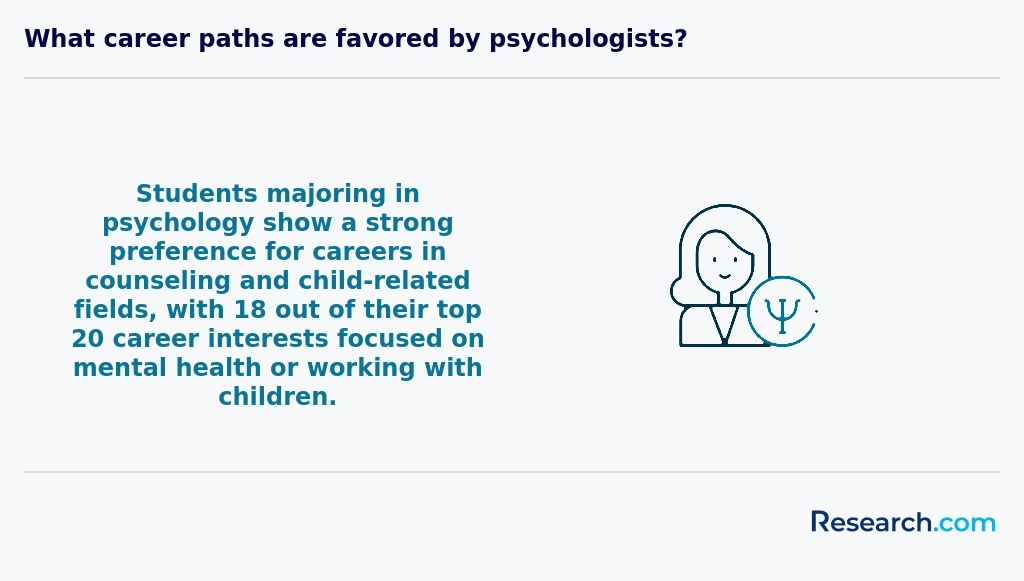
Diving into an online psychology degree in Boston feels like unlocking a vast world of human behavior and mind exploration. Graduates from well-known Boston universities often recall their first course, Introduction to Psychology, where they began seeing everyday actions-like a friend's hesitation before speaking-through a fascinating scientific lens.
The journey quickly moves to Research Methods and Statistics, equipping students to decipher real-world data, such as trends in social media usage or responses in counseling sessions. Many are captivated by courses like Biopsychology or Neuroscience, where they vividly imagine brain activity lighting up while learning about decision-making or emotional responses.
Advanced studies take you deeper into intriguing areas: Imagine analyzing the roots of anxiety in Abnormal Psychology, tracking life changes in Developmental Psychology, or exploring group dynamics in bustling Boston neighborhoods through Social Psychology. Hands-on elements, like practicum projects offered even in the online format, bring these subjects to life with real experiences from local clinics or businesses.
Many students cheer the inclusion of applied courses like Counseling Techniques or Industrial-Organizational Psychology, feeling ready to support mental health in hospitals or boost productivity in Boston's thriving companies.
Diving into online psychology degree specializations in Boston reveals a rich landscape of options designed to excite curious minds. Graduates from renowned institutions like Boston University and Northeastern often highlight how choosing clinical psychology unlocked their passion for diagnosing and treating mental health challenges. Counseling psychology, embraced by many from area colleges, tends to draw students eager to support communities and schools with empathy and skill. Imagine applying lessons from industrial-organizational psychology, a favorite at Boston College, where graduates enhance workplace dynamics and boost employee well-being through science-backed strategies.
Exploring the best psychology master's concentrations Boston MA offers also brings forensic psychology into the spotlight-ideal for those intrigued by the intersection of mind and law-popular among students fascinated by criminal justice roles. Developmental psychology rounds out the options, attracting learners curious about human growth stages and eager to impact education or healthcare sectors in Boston's vibrant environment. For those weighing career paths, resources like the trade school careers list and salaries can enrich understanding of opportunities beyond academics.
When hunting for the best online psychology degree in Boston, start by diving into accreditation. Graduates from well-known Boston institutions often rave about programs recognized by the New England Commission of Higher Education (NECHE), which ensures quality that employers truly value. Imagine yourself attending a college famed for its supportive faculty and interactive online sessions-this is where theory transforms into real-world practice.
Explore programs that offer diverse specializations like clinical or industrial-organizational psychology to match your passions. Many students at Boston universities find themselves energized by engaging case studies and lively discussion forums that bring psychology alive. Paying attention to cost is just as vital; finding affordable online psychology degrees Boston MA offers is a smart move, especially when scholarships or financial aid come into play.
Remember to look beyond tuition and consider career services and internship opportunities tied to Boston's rich network of hospitals. This local connection often lights the path to rewarding roles after graduation. And if you're curious about salary prospects, researching local psychology jobs can be eye-opening-some graduates even cross-reference their options with listings for trade school jobs that pay well to compare pathways.
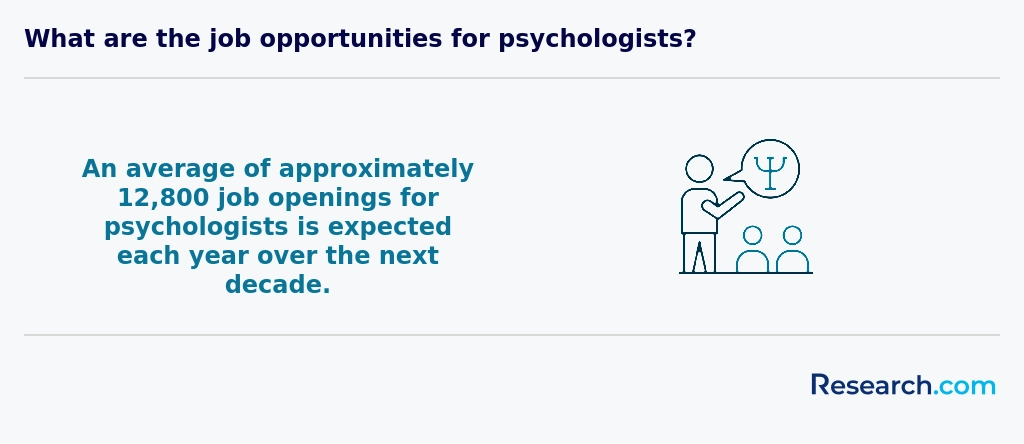
Embarking on a journey with an online psychology degree in Boston opens doors to vibrant career paths across the city's thriving healthcare and educational landscape. Graduates from Boston University or Harvard often find themselves energized by roles in clinical psychology-offering therapy and compassionate support in hospitals or private practices, where personal connections truly matter. Others relish counseling positions, guiding individuals through emotional and behavioral challenges in schools or corporate settings, turning everyday hurdles into triumphs. For those drawn to the intellectual adventure of psychology job opportunities in Boston MA, research roles at renowned institutions fuel curiosity with data analysis and groundbreaking studies that shape the field.
Imagine applying psychology skills to boost employee well-being within Boston's dynamic tech firms through industrial-organizational psychology, or helping young minds thrive as a school psychologist in local public schools. Health psychology roles collaboratively enhance physical wellness alongside medical teams, proving the degree's broad impact. Many graduates testify that choosing an online program not only fits their lifestyle but sparks their passion to explore best online trade schools and advance through exciting career options.
The online psychology career opportunities in Boston are vibrant and expanding, fueled by the city's rich network of hospitals, universities, and research centers. Graduates from well-known institutions like Boston University or Northeastern often find themselves stepping into clinical roles, research positions, or behavioral health technician jobs. Imagine starting your day collaborating with a team in a bustling hospital or contributing to a groundbreaking study at a local university-this is the real life of many Boston psychology graduates.
Boston's job outlook for psychology graduates Boston MA is particularly encouraging, with a 6% growth predicted through the next decade. This growth opens doors in both the public and private mental health sectors, where state funding is strengthening services. Many graduates express excitement about the competitive salaries, often beginning in the mid-$50,000s and climbing much higher with advanced credentials.
For those balancing work and study, pursuing an online degree here offers not only flexibility but also access to excellent resources. Plus, students looking to boost their credentials often explore certifications that pay well, enhancing their prospects in Boston's dynamic job market.
2027 Fastest Online Master's in Psychology Degree Programs Ranking in Boston, MA
Investing in your education is a significant decision that can shape your future, and the Research.com team understands the importance of making informed choices. To assist prospective students in Boston, MA, we have meticulously crafted the "2027 Fastest Online Master's in Psychology Degree Programs Ranking." Our commitment to quality, credibility, and accuracy is reflected in the extensive research and analysis conducted to compile this ranking.
We utilized the following reputable data sources to ensure a comprehensive evaluation of psychology programs:
By exploring this ranking, readers will gain valuable insights into the fastest online master's programs in psychology available in Boston, enabling them to make informed and confident decisions about their educational paths. For more details on our methodology, please visit our Research.com methodology page.

# 2 position
UMassOnline
Master of Family Therapy

Frequently Asked Questions About psychology
Online psychology degree students in Boston can maximize their learning experience by actively engaging with their coursework and utilizing local resources. Boston is home to numerous libraries, research centers, and mental health organizations that offer valuable opportunities for hands-on learning. The city's strong healthcare and academic environment, including institutions like Harvard and Boston University, provide access to webinars and guest lectures that enrich online studies.
Students should also form study groups with peers to discuss complex concepts and collaborate on projects. Time management and regular communication with professors enhance understanding and academic success. According to the Boston Psychological Association, practical experience combined with theoretical learning significantly improves retention and career readiness.
The psychology field is rapidly evolving, with several emerging niches gaining attention, especially for online degree students in Boston. One growing area is neuropsychology, focusing on brain-behavior relationships. According to the Massachusetts Psychological Association, demand for neuropsychologists in the Boston metro region has risen by nearly 12% over the last five years.
Another expanding niche is health psychology, which examines how psychological factors affect physical health. Boston's strong medical community offers many research opportunities in this specialty. Additionally, forensic psychology is expanding due to increased integration of psychology in legal settings across Massachusetts.
These niches reflect broader trends in the U.S., where the Bureau of Labor Statistics projects a 14% growth in psychology-related jobs through 2031.
Graduates with an online psychology degree in Boston should focus on practical experience to enhance job prospects. Internships and volunteer opportunities at local mental health clinics or research centers provide valuable skills and networking contacts. According to the Massachusetts Department of Higher Education, Boston hosts over 30 psychology-related organizations, offering diverse placement options.
Obtaining relevant certifications, such as Certified Alcohol and Drug Counselor (CADC), can improve employability in clinical roles. Boston's strong healthcare and education sectors demand professionals with evidence-based practice and data analysis skills.
Joining professional associations like the Massachusetts Psychological Association connects candidates with job resources and continuing education. Tailoring resumes to highlight both academic achievements and hands-on experience is essential in this competitive market.
Employers in Boston seeking graduates with psychology degrees prioritize several key skills. Critical thinking tops the list, enabling professionals to analyze complex behavioral data effectively. Strong communication skills are essential, especially for roles involving patient interaction or collaboration with multidisciplinary teams. According to the Greater Boston Labor Market Report (2023), adaptability and problem-solving abilities rank highly, given the city's diverse client populations and evolving mental health challenges.
Technical proficiency, including familiarity with statistical software like SPSS or R, is increasingly demanded in research-focused positions. Additionally, cultural competence is critical due to Boston's multicultural environment, ensuring respectful and effective care across various demographic groups.
Finding internships in Boston relevant to a psychology degree involves strategic research and local networking. Begin by exploring opportunities through Boston University's and Harvard University's psychology departments, which often list internships affiliated with research labs and local clinics.
The Massachusetts Psychological Association and the Massachusetts School Counselors Association provide resources and internship listings specific to psychology-related roles. Additionally, mental health organizations like the Boston Center for Community Mental Health offer practical training options. According to the Bureau of Labor Statistics, Massachusetts ranks among the top states for clinical and counseling psychologists.
Online platforms such as Handshake and Indeed often feature Boston-based internships suited for psychology students pursuing remote or hybrid roles. Also, contacting licensed psychologists in Boston for informational interviews can open doors to unadvertised internships.
Obtaining an online psychology degree in Boston can significantly enhance career mobility and advancement. The city's robust mental health sector employs thousands of professionals, with the Massachusetts Department of Labor projecting a 10% growth in psychology-related jobs by 2030. Online programs offer flexibility, allowing working professionals to upskill without interrupting their careers.
Employers in Boston increasingly value accredited online degrees, especially when combined with relevant work experience. Graduates often find opportunities in hospitals, schools, and private practices.
According to the American Psychological Association, those with a master's or doctoral degree in psychology see median salary increases of 15-20% compared to bachelor's holders.
Studying for a psychology degree in Boston offers unique preparation for interdisciplinary roles due to the city's strong emphasis on collaboration across fields. Boston is home to renowned universities and medical centers that encourage partnerships between psychology and areas like healthcare, education, and technology.
Several programs integrate coursework in neuroscience, social work, and data analysis, equipping students with versatile skills. For example, Boston University's psychology department highlights interdisciplinary research opportunities that prepare graduates for diverse careers.
Additionally, the city's robust network of hospitals and research institutes provides practical experiences that bridge psychology with public health and policy-making.
Choosing between a thesis and a non-thesis psychology degree in Boston depends largely on your career goals and learning preferences. A thesis program usually involves original research and is ideal if you plan to pursue a PhD or work in research-focused roles. In contrast, non-thesis programs emphasize coursework and practical skills, which suits professionals aiming for clinical or applied psychology careers.
Boston hosts top universities offering both options, with many online programs aligning with the city's strong academic standards. According to the National Center for Education Statistics, thesis options can take longer due to research commitments, while non-thesis tracks often allow faster completion.
Consider your timeline, professional aspirations, and interest in research when deciding. Speaking to academic advisors or current students in Boston-based programs can provide valuable local insights.
Students based in Boston seeking to study psychology abroad through online programs have increasingly diverse options. Many accredited U.S. institutions offer fully online psychology degrees that incorporate international perspectives, allowing students to gain a global understanding without leaving Boston.
A report from the National Center for Education Statistics highlights that about 14% of U.S. graduate students enrolled in online courses in 2022, reflecting a growing acceptance of remote learning. Boston students can leverage this trend by enrolling in programs affiliated with global consortiums or universities that emphasize cross-cultural psychological practices.
Moreover, Boston's robust academic environment-with over 35 psychology programs statewide according to the American Psychological Association-facilitates access to resources and advising for those interested in international study models. Institutions may also offer study-abroad exchanges or virtual collaborations with foreign universities, enriching online learning experiences.
Students pursuing online psychology degrees in Boston can find several part-time jobs that enrich their education. Popular options include working as a research assistant at local universities such as Boston University or Harvard, where psychology research is robust. These roles offer hands-on experience with data collection and analysis, critical skills in the field.
Mental health technician positions in Boston hospitals or clinics provide exposure to clinical environments, complementing academic theory with practical skills. According to the Massachusetts Department of Labor, psychology-related roles in Boston are projected to grow by 12% through 2030, reflecting strong local demand.
Opportunities in social services or counseling support roles also help build communication and observational skills essential for future psychologists.
Online psychology students in Boston benefit from a range of networking opportunities despite their remote status. Many universities offer virtual events, workshops, and career fairs designed to connect students with local professionals and alumni. For example, institutions like Boston University and Northeastern provide online platforms where students can engage with peers and faculty in psychology fields.
Additionally, Boston's strong psychology community includes numerous professional organizations, such as the Massachusetts Psychological Association, which hosts meetings and conferences open to students.
These resources help students build valuable connections that assist with internships, research projects, and job placements in the Boston area.
Alumni networks play a crucial role in supporting students pursuing online psychology degrees in Boston. These networks provide valuable connections to professionals already established in the local mental health field. With over 50% of psychology graduates in Massachusetts finding employment through networking, alumni connections can significantly boost job prospects.
Active alumni communities often share job openings, internship opportunities, and career advice tailored to Boston's unique clinical and research settings. Access to mentors with local experience helps students navigate licensure requirements specific to Massachusetts, such as the Board of Registration in Psychology regulations.
Moreover, alumni events, both virtual and in-person, foster collaboration and continuing education, enhancing professional growth beyond graduation.
Customizing an online psychology degree program in Boston involves selecting electives and concentrations aligned with your career goals. Many Boston-area institutions offer specializations such as clinical psychology, counseling, or industrial-organizational psychology, allowing students to tailor their studies.
The flexibility of online programs often permits part-time study, letting you balance education with professional commitments. Additionally, internships or practicum opportunities in local Boston organizations may be arranged virtually or in-person, providing practical experience.
Boston's rich network of hospitals, research centers, and businesses offers numerous avenues for hands-on learning, which can enhance resumes tailored to specific psychology fields. Accreditation by the American Psychological Association is crucial for licensure and career advancement in Massachusetts, so ensure programs meet these standards.
Online psychology students in Boston often face challenges related to maintaining motivation and time management amid competing personal and professional responsibilities. Many learners balance work and family while completing coursework that demands consistent effort over several months or years.
Access to local practicum or internship opportunities can also be limited. Psychology programs typically require supervised clinical experience, which may be harder to arrange from home, especially in a competitive city like Boston with numerous graduate students.
Technical issues and digital literacy pose additional hurdles. Although Boston boasts extensive internet infrastructure, some students report difficulties with complex learning platforms.
According to the National Center for Education Statistics, approximately 30% of online graduate students nationwide discontinue studies early, often citing these challenges.
Graduates holding an online psychology degree in Boston can pursue various professional certifications to enhance their careers. Common certifications include the Licensed Mental Health Counselor (LMHC), Licensed Clinical Social Worker (LCSW), and Board Certified Behavior Analyst (BCBA).
The LMHC certification requires a master's degree in psychology or counseling and supervised clinical experience, both achievable with an online degree combined with local practicum hours. Massachusetts also offers licenses under Board of Registration of Allied Mental Health and Human Services Professionals, relevant to Boston graduates.
Additionally, the BCBA credential is suitable for those focusing on behavior analysis, needing a master's, specific coursework, and supervised experience. According to the Massachusetts Licensing Board, these certifications can increase job prospects and earning potential in Boston's growing mental health sector.
To write a winning application for an online psychology program in Boston, start by thoroughly researching programs accredited by the American Psychological Association (APA) or regionally accredited institutions recognized by the New England Commission of Higher Education (NECHE). Highlight your academic achievements clearly, especially if you hold a bachelor's degree in psychology or related fields.
Demonstrate relevant experience in psychology or mental health through internships, volunteer work, or employment, which Boston universities value due to the city's strong clinical and research environment.
Write a compelling personal statement focused on your career goals and why an online program in Boston suits your needs. Tailor each application specifically, avoiding generic statements.
Include strong letters of recommendation from academic or professional supervisors familiar with your commitment to psychology. Boston-area professionals familiar with local research opportunities can strengthen your credibility.
Finally, ensure your application is error-free and submitted before deadlines. Data from the Boston University School of Psychology admissions reports show that timely, well-rounded applications have a 25% higher acceptance rate.
Psychology careers are increasingly influenced by global trends, yet United States education standards remain a key benchmark. For students in Boston seeking online psychology degrees, understanding worldwide perspectives helps frame local opportunities and challenges.
Internationally, psychology is recognized as a vital field addressing mental health, education, and human behavior. However, licensing requirements and job roles vary by country. In the U.S., including Massachusetts, the Bureau of Labor Statistics projects a 8% employment growth for psychologists from 2022 to 2032, faster than average.
Boston itself is a hub for psychology research and clinical practice, hosting top universities and hospitals. This concentration of expertise attracts global collaboration, benefiting graduates who pursue online degrees locally with access to cutting-edge research and professional networks.
Gaining practical experience while studying for an online psychology degree in Boston is essential for building professional skills. Many programs require internships or practicum placements, which students can complete at local hospitals, mental health clinics, or community centers. Boston is home to leading institutions like Massachusetts General Hospital and the Boston VA Healthcare System, offering diverse opportunities.
Students should coordinate with their program advisors to identify approved sites that meet accreditation standards. Volunteering or part-time work in psychology-related roles can also enhance learning and employability.
According to the Bureau of Labor Statistics, applied experience improves job prospects, with clinical psychology roles in Massachusetts expected to grow 14% by 2030.
Choosing the right concentration within an online psychology degree program in Boston involves understanding your career goals and interests. Psychology fields can range from clinical and counseling to industrial-organizational and forensic psychology. Research current job market trends in Massachusetts, where clinical psychology roles are projected to grow 14% from 2020 to 2030 according to the U.S. Bureau of Labor Statistics.
Additionally, consider faculty expertise and availability of internships or practicum placements aligned with your focus. Boston hosts numerous health and research institutions like Massachusetts General Hospital, which can enhance applied learning. Finally, verify that the program is accredited by the American Psychological Association or another recognized body to ensure quality education that meets professional standards.
See What Experts Have To Say About Studying Psychology
Read our interview with Psychology experts

Joann Farrell Quinn, Ph.D., MBA
Psychology Expert
Director at the College of Medicine Department of Medical Education
Morsani College of Medicine

Elizabeth L. Jeglic Ph.D.
Psychology Expert
Professor of Psychology
City University of New York

Robin M. Kowalski. Ph.D.
Psychology Expert
Professor of Psychology
Clemson University

- A Guide to Psychology Internships | Psychology Degree Guide https://psychologydegreeguide.org/resources/internships/
- Bachelor's in Psychology - Online/On Campus | Fisher College https://www.fisher.edu/academics/undergraduate-programs/psychology
- 2025 Most Affordable Online Colleges for Psychology Degrees https://www.onlineu.com/most-affordable-colleges/psychology-degrees
- Explore Psychology Degrees Online | Psychology.org https://www.psychology.org/online-degrees/
- How a Strong Alumni Network Can Benefit Students https://www.pacificu.edu/blog/how-strong-alumni-network-can-benefit-students
- Society for the Teaching of Psychology https://teachpsych.org/page-1784686/8675326
- Why Get a Psychology Degree Online? | University of Bridgeport https://www.bridgeport.edu/news/reasons-to-get-your-psychology-degree-online/
- Best Massachusetts Psychology Degrees Updated for 2025, Online Included https://www.psychologydegrees.org/state/massachusetts
- Top Online Psychology Degrees in Massachusetts https://www.degreesforgood.org/online-degrees/psychology-programs/massachusetts-ma/
- Sample letters in psychology https://www.mystudies.com/en-in/human-and-social-sciences/psychology/letter-model/


