2027 Most Popular Psychology Degree Programs Ranking in Ponce

Co-Founder and Chief Data Scientist
Choosing the right psychology degree program in Ponce can feel overwhelming. To make this easier, the 2027 Most Popular Psychology Degree Programs Ranking in Ponce offers clear insights created by the Research.com team of data scientists.
This article helps you understand which programs are highly regarded and worth considering. Pursuing a psychology degree opens doors to meaningful careers that positively impact others' lives.
By exploring this ranking, you'll gain confidence in selecting a path that matches your goals and passions.
Key benefits of getting psychology degree in Ponce
- Salary for psychology degree graduates: Psychology graduates in Ponce can pursue roles such as Clinical Research Associate with an average annual wage of $62,370 or Marketing Research Analyst earning about $83,190 per year, offering solid financial prospects.
- Career paths: Graduates from local institutions in Ponce often enter diverse fields including human resources, marketing research, and survey research, reflecting the versatility of a psychology degree in building a rewarding career.
- Online degree benefits: Earning a psychology degree online in Ponce provides flexibility and convenience, allowing students to balance work and study while accessing quality education comparable to traditional programs.
- 2027 Most Popular Psychology Degree Programs Ranking in Ponce
- What can I expect from psychology degree in Ponce?
- Where can I work with psychology degree in Ponce?
What can I expect from psychology degree in Ponce?
Tuition for a psychology degree in Ponce feels like a friendly gateway rather than a financial hurdle. At the University of Puerto Rico at Ponce, graduates often recall how the affordable in-state rates made pursuing their dreams attainable without plunging into daunting debt. Imagine paying significantly less for a quality education than you would at mainland universities, freeing you up to focus on immersive internships at local clinics or vibrant community programs where theory leaps off the page and into lives transforming right before your eyes.
Many students find this balance of cost and opportunity empowering, as they walk campus paths knowing their investment supports not just classes but real-world impact. For instance, those who engaged in hands-on projects with social agencies say their wallets felt lighter and their professional confidence heavier-proof that accessible tuition here weaves a tapestry of tangible growth and hope.
Where can I work with psychology degree in Ponce?
With a psychology degree from a university like Ponce Health Sciences University, graduates find themselves stepping into roles that ripple through the heartbeat of the community. Imagine walking the halls of Hospital Metropolitano Dr. Pila, where clinical psychologists calmly guide patients through mental health labyrinths, or joining school psychologists in local schools, crafting interventions that transform students' lives and futures.
Many grads narrate stories of engaging with government agencies, weaving their expertise into social services programs or public health campaigns tackling substance abuse. The sense of purpose here is tangible-helping families find balance, youth discover hope. Others dive into the corporate world nearby, using psychology to decode workplace dynamics and boost leadership potential, blending science with strategy.
Licensing through the Puerto Rico Board of Psychologist Examiners unlocks these rich career pathways, empowering graduates to practice independently and make meaningful impact. These opportunities in healthcare, education, government, and business create an inspiring mosaic where Ponce's psychology graduates thrive, turning passion into a career that touches countless lives.
Graduates from popular psychology programs in Ponce, like those at Pontificia Universidad Católica de Puerto Rico or Universidad de Puerto Rico en Ponce, often find their degrees opening doors to intriguing career paths with tangible financial rewards. Imagine stepping into a role as a Human Resources Specialist, where the median annual salary hovers around $76,060. That's a solid foundation for those who enjoy blending psychology with workplace dynamics.
Others dive into the analytical side, becoming Marketing Research Analysts, pulling in approximately $83,190 a year. This career merges data with human behavior-perfect for graduates craving variety beyond traditional counseling roles.
Not everyone stays fully in the clinical or business realms. Graduates taking positions as Clinical Research Associates or Survey Researchers earn about $62,370 annually, contributing important insights to health science and social studies in vibrant Puerto Rican communities.
These figures aren't just numbers; they represent the exciting possibilities for psychology degree holders in Ponce, weaving practical earnings with fulfilling, community-oriented work.
- The cost for a bachelor's degree in psychology in Ponce ranges from $6,000 to $12,000 per year for in-state students, excluding books and housing.
- Graduate psychology programs typically cost between $8,000 and $15,000 annually.
- Starting salaries for psychology graduates average $35,000 to $40,000 per year, with advanced degree holders earning $50,000 to $70,000 or more.
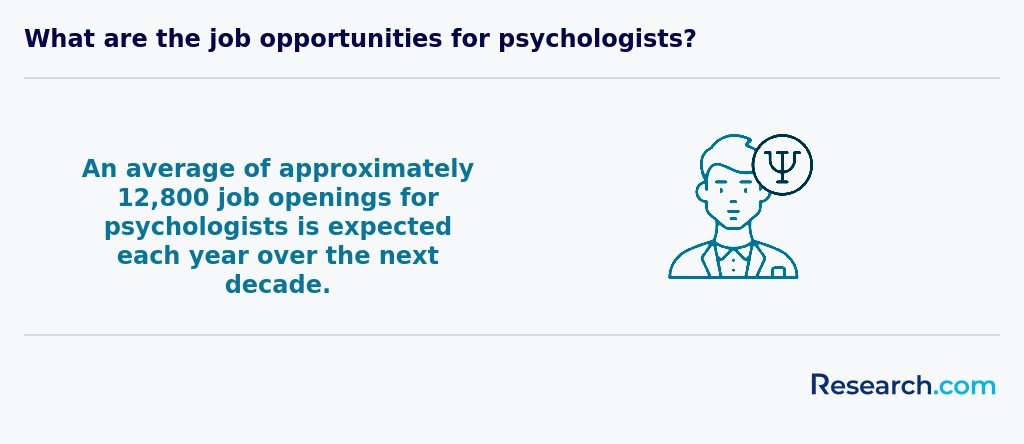
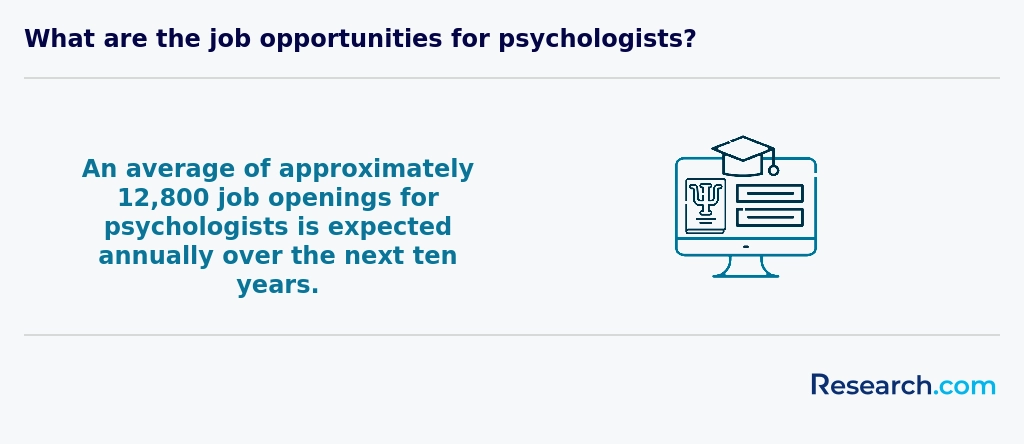
- Employment growth in psychology-related fields in Ponce is projected at about 8% over the next decade.
- Accredited programs and available practicum or internship opportunities are important for licensure and professional experience.
At universities in Ponce, diving into a psychology degree is like embarking on a carefully timed journey through the landscape of the mind. Most students find themselves immersed for about four years, balancing foundational psychology theory with hands-on research methods, much like explorers mapping uncharted territories. Those who embrace summer classes or heftier course loads breeze through in three years, fueled by sheer determination and a passion to master the craft faster.
Graduates recall late-night study marathons sparked by lively campus debates at popular Ponce institutions, where accelerated paths challenge the mind and reward grit. For those chasing a master's, the adventure stretches by two more years filled with internships and thesis projects that transform classroom theory into real-world impact. Doctoral seekers often venture even further-four to seven years-navigating intense research and clinical hours, sometimes through regional campuses or online programs linked to Puerto Rico and mainland U.S. universities, always driven by curiosity and commitment.
Imagine waking up in Ponce, coffee in hand, logging into your Universidad Ana G. Méndez online portal at dawn, and attending a psychology lecture in a bustling digital chatroom rather than a crowded classroom. The freedom to juggle family and work while studying fuels a sense of empowerment many online graduates cherish. They often highlight saving on travel and dorm fees, making education feel like a savvy investment rather than a burden.
Contrast this with on-campus life at Pontificia Universidad Católica de Puerto Rico, where students thrive on direct interaction, spirited debates, and hands-on lab experiments. Graduates recount the thrill of collaborative research rooted in Puerto Rico's cultural nuances-something hard to replicate through a screen. Here, the campus buzz, late-night study sessions, and face-to-face mentorship create an immersive tapestry of learning that shapes a psychologist's intuition.
Both paths share the rigor and APA accreditation crucial for clinical credibility, but the choice between flexible solitude and vibrant community defines the Ponce psychology student's journey.
The average cost of a psychology degree in Ponce often surprises many prospective students in the best possible way. At institutions like the Pontifical Catholic University of Puerto Rico, graduates recall managing an overall investment hovering around $6,650 for in-state students-significantly lighter on the wallet than many mainland alternatives. This figure, which envelopes tuition and typical fees, paints a realistic picture for those weighing their options locally versus broader US choices.
Psychology degree tuition and fees in Ponce reflect a unique blend of affordability and quality, where students share stories of vibrant campus life fueled by both academic challenge and community spirit-not overshadowed by crushing costs. Compared to the mainland's median total cost, flirting with numbers as high as $19,852, Ponce's institutions offer a compelling value proposition, letting learners focus more on the thrill of discovery and less on financial strain.
Living in Ponce also adds a comforting layer to budgeting narratives. Graduates often describe how the lower cost of living helps stretch their resources further, allowing for enriching experiences that complement their studies-whether it's engaging in local research projects or exploring the island's rich culture. When considering the average cost of psychology degree in Ponce, these real-life scenarios create a vivid image of attainable education priced to foster ambition with optimism.
Financial planning here includes seeking scholarships and grants that many have found crucial. Students looking to maximize their academic journey while managing expenses effectively often explore most employable college majors lists to align career goals with degree affordability, making psychology in Ponce not just a dream, but a carefully charted path forward.
Ensuring your psychology degree program meets national and local standards is essential for legal practice in Puerto Rico. Graduates must:
- Choose an APA-accredited doctoral program or a regionally accredited institution approved by the Puerto Rico Board of Examiners in Psychology.
- Complete at least 1,500 supervised practicum and internship hours under licensed psychologists.
- Pass the Examination for Professional Practice in Psychology (EPPP) with scores accepted in Puerto Rico.
- Submit an application, official transcripts, exam scores, supervised hours verification, and fees to the Puerto Rico Board of Examiners in Psychology.
Professionals seeking a related counseling licensure path can explore accredited online mft degrees that satisfy practicum requirements for Marriage and Family Therapy.
Imagine walking the vibrant halls of the University of Puerto Rico at Ponce, where a psychology graduate once described her relief upon receiving a Pell Grant that covered nearly all her tuition. Federal aid like Pell Grants, offering up to $7,395, is a game-changer, especially here where tuition runs between $5,000 and $7,000 annually-much friendlier than mainland costs. These grants are need-based treasures that don't demand repayment, allowing students to breathe easier.
For others, the path includes federal student loans, both subsidized and unsubsidized, with their comforting low interest and repayment flexibility. Graduate psychology students, say from Pontificia Universidad Católica de Puerto Rico in Ponce, often tap into Graduate PLUS Loans to support late-night study marathons and living expenses.
Local heroes like ASSEP sprinkle scholarships and loans aimed at Ponce residents, especially those blazing trails in high-demand psychology fields. And don't forget institutional aid-merit or need-based scholarships and assistantships at Ponce's psychology departments often grant tuition remission plus a stipend, turning research and teaching gigs into lifelines.
Lastly, the American Psychological Association's scholarships add a dash of national support, motivating students to dream bigger and reach further in their psychology journeys.
To embark on a psychology journey in Ponce, the first stepping stone is a high school diploma or something equivalent-think of it as your academic passport. Graduates from popular Ponce institutions often share how hitting a minimum GPA of around 2.5 to 3.0 felt like unlocking the door to their dream programs. Imagine walking into university halls knowing you've cleared this baseline, ready to dive into the mysteries of the mind.
Many in Ponce also recall facing standardized tests like the SAT or ACT; even if some schools are going test-optional, those strong scores still sparkle on applications like badges of dedication. For those whose first language isn't English, conquering TOEFL or IELTS exams was the thrilling bridge that allowed vibrant classroom dialogues and lively research projects to unfold.
Picture a student at one of Ponce's psychology colleges confidently discussing concepts from high school biology or statistics-these courses craft the scaffolding needed to build strong psychological insight. Personal statements and letters of recommendation, too, become heartfelt narratives that capture passion and promise, lighting the way through admissions with a uniquely human touch.

Studying psychology in Ponce means diving into courses that spark curiosity and real-world insight. At renowned institutions like the University of Puerto Rico at Ponce, graduates often recall their first day immersed in General Psychology, where broad ideas about cognition and emotion unfold like stories from everyday life-observing how a friend's nervous gestures reveal hidden thoughts or how moods shift in a classroom setting.
Developmental Psychology takes you on a journey from crawling infants to wise elders, revealing the evolving layers of human growth that many students find both fascinating and deeply relatable. Meanwhile, Abnormal Psychology challenges students to understand mental disorders not as mere textbook terms, but as lived experiences shaping real people, fostering empathy and a desire to help.
- Biological Psychology connects brains and behavior with electrifying clarity, making sense of why a stressful exam triggers a pounding heart
- Cognitive Psychology sharpens your sense of memory and problem-solving, like cracking puzzles your professors set
- Research Methods & Statistics transform you into an explorer of human behavior, designing experiments that could uncover new truths
- Social Psychology reveals the invisible threads of influence in group dynamics, perfect for understanding Ponce's tight-knit communities
- Psychological Testing & Assessment teaches you to interpret minds through scientific tools, empowering you to measure what can't be seen
Higher-level courses such as Clinical Psychology and Counseling Techniques bring classroom lessons to life through internships around Ponce, turning theory into hands-on healing. This blend of theory and practice feels like unlocking a personal superpower to understand and support others-a sentiment often shared by recent grads from Ponce's psychology programs.
Diving into psychology degree specializations in Ponce feels like unlocking doors to diverse worlds of the human mind. Imagine exploring clinical psychology at a bustling university where graduates share stories of transforming lives by diagnosing mental health challenges in local communities. Counseling psychology students often describe their joy in helping peers navigate emotional storms, their classrooms filled with vibrant discussions from multicultural perspectives unique to Ponce's rich cultural tapestry.
Best psychology programs with specializations Ponce offer include educational psychology, where graduates enthusiastically recall crafting learning strategies to enhance school environments, and industrial-organizational psychology, where alumni apply psychological science to inspire and motivate workforce teams in regional businesses. Some choose the thrilling forensic psychology path, blending mental health with legal adventures, while others immerse in health psychology, uncovering the mind-body dance in wellness clinics around the city.
Affordability here adds to the excitement; many find that, compared to the mainland, specialized programs in Ponce open opportunities without crushing debt. For those curious about balancing passion and practicality, there's also a treasure trove of easy online degrees that pay well that students often explore alongside their main focus, tailoring their journey uniquely.
Choosing the best psychology degree in Ponce is like tuning into the vibrant rhythm of local universities - imagine walking through the halls of popular colleges where graduates excitedly share how intimate class sizes fueled their curiosity and personalized mentorship transformed perplexing theories into life-changing insights. Accreditation isn't just a checkbox here; it's the anchor ensuring your degree carries weight beyond the island, especially when programs align with the American Psychological Association standards, priming you for serious clinical or counseling careers.
Picture diving into tailored curricula that match your inner pulse-whether that's developmental quirks or social psychology waves-while applying your learning directly in Ponce's community through hands-on internships. Affordable psychology colleges in Ponce embrace not only pocket-friendly tuition but also rich opportunities, balancing cost with quality. Alumni often recount how local faculty's deep industry connections opened unexpected doors, making your academic journey both inspiring and practical.
If you're curious about future steps, explore what is the fastest masters degree to get to accelerate your career, integrating seamlessly with your psychology foundation in Ponce for a vibrant and rewarding path.
Graduates with a psychology degree in Ponce find themselves stepping into a vibrant tapestry of career paths uniquely woven with the fabric of the city's culture and opportunities. Imagine a clinical psychologist, emerging from one of Ponce's popular universities, opening a cozy private practice where every conversation sparks hope and healing, reflecting the community's nuanced needs. Others weave through the school corridors as dedicated school psychologists, championing student well-being and unlocking hidden potentials amidst colorful classrooms.
Industrial-organizational psychology is carving new frontiers in Ponce's businesses, where sharp minds enhance employee happiness and boost productivity, turning workplaces into thriving ecosystems. For those drawn to inquiry, research roles at local universities or government agencies offer a chance to illuminate minds and policies. This panorama of job opportunities with psychology degree Ponce graduates cherish includes social services and specialized counseling, enriching lives in profoundly personal ways.
Affordability and accessibility, thanks to local institutions and accredited non profit online universities, empower students to embark on these fulfilling journeys without heavy financial burdens.
The psychology degree job opportunities in Ponce weave through a dynamic landscape shaped by local hospitals, mental health clinics, and universities. Graduates from popular institutions often describe stepping into roles that demand empathy and resilience, whether counseling survivors of recent natural disasters or helping students navigate emotional challenges in nearby schools. The mental health awareness movement infuses a hopeful energy, expanding possibilities despite the city's economic hurdles and the specialized certifications required for clinical positions.
Employment outlook for psychology graduates Ponce shines brightest for those ready to engage deeply with community needs-pioneering programs in education and rehabilitation centers. Internships around Ponce's healthcare facilities serve as critical launching pads, turning theory into heartfelt practice. Many graduates find fulfillment helping shape programs that respond to substance abuse or trauma, witnessing real-time recovery that fuels their passion.
While salary ranges can be modest compared with the mainland, the rewarding nature of the work and growing demand offer vibrant paths forward. Students balancing finances often explore options among top paying trade jobs as complementary income while pursuing advanced studies.
2027 Most Popular Psychology Degree Programs Ranking in Ponce
Investing in your education is a significant decision that can shape your future, and the Research.com team understands the importance of making informed choices. To assist prospective students in Ponce, we have meticulously crafted the "2027 Most Popular Psychology Degree Programs Ranking in Ponce." Our commitment to quality, credibility, and accuracy is reflected in the extensive research and analysis conducted to compile this ranking.
We utilized the following reputable data sources to ensure a comprehensive evaluation of psychology degree programs:
By exploring this ranking, readers will gain valuable insights into the most popular psychology programs available in Ponce, empowering them to make well-informed decisions about their educational journeys. For more details on our methodology, please visit our Research.com methodology page.
# 1 position
Pontifical Catholic University of Puerto Rico-Ponce
Bachelor of Arts in Psychology
# 2 position
Pontifical Catholic University of Puerto Rico-Ponce
Doctor of Philosophy in Clinical Psychology
# 3 position
Pontifical Catholic University of Puerto Rico-Ponce
Master of Arts in Psychology

# 5 position
Ponce Health Sciences University-East
Doctor of Psychology

Frequently Asked Questions About psychology
Psychology degree students in Ponce can maximize their learning experience by engaging actively with both theoretical and practical components of their studies. Local institutions often emphasize experiential learning through internships or research projects in clinical, educational, or industrial psychology settings.
Students should seek opportunities at nearby healthcare centers or community organizations to apply psychological principles firsthand. According to recent data from the American Psychological Association, students who participate in internships report a 30% higher employment rate within six months after graduation.
Additionally, joining student chapters of professional psychology organizations can enhance networking and access to seminars or workshops. Utilizing university counseling centers for volunteer roles also helps sharpen clinical skills.
Consistent study habits combined with involvement in local psychology research foster deeper comprehension and professional growth.
The psychology field continues to expand, with several emerging niches gaining attention among students in Ponce and across the United States. One notable area is health psychology, which explores how mental and physical health interact. This niche is growing due to increasing awareness of holistic well-being.
Another fast-developing specialization is forensic psychology, focusing on the intersection of psychology and the legal system. Demand for professionals in this area reflects broader trends in criminal justice reform.
Neuropsychology also attracts interest as advances in brain imaging open new research possibilities. Graduates trained in these areas can expect opportunities in hospitals and research centers.
For detailed data, the American Psychological Association provides updated industry insights relevant to Ponce-based psychology programs.
Preparing for the job market after completing a psychology degree in Ponce involves several strategic steps. Graduates should consider obtaining internships or practicum experiences during their studies to build practical skills and local professional networks. According to the Bureau of Labor Statistics, applied experience significantly improves employment outcomes for psychology graduates. Networking with licensed psychologists and attending local job fairs can provide valuable connections in Ponce's healthcare and education sectors.
Further certification or graduate education often enhances job prospects, especially for clinical or counseling roles. Exploring licensure requirements through the Puerto Rico Board of Psychology is essential to understand necessary credentials. Developing strong communication and research skills tailored to regional needs also benefits employment chances within Ponce's competitive market.
Employers in Ponce highly value psychology graduates who demonstrate strong critical thinking and analytical skills. These allow professionals to assess behavioral data effectively and devise appropriate interventions. Communication skills, both written and verbal, are essential for collaborating with clients and multidisciplinary teams.
Additionally, cultural competence is crucial in Ponce's diverse communities. Psychology graduates must understand and respect different backgrounds to provide effective care. According to the Bureau of Labor Statistics, social service and healthcare employers prioritize these skills nationally, reflecting similar expectations in Ponce's job market.
Lastly, proficiency with research methods and ethical standards is necessary to ensure credible practice within clinical and counseling settings.
Finding internships in Ponce relevant to a psychology degree involves a combination of research, networking, and direct contact with local institutions. Students frequently seek placements in mental health clinics, hospitals, schools, or community centers, where they can apply psychological theories in real-world settings. The University of Puerto Rico at Ponce and other local colleges typically offer career services to help students connect with internship opportunities.
It is important to start early, as many psychology internships require prior coursework completion and sometimes a formal application process. Students can also consult the Puerto Rico Psychological Association for listings of approved internship sites. According to recent data, about 45% of psychology students in Ponce secure internships through university-affiliated programs, highlighting the value of academic connections.
Moreover, virtual platforms like Handshake and local job fairs provide additional resources for discovering internships. Maintaining communication with faculty advisors can increase access to hidden opportunities, since many internships are not widely advertised.
Obtaining a psychology degree in Ponce can significantly impact career mobility and advancement within the city and broader Puerto Rico region. Psychology graduates often qualify for roles in mental health services, education, human resources, and social work, all growing sectors locally. According to the U.S. Bureau of Labor Statistics, psychology-related jobs nationwide are expected to grow about 8% from 2021 to 2031, with similar trends observed in Puerto Rico's Department of Labor reports.
In Ponce, employers increasingly value higher education credentials for promotions and specialized roles. A bachelor's degree in psychology can open doors to entry-level positions, while advanced degrees improve chances for leadership or clinical roles. Career advancement often depends on acquiring certifications alongside the degree, making continued education essential.
Studying for a psychology degree in Ponce offers students a strong foundation for interdisciplinary roles by combining psychological theory with practical applications. Many programs integrate coursework in sociology, education, and health sciences, reflecting the diverse needs of the local community and workforce. According to the Puerto Rico Council of Education, about 35% of psychology graduates in Ponce pursue careers that require collaboration across fields such as social work and healthcare.
Students gain experience through community internships and research projects, emphasizing skills like communication, critical thinking, and cultural competence. These experiences prepare graduates to work effectively in settings like hospitals, schools, and social service agencies.
Choosing between a thesis and a non-thesis psychology degree program in Ponce depends largely on your career goals and interests in research. A thesis option typically involves conducting original research and writing a substantial paper, which can be beneficial if you plan to continue with graduate studies or a research-focused career.
Non-thesis programs usually emphasize coursework, practical experience, and internships. They may be ideal for students aiming to enter applied psychology fields directly after graduation.
According to data from the Puerto Rico Psychological Association, about 40% of psychology students in Ponce opt for thesis programs, reflecting demand for research-based roles locally.
Consider your strengths, time availability, and long-term plans carefully before deciding.
Students based in Ponce interested in studying psychology abroad have several options within the US higher education system. Many universities offer online psychology degree programs, allowing students to remain in Ponce while earning a US-accredited degree. Accredited institutions such as Arizona State University and the University of Florida provide flexible Bachelor's and Master's degrees in psychology with specializations relevant to current job markets.
For those willing to relocate, prestigious universities in nearby states like Florida or Texas offer strong clinical and research-oriented programs. These schools often have partnerships and exchange programs favorable to Puerto Rican students. According to the American Psychological Association, over 300 accredited psychology programs exist nationwide, presenting diverse opportunities for students from Puerto Rico.
Students pursuing psychology degrees in Ponce can find several part-time job opportunities that complement their academic training. Many local healthcare facilities and community centers offer roles such as mental health aides or support staff, providing hands-on experience working with diverse populations. These positions allow students to apply psychological principles in real-world settings, enhancing their understanding of human behavior.
Additionally, internships or assistantships at counseling centers affiliated with institutions like the Pontifical Catholic University of Puerto Rico provide practical exposure. According to the Bureau of Labor Statistics, gaining such work experience improves job prospects for psychology graduates nationwide.
Psychology students in Ponce benefit from various networking opportunities that are crucial for their academic and professional growth. Local universities, such as the Pontifical Catholic University of Puerto Rico, frequently host seminars, workshops, and guest lectures featuring experienced psychologists and researchers. These events allow students to connect with professionals actively working in clinical, educational, and research settings.
Students can also join professional organizations like the Puerto Rico Psychological Association, which offers conferences and mentoring programs. This provides valuable chances for internships and job placements within Ponce and the broader Puerto Rican community. According to recent data from the Bureau of Labor Statistics, psychology-related roles in the region have grown steadily, making networking essential for securing future employment.
Alumni networks provide significant advantages for psychology degree students in Ponce by creating connections that enhance academic and professional growth. Graduates often share insights about internships, job openings, and graduate programs, which can be crucial for early career development. According to the National Career Development Association, strong alumni ties can increase employment prospects by up to 30%. In Ponce, local psychology alumni groups often collaborate on research projects and community mental health initiatives, fostering practical experience for current students.
These networks also offer mentorship opportunities, linking students with professionals who guide them through the complexities of licensing and certification processes in psychology. Alumni events promote continuous learning and help in building a supportive community, which is vital in a field like psychology that values interpersonal skills and ongoing education.
Customizing a psychology degree in Ponce involves selecting courses and specializations that align with your career goals. Many universities in Ponce offer concentrations such as clinical psychology, counseling, or educational psychology. Choose electives that build skills relevant to your desired field, like neuropsychology or forensic psychology. Practical experience is crucial; seek internships or research projects through local clinics or community organizations.
It's important to review each program's curriculum flexibility. Some institutions allow students to design their own track within the degree, which can enhance employability. According to the Puerto Rico Council on Higher Education, around 35% of psychology programs in Ponce provide such customization options.
Psychology students in Ponce often face several challenges typical to rigorous academic programs. One major difficulty is balancing coursework with practical experience, as internships or supervised clinical hours are essential but sometimes limited locally. According to data from the Puerto Rico Council on Higher Education, access to diverse practicum sites in Ponce remains a challenge compared to metropolitan areas.
Another common issue is competition for scholarships and financial aid. Students frequently report financial stress due to limited funding options specifically for psychology majors in the region. Additionally, some students find the research component demanding, as facilities and lab resources in Ponce are smaller than in larger US cities, affecting the scope of available projects.
Graduates with a psychology degree in Ponce can pursue several professional certifications to enhance their careers. Common certifications include Licensed Professional Counselor (LPC), Certified Addiction Counselor (CAC), and Board Certified Behavior Analyst (BCBA). These credentials require specialized education, supervised experience, and passing exams.
Obtaining a license such as the LPC allows practice in clinical counseling settings, which is in demand in Puerto Rico. The BCBA certification is valuable for professionals working with behavioral interventions, particularly in schools or healthcare.
Additionally, certifications related to school psychology or industrial-organizational psychology may be pursued through further graduate studies and testing.
Writing a winning application for a psychology program in Ponce requires careful preparation and attention to key elements. Start with a clear and concise personal statement that highlights your passion for psychology and any relevant experiences, such as internships or volunteer work in mental health settings.
Include official transcripts demonstrating strong academic performance, especially in psychology-related courses, since local institutions like Universidad de Puerto Rico en Ponce emphasize GPA in admissions. Letters of recommendation from faculty or professionals familiar with your abilities can significantly strengthen your application.
Also, be sure to meet all application deadlines and submit any required standardized test scores, if applicable. According to the Puerto Rico Council on Higher Education, demonstrating commitment through extracurricular involvement can improve your chances of acceptance in competitive psychology programs in Ponce.
The field of psychology offers diverse career opportunities worldwide, shaped by cultural and economic factors. In the US, psychology is one of the fastest-growing professions, with the Bureau of Labor Statistics projecting a 8% job growth from 2022 to 2032. For students in Ponce, the demand mirrors national trends driven by increasing awareness of mental health.
Globally, psychologists contribute to healthcare, education, business, and research. In the US, clinical psychology and counseling are popular specializations, reflecting their role in addressing mental health challenges. According to the American Psychological Association, nearly 53% of psychology graduates work in clinical or counseling roles.
Earning a psychology degree in Ponce aligns well with these trends, as local universities adhere to US accreditation standards, preparing students for licensure and employment nationwide.
Gaining practical experience during a psychology degree in Ponce is essential for building skills and enhancing employability. Many universities in Ponce offer internship programs or cooperative education opportunities that connect students with local clinics, hospitals, or community organizations. These internships provide hands-on experience in various psychology fields, such as clinical, counseling, or educational psychology. According to the Puerto Rico Association of Psychologists, over 60% of psychology students participate in internships before graduation.
Students can also engage in research assistantships under faculty supervision. This involvement hones data collection and analysis skills, valuable for future graduate studies or clinical work. Networking with professionals through local psychology groups can open up volunteer options, further enriching practical exposure.
Choosing the right concentration within a psychology degree program in Ponce requires careful consideration of your career goals and interests. Psychology offers diverse fields such as clinical, counseling, educational, and industrial-organizational psychology. Each concentration prepares students for different professional paths and certifications.
In Ponce, universities often provide concentrations aligned with regional demands, including mental health services and educational psychology. According to the Puerto Rico Office of Labor Market Information, jobs in counseling and clinical psychology are expected to grow by 8% through 2030, reflecting local healthcare needs.
Researching faculty expertise, course offerings, and internship opportunities is essential. Consider how hands-on experiences in Ponce's community settings may complement your academic focus. Consulting academic advisors and reviewing graduates' career outcomes can also guide your decision effectively.
See What Experts Have To Say About Studying Psychology
Read our interview with Psychology experts

Elizabeth L. Jeglic Ph.D.
Psychology Expert
Professor of Psychology
City University of New York

Robin M. Kowalski. Ph.D.
Psychology Expert
Professor of Psychology
Clemson University

Catherine Caldwell-Harris, Ph.D.
Psychology Expert
Associate Professor of Psychology
Boston University

- Study Psychology Abroad | Go Overseas https://www.gooverseas.com/study-abroad/psychology
- Alumni Perspectives - Meet Our FPN Alumni https://www.aanmelder.nl/alumni-perspectives-june-2023
- Doctor of Philosophy in Clinical Psychology https://phsu.edu/academics/programs/doctor-of-philosophy-in-clinical-psychology.php
- Community Psychology in Global Perspective http://siba-ese.unisalento.it/index.php/cpgp
- Best Types Of Online Psychology Degrees 2025 https://www.psychology.org/degrees/
- Know more about thesis vs non- thesis: what is the difference? https://studyfans.com/en/blogs/816
- How Psychology Students Can Get Clinical Experience Before Graduating | The Playful Psychologist https://www.theplayfulpsychologist.com/post/students-experience-how-to-get-the-experience-you-need-before-you-graduate
- Mental Health Challenges Faced by Psychology Students | The Healthcare Guys https://healthcareguys.com/2023/11/23/mental-health-challenges-faced-by-psychology-students/
- What can I do with a psychology degree? https://www.hull.ac.uk/study/undergraduate/courses/psychology-bsc-hons/what-can-i-do-with-a-psychology-degree
- A Guide to Psychology Internships | Psychology Degree Guide https://psychologydegreeguide.org/resources/internships/