
2027 Most Valuable Psychology Degree Programs Ranking in Tacoma

Co-Founder and Chief Data Scientist
Choosing the right psychology degree program in Tacoma can feel overwhelming. This article introduces the 2027 Most Valuable Psychology Degree Programs Ranking in Tacoma, carefully developed by the Research.com team of data scientists. It's designed to guide you toward programs that offer real value for your time and effort.
Whether you're passionate about understanding human behavior or eager to build a meaningful career, this ranking helps you make an informed decision. Exploring these programs can open doors to rewarding opportunities in psychology and personal growth.
Key benefits of getting psychology degree in Tacoma
- Salary for psychology degree graduates: Graduates can earn competitive salaries such as $62,370 annually for roles like Clinical Research Associate or Survey Researcher, and up to $83,190 for Marketing Research Analysts, reflecting promising financial opportunities.
- Potential career paths: Tacoma psychology graduates often pursue diverse careers in healthcare, research, and human resources, benefiting from strong local networks and practical experience gained through community partnerships.
- Benefits of an online psychology degree: Online programs from Tacoma universities offer flexible schedules and accessible learning, allowing students to balance work or family while gaining valuable skills, leading to successful career advancement.
- 2027 Most Valuable Psychology Degree Programs Ranking in Tacoma
- What can I expect from psychology degree in Tacoma?
- Where can I work with psychology degree in Tacoma?
What can I expect from psychology degree in Tacoma?
The average cost of pursuing a psychology degree in Tacoma typically reflects the tuition rates at institutions like the University of Puget Sound and Tacoma Community College. Graduates often share that, while tuition can be a significant investment, the blend of solid academic foundations with practical experience makes it worthwhile. For example, many students at Tacoma Community College find the associate degree to be a more affordable entry point, often costing several thousand dollars per year in tuition, which feels manageable alongside work or family commitments.
At the University of Puget Sound, costs are higher, aligning with private university tuition nationwide, but students value the smaller class sizes and intensive coursework on topics like cognitive and developmental psychology. Graduates appreciate how their education includes hands-on internships that helped them build real skills for careers in community health and counseling.
Financial aid, scholarships, and part-time job opportunities within Tacoma's supportive community also lighten the financial burden, allowing students to focus on learning and growth while preparing for rewarding roles in the local psychology workforce.
Where can I work with psychology degree in Tacoma?
Graduates with a psychology degree in Tacoma often find themselves drawn to roles in local mental health facilities, where they can make a tangible difference. Working at places like MultiCare Tacoma General, for example, many have discovered the fulfillment that comes from supporting patients through psychological evaluations and therapy. The hands-on experience gained here is invaluable and deeply rewarding.
Others pursue careers in the education sector, joining Tacoma Public Schools as school psychologists or counselors. Graduates from the University of Washington Tacoma often share how these roles allow them to support student well-being and learning, creating positive change in schools that serve thousands of children every day.
Community organizations such as the Tacoma Rescue Mission also attract psychology graduates eager to apply their skills in case management and outreach. These positions foster a profound sense of connection and purpose that resonates deeply with many.
Finally, some find their niche in research or organizational psychology, often building on assistantships or internships secured while studying locally. Tacoma's unique blend of academic and community opportunities offers graduates a diverse landscape to begin meaningful, impactful careers.
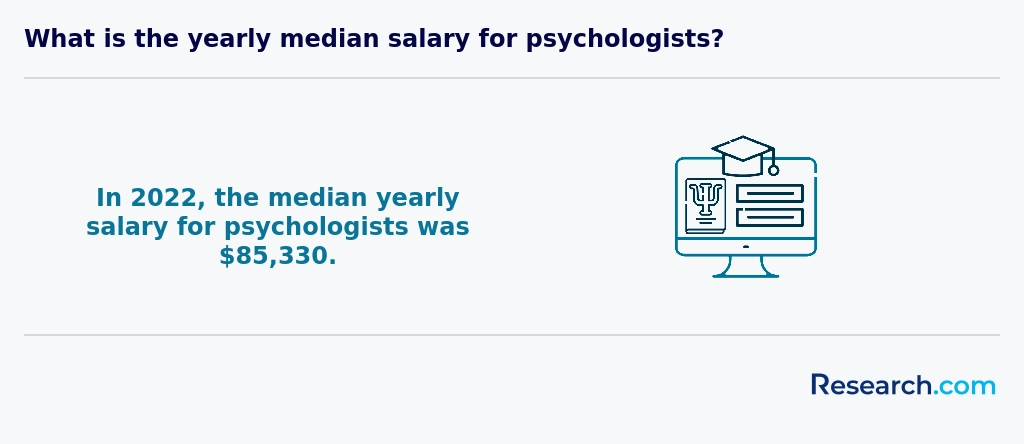
Graduates with a psychology degree in Tacoma often find varied earning opportunities depending on their specialization and experience. For example, those who have taken roles like human resources specialists can expect a mean annual wage of around $76,060, reflecting steady demand in organizational settings. Meanwhile, alumni working as marketing research analysts in the region report average salaries near $83,190, offering a rewarding pathway that combines psychology with market insight.
Many Tacoma graduates who lean into research roles, such as clinical research associates or survey researchers, see annual wages near $62,370. This path allows them to engage directly with data-driven work that influences healthcare and social policies, a fulfilling experience for those who value impactful contributions.
Graduates from local institutions appreciate how Tacoma's growing focus on mental health and business sectors provides diverse options. Seeing peers step confidently into these roles with promising salaries creates an encouraging atmosphere, nurturing both excitement and practical ambition for future professionals.
- Psychology programs in Tacoma are available from community colleges to universities like the University of Puget Sound, offering associate to bachelor's degrees with options for graduate study.
- Tuition costs in Tacoma range from under $5,000 per year at community colleges to $7,000-$10,000 annually for public universities, and $30,000-$40,000 at private colleges.
- Starting salaries for psychology graduates are typically between $40,000 and $50,000 yearly, with advanced degree holders earning $70,000 to $90,000.
- Tacoma has over 600 annual psychology-related job openings, with a projected 8% employment growth rate through 2030.
- Job roles include counseling, therapy, social work, and behavioral health in healthcare and social service sectors.
Completing a psychology degree in Tacoma typically follows familiar timelines, but personal experience shows flexibility is key. Many students at institutions like the University of Washington Tacoma find that a full-time undergraduate program takes about four years. This aligns well with the traditional 120 credit hours required to gain a solid foundation in psychology while balancing general education courses. Graduates often reflect on how managing a steady course load allowed them to fully engage with their studies and campus life without feeling overwhelmed.
For those advancing to graduate studies, the journey extends. Master's programs usually span two to three years of intense coursework and research, a period many students describe as both challenging and deeply rewarding. Doctoral candidates, meanwhile, invest five to seven years, navigating clinical training and original research. Tacoma graduates frequently express pride in the clinical and internship opportunities available locally, which provide real-world experience essential for their future careers.
Part-time study or online classes, increasingly common at Tacoma colleges, can stretch this timeline but offer valuable flexibility for those balancing work or family. This balance often brings a sense of accomplishment as students tailor their education around life's demands while steadily progressing toward their goals.
Tacoma’s psychology programs stand out for their distinguished faculty, whose expertise spans clinical, developmental, and applied research. At the University of Puget Sound, professors lead cutting-edge studies in cognitive neuroscience, while Pacific Lutheran University houses research centers focused on community mental health and resilience. Students benefit from small seminar classes-often capped at 15-to foster direct mentorship, collaborative grant writing, and co-authorship on peer-reviewed publications. Faculty-led labs offer hands-on experience with advanced methodologies, including neuroimaging, behavioral assessments, and psychophysiological measures. For example, the Tacoma Social Cognition Lab invites undergraduates to design experiments on group dynamics, whereas the Child Development Research Group provides opportunities to study early learning patterns. These settings not only enhance technical skills but also bolster resumes for competitive internships and future graduate applications. Interdisciplinary partnerships with the University of Washington Tacoma’s School of Social Work and local health clinics expand research into areas like trauma-informed care and organizational psychology. Students interested in developmental trajectories can align their projects with career planning resources, even mapping pathways to child psychology jobs by leveraging faculty networks. With faculty actively publishing in top journals and securing federal grants, Tacoma’s programs ensure that emerging psychologists are both academically rigorous and professionally prepared.
Studying psychology on-campus in Tacoma offers a tangible connection that online programs often lack. Graduates from the University of Puget Sound recall how in-person discussions and lab work deepened their understanding, creating moments of insight that felt immediate and engaging. The ability to walk into a counseling center or research lab on campus allowed them to practice skills and build relationships that shaped their careers.
Conversely, online psychology students balancing jobs or family responsibilities appreciate the flexibility to complete coursework on their own schedules. Those enrolled through Tacoma Community College's virtual programs often describe a sense of discipline and independence that builds confidence, even without daily face-to-face contact. Live sessions and local internships help them stay connected to real-world applications, easing the feeling of distance.
Both paths present unique advantages: one thrives on immersive, communal learning, while the other empowers self-directed growth. For Tacoma students, choosing depends on personal rhythms and learning preferences, reflecting diverse journeys toward meaningful careers in psychology.
For many students, earning a psychology degree in Tacoma is just the beginning of a lifelong career in mental health and behavioral sciences. As you consider your long-term goals, exploring advanced education options can provide a competitive edge in the evolving job market. Graduate programs-whether on-campus or offered through flexible online formats-allow you to specialize in areas such as clinical, counseling, or health psychology, equipping you with deeper theoretical knowledge and practical skills. For example, if you are looking to refine your expertise in mental health treatment and research, you might consider our clinical psychology online masters degree, which is designed for working professionals seeking to balance career growth with continued education. Beyond academic specialization, pursuing an advanced degree prepares you for leadership roles in healthcare, academic research, and corporate environments where expertise in human behavior is highly valued. Programs at prestigious institutions often include opportunities for hands-on learning through internships, research projects, and networking events that connect you with seasoned professionals in the field. Furthermore, advanced credentials can lead to higher earning potential and open doors to licensure and certification, ensuring that you stay ahead in a competitive industry. Integrating advanced studies with career planning not only enhances your knowledge base but also demonstrates a commitment to professional development, a factor that employers and industry leaders highly regard. Whether you aspire to clinical practice or research-based roles, investing in further education can be a transformative step toward achieving your long-term career aspirations.
The average cost of a psychology degree in Tacoma typically reflects a balance between affordability and quality education. Local graduates from Tacoma Community College recall that starting with an associate degree can be wallet-friendly, with tuition costs generally around $7,800 to $9,100. This path offers an accessible launch into psychology without overwhelming debt, especially for in-district students paying about $130 per credit hour.
Those pursuing a bachelor's degree at the University of Washington Tacoma often experience a notable increase in expenses. The estimated median total cost for a psychology degree here is around $66,047, which aligns with the deeper academic and experiential opportunities the university provides. In-state students benefit from relatively moderate tuition, but even non-resident costs, while higher, are viewed by graduates as an investment in broader career potential. Psych students commonly express satisfaction upon graduation, valuing the specialized coursework and supportive faculty despite the costs.
Beyond tuition, many find that student fees, textbooks, and living expenses add to psychology degree total expenses Tacoma students face each year. However, active scholarship and financial aid options available locally often ease these burdens, allowing students to focus on mastering the discipline. Tacoma's diverse educational offerings provide multiple viable routes depending on one's budget and goals.
For those contemplating the journey, exploring related fields can be worthwhile too, such as examining social work degree requirements, which sometimes overlap and provide alternate career pathways while managing costs.
Accreditation ensures that psychology programs meet rigorous standards of curriculum, faculty qualifications, and student outcomes. In Tacoma, key institutions such as the University of Washington Tacoma and Pacific Lutheran University hold American Psychological Association (APA) accreditation for their graduate programs, a critical factor for students aiming to pursue clinical practice or counseling licensure. Key Accreditation Details:
- APA Accreditation: Required for clinical psychology and counseling psychology programs; recognized by state licensing boards.
- Regional Accreditation: Institutions like the University of Puget Sound are accredited by the Northwest Commission on Colleges and Universities (NWCCU), ensuring overall academic quality. Washington State Licensure Pathway: 1. Earn an APA-accredited master’s or doctoral degree in psychology. 2. Complete 3,000 hours of supervised professional experience (SPE), including at least 1,500 post-doctoral hours. 3. Pass the Examination for Professional Practice in Psychology (EPPP). 4. Submit an application to the Washington State Department of Health Psychology Section, including transcripts, SPE verification, and exam scores. 5. Maintain licensure through continuing education (30 hours every two years). Tips for Prospective Students:
- Verify your program’s APA status early in your application process.
- Plan supervised hours during internships or practicums at local clinics and community mental health centers.
- Consult faculty advisors for guidance on state-specific licensure requirements. For comparative insights into program affordability and accreditation status in other regions, explore our Most Affordable Psychology Degree Programs Ranking in Arizona.
Many psychology students in Tacoma find that federal aid programs form the backbone of their financial support. Pell Grants, for example, have been invaluable to graduates from the University of Washington Tacoma who faced significant tuition costs but qualified for need-based aid, receiving awards up to $7,395 that didn't require repayment. This relief often eases the anxiety of balancing study with living expenses.
Beyond federal funding, institutional scholarships specifically targeted at psychology majors provide meaningful help. At Tacoma Community College, graduates recall how merit-based and diversity-focused scholarships not only reduced financial strain but also boosted their confidence by recognizing their academic efforts and unique backgrounds.
Additionally, the Washington College Grant serves as a vital resource for many, especially those attending public colleges in Tacoma, allowing students from low- to middle-income families to pursue psychology degrees with lighter financial burdens. Alongside these options, federal work-study programs offer the dual benefit of income and relevant experience.
After earning your psychology degree, you must meet state licensure criteria to practice professionally. Follow these core steps to ensure compliance and enhance your career prospects:
- Education
- Hold a doctoral degree in psychology from a regionally accredited institution (consider online psyd programs accredited to meet this standard).
- Supervised Experience
- Complete at least 3,000 hours of supervised professional practice under a licensed psychologist.
- Examinations
- Pass the Examination for Professional Practice in Psychology (EPPP) and Washington’s Law and Ethics exam.
- Application & Fees
- Submit your application, transcripts, supervision verification, and required fees to the Washington State Department of Health.
- Continuing Education
- Renew your license biennially by completing 36 hours of approved continuing education, including ethics and cultural competency.
Meeting these requirements ensures you’re fully credentialed to serve clients across Washington.
To enroll in a psychology degree program in Tacoma, you first need a high school diploma or GED, along with strong academic preparation in key subjects like biology, chemistry, algebra, and statistics. Graduates from Tacoma's popular institutions often recall how mastering these subjects helped them confidently tackle challenging courses like research methods and statistics early in their college careers.
Competitive GPAs are essential; for instance, many students admitted to the University of Washington Tacoma typically have GPAs around 3.1. While some schools still ask for SAT or ACT scores, many have embraced test-optional policies, easing the path for some applicants.
Beyond grades, reflecting on your passion for psychology through thoughtful personal statements and sometimes recommendation letters is crucial. Graduates emphasize how sharing genuine experiences and career goals during the application stood out to admissions committees.
Understanding financial aspects early on is also empowering. With public Tacoma universities averaging around $11,500 yearly tuition, many students have felt motivated to explore scholarships or work-study opportunities to make their education affordable and fulfilling.
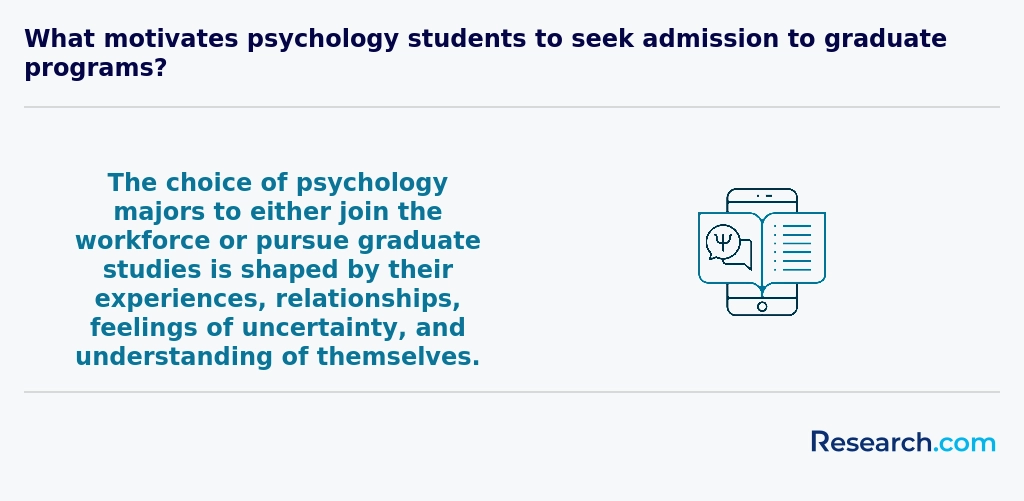
To further support students in their academic and professional journeys, it's essential to highlight the most valuable resources available to them. One crucial aspect is accessing information on valuable psychology programs in Washington, which can provide insights into top-ranked institutions, program specifics, and alumni outcomes. Additionally, resources such as academic advising, career counseling, and mental health services play a vital role in ensuring students' well-being and success. Many institutions in Tacoma, such as the University of Puget Sound and Pacific Lutheran University, offer these services, catering to the diverse needs of their students. By leveraging these resources, psychology students in Tacoma can navigate their educational paths more effectively, make informed decisions about their careers, and ultimately achieve their goals in the field of psychology.
Psychology degree programs in Tacoma consistently offer courses that build a comprehensive understanding of human behavior and mental processes, reflecting both academic rigor and practical relevance. Graduates from the University of Washington Tacoma often share how foundational classes like General Psychology and Research Methods in Psychology provided essential tools to critically analyze behavior and scientific studies. These courses become the bedrock for later specialized topics, creating a truly enriching learning experience.
Students at Tacoma Community College describe how engaging classes such as Developmental Psychology and Abnormal Psychology brought real-life scenarios into the classroom, making abstract concepts tangible. For example, understanding how cognitive decline affects aging populations felt especially meaningful when connected to the diverse community around Tacoma. Exploring Social Psychology also opened doors to appreciating interpersonal dynamics they experienced firsthand in study groups and internships.
Beyond these core topics, courses like Biological Bases of Behavior and Psychological Assessment challenge students to bridge theory and practice, preparing them for roles in healthcare or counseling. This curriculum balance at Tacoma institutions deeply resonates with those eager to make a positive impact.

Students pursuing a psychology degree in Tacoma often find themselves exploring diverse specializations that shape their future careers with clarity and purpose. Popular Tacoma psychology programs concentration options include Clinical Psychology, where graduates recall impactful internships at local clinics that fueled their passion for mental health treatment. Counseling Psychology is another path, often chosen by those inspired to support emotional growth in schools or community centers, sometimes preparing further through LPC certification in New York for expanded credentials. Industrial-Organizational Psychology draws students interested in Tacoma's growing urban economy, applying psychological insights to enhance workplace satisfaction and performance.
Social Psychology, which examines how group dynamics influence behavior, appeals to those motivated by community engagement and research opportunities at Tacoma's colleges. Developmental Psychology focuses on human growth through childhood and adolescence, opening doors to education and healthcare sectors. Graduates often reflect on how these specializations within a Tacoma psychology degree specializations in Tacoma have empowered them to align their passions with meaningful local career opportunities.
Choosing the best psychology degree programs in Tacoma begins with understanding the value of accreditation. Graduates from the University of Washington Tacoma often highlight how the school's regional accreditation and APA-recognized clinical tracks helped them feel confident about licensure and employment. Their stories remind us that accreditation isn't just paperwork; it's a key that opens doors for internships and advanced study.
Cost is another pivotal element. Many students searching for affordable psychology colleges Tacoma WA appreciate the balance between tuition and scholarship opportunities at Pacific Lutheran University, where personalized financial aid can make a significant difference. Hearing from graduates who managed their budgets through part-time study and aid reassures prospective students that financial challenges can be overcome.
Specialization matters, too, whether it's counseling, clinical, or organizational psychology. Tacoma's programs frequently emphasize practical research and faculty mentorship, enriching student experiences. For those aiming for counseling licensure, understanding the utah lpc renewal process can be a useful comparison in preparing for the professional journey ahead.
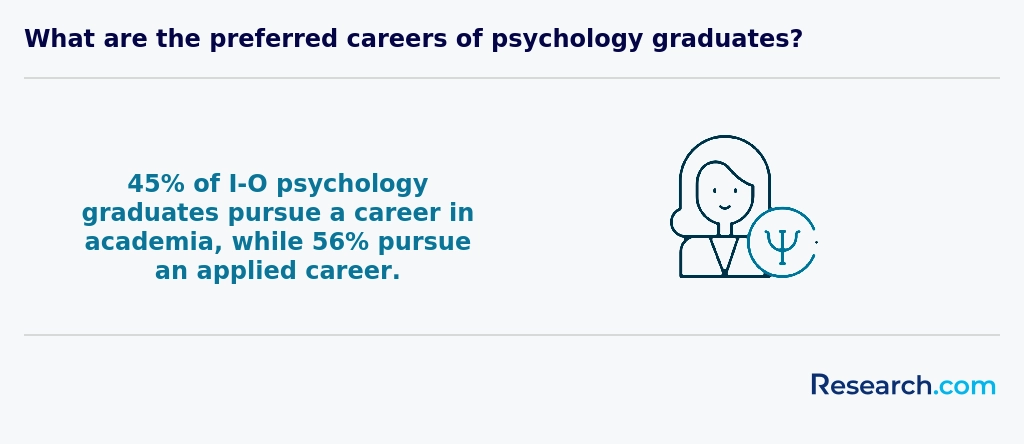
Graduates from Tacoma's well-regarded universities often step confidently into diverse psychology career opportunities in Tacoma, guided by their studies and local internships. Many find fulfilling roles as mental health technicians or case managers in community health centers, where they witness firsthand the positive impact of their efforts on individuals facing daily challenges. Others pursue advanced degrees, entering licensed clinical psychologist or counselor positions in Tacoma's expanding healthcare settings, combining both passion and expertise to support mental wellness.
Among those completing psychology degrees in Tacoma, some choose to work within the local educational systems, becoming school psychologists who help students navigate learning and behavioral hurdles. The practical experience gained through university partnerships equips graduates to thrive in these roles. Industrial-organizational psychology also attracts graduates looking to improve workplace dynamics in Tacoma's thriving businesses and tech firms, requiring a strategic mindset and advanced qualifications.
For those interested in academia or research, Tacoma's colleges offer enriching environments to contribute to psychological knowledge. Students consistently express pride in pursuing careers shaped by this vibrant community, encouraged to explore licensure regulations through the Wyoming psychology licensing board resources as they plan their professional journey.

The psychology degree job outlook in Tacoma offers a balanced and encouraging environment for graduates. Many find fulfilling roles across healthcare, education, and social services, thanks to Tacoma's connection to the robust Seattle metropolitan job market. Graduates from popular Tacoma colleges often share how internships within local hospitals and community centers provided real-world counseling experience, making the transition to paid roles smoother and more confident.
Tacoma psychology graduate employment opportunities often include clinical, school, and behavioral counseling positions that emphasize community impact. A common theme among graduates is the importance of networking with local organizations and gaining supervised experience to meet licensing requirements. The region's strong demand in healthcare and social assistance sectors creates a welcoming space for psychology professionals, even those beginning with a bachelor's degree.
Students frequently explore psychology universities in Washington to find programs offering relevant practicum placements and connections to Tacoma's mental health community, which significantly improves job readiness and satisfaction.
2027 Most Valuable Psychology Degree Programs Ranking in Tacoma
Investing in your education is a significant decision that can shape your future, and the Research.com team understands the importance of making informed choices. To assist prospective students in Tacoma, we have meticulously developed the "2027 Most Valuable Psychology Degree Programs Ranking in Tacoma." Our commitment to quality, credibility, and accuracy is demonstrated through extensive research and data analysis that underpin this ranking.
We utilized the following reputable data sources to ensure a comprehensive evaluation of psychology programs:
By exploring this ranking, readers will gain valuable insights into the most worthwhile psychology degree programs available in Tacoma, empowering them to make well-informed decisions about their educational and career paths. For more details on our methodology, please visit our Research.com methodology page.


Frequently Asked Questions About psychology
Psychology degree students in Tacoma can maximize their learning experience by combining academic study with practical opportunities. Enrolling in internships or volunteer roles at local mental health clinics, such as those affiliated with the University of Washington Tacoma, offers hands-on experience that complements classroom theory. According to the Tacoma-Pierce County Health Department, mental health services continue to grow in the region, increasing internship availability.
Active participation in research projects is another key strategy. Students should seek faculty members involved in psychological studies to enhance critical thinking and research skills, which are essential for graduate education or professional work.
Joining student psychology organizations in Tacoma also builds networks and exposes learners to professional development events. This community involvement supports career-building beyond academics and reflects trends seen in national psychology education studies.
The psychology field is rapidly evolving, with several emerging niches gaining attention, particularly relevant for students in Tacoma. One growing area is neuropsychology, which explores the relationship between brain function and behavior, driven by advances in brain imaging technologies. Another important niche is health psychology, focusing on how psychological factors influence physical health, reflecting the increasing emphasis on integrated healthcare in the U.S.
Additionally, industrial-organizational psychology is expanding as businesses in Tacoma seek experts to improve workplace productivity and employee well-being. Cyberpsychology is emerging too, studying the psychological impact of digital technology and social media.
According to the Bureau of Labor Statistics, jobs in these specialized fields are expected to grow by about 8% from 2021 to 2031, highlighting valuable opportunities for psychology graduates in Tacoma.
After completing a psychology degree in Tacoma, preparing for the job market involves gaining practical experience and professional connections. Internships or volunteer positions in local health clinics, schools, or government agencies are valuable for real-world skills. According to the U.S. Bureau of Labor Statistics, clinical, counseling, and school psychologists are growing in demand-particularly in Washington State, where Tacoma is located.
Developing a strong resume with specialized skills such as data analysis or counseling techniques improves employability. Networking through Tacoma-based psychology organizations and attending career fairs can open doors.
Further certification or graduate study may be required for many psychology roles, so planning ahead is essential.
Employers in Tacoma highly value certain key skills when hiring graduates with psychology degrees. Strong communication abilities top the list, enabling graduates to effectively interact with clients and colleagues. Knowledge of research methods and statistical analysis is essential, as Tacoma employers prioritize data-driven decision-making, especially in clinical and counseling roles.
Critical thinking and problem-solving skills also stand out, allowing graduates to assess complex cases and develop appropriate interventions. Cultural competence is increasingly important in Tacoma's diverse communities, helping professionals provide sensitive and inclusive care. According to the Tacoma-Pierce County Workforce Report 2023, employers report a 15% increase in demand for these skills in psychology-related positions.
Overall, practical experience gained through internships or assistantships significantly enhances employability in this competitive local job market.
Finding internships in Tacoma related to psychology degrees involves a combination of research, networking, and leveraging local resources. Tacoma is home to several institutions such as the University of Puget Sound that often partner with local mental health clinics and community agencies to offer internship opportunities.
Students should start by consulting their university's career services or psychology department, which usually provide listings of local internships. Additionally, organizations like MultiCare Health System and Tacoma-Pierce County Health Department frequently offer internships for psychology students interested in clinical or public health experience.
Online platforms such as Handshake or the Washington State Internship Portal may also list relevant opportunities. Building connections through professional associations like the Washington Psychological Association can further enhance access to internships.
A psychology degree in Tacoma can significantly enhance career mobility and advancement opportunities within the region's health and social services sectors. According to the U.S. Bureau of Labor Statistics, employment for psychologists in Washington State is projected to grow 10% from 2022 to 2032, faster than the average for all occupations. Tacoma's diverse economy and access to healthcare facilities increase demand for professionals with psychological expertise.
Graduates with a psychology degree often qualify for entry-level roles such as behavioral health specialists, counselors, or human resources coordinators, which provide valuable experience for career growth. Advanced degrees and licensure further improve prospects for leadership positions and specialized roles, such as clinical psychologist or school psychologist.
Local employers value Tacoma psychology graduates for their community awareness and applied knowledge, which can lead to faster promotions and salary increases. Networking through Tacoma's professional associations also supports career development in the field.
Studying psychology in Tacoma equips students with a strong foundation in understanding human behavior, which is crucial for interdisciplinary collaboration. Tacoma's psychology programs often emphasize critical thinking, research methods, and communication skills, supporting roles in healthcare, education, and social services. According to the Washington State Workforce Training and Education Coordinating Board, graduates with psychology degrees in the Tacoma area are increasingly employed in multidisciplinary teams addressing mental health, public safety, and community development.
Local institutions integrate courses with fields like neuroscience, sociology, and counseling, ensuring students are prepared for varied professional environments. This approach helps graduates adapt to roles requiring an understanding of psychological principles applied across sectors.
Choosing between a thesis and a non-thesis psychology degree program in Tacoma largely depends on your career goals and academic interests. Thesis programs require original research culminating in a written document, ideal for those aiming at research roles or pursuing doctoral studies. Non-thesis options focus more on coursework and practical experience, suitable for students targeting applied psychology careers or immediate employment.
Thesis tracks often take longer to complete, averaging two to three years, while non-thesis programs may finish sooner. According to Tacoma Community College and University of Washington Tacoma data, approximately 40% of psychology graduates choose thesis routes, correlating with higher admission rates to PhD programs.
Consider your intended path carefully when deciding between these options.
Students based in Tacoma who wish to study psychology abroad have several pathways through U.S. higher education institutions offering international programs. Many universities in Washington State, such as the University of Washington, provide study abroad options enabling psychology majors to gain global experience while earning credits. According to the Institute of International Education, psychology is among the top 10 fields for U.S. students studying abroad.
Additionally, Tacoma students may consider exchange programs or partnerships through Tacoma Community College, which often coordinate with foreign universities for semester-long studies. These programs help students explore diverse psychological theories and practices worldwide. Financial aid and scholarships for study abroad in psychology are commonly available but vary by institution.
The experience gained abroad can enhance cultural competence, a critical skill in modern psychology careers. Students should consult their academic advisors early to align study abroad options with degree requirements, ensuring smooth credit transfer and timely graduation.
Students pursuing psychology degrees in Tacoma can benefit from a variety of part-time job opportunities that complement their studies. Local mental health clinics and community centers often hire assistants or interns, offering hands-on experience with client interactions and data collection. Tacoma's growing healthcare sector includes providers like MultiCare and CHI Franciscan, which sometimes offer part-time roles supporting psychological research and patient care.
Additionally, positions such as behavioral health technicians or research assistants at Tacoma-area universities provide valuable exposure to experimental methods and client communication. According to the Washington State Employment Security Department, psychology-related roles have seen steady growth locally, reflecting increased demand for mental health services.
Psychology students in Tacoma have access to various networking opportunities that can support their academic and professional growth. Local institutions like the University of Puget Sound and Tacoma Community College often host psychology-related events and guest lectures, allowing students to engage with professors and professionals in the field.
Additionally, Tacoma's proximity to Seattle expands networking options, including chapters of national psychology organizations such as the American Psychological Association (APA). These groups frequently organize workshops and conferences in the region. According to the APA, connecting with such professional bodies can significantly enhance students' career prospects.
Internships with Tacoma's healthcare centers and social services also provide valuable real-world experience and industry contacts. Networking through campus clubs and community volunteer opportunities is another common pathway to build relationships within Tacoma's psychology community.
Alumni networks provide valuable support for psychology degree students in Tacoma by connecting them with experienced professionals in the field. These connections can lead to internships, job opportunities, and mentorship, which are crucial for career development. According to the National Association of Colleges and Employers, 70% of jobs are secured through networking, making alumni ties especially important.
Local universities in Tacoma, such as the University of Puget Sound, have active alumni groups that regularly host events and workshops tailored to psychology students. These gatherings enhance professional skills and foster a sense of community.
Moreover, alumni often share insights on trends and research specific to regional psychological services, helping students stay informed and competitive in the Tacoma job market.
Customizing a psychology degree program in Tacoma allows students to align their education with specific career goals. Many local institutions offer elective courses focusing on areas like clinical psychology, counseling, or industrial-organizational psychology. Students can enhance their learning by selecting internships or research projects connected to Tacoma's healthcare or social services sectors, which employ over 1,000 psychology professionals according to Washington State Employment Security Department.
Furthermore, Tacoma schools often enable learners to pursue certifications in specialized fields such as substance abuse counseling or child psychology. Tailoring coursework to license requirements, such as for a Licensed Mental Health Counselor (LMHC), helps meet regional credentialing standards and increases employability within Pierce County.
Psychology students in Tacoma often encounter several challenges during their academic journey. One common difficulty is managing a heavy course load, which typically includes complex subjects like research methods, statistics, and clinical psychology.
Another challenge stems from limited access to specialized internship opportunities within Tacoma. While the city has some mental health facilities, competition for practical placements can be intense, affecting hands-on learning experiences.
Financial constraints also impact many students, as the average tuition for a psychology degree in Washington state can range from $8,000 to $35,000 annually, depending on the institution and program level (NCES data, 2023).
Additionally, psychology students often report stress related to balancing academic demands with personal and work responsibilities, which is in line with national trends observed by the American Psychological Association.
With a psychology degree in Tacoma, graduates can pursue several professional certifications to enhance their career prospects. Popular options include the Licensed Professional Counselor (LPC) credential, which requires a master's degree and supervised clinical experience. The Washington State Department of Health oversees LPC licensure, making it a relevant choice for Tacoma residents.
Other certifications include the Certified Alcohol and Drug Counselor (CADC), suitable for those interested in substance abuse counseling. The National Board for Certified Counselors (NBCC) offers the National Certified Counselor (NCC) certification, which is widely recognized.
These certifications typically require passing standardized exams and completing continuing education credits. According to the Washington Employment Security Department, Tacoma's demand for licensed counselors is expected to grow by 15% over the next decade, making certification a valuable investment.
To write a winning application for a psychology program in Tacoma, begin by highlighting your strong academic record, especially in psychology and related social sciences. Local programs often seek students with a GPA of 3.0 or higher, reflecting consistent performance. Include relevant experience such as internships, volunteer work, or research, which demonstrate your commitment to the field. Tacoma-based institutions like the University of Puget Sound emphasize holistic reviews, so craft a clear personal statement explaining your passion for psychology and your career goals. Finally, obtain strong letters of recommendation from professors or professionals familiar with your work in psychology or related areas.
Psychology careers offer diverse opportunities shaped by global trends in education and mental health awareness. In the US, including Tacoma, a psychology degree can lead to roles in clinical practice, research, education, or business. Globally, psychologists often address cultural and social issues, reflecting varying needs in different countries.
According to the US Bureau of Labor Statistics, employment for psychologists is projected to grow 8% from 2022 to 2032, faster than average for all occupations. Tacoma's growing healthcare sector supports this trend, with regional demand for mental health professionals increasing steadily.
Internationally, professional standards and licensing requirements differ, but a US-based psychology degree remains recognized and valuable in many countries. This enables Tacoma graduates to consider careers abroad or engage in global research collaborations.
Gaining practical experience while studying for a psychology degree in Tacoma is essential for developing skills and improving job prospects. Many local universities, such as the University of Puget Sound, offer internship programs with partnerships in nearby clinics, schools, and social service agencies. These opportunities allow students to apply classroom knowledge in real-world settings. According to the Washington State Psychological Association, internships and volunteer work significantly enhance graduate employability.
Students can also participate in research projects led by faculty, providing hands-on experience with data collection and analysis. Additionally, joining community mental health organizations in Tacoma gives practical exposure to diverse populations.
Choosing the right concentration within a psychology degree program in Tacoma begins with understanding your career goals. Psychology offers various specializations such as clinical, counseling, developmental, and industrial-organizational psychology. Each concentration prepares students for different roles in healthcare, education, or business sectors.
Local job market data from the Washington State Employment Security Department highlights a strong demand for clinical psychologists and mental health counselors in Tacoma. This information can guide your decision toward concentrations with robust local employment opportunities.
Consider also the faculty expertise and research facilities at Tacoma institutions, as these resources enrich your learning experience and practical skills. Visiting campuses and speaking with academic advisors can provide valuable insights.
Finally, evaluate internship and practicum options linked to each concentration, since hands-on experience is vital in psychology careers in Washington State.
- 2027 Most Valuable Psychology Degree Programs Ranking in Portland
- 2027 Most Valuable Psychology Degree Programs Ranking in Eugene
- 2027 Most Valuable Psychology Degree Programs Ranking in San Francisco
- 2027 Most Valuable Psychology Degree Programs Ranking in Santa Barbara
- 2027 Most Valuable Psychology Degree Programs Ranking in Los Angeles
- 2027 Most Valuable Psychology Degree Programs Ranking in Irvine
- 2027 Most Valuable Psychology Degree Programs Ranking in Boulder
- 2027 Most Valuable Psychology Degree Programs Ranking in Riverside
- 2027 Most Valuable Psychology Degree Programs Ranking in Denver
- 2027 Most Valuable Psychology Degree Programs Ranking in La Jolla
See What Experts Have To Say About Studying Psychology
Read our interview with Psychology experts

Elizabeth L. Jeglic Ph.D.
Psychology Expert
Professor of Psychology
City University of New York

Catherine Caldwell-Harris, Ph.D.
Psychology Expert
Associate Professor of Psychology
Boston University

Joann Farrell Quinn, Ph.D., MBA
Psychology Expert
Director at the College of Medicine Department of Medical Education
Morsani College of Medicine

- Society for the Teaching of Psychology https://teachpsych.org/page-1784686/8675326
- Know more about thesis vs non- thesis: what is the difference? https://studyfans.com/en/blogs/816
- Tacoma Community College Catalog https://catalog.tacomacc.edu/pages/BRq1IRrL9DFsG5KiyqpU
- How Psychology Students Can Get Clinical Experience Before Graduating | The Playful Psychologist https://www.theplayfulpsychologist.com/post/students-experience-how-to-get-the-experience-you-need-before-you-graduate
- Psychology https://www.tacomacc.edu/academics-programs/your-tcc-path/esbs/psychology/index
- Sample letters in psychology https://www.mystudies.com/en-in/human-and-social-sciences/psychology/letter-model/
- How To Find Psychology Internships https://www.psychology.org/resources/how-to-find-an-internship/
- Alumni Perspectives - Meet Our FPN Alumni https://www.aanmelder.nl/alumni-perspectives-june-2023
- Why Get a Psychology Degree Online? | University of Bridgeport https://www.bridgeport.edu/news/reasons-to-get-your-psychology-degree-online/
- Have You Found a Niche? https://www.apaservices.org/practice/business/marketing/building/niche


