
2027 Most Affordable Psychology Degree Programs Ranking in Mississippi State

Co-Founder and Chief Data Scientist
Choosing the right psychology degree program in Mississippi State can feel overwhelming. That's why the 2027 Most Affordable Psychology Degree Programs Ranking in Mississippi State was created by the Research.com team of data scientists. This ranking offers clear insights to help you find quality programs that fit your budget and goals.
Reading this article will guide you toward smart decisions for your education. Pursuing a psychology degree opens doors to rewarding careers and personal growth. Let this ranking support your journey toward a fulfilling future.
Key benefits of getting psychology degree in Mississippi State
- Psychology degree graduates in Mississippi State can earn competitive salaries, with roles like Human Resources Specialist averaging $76,060 annually and Marketing Research Analysts earning about $83,190 per year.
- A graduate from the University of Mississippi with a psychology degree can pursue diverse careers such as clinical research, marketing analysis, or survey research, offering exciting opportunities to apply psychology in various fields.
- Obtaining an online psychology degree from Mississippi State University offers flexibility and convenience, allowing students to balance life and studies while accessing quality education and career support.
- 2027 Most Affordable Psychology Degree Programs Ranking in Mississippi State
- What can I expect from psychology degree in Mississippi State?
- Where can I work with psychology degree in Mississippi State?
What can I expect from psychology degree in Mississippi State?
Students pursuing a psychology degree in Mississippi State often find the cost combines affordability with quality education. Graduates from institutions like Mississippi State University and the University of Mississippi recall that tuition for in-state undergraduates typically ranges between $8,000 and $10,000 annually. This relatively moderate expense allows many to engage deeply in their studies without overwhelming financial stress.
Beyond tuition, graduates often mention budgeting for books, supplies, and occasional travel to internships or supervised fieldwork, essential parts of psychology training. Those enrolled in graduate programs, particularly master's or doctoral degrees, might expect higher costs but appreciate the access to specialized resources and faculty guidance which justify the investment.
Students frequently share how scholarships and financial aid opportunities helped ease costs, making the pursuit more attainable. For many, the blend of manageable expenses, strong academic support, and hands-on experience at Mississippi colleges fosters both confidence in their training and optimism for future careers in psychology.
Where can I work with psychology degree in Mississippi State?
Graduates with a psychology degree from universities like the University of Mississippi or Mississippi State University often find rewarding careers in healthcare settings such as hospitals and mental health clinics. Many share how working as behavioral health specialists allows them to make a meaningful impact by supporting patients through challenging mental health issues. These roles are growing steadily, providing a sense of job security and purpose.
Others pursue opportunities in educational institutions, working as school counselors or academic advisors in local K-12 schools. Having witnessed peers thriving in these positions, the value of additional certification becomes clear, opening doors to roles where they nurture student development and emotional well-being. Colleges and universities also employ graduates as research assistants or program coordinators, cultivating skills that feel both intellectually satisfying and socially impactful.
For those drawn to public service, state agencies and social organizations offer paths in community outreach and case management. Graduates often express pride helping at-risk populations, especially in rural parts of Mississippi where mental health resources are scarce. Meanwhile, others leverage their psychological knowledge in the private sector-human resources, organizational development, or market research-where understanding behavior enhances team dynamics and business strategies.
While advanced roles require graduate degrees and certification, many find early fulfillment in entry-level positions that build experience and confidence. The journey through Mississippi's diverse work environments illustrates how a psychology degree shapes not just a career, but a commitment to improving lives.
Graduates from psychology programs at institutions like the University of Mississippi or Mississippi State University often find their earnings reflecting both their education level and job role. Entry-level positions such as childcare workers typically earn around $32,070 annually, according to BLS data, which aligns with many bachelor's graduates starting their careers in supportive roles within community settings.
Those who advance into research-focused or analyst roles can expect higher salaries. For example, clinical research associates and survey researchers both earn approximately $62,370 per year, a figure that resonates with graduates involved in university-led studies or nonprofit organizations in the state.
Human resources specialists, a common pathway for psychology graduates applying their understanding of behavior in corporate settings, report mean annual wages near $76,060. Similarly, marketing research analysts can earn upwards of $83,190, reflecting the value of analytical skills gained during psychology studies.
Graduates often express satisfaction in leveraging their degree toward diverse careers across Mississippi, appreciating that salary growth corresponds strongly with experience and specialized training, especially when starting in towns like Starkville or Oxford where opportunities are steadily increasing.
- In-state tuition for a psychology bachelor's degree in Mississippi typically ranges from $7,000 to $10,000 per year at public universities, while private colleges may charge over $20,000 annually.
- Entry-level psychology graduates in Mississippi earn an average salary between $35,000 and $45,000, often working as behavioral health technicians or community service specialists.
- Advanced degree holders, such as licensed clinical psychologists, can expect salaries starting around $60,000 and rising to $80,000 or more with experience.
- The job market in Mississippi for psychology careers is moderately steady with expected growth of about 12% over the next decade, mainly in healthcare, education, and social services.
- Accreditation by organizations like the American Psychological Association (APA) is important for licensure eligibility and should be confirmed for clinical or counseling psychology programs.
Completing a psychology degree in Mississippi State typically takes about four years for full-time students pursuing a bachelor's degree, whether at Mississippi State University or the University of Mississippi. Graduates often reflect on how following a structured plan and staying engaged with their courses helped them balance general education and psychology-specific classes smoothly within this timeframe. For those attending part-time, perhaps juggling jobs or family responsibilities, the journey may extend to five or six years, but the added flexibility allows maintaining life balance without sacrificing progress.
Graduate-level studies add more depth and time. Many master's students at the University of Southern Mississippi appreciate that their two to three years of study, including clinical or counseling tracks, provide meaningful hands-on experience and opportunities to specialize. Doctoral candidates, committed to advancing professionally, often spend five to seven years immersed in research, internships, and dissertations. These comprehensive programs deeply prepare students for licensure, reflecting the dedication required to become accomplished psychologists in Mississippi's supportive academic environment.
When exploring psychology degree programs in Mississippi State, MS, it's essential to consider both affordability and quality. Prospective students can weigh their options by examining factors such as tuition costs, financial aid availability, and program accreditation. For those seeking affordable options, exploring most affordable psychology schools in Mississippi can be a valuable step in finding a program that fits their budget. Additionally, understanding the potential return on investment, including career prospects and salary ranges, can help students make an informed decision about their educational path. By carefully evaluating these aspects, students can choose a psychology program that not only aligns with their financial situation but also provides a high-quality education, preparing them for a successful career in psychology.
Choosing between online and on-campus psychology degrees in Mississippi often boils down to the learning style and daily commitments of the student. Graduates from Mississippi State University share how on-campus programs enriched their experience through face-to-face interactions, access to labs, and networking that felt more natural in a classroom setting. This hands-on environment made internships and supervised hours feel engaging and immediate, crucial for future licensure.
Conversely, graduates of online programs from the University of Mississippi find value in the flexibility to balance jobs or family, studying at their own pace without the need to commute. The affordability of in-state online tuition ranging from around $300 to $600 per credit hour also eased financial burdens. Many appreciated how virtual discussions and local internships still created meaningful connections and practical experience despite the distance.
Both formats meet accreditation standards, yet the decision often reflects lifestyle and learning preferences within Mississippi's vibrant academic community.
Here are the most affordable psychology programs in the region, ranked by in-state tuition and flexibility.
For additional online support options, explore our online counseling degrees.
- Mississippi University for Women: In-state tuition $6,900/year; offers blended courses and small class sizes.
- East Mississippi Community College (Associate Degree): Tuition $4,800/year; seamless transfer pathways to bachelor’s programs.
- Mississippi State University: In-state tuition $7,070/year; traditional campus with hybrid electives.
- University of Southern Mississippi: In-state tuition $7,200/year; fully online and on-campus formats.
- Delta State University: In-state tuition $8,100/year; evening and weekend class schedules.
For those pursuing a psychology degree in Mississippi State, understanding the average psychology degree cost in Mississippi is key to planning your academic journey. Graduates from popular institutions like Mississippi State University often recall that in-state tuition and fees average around $10,200 for the entire degree. This more affordable total cost compared to out-of-state options makes public universities in Mississippi appealing for many local students. Experienced alumni emphasize that this financial accessibility fuels a positive, focused learning environment without overwhelming debt.
Many students reflect on the balance between cost and quality, noting that while graduate programs may require a higher investment, often upwards of $15,000 annually, assistantships and scholarships provide substantial relief, making advanced degrees more feasible. The median total cost figures align well with what students encounter when factoring in additional expenses like textbooks and campus services, which, although modest, should be budgeted carefully.
One graduate from a renowned Mississippi college highlighted how exploring financial aid options and local scholarships helped ease the financial burden. This experience is common among psychology students in Mississippi, where resources are often available to support tuition payments. Those considering their future in a helping profession may find that affordability opens doors to careers in fields such as substance abuse social worker careers, where passionate graduates contribute meaningfully to their communities.

When evaluating affordable psychology degree programs, it’s helpful to compare Mississippi State’s in-state tuition-approximately $7,070 per year-with neighboring regions. In South Dakota, public universities charge in-state tuition averaging around $8,000 annually, making Mississippi one of the most budget-friendly options in the Midwest. Beyond cost, Mississippi State offers six accredited psychology programs, while South Dakota’s institutions collectively provide four specialized tracks, from clinical psychology to industrial-organizational psychology. Cost of living also plays a pivotal role in overall affordability. In Mississippi State, the average monthly rent near campus is $600–$750, compared to South Dakota’s $650–$800 range. This marginal difference reinforces Mississippi’s status as an economical choice for students seeking to minimize debt without sacrificing quality. Campus fees and textbook expenses are similarly competitive across both states, with Mississippi students reporting average annual fees of $1,200 versus South Dakota’s $1,350. Program diversity further distinguishes these regions. Mississippi State’s programs emphasize interdisciplinary research and offer robust internship pipelines within local healthcare and educational settings. In contrast, South Dakota’s psychology departments prioritize small-class instruction and hands-on laboratory experiences. Prospective students should consider whether a broader program roster or a more intimate learning environment best aligns with their academic goals and career aspirations. For a detailed look at South Dakota’s offerings, check out the Most Affordable Psychology Degree Programs Ranking in South Dakota. Comparing these state-by-state metrics allows applicants to make informed decisions about tuition, living costs, program structure, and long-term return on investment-ensuring the best fit for both budget and career trajectory.
Many psychology students at Mississippi State University have found relief from tuition costs through a mix of financial aid tailored to their unique needs. Federal aid, accessed via the FAFSA, serves as a crucial pillar, with the Pell Grant offering up to $7,395 annually to eligible students. This grant alone can transform the experience, making the pursuit of a psychology degree feel achievable rather than daunting.
State programs like the Mississippi Tuition Assistance Grant (MTAG) also play a vital role. Graduates recall receiving MTAG awards ranging from $250 to $1,000, easing their budgets during intense study periods. Additionally, those connected to the Mississippi National Guard have accessed tuition assistance programs that support their academic and career goals within local institutions.
At universities such as the University of Mississippi, psychology students often tap into departmental scholarships or assistantships. These opportunities not only provide financial aid but also valuable teaching and research experience, enhancing both resumes and personal growth. Many graduates reflect on these roles as transformative, instilling confidence and a sense of belonging within their academic community.
Private scholarships from organizations like the American Psychological Association further lighten financial burdens. Graduates emphasize the importance of early outreach to financial aid offices and psychology departments, which can open doors to these layered funding streams, turning ambitions into tangible achievements.
Becoming a licensed psychologist or counselor in Mississippi involves several clear steps:
- Complete a regionally accredited graduate program in psychology or counseling.
- Accumulate supervised clinical hours (e.g., 3,000 hours for psychologists; 2,000 hours for LPCs).
- Pass the national EPPP for psychologists or appropriate counselor exams (NCE/NCMHCE) plus any state jurisprudence tests.
- Submit your application and official transcripts to the Mississippi Board of Psychology or the Board of Examiners for Licensed Professional Counselors.
- Meet biennial continuing education requirements to renew and maintain your license.
For those focusing on counseling, consider cacrep accredited online masters counseling programs to ensure your education aligns with licensure standards.
To enroll in a psychology degree program in Mississippi State, most students begin with a solid foundation of a high school diploma or equivalent, such as a GED, paired with a GPA of around 2.5 or higher. Graduates from universities like the University of Mississippi often recall how maintaining this academic standard opened the door to their undergraduate studies. Some found that submitting ACT or SAT scores, even when optional, provided an edge in competitive admissions.
Entry also typically requires coursework in biology, statistics, and English, reflecting the interdisciplinary nature of psychology. For instance, students at Mississippi State University recognize how these early classes helped them connect scientific inquiry with human behavior, making later psychology concepts more approachable.
For graduate-level programs, the bar rises; a bachelor's degree with at least a 3.0 GPA, relevant psychology courses, letters of recommendation, and hands-on experience such as internships are often essential. Many alumni appreciate how such experiences not only strengthened applications but also deepened their passion and understanding of clinical or counseling careers.

For many psychology graduates in Mississippi State, MS, obtaining further credentials can significantly boost career prospects and practical expertise. Beyond the undergraduate degree, pursuing an online master’s program-such as exploring bcba masters programs-can offer specialized training in applied behavior analysis and open doors to advanced roles in clinical, educational, and organizational settings. These programs not only deepen theoretical knowledge but also provide hands-on experience through internships and practicum opportunities. By investing in continuing education and relevant certifications, students position themselves at the forefront of emerging trends and best practices in psychology, ensuring they remain competitive in both local and national job markets. Moreover, advanced credentials often lead to higher earning potential and increased job security, as employers seek professionals with verified expertise and a commitment to lifelong learning.
Psychology programs at universities like the University of Mississippi and Mississippi State University consistently include foundational courses that shape a deep understanding of human behavior. Graduates often reflect on how courses such as Introduction to Psychology and Research Methods became the cornerstone of their academic journey, offering clarity on complex psychological theories and teaching them how to conduct meaningful research.
Many students cherish learning about Developmental Psychology, where they explore stages of human growth, connecting these concepts to experiences they observe in their own communities. Biological Psychology often sparks curiosity as it links brain functions with everyday actions, creating memorable insights during lab sessions at campus facilities.
Cognitive and Social Psychology courses bring to life mental processes and group dynamics, making students realize the vast influence of perception and social interaction in real-world settings like campus clubs or local workplaces. Abnormal Psychology, paired with Statistics for Psychology, equips students with practical skills to analyze and understand mental health challenges, a subject close to the hearts of many pursuing careers in counseling or clinical psychology.
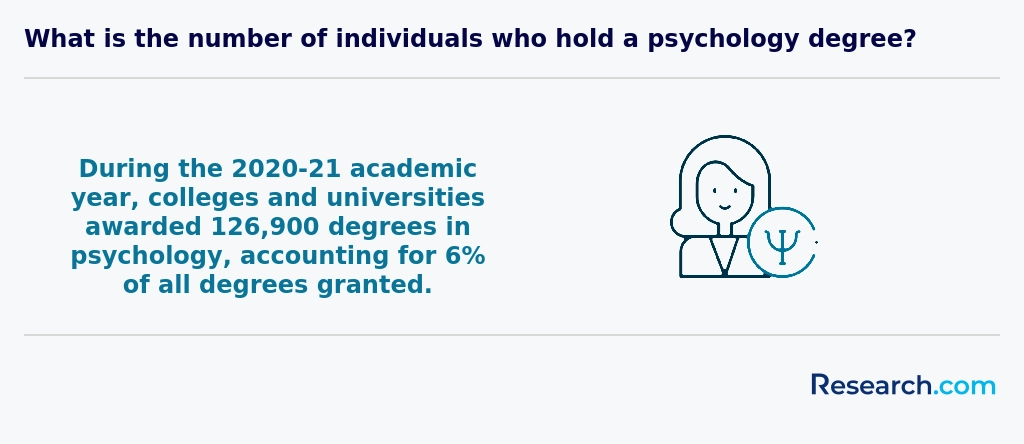
Students pursuing a psychology degree in Mississippi State often encounter a range of specializations that reflect both their personal passions and the practical needs of the local workforce. Many graduates from well-regarded institutions like the University of Mississippi and Mississippi State University highlight clinical psychology as a deeply rewarding path, where hands-on training in counseling and behavioral interventions prepares them for meaningful roles in mental health care.
Another concentration gaining traction among students is industrial-organizational psychology, prized for its direct impact on workplace environments. Those who specialize here find satisfaction in helping businesses and employees thrive, echoing the state's growing economic landscape. This makes Mississippi State psychology program concentrations especially appealing for students eager to merge psychology with real-world applications in industries like human resources and management.
Graduates also value developmental psychology, often linked to careers supporting growth and learning from childhood to adulthood. Additionally, fields such as forensic, health, and school psychology provide diverse avenues to tailor one's career. Students interested in advancing their study might explore PhD in psychology online programs accredited, which enrich their expertise and open further professional doors.
Choosing the best psychology degree in Mississippi State means balancing factors like program focus, cost, and practical experience. Graduates from Mississippi State University often highlight the value of a Bachelor of Science degree, which emphasizes research methods and prepares students for both advanced studies and careers. Meanwhile, the University of Mississippi offers diverse clinical and counseling psychology pathways that graduates say enriched their understanding and empathy through hands-on internships at local clinics.
Affordability plays a large role as well. Many reflect on how affordable psychology degree programs in Mississippi helped them manage tuition without sacrificing quality. Public universities here maintain lower fees than national averages, which allows students to concentrate more on learning and less on financial stress.
Lastly, don't overlook opportunities for real-world training or connections that build your resume. Some graduates found that combining local internships with research projects made a huge difference in post-graduate employment. If you're considering further education or career shifts, you might explore options like the best online MSW programs in Colorado for additional social work qualifications.
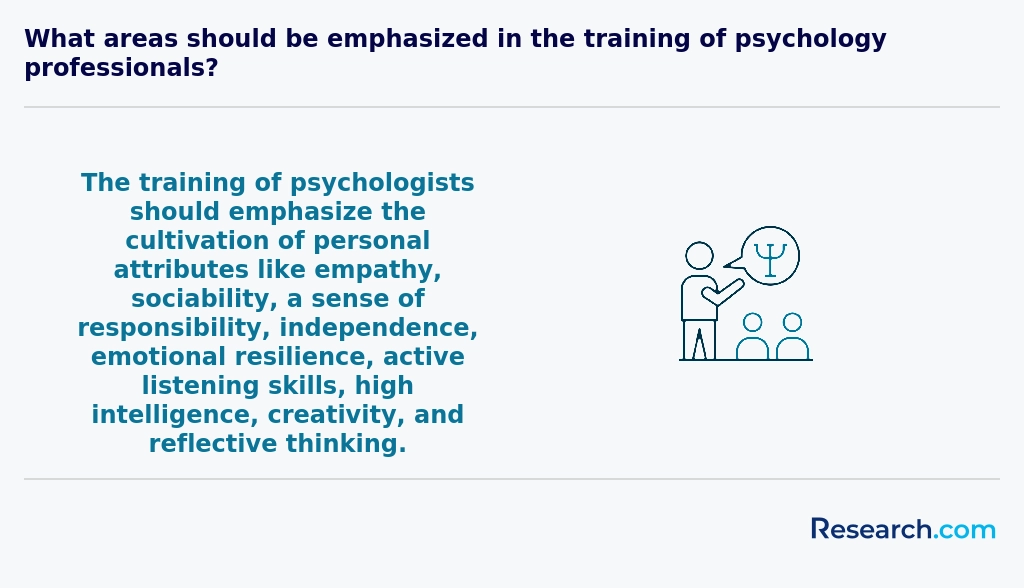
Graduates holding a psychology degree in Mississippi State find themselves at the crossroads of diverse and rewarding career paths. Many step into clinical or counseling roles, applying their knowledge to support mental health within local communities. Those from universities like the University of Mississippi have shared how their internships in clinics truly deepened their understanding and compassion, shaping their future as counselors or psychological assistants. This hands-on experience reflects the growing demand for mental health professionals statewide.
Opportunities also extend into educational settings, with school psychologists playing vital roles in helping students overcome behavioral challenges in Mississippi's public schools. Industrial-organizational psychology offers another intriguing path, where graduates contribute to improving workplace dynamics in larger companies, though these roles are less prevalent locally. Research careers at institutions such as Mississippi State University enable graduates to influence policies and mental health practices firsthand.
For those aiming to broaden their horizons, pursuing lpc certification missouri or advanced clinical qualifications can be a strategic next step. These options enhance job prospects and fulfill the demands of specialized roles within the region. Exploring psychology career opportunities in Mississippi through these lenses reveals a landscape rich with potential and purpose.

The job market for psychology degree graduates in Mississippi State shows steady promise, especially for those focusing on clinical, counseling, and school psychology. Employment opportunities for psychology graduates in Mississippi State are shaped by increasing demand for mental health services, fueled by growing public awareness and expanded care access. Graduates from renowned universities in the state often find fulfilling roles within hospitals, schools, and community organizations, where their skills directly impact people's lives. Many describe the rewarding experience of supporting patients through challenging times, which reinforces their passion for the field.
While the median wage of about $69,480 is modest compared to some regions, this figure aligns with Mississippi's living costs and reflects numerous entry points into the workforce. Graduates sharing their journeys emphasize the value of advanced degrees and licensing, which open doors to higher salaries and specialized careers.
For students exploring affordable options, Mississippi hosts some of the most affordable psychology schools in Mississippi, making it feasible to pursue an education without overwhelming debt. Understanding the psychology degree job outlook in Mississippi when choosing a path helps students align their ambitions with real-world conditions while remaining hopeful about their future contributions.
2027 Most Affordable Psychology Degree Programs Ranking in Mississippi State
Investing in your education is a significant decision that can shape your future, and the Research.com team understands the importance of making informed choices. To assist prospective students in Mississippi State, we have carefully developed the "2027 Most Affordable Psychology Degree Programs Ranking in Mississippi State." Our dedication to quality, credibility, and accuracy is demonstrated through thorough research and analysis in creating this ranking.
We utilized the following reputable data sources to ensure a comprehensive evaluation of psychology programs:
By exploring this ranking, readers will gain valuable insights into the most affordable psychology degree options available in Mississippi, empowering them to make well-informed educational choices. For more information about how this ranking was created, please visit our Research.com methodology page.

Frequently Asked Questions About psychology
Psychology degree students in Mississippi State can maximize their learning experience by engaging actively with both coursework and practical opportunities. Many universities in the state offer research programs where students can assist faculty, gaining valuable hands-on experience. For example, Mississippi State University encourages participation in lab research, which enhances understanding of psychological theories through real data.
Internships at local mental health clinics or community organizations provide practical exposure and strengthen resumes. According to the American Psychological Association, around 70% of students who complete internships report improved job prospects. Additionally, joining psychology clubs and attending related workshops can support networking and skill development.
Lastly, students should take advantage of Mississippi's licensed professional psychologist resources for mentorship and career guidance to stay informed about state-specific requirements and trends.
The field of psychology in Mississippi State is evolving with several emerging niches gaining attention among students and professionals. One growing area is forensic psychology, where specialists assist legal systems by applying psychological principles to criminal cases. According to the Bureau of Labor Statistics, demand for forensic psychologists is projected to grow 14% through 2031, reflecting nationwide trends impacting Mississippi.
Another niche is health psychology, focusing on how behavior affects physical health. With Mississippi's high rates of chronic illnesses, psychologists are increasingly involved in designing intervention programs tailored to local communities. Neuropsychology also shows promise, especially with advances in brain injury treatments and cognitive assessment methods.
Preparing for the job market after earning a psychology degree in Mississippi involves strategic steps tailored to the state's workforce demands. Graduates should gain practical experience through internships or volunteer positions, which are highly valued by Mississippi employers.
According to the U.S. Bureau of Labor Statistics, psychology-related jobs in Mississippi are expected to grow moderately over the next decade, emphasizing the need for specialized skills. Networking with local professional organizations, such as the Mississippi Psychological Association, can provide valuable connections and job leads.
Further certification or graduate education may also enhance employability, especially for clinical or counseling roles that require licensure in Mississippi. Understanding regional labor market trends and developing competencies in areas like assessment or research methods will improve prospects significantly.
Employers in Mississippi State highly value psychology graduates who possess strong communication skills, both verbal and written. These skills are essential for effectively interacting with clients, colleagues, and community stakeholders. Additionally, critical thinking and problem-solving abilities stand out as top requirements, enabling graduates to assess complex behaviors and develop evidence-based interventions.
Data from the U.S. Bureau of Labor Statistics indicates that analytical skills are crucial for roles in counseling, research, and social services throughout Mississippi. Familiarity with statistical software and data analysis tools also enhances employability.
Finally, ethical judgment and cultural competence are increasingly important, given Mississippi's diverse populations and unique social challenges.
Finding internships in Mississippi State for psychology degrees requires proactive engagement with local universities and community organizations. Many institutions like Mississippi State University and the University of Mississippi offer internship programs through their psychology departments, providing placements in mental health clinics, hospitals, and research centers.
Students are encouraged to consult their academic advisors and career services, which often have established partnerships with local agencies. Additionally, state resources such as the Mississippi Department of Mental Health provide listings for internships and volunteering opportunities relevant to psychology students.
Networking with faculty and attending psychology-related events can also help uncover less advertised internships. The Bureau of Labor Statistics notes internships help build essential experience for psychology careers, emphasizing their importance in Mississippi's growing mental health sector.
A psychology degree in Mississippi State significantly supports career mobility and advancement. Graduates with this degree often find opportunities in diverse fields such as mental health counseling, social services, education, and human resources. According to the U.S. Bureau of Labor Statistics, Mississippi's psychology-related occupations are projected to grow by approximately 8% through 2030, slightly above the national average.
Mississippi's workforce demand for licensed counselors and social workers emphasizes advanced degrees for better positions and salaries. Employers often prefer candidates with a bachelor's or higher in psychology for roles requiring critical thinking and interpersonal skills. Additionally, obtaining licensure and certifications can enhance upward mobility within the state's healthcare and educational systems.
Studying for a psychology degree in Mississippi State offers strong preparation for interdisciplinary roles by emphasizing collaboration across fields like healthcare, education, and social services. Programs commonly integrate coursework in biology, sociology, and statistics, promoting versatile skill sets.
Many universities in Mississippi incorporate applied learning experiences such as internships and research projects that involve multiple disciplines. This approach helps students understand how psychological principles apply in real-world settings alongside medicine, counseling, and criminal justice.
According to the National Center for Education Statistics, psychology majors in Mississippi often engage in cross-departmental studies, enhancing their adaptability for various professional environments.
When choosing between a thesis and a non-thesis psychology degree program in Mississippi State, students should consider their career goals and learning preferences. Thesis programs typically require conducting original research and writing a final paper, which suits those aiming for doctoral studies or research careers. Non-thesis options focus more on coursework and practical experience, often appealing to students planning to enter the workforce directly after graduation.
According to the American Psychological Association, about 40% of psychology graduates in Mississippi pursue graduate education, making research experience valuable for competitive doctoral applications. Local universities often offer both formats, so reviewing curriculum details and faculty expertise is recommended.
Students in Mississippi State looking to study psychology abroad have several pathways available through their home institutions. Many universities, such as Mississippi State University, offer study abroad programs or exchanges with partner schools internationally. These programs often include options to take psychology courses that count toward degree requirements.
Additionally, students can explore summer or semester-long programs focused on psychology in countries known for research, such as the United Kingdom or Australia. The Institute of International Education's Open Doors Report shows that psychology remains a popular major among U.S. students going abroad. This trend suggests availability of diverse programs tailored to psychology students.
It is essential for students to consult their academic advisors early to ensure credits earned abroad will transfer seamlessly and align with licensure or graduate school goals in psychology within Mississippi. Resources like EducationUSA also provide guidance for U.S. students planning psychology studies abroad.
Students pursuing psychology degrees in Mississippi State have several valuable part-time job opportunities to enhance their academic experience. Common roles include research assistants at universities such as Mississippi State University, where students can gain hands-on experience in psychological research methods. Additionally, positions as behavioral health technicians or aides in local mental health clinics offer practical exposure to clinical settings.
Employment in social service agencies or non-profits also allows psychology students to develop skills in counseling and case management. According to the Bureau of Labor Statistics, such roles improve employability and understanding of psychological principles in real-world environments. These jobs often offer flexible hours to accommodate academic schedules.
Psychology students in Mississippi State benefit from various networking opportunities designed to support their academic and professional growth. Many universities in the state host psychology clubs and honor societies such as Psi Chi, which connect students with peers and faculty members who share similar interests.
Regional and national conferences, including those organized by the Mississippi Psychological Association, offer students chances to present research and meet professionals. Additionally, local internships and research assistant positions within state hospitals and clinics foster practical connections.
According to the Mississippi Institutions of Higher Learning, these experiences help students build essential networks that can lead to graduate studies or employment.
Alumni networks play a crucial role in supporting psychology degree students in Mississippi State. These networks connect current students with graduates working in various psychology fields, providing valuable mentorship and career advice. According to the Mississippi Institutions of Higher Learning, strong alumni involvement enhances internship opportunities, which are essential for practical experience in psychology programs.
Through networking events and online platforms, students can access job leads and graduate school recommendations. Alumni insights help students navigate licensing requirements specific to Mississippi, such as those for clinical psychologists. This support often increases graduate employment rates, which the National Center for Education Statistics notes as a factor in program success.
Students pursuing psychology degrees in Mississippi State can often tailor their programs by selecting specific electives, concentrations, or minors that align with their career ambitions. Many universities allow choices between specialties such as clinical, counseling, forensic, or industrial-organizational psychology. This flexibility helps students develop skills relevant to careers in mental health, research, or human resources.
Internships and practicum placements are another customizable aspect, offering hands-on experience in settings like hospitals, schools, or community centers. Additionally, some programs encourage research projects, which can deepen expertise in areas like developmental or social psychology.
The Mississippi Institutions of Higher Learning provide resources to help students design a curriculum that meets licensure requirements and professional standards, important for career readiness.
Psychology students in Mississippi State often face several common challenges throughout their education. One major hurdle is balancing rigorous coursework with practical experience requirements, such as internships or research projects. According to the Mississippi Institutions of Higher Learning, many programs emphasize applied skills, which demand significant time commitment outside the classroom.
Additionally, students may struggle with limited access to diverse clinical settings within the state, affecting exposure to varied populations and mental health issues. Financial constraints are another concern, as Mississippi's average in-state tuition, though lower than the national average, still poses burdens for some students seeking advanced degrees in psychology.
Moreover, navigating licensure requirements post-graduation can be complex. The Mississippi Board of Psychology sets strict criteria for clinical practice, requiring students to plan carefully to fulfill supervised hours and examination prerequisites.
With a psychology degree in Mississippi State, you can pursue several professional certifications to enhance your career prospects. Common certifications include becoming a Licensed Professional Counselor (LPC) or Licensed Clinical Social Worker (LCSW), both requiring additional supervised experience and exams. For those interested in industrial-organizational psychology, certification through the Society for Industrial and Organizational Psychology (SIOP) may be valuable.
Mississippi's Board of Psychology offers licensure for psychologists and specific certifications for school psychologists. National certifications from the American Board of Professional Psychology (ABPP) are also recognized for advanced specialization.
These certifications often improve job opportunities and earning potential across clinical, educational, and corporate settings.
Writing a winning application for a psychology program in Mississippi State begins with showcasing your academic background. Universities typically require a minimum GPA of 3.0, so highlight your relevant coursework and grades. Including strong letters of recommendation from professors familiar with your psychological studies can significantly boost your application's credibility.
Personal statements should clearly express your interest in psychology and link your goals with the program's strengths. Mississippi State's programs often emphasize research and community engagement, so demonstrate any practical experience or volunteer work in these areas.
Test scores like the GRE are optional at some Mississippi institutions but check specific program requirements. Finally, meeting all deadlines and submitting complete materials ensures your application is reviewed fairly.
Psychology careers in the United States, including Mississippi State, benefit from a strong global demand for mental health professionals. Worldwide, interest in psychology is growing due to increased awareness of mental health issues. The U.S. Bureau of Labor Statistics projects a 8% growth in psychologist jobs nationally from 2021 to 2031, faster than average for all occupations. Mississippi State aligns with this trend, with universities offering accredited psychology degrees that meet national standards.
Globally, psychology professionals often collaborate on research and clinical practices, influenced by U.S. training methods. Mississippi graduates can pursue diverse roles such as clinical psychologists, counselors, or researchers, with credentials recognized internationally.
Gaining practical experience while pursuing a psychology degree in Mississippi State is essential for career readiness. Many universities encourage students to participate in internships, which provide hands-on experience in clinical, counseling, or research settings. For example, Mississippi State University offers internship placements through partnerships with local hospitals, schools, and community agencies.
Students can also engage in research assistant roles, often available within psychology departments. According to the American Psychological Association, such positions help students apply theories learned in class to real-world studies. Volunteer opportunities with state mental health organizations are another valuable avenue, allowing students to develop interpersonal skills and professional networks.
Choosing the right concentration within a psychology degree program in Mississippi State depends on your career goals and interests. Common concentrations include clinical, counseling, developmental, and industrial-organizational psychology. Each offers distinct career paths, from therapy and counseling to workplace research.
Consider job market trends in Mississippi: the Bureau of Labor Statistics reports a growing demand for mental health professionals, especially in clinical roles. Universities like Mississippi State University and the University of Southern Mississippi offer diverse tracks aligning with these needs.
Also, evaluate program faculty expertise and research opportunities to find a concentration that supports your academic growth and practical experience.
- 2027 Most Affordable Psychology Degree Programs Ranking in Birmingham
- 2027 Most Affordable Psychology Degree Programs Ranking in Hattiesburg
- 2027 Most Affordable Psychology Degree Programs Ranking in Montgomery
- 2027 Most Affordable Psychology Degree Programs Ranking in Mobile
- 2027 Most Affordable Psychology Degree Programs Ranking in Baton Rouge
- 2027 Most Affordable Psychology Degree Programs Ranking in New Orleans
- 2027 Most Affordable Psychology Degree Programs Ranking in Atlanta
- 2027 Most Affordable Psychology Degree Programs Ranking in Macon
- 2027 Most Affordable Psychology Degree Programs Ranking in Tallahassee
- 2027 Most Affordable Psychology Degree Programs Ranking in Springfield
See What Experts Have To Say About Studying Psychology
Read our interview with Psychology experts

Joann Farrell Quinn, Ph.D., MBA
Psychology Expert
Director at the College of Medicine Department of Medical Education
Morsani College of Medicine

Catherine Caldwell-Harris, Ph.D.
Psychology Expert
Associate Professor of Psychology
Boston University

Elizabeth L. Jeglic Ph.D.
Psychology Expert
Professor of Psychology
City University of New York

- Bachelor of Science in Psychology at Mississippi State University – Fees, Requirements, Eligibility & More https://www.gyandhan.com/study-abroad/usa/universities/mississippi-state-university/courses/bachelor-of-science-in-psychology
- Know more about thesis vs non- thesis: what is the difference? https://studyfans.com/en/blogs/816
- Mississippi Psychology Schools | Psychology Degree Guide https://psychologydegreeguide.org/state/mississippi/
- Mental Health Challenges Faced by Psychology Students | The Healthcare Guys https://healthcareguys.com/2023/11/23/mental-health-challenges-faced-by-psychology-students/
- Mississippi Online Degree Programs in Psychology https://www.onlinepsychologydegrees.com/states/mississippi/
- Sample letters in psychology https://www.mystudies.com/en-in/human-and-social-sciences/psychology/letter-model/
- Psychology - SWPS University https://english.swps.pl/academics/warsaw/ba-programs/psychology
- Best Online and Campus Psychology Schools in Mississippi https://www.psychologydegree411.com/schools/mississippi/
- Psychology at Mississippi State University https://www.vaia.com/en-us/degrees/universities/mississippi-state-university/psychology-at-mississippi-state-university/
- Professional Networking For Psychologists | Psychology.org https://www.psychology.org/resources/professional-networking/


