2027 Best Psychology Degree Programs Ranking in Columbia

Co-Founder and Chief Data Scientist
Choosing the right psychology degree program is a big step toward a rewarding career in understanding human behavior. This article introduces the 2027 Best Psychology Degree Programs Ranking in Columbia, created by the Research.com team of data scientists to guide you through the best options available.
By exploring this ranking, you'll gain valuable insights into programs that match your goals and interests. Earning a psychology degree can open doors to meaningful opportunities and personal growth. Let this guide help you make an informed and confident choice for your future.
Key benefits of getting psychology degree in Columbia
- Salary for psychology degree graduates: Graduates can earn competitive wages such as $62,370 annually for Clinical Research Associates or Survey Researchers, and up to $83,190 for Marketing Research Analysts, reflecting strong financial prospects.
- Potential career paths: A psychology graduate from a popular Columbia university might explore roles in human resources, research, or clinical fields, enjoying varied and rewarding opportunities that align with their interests and skills.
- Benefits of online degrees: Earning a psychology degree online offers flexibility and convenience, allowing graduates in Columbia to balance work and study while still accessing quality education and career advancement.
- 2027 Best Psychology Degree Programs Ranking in Columbia
- What can I expect from psychology degree in Columbia?
- Where can I work with psychology degree in Columbia?
What can I expect from psychology degree in Columbia?
For students pursuing a psychology degree in Columbia, the average annual tuition tends to range between $10,000 and $25,000 for in-state attendees. Graduates from institutions like the University of South Carolina often reflect on how managing these costs required careful planning, including applying for scholarships and departmental assistantships that several programs offer. These financial supports not only lighten the burden but also connect students more deeply with research activities and internships.
Many psychology students describe their investment in education as worthwhile, highlighting the access to hands-on experiences within local mental health agencies-a feature that Columbia's colleges uniquely provide. These opportunities enhance learning beyond textbooks and lectures, making the tuition feel more like a gateway to real professional growth.
While some may worry about price variations across universities, the overall sense is that the education quality and career networking possibilities make the costs reasonable. Feelings of excitement and motivation are common among graduates, who recognize their degree as a foundation for diverse career paths or advanced study.
Where can I work with psychology degree in Columbia?
Graduates holding psychology degrees from Columbia's leading institutions frequently find diverse career paths that match their interests and skillsets. Many pursue roles as mental health counselors or therapists, capitalizing on the area's growing appreciation for psychological wellbeing. For example, alumni from respected universities often share how internships within Columbia's community health centers enriched their understanding and boosted their confidence in clinical environments.
Others secure jobs in school systems, serving as school psychologists or counselors. Graduates describe the rewarding experience of directly supporting students' emotional needs within Columbia Public Schools, an opportunity to make an immediate social impact.
Beyond these, psychology students report engaging with local businesses, especially in human resources or market research. Their ability to decode human behavior proves invaluable in Columbia's burgeoning sectors, like healthcare and tech, where professionals often recognize their contributions to team dynamics and consumer insights.
For those aiming at research or licensed practice, doctoral programs in Columbia provide vital pathways. Graduates appreciate the strong academic networks that connect them with public health and nonprofit initiatives, broadening their scope to include advocacy and community outreach.
Graduates with psychology degrees from universities in Columbia often find their earning potential varies depending on the job role and experience. For example, those entering roles such as clinical research associates or survey researchers can expect mean annual wages around $62,370, according to recent US Bureau of Labor Statistics data. These positions, commonly pursued by early-career psychology graduates, offer valuable field experience but come with moderate pay.
Other graduates who shift into human resources specialist positions see a higher average salary near $76,060 per year. This role often attracts psychology majors interested in organizational behavior and employee relations and can be a stepping stone into corporate careers. Marketing research analyst jobs present an even more lucrative option, with mean salaries averaging about $83,190 annually. This reflects the value of psychological expertise in consumer behavior and data analysis.
At institutions like the University of South Carolina or Columbia College, alumni report feeling optimistic about these pathways. They highlight how their psychology background helped them adapt to diverse career opportunities and acquire skills that appeal to employers in both public and private sectors. The key takeaway is that while initial salaries can vary, the degree opens multiple avenues for meaningful and financially rewarding work in Columbia's job market.
- Undergraduate tuition in Columbia for in-state students ranges from $10,000 to $15,000 per year, while out-of-state students pay between $25,000 and $30,000 annually.
- Graduate psychology programs cost between $15,000 and $40,000 per year depending on residency status and the specific program.
- Entry-level salaries for psychology graduates with a bachelor's degree range from $35,000 to $45,000 per year.
- Advanced degree holders in psychology can expect starting salaries between $60,000 and $80,000, with experienced psychologists earning over $90,000 annually.
- Employment growth in psychology-related fields in Missouri is projected at about 8% in the coming years.
Completing a psychology degree in Columbia typically takes about four years for full-time undergraduates pursuing a Bachelor of Arts or Science. Graduates from well-known institutions like the University of Missouri or Columbia College often share how balancing coursework and campus life shaped their timeline, sometimes feeling both challenged and fulfilled by the steady progress. Some students choose to accelerate their studies by enrolling in summer courses, reducing their time to graduation to around three years, though this requires strong dedication and good time management.
Part-time students, who may work or manage family commitments alongside their studies, often take longer-sometimes six years or more-to finish. Graduate degrees, such as the Master's offered at Webster University, generally span two to three years, yet this can vary if thesis requirements differ. Doctoral programs require a more significant time investment, from five to seven years, echoing the depth of research and clinical work needed. These varied durations reflect the diverse paths students in Columbia take toward their psychology careers, emphasizing flexibility and personal circumstance.
To make an informed decision about pursuing a psychology degree in Columbia, MO, it's essential to consider the affordability of programs. One crucial factor is the cost of tuition, which can vary significantly between institutions. Prospective students should also explore financial aid options, scholarships, and assistantships that can help mitigate these costs. For those looking for more affordable options, considering the cheapest psychology school in Missouri can be a practical step. By weighing these factors, students can find a program that fits their budget and aligns with their career aspirations, ultimately leading to a fulfilling and financially sustainable path in the field of psychology.
Students pursuing psychology degrees in Columbia often face a choice between online and on-campus programs, each presenting distinct experiences. Online learners appreciate the flexibility to juggle work or family while studying, allowing them to access lectures from universities like the University of Missouri-Columbia at times that suit their schedules. One graduate found this particularly empowering, as it removed the stress of commuting and rigid timetables.
Conversely, on-campus students at institutions such as Columbia College enjoy immersive interactions with peers and professors, fostering deeper connections and hands-on practice in campus labs and counseling centers. Many recall the energizing feeling of collaborating face-to-face, a factor that enhanced their understanding of psychological theories.
Financially, on-campus programs often bring additional expenses beyond tuition, such as housing and transport, which online students typically avoid. However, both formats in Columbia offer accredited paths ensuring graduates meet licensure requirements, with practical training either on-site or arranged locally.
In essence, the decision hinges on personal circumstances and learning preferences rather than intrinsic program quality.
Students and professionals with a passion for sports psychology can bolster their career trajectory by staying current with industry trends and actively seeking specialized opportunities. In addition to excelling academically and gaining practical experience through internships, it is essential to cultivate a robust network within the sports and psychology communities. Many experts recommend leveraging professional development programs, attending conferences, and even pursuing certifications tailored to working with athletes to stand out in this competitive niche. For practical tips on building a successful career in this field, explore our detailed guide on how can i advance my career in sports psychology, which offers actionable advice and insights from industry leaders. By integrating continuous learning and strategic networking, aspiring sports psychologists can effectively transition from academic achievements to influential roles within the realm of sports and mental performance.
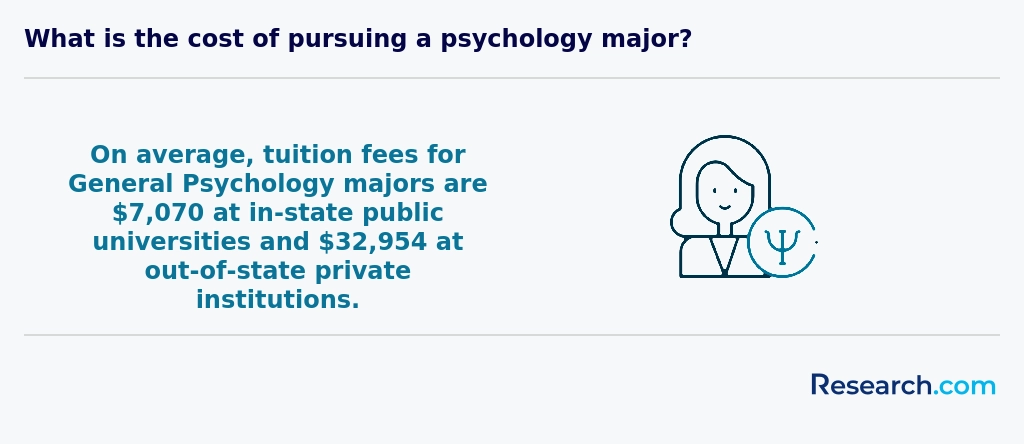
The average cost of a psychology degree in Columbia varies notably depending on residency and institution type. Median in-state students pursuing this degree typically face a total cost around $14,837, while out-of-state students see much higher expenses, approximately $50,706. These figures illustrate the significant financial gap that residents and non-residents encounter when enrolling in popular psychology programs within Columbia's universities or colleges.
Graduates often recall balancing tuition payments alongside living expenses and occasional course-specific fees, which can add up but are generally manageable with thoughtful budgeting. For example, students at well-known Columbia institutions pursuing psychology commonly find that apart from tuition, costs such as books and lab fees also contribute to the total outlay. This real-life budgeting challenge adds both responsibility and a sense of accomplishment to their academic journey.
Prospective students interested in finding cost-effective options might want to explore options like the cheapest psychology school in Missouri. This approach resonates well with many who seek quality education without the overwhelming financial burden. Considering the average cost of psychology degree in Columbia is essential for planning and makes clear why thorough research on tuition and financial aid opportunities is a wise step.
Accreditation and proper licensure are key to practicing psychology in Missouri.
- Graduate from an APA-accredited or regionally accredited psychology program.
- Complete at least 3,000 hours of supervised experience (pre- and post-doctoral).
- Pass the Examination for Professional Practice in Psychology (EPPP) and Missouri jurisprudence exam.
- Submit an application to the Missouri Division of Professional Registration and pay required fees.
- Maintain licensure with continuing education and explore APA-accredited fastest online psychology degree options to streamline credentials.
Students pursuing psychology degrees in Columbia often rely on a mixture of financial aid sources tailored to their specific needs and institutions. Graduates from universities like Columbia University or Barnard College recall how completing the FAFSA opened doors to Pell Grants, which, depending on their financial situation, reduced the daunting $10,000-$35,000 annual tuition range. These grants offered a tangible relief that allowed them to focus more on their studies rather than immediate financial strain.
State-based support, such as the Columbia Higher Education Grant, was another crucial lifeline for many attending public institutions in the area. Some psychology students found merit-based scholarships awarded by university departments particularly motivating, as these often reflected academic achievement and encouraged continued excellence.
Graduate students shared the benefits of assistantships at places like Columbia University's Graduate School of Arts and Sciences, where teaching or research duties brought both tuition remission and stipends, easing financial stress and providing practical experience. Meanwhile, federally funded work-study roles linked to psychology labs or counseling centers gave undergraduates a valuable blend of income and skill-building.
Furthermore, scholarships from organizations like the APA, although competitive, provided supplementary funding that allowed students to pursue specific research interests without financial distraction. Each funding source highlighted by Columbia psychology students underscored the importance of early application and a proactive approach to navigating these opportunities.
Earning a psychology degree in Columbia, MO, is just the first step toward a professional license. To become a Licensed Professional Counselor (LPC) or Licensed Psychologist in Missouri, graduates must: • Complete a master’s or doctoral program accredited by the APA or CACREP, including at least 60 credit hours for LPC candidates and 90 credit hours for psychologists. • Accumulate supervised clinical experience: LPC applicants need 3,000 hours under a board-approved supervisor, while psychologist candidates require 2,000–4,000 hours depending on degree level. • Pass the relevant licensing exams: the National Counselor Examination (NCE) for LPCs and the Examination for Professional Practice in Psychology (EPPP) for psychologists. Continuing education is mandatory to maintain licensure-most LPCs complete 40 hours every two years, and psychologists must fulfill 40 hours every two years, including ethics credits. For those exploring alternative routes into mental health, such as jobs in psychology without a degree, this guide offers practical insights into entry-level roles, certification programs, and on-the-job training opportunities that bypass traditional degree requirements.
To enroll in a psychology degree program in Columbia, Missouri, prospective students typically need a solid academic foundation, including a high school diploma with strong performance in science, math, and English. Graduates from local universities often recall how these subjects prepared them for the critical thinking and research skills demanded in psychology courses at institutions like the University of Missouri.
Standardized tests, such as the SAT or ACT, remain a factor for many admissions offices, although some schools have moved toward test-optional policies. Students who excelled in these exams found that strong scores boosted their confidence and application strength. Personal statements also play a crucial role, giving applicants a chance to express their genuine interest in psychology-a step many graduates consider vital for standing out.
Another common prerequisite involves introductory coursework in psychology, biology, and statistics. Transfer students and those aiming for graduate programs often share how completing these courses beforehand helped them engage more deeply with advanced material once enrolled. These preparatory steps, available through community colleges or summer classes, make the transition smoother and foster a rewarding learning experience in Columbia's psychology programs.
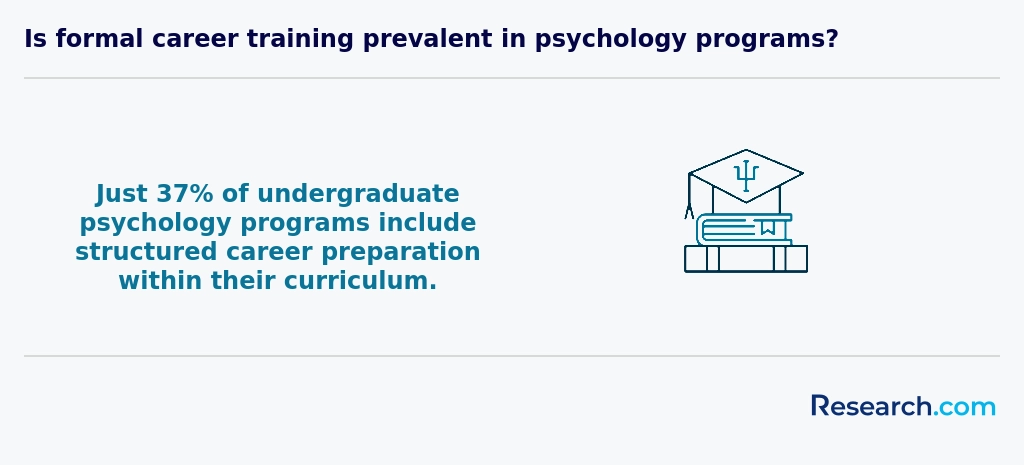
Choosing a psychology program with recognized accreditation ensures eligibility for state licensure and graduate study. Look for American Psychological Association (APA) accreditation or regional accreditation acknowledged by the Council for Higher Education Accreditation (CHEA). For a streamlined path, consider an accelerated psychology degree online that meets these standards.
- Graduate from an APA-accredited or regionally accredited institution.
- Complete state-required supervised clinical hours (often 1,500–4,000 hours).
- Pass the Examination for Professional Practice in Psychology (EPPP).
- Satisfy any additional state board requirements (jurisprudence exams, background checks).
Psychology degree programs in Columbia, such as those offered by the University of South Carolina, typically include core courses that equip students with a robust understanding of human behavior and mental processes. Graduates often recall how foundational classes like Introduction to Psychology opened their eyes to the field's diverse perspectives, laying a strong base for more complex topics.
Research Methods and Statistics courses are frequently cited as challenging but rewarding, helping students develop practical skills necessary for designing experiments and interpreting data. This hands-on approach allows learners to engage critically with real-world psychological questions, a hallmark of Columbia's programs.
Specialized classes like Developmental, Cognitive, and Social Psychology enable students to connect theory to everyday experiences-whether it's understanding how children develop or why social groups influence behavior. A graduate from a Columbia college noted that Biological Psychology, bridging brain function with actions, provided fascinating insights that felt directly relevant in clinical or educational settings.
Other courses including Abnormal and Health Psychology often inspire students by illuminating mental health challenges and wellness strategies, preparing them for diverse career paths while fostering empathy and confidence.
Psychology degree specializations in Columbia commonly reflect a balance between broad U.S. trends and local demand. Graduates from universities in Columbia often choose Clinical Psychology, where they develop hands-on skills diagnosing and treating mental health disorders-an experience that many find both challenging and deeply fulfilling. Others gravitate toward Counseling Psychology, preparing for roles in community organizations or schools, offering practical methods for crisis intervention that resonate with students eager to make tangible impacts.
Columbia psychology program concentration options also include Industrial-Organizational Psychology, popular among those who enjoy understanding workplace behavior and help improve employee well-being. Some graduates explore Developmental Psychology, intrigued by human growth stages, which ties naturally to careers in education or healthcare. Forensic Psychology attracts students interested in legal applications, while Health Psychology appeals to those wanting to integrate mental health into medical settings.
For students wondering how can i advance my career in sports psychology, choosing the right specialization can further open doors. Practical experience at prominent Columbia colleges helps them confirm which focus suits their passions and career plans.
Choosing the best psychology degree in Columbia involves balancing several important factors tailored to your personal and professional goals. Graduates from well-regarded programs at popular universities in Columbia often highlight the critical role of accreditation and program reputation. For instance, attending a regionally accredited school with APA-recognized graduate programs ensures not only quality education but also smoother paths to licensure.
Considering affordable psychology schools Columbia is crucial given the wide range in tuition costs-from around $8,000 at public institutions to over $30,000 at private colleges. Graduates who succeeded often maximized financial aid and sought scholarships, which helped ease the financial burden without compromising educational quality.
Program structure also affects experience: those attending colleges offering flexible online or hybrid formats found they could maintain jobs or internships simultaneously, fostering practical skills. In-person programs with strong faculty qualifications and active research opportunities have allowed students to engage deeply with their studies and build confidence.
Moreover, some graduates emphasize exploring career support, noting that Columbia's psychology programs with high graduate employment rates provide motivation and reassurance. If your path varies, such as pursuing jobs in psychology without a degree, explore resources like jobs in psychology without a degree to expand your options.
Graduates with a psychology degree in Columbia find a variety of career paths reflecting diverse interests and training levels. Many pursue clinical and counseling roles, where they assist individuals coping with mental health issues-a pathway commonly seen among alumni from Columbia's prominent universities. Others choose social service positions, applying psychological expertise to support vulnerable populations, which aligns with the growing demand for social workers and behavioral health counselors in the region. These options highlight promising job growth but also require understanding licensure and advanced education commitments.
Some graduates explore organizational psychology, aiming to boost workplace well-being and productivity. This path suits individuals drawn to corporate environments and human resources management. Those interested in research or academia benefit from Columbia's strong university programs, where they engage in scientific studies or delve into user experience design and market research, demonstrating the applicability of psychology beyond traditional settings. Exploring alternatives like an associate degree in 6 months online accredited can also complement career flexibility for students balancing education with other priorities.
Considering jobs with psychology degree in Columbia means acknowledging the spectrum from healthcare to business sectors. This diversity allows graduates to find meaningful roles tailored to their passions and evolving goals.
The job market for psychology degree holders in Columbia is showing promising signs, particularly as local healthcare systems and educational institutions increase their demand for mental health services. Graduates from universities like the University of South Carolina often find entry-level roles in clinical settings or school psychology, reflecting a local economy that values mental health expertise. While median salaries around $79,000 align with broader stateside averages, real success often depends on advancing education and obtaining licensure.
Many psychology graduates in Columbia share experiences of securing internships and employment through connections with professional bodies such as the South Carolina Psychological Association. Such networks enhance career prospects for psychology graduates Columbia by opening doors to counseling and industrial-organizational psychology roles. However, competition is real, especially for those skipping advanced degrees.
For students contemplating their academic path, exploring an easiest bachelor's degree may initially seem appealing, but psychology's complex job market rewards perseverance and specialized study. The growing recognition of mental health needs ensures steady opportunities, yet graduates must weigh the importance of advanced credentials to fully benefit from employment opportunities.
2027 Best Psychology Degree Programs Ranking in Columbia
Investing in your education is a significant decision that can shape your future, and the Research.com team understands the importance of making informed choices. To assist prospective students in Columbia, we have meticulously crafted the "2027 Best Psychology Degree Programs Ranking in Columbia." Our commitment to quality, credibility, and accuracy is reflected in the extensive research and analysis conducted to compile this ranking.
We utilized the following reputable data sources to ensure a comprehensive evaluation of psychology programs:
By exploring this ranking, readers will gain valuable insights into the best psychology degree programs available in Columbia, helping them make well-informed decisions about their educational paths. For more details on our methodology, please visit our Research.com methodology page.

Frequently Asked Questions About psychology
Psychology degree students in Columbia can maximize their learning by actively engaging in both academic and practical experiences. Research shows that students who participate in internships or lab assistantships gain a deeper understanding of psychological theories and methods, enhancing employability after graduation.
Taking advantage of Columbia's vibrant network of psychology conferences and workshops offers crucial exposure to current research trends. According to the American Psychological Association, hands-on experience and networking improve student success in psychology careers.
Additionally, forming study groups and seeking mentorship from faculty members supports critical thinking and application skills. Utilizing campus resources like writing centers and counseling services also promotes academic success and personal well-being.
The field of psychology is rapidly evolving, with several emerging niches gaining importance in recent years. One notable area is neuropsychology, which focuses on understanding the brain-behavior relationship and is especially relevant due to advances in brain imaging technologies. Another growing specialty is health psychology, which examines how psychological factors influence physical health, a field expanding as chronic illnesses rise in the US. Clinical psychology incorporating telehealth services has also surged, accelerated by the COVID-19 pandemic, offering new ways to deliver mental health care.
Industrial-organizational psychology is climbing in demand, driven by businesses seeking to improve workforce productivity and employee well-being. Furthermore, forensic psychology continues to expand, intersecting with the legal system and public safety. According to the US Bureau of Labor Statistics, jobs for psychologists are projected to grow 6% from 2021 to 2031 nationally, with Columbia reflecting similar trends due to its urban and diverse population.
Graduates with a psychology degree in Columbia should start preparing for the job market early by gaining relevant experience. Internships and volunteer work in mental health facilities, schools, or hospitals provide practical skills and networking opportunities. According to the U.S. Bureau of Labor Statistics, psychology-related jobs in South Carolina are expected to grow about 8% from 2020 to 2030, highlighting steady demand.
Developing strong research, communication, and critical thinking skills enhances employability. Many employers prefer candidates with experience in data analysis software and familiarity with evidence-based practices. Seeking mentorship and attending local professional events hosted by organizations like the South Carolina Psychological Association can further support career growth.
Obtaining licensure or certifications relevant to the chosen psychology field is essential for advancement. For instance, clinical psychologists require a state license, while school psychologists must meet specific certification standards. Understanding these requirements early helps graduates plan education and training pathways effectively.
Employers in Columbia highly value psychology degree graduates who demonstrate strong analytical and communication skills. According to the American Psychological Association (APA), critical thinking and the ability to interpret data are essential for success in applied psychology roles.
Interpersonal skills are also crucial, as many jobs require working closely with clients or research participants. Columbia graduates who can show empathy, active listening, and cultural competence tend to stand out in the local job market.
Additional sought-after skills include proficiency in statistical software such as SPSS or R, as reported by the National Association of Colleges and Employers (NACE). These technical abilities enhance graduates' employability in research and clinical settings within Columbia's growing psychological services sector.
Finding internships relevant to a psychology degree in Columbia involves proactive research and networking. Many universities in Columbia collaborate with hospitals, mental health clinics, and community organizations to offer practical training. Students should check their school's career center and psychology department for internship listings and application advice.
Additionally, platforms like Handshake and local job boards often list internships available in the psychology field. Networking through professors and attending psychology-related events can open doors to opportunities not widely advertised.
The American Psychological Association (APA) encourages students to seek internships that provide supervised clinical experience, which is crucial for licensure. According to the APA, about 70% of psychology students in Columbia secure internships before graduation, enhancing their employability.
In Columbia, a psychology degree significantly enhances career mobility and advancement opportunities within various sectors. According to the Bureau of Labor Statistics (BLS), employment of psychologists in the United States is projected to grow 8% from 2021 to 2031, faster than average for all occupations. This demand translates into increased job openings locally, especially in healthcare, education, and social services.
Graduates with a psychology degree often advance into specialized roles such as clinical psychologists, counselors, or human resources managers. Earning advanced degrees, like a master's or doctorate, further improves promotion prospects and salary potential.
In Columbia's competitive job market, employers value psychology graduates' skills in analysis, communication, and understanding human behavior, which supports transitions into leadership roles.
Studying for a psychology degree in Columbia equips students with skills applicable across multiple disciplines like healthcare, education, and business. Programs emphasize both foundational psychology and its practical applications, preparing graduates for roles that require collaboration with professionals in fields such as social work, neuroscience, and public health.
Many Columbia institutions offer interdisciplinary coursework, integrating psychology with subjects like biology, statistics, and communication. This approach aligns with data from the American Psychological Association, showing that 65% of psychology graduates in the US pursue careers involving interdisciplinary teamwork.
Additionally, experiential learning through internships and research projects in Columbia's academic settings further strengthens students' adaptability in diverse professional environments.
Choosing between a thesis and a non-thesis psychology degree in Columbia depends on your career goals and learning preferences. Thesis programs involve conducting original research and writing a comprehensive paper, which suits students aiming for doctoral studies or research-intensive careers. Non-thesis programs focus more on coursework and practical experience, ideal for those pursuing applied psychology roles or immediate employment.
In Columbia, psychology graduate programs typically require around 30 to 40 credits. According to the American Psychological Association, about 60% of psychology master's graduates seek thesis options to strengthen research skills. Cost and time also differ: thesis programs may take longer to complete due to research demands.
Students based in Columbia looking to study psychology abroad have several options within the US higher education system. Columbia itself hosts highly ranked psychology programs, but many also consider institutions elsewhere for diverse research opportunities or specialized fields like clinical or cognitive psychology. According to the American Psychological Association, over 2,000 accredited psychology degree programs are available nationwide, offering flexibility in location and specialization.
For international study, Columbia students may participate in exchange programs or pursue joint degrees with partner universities abroad. Additionally, online or hybrid psychology programs provide global access while maintaining connection to US accreditation.
Columbia offers various part-time job opportunities that complement psychology degree education effectively. Students can work as research assistants at local universities or institutions, gaining hands-on experience in data collection and analysis. These roles are crucial for developing critical thinking and familiarity with psychological methodologies.
Another common option is becoming a behavioral health technician or aide in clinics and hospitals. These positions provide direct interaction with patients, enhancing communication skills and practical knowledge.
According to the Bureau of Labor Statistics, psychology-related jobs in Columbia are expected to grow by 10% over the next decade, reflecting increasing demand for trained professionals.
Psychology students in Columbia have access to diverse networking opportunities that can enhance their academic and professional development. Universities such as Columbia University host active psychology clubs and honor societies like Psi Chi, which connect students with peers and faculty members. These groups often organize guest lectures, workshops, and career fairs, facilitating direct interaction with psychology professionals.
Additionally, Columbia's proximity to New York City offers access to numerous psychology conferences, internships, and research symposiums. Students can engage with organizations such as the American Psychological Association and local mental health nonprofits, expanding their professional contacts. According to the APA, strong networking correlates with improved job prospects for psychology graduates nationally.
Alumni networks play a crucial role for psychology degree students in Columbia by offering valuable connections within the local and national mental health community. Graduates gain access to mentorship opportunities from experienced psychologists and counselors, which can guide career decisions and professional development.
These networks often provide exclusive invitations to workshops, conferences, and job fairs focused on psychology careers, enhancing students' practical knowledge and employment prospects. According to the American Psychological Association, over 70% of psychology students find their first job through alumni connections or recommendations.
Moreover, alumni networks help students stay informed about evolving trends in psychology research and practice, fostering lifelong learning and professional growth.
Customizing your psychology degree program in Columbia allows you to align your education with your specific career goals. Many universities offer elective courses in areas such as clinical, cognitive, developmental, or industrial-organizational psychology, enabling you to focus on your preferred specialization.
Internships and research opportunities are widely available, providing practical experience that enhances your resume. Additionally, some programs offer certificate options or minors in related fields, like counseling or neuroscience, which complement your primary study.
The U.S. Bureau of Labor Statistics highlights that tailored education improves employability in competitive psychology job markets. Checking program flexibility early helps optimize your coursework toward licensure requirements if you plan to become a licensed psychologist in Columbia.
Psychology students in Columbia face several notable challenges during their studies. One common difficulty is balancing rigorous coursework with practical training requirements, such as internships or research labs, which demand significant time commitment. According to data from the American Psychological Association, nearly 60% of psychology undergraduates report high stress related to managing academic and experiential components simultaneously.
Another challenge is navigating the competitive nature of the field. Graduate programs in psychology within Columbia often have selective admissions, requiring strong GPAs and research experience. Access to quality mentorship can vary, impacting students' ability to gain meaningful guidance and networking opportunities. Financial pressures also affect many students, as tuition and living costs in Columbia continue to rise, limiting access to resources and support.
With a psychology degree in Columbia, you can pursue various professional certifications to enhance your career opportunities. Common certifications include the Licensed Professional Counselor (LPC), Certified School Psychologist, and Behavioral Analyst credentials. These certifications require additional training, supervised experience, and passing state-specific exams. According to the Columbia Board of Psychology, over 60% of psychology graduates aim for licensure within five years post-graduation. The National Association of School Psychologists highlights that certification in school psychology offers strong employment prospects, with a projected job growth rate of 11% through 2030. Obtaining these certifications validates expertise and expands your professional scope.
To write a winning application for a psychology program in Columbia, begin with a clear personal statement. Highlight your passion for psychology and relevant experiences such as volunteer work or internships. Make sure to connect your goals with the specific program's strengths.
Strong letters of recommendation are crucial; ask professors or professionals familiar with your academic or research abilities. Columbia's psychology programs often value research experience, so include any scholarly projects or lab work.
Standardized test scores like the GRE may be required, so prepare thoroughly. Verify specific requirements on official school websites or the College Board.
Finally, proofread all documents carefully to avoid errors, and submit your application ahead of deadlines to demonstrate professionalism and commitment.
Psychology careers in Columbia are increasingly viewed through a global lens as the demand for mental health professionals rises worldwide. According to the U.S. Bureau of Labor Statistics, employment of psychologists is projected to grow 8% from 2022 to 2032, faster than the average for all occupations. This reflects a growing recognition of mental health's importance internationally.
Columbian students trained in psychology often pursue opportunities abroad, benefiting from standardized qualifications such as those recognized by the American Psychological Association (APA). These credentials facilitate global mobility and interdisciplinary research collaboration.
Additionally, global perspectives emphasize culturally competent practice, integrating diverse methods to address local and international mental health challenges effectively.
Gaining practical experience while studying psychology in Columbia is essential for building skills and improving job prospects. Many accredited universities in the U.S. offer internship opportunities through partnerships with local clinics, hospitals, and research centers. According to the American Psychological Association, around 85% of psychology degree programs include internships or practicum placements as part of their curriculum.
Students can also seek volunteer roles in mental health organizations or community service programs to apply theoretical knowledge. Additionally, working as research assistants on faculty-led projects provides valuable hands-on experience in psychological research methods.
Networking with professionals during seminars and career workshops in your college can open doors to practical training options. This combination of academic and experiential learning is key to success in psychology careers.
Choosing the right concentration within a psychology degree program in Columbia requires understanding your career goals and interests. Common concentrations include clinical, counseling, cognitive, developmental, and industrial-organizational psychology, each leading to different professional paths.
Review Columbia-based programs accredited by the American Psychological Association (APA) to ensure quality education. According to the APA, about 60% of psychology graduate students pursue clinical or counseling tracks, reflecting strong job demand in those fields.
Consider job growth data from the U.S. Bureau of Labor Statistics: clinical and counseling psychologists in Columbia expect a 14% increase in job opportunities through 2031. This growth supports choosing concentrations aligned with regional employment trends.
Finally, assess faculty expertise, internship availability, and collaboration with local health services when selecting your concentration within Columbia's psychology programs.
- 2027 Best Psychology Degree Programs Ranking in Saint Louis
- 2027 Best Psychology Degree Programs Ranking in Kansas City
- 2027 Best Psychology Degree Programs Ranking in Springfield
- 2027 Best Psychology Degree Programs Ranking in Lincoln
- 2027 Best Psychology Degree Programs Ranking in Wichita
- 2027 Best Psychology Degree Programs Ranking in Chicago
- 2027 Best Psychology Degree Programs Ranking in Indianapolis
- 2027 Best Psychology Degree Programs Ranking in Louisville
- 2027 Best Psychology Degree Programs Ranking in Notre Dame
- 2027 Best Psychology Degree Programs Ranking in Fort Wayne
See What Experts Have To Say About Studying Psychology
Read our interview with Psychology experts

Joann Farrell Quinn, Ph.D., MBA
Psychology Expert
Director at the College of Medicine Department of Medical Education
Morsani College of Medicine

Catherine Caldwell-Harris, Ph.D.
Psychology Expert
Associate Professor of Psychology
Boston University

Robin M. Kowalski. Ph.D.
Psychology Expert
Professor of Psychology
Clemson University

- Study Psychology Abroad | Go Overseas https://www.gooverseas.com/study-abroad/psychology
- What Certifications Can I Get With A Bachelor's In Psychology? https://www.psychology.org/resources/certification-skills-for-psychology-major-resumes/
- Psychology | Columbia-Greene Community College https://www.columbiagreene.edu/academics/programs/psychology/
- Sample letters in psychology https://www.mystudies.com/en-in/human-and-social-sciences/psychology/letter-model/
- Alumni Perspectives - Meet Our FPN Alumni https://www.aanmelder.nl/alumni-perspectives-june-2023
- How to help students cope with mental health challenges https://www.eaie.org/resource/help-students-cope-mental-health-challenges.html
- Psychology https://www.columbiastate.edu/academics/humanities-and-social-sciences/psychology.html
- Why Get a Psychology Degree Online? | University of Bridgeport https://www.bridgeport.edu/news/reasons-to-get-your-psychology-degree-online/
- Know more about thesis vs non- thesis: what is the difference? https://studyfans.com/en/blogs/816
- Society for the Teaching of Psychology https://teachpsych.org/page-1784686/8675326