
2027 Most Valuable Psychology Degree Programs Ranking in Lynchburg

Co-Founder and Chief Data Scientist
Choosing the right psychology degree program in Lynchburg can shape your future in meaningful ways. This article presents the 2027 Most Valuable Psychology Degree Programs Ranking in Lynchburg, crafted by the Research.com team of data scientists to guide you towards the best options.
By exploring this ranking, you'll gain clear insights on programs that offer strong career prospects and quality education. Pursuing a psychology degree opens doors to helping others and understanding human behavior, making it a rewarding path.
Let this article support your decision with trustworthy information and inspire your academic journey ahead.
Key benefits of getting psychology degree in Lynchburg
- Salary for psychology degree graduates: Jobs like Human Resources Specialist and Marketing Research Analyst offer attractive wages, with mean annual salaries of $76,060 and $83,190 respectively, making a psychology degree financially rewarding in Lynchburg.
- Potential career paths: Graduates from Lynchburg's universities often find diverse roles in areas such as clinical research, childcare, and survey research, providing options that align with varied interests and strengths.
- Benefits of online psychology degrees: Earning your degree online from a Lynchburg institution offers flexible scheduling and the chance to balance work and study, making it easier to achieve your educational goals comfortably.
- 2027 Most Valuable Psychology Degree Programs Ranking in Lynchburg
- What can I expect from psychology degree in Lynchburg?
- Where can I work with psychology degree in Lynchburg?
What can I expect from psychology degree in Lynchburg?
The average cost of a psychology degree in Lynchburg twirls between affordability and investment, often landing near $20,000 to $30,000 per year at well-known institutions like Liberty University. Graduates recall balancing tuition with on-campus jobs and scholarship hunts, turning the financial challenge into a personal triumph. Imagine a classroom buzzing with energy, where students debate cognitive theory by day and map out flexible payment plans by night.
Some embrace online options offered by Liberty University, weaving coursework around life's unpredictable rhythms, which often lightens the financial load. Others find that small internships with local healthcare centers become golden tickets-not just for experience but to ease expenses through stipends or part-time roles.
The true cost, they say, is more than dollars; it's the courage to invest in a future where developmental and social psychology classes shape compassionate professionals ready to meet Virginia's growing demand. The price tag is real, but so is the spark ignited by hands-on learning and community connections in Lynchburg's vibrant academic landscape.
Where can I work with psychology degree in Lynchburg?
Graduates from Lynchburg's well-regarded psychology programs often find themselves stepping into varied worlds-from bustling hospital wards at Centra Health to the quiet corners of local schools. Imagine working alongside passionate educators in Lynchburg City Public Schools, shaping Individual Education Plans and watching a shy student bloom into confidence through your support. These real, impactful moments fuel a sense of purpose many graduates describe as deeply rewarding.
Others dive into social services, where their psychological training becomes a lifeline for families navigating tough roads. Picture sitting in community centers, helping elders find stability or guiding young people through substance abuse struggles-a daily reality for those committed to change.
Less traditional paths sparkle in Lynchburg's business sectors, where psychology grads use their insights to decode workplace dynamics and nurture employee well-being. Graduates from Lynchburg College and Randolph College often recount thrilling challenges transforming office culture and boosting morale.
With connections to Virginia Psychological Association chapters, these Lynchburg-trained professionals blend heart and science to thrive locally and beyond, often commuting to nearby cities for research roles or counseling opportunities, expanding horizons while rooted at home.
Picture finishing your psychology degree at a vibrant Lynchburg college, like Liberty University or Lynchburg College, and stepping into the local job market. Here, your paycheck could vary widely but tends to reflect your education level and career path. For example, graduates stepping into roles as Human Resources Specialists can anticipate an average salary around $76,060 annually, a solid start that rewards your understanding of human behavior in the workplace.
Others might find their passion in market analysis, translating psychological insights into consumer trends with a mean wage near $83,190. This path marries creativity with data, making your degree a powerful tool for navigating commerce.
If research or front-line support appeals more, positions like Clinical Research Associate or Survey Researcher offer mean salaries of roughly $62,370. Many Lynchburg graduates feel pride knowing their work shapes mental health studies or social programs, echoing the meaningful community impact they dreamed of while studying.
Even childcare work, often a stepping stone or part-time role for psychology grads, provides a reliable mean wage of about $32,070, infusing daily joy with professional experience. Each salary band reflects a unique Lynchburg journey, powered by your degree and passion.
- Psychology programs in Lynchburg are offered by multiple institutions, including Liberty University, with private tuition costs ranging from $20,000 to $30,000 per year.
- The psychology job market in Lynchburg is expected to grow by about 8% over the next decade, matching the national average.
- Starting salaries for psychology graduates in Lynchburg range from $45,000 to $50,000 annually, increasing to around $70,000 or more with advanced degrees and experience.
- Internships and practicum opportunities are available through local healthcare facilities and community organizations, aiding in licensure and employability.
- Accreditation by recognized bodies like the American Psychological Association (APA) is important for students aiming for licensure.
Picture yourself starting your psychology journey in Lynchburg, where most undergraduates breeze through their bachelor's degree in about four years, soaking up knowledge on human behavior while balancing classes at Liberty University or the University of Lynchburg. Many graduates recall the satisfaction of finishing core courses in social sciences and biology, feeling ready to dive deeper into what makes minds tick-all within that traditional semester rhythm.
But if you're hungry for more, envision spending an extra two to three years here pursuing a master's degree. You'll sit in classrooms, engage in real-world clinical experience, and build skills that ripple beyond textbooks. Alumni often describe this phase as a rich, transformative time when theory meets practice in a vibrant Lynchburg campus setting.
For those embarking on doctoral studies, imagine dedicating five to seven years post-bachelor's navigating research, dissertations, and hands-on clinical training-sometimes stretching beyond Lynchburg into hybrid or nearby university programs. The timeline might be long, but graduates highlight how this journey crafts not just psychologists but passionate changemakers.
Embarking on your journey in psychology doesn’t end with choosing the right degree program-it’s also about planning for your long-term career growth. As you navigate your studies and early career experiences, consider actively networking with professionals, seeking mentorship opportunities, and participating in local psychology associations that can provide invaluable guidance. Planning for continued education can further expand your career options; for instance, exploring advanced degrees is a proven way to stand out. You might want to research options such as psychology masters programs texas to enhance your expertise and open doors to specialized fields. By setting clear career goals and staying engaged with current industry trends, you can transition smoothly from academic life to a rewarding professional journey in psychology.
Picture a graduate from the University of Lynchburg navigating bustling hallways, where every conversation sparkles with shared curiosity and lively debates about human behavior. On-campus psychology degrees here are vibrant ecosystems, rich with face-to-face mentorship, hands-on internships in nearby clinics, and the electric buzz of real-time collaboration. The tactile experience of dissecting case studies alongside peers strengthens understanding beyond textbooks.
Contrast this with another graduate who juggled family life while pursuing an online degree from an accredited Lynchburg program. Their classroom was a dynamic mix of recorded lectures and live virtual discussions, accessible anytime between work shifts or school runs. This flexibility transformed moments of daily chaos into opportunities for growth, proving that a quality psychology education transcends physical walls.
Both journeys converged with a common thread: rigorous accreditation from respected bodies, ensuring that whether studied in a lecture hall or via a laptop screen, the degree opens doors to licensure and meaningful careers in psychology right here in Lynchburg.
Lynchburg’s psychology programs are distinguished by faculty whose credentials and research portfolios elevate the student experience. At Liberty University and the University of Lynchburg, professors hold advanced degrees from top-tier institutions and maintain active publication records in journals such as the Journal of Clinical Psychology and Developmental Psychology. Small class sizes-often under 20 students-ensure direct mentorship, allowing undergraduates to co-author papers, present at regional conferences, and contribute to ongoing studies in cognitive behavioral interventions or neurodevelopmental disorders. Research centers on campus, like the Lynchburg Behavioral Lab and the Applied Developmental Psychology Unit, offer hands-on training in experimental design, data collection, and statistical analysis. Students frequently assist faculty on funded grants from agencies such as the National Institutes of Health (NIH) or the American Psychological Association (APA), gaining real-world experience that strengthens graduate school applications and resumes. For those considering advanced degrees, faculty advisors guide students through thesis development, IRB protocols, and publication pipelines. Graduate students, in particular, benefit from interdisciplinary collaborations across departments-ranging from neuroscience and education to business and criminal justice-broadening the scope of applied research. Workshops on grant writing, ethical practice, and mixed-methods analysis regularly run throughout the academic year, reinforcing research rigor and professional development. Moreover, virtual lab partnerships with other institutions are accessible for those balancing work or family commitments; prospective candidates can explore additional options via our Affordable Online Master’s in Psychology Degree Programs Ranking in the Northeast to find programs with strong research integration and cost-effective tuition. By engaging directly with experts, Lynchburg psychology students cultivate critical thinking and methodological expertise, positioning themselves as competitive applicants for doctoral programs or research-intensive careers in both academic and clinical settings.
For students eyeing a psychology degree in Lynchburg, the average cost often shapes dreams and decisions alike. The median total cost hovers around $35,931, a figure that feels both daunting and achievable depending on your angle. Many graduates from local universities recall trading budget jitters for exhilaration-the excitement of stepping into classrooms where theories of mind unfold, despite tuition that stretches wallets. Public colleges offer a softer landing, with in-state tuition near $22,465, providing a practical path for those balancing passion with finances.
Psychology degree tuition and fees Lynchburg can seem like a puzzle. Picture a student at a bustling community college paying per credit hour-about $172-with the option to complete associate degrees affordably before transferring. This stepping-stone approach not only saves money but infuses confidence and clarity with every campus visit and study session. Tuition is just one part of the story; textbook costs and other fees blend into the reality, yet many feel the investment in their futures outweighs these expenses.
Graduates from private universities often describe their experience as a leap of faith, with the cost higher but resources and networks abundant. Their stories echo the vibrant psychology programs that Lynchburg offers, where dedicated faculty inspire and challenge. If you seek a valuable psychology school in virginia, Lynchburg's range of options lets you craft a personalized journey balancing cost and opportunity.

Lynchburg’s psychology programs often include accelerated and online tracks for students balancing work or personal commitments. These options reduce time to degree without sacrificing quality or accreditation.
- Accelerated bachelor’s-to-master’s tracks: complete both degrees in as few as five years.
- Hybrid formats: blend on-campus labs with online lectures for greater flexibility.
- Year-round enrollment: take courses during summer terms to graduate sooner.
- Fully online programs: earn your degree remotely from anywhere.
Explore accelerated psychology programs online to find the right pace and format for your goals.
Imagine stepping onto the vibrant campus of Liberty University, where the promise of a psychology degree feels a little lighter thanks to smart financial aid. Many graduates recall the relief of receiving Pell Grants-free money from the government that can cover up to $7,395 annually-which helped them focus more on understanding human behavior than stressing over bills.
State-funded gems like the Virginia Tuition Assistance Grant (VTAG) work behind the scenes too, quietly easing tuition costs for in-state dreams unfolding in Lynchburg's private colleges. These grants are like secret keys unlocking doors to advanced studies without crushing debt.
Scholarships crafted specifically for psychology majors sprinkle additional hope across the journey, rewarding dedication and community involvement. Past graduates fondly recount juggling work-study gigs-often as research assistants in bustling psychology labs-earning both paychecks and priceless experience.
Beyond campus borders, private scholarships and grants shimmer as well, offered by professional psychology groups and local charities passionate about nurturing mental health advocates right here in Lynchburg.
Earning your psychology degree is just the beginning-becoming a licensed psychologist in Virginia involves a structured path of education, supervised experience, and examinations. First, complete an APA-accredited doctoral program in psychology, ensuring your coursework aligns with Virginia Board of Psychology requirements. Many students accelerate this timeline by choosing online or hybrid programs; for details on fast-track options, explore the quickest way to become a psychologist. Next, accumulate the required supervised experience. In Virginia, this means 3,300 hours of post-doctoral supervised practice, including at least 1,650 hours of direct client contact. You’ll work under a licensed psychologist who provides regular evaluations, helping you refine clinical skills and ethical decision-making. Plan your internships strategically at community mental health centers, hospitals, or private practices to gain diverse exposure. After completing supervised hours, register for and pass the Examination for Professional Practice in Psychology (EPPP) administered by the Association of State and Provincial Psychology Boards (ASPPB). Additionally, Virginia requires a state jurisprudence exam covering local regulations and professional ethics. Preparing with practice tests and study groups can boost your confidence and improve pass rates. Finally, submit your licensure application to the Virginia Board of Psychology along with official transcripts, supervision logs, and exam scores. Once approved, you’ll receive your license and can practice independently. Remember to stay current with continuing education-Virginia mandates 12 hours of approved CE annually to maintain licensure. By following these steps diligently, you’ll transition from graduate to licensed psychologist, ready to serve communities across Lynchburg and beyond.
Diving into psychology studies in Lynchburg means first unlocking a door padded with essential academic keys. Imagine a recent graduate from Liberty University recalling the thrill of hitting that 3.0 GPA mark-a clear ticket to join the vibrant campus community eager to dissect human behavior. Prospective students often find themselves balancing foundational courses in English and math, much like mastering the basics of a new language before fluently speaking minds in advanced psychology classes.
Undergraduate hopefuls need a high school diploma or GED to start this journey, while graduate aspirants often recount the pressure and pride of presenting solid letters of recommendation and fine-tuned statements of purpose, vital tools to secure their place in competitive Lynchburg programs.
Some recall the challenge of juggling GRE prep with job experience, all while anticipating the welcoming academic hubs such as Liberty or other Lynchburg colleges where passion for understanding the mind propels them forward. The price tag looms but doesn't deter these motivated souls, aware that investing roughly $10,000 to $20,000 annually is a gateway to lifelong expertise and impact.

To find the most valuable psychology programs, considering factors such as accreditation, curriculum, and faculty expertise is essential. Prospective students can benefit from researching institutions that offer a well-rounded education in psychology, preparing them for various career paths. For those interested in exploring options beyond Lynchburg, VA, visiting https://research.com/rankings/psychology/most-valuable-psychology-va as a valuable psychology school in virginia can provide valuable insights into the best psychology programs available in the state, helping students make informed decisions about their educational journey.
Imagine diving into the fascinating world of the mind right at Lynchburg's vibrant campuses, where psychology students eagerly unravel human behavior layer by layer. Typical courses here go beyond textbooks-they're doors into real life. For instance, a graduate from a popular Lynchburg college recalls grappling with Developmental Psychology while observing childhood milestones in local schools, turning theory into a profound understanding of growth.
Core classes like Introduction to Psychology set the stage, blending storytelling with science to explain what makes us tick. Then, there's the thrill of Biopsychology, where students connect brain functions to everyday emotions, imagining how neurons light up during moments of joy or stress.
Courses like Abnormal Psychology bring empathy to life, as learners explore mental health disorders through case studies inspired by community clinics in Lynchburg. Meanwhile, Research Methods and Statistics equip students to craft their own experiments, transforming curiosity into concrete knowledge ready for future careers or grad school.
In Lynchburg, psychology degree specializations swirl around vibrant, hands-on experiences that turn theory into life-changing practice. Graduates from local universities often recount their immersion in Clinical Psychology, where analyzing complex mental health puzzles becomes a daily joy, reinforcing their drive to become compassionate therapists. Meanwhile, the Lynchburg psychology program concentration options include Counseling Psychology, where students thrive by engaging with real stories of resilience, preparing to guide others through life's storms with empathy and skill.
For those intrigued by the pulse of workplace dynamics, Industrial-Organizational Psychology offers a fascinating blend of human behavior and business savvy, equipping learners to transform employee well-being in corporate settings. Some also gravitate toward Forensic Psychology, bridging the thrilling intersection of mind and law, shaping futures as consultants or criminal profilers. These specializations, rooted in Lynchburg's supportive learning environment, invite students to blend passion with purpose. Exploring further options is easy with resources like psychology masters programs texas, expanding horizons beyond Virginia's borders.
Choosing the best psychology degree in Lynchburg means tuning into the rhythm of your own ambitions while navigating local options. Graduates from Liberty University often mention how its regional accreditation opened doors, allowing them to confidently step into the workforce. Imagine yourself balancing coursework with real-life internships that build not just knowledge, but a network, all within the vibrant Lynchburg community.
Cost whispers loudly in every student's ear, and finding affordable psychology schools Lynchburg VA offers can feel like solving a puzzle. Some students have stretched their budgets by blending on-campus engagement with online flexibility, feeling empowered by programs that match their pace and lifestyle.quickest way to become a psychologist frequently involves choosing a pathway that fits your unique story.
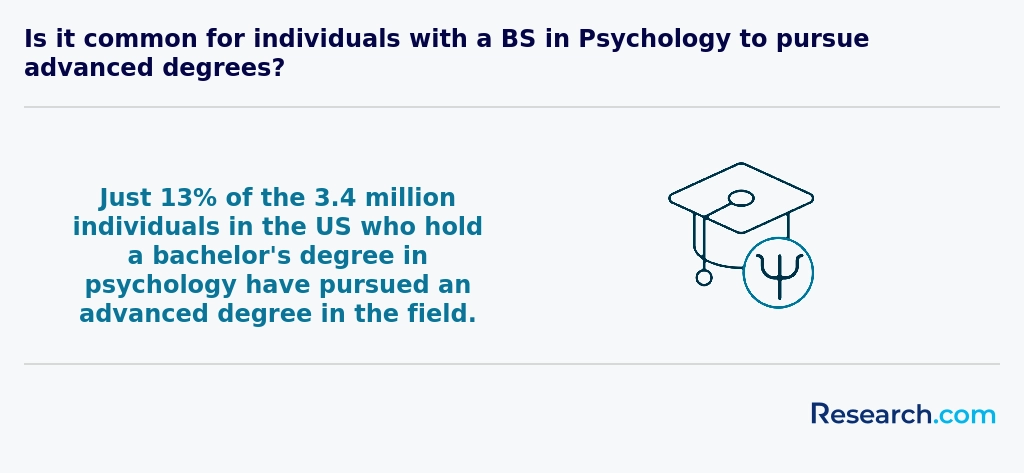
Imagine stepping out of Liberty University or the University of Lynchburg, armed with a psychology degree and a world of possibilities unfolding before you. For many graduates, psychology career opportunities in Lynchburg begin with hands-on roles like case managers or psychiatric technicians-positions that bring the textbooks to life by weaving compassion with real human stories. These jobs aren't just about numbers; they're about connecting with people, understanding their struggles, and making an impactful change within the community.
Further along the path, some graduates who pursue advanced degrees find themselves as licensed counselors or clinical psychologists, navigating complex emotional landscapes with confidence and earning rewarding salaries that reflect their expertise. Others thrive as social workers in local agencies, or as research assistants at local universities, where the buzz of academia meets the pulse of healthcare innovation.
For the creatively inclined, roles like human factors specialists or organizational psychologists offer fascinating ways to influence workplace cultures and corporate dynamics. Exploring affordable options like the Affordable Online Master's in Psychology Degree Programs Ranking in the Northeast can also help Lynchburg students achieve these dreams without breaking the bank.
Whether your ambition is to advise students as a career counselor or to reshape mental health services in Virginia, jobs with a psychology degree in Lynchburg provide vibrant, meaningful outlets for your passion and skills.
The psychology degree job outlook in Lynchburg paints a portrait of a thriving yet nuanced landscape, where graduates from local institutions find themselves woven into the fabric of a community eager for mental health expertise. Imagine a graduate from Lynchburg College stepping into a counseling role at a nearby hospital-their education tailored by professors who know the city's unique needs, making every therapy session both relatable and impactful. These roles often bloom into careers within schools, clinics, and social service agencies, where the demand for licensed clinical psychologists and counselors echoes the city's steady growth in health and social assistance sectors.
Career opportunities for psychology graduates in Lynchburg often require advanced degrees or licensure, yet many former students reflect on the rewarding challenges of balancing study costs with the promise of meaningful work. For many, the fastest way to get associate's degree online has opened doors to quicker entry points in human services, giving hope to those eager to start making a difference while continuing education locally. This blend of affordability and opportunity makes Lynchburg a fertile ground for aspiring psychologists ready to embrace the future.
2027 Most Valuable Psychology Degree Programs Ranking in Lynchburg
Investing in your education is a significant decision that can shape your future, and the Research.com team understands the importance of making informed choices. To assist prospective students in Lynchburg, we have meticulously crafted the "2027 Most Valuable Psychology Degree Programs Ranking in Lynchburg." Our commitment to quality, credibility, and accuracy is reflected in the extensive research and analysis conducted to compile this ranking.
We utilized the following reputable data sources to ensure a comprehensive evaluation of psychology degree programs:
By exploring this ranking, readers will gain valuable insights into the most valuable psychology degree programs available in Lynchburg, enabling them to make confident and informed decisions about their academic futures. For more details on our methodology, please visit our Research.com methodology page.


Frequently Asked Questions About psychology
Psychology degree students in Lynchburg can maximize their learning by actively engaging in both coursework and practical experiences. Local institutions often provide opportunities for internships and research assistant roles, which are vital for applying classroom knowledge to real-world settings. According to the American Psychological Association, hands-on experience improves student outcomes significantly.
Joining psychology clubs and attending seminars or workshops hosted by nearby universities also enhances understanding. Networking with professionals in Lynchburg's growing mental health sector presents valuable mentorship and job prospects after graduation.
Maintaining strong academic performance while utilizing campus resources such as tutoring and counseling services supports overall success. Staying informed about Lynchburg-area psychology organizations can further enrich the educational journey.
The psychology field is evolving with several emerging niches gaining prominence, particularly relevant to students pursuing degrees in Lynchburg. One growing area is health psychology, which examines how psychological factors affect physical health. This niche aligns with increasing demand for professionals who can address chronic illness management and promote wellness.
Another expanding specialty is neuropsychology, focusing on brain-behavior relationships. Advances in neuroscience technologies have boosted job prospects in this sector.
Additionally, forensic psychology is gaining traction due to rising interest in legal applications of psychology, including criminal profiling and victim support.
The U.S. Bureau of Labor Statistics projects a 14% growth for clinical, counseling, and school psychologists from 2022 to 2032, suggesting strong future opportunities. Lynchburg's universities often emphasize these fields in their psychology curricula, preparing students for such careers.
Preparing for the job market after earning a psychology degree in Lynchburg involves strategic planning and practical experience. Graduates should consider internships or volunteer opportunities within local clinics, schools, or community centers. These experiences build essential skills and expand professional networks.
Additionally, pursuing certifications such as Certified Alcohol and Drug Counselor (CADC) can enhance job prospects in Lynchburg's healthcare sector. According to the U.S. Bureau of Labor Statistics, psychology-related roles in Virginia are projected to grow 8% from 2021 to 2031, indicating steady demand.
Networking through Lynchburg's professional associations and attending regional psychology conferences can also provide job leads and mentorship options.
Employers in Lynchburg highly value psychology graduates who demonstrate strong critical thinking and analytical skills. These abilities enable graduates to interpret data and assess client behavior effectively. Communication skills, both written and verbal, are essential, as psychology professionals must explain complex concepts clearly to diverse audiences.
Research proficiency is another sought-after skill. According to the Bureau of Labor Statistics, psychology-related roles often require familiarity with research methods and statistical analysis, which is emphasized in Lynchburg's academic programs. Additionally, interpersonal skills, such as empathy and active listening, are crucial for effective client interaction.
Time management and ethical judgment also rank high among employer priorities in Lynchburg's mental health sector, ensuring professionals maintain confidentiality and meet deadlines.
Finding internships in Lynchburg relevant to a psychology degree involves several strategic steps. Students should begin by contacting the psychology departments at local institutions such as Liberty University and the University of Lynchburg, as these schools often have established relationships with nearby clinics and counseling centers. According to the American Psychological Association (APA), internships provide critical hands-on experience and improve job prospects after graduation.
Local resources like the Lynchburg Community Mental Health Center and private practices often offer internship opportunities. Networking through university career services and attending regional psychology conferences can also connect students with potential placements. Additionally, checking statewide databases, such as the Virginia Council of Community Behavioral Health Agencies, can help identify licensed internship providers.
A psychology degree in Lynchburg can significantly enhance career mobility and advancement opportunities. Graduates with such degrees often find roles in mental health services, education, and human resources sectors, all of which have shown steady growth in the region according to the U.S. Bureau of Labor Statistics. Earning a bachelor's or master's degree in psychology increases eligibility for supervisory positions and specialized roles, particularly in counseling or behavioral analysis.
The Lynchburg area has several healthcare providers and community organizations where advanced psychology qualifications can lead to higher salaries and leadership responsibilities. According to Virginia Employment Commission data, professionals with psychology degrees earn about 15% more than those without specialized education in related fields.
Additionally, Lynchburg's proximity to universities offering graduate psychology programs supports continued education, which is crucial for career progression in clinical and research roles. Overall, a psychology degree contributes to both immediate job prospects and long-term professional growth within Lynchburg's workforce.
Studying for a psychology degree in Lynchburg equips students with skills applicable across various fields such as healthcare, education, and business. Local programs emphasize research methods, critical thinking, and communication, which are essential for interdisciplinary collaboration. According to the Virginia Department of Education, Lynchburg's higher education institutions incorporate cross-disciplinary coursework, allowing psychology students to engage with fields like social work, counseling, and neuroscience.
Students also benefit from internships and community partnerships in Lynchburg, offering hands-on experience in diverse settings. This practical exposure enhances adaptability, preparing graduates for roles that require integrating psychological principles with other disciplines.
Additionally, Lynchburg's psychology curricula often highlight data analysis and ethics, skills valued in policy-making and human resources. These programs thus provide a strong foundation for careers that bridge multiple fields, reflecting the growing demand for versatile psychology professionals nationwide.
Choosing between a thesis and a non-thesis psychology degree in Lynchburg depends largely on your career goals and learning preferences. A thesis option typically involves conducting original research, which is beneficial if you plan to pursue a doctoral degree or a research-based career. Data from the American Psychological Association suggest that thesis students gain valuable skills in data analysis and academic writing.
On the other hand, non-thesis programs often focus on practical applications and may require additional coursework or internships. This path suits those aiming for clinical practice or roles in applied psychology. Most Lynchburg institutions offering psychology degrees clearly outline these tracks to help students decide.
Understanding program requirements and considering your long-term objectives will guide your choice effectively.
Students based in Lynchburg seeking to study psychology abroad have several pathways to consider. Many U.S. institutions, including those near Lynchburg, partner with universities overseas to offer exchange or dual-degree programs. These options allow students to spend a semester or year studying in countries such as the United Kingdom or Ireland, which are popular destinations for psychology studies in the U.S. education system.
Additionally, students can enroll in accredited international psychology programs that meet U.S. standards, allowing smoother credit transfers upon return. The Council for Higher Education Accreditation (CHEA) and the American Psychological Association (APA) provide guidance for evaluating these programs.
For Lynchburg residents, researching study abroad offices at local universities, such as Liberty University, can provide tailored advice on scholarships and program specifics. Globally oriented psychology degrees often enhance employability by developing cross-cultural competencies and exposure to diverse psychological theories.
Students pursuing psychology degrees in Lynchburg can find several part-time job opportunities that enhance their academic experience. Local healthcare facilities, such as the Centra Health System, often offer roles like mental health aides or patient support assistants, which provide valuable hands-on experience. Additionally, Lynchburg's community centers and nonprofit organizations sometimes hire part-time counselors or program assistants focused on youth and family services. According to the Bureau of Labor Statistics, these roles help students develop practical skills directly applicable to psychology careers.
Internships within university research departments also serve as excellent part-time options, giving exposure to psychological studies and data analysis. These opportunities can strengthen resumes for graduate programs.
Psychology students in Lynchburg benefit from various networking opportunities that support their career growth and academic development. Local institutions such as Lynchburg College and the University of Lynchburg offer active psychology clubs, providing students with the chance to connect with peers and faculty. These groups often organize guest lectures, workshops, and volunteer events that foster professional relationships.
Additionally, Lynchburg's proximity to larger cities like Richmond expands access to state psychology associations and conferences, which attract experts and employers. Internships at nearby medical centers and counseling facilities further enhance practical experience and professional contacts.
According to the Virginia Psychological Association, participation in these activities can increase job prospects and graduate school options for Lynchburg students.
Alumni networks play a crucial role for psychology degree students in Lynchburg by offering valuable professional connections and mentorship opportunities. Graduates can access a community of professionals who often work in local clinics, schools, and counseling centers. This network can facilitate internships and job placements, which are essential for gaining practical experience in psychology.
Many Lynchburg institutions maintain active alumni groups that organize events, workshops, and panels to help current students stay informed about industry trends and job openings. According to the National Association of Colleges and Employers, 79% of students found their first job through networking, highlighting the importance of alumni connections.
Moreover, alumni often provide financial support through scholarships and funding for research projects, enhancing academic opportunities for psychology students. Overall, these networks add tangible value beyond the classroom, improving career prospects and professional growth.
Customizing a psychology degree program in Lynchburg allows students to align their education with specific career goals. Many programs offer elective courses in areas such as clinical, counseling, or industrial-organizational psychology. Students can often choose internships or practicum experiences within local health centers or businesses, gaining practical skills tailored to their interests.
Additionally, Lynchburg's colleges may provide opportunities for undergraduate research projects, enabling students to focus on topics relevant to their intended career paths. Accreditation by the American Psychological Association (APA) also ensures programs meet rigorous training standards, which is valuable for licensure and employment.
Psychology students in Lynchburg often encounter several common challenges during their studies. One major issue is managing the demanding coursework, which includes both theoretical and practical components. Students must balance research methods, statistics, and clinical practice, which can be overwhelming for many.
Another challenge stems from limited local internship opportunities. Many psychology programs in Lynchburg rely on partnerships with nearby clinics or organizations, but available placements can be scarce, causing competition among students.
Financial strain is also a concern. While Lynchburg offers relatively affordable tuition compared to larger cities, some students struggle with the costs of textbooks, fees, and living expenses, especially without extensive financial aid.
Finally, adapting to evolving licensure requirements can be complex. Students must stay informed about state-specific regulations to ensure their education aligns with professional standards, an added layer of responsibility during their studies.
With a psychology degree in Lynchburg, graduates can pursue several professional certifications to enhance their career prospects. Popular options include becoming a Licensed Professional Counselor (LPC) or Licensed Clinical Psychologist, both requiring graduate education and supervised clinical experience. The Virginia Board of Counseling provides licensure for LPCs, which is a common pathway in Lynchburg's growing mental health sector.
Other certifications include Certified School Psychologist, offered through the Virginia Department of Education, which prepares graduates for roles in educational settings. Behavior Analyst Certification Board (BACB) credentials, such as the Board Certified Behavior Analyst (BCBA), are also pursued by many to work with autism and developmental disorders.
These certifications align with Lynchburg's workforce needs, where demand for qualified mental health professionals is increasing, with local healthcare reports projecting a 12% job growth through 2030.
Applying for a psychology program in Lynchburg requires careful attention to both academic and personal elements. Admissions committees typically look for a strong undergraduate GPA, particularly in psychology-related courses, to demonstrate your readiness for rigorous study. Including relevant volunteer or work experience in mental health settings can strengthen your application, highlighting practical understanding alongside theory.
Crafting a compelling personal statement is critical. It should clearly articulate your motivation for studying psychology, specific interests within the field, and career goals. According to data from the National Center for Education Statistics, Lynchburg institutions often value applicants who show a clear alignment between their goals and the focus areas of the program.
Letters of recommendation from professors or professionals familiar with your academic or work performance add credibility to your profile. Lastly, familiarize yourself with any standardized test requirements and deadlines specific to Lynchburg-area institutions to ensure a timely and complete submission.
Psychology careers have a broad global relevance, with increasing demand seen in multiple countries. In the US, including Lynchburg, psychology professionals are valued for roles in healthcare, education, and business. The Bureau of Labor Statistics projects a 8% growth in psychologist jobs from 2021 to 2031, reflecting a growing recognition of mental health's importance. Internationally, psychology fields adapt to cultural and societal needs, influencing the global job market. For Lynchburg students, local universities align their psychology programs with these global trends by offering training that meets US accreditation standards, preparing graduates for both domestic and international opportunities.
Global perspectives emphasize interdisciplinary approaches and cultural competence, encouraging Lynchburg psychology students to develop skills applicable worldwide. The American Psychological Association highlights that graduates with psychology degrees can pursue careers in research, clinical practice, or human services, with transferable skills that address diverse populations. Thus, studying psychology in Lynchburg can open pathways to engaging with global health initiatives and contribute to worldwide mental health improvements.
Gaining practical experience while studying psychology in Lynchburg is key to building your skills and resume. Many local programs encourage students to complete internships or practicum placements at healthcare facilities, schools, or community organizations.
Lynchburg is home to several hospitals and counseling centers that partner with nearby colleges to offer supervised fieldwork. For example, Liberty University's psychology department provides structured internships requiring students to complete several hundred hours of supervised experience, which is essential for licensure.
Additionally, students can join research projects on campus. Engaging in faculty-led studies helps develop critical analytical skills and familiarity with psychological testing methods.
These opportunities often count toward degree requirements and are valuable when applying for graduate school or professional positions.
Choosing the right concentration within a psychology degree program in Lynchburg involves understanding your career goals and interests. Common concentrations include clinical, counseling, developmental, and industrial-organizational psychology. Each focus prepares students for different roles, such as therapy, research, or workplace consulting.
Lynchburg area colleges often align their programs with state licensure requirements, especially for clinical and counseling tracks. According to the Bureau of Labor Statistics, clinical and counseling psychologists in Virginia earn a median annual wage of around $78,000, reflecting local demand.
Students should also consider program accreditation and internship opportunities. Many Lynchburg programs collaborate with local health facilities, which enhances hands-on experience essential for licensure.
- 2027 Most Valuable Psychology Degree Programs Ranking in Durham
- 2027 Most Valuable Psychology Degree Programs Ranking in Greensboro
- 2027 Most Valuable Psychology Degree Programs Ranking in Raleigh
- 2027 Most Valuable Psychology Degree Programs Ranking in Charlotte
- 2027 Most Valuable Psychology Degree Programs Ranking in Pittsburgh
- 2027 Most Valuable Psychology Degree Programs Ranking in Columbia
- 2027 Most Valuable Psychology Degree Programs Ranking in Columbus
- 2027 Most Valuable Psychology Degree Programs Ranking in Philadelphia
- 2027 Most Valuable Psychology Degree Programs Ranking in Cleveland
- 2027 Most Valuable Psychology Degree Programs Ranking in Cincinnati
See What Experts Have To Say About Studying Psychology
Read our interview with Psychology experts

Elizabeth L. Jeglic Ph.D.
Psychology Expert
Professor of Psychology
City University of New York

Robin M. Kowalski. Ph.D.
Psychology Expert
Professor of Psychology
Clemson University

Joann Farrell Quinn, Ph.D., MBA
Psychology Expert
Director at the College of Medicine Department of Medical Education
Morsani College of Medicine

- Jobs With A Bachelor's Degree In Psychology https://www.psychology.org/resources/jobs-with-a-bachelor-of-arts-in-psychology/
- Have You Found a Niche? https://www.apaservices.org/practice/business/marketing/building/niche
- Know more about thesis vs non- thesis: what is the difference? https://studyfans.com/en/blogs/816
- Psychology Degree Requirements | University of Bridgeport https://www.bridgeport.edu/news/psychology-education-requirements/
- Study Psychology Abroad https://astarfuture.co.uk/study_psychology_abroad.html
- Psychology Placement Opportunities for Year 12 Students https://studymind.co.uk/ucas-guide/year-12-guide-to-gaining-psychology-work-experience/
- Cost & Affordability | University of Lynchburg https://www.lynchburg.edu/admissions/cost-and-affordability/
- Networking and Community Resources https://www.psych.on.ca/become-a-member-(1)/member-services/networking-and-community-resources
- Student Financial AidFAFSA | GRANTS | SCHOLARSHIPS https://wp.vul.edu/financial-aid/index.html
- Mental Health Challenges Faced by Psychology Students | The Healthcare Guys https://healthcareguys.com/2023/11/23/mental-health-challenges-faced-by-psychology-students/


