
2027 Most Valuable Psychology Degree Programs Ranking in Columbia

Co-Founder and Chief Data Scientist
Choosing the right psychology degree program in Columbia can shape your future career and personal growth. This article introduces the 2027 Most Valuable Psychology Degree Programs Ranking in Columbia, thoughtfully created by the Research.com team of data scientists. It's designed to help you make an informed choice about which programs truly stand out in value and quality.
Exploring this ranking will give you clear insights, helping you find a program that fits your goals and passions. Pursuing a psychology degree opens doors to meaningful work and personal fulfillment, making this guide a great starting point for your journey.
Key benefits of getting psychology degree in Columbia
- Graduates with a psychology degree in Columbia can expect strong salary prospects, such as earning a mean annual wage of $76,060 as a Human Resources Specialist or $83,190 as a Marketing Research Analyst, offering financial stability.
- Career paths include diverse roles like Clinical Research Associate or Survey Researcher, showing that a psychology degree opens doors to exciting and varied professions with meaningful work.
- Obtaining a psychology degree online provides flexibility for busy schedules and allows students in Columbia to access quality education from respected universities without relocating, making learning more convenient and accessible.
- 2027 Most Valuable Psychology Degree Programs Ranking in Columbia
- What can I expect from psychology degree in Columbia?
- Where can I work with psychology degree in Columbia?
What can I expect from psychology degree in Columbia?
When diving into the pursuit of a psychology degree in Columbia, one common question bubbles up: what's the typical cost? Most graduates from popular institutions like the University of Missouri or Columbia College share that in-state tuition for undergraduate psychology programs hovers around $10,000 annually. This affordability opens doors for adventurous learners eager to explore cognitive science and behavioral studies without the heavy financial burden.
Many students find joy in balancing their course load with internships or research projects, knowing their tuition investment supports hands-on experiences that shape future careers. Imagine spending days immersed in labs or community clinics, gaining skills that textbooks alone can't provide-all while managing tuition costs that won't weigh you down.
Thanks to scholarships and financial aid tailored to psychology majors, students often uncover exciting funding opportunities that make this academic journey both accessible and inspiring. The price you pay is not just a number but an invitation to a vibrant educational adventure in the heart of Columbia.
Where can I work with psychology degree in Columbia?
Graduates from psychology programs at institutions like the University of South Carolina often find themselves stepping into vibrant healthcare settings across Columbia. Imagine working in a bustling mental health clinic or a VA hospital, supporting veterans and community members through therapy and personalized treatment plans-this is a path many alumni excitedly pursue. The connection between study and impact becomes deeply rewarding as they witness real change in lives.
Others dive into the education sector, taking up roles as school psychologists or counselors in Columbia's public and private schools. These professionals play crucial roles, helping students navigate emotional and social challenges, a meaningful daily adventure for college graduates eager to make a difference.
In Columbia's growing corporate world, psychology grads explore dynamic careers in HR and organizational development. Picture advising companies on boosting employee motivation and wellness-a perfect fit for those fascinated by human behavior at work.
Government agencies and research institutions also open doors, from forensic psychology roles to behavioral studies at universities. Graduates often describe these opportunities as thrilling ways to apply their knowledge with a sense of purpose and curiosity.
Graduates from popular psychology programs in Columbia often find themselves stepping into roles like Human Resources Specialist or Marketing Research Analyst, where starting salaries can be quite promising. Imagine walking out of a campus like the University of Missouri or Columbia College, armed with fresh knowledge and excitement about your future. As a Human Resources Specialist, you could expect a mean annual wage of about $76,060, while Marketing Research Analysts earn around $83,190, giving you a solid financial footing while you explore your career path.
For those intrigued by research, becoming a Clinical Research Associate or Survey Researcher is an adventurous path with similar wages-mean annual earnings hover near $62,370. These roles let you dive into fascinating projects that shape healthcare and social sciences, making each workday a new exploration.
Many graduates appreciate how these positions combine steady income with the chance to grow in Columbia's vibrant work environment, turning your psychology degree into real-world impact and rewarding experiences.
- Annual tuition for psychology degrees in Columbia ranges from $10,000 to $15,000 at public universities and $30,000 to $45,000 at private institutions.
- Bachelor's degree graduates can expect an average starting salary of about $40,000 per year.
- Advanced degrees like master's or doctoral can increase average salaries to $70,000 or more annually.
- Job growth for psychology careers in Columbia is projected to be faster than average through 2030.
- Licensure for clinical or counseling psychology roles requires graduate education and supervised experience.
- Research institutions and hospitals in Columbia offer internship and practicum opportunities for hands-on experience.
Imagine diving into the vibrant world of psychology at a well-known Columbia university like the University of South Carolina, where passionate graduates describe their four-year journey earning a Bachelor's degree. This full-time commitment, packing in 120 to 130 credits, feels like an exciting adventure filled with fascinating psychology courses and electives that spark curiosity and personal growth.
For those eager to deepen their expertise, a Master's degree in psychology at institutions such as Columbia College offers a path that typically takes around two years. Many students share how this phase felt like an intense but rewarding exploration, sometimes accelerated to one year, blending theory with hands-on research opportunities.
Venturing further, doctoral degrees like a PhD or PsyD can take anywhere from four to seven years. Graduates from specialized programs often recall the thrill of combining rigorous coursework, research, and clinical internships that shaped their unique understanding of human behavior. The timeline may stretch, but the rewarding experiences in Columbia's academic settings make every year worthwhile.
Navigating licensure is a critical step for psychology graduates in South Carolina, ensuring you meet state requirements and can practice legally. The South Carolina Board of Examiners in Psychology oversees all certification and licensure processes. Key requirements include:
- Education and Degree Verification: You must hold a minimum of a master’s degree in psychology from an accredited institution. Many graduates pursuing clinical practice explore advanced clinical psychology psyd programs online to meet doctoral-level education requirements.
- Supervised Experience: Complete at least 1,600 hours of supervised work under a licensed psychologist for a provisionary license (LPA-P), followed by an additional 1,600 hours for full licensure. Document clinical cases, assessments, and treatment plans to satisfy the Board’s practical competency standards.
- Examinations: Pass the Examination for Professional Practice in Psychology (EPPP) with a score of 500 or higher, plus the South Carolina jurisprudence exam covering state statutes and ethical guidelines.
- Application and Fees: Submit a completed application form, official transcripts, verification of hours, and pay applicable fees (currently $150 for application and $200 for initial licensure).
- Renewal and Continuing Education: Psychologists in South Carolina must renew licensure biennially, completing at least 20 continuing education (CE) hours per cycle, including two hours in ethics or professional responsibility. By fulfilling these steps, Columbia graduates can confidently transition from academic training to professional practice, delivering high-quality mental health services across clinical, educational, and organizational settings.
Imagine stepping onto the vibrant campus of the University of Missouri, where psychology students mingle in lively discussions after class, forming bonds that stretch beyond textbooks. On-campus programs like this offer hands-on experiences-think research assistantships or internships-that bring psychology to life. Face-to-face moments with professors at Columbia College add depth to learning, nurturing connections often vital for future clinical or research careers.
Conversely, graduates from online psychology programs in Columbia revel in the freedom to learn wherever life takes them. Whether juggling a job or family commitments, these students engage with video lectures and virtual forums at their own pace. The flexibility is a game-changer, turning any cozy corner or favorite coffee shop into a personal classroom.
While on-campus study immerses you in a dynamic community, online programs promise accessibility and convenience-each path inviting discovery tailored to your lifestyle and dreams.
Colleges in Columbia, SC, not only focus on academic excellence but also invest in robust student support programs that enrich your college experience and career readiness. These institutions offer extensive resources such as dedicated academic advising, career counseling, mental health services, and extracurricular activities that foster community engagement and personal growth. A strong support network on campus can guide you through challenging coursework, help you navigate life transitions, and even connect you with professionals for internships and job opportunities. Additionally, many schools host regular workshops and networking events that further prepare students for life beyond graduation. For instance, students exploring options at a valuable psychology school in south carolina often highlight the significance of mentorship programs and peer support groups in building lifelong connections. This nurturing environment not only enhances academic achievement but also ensures that every student feels valued and equipped to succeed in their future career in psychology.
When considering the average psychology degree cost in Columbia, students often find themselves navigating a landscape where expenses vary based on residency and institution type. Graduates from public universities report a median total cost of about $17,440 for in-state students, a figure that comfortably aligns with budgets seeking quality education without overwhelming debt. Out-of-state students, on the other hand, face a median cost near $38,120, reflecting the broader tendency for higher fees beyond local residency.
For those eager to immerse themselves at prominent schools like the University of South Carolina, life as a psychology student can be thrilling. Many share how manageable tuition fees paired with opportunities such as assistantships and scholarships illuminate the path through graduate studies. These financial aids provide a welcomed sense of relief and excitement, helping students focus on their passion for psychology rather than just finances.
Exploring the total cost of psychology degree programs Columbia reveals additional challenges beyond tuition - textbooks, lab materials, and living expenses all create a vibrant backdrop to the academic journey. Nevertheless, students often describe these investments as stepping stones toward rewarding careers in therapy, research, or counseling.
For those searching for the perfect blend of value and opportunity, Columbia offers options worth considering. Prospective learners might find it helpful to check out the valuable psychology school in south carolina, where cost and quality combine to offer exciting prospects for personal and professional growth.
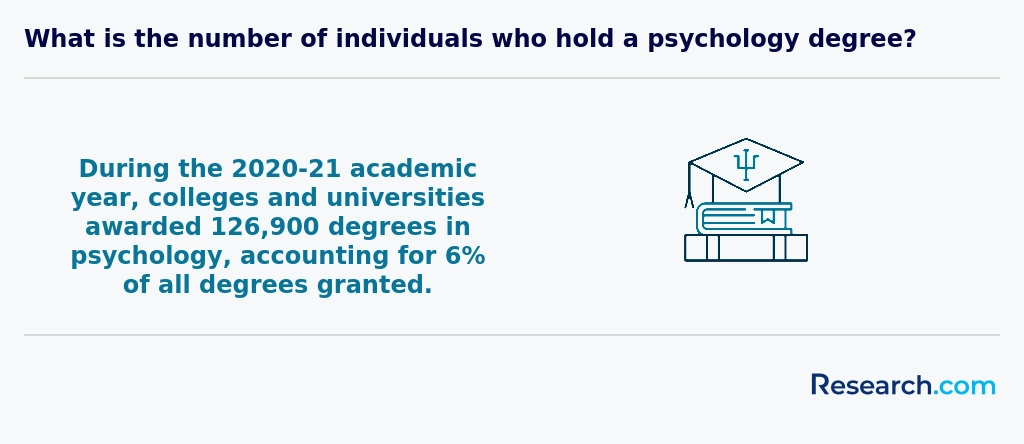
Completing real-world practicum is essential in psychology programs, bridging theory and practice.
- Accredited placements: students complete 100–300 supervised hours in settings such as community mental health centers, schools, or hospitals, meeting APA guidelines.
- Diverse fields: typical sites include psychiatric clinics, research labs, corporate wellness programs, and school counseling departments.
- Supervision and feedback: experienced psychologists provide ongoing mentorship, helping you develop clinical assessment, ethical decision-making, and interpersonal skills.
- Leveraging internships: proactive networking and reflective journals can turn practicum into lasting professional connections.
For those balancing work and study, exploring the cheapest online psychology degree with structured internship support can ensure both flexibility and quality field experiences.
Psychology students in Columbia often dive into a sea of financial aid options that promise to ease their journey through demanding programs. At universities like the University of Missouri, many graduates recall how filling out the FAFSA unlocked Pell Grants worth up to $7,395 annually, a lifeline that helped cover both tuition and living costs. It's not uncommon to hear about fellow students tapping into Federal Direct Loans, appreciating their low interest rates and flexible repayment plans as they balance studies and part-time work.
State aid programs, such as the Missouri Access Program, play a crucial role too. Psychology majors attending public colleges feel the relief when scholarships and grants specifically for in-state students significantly trim tuition expenses. Imagine receiving a merit-based award from your psychology department that recognizes your community service-many at Columbia College celebrate such scholarships that lift financial burdens while fueling their passion for mental health.
Graduate students often recount how assistantships offer more than money-providing tuition remission and stipends in exchange for research opportunities, enriching both wallet and résumé. On top of that, nonprofit scholarships from organizations like the American Psychological Association add an extra spark of hope, encouraging students toward rewarding careers in underserved mental health fields.
For many dedicated psychology professionals aiming to reach the pinnacle of their field, pursuing an online doctorate offers a transformative opportunity to deepen expertise and expand career horizons. An online doctoral program not only allows you to explore advanced research methodologies and clinical practices, but also provides the flexibility to balance professional and personal commitments while earning a prestigious degree. By engaging with rigorous coursework, participating in specialized research projects, and connecting with experts through virtual seminars and networking events, you can develop a competitive edge in both academic and industry settings. Furthermore, an online doctorate empowers you to contribute to groundbreaking studies and innovative mental health solutions, enhancing your ability to lead in diverse professional roles. For those looking to further their academic journey and broaden their career opportunities, exploring online psychology phd degree programs can be an excellent next step. Embrace the flexibility, cutting-edge curriculum, and comprehensive support that online doctoral programs offer to build a career marked by expertise, influence, and continuous growth in psychology.
Diving into a psychology degree in Columbia means you'll need to have completed high school or a GED-just like many grads from local universities who recall that solid foundation helped them embrace the challenges ahead. Most schools here, from vibrant urban campuses to quieter colleges, expect you to bring a competitive GPA, typically around 2.5 or higher, to demonstrate your readiness. Imagine preparing your SAT or ACT scores-many students share how hitting a range between 1100 and 1300 on the SAT became a proud milestone fueling their confidence.
Beyond numbers, admissions officers want to hear your authentic voice. Graduates often mention how crafting heartfelt personal statements or essays opened doors, revealing their passion for understanding human behavior. Letters of recommendation from teachers who witnessed their growth added an encouraging boost, making applications stand out.
For those venturing into graduate psychology programs in Columbia, the journey deepens. Holding a bachelor's degree with a 3.0 GPA or more is usually essential, with prerequisite courses in statistics, research, and biology acting like stepping stones. Many alumni fondly recall mastering these subjects as thrilling gateways into the science of mind and behavior, shaping their academic adventure.

Choosing a psychology program with American Psychological Association (APA) accreditation is essential for ensuring a high-quality education and meeting licensure requirements in South Carolina. APA-accredited programs undergo rigorous evaluation of curriculum, faculty credentials, research opportunities, and clinical training. Graduates of these programs are eligible to sit for the Examination for Professional Practice in Psychology (EPPP) and to apply for licensure through the South Carolina Board of Examiners in Psychology. Key steps to licensure in South Carolina: • Complete a master’s or doctoral degree from an APA-accredited institution. • Accumulate at least 2,000 hours of supervised post-doctoral experience, including a minimum one-year internship. • Pass the EPPP and the state law and ethics examination. • Submit official transcripts, verification of supervised experience, and application materials to the Board. For students seeking flexible, cost-effective pathways, our internal guide to the Most Affordable Online Bachelor's in Psychology Degree Programs Ranking in the Midwest highlights accredited online options that balance affordability with accreditation standards. Understanding accreditation and licensure processes early ensures that your psychology degree in Columbia, SC, leads smoothly to professional practice and career advancement.
At universities in Columbia, psychology degrees spark curiosity with a mix of foundational and specialized courses that dive deep into the human mind and behavior. Imagine starting your journey at a popular college where you explore cognitive processes that explain how memories form or unlocking the mysteries of social psychology by studying real group dynamics on campus. Graduates often recall how courses in developmental and abnormal psychology made abstract ideas feel instantly relevant-like understanding friends' behavior or mental health challenges firsthand.
Research methods and statistics are the toolkit every student embraces. Many find working with experimental designs and software like SPSS an exciting challenge, revealing the power behind data-driven discoveries. At well-known Columbia institutions, students gain confidence conducting their own studies, which often turns into a proud highlight of their degree adventure.
Hands-on experiences such as internships or lab projects cement learning. Graduates treasure those moments applying counseling techniques or exploring neuroscience in real settings, where theory meets vibrant human stories. This mix of rigorous academics and practical insight uniquely shapes psychology students in Columbia.
Diving into the exciting world of psychology degree specializations in Columbia opens up pathways tailored to many passions. Imagine exploring Clinical Psychology at a leading Columbia university, where graduates speak of the rewarding challenge in diagnosing and helping real patients overcome mental health struggles. Or picture yourself delving into Cognitive Psychology, unlocking mysteries of memory and decision-making, similar to experiences shared by folks from popular colleges here.
Many Columbia psychology degree concentration options also embrace Industrial-Organizational Psychology, where innovative students apply insights to transform workplace dynamics and boost morale. Child and Adolescent Psychology captivates learners fascinated by youth development, often highlighted through hands-on practicum in Columbia institutions. Others embark on Forensic Psychology, blending legal intrigue with psychological expertise in true crime investigations.
Students appreciate Health Psychology for its compassionate approach toward how mind and body connect-a focus encouraged at various Columbia campuses. For those eager to expand their horizons, exploring online psychology phd degree programs enriches practical knowledge and career choices within Columbia's vibrant academic scene.
Choosing the best psychology degree in Columbia often begins with weighing the unique blend of cost, specialization, and practical opportunities. Graduates from popular universities here recall how selecting accredited programs with a focus on clinical or industrial-organizational psychology opened doors to thrilling internships and rewarding careers. Imagine stepping into a bustling research center or a local mental health clinic, gaining first-hand experience that feels both challenging and exhilarating.
For many, finding the best affordable psychology degree programs in Columbia means balancing tuition costs with the value of hands-on training. Public universities offer lower tuition for in-state students, but private colleges provide specialized tracks that can boost earning potential. Hearing from fellow students who thrived in their programs helps illuminate how location and access to diverse clinical settings transform learning into adventure.
If your path leans toward becoming a licensed clinician, exploring clinical psychology psyd programs online is an exciting option that many graduates recommend. Ultimately, aligning your degree choice with your dream career can turn the journey into an inspiring exploration of your future in psychology.
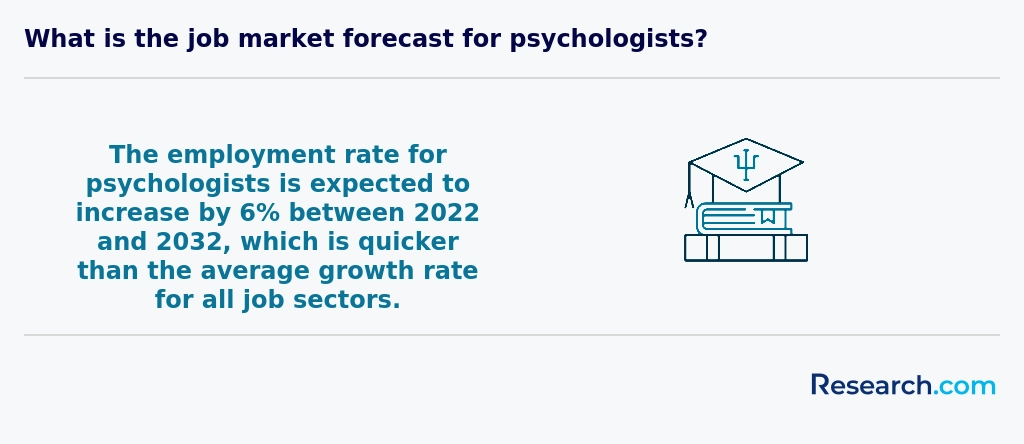
Psychology careers in Columbia open wide doors for graduates eager to make an impact. Many find themselves drawn to clinical and counseling roles, where they support mental health in hospitals or private practice, feeling the rewarding connection of helping others heal. Graduates from popular colleges like the University of Missouri often share how their time on campus fueled their passion for these fields.
Others explore industrial-organizational psychology, stepping into urban workplaces to boost employee well-being and drive productivity. The city's vibrant corporate scene becomes a living lab for those intrigued by human behavior in business settings. Job opportunities with psychology degree in Columbia also include school psychology, forensic psychology, health psychology, and even research roles at local universities or government agencies, where curiosity leads to discoveries that shape policy and practice.
For those balancing cost with ambition, checking out the Most Affordable Online Bachelor's in Psychology Degree Programs Ranking in the Midwest can be a game changer in planning their educational journey.
Psychology degree job opportunities in Columbia are vibrant yet competitive, especially for those ready to dive deep into clinical or counseling roles. Graduates from well-known institutions like the University of South Carolina often share stories of securing internships at local mental health clinics, where hands-on experience becomes a game-changer. Many find themselves drawn to schools and hospitals eager for fresh talent, particularly those who pursue advanced degrees. These roles typically require licensure, demanding dedication but offering rewarding career growth.
Entry-level positions in research or human services are accessible with a bachelor's degree, though salary prospects may start between $40,000 and $50,000. For students curious about accelerating their education timeline in Columbia, exploring a fastest online associates degree could add flexibility to their path. The employment outlook for psychology graduates Columbia is encouraging, with demand fueled by expanding mental health awareness, creating many avenues for new psychologists eager to make a difference.
2027 Most Valuable Psychology Degree Programs Ranking in Columbia
Investing in your education is a significant decision that can shape your future, and the Research.com team understands the importance of making informed choices. To assist prospective students in Columbia, we have meticulously crafted the "2027 Most Valuable Psychology Degree Programs Ranking in Columbia." Our commitment to quality, credibility, and accuracy is reflected in the extensive research and analysis conducted to compile this ranking.
We utilized the following reputable data sources to ensure a comprehensive evaluation of psychology degree programs:
By exploring this ranking, readers will gain valuable insights into the most valuable psychology degree programs available in Columbia, enabling them to make well-informed decisions about their educational and professional futures. For more details on our methodology, please visit our Research.com methodology page.


Frequently Asked Questions About psychology
Psychology degree students in Columbia can maximize their learning by actively engaging with both coursework and practical experiences. Many universities in the region offer internships and research opportunities, which are essential for applying theoretical knowledge. According to the American Psychological Association, students who participate in research projects develop critical thinking skills faster.
Forming study groups and attending psychology-related seminars can also enhance understanding of complex topics. Utilizing campus resources like tutoring centers and counseling services helps maintain academic performance and mental health.
Furthermore, students should explore certifications in specialized areas such as child psychology or cognitive behavioral therapy to increase career prospects.
Emerging niches within the psychology field reflect growing demands in health, technology, and social change. In Columbia, specialties like neuropsychology and health psychology are expanding, driven by increased interest in brain function and holistic wellness. According to the U.S. Bureau of Labor Statistics (2023), clinical neuropsychology jobs are expected to grow faster than the average for psychologists nationwide.
Another fast-growing niche is forensic psychology, interfacing with law enforcement and legal systems, which aligns with Columbia's focus on public safety careers. Additionally, industrial-organizational psychology is gaining relevance due to local businesses seeking experts in worker productivity and mental health at work. Students considering psychology degrees in Columbia would benefit from exploring these specialized paths to meet emerging career opportunities.
Graduates with a psychology degree in Columbia face a competitive job market, making early preparation essential. It is beneficial to gain experience through internships and volunteer work, which approximately 70% of successful candidates report as a factor in job placement, according to the American Psychological Association (APA).
Networking is another critical step; connecting with professionals through local chapters of the APA or state psychology associations can open doors. Additionally, obtaining relevant certifications, such as Licensed Professional Counselor (LPC), improves employability in clinical settings.
Finally, strong communication and data analysis skills are highly valued, reflecting a growing demand for psychologists in healthcare, education, and business sectors across the US job market.
Employers in Columbia highly value psychology degree graduates who demonstrate strong analytical skills. The ability to interpret complex data and apply research methods is essential, as highlighted by the American Psychological Association's recent workforce survey. Communication skills are also critical, especially in clinical and counseling settings, where graduates must convey information clearly to diverse populations.
In addition, employers seek graduates with cultural competence given Columbia's diverse demographics. Understanding social and cultural factors helps psychologists work effectively across communities. Problem-solving and critical thinking are repeatedly emphasized, enabling graduates to develop interventions based on evidence-based practices.
Finally, ethical awareness and professionalism are vital, supported by standards outlined in the APA Code of Ethics. These skills collectively prepare graduates to meet the evolving demands of psychology careers in Columbia.
Finding internships in Columbia relevant to a psychology degree involves several strategic steps. Start by connecting with your college's career services, which often maintain updated lists of local psychology internships and partnerships with hospitals, clinics, and research centers. According to the National Association of Colleges and Employers, internships increase job prospects by 20% after graduation.
Additionally, explore organizations like the Columbia Psychological Association and nearby universities' psychology departments, which frequently post internship opportunities. Networking at local psychology conferences or seminars can also reveal hidden prospects. Finally, check online platforms focused on internships in healthcare and social services within Columbia to expand your search.
A psychology degree in Columbia significantly enhances career mobility and advancement opportunities. Graduates gain solid foundations in research, critical thinking, and interpersonal skills valued across multiple sectors. According to the U.S. Bureau of Labor Statistics (BLS), employment for psychologists is projected to grow 8% from 2021 to 2031, faster than the average for all occupations, indicating increasing demand.
In Columbia, possessing a psychology degree can open doors beyond clinical roles, including human resources, counseling, and social services. Employers often prefer candidates with formal education in psychology due to their understanding of behavior and data analysis. Higher educational attainment, such as a master's or doctoral degree, further correlates with career advancement and higher salaries.
Additionally, specialized certifications and state licensure play essential roles in career progression within psychology fields in Columbia. For example, licensed clinical psychologists in Columbia earn a median salary around $79,000 annually, suggesting that advanced degrees and certifications can lead to better compensation and job stability.
Studying for a psychology degree in Columbia equips students with a broad understanding of human behavior, essential for interdisciplinary roles. Programs often integrate coursework in biology, sociology, and education, reflecting the interconnected nature of psychological science. This multi-subject approach prepares graduates to collaborate in diverse fields such as healthcare, education, and business. According to the American Psychological Association, psychology graduates increasingly work in interdisciplinary teams, addressing complex social and medical challenges.
Additionally, many Columbia institutions emphasize research methods and data analysis, skills valuable in interdisciplinary contexts. These competencies enable graduates to contribute effectively to fields like public health and social work, where psychological insights improve outcomes.
When deciding between a thesis and a non-thesis psychology degree in Columbia, consider your career goals and learning preferences. Thesis programs focus on original research, requiring students to design and complete a substantial project. These are ideal for those aiming to pursue doctoral studies or research careers. According to the American Psychological Association, about 60% of psychology graduate students choose thesis options to strengthen academic credentials.
Non-thesis programs emphasize coursework and practical application, often including internships or comprehensive exams. This path suits students targeting professional practice or immediate employment in clinical or counseling psychology. Data from the National Center for Education Statistics shows non-thesis tracks are growing in popularity for applied psychology fields.
Evaluate faculty expertise, available resources, and program flexibility at Columbia institutions to align your choice with long-term objectives.
Students based in Columbia interested in studying psychology abroad, particularly in the United States, have several pathways available. Many U.S. universities offer psychology programs that welcome international students through undergraduate, graduate, and doctoral degrees. According to the American Psychological Association, psychology remains one of the most popular majors with over 100,000 bachelor's degrees awarded annually in the U.S.
International students can benefit from institutions with strong psychology departments and access to research opportunities. The U.S. also provides numerous scholarships and assistantship programs to support international candidates. Additionally, accredited programs ensure students receive quality education recognized worldwide.
Exchange programs and partnerships between Columbia and U.S. universities can facilitate smoother admissions. Students should carefully review requirements such as TOEFL scores and credential evaluations to maximize opportunities.
Students pursuing psychology degrees in Columbia can enhance their education by seeking part-time jobs that provide relevant experience. Common opportunities include working as research assistants in university psychology departments, where students gain hands-on experience with data collection and analysis.
Other options involve roles such as mental health technician assistants in local clinics or hospitals. These positions allow students to observe therapeutic settings and develop interpersonal skills.
Additionally, tutoring fellow students in psychology courses can reinforce academic knowledge while offering flexible hours.
According to the U.S. Bureau of Labor Statistics, such part-time roles significantly improve employability by developing practical skills linked to psychology careers.
Psychology students in Columbia benefit from multiple networking opportunities that can enhance their academic and professional growth. Many universities in Columbia, such as Columbia University and Barnard College, host psychology clubs and research groups where students connect with peers and professors. These organizations often sponsor guest lectures and workshops featuring leading psychologists, providing valuable insights and professional contacts.
Internships and volunteer programs linked with local hospitals and mental health centers are another common route to build professional networks. According to the American Psychological Association, approximately 60% of psychology graduates find initial job leads through university-affiliated internships.
Students also access regional conferences and symposiums, which in 2023 attracted over 1,200 psychology professionals, creating rich spaces for networking with industry experts and potential employers.
Alumni networks provide valuable support to psychology degree students in Columbia by fostering professional connections and mentoring opportunities. Graduates often share insights on local internship placements, helping current students secure roles in clinics, schools, and research centers.
These networks also enhance job prospects; according to the National Association of Colleges and Employers, 85% of jobs are filled through networking. Psychology students in Columbia can leverage alumni relationships to explore diverse career paths within mental health, education, and human services sectors.
Furthermore, alumni events and online platforms keep students informed about emerging trends and continuing education opportunities, strengthening their academic and professional growth.
In Columbia, tailoring your psychology degree to match career goals involves selecting specific concentrations and electives offered by accredited institutions. Common specializations include clinical psychology, counseling, industrial-organizational psychology, and developmental psychology. Many programs allow students to choose courses aligned with desired fields, enhancing practical skills and knowledge relevant to future roles.
Internships and research opportunities are critical components, helping to build experience in settings such as hospitals, schools, and corporate environments. According to the American Psychological Association, programs accredited by the APA provide a structured framework for customization while maintaining high academic standards. Columbia's universities often support interdisciplinary study, enabling students to combine psychology with fields like education or business.
Understanding local job market trends also guides course selection, with demand growing for mental health professionals and behavioral analysts in Columbia. Utilizing academic advising and career services can optimize your degree path to fit evolving industry requirements.
Psychology students in Columbia face several challenges typical of rigorous academic programs. One major difficulty is balancing extensive coursework with practical training, as psychology often requires both theoretical understanding and hands-on experience through internships or research projects. According to the American Psychological Association, completing these requirements can be time-consuming and stressful.
Financial burden is another common issue. Tuition and associated costs in Columbia's universities are often high, and many students rely heavily on loans or scholarships. Data from the National Center for Education Statistics show that psychology undergraduates nationwide graduate with an average debt of over $30,000, a figure relevant for Columbia students as well.
Finally, students frequently report challenges related to maintaining mental well-being while managing demanding studies and the pressures of future career uncertainty. Counseling services are available but may be limited in capacity, making access difficult during peak times.
With a psychology degree obtained in Columbia, graduates can pursue a variety of professional certifications that enhance their qualifications and career prospects. One common certification is the Licensed Professional Counselor (LPC), which requires completing a master's degree, supervised experience, and passing a licensing exam. This certification allows practicing therapy and counseling in many states, including Columbia.
Another important certification is the Certified Alcohol and Drug Counselor (CADC), suited for those interested in addiction treatment.
For advanced professionals, becoming a Licensed Psychologist requires a doctoral degree (PhD or PsyD) and passing national and state exams in Columbia. These certifications open doors to clinical practice, research, and teaching opportunities.
To write a winning application for a psychology program in Columbia, begin by carefully researching each institution's admission requirements. Emphasize your academic achievements, particularly in psychology and related fields. Most programs require a strong GPA, often above 3.0, and relevant coursework.
Highlight any practical experience, such as internships or volunteer work in counseling or mental health. This demonstrates commitment and real-world understanding. Include a well-crafted personal statement that clearly explains your interest in psychology and your career goals, tailored to the program's focus.
Strong letters of recommendation from professors or professionals who can attest to your capabilities are essential. According to the American Psychological Association, letters that address your critical thinking and interpersonal skills are highly valued.
Lastly, prepare diligently for any required standardized tests like the GRE, if applicable, since higher scores can enhance the competitiveness of your application in Columbia's expanding psychology education market.
Psychology careers hold growing importance globally, reflecting diverse applications in health, business, and education. In the United States, including Columbia, psychology professionals contribute significantly to mental health services, research, and organizational development.
According to the U.S. Bureau of Labor Statistics, psychology employment is expected to grow 8% from 2022 to 2032, faster than average for other occupations. This trend highlights rising demand for trained psychologists in clinical settings and applied fields.
Graduates with psychology degrees in Columbia benefit from local access to accredited programs that align with national standards. This alignment facilitates opportunities for licensure, employment, and potential work abroad, especially within English-speaking countries.
Globally, psychology integrates multicultural perspectives, essential for practitioners working in diverse populations. Understanding these trends helps students anticipate career flexibility and international relevance of their psychology education.
Gaining practical experience while studying psychology in Columbia is essential for career readiness. Many universities offer internships and research assistant positions that provide hands-on learning. According to the American Psychological Association, engaging in at least one supervised practicum or internship is recommended to develop clinical skills.
Students can also participate in community service programs or mental health clinics affiliated with their schools. These opportunities allow students to apply theoretical knowledge in real-world settings. Additionally, joining psychology clubs or research labs helps build valuable experience and professional networks.
Columbia's proximity to various health agencies and nonprofits broadens access to diverse internships. It is advisable to consult academic advisors early to plan practical experiences strategically.
Choosing the right concentration within a psychology degree program in Columbia requires understanding your career goals and interests. Popular concentrations include clinical, counseling, industrial-organizational, and developmental psychology. Each path prepares students for different roles; for example, clinical psychology focuses on diagnosing and treating mental health disorders, while industrial-organizational psychology applies psychological principles to workplace environments.
Consider the job market in Columbia: data from the U.S. Bureau of Labor Statistics shows demand is growing fastest for clinical and counseling psychologists. Additionally, check whether the program offers accredited practical experiences or internships, as hands-on training is crucial for licensure. Research faculty expertise and available resources to ensure alignment with your professional goals.
- 2027 Most Valuable Psychology Degree Programs Ranking in Charlotte
- 2027 Most Valuable Psychology Degree Programs Ranking in Greensboro
- 2027 Most Valuable Psychology Degree Programs Ranking in Raleigh
- 2027 Most Valuable Psychology Degree Programs Ranking in Durham
- 2027 Most Valuable Psychology Degree Programs Ranking in Montgomery
- 2027 Most Valuable Psychology Degree Programs Ranking in Birmingham
- 2027 Most Valuable Psychology Degree Programs Ranking in Cincinnati
- 2027 Most Valuable Psychology Degree Programs Ranking in Columbus
- 2027 Most Valuable Psychology Degree Programs Ranking in Pittsburgh
- 2027 Most Valuable Psychology Degree Programs Ranking in Mobile
See What Experts Have To Say About Studying Psychology
Read our interview with Psychology experts

Joann Farrell Quinn, Ph.D., MBA
Psychology Expert
Director at the College of Medicine Department of Medical Education
Morsani College of Medicine

Elizabeth L. Jeglic Ph.D.
Psychology Expert
Professor of Psychology
City University of New York

Robin M. Kowalski. Ph.D.
Psychology Expert
Professor of Psychology
Clemson University

- Mental Health Challenges Faced by Psychology Students | The Healthcare Guys https://healthcareguys.com/2023/11/23/mental-health-challenges-faced-by-psychology-students/
- Psychology | Columbia College https://www.columbiasc.edu/academics/undergraduate/psychology
- Professional Networking For Psychologists | Psychology.org https://www.psychology.org/resources/professional-networking/
- Psychology | Columbia-Greene Community College https://www.columbiagreene.edu/academics/programs/psychology/
- Why Get a Psychology Degree Online? | University of Bridgeport https://www.bridgeport.edu/news/reasons-to-get-your-psychology-degree-online/
- Know more about thesis vs non- thesis: what is the difference? https://studyfans.com/en/blogs/816
- Ontario Psychological Association - Networking and Community Resources https://www.psych.on.ca/become-a-member-(1)/member-services/networking-and-community-resources
- Psychology at Columbia University https://www.vaia.com/en-us/degrees/universities/columbia-university/psychology-at-columbia-university/
- Psychology - SWPS University https://english.swps.pl/academics/warsaw/ba-programs/psychology
- Call for papers https://www.hogrefe.com/us/journal/international-perspectives-in-psychology-research-practice-consultation





