
2027 Most Popular Psychology Degree Programs Ranking in the South

Co-Founder and Chief Data Scientist
Choosing the right psychology degree program is an exciting step toward a rewarding career helping others and understanding human behavior. This article introduces the 2027 Most Popular Psychology Degree Programs Ranking in the South, created by the Research.com team of data scientists to guide you in making an informed decision.
By exploring this ranking, you'll discover programs that stand out for quality and popularity, helping you focus on options that match your goals. A psychology degree offers many opportunities for personal growth and professional success-let this guide help you find the best path forward.
Key benefits of getting psychology degree in the South
- Salary for psychology degree graduates: Graduates can earn competitive wages in roles like Human Resources Specialist, with a mean annual salary of $76,060, or Marketing Research Analyst, averaging $83,190 per year, offering financial stability and growth opportunities in the South.
- Career paths: Psychology graduates from popular Southern universities have diverse options, including Clinical Research Associate or Survey Researcher, both earning around $62,370 annually, providing meaningful and impactful work experiences.
- Benefits of online degrees: Completing a psychology degree online from a Southern university offers flexible scheduling and the ability to balance work and study, making it easier to gain practical experience while progressing toward your career goals.
- 2027 Most Popular Psychology Degree Programs Ranking in the South
- What can I expect from psychology degree in the South?
- Where can I work with psychology degree in the South?
What can I expect from psychology degree in the South?
Paying for a psychology degree in the South feels like navigating a map sprinkled with opportunity and challenge. Public universities like the University of Florida or University of Texas at Austin offer in-state tuition between $8,000 and $12,000 annually, making the path to a degree more affordable for local students. Graduates often recall balancing budgets with part-time jobs or campus internships, all while gaining hands-on experience in vibrant research labs or community clinics.
Private schools add a different flavor, sometimes asking for $30,000 or more per year, but students find that generous financial aid and scholarships soften the impact. Picture a student uncovering passion and purpose in Georgia's industrial-organizational psychology labs, funded by grants that turn dreams into realities. The interplay of cost and support creates a mosaic unique to the South-where dedication meets resourcefulness in a way that's both inspiring and attainable.
Where can I work with psychology degree in the South?
Graduates from psychology programs at Southern universities like the University of Texas or Florida State find themselves stepping into roles that feel more like calling than just work. Picture starting your day in a bustling Atlanta hospital, where your clinical skills ease the minds of patients navigating life's storms, or advising anxious students as a school psychologist in vibrant North Carolina classrooms. These careers aren't just jobs-they're opportunities to impact lives daily, from community health centers in Georgia to counseling offices sprouting across Louisiana.
Some alumni pivot toward business, blending psychology with human behavior to transform workplaces in Charlotte or Dallas into hubs of motivation and innovation. Imagine collaborating with HR teams, crafting talent strategies that unlock employee potential and spark genuine growth. Others dive into social services or correctional facilities-immersed in rehabilitation work that truly rewires destinies.
With demand rising across the South, graduates feel energized knowing their degrees unlock diverse paths steeped in purpose and social connection, proving that here, psychology is a gateway to meaningful, dynamic careers.
Graduates from psychology programs in the South often find themselves stepping into roles where their education practically pays off-in numbers as tangible as the sunny skies of Florida or the bustling streets of Houston. For example, a human resources specialist, a familiar path for many psychology grads from schools like the University of Georgia or Florida State University, typically earns a mean annual wage of around $76,060. It's a salary that reflects both the skill and the human insight gained through their studies.
Meanwhile, those who dive into marketing research analysis-perhaps graduates from Texas A&M blending psychology with data-can expect to pull in about $83,190 annually. This role channels both creativity and analytical thinking, a perfect playground for the psychologically curious Southlander.
Clinical research associates and survey researchers often find themselves valued at approximately $62,370 yearly. Imagine a psychology student from the University of Alabama stepping into these roles, contributing to groundbreaking studies and earning a solid income while shaping future therapies.
In all, the South offers a vibrantly diverse salary landscape that merges academic accomplishment with practical, rewarding career opportunities just waiting for driven psychology graduates.
- Tuition for undergraduate psychology degrees in the South ranges from $7,000 to $10,000 per year at public universities and $20,000 to $35,000 at private schools.
- Starting salaries for bachelor's degree holders in psychology range from $38,000 to $42,000 annually in the South.
- Advanced degrees in psychology lead to median salaries between $65,000 and $85,000, depending on career path and location.
- Experienced psychologists with 10 years in southern metropolitan areas earn between $90,000 and $110,000 on average.
- Psychology jobs in the South are expected to grow by about 8% from 2022 to 2032, driven by demand for mental health services.
- Many southern universities offer accredited psychology programs with specialized tracks that affect licensure and salary prospects.
In the South, embarking on a psychology degree often feels like stepping into a vibrant journey that stretches from two years up to nearly a decade, depending on your academic ambitions. Imagine starting at a community college, soaking in foundational psychology concepts before transferring to a four-year institution like the University of Florida or the University of Texas, where four years of immersive study unfold. Graduates from these schools recall juggling lively classroom debates and hands-on projects that illuminate the human mind.
For those chasing mastery, the path extends. A master's degree adds roughly two more years, often fuelled by passion for research or clinical practice. Picture late-night study sessions and practicum experiences blending theory with real-world skills. Doctoral candidates in top Southern programs embrace an intense 4 to 7-year odyssey of coursework, research, and dissertation writing, crafting their expertise with grit and excitement.
Part-time study, frequent among working professionals, stretches this timeline but enriches the experience with diverse perspectives. Graduates happily report that careful planning and embracing every step make the Southern psychology degree journey a rewarding and personal adventure.
The field of psychology is continually evolving, with new trends and opportunities emerging as research advances and societal needs change. One of the most significant emerging trends is the integration of technology into psychological practice, including the use of telehealth services, online therapy platforms, and mobile apps to support mental health. This shift towards digital mental health tools is not only expanding access to care but also providing new avenues for research and intervention. Another area of growth is the focus on diversity, equity, and inclusion, with psychologists working to address disparities in mental health care and promote culturally sensitive practices. The increasing recognition of the importance of mental health in the workplace is also leading to new opportunities for psychologists in corporate settings, helping to design and implement programs that support employee well-being and performance. Furthermore, the ongoing research in neuroscience and genetics is deepening our understanding of the biological underpinnings of behavior, opening up new possibilities for prevention and treatment of mental health disorders. As the demand for mental health services continues to rise, the future of psychology holds much promise for innovation, growth, and positive impact on individuals and communities.
Picture this: a psychology graduate from the University of Florida, sipping coffee at midnight while juggling work and classwork on an online platform. The freedom to pause lectures, replay complex concepts, and study from anywhere in sunny Gainesville feels like a personalized mental gym. This flexibility molds learning around life's unpredictable rhythms, an ideal dance for those balancing family or jobs.
Contrast that with a psychology student walking the spirited campus of the University of North Carolina at Chapel Hill, engaging in lively debates after dynamic face-to-face seminars. They thrive in bustling labs, where hands-on research and spontaneous coffee shop chats spark ideas in real-time. The tactile pulse of campus life breeds connections and mentoring moments hard to replicate online.
While Southern states like Texas and Georgia offer both worlds, the online route trims housing costs and commuting hassles, making education accessible without uprooting lives. Meanwhile, on-campus programs deliver immersive experiences where psychology breathes beyond textbooks-through shared exploration, internships, and community.
The Bureau of Labor Statistics (BLS) projects that employment for psychologists and related mental health professionals will grow by 8% from 2022 to 2032-faster than the average for all occupations. This surge is driven by increased awareness of mental wellness, expanded telehealth services, and a growing need for specialized care in schools, workplaces, and community health centers. Psychology graduates who stay abreast of these trends will find themselves well-positioned to capitalize on new roles in digital therapy platforms, behavioral data analysis, and integrative health teams. Among the most promising fields are telepsychology and digital mental health, where remote counseling and app-based interventions are redefining service delivery. Emerging specializations in neuropsychology, health psychology, and trauma-informed care are also gaining traction, reflecting a holistic approach to well-being. Employers increasingly seek professionals with cross-disciplinary skills-combining psychological expertise with data literacy, cultural competency, and technological fluency-to address complex population health challenges. Cost considerations remain critical for prospective students. While many Southern programs offer competitive tuition and generous financial aid packages, it’s worth comparing options nationwide. For students seeking the most budget-friendly pathways, our Cheapest Psychology Degree Programs Ranking in Michigan provides an up-to-date guide to affordable, accredited programs that maintain high academic and clinical standards. By aligning career goals with emerging industry trends and cost-effective education, psychology graduates can secure both professional success and financial peace of mind.
Studying psychology in the South offers a unique blend of opportunity and affordability, with the average cost of a psychology degree resting around $14,220 for in-state students. Imagine a graduate at a popular Southern public university, like those in Texas or Georgia, feeling excited rather than burdened when opening their tuition bill. This is because the median in-state total cost covers tuition and basic fees, making the dream of understanding the human mind more accessible. Out-of-state students, however, encounter costs closer to $39,754, reflecting the premium on crossing state lines for education but still competitive compared to national averages.
Private universities, while pricier, often soften the financial blow through scholarships and aid, so a psychology major graduates feeling supported both academically and financially. Picture a Master's student at a renowned Florida university juggling graduate tuition fees in the $8,000-$20,000 range annually, yet thriving because they chose a program that balances reputation, quality, and expense.
Beyond tuition, graduates often recall the extra costs-books, housing, and supplies-that add texture to the financial landscape. These total expenses for psychology degree programs Southern US can be challenging but manageable with savvy planning. If you want to explore paths that accelerate your journey, the ranking of the best accelerated psychology degree programs online is an excellent resource to consider.
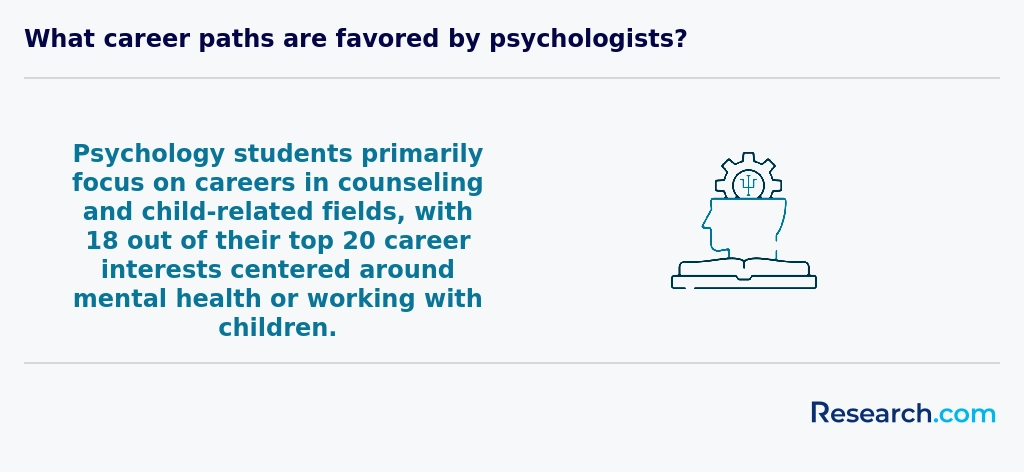
As the field of psychology continues to evolve, staying ahead means not only selecting a quality program but also preparing strategically for the changing landscape of mental health and human behavior research. Prospective students should consider developing a roadmap that blends academic excellence with practical experience, including targeted internships, networking with field professionals, and engaging in contemporary research areas such as digital mental health interventions and neuropsychological advancements. Building skills in technology-driven analysis and evidence-based practices will be invaluable as employers increasingly seek graduates who can adapt to innovative therapeutic models. Moreover, leveraging digital platforms for continuous learning is crucial; for example, exploring resources like the ranking of the best accelerated psychology degree programs online can offer insights into programs designed for accelerated growth and a competitive edge in the job market. By integrating these forward-thinking strategies with a commitment to lifelong learning, students can transform their educational journey into a dynamic career trajectory in psychology.
Imagine starting your psychology journey at the University of Florida and discovering that grants like the Pell Grant swoop in to lighten the load, offering up to $7,395 annually without the shadow of repayment hanging overhead. Many Southern students celebrate this relief, especially when federal aid dances hand-in-hand with state-specific scholarships tailored for behavioral health careers-like those in Texas-where the region's mental health demand fuels unique funding streams.
Graduates from Louisiana State University recall how research assistantships didn't just slice tuition but turned their lab hours into valuable stipends between $10,000 and $20,000, making hands-on learning feel like a rewarding investment.
- Professional groups such as the APA and Psi Chi shower thousands in scholarships, recognizing passion and promise in psychology students.
- Work-study gigs on campus craft practical skills while padding pockets, often connected to psychology departments for real-world experience.
- Loan forgiveness programs invite those committed to serving underserved Southern communities to not only repay less but thrive in their public mental health careers.
These financial pathways, alive with opportunity, become the lifelines that transform worries about tuition at schools like Emory or UNC Chapel Hill into excitement for possibilities ahead.
Accreditation is a crucial factor to consider when choosing a psychology degree program in the South. It ensures that the program meets certain standards of quality and is recognized by reputable accrediting bodies. The American Psychological Association (APA) is the primary accrediting body for psychology programs in the United States. When a program is accredited by the APA, it means that the program has undergone a rigorous review process and has met the APA's standards for education and training in psychology. Accreditation is essential for several reasons. First, it ensures that the program provides a high-quality education that prepares students for careers in psychology. Second, it increases the chances of getting licensed as a psychologist, as many states require graduation from an accredited program as a prerequisite for licensure. Finally, accreditation can affect the availability of financial aid and the ability to transfer credits to other institutions. Students should look for programs that are accredited by the APA or other recognized accrediting bodies, such as the Council for Accreditation of Counseling and Related Educational Programs (CACREP) or the National Accrediting Agency for Clinical Laboratory Sciences (NAACLS). By choosing an accredited program, students can ensure that they receive a high-quality education that prepares them for success in their careers.
Imagine walking across the vibrant campus of a Southern university like the University of Georgia, where the air hums with curiosity and ambition. To step into a psychology degree program here, you'll need more than just a passing glance at your high school transcript. Graduates often recall that maintaining a solid GPA around 2.5 to 3.0 was their ticket in, along with core subjects like English, math, and science under their belt. Having taken biology or social studies gave some an extra leg up, like unlocking a hidden level before the game truly begins.
At places such as Emory University, the graduate journey demands sharper focus: a bachelor's degree with a GPA north of 3.0-preferably in psychology-and coursework in statistics or abnormal psychology that felt like preparing a mental toolkit for the challenges ahead. Many grads remember the nervous thrill of submitting GRE scores, though lately, Southern schools are often waving those off. Real-world experience in mental health settings becomes the secret ingredient, transforming theory into empathy.

Accreditation is a critical marker of quality for psychology degree programs in the South, ensuring that curricula meet rigorous national standards and that graduates are eligible for professional licensure. Prospective students should verify that their chosen institution holds accreditation from the American Psychological Association (APA) for doctoral programs or the Council for Accreditation of Counseling and Related Educational Programs (CACREP) for counseling tracks. For those interested in school psychology, accreditation by the National Association of School Psychologists (NASP) is essential for meeting state certification requirements. In addition to programmatic accreditation, state licensure boards mandate that candidates pass the Examination for Professional Practice in Psychology (EPPP) and complete a specified number of supervised clinical hours. Requirements vary by state: for example, Florida requires 2,000 post‐doctoral supervised hours, while Texas mandates 3,000 hours before full licensure. Staying informed about each state’s timeline and documentation process is crucial for a smooth transition from graduate student to practicing professional. To maintain licensure, psychologists must engage in continuing education (CE) credits, often ranging from 20 to 40 hours biennially, depending on the state. Professional associations like the APA and state psychological associations frequently offer workshops and seminars to fulfill CE requirements, helping practitioners stay current with emerging research and ethical guidelines. For students seeking flexibility while still attending an accredited program, exploring a psychology master’s program online can be a strategic choice. Many online programs hold the same regional accreditation as their on-campus counterparts and provide tailored support for licensure preparation, including EPPP study resources and practicum placements that meet state board regulations.
Imagine diving into a psychology degree in the South, where courses feel like a vibrant map guiding you through the human mind. At popular Southern universities, you'll meet core classes like Introduction to Psychology, which many graduates recall as their "aha" moment-unpacking why people do what they do, from sunny campuses in Texas to lively halls in Florida.
Next comes Research Methods and Statistics, a challenge many Southern students embrace as the key to unlocking real-world evidence, essential for those hands-on internships in Atlanta or Miami. Biological Psychology then takes you inside the brain's electric symphony, making complex concepts as tangible as feeling your own heartbeat during finals at a Georgia college.
Courses like Developmental Psychology and Cognitive Psychology let students witness personal growth and decision-making firsthand, inspiring stories from lab partners studying memory in tight-knit Southern classrooms. Plus, electives like industrial-organizational psychology add flavor, readying students to thrive where business and behavior intersect in bustling Southern cities.
Imagine walking through the halls of a Southern university, where psychology degree specializations in the South unfold like chapters in a gripping novel. Graduates often recall how clinical psychology beckoned them with its promise of healing minds in bustling hospital wings or cozy therapy rooms. Meanwhile, counseling psychology provides an intimate dance with human emotions, ideal for those aiming to bring comfort within schools and community centers.
In the vibrant campuses of the South, industrial-organizational psychology taps into the pulse of growing regional economies, inviting students to decode workplace behaviors and boost productivity. This specialization resonates deeply amidst expanding businesses hungry for psychological insights. Developmental psychology, cherished by many at renowned institutions, illuminates the entire human lifespan-a beacon for those drawn to education or child-focused research.
Some graduates find themselves captivated by forensic psychology, a niche path intertwining law and the mind, available in select Southern programs. Prospective students navigating popular psychology programs Southern states can also explore flexible study options, like enrolling in a psychology master's program online, blending Southern values with modern convenience.
Choosing the best psychology degree in the South feels like navigating a vibrant map dotted with unique academic gems. Imagine walking the sprawling campuses of popular universities where graduates eagerly recall how accreditation wasn't just a checkbox-it was a gateway to meaningful internships in Atlanta's bustling hospitals or Miami's counseling centers. The blend of rigorous curriculum and flexible electives helped them tailor studies toward forensic psychology or industrial-organizational paths that sparked their passions.
Cost often looms large, but students who balanced tuition with scholarships discovered strategies that made their dreams affordable psychology degrees southern states a reality. Graduates from Texas and Florida institutions often mention how their choice of school connected them to real-world networks and job placement success, fostering confidence rather than overwhelm.
For those curious about where affordability meets quality, the Cheapest Psychology Degree Programs Ranking in Michigan can inspire financial planning. After all, weighing graduation rates and local market needs shapes a personalized journey, making best psychology degree programs in the South feel less like a puzzle and more like a perfectly composed story.
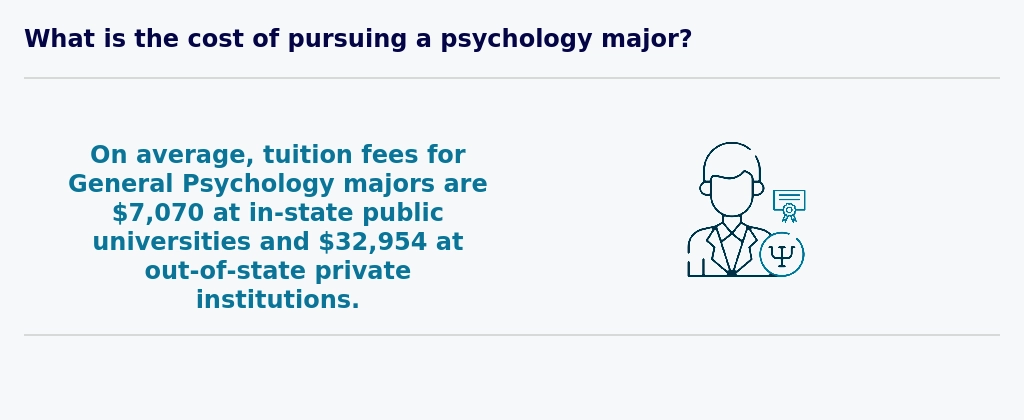
Minds molded at popular Southern universities often leap directly into careers that shape communities and industries alike. Imagine a psychology graduate from a bustling Texas campus, stepping into mental health services to become a counselor, shaping healing conversations for families in Houston's diverse neighborhoods. Across Florida, others weave their expertise into education as school psychologists, crafting supportive environments that transform classrooms into nurturing sanctuaries. These are vivid examples of psychology degree career opportunities in the South, where graduates harness their knowledge to meet real-world challenges with empathy and innovation.
Business and organizational psychology specialties thrive amid the South's booming cities, with graduates fueling human resources departments or pioneering wellness initiatives in tech hubs like Atlanta. Their roles stretch beyond offices, immersing in community outreach and social services, blending psychology with impactful leadership. For those drawn to inquiry, research positions at universities or government agencies spark curiosity and discovery, advancing the field regionally.
Many opt for flexible paths, exploring options like an accelerated bachelor's degree online Texas to fast-track their careers while staying grounded in local cultures. This pragmatic approach adds a vibrant layer to South psychology graduate job prospects, reflecting a unique blend of tradition and forward-thinking ambition.
Graduates from popular Southern institutions like the University of Florida or Texas A&M often find the psychology degree job outlook South filled with vibrant possibilities. Imagine conducting counseling sessions in growing metropolitan centers where community needs are evolving daily, or working in schools where mental health support shapes young minds. These real-life settings offer psychology graduates a chance to weave their passion into meaningful careers.
The career opportunities for psychology graduates in the South span clinical roles, school psychology, and corporate behavioral analysis. Many graduates recount starting as counselors in bustling healthcare systems adapting to population booms, especially in states like Georgia and Florida. With slightly lower salary averages than coastal giants, the region's affordable living softens the transition into the workforce.
Ultimately, a solid foundation from Southern universities combined with strategic choices-perhaps exploring easy master's degrees that pay well-can unlock a rewarding path, blending local demand with personal growth in the dynamic psychology field.
2027 Most Popular Psychology Degree Programs Ranking in the South
Investing in your education is a significant decision that can shape your future, and the Research.com team understands the importance of making informed choices. To assist prospective students in the South, we have meticulously crafted the "2027 Most Popular Psychology Degree Programs Ranking in the South." Our commitment to quality, credibility, and accuracy is reflected in the extensive research and analysis conducted to compile this ranking.
We utilized the following reputable data sources to ensure a comprehensive evaluation of psychology degree programs:
By exploring this ranking, readers will gain valuable insights into the most popular psychology programs in the South, helping them make well-informed decisions about their educational paths. For more details on how the ranking was created, please visit our Research.com methodology page.


Frequently Asked Questions About psychology
Psychology degree students in the South can maximize their learning experience by engaging deeply with both coursework and practical opportunities. According to the Southern Regional Education Board, internships and research assistant positions increase employment chances by over 30% for psychology graduates. Students should seek programs offering strong practicum placements, as hands-on experience is critical in this field.
Additionally, joining psychology-related student organizations promotes networking and skill-building. Participating in conferences, such as those held by the Southeastern Psychological Association, provides exposure to current research and career paths.
Finally, balancing studies with self-care enhances academic performance. Southern universities often have resources like counseling centers tailored for psychology students, aiding their mental well-being during challenging studies.
The field of psychology is rapidly evolving, with several emerging niches gaining prominence, especially in the Southern United States. One such area is neuropsychology, where professionals study the relationship between brain functions and behavior. This specialty is growing due to increased demand for services related to traumatic brain injuries and aging populations.
Another developing niche is telepsychology, which expanded significantly during the COVID-19 pandemic. It offers remote therapy and counseling, making mental health care more accessible in rural Southern communities. According to the American Psychological Association, telehealth usage in psychology rose by over 50% in Southern states between 2020 and 2023.
Additionally, health psychology focused on chronic illness management is gaining attention due to the South's higher rates of conditions like diabetes. These areas present promising career paths for psychology graduates in the region.
Preparing for the job market after earning a psychology degree in the South involves strategic planning and skill development. According to the Bureau of Labor Statistics, psychology-related jobs in states like Texas, Florida, and Georgia are expected to grow faster than the national average through 2031. Graduates should focus on gaining practical experience through internships or practicums offered by many Southern universities, which are highly valued by employers.
Networking is crucial; joining local chapters of professional organizations such as the Southern Psychological Association can open doors. Additionally, developing strong research, data analysis, and communication skills will increase employability in diverse roles, from counseling to human resources.
Many Southern states require licensure to practice clinically, so understanding state-specific certification processes early is beneficial. Advanced degrees or certifications linked to specializations can also enhance career prospects in this competitive regional market.
Employers in the South increasingly value psychology degree graduates who demonstrate strong communication skills. Being able to clearly explain concepts to clients or colleagues is essential in many psychology roles. Additionally, critical thinking and analytical abilities are highly sought after, helping graduates assess research data or client behaviors effectively.
Technical skills, including familiarity with statistical software like SPSS or R, are important, especially as Southern universities emphasize research competencies. According to the Bureau of Labor Statistics, Southern states such as Texas and Florida see rising demand for psychology professionals, boosting the need for adept problem solvers.
Interpersonal skills and cultural competence also rank high, given the region's diverse populations. Graduates who can adapt and demonstrate empathy are preferred.
Finding internships relevant to a psychology degree in the South involves several practical steps. Start by exploring partnerships between Southern universities and local mental health clinics, hospitals, or research centers. According to the Southern Regional Education Board, many psychology programs in this region emphasize hands-on experiences through such collaborations.
Students should also utilize university career services and online platforms like Handshake to locate internships specifically in states like Georgia, Texas, and North Carolina, which host numerous psychology-related opportunities. Networking through professors and attending regional psychology conferences can improve chances of securing internships.
Licensing boards and professional associations such as the Southeastern Psychological Association often list internship openings or resources for students pursuing clinical or counseling psychology. Early planning, starting at least one semester before the desired internship period, is advised to meet application deadlines and prerequisites.
A psychology degree in the South significantly enhances career mobility and advancement opportunities. Graduates often find diverse roles in healthcare, education, social services, and business sectors, where demand for psychological expertise is growing. According to the U.S. Bureau of Labor Statistics, employment of psychologists in Southern states is projected to grow by approximately 14% from 2022 to 2032, faster than the national average.
Many Southern universities offer combined bachelor's and master's programs, accelerating entry into advanced positions. Additionally, networking through regional organizations such as the Southeastern Psychological Association supports career growth. The degree also opens pathways to licensure, essential for clinical advancement across Southern states, where licensure requirements align closely, easing transitions.
Studying for a psychology degree in the South equips students with skills relevant across multiple disciplines. Many Southern universities emphasize interdisciplinary coursework, blending psychology with fields like education, health sciences, and social work. This approach reflects workforce demands that increasingly value adaptable professionals.
For example, the University of Georgia and Emory University incorporate applied research projects that intersect psychology with public health and counseling. According to the Southern Regional Education Board, 62% of psychology graduates in the South engage in collaborative roles post-graduation, indicative of strong interdisciplinary preparation.
This foundation enables students to address complex real-world problems, enhancing career flexibility.
Choosing between a thesis and a non-thesis psychology degree program in the South depends largely on your career goals and academic interests. Thesis programs typically require original research and a formal thesis document, which can be essential if you plan to pursue doctoral studies or research-intensive roles. Non-thesis programs usually focus on coursework and practical experience, appealing to students aiming for professional practice such as counseling or clinical work.
Many Southern universities offer both formats. According to the Southern Association of Colleges and Schools, about 60% of psychology master's programs in the region provide thesis options. Selecting a thesis program can strengthen research skills, while a non-thesis path may allow faster completion and earlier workforce entry.
Students based in the South who wish to study psychology abroad have several pathways to consider. Many Southern universities offer established exchange programs with institutions in Europe, Asia, and Latin America, allowing psychology majors to gain international experience while earning credit. For example, schools like the University of Florida and Emory University have partnerships facilitating study abroad focused on psychological research and clinical practice.
Additionally, Southern students may explore summer or semester programs abroad specialized in psychology, often available through third-party providers or university consortia. These programs emphasize cross-cultural psychology and global mental health, broadening students' perspectives.
It is important to check the transferability of credits and accreditation status to align with US graduate admission requirements in psychology. Southern regional organizations, including the Southern Association of Colleges and Schools, often provide guidance on recognized programs abroad.
Students pursuing psychology degrees in the South can benefit greatly from part-time jobs that build relevant skills. Common opportunities include roles as research assistants at universities, where students support faculty-led psychology studies. Such positions enhance understanding of experimental design and data analysis. Additionally, working as behavioral health technicians in clinics or community health centers provides practical experience in patient interaction and therapeutic techniques. According to the Bureau of Labor Statistics, healthcare support roles are growing by 13% in Southern states, reflecting expanded demand. Other options include tutoring psychology courses or assisting in school counseling offices, both of which deepen academic and interpersonal skills.
Psychology students in the South benefit from diverse networking opportunities through professional organizations such as the Southeastern Psychological Association (SEPA), which hosts annual conferences attracting over 1,000 attendees from the region. These events provide students with chances to connect with faculty, researchers, and practitioners. Several Southern universities, including the University of Florida and University of Georgia, support active psychology clubs that organize speaker sessions and local outreach.
Students also engage in internships and research collaborations at regional health centers and counseling clinics. According to the American Psychological Association, Southern institutions have increased partnerships with community agencies by 15% over the past five years, enhancing hands-on networking experiences.
Alumni networks provide significant advantages to psychology degree students in the South. These networks connect current students with graduates who have established careers in diverse psychology fields, such as clinical, counseling, and industrial-organizational psychology. Through mentorship and guidance, alumni offer valuable insights into local job markets and licensure requirements unique to Southern states.
Many Southern universities maintain active alumni chapters that host networking events, workshops, and career fairs. For example, the University of Florida's psychology alumni association regularly reports increased job placement rates among participating students, according to the National Center for Education Statistics. This hands-on support often leads to internship and job referrals within the region's healthcare and research institutions.
Engaging with alumni also encourages professional development by sharing information on continuing education opportunities and state-specific psychology board updates, which are essential for licensure in Southern states.
Customizing a psychology degree program in the South allows students to align their education with specific career goals. Many Southern universities offer concentrations such as clinical psychology, counseling, developmental psychology, or industrial-organizational psychology. Selecting a focus area helps students gain expertise relevant to their intended profession.
Students can also tailor their programs by choosing electives, participating in internships, or engaging in research projects related to their career interests. For example, internships in mental health clinics or schools provide practical experience.
According to the Southern Regional Education Board, around 60% of Southern psychology graduates work in healthcare or social services, so programs often emphasize applied skills. These customizable opportunities help students prepare effectively for diverse psychology careers.
Psychology students in the South often face challenges related to limited local research funding, which can restrict access to cutting-edge resources and practical experience. According to the Southern Association of Colleges and Schools, institutions in this region tend to receive lower federal research grants compared to other U.S. regions.
Another key challenge is the scarcity of internships and clinical placement opportunities. Students must often compete for limited spots in healthcare settings, impacting their hands-on training.
Additionally, varying licensure requirements across Southern states can complicate future career planning for psychology graduates who may wish to work in different locations.
These factors combined require students to proactively seek diverse experiences and carefully plan their educational paths.
With a psychology degree in the South, graduates can pursue several professional certifications that enhance career prospects. Common certifications include Licensed Professional Counselor (LPC) and Licensed Clinical Social Worker (LCSW), both crucial for clinical roles. The LPC, regulated at the state level, requires a master's degree plus supervised hours, with over 50,000 LPCs licensed in Southern states as per the National Board for Certified Counselors (NBCC) 2023 data.
Other popular certifications include Certified Behavior Analyst (CBA) and Certified School Psychologist credentials, each supporting specialized psychology careers. These certifications demonstrate expertise and increase employment opportunities in healthcare, education, or social services sectors, prevalent in the region.
To write a winning application for a psychology program in the South, begin by carefully researching each school's specific requirements. Many Southern universities value strong academic performance, so emphasize your GPA and relevant coursework, especially in psychology and statistics. According to the Southern Association of Colleges and Schools (SACS), competitive applicants often have GPAs above 3.5.
Highlight any research experience or internships related to psychology. Programs in the South, including those at institutions like the University of Florida and Emory University, prioritize practical experience and evidence of critical thinking. Strong letters of recommendation from professors or professionals familiar with your work bolster your application.
Finally, your personal statement should be clear, focused, and tailored to express your passion for psychology and your career goals within the region.
The career outlook for psychology graduates in the South aligns with broader global trends emphasizing mental health awareness and research. The U.S. Bureau of Labor Statistics projects a 10% growth in psychology-related jobs nationally from 2021 to 2031, with the South experiencing stable demand due to increasing healthcare infrastructure.
Globally, psychology careers focus on clinical work, counseling, research, and organizational roles. In the South, many programs connect students to these global fields through internships and cross-cultural research opportunities. Professional organizations like the American Psychological Association support this international perspective.
Understanding psychology in a global context can enhance employment opportunities and broaden the impact of Southern graduates.
Gaining practical experience while studying psychology in the South is essential for career readiness. Many universities offer internships or practicum placements at local healthcare facilities, schools, or counseling centers. These opportunities allow students to apply classroom knowledge to real-world settings under supervision.
Some programs partner with regional organizations to provide hands-on experiences. For example, the Southern Council on Collegiate Education for Psychology highlights that nearly 70% of psychology students in Southern institutions participate in internships before graduation.
Additionally, research assistant positions on campus provide experience in data collection and analysis, enhancing critical skills.
Students should also seek volunteer roles in mental health organizations to broaden their practical exposure.
Choosing the right concentration in a psychology degree program in the South depends largely on your career goals and interests. Popular concentrations include clinical, counseling, developmental, and industrial-organizational psychology. According to the American Psychological Association, clinical psychology remains the most sought-after specialization due to high demand in healthcare.
Research from the Southern Regional Education Board highlights that programs in states like Texas and Florida offer unique tracks aligned with regional employment trends, such as forensic psychology or school psychology.
Consider also the licensure requirements in your state; some concentrations better prepare you for certification. Visiting program websites and speaking with advisors can clarify which specialization fits your ambitions best.
See What Experts Have To Say About Studying Psychology
Read our interview with Psychology experts

Catherine Caldwell-Harris, Ph.D.
Psychology Expert
Associate Professor of Psychology
Boston University

Robin M. Kowalski. Ph.D.
Psychology Expert
Professor of Psychology
Clemson University

Joann Farrell Quinn, Ph.D., MBA
Psychology Expert
Director at the College of Medicine Department of Medical Education
Morsani College of Medicine

- What can I ACTUALLY do with a Psychology Degree? https://cognitionandco.co.za/what-can-i-actually-do-with-a-psychology-degree/
- Alumni Perspectives - Meet Our FPN Alumni https://www.aanmelder.nl/alumni-perspectives-june-2023
- Psychology https://catalog.southuniversity.edu/psychology/bachelor-of-arts-ba/psychology
- Sample letters in psychology https://www.mystudies.com/en-in/human-and-social-sciences/psychology/letter-model/
- What can I do with a psychology degree? https://www.hull.ac.uk/study/undergraduate/courses/psychology-bsc-hons/what-can-i-do-with-a-psychology-degree
- Financial Aid For Psychology Students | Psychology.org https://www.psychology.org/resources/financial-aid/
- Why Get a Psychology Degree Online? | University of Bridgeport https://www.bridgeport.edu/news/reasons-to-get-your-psychology-degree-online/
- West Palm Beach Bachelor in Psychology (BA) Degree | South University https://www.southuniversity.edu/west-palm-beach/psychology-ba
- Psychology Careers in South Africa: Jobs, Degrees and Opportunities https://www.sacap.edu.za/blog/applied-psychology/psychology-careers/
- CLINICAL PSYCHOLOGY (THESIS / NON-THESIS) - Lisansüstü Eğitim Enstitüsü https://lee.nisantasi.edu.tr/en/clinical-psychology-thesis-non-thesis/


