
2027 Most Valuable Psychology Degree Programs Ranking in Kirkland

Co-Founder and Chief Data Scientist
Choosing the right psychology degree program can shape your future in meaningful ways. If you're in Kirkland and considering this path, this article will guide you through some of the best options available.
The 2027 Most Valuable Psychology Degree Programs Ranking in Kirkland was created by the Research.com team of data scientists to help students like you make informed decisions.
By exploring this ranking, you'll discover programs that offer strong value and opportunities to grow personally and professionally. Pursuing a psychology degree can open doors and enrich your understanding of human behavior, making it a rewarding journey.
Key benefits of getting psychology degree in Kirkland
- Psychology degree graduates in Kirkland can expect competitive salaries, such as $76,060 annually for Human Resources Specialists and $83,190 for Marketing Research Analysts, offering strong financial motivation.
- Graduates from local colleges often pursue diverse careers, including clinical research, childcare, and survey research, each providing meaningful work opportunities in various community and health settings.
- Completing a psychology degree online in Kirkland offers flexible scheduling and the ability to balance work or family life, making education accessible while maintaining a steady income and real-world experience.
- 2027 Most Valuable Psychology Degree Programs Ranking in Kirkland
- What can I expect from psychology degree in Kirkland?
- Where can I work with psychology degree in Kirkland?
What can I expect from psychology degree in Kirkland?
When it comes to the cost of earning a psychology degree in Kirkland, you'll find there's a bit of variety depending on where you study. Public universities nearby tend to be friendlier on the wallet, with annual tuition often ranging from around $8,000 to $12,000 for in-state students. This makes it easier for many locals to pursue their degree without breaking the bank. On the other hand, private colleges in the area can be pricier, sometimes hitting upward of $20,000 or more per year. But many graduates say the investment is worth it, especially when they consider the hands-on internships and clinical opportunities offered by these schools, which really help them feel prepared for their careers.
Students often share how affordable tuition combined with available financial aid made their dream of studying psychology in Kirkland a reality. Plus, being so close to Seattle's bustling research centers means they gained access to real-world experience that's hard to find elsewhere. It's a balance of cost and opportunity that many find rewarding and motivating throughout their studies.
Where can I work with psychology degree in Kirkland?
If you've got a psychology degree in Kirkland, you're in a great spot to jump into some really rewarding jobs. Many grads from local schools, like the University of Washington's nearby programs, find themselves working as mental health counselors or behavioral specialists in hospitals and clinics around Seattle and Kirkland. That hands-on vibe is huge, especially since the demand for these roles is growing fast-20% expected growth is nothing to sneeze at!
Others get into school psychology, helping kids thrive in the Kirkland School District. It's a perfect fit if you enjoy being part of a community and supporting student well-being. Plus, social services roles in nonprofits and local agencies offer chances to make a real difference with mental health advocacy, which many students love after internships.
Then, if you lean toward the business side, psychology grads do well in HR or even user experience roles at tech companies here. It's about understanding people-and with Kirkland's booming tech scene, that's pretty exciting!
If you're wrapping up a psychology degree in Kirkland, you're probably wondering about the paycheck. Graduates working as Human Resources Specialists in the area make around $76,060 a year on average, which is pretty solid for a starting point. If you're more into the research side, like a Clinical Research Associate or Survey Researcher, you're looking at about $62,370 annually-decent money for roles often taken by recent grads.
Marketing Research Analyst roles pay a bit better, with mean salaries near $83,190 per year, which many Kirkland grads from popular schools tell us feels rewarding when combining psychology insight with marketing skills. Even entry-level jobs like Childcare Workers bring in about $32,070, great for recent bachelor's holders gaining experience.
Kirkland's universities and colleges have alumni who highlight how internships at local companies or hospitals help them score positions with competitive wages. Plus, the city's close ties to research institutes can open doors to diverse, well-paid psychology-related roles as you gain experience.
- Undergraduate tuition for psychology programs in Kirkland ranges from $6,000 to $15,000 per year, while graduate programs cost between $15,000 and $25,000 annually.
- Entry-level salaries for psychology bachelor's degree holders typically range from $40,000 to $50,000 per year.
- Advanced degree holders in psychology can earn over $75,000 annually within five to ten years of experience.
- Mental health job growth in the Washington area, including Kirkland, is projected at about 12% over the next decade.
- Students benefit from access to internships and applied research opportunities through Seattle's metropolitan area.
If you're thinking about earning a psychology degree in Kirkland, how long it takes really depends on the level you're aiming for. Most students at popular spots like Lake Washington Institute of Technology find that an associate degree wraps up in about two years, which is a great way to get your feet wet or set the stage for a bachelor's.
Speaking of bachelor's degrees, that's usually a four-year journey. Graduates often share how the vibrant Kirkland community and flexible class options at local colleges helped them stay motivated through those full-time semesters. Some even manage to speed things up with summer classes, but four years is the sweet spot for most.
Want to go further? Master's programs typically add two more years after your bachelor's, perfect for diving deeper into counseling or specialized fields. And if you're aiming for a PhD or PsyD, plan for anywhere between four to seven years post-bachelor's, including research and hands-on clinical hours.
Many students juggling work in Kirkland appreciate that part-time study options let them balance life and school, though it usually means the timeline stretches out a bit. Overall, the path follows familiar U.S. standards but with the added benefit of a supportive local vibe.
For many students, earning a psychology degree is only the beginning of an ongoing educational journey that might lead to advanced studies and specialized careers. In today’s dynamic academic environment, exploring online graduate programs can provide the flexibility and depth needed for further success. More specifically, many professionals eager to dive deeper into clinical practice are increasingly turning to masters in clinical psychology online accredited programs, which offer rigorous coursework, expert faculty guidance, and real-world clinical experiences-all from the comfort of home. This advanced online path is designed to help you hone critical analytical skills while building a robust network of peers and mentors in the field. Accredited online options ensure that the program meets stringent quality standards, bridging the gap between academic theory and practical application. These programs are particularly beneficial for working professionals who wish to balance career demands, personal commitments, and continued education. With a focus on interactive virtual collaborations and up-to-date research methodologies, advanced online psychology degrees equip graduates with contemporary tools to address emerging mental health trends and societal challenges. Whether you plan to pursue clinical practice, research, or counseling, investing in an advanced online program can open doors to leadership roles and specialized career paths in the evolving landscape of psychology.
If you're thinking about a psychology degree in Kirkland, the biggest difference between online and on-campus programs is how you experience school every day. Imagine attending Lake Washington Institute of Technology-you're walking through campus, chatting face-to-face with professors and classmates, joining live discussions, and hitting the labs for hands-on practice. That traditional setup really helps if you love a structured schedule and soaking up the college vibe in person.
On the flip side, many Kirkland students juggling work or family go for online programs. These let you watch lectures anytime and join virtual hangouts without worrying about commuting. Graduates often say they appreciate the freedom to fit classes around their busy lives, even if it means managing their time more strictly. Online degrees also save money on travel and housing, which is a big plus in this area.
Both paths are legit and accredited, but knowing what fits your style at Kirkland's schools can make your college journey way smoother and more enjoyable.
Planning ahead for application deadlines is essential to securing your spot in a psychology program in Kirkland, WA. Most institutions offer two main admission rounds: • Fall Semester (September start): – Priority deadline: December 1 (previous year) – Regular deadline: January 15 • Spring Semester (January start): – Priority deadline: August 1 – Regular deadline: October 15 To meet these deadlines, you should: 1. Request official transcripts and letters of recommendation by November (for fall) or June (for spring). 2. Complete any required standardized tests or portfolio submissions at least two months before the priority deadline. 3. Submit your FAFSA and state grant applications by February 28 to maximize financial aid consideration. Many programs also offer rolling admissions for remaining seats; however, applying by the priority deadline increases your chances for scholarships and on-campus housing. If you’re exploring flexible online alternatives with extended timelines and lower tuition, consider the Most Affordable Online Psychology Degree Programs Ranking in Virginia, which highlights affordable options alongside their application windows.
The average cost of a psychology degree in Kirkland typically falls around $36,035 for in-state students and about $47,743 for those coming from out of state. These numbers give you a realistic snapshot of what many students at popular local schools, like the University of Washington, might expect to pay by the time they finish their studies. Graduates often share how managing tuition alongside living expenses was a challenge, but worth it given the quality education and opportunities they received.
Many psychology students in Kirkland find that public universities offer the most affordable options, especially if you qualify for in-state tuition. A bachelor's degree here is not out of reach financially, and there's a good chance you'll benefit from various scholarships or financial aid options. Knowing the total cost upfront makes it easier to plan, especially when you consider the importance of budgeting for books, fees, and those extra practicum costs that are common in psychology programs.
For those looking into advanced studies or researching the psychology degree tuition and fees Kirkland 2027, expect graduate programs to be pricier-master's and doctoral degrees often run higher depending on the school and specialization. It's also smart to explore local funding sources and grants. Checking out the valuable psychology school in Washington can help you find high-quality programs that balance cost and career potential.

Choosing a regionally accredited program-and for clinical paths, an APA-accredited track-ensures your degree meets state standards and qualifies for licensure in Washington. To become a licensed psychologist in Kirkland, follow these steps:
- Earn a bachelor’s degree from a regionally accredited institution.
- Obtain a master’s or doctorate from an APA-accredited program.
- Complete required supervised hours (1,500–3,000) under a licensed psychologist.
- Pass the national EPPP exam and any state-specific assessments.
- Submit your application and documentation to the Washington State Department of Health.
Aspiring doctoral candidates can also explore online psyd programs accredited for streamlined licensure pathways.
If you're diving into a psychology degree in Kirkland, you'll find quite a few financial aid options that make the journey less stressful. For starters, nearly every student applies for federal aid through FAFSA. This can unlock grants like the Pell Grant, which doesn't need to be paid back and can really help cover tuition-sometimes up to around $7,395 a year. Many students studying at places like Lake Washington Institute of Technology have shared how this made a big difference in keeping costs manageable.
Then, there's the Washington College Grant, which is tailor-made for Washington residents. If you're enrolled at a local school, this grant can chip away at tuition fees, especially at public colleges. Plus, work-study jobs let you earn some cash while you're in class, helping with daily expenses.
Several local colleges also offer scholarships just for psychology students, awarding money based on merit or financial need. And don't forget outside scholarships from psychology organizations-graduates have often mentioned how applying to groups like the American Psychological Association funded parts of their studies, making the whole process feel more doable and exciting!
Choosing a psychology degree program in Kirkland, WA, with the right accreditation and clarity on licensing requirements is essential for ensuring your education translates into professional practice. Firstly, verify that your institution holds regional accreditation-typically from the Northwest Commission on Colleges and Universities (NWCCU)-as this standard is recognized by employers and graduate schools nationwide. For clinical and counseling psychology tracks, look for programs with American Psychological Association (APA) accreditation, which signifies adherence to rigorous training and ethical standards. Once you graduate, Washington State’s Department of Health mandates licensure to practice as a psychologist. Key steps include:
- Completing a doctoral degree in psychology from an APA-accredited institution.
- Accumulating at least 3,000 hours of supervised professional experience (SPE) under a licensed psychologist.
- Passing the Examination for Professional Practice in Psychology (EPPP) and the Washington State Jurisprudence Exam.
- Submitting an application to the WA Psychology Board along with official transcripts, SPE verification, and background check clearance. For those pursuing roles that do not require a full psychologist license-such as school counseling or behavioral health positions-other certifications like Licensed Mental Health Counselor (LMHC) or Licensed Marriage and Family Therapist (LMFT) may apply. Each has its own supervised experience and examination criteria, so it’s crucial to consult the Washington Administrative Code (WAC) chapters relevant to each license. If you’re considering specialization in child-focused practice, exploring careers in child development psychology can help you understand additional certification paths, such as Certified Child Life Specialist (CCLS) or endorsements through the National Association for School Psychology (NASP). By ensuring your program’s accreditation aligns with your intended licensure route, you’ll streamline your path from student to practicing professional in Kirkland’s vibrant psychology community.
To get started with a psychology degree in Kirkland, you'll need a high school diploma or something like a GED. Most students aiming for a bachelor's at places like the University of Washington Bothell find that having a solid GPA, usually around 2.5 to 3.0, helps a lot. It's pretty common for schools around here to be test-optional, so those SAT or ACT scores don't always have to be on your plate.
People who've gone through the local community colleges, like Lake Washington Institute of Technology, often say that taking some intro psych classes before transferring made the jump feel way smoother. Showing off good grades in classes like English, math, and biology definitely adds some confidence when applying. It's like having a solid toolkit before you dive into the heavier psych stuff.
If you're thinking about grad school in Kirkland, expect to show you've earned a bachelor's degree first, with coursework in psychology or close subjects. A few letters of recommendation and a personal statement help paint a picture of who you really are. Some programs might still want GRE scores, but that's becoming less common. Graduates from these programs often say the experience is rewarding and really worth the effort.
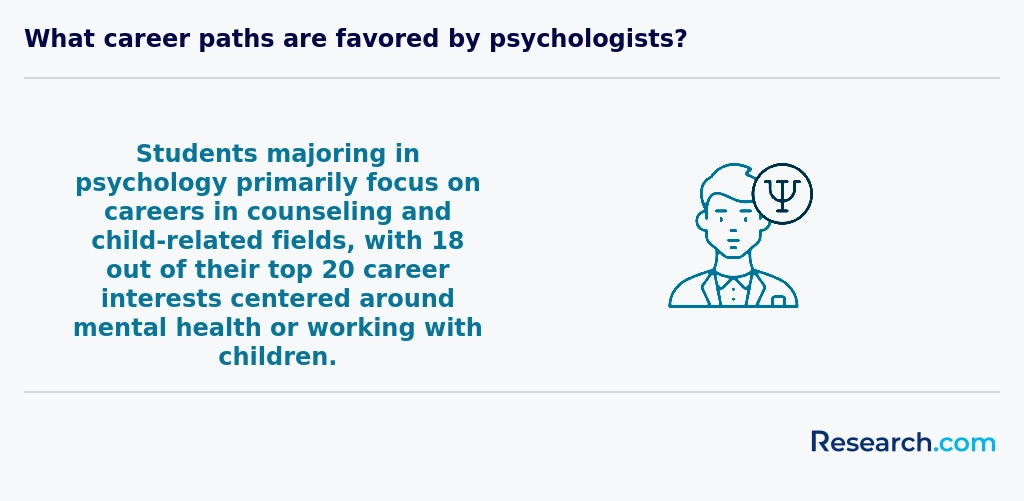
Pursuing a psychology degree in Kirkland, WA, can be a highly rewarding experience, offering students a wide range of career opportunities and personal growth. With its strong economy and diverse community, Kirkland provides an ideal environment for psychology students to apply their knowledge and skills in real-world settings. For those interested in exploring the best psychology programs in the region, researching the valuable psychology school in Washington can provide valuable insights into the quality and relevance of the programs offered. Whether students are interested in clinical psychology, counseling, or research, a psychology degree from a reputable institution in Kirkland, WA, can equip them with the theoretical knowledge, practical skills, and networking opportunities necessary to succeed in their chosen career path.
If you're diving into a psychology degree in Kirkland, expect to take some core classes that really lay the groundwork. Graduates from local colleges often mention how courses like Introduction to Psychology gave them a solid snapshot of the field-from the basics of human behavior to different subfields. Research Methods and Statistics is another must-have, teaching you how to design experiments and make sense of data, which totally changes how you see everyday interactions.
Other classes like Developmental Psychology and Biological Psychology help connect the dots between brain functions and behavior at different life stages, making the concepts feel real-like understanding why your little cousin acts the way they do or how stress impacts your own mood. Social and Cognitive Psychology often lead to "aha" moments too, unpacking how our thoughts and social lives shape decisions. Plus, many students enjoy electives such as Clinical or Health Psychology that let you explore where you want your career to go, sometimes even jumping into internships around Kirkland to get hands-on experience.
If you're eyeing a psychology degree in Kirkland, you'll find a bunch of cool specializations to choose from. Most local schools offer popular tracks like clinical psychology and counseling psychology, which are great if you want to work directly with people dealing with mental health issues. Graduates from these programs often share how rewarding it feels to really make a difference in healthcare settings around the Seattle area.
Other common options include developmental psychology, perfect for those curious about how people grow and change over time, and industrial-organizational psychology, which is all about making workplaces better for employees. Many students appreciate how these concentrations give them practical skills they can immediately apply in real jobs.
Students exploring the best psychology concentrations Kirkland programs offer should also consider branches like forensic or health psychology, depending on what local colleges have available. For a deeper dive, some students even look into masters in clinical psychology online accredited programs to boost their expertise while staying flexible.
Picking the best psychology degree in Kirkland means thinking about what fits your life and goals. Many grads from popular local colleges say that starting with a bachelor's degree-whether a BA or BS-is the way to go. It's usually four years and opens doors to either jump into a master's or keep on toward a PhD, depending on where you want to end up.
When you're checking out affordable psychology colleges Kirkland WA offers, look closely at program accreditation and if the school has solid connections for internships or research. One graduate shared how working on research projects at a Kirkland school helped connect them to real-world experience, making the classes feel exciting and useful.
Also, think about what kind of psychology really lights you up. If you're drawn to clinical work or counseling, find programs that support licensure and building strong professional links. For example, many students find a huge boost exploring careers in child development psychology through internships available nearby, turning their studies into amazing opportunities.

If you're wondering about psychology degree job opportunities in Kirkland, there's actually a ton of variety waiting for you. Many grads from local colleges dive into clinical roles, becoming licensed psychologists or counselors after further study. They love sharing how rewarding it feels to help real people overcome mental health struggles right in their community. Others jump into healthcare spots like hospitals or rehab centers, working as behavioral health specialists-a hands-on job that makes a big impact every day.
For those interested in education, school psychologists are in demand across Kirkland's schools and nearby universities, focusing on student growth and behavioral support. Business-minded grads find their fit too, applying psychology in HR and market research to boost company culture and understand customers better. The cool part? With schools here offering solid options and living near Seattle's bustling job market, career options with psychology degree Kirkland truly shine. If you want to explore affordable ways to start your journey, check out the Most Affordable Online Psychology Degree Programs Ranking in Virginia.
The psychology job opportunities in Kirkland can feel a bit mixed at first, especially if you're fresh out of a bachelor's program. Graduates from local colleges often find entry-level roles in social services or as research assistants, which is a great way to get a foot in the door. But to really shine and grab those higher-paying gigs, like licensed clinical psychologist or school counselor, most folks find they need a master's or doctoral degree. It's kind of like climbing a ladder where each step opens more doors.
Many students from Kirkland's universities have shared how internships at nearby hospitals or mental health clinics gave them solid experience and connections. The presence of tech companies around here also means organizational psychology roles pop up, offering a neat blend of psychology and business fields. Curious about speeding up your education to jumpstart your career? Check out quickest adult degree programs online that can fit around busy schedules.
Careers with a psychology degree in Kirkland usually involve strong people skills, and many grads say the city's close-knit community feel makes networking and job hunting a bit easier. With the cost of education you'll face here, it's smart to think about your long-term goals and what types of roles feel meaningful to you as you plan ahead.
2027 Most Valuable Psychology Degree Programs Ranking in Kirkland
Investing in your education is a significant decision that can shape your future, and the Research.com team understands the importance of making informed choices. To assist prospective students in Kirkland, we have meticulously created the "2027 Most Valuable Psychology Degree Programs Ranking in Kirkland." Our commitment to quality, credibility, and accuracy is reflected in the extensive research and analysis conducted to compile this ranking.
We utilized the following reputable data sources to ensure a comprehensive evaluation of psychology degree programs:
By exploring this ranking, readers will gain valuable insights into the most valuable psychology degree programs in Kirkland, equipping them to make well-informed decisions about their educational and career paths. For more details on how this ranking was developed, please visit our Research.com methodology page.
# 1 position
Northwest University-Center for Online and Extended Education
Bachelor of Arts in Psychology


# 5 position
Northwest University-Center for Online and Extended Education
Master of Arts in Psychology
Frequently Asked Questions About psychology
Psychology degree students in Kirkland can maximize their learning by actively engaging in both theoretical and practical experiences. Local institutions often offer internships or research assistantships that provide hands-on exposure, which is critical according to the American Psychological Association. Participating in the thriving research community around Seattle-Kirkland enhances understanding of contemporary psychological methods.
Students should also join study groups or academic clubs to collaborate with peers, as teamwork strengthens comprehension and critical thinking. Accessing resources through nearby universities' libraries and online databases can deepen knowledge efficiently. Additionally, seeking mentorship from faculty experienced in clinical or cognitive psychology promotes professional growth and career readiness.
The psychology field in Kirkland is expanding into several emerging niches that reflect current societal needs and technological advancements. One rapidly growing area is health psychology, focusing on how lifestyle and behavior impact physical health. According to the Bureau of Labor Statistics, demand for health psychologists is expected to grow faster than average nationally, and Kirkland's proximity to major healthcare centers supports this trend.
Another niche gaining momentum is neuropsychology, which studies brain-behavior relationships. Local universities in Washington state are investing in neuroscience research, creating opportunities for students to specialize in this area.
Industrial-organizational psychology is also on the rise, assisting businesses in improving employee well-being and productivity, which is increasingly relevant for Kirkland's thriving tech industry. These niches offer diverse career paths for psychology graduates in Kirkland.
Preparing for the job market after earning a psychology degree in Kirkland requires a mix of practical experience and strategic networking. Many local employers, including healthcare facilities and schools, value internships and volunteer work. Gaining hands-on experience through these opportunities is essential for skill-building and résumé enhancement.
Additionally, Kirkland's proximity to Seattle expands access to professional workshops and conferences offered by organizations like the Washington Psychological Association. Participating in these events can help graduates stay updated on industry trends and expand their professional network.
Graduates should also consider pursuing state licensure or certifications depending on their career goals, as Washington requires licensing for many psychology-related roles. According to the U.S. Bureau of Labor Statistics, employment for psychologists in Washington is projected to grow by 10% from 2022 to 2032, reflecting positive job prospects locally.
Employers in Kirkland increasingly seek psychology graduates with strong analytical and communication skills. According to the Washington State Employment Security Department, employers value the ability to interpret complex data and conduct research relevant to human behavior. Practical experience with statistical software such as SPSS or R is a distinct advantage, as it enhances data-driven decision-making.
In addition, interpersonal skills remain critical. Graduates must effectively work in diverse teams and demonstrate empathy, especially in clinical or counseling settings. Kirkland's local healthcare and social services sectors emphasize cultural competence, reflecting the city's demographic variety.
Problem-solving and ethical judgment are also top priorities, ensuring graduates can navigate real-world challenges responsibly. Overall, these skills align with trends observed nationwide but are specifically reinforced by Kirkland's employers to meet regional needs.
Finding internships in Kirkland relevant to a psychology degree involves a strategic approach. Students should begin by exploring partnerships between local universities and healthcare providers, as these often offer structured psychology internship programs. For example, nearby institutions like Seattle Pacific University and the University of Washington have connections with Kirkland-area clinics and mental health centers.
Additionally, contacting the Kirkland Department of Parks and Community Services can uncover volunteer or internship roles focused on community mental health and social services. National databases such as the American Psychological Association's (APA) internship directory also list opportunities in Washington state.
Networking through local professional psychology organizations and attending career fairs hosted by nearby colleges can further enhance internship prospects. Internships typically require strong academic standing and relevant coursework in clinical or developmental psychology.
A psychology degree offers significant career mobility in Kirkland, allowing graduates to enter diverse fields such as counseling, social services, human resources, and education. According to the U.S. Bureau of Labor Statistics, employment of psychologists and related professionals in the Seattle metropolitan area, which includes Kirkland, is projected to grow by 10% through 2032, outpacing the average for all occupations.
Advanced degrees, like master's or doctoral levels, can further enhance career advancement opportunities. Many employers in Kirkland prioritize candidates with specialized skills in clinical or organizational psychology. Moreover, local healthcare and tech industries increasingly value psychological expertise for employee wellness and user experience roles.
Licensure requirements specific to Washington state also shape career paths, making accredited psychology programs vital for long-term professional growth. Networking within Kirkland's academic and professional communities is an additional advantage, supporting continuous development and job mobility.
Studying for a psychology degree in Kirkland equips students with skills relevant to various interdisciplinary roles in health, business, and education. Programs often integrate coursework in neuroscience, sociology, and statistics, fostering a broad understanding of human behavior. This combination prepares graduates to collaborate with professionals in social services, marketing, or healthcare.
Local universities emphasize hands-on research and community-based projects. According to the National Center for Education Statistics, psychology graduates from Washington State show a 15% higher employment rate in interdisciplinary fields compared to the national average. This reflects Kirkland's regional focus on diverse career pathways within psychology.
Choosing between a thesis and a non-thesis psychology degree program in Kirkland depends largely on your academic and career goals. Thesis programs require original research, ideal for students interested in pursuing doctoral studies or research careers. These programs typically take longer to complete, averaging 2 to 3 years, and offer deeper engagement with psychological theories and methodologies.
Non-thesis programs focus more on coursework and practical skills, making them suitable for students aiming to enter the workforce quickly in clinical or counseling roles. According to the National Center for Education Statistics, about 40% of psychology graduates nationwide select non-thesis tracks for faster completion.
In Kirkland, universities offer both options, but thesis programs may provide a competitive edge for research-oriented positions. Reviewing curriculum details and career placement data from local institutions can help clarify which path aligns with your ambitions.
Students based in Kirkland interested in studying psychology abroad have several pathways through US higher education partnerships and exchange programs. Many universities involved with Kirkland's education community offer study abroad opportunities in psychology within Europe, Australia, and Canada, enabling students to gain international experience. For example, the University of Washington, a regional leader near Kirkland, has various exchange agreements that include psychology courses aligned with US accreditation standards.
Psychology programs abroad often emphasize cross-cultural research methods and mental health approaches, which can complement Kirkland students' academic goals. According to the Institute of International Education, about 10% of US students studying abroad choose social sciences, including psychology.
Students pursuing psychology degrees in Kirkland have several part-time job options that enhance their academic experience. Positions such as behavioral health technician, research assistant at local universities or healthcare facilities, and mental health support roles are commonly available. These jobs help students develop practical skills and build professional networks.
According to the Washington State Employment Security Department, the healthcare and social assistance sector in Kirkland is expected to grow by over 10% through 2028, increasing demand for qualified psychology-related roles. Internships and assistantships at institutions like Bastyr University also provide valuable exposure to clinical and research settings.
Working as a tutor or peer mentor in psychology courses is another opportunity. These roles offer teaching experience and reinforce subject knowledge, both beneficial for graduate studies.
Psychology students in Kirkland benefit from a variety of networking opportunities that help them connect with professionals and peers. Local colleges often host guest lectures and career fairs, where students can meet practicing psychologists and faculty experts. The proximity to Seattle broadens access to numerous psychology-related conferences, workshops, and seminars annually.
Internships and practicum placements available at nearby healthcare centers and schools provide hands-on experience and valuable contacts. Additionally, student organizations such as Psi Chi, the International Honor Society in Psychology, offer events and networking mixers tailored for psychology majors in the area.
Professional groups like the Washington Psychological Association frequently host meetings and continuing education in the region, encouraging emerging psychologists to build lasting professional relationships.
Alumni networks play a significant role in supporting psychology degree students in Kirkland. These networks connect current students with graduates who have established careers in various psychology fields, such as clinical, counseling, and research psychology. Through mentorship programs, students gain valuable guidance on academic choices and career development.
In Kirkland, where psychology programs often emphasize community engagement, strong alumni ties help students access internships and local job opportunities. According to a 2023 study by the National Association of Colleges and Employers, 85% of psychology graduates found their first job through networking, frequently facilitated by alumni connections.
Networking events organized by Kirkland universities and colleges also foster professional relationships, enhancing students' chances of obtaining licensure and specialized training in Washington State.
Customizing a psychology degree program in Kirkland allows students to align their education with specific career goals. Many local institutions offer elective courses and concentrations such as clinical psychology, counseling, or industrial-organizational psychology. This flexibility helps tailor learning to areas like mental health services or workplace behavior analysis.
Students can also engage in internships or research projects within Kirkland's healthcare centers or community organizations, gaining practical experience that complements academic studies. According to the Washington State Higher Education Coordinating Board, about 40% of psychology students in the region participate in applied learning opportunities.
Advisors at Kirkland colleges often assist students in selecting courses and experiences suited to careers in counseling, social work, or human resources. Certification options, such as preparation for licensure exams, are also available to help meet professional requirements.
Psychology students in Kirkland often encounter challenges common to many US higher education settings. One key difficulty is managing a heavy course load filled with both theoretical studies and practical research components. According to the National Center for Education Statistics, psychology programs demand strong analytical skills and considerable time for assignments and exams.
Additionally, students report limited access to local internships, which are crucial for hands-on experience in psychological services. Kirkland's smaller population compared to major metro areas can make finding placements competitive.
Financial pressures also impact many students, as tuition and living expenses in the Seattle metropolitan area tend to be high, according to reports from the College Board. Balancing study time with part-time work adds further stress.
Moreover, the ongoing need to stay updated with evolving mental health research and licensure requirements adds complexity to the academic journey.
A psychology degree in Kirkland opens doors to various professional certifications that enhance career prospects. Graduates often pursue licensure as a Licensed Mental Health Counselor (LMHC) or Licensed Professional Counselor (LPC), both requiring a master's degree and supervised clinical hours. Another common certification is the Certified Alcohol and Drug Counselor (CADC), important for those working in addiction services.
Psychologists aiming for clinical practice typically seek the Licensed Psychologist credential through the state's Department of Health, which requires a doctorate and passing the Examination for Professional Practice in Psychology (EPPP). Additionally, certifications in behavior analysis from the Behavior Analyst Certification Board are available for those interested in applied behavior analysis. The Washington State Department of Licensing offers detailed information about these certifications relevant to Kirkland professionals.
When applying for a psychology program in Kirkland, it is essential to clearly articulate your passion for the field. Start by crafting a well-structured personal statement that outlines your academic background, relevant experiences, and career goals. Programs in Kirkland, including those at local institutions, value applicants who demonstrate both academic rigor and practical understanding.
Highlight any volunteer or internship experience related to psychology, as this reflects your commitment. Be sure to include strong letters of recommendation from professors or professionals familiar with your work. According to the National Center for Education Statistics, psychology remains a competitive and growing field, so showcasing unique strengths is key.
Lastly, maintain a high GPA and prepare thoroughly for any required standardized tests, as many Kirkland programs emphasize these criteria.
Psychology careers in the US, including Kirkland, are shaped by growing global interest in mental health and behavioral sciences. According to the U.S. Bureau of Labor Statistics, psychology jobs are projected to grow 8% from 2022 to 2032, faster than average. This reflects increasing demand for psychologists worldwide, especially in clinical, counseling, and industrial-organizational fields.
Global perspectives emphasize cross-cultural competence, as psychology practices and treatments must adapt to diverse populations. For students in Kirkland, understanding these international trends enhances employability both domestically and abroad.
Many psychology degree programs in Washington State integrate global research methods and multicultural studies, preparing graduates to work in varied cultural contexts. This approach aligns with recommendations from the American Psychological Association, highlighting the importance of cultural sensitivity in psychology careers.
Gaining practical experience while studying for a psychology degree in Kirkland is crucial for career readiness. Many local institutions, including colleges and universities, offer internship and practicum opportunities as part of their psychology programs. These placements often take place in nearby hospitals, mental health clinics, or community service organizations, providing hands-on exposure to various psychological practices.
According to the Washington State Department of Health, involvement in supervised clinical experiences significantly improves licensure success rates. Students can also participate in research projects led by faculty, gaining valuable skills in data collection and analysis. Networking through local psychology associations and attending workshops further enhances practical learning.
Choosing the right concentration within a psychology degree program in Kirkland involves assessing your career goals, interests, and local job market trends. Popular concentrations include clinical, counseling, developmental, and industrial-organizational psychology. According to the U.S. Bureau of Labor Statistics, industrial-organizational psychologists in Washington state earn a median annual wage of about $105,000, reflecting local demand.
Research local universities' program offerings and faculty expertise. Kirkland's proximity to Seattle provides access to internships in healthcare, education, and technology sectors, influencing specialization choices. Additionally, consider certification requirements and graduate school pathways tied to each concentration. Thoroughly review course content and practical experience opportunities to ensure alignment with your long-term plans.
- 2027 Most Valuable Psychology Degree Programs Ranking in Portland
- 2027 Most Valuable Psychology Degree Programs Ranking in Eugene
- 2027 Most Valuable Psychology Degree Programs Ranking in San Francisco
- 2027 Most Valuable Psychology Degree Programs Ranking in Santa Barbara
- 2027 Most Valuable Psychology Degree Programs Ranking in Los Angeles
- 2027 Most Valuable Psychology Degree Programs Ranking in Boulder
- 2027 Most Valuable Psychology Degree Programs Ranking in Irvine
- 2027 Most Valuable Psychology Degree Programs Ranking in Riverside
- 2027 Most Valuable Psychology Degree Programs Ranking in Denver
- 2027 Most Valuable Psychology Degree Programs Ranking in La Jolla
See What Experts Have To Say About Studying Psychology
Read our interview with Psychology experts

Catherine Caldwell-Harris, Ph.D.
Psychology Expert
Associate Professor of Psychology
Boston University

Joann Farrell Quinn, Ph.D., MBA
Psychology Expert
Director at the College of Medicine Department of Medical Education
Morsani College of Medicine

Elizabeth L. Jeglic Ph.D.
Psychology Expert
Professor of Psychology
City University of New York

- Office of Financial Aid https://www.fielding.edu/financial-aid/
- Washington Psychology Schools | Psychology Degree Guide https://psychologydegreeguide.org/state/washington/
- Why Get a Psychology Degree Online? | University of Bridgeport https://www.bridgeport.edu/news/reasons-to-get-your-psychology-degree-online/
- Staying connected, made simple: how associations and alumni networks grow with Socie - Socie App https://socie.eu/staying-connected-made-simple-how-associations-and-alumni-networks-grow-with-socie/
- Best Types Of Online Psychology Degrees 2025 https://www.psychology.org/degrees/
- Know more about thesis vs non- thesis: what is the difference? https://studyfans.com/en/blogs/816
- Mental Health Challenges Faced by Psychology Students | The Healthcare Guys https://healthcareguys.com/2023/11/23/mental-health-challenges-faced-by-psychology-students/
- How to help students cope with mental health challenges https://www.eaie.org/resource/help-students-cope-mental-health-challenges.html
- Psychology Placement Opportunities for Year 12 Students https://studymind.co.uk/ucas-guide/year-12-guide-to-gaining-psychology-work-experience/
- Call for papers https://www.hogrefe.com/us/journal/international-perspectives-in-psychology-research-practice-consultation


