
2027 Most Affordable Psychology Degree Programs Ranking in Burlington

Co-Founder and Chief Data Scientist
Choosing the right psychology degree program can be overwhelming, especially with so many options available in Burlington. This article introduces the 2027 Most Affordable Psychology Degree Programs Ranking in Burlington, developed by the Research.com team of data scientists to help you make an informed decision.
By exploring this ranking, you'll discover affordable programs that offer quality education and great value. Pursuing a psychology degree opens doors to meaningful careers and personal growth. Let this guide support your journey toward a rewarding future in psychology.
Key benefits of getting psychology degree in Burlington
- A psychology degree in Burlington can lead to rewarding careers with strong salaries, such as a Marketing Research Analyst earning around $83,190 annually or a Human Resources Specialist making about $76,060 per year.
- Graduates from local universities often find diverse career paths, from clinical research roles to positions in childcare or survey research, offering meaningful work and community impact.
- Completing a psychology degree online in Burlington provides flexible scheduling and the ability to balance work and study, making it easier to pursue your passion without pausing your life.
- 2027 Most Affordable Psychology Degree Programs Ranking in Burlington
- What can I expect from psychology degree in Burlington?
- Where can I work with psychology degree in Burlington?
What can I expect from psychology degree in Burlington?
Students pursuing psychology degrees in Burlington find the average cost surprisingly accessible, especially when compared to national rates. Many public colleges in Vermont, including well-regarded local institutions, offer tuition that is often below the national average. This affordability opens doors for many aspiring psychologists who are eager to begin their educational journeys without overwhelming debt.
Graduates from Burlington's psychology programs frequently share how this financial feasibility allowed them to focus on gaining real-world experience through internships at community clinics or participating in groundbreaking research projects. They describe the joy of developing skills in supportive, hands-on environments, where classroom theories come alive through meaningful practice.
By choosing to study in Burlington, students invest not only in affordable education but also in a vibrant academic community. This creates a foundation for professional success and personal growth, inspiring many to continue toward advanced degrees or rewarding careers in counseling, social work, and beyond.
Where can I work with psychology degree in Burlington?
Psychology graduates in Burlington find encouraging opportunities across diverse fields that truly make a difference. Many alumni from the University of Vermont have stepped into rewarding roles within healthcare settings like mental health clinics and rehabilitation centers, where they provide vital support and counseling to those in need. These roles not only build meaningful careers but also create positive impacts on the community.
Others have embraced the chance to work in local schools and universities, serving as school counselors or academic advisors. This allows them to inspire and guide students toward success, making education a fulfilling career path. Many graduates find personal satisfaction collaborating on behavioral research projects right here in Burlington, gaining hands-on experience that shapes their futures.
Social service agencies offer another vibrant avenue. Graduates often engage in outreach and case management, helping vulnerable populations rebuild their lives. Additionally, the thriving tech and startup scene welcomes psychology graduates to innovate in user experience and human-centered design, turning psychology insights into exciting business solutions.
Federal and state agencies in Burlington also recognize the unique value psychology professionals bring to public health, forensic programs, and criminal justice. The journey may start with a bachelor's degree, but these roles foster growth and lifelong learning, lighting the way toward meaningful, dynamic careers.
Graduates with a psychology degree from Burlington's well-regarded colleges often step into rewarding careers with promising salaries. For example, those pursuing roles as Human Resources Specialists can anticipate a mean annual wage of about $76,060, reflecting strong demand for professionals who understand human behavior in the workplace. Marketing Research Analysts, another common path, earn a mean yearly salary near $83,190, allowing graduates to combine psychology insights with business strategies to drive success in local companies.
Many Burlington grads also find meaningful work as Clinical Research Associates or Survey Researchers, each earning around $62,370 annually. These positions offer engaging opportunities to contribute to cutting-edge studies on human behavior and mental health, enriched by the vibrant academic environment of institutions in Burlington.
Imagining yourself working in these roles, supported by a quality education from Burlington's top schools, can be truly inspiring. Success stories from local graduates highlight how practical training and networking in these communities boost both career satisfaction and financial stability, making psychology a smart and fulfilling investment.
- Bachelor's psychology programs at public colleges in Burlington cost approximately $12,000 to $15,000 per year for in-state students.
- Private institutions charge higher tuition, ranging from $25,000 to $40,000 annually, plus additional expenses like textbooks and living costs.
- Starting salaries for psychology graduates with a bachelor's degree are typically between $40,000 and $50,000 per year.
- Advanced degrees can lead to salaries from $65,000 to $90,000, depending on specialization and work setting.
- The local job market for psychology professionals is expected to grow by about 10% over the next decade.
- Graduates have access to internships and job opportunities in hospitals, counseling practices, community groups, and educational institutions nearby.
Completing a psychology degree in Burlington is an achievable and rewarding journey, with clear timelines that many students successfully meet. Most undergraduates at the University of Vermont, for instance, finish their Bachelor of Arts or Science in about four years of full-time study, balancing engaging courses and campus life with confidence and determination.
For those advancing to graduate programs, the path remains inspiring. Master's students typically complete their degrees in two years, embracing opportunities for research and personal growth. Doctoral candidates, often driven by a passion for deepening their expertise, invest five to seven years embracing challenging yet transformative experiences like research, practicum, and dissertation work.
Graduates often share how managing their time and priorities, sometimes with support from summer courses or flexible pacing, helps them succeed without feeling overwhelmed. Those who stay committed to their goals in Burlington find themselves enriched both academically and personally, ready to launch meaningful careers in psychology.
Students pursuing a psychology degree in Burlington, VT benefit from a variety of hands-on internship and practicum placements that enhance both their resumes and practical skill sets. Local partnerships with community mental health centers, school counseling offices, and research labs at the University of Vermont offer structured field experiences where students apply theories in real-world settings. For instance, many undergraduates secure semester-long placements at UVM’s Counseling and Psychological Services, while graduate students often engage in intensive practica through Vermont’s Department of Mental Health. These experiential learning opportunities not only deepen students’ understanding of clinical assessment, intervention techniques, and ethical practices but also foster professional networking with licensed psychologists and social service agencies. Participants commonly report improved competence in administering behavioral health screenings, facilitating support groups, and collaborating on treatment plans under faculty supervision. Internship coordinators typically provide regular feedback loops and reflective seminars, ensuring that students integrate academic knowledge with emerging career goals. In addition to clinical placements, psychology majors can explore internships in areas such as industrial-organizational consulting, forensic assessment at regional courts, and youth development programs in Burlington’s nonprofit sector. These diverse settings allow students to tailor their experiences to preferred specializations-whether they envision careers in human resources, criminal justice, or school counseling-while earning academic credit. Some internships even lead to paid research assistant positions, enabling students to contribute to published studies on topics like emotional resilience and substance use prevention. To gauge how Burlington’s internship offerings compare with other affordable programs nationwide, prospective students may consult rankings like the Most Affordable Psychology Degree Programs Ranking in Arizona, which highlights institutions with strong experiential learning components and budget-friendly tuition. By leveraging these immersive opportunities, graduates emerge workforce-ready, equipped with the practical experience and professional contacts essential for successful psychology careers.
Burlington students pursuing psychology degrees often find a vibrant choice between online and on-campus paths, each offering unique advantages. On-campus programs at popular universities like the University of Vermont provide an enriching atmosphere where graduates cherish face-to-face lectures, hands-on labs, and engaging campus events. These experiences create lasting connections with professors and peers, fostering a strong support network that inspires confidence and growth.
Conversely, online psychology degrees offer incredible flexibility, perfect for those balancing work, family, or other commitments. Graduates appreciate the freedom to study from home while accessing digital lectures and virtual discussion forums, making education accessible without sacrificing responsibilities. Even so, these students gain practical experience through local Burlington-approved sites, ensuring their skills remain robust and career-ready.
Many students highlight how the choice between these formats empowers them to tailor their education to their lifestyle and aspirations. Whether immersed in campus life or studying remotely, Burlington's psychology programs cultivate motivation, resilience, and a genuine passion for helping others through science and empathy.
Proper accreditation ensures program quality and eligibility for state licensure in Vermont. Look for:
- Regional accreditation from the New England Commission on Higher Education (NECHE)
- American Psychological Association (APA) accreditation for clinical and counseling graduate programs
- CACREP accreditation for counselor education
Meeting Vermont licensure standards generally requires:
- Graduation from an APA- or CACREP-accredited program
- Completion of 3,000–4,000 supervised clinical hours
- Passing the Examination for Professional Practice in Psychology (EPPP)
For those eyeing a counseling track, reputable online degrees in counseling often meet these accreditation benchmarks.
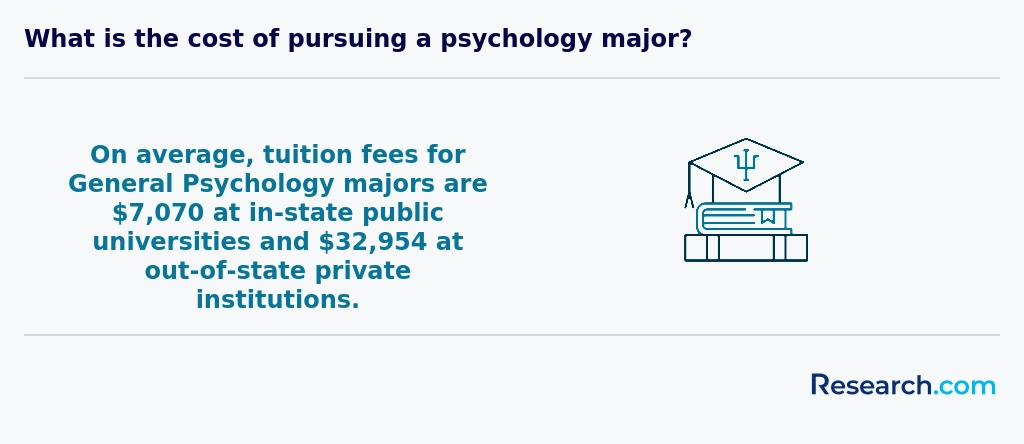
When pursuing a psychology degree in Burlington, students find the journey both rewarding and affordable compared to many other regions. The median in-state total cost for completing a psychology program here is around $19,058, which makes Burlington an appealing choice for those seeking affordable psychology degree programs Burlington offers. Graduates often share how the balance of quality education and manageable expenses helped them focus on their studies without overwhelming financial stress.
For students coming from out of state, the total cost rises but remains within reach at a median of $62,730. Those attending respected institutions like the University of Vermont or Champlain College often highlight the strong community support and scholarship opportunities that ease the financial burden. Students report feeling motivated by the various financial aid programs available, helping them transform their passion for psychology into a successful career path.
Imagine starting your education with a clear financial plan and the confidence that comes from knowing you can access scholarships, grants, and work-study options designed for psychology students. Those who embrace these opportunities often describe their college years as a transformative time full of growth and inspiration. Being informed about the average cost of psychology degree in Burlington allows you to plan thoughtfully and make the most of your academic journey.
For more details on how to navigate your education expenses and licensure pathways, explore here.
To practice as a licensed psychologist in Vermont, graduates must meet the following steps:
- Graduate Education
Complete a master’s and/or doctoral degree (PhD or PsyD) from a regionally accredited program in psychology.
- Supervised Experience
Accumulate 3,000–4,000 hours of supervised clinical practice under a qualified supervisor.
- Examinations
Pass the national Examination for Professional Practice in Psychology (EPPP) and Vermont’s jurisprudence exam.
- State Application
Submit all required transcripts, letters of supervision, exam scores, and application fees to the Vermont Board of Psychological Examiners.
- Continuing Education
Renew your license every two years by completing at least 30 hours of approved continuing education.
If you’re interested in a related field, such as marriage and family therapy, explore affordable online mft programs.
Psychology students in Burlington can confidently pursue their dreams knowing a wide range of financial aid options stand ready to support them. Graduates from the University of Vermont often share how completing the FAFSA early unlocked access to Pell Grants, which brought vital funds without the worry of repayment. This grant, reaching up to $7,395 in the 2023-2024 academic year, has been a game-changer for many, easing tuition costs and allowing focus on studies instead of finances.
State programs like the Vermont Grant Program have also lifted the financial weight for local students, offering need-based aid that fuels progress toward a psychology degree. Additionally, students frequently tap into institutional scholarships tailored specifically for psychology majors, combining merit and need-based awards to make education more attainable.
Beyond grants, flexible federal loans provide manageable financing options, while work-study programs grant invaluable on-campus job experiences that build skills and incomes simultaneously. Veterans and active service members receive extra benefits, adding layers of support for those who have served. In Burlington, financial aid is not just assistance-it's a bridge to fulfilling academic and professional goals in psychology.
Expanding your educational journey beyond a bachelor's degree can open new professional horizons and enhance your expertise in the field of psychology. Many graduates choose to pursue a master’s degree or specialized certification to gain a competitive edge and access higher-level career roles. For instance, advanced programs provide an opportunity to develop leadership skills, engage in cutting-edge research, and acquire specialized knowledge in areas such as clinical practice, forensic psychology, or behavior analysis. Students interested in quickly advancing their qualifications may explore programs that offer accelerated pathways, flexibility in learning, and a curriculum designed to meet current industry demands. Additionally, those passionate about applying behavioral science practically might consider specialized tracks in applied behavior analysis. Discover more about what are the fastest online masters in applied behavior analysis to learn how online programs can offer the rapid career advancement and specialized skills necessary in today’s competitive job market. This focus on further education not only broadens career opportunities but also contributes to lifelong learning and professional growth within the dynamic field of psychology.
To embark on a psychology degree journey in Burlington, prospective students typically need a high school diploma or GED, showcasing a solid foundation in English and math. Many graduates from popular colleges in Burlington share how meeting a minimum GPA requirement-often between 2.5 and 3.0-helped them confidently step into their first psychology classes, equipped with critical thinking skills.
Standardized tests like the SAT or ACT sometimes play a role, although many Burlington institutions now embrace test-optional policies, easing the path for passionate learners. Transfer students have found that submitting official transcripts highlighting courses such as introductory psychology, biology, or statistics made their transition seamless and rewarding.
Graduate aspirants remember how completing a bachelor's degree with a strong GPA around 3.0, coupled with relevant internships or research experience, opened doors at universities known for their psychology programs in Burlington. These prerequisites create an encouraging framework that supports students eager to grow and make a meaningful impact in the field of psychology.
Earning a psychology degree in Burlington, VT, is a rewarding and forward-thinking decision, given the city's supportive environment and the growing demand for professionals with a deep understanding of human behavior. When considering your options, it's essential to weigh factors such as program affordability, accreditation, and the availability of specializations that align with your career aspirations. You can explore most affordable psychology programs in vermont to find a program that fits your budget and interests. By delving into the specifics of each program, including curriculum, faculty expertise, and research opportunities, you can make an informed decision that sets the stage for a successful and fulfilling career in psychology. Furthermore, understanding the local job market, including the types of organizations that hire psychology graduates and the average salary ranges, can help you envision your professional path and make strategic decisions about your education and training.
Psychology degrees in Burlington offer a vibrant blend of courses that ignite curiosity and foster deep understanding. Graduates from popular local colleges often speak about how foundational classes like Introduction to Psychology opened their eyes to the fascinating world of the mind, sparking a lifelong passion. These courses cover essential topics such as Research Methods and Statistics for Behavioral Sciences, equipping students with hands-on skills to design studies and analyze real data-skills that are invaluable in any career path.
Students exploring colleges in Burlington appreciate the diverse core classes like Developmental, Biological, Cognitive, and Social Psychology. These courses vividly paint the human experience, from childhood growth to mental processes and social dynamics, creating engaging classroom discussions and meaningful personal insights.
Electives in areas like clinical and forensic psychology allow students to tailor their education to their dreams and strengths, making every experience unique and inspiring. Practical internships offered at Burlington institutions help students confidently connect theory to real-world impact, preparing them to thrive in their future careers with excitement and purpose.
Psychology degrees in Burlington offer enriching specializations that inspire students to make a real difference. Graduates from well-known colleges in the area often share how Clinical Psychology prepared them to support individuals facing mental health challenges, turning compassion into impactful careers. Counseling Psychology specializations empower students with skills to guide people through life's hurdles, while Developmental Psychology opens doors to understanding growth from childhood to old age in vibrant local communities.
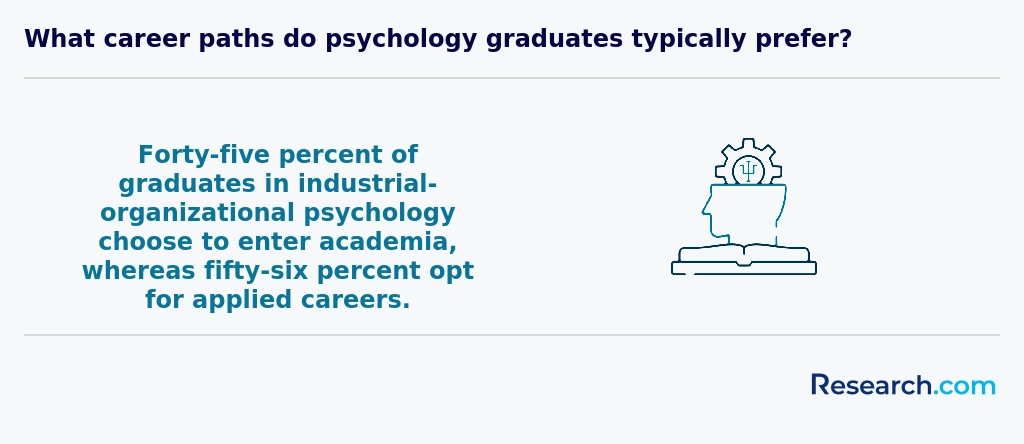
Those exploring affordable psychology programs Burlington-wide can find unique paths like Industrial-Organizational Psychology, where they learn to enhance workplace dynamics and boost employee well-being, reflecting Burlington's thriving business environment. For students drawn to justice and law, Forensic Psychology blends these interests, preparing graduates to work alongside legal professionals. Many students also discover rewarding opportunities in careers for substance abuse counselors, contributing directly to community health and recovery.
Choosing the best psychology degree in Burlington means focusing on programs that fit your passion and lifestyle. Graduates from the University of Vermont often highlight how personalized attention and small class sizes fuel their confidence and deeper understanding of psychology. They appreciate hands-on experiences through internships or research projects offered locally, which bring theory to life and open doors to exciting career paths.
Exploring the top psychology programs cost Burlington reveals a range of tuition options, with public institutions offering relatively affordable rates for in-state students. Financial aid, scholarships, and assistantships further ease the journey, allowing you to focus on learning without stress. Many students find that programs emphasizing experiential learning and strong faculty mentorship make the degree truly transformative.
Remember to check accreditation and seek out schools that align with your goals, whether it's clinical work, research, or counseling. For practical career advice, exploring resources like the Texas LPC career outlook can inspire your path forward.
Graduates with a psychology degree in Burlington discover a wealth of exciting career paths that inspire meaningful impact. Many find rewarding roles in local healthcare settings like the University of Vermont Medical Center, becoming licensed counselors or behavioral therapists, where they support individuals facing life's challenges every day. Others thrive as school psychologists within Burlington's education systems, helping students overcome learning and behavioral obstacles, turning classrooms into welcoming spaces for growth.
Jobs with a psychology degree Burlington also include opportunities in social services, industrial-organizational psychology, and human resources, where graduates apply their expertise to improve workplace environments and community well-being. Those drawn to research flourish as assistants or coordinators at universities throughout the area, gaining hands-on experience that shapes the future of mental health and education.
Many graduates share how studying psychology in Burlington provided a strong foundation to pursue advanced studies, such as the Texas MSW programs online, which open doors to even greater professional possibilities. This dynamic and supportive community empowers students to turn passion into purpose.

The job market for psychology degree graduates in Burlington shows promising and diverse opportunities tailored to those eager to make a meaningful impact. Graduates from well-known institutions like the University of Vermont often find fulfilling roles in mental health counseling at respected local centers, alongside engaging school psychology positions within Burlington's education system. These opportunities reflect a supportive community that values psychological expertise and ongoing growth.
Employment outlook for psychology graduates Burlington is shaped by steady demand in healthcare and social services, with many graduates thriving in rehabilitation centers and community health settings. The region's solid healthcare infrastructure and growing awareness of mental health elevate career paths in these fields, inspiring graduates to pursue advanced degrees and licensure to unlock higher-earning potential and leadership roles.
One inspiring aspect for students is the accessible cost of studying psychology locally, with tuition averaging around $19,000 at the University of Vermont. Many find helpful financial aid options as they explore the most affordable psychology programs in Vermont, fueling their passion for success and service.
2027 Most Affordable Psychology Degree Programs Ranking in Burlington
Investing in your education is a significant decision that can shape your future, and the Research.com team understands the importance of making informed choices. To assist prospective students in Burlington, we have meticulously crafted the "2027 Most Affordable Psychology Degree Programs Ranking in Burlington." Our commitment to quality, credibility, and accuracy is reflected in the extensive research and analysis conducted to compile this ranking.
We utilized the following reputable data sources to ensure a comprehensive evaluation of psychology degree programs:
By exploring this ranking, readers will gain valuable insights into affordable and quality psychology degree options in Burlington, empowering them to make confident educational decisions. For more information on how the ranking was developed, please visit our Research.com methodology page.


Frequently Asked Questions About psychology
Psychology degree students in Burlington can maximize their learning experience by engaging in both academic and practical opportunities offered locally. Enrolling in accredited programs that align with the American Psychological Association's guidelines ensures quality education. Burlington is home to several institutions that provide access to research labs and psychology clinics, which are essential for hands-on learning.
Students should seek internships or volunteer roles within local mental health agencies, as practical experience enhances theoretical understanding. According to the U.S. Bureau of Labor Statistics, applied experience increases job readiness and employability in psychology fields.
Joining student organizations or psychology clubs in Burlington also fosters networking and collaborative learning.
Lastly, utilizing Burlington's public libraries and online academic resources supports ongoing study and research development.
Emerging niches within the psychology field reflect shifts in societal needs and advancements in technology. In Burlington, areas like neuropsychology and health psychology are gaining attention, driven by increased awareness of brain health and chronic illness management. According to the American Psychological Association, neuropsychology jobs are projected to grow by 19% nationally through 2030, reflecting a growing demand for specialists who understand brain-behavior relationships.
Another developing niche is forensic psychology, which combines legal knowledge with psychology and is relevant in Burlington's expanding criminal justice system. Additionally, digital mental health, including telepsychology and app-based therapy, is becoming essential due to wider internet access and telehealth adoption, particularly after the COVID-19 pandemic.
After completing a psychology degree in Burlington, preparing for the job market involves several practical steps. Graduates should focus on gaining relevant experience through internships or volunteer work, which local organizations such as Aldersgate, a mental health nonprofit, often offer. Networking is also crucial; attending Burlington-area psychology conferences or joining professional associations like the American Psychological Association can create valuable connections.
Additionally, Burlington's growing demand for behavioral health technicians and counselors reflects a 12% projected job growth in Vermont through 2030, according to the Bureau of Labor Statistics. Enhancing skills with certifications like CPR or crisis intervention increases employability. Graduates should also consider further education or licensure depending on their career goals within psychology.
Employers hiring psychology degree graduates in Burlington highly value strong communication skills. Professionals must effectively convey complex psychological concepts to diverse audiences. Critical thinking is another essential skill, enabling graduates to analyze research data and apply evidence-based practices. Burlington's local job market also emphasizes cultural competence, reflecting its diverse population. According to the Bureau of Labor Statistics and regional workforce reports, employers seek candidates proficient in data analysis software and research methods. Additionally, problem-solving abilities and ethical judgment consistently rank among the top traits, ensuring graduates can responsibly support clients or conduct studies within various psychology-related roles.
Finding psychology internships in Burlington involves leveraging local resources and educational institutions. Many psychology programs at Burlington-area colleges maintain partnerships with nearby mental health clinics, hospitals, and social service agencies, which serve as common internship sites.
The University of Vermont, though not in Burlington proper, offers resources and connections for students seeking internships in the city. Additionally, Burlington's Fletcher Allen Health Care system and community mental health centers often provide internship opportunities to psychology students, offering practical experience in clinical and research settings.
Students should also utilize Burlington's internship databases and career services offices, which typically list updated placements specific to psychology fields. Websites like Handshake and local nonprofit job boards can reveal numerous internship openings focused on counseling, behavioral analysis, and research.
Networking through local psychology associations and attending Burlington-based academic conferences can increase internship prospects. According to the American Psychological Association, internships enhance employment chances by up to 70% for recent psychology graduates in urban areas similar to Burlington.
Holding a psychology degree in Burlington significantly enhances career mobility and advancement opportunities. The city's growing healthcare and social services sectors frequently seek professionals with formal psychology training. According to the U.S. Bureau of Labor Statistics, psychology-related occupations in Vermont are projected to grow by 8% through 2030, reflecting steady regional demand. A degree often qualifies graduates for roles beyond entry-level positions, such as counseling, human resources, or research assistants, increasing upward career movement.
Employers in Burlington value the critical thinking and interpersonal skills developed in psychology programs. Additionally, graduates who pursue advanced degrees or certifications see better prospects for leadership or specialized roles. This aligns with statewide data showing that professionals with a master's or doctoral degree in psychology earn 15-25% higher salaries on average compared to those with only a bachelor's.
Studying for a psychology degree in Burlington equips students with skills essential for interdisciplinary roles. Local programs emphasize collaboration between psychology and fields like healthcare, education, and social services. Students gain experience in research methods, data analysis, and critical thinking, which are valued across multiple sectors.
Many Burlington institutions offer courses that integrate psychology with neuroscience, counseling, and community health, preparing graduates to work effectively in diverse teams. According to the National Center for Education Statistics, psychology remains a top major, encouraging versatile career paths.
Internships and practicum opportunities in Burlington's healthcare and social agencies further enhance practical skills applicable to interdisciplinary settings.
Choosing between a thesis and a non-thesis psychology degree program in Burlington depends on your career goals and interests. Thesis programs typically require original research and a formal thesis paper, suitable for students interested in clinical practice, research, or pursuing a PhD. Non-thesis options usually focus on coursework and practical skills, which can be beneficial for those aiming for professional roles in counseling or mental health services.
The University of Vermont, a key institution nearby, offers both options, with thesis students engaging in faculty-led research projects, according to their 2023 academic catalog. Students should consider time commitment, as thesis tracks often extend study duration. Reviewing specific Burlington-area program details can help align choices with your professional objectives.
Students based in Burlington seeking to study psychology abroad have several structured options within the U.S. higher education system. Many universities offer study-abroad programs or exchange partnerships with international institutions, allowing Burlington students to experience diverse cultural perspectives on psychology while earning credits toward their degree.
Institutions such as the University of Vermont, located near Burlington, provide access to programs in Europe, Asia, and Australia. According to NAFSA: Association of International Educators, psychology is among the top five fields for U.S. study-abroad participation, reflecting strong interest and opportunities.
Additionally, some Burlington-area colleges have dual-degree or joint programs with foreign universities. These options enable students to graduate with credentials recognized both in the U.S. and abroad, which can enhance their career prospects in global mental health fields.
Financial aid and scholarships specifically for psychology majors pursuing international study are also increasingly available, easing the economic barriers for Burlington students.
Part-time job opportunities in Burlington that complement psychology degree education often involve roles supporting mental health and research. Positions such as behavioral health technician, research assistant, or psychiatric aide are commonly available. These roles provide practical experience in clinical settings or research labs, enhancing students' understanding of psychological theories and practices.
Burlington's healthcare and academic institutions, including UVM Medical Center and the University of Vermont, regularly offer such roles. According to local job market data, part-time jobs related to mental health support in the Burlington area saw a 12% increase from 2021 to 2023, reflecting growing demand in the community.
Additionally, volunteering at local non-profits focused on mental wellness can also provide relevant experience while allowing for flexible hours, an important factor for students balancing coursework. These opportunities develop critical interpersonal and organizational skills essential for future psychology professionals.
Psychology students in Burlington benefit from diverse networking opportunities crucial for career development. The University of Vermont, a key institution in the area, regularly hosts psychology-focused events, workshops, and guest lectures that connect students with professors and practicing psychologists. Local psychology associations, such as the Vermont Psychological Association, offer student memberships that provide access to conferences and professional meetings.
Internships and practicum placements at nearby hospitals, schools, and counseling centers allow students hands-on experience while building connections. Additionally, Burlington's small but active mental health community fosters informal networking through volunteer events and support groups. These opportunities help students gain mentorship, job leads, and collaborative research contacts.
Alumni networks are a valuable resource for psychology degree students in Burlington. These networks connect current students with graduates who have experience in the field, offering mentorship and career advice. According to the National Association of Colleges and Employers (NACE), students engaged in active alumni programs report a 25% higher job placement rate after graduation.
In Burlington, psychology alumni often work in local clinics, schools, and research institutions, providing students with important professional connections. Networking events and online platforms maintained by universities foster relationships that can lead to internships and job opportunities in the competitive psychology job market.
Moreover, alumni frequently share insights about graduate programs and certification processes in psychology, helping students make informed decisions about their education and career paths.
Customizing a psychology degree program in Burlington allows students to align their education with specific career goals. Many local colleges offer elective courses, internships, and research opportunities tailored to areas like clinical, counseling, or industrial-organizational psychology. For example, the University of Vermont provides access to practicum placements in nearby health facilities, enhancing practical experience.
Students can also select minors or certificates in related fields such as neuroscience or social work, broadening their expertise. According to the Bureau of Labor Statistics, Burlington's demand for psychological services is growing, highlighting the value of specialized training. Consulting academic advisors helps tailor coursework effectively to match professional aspirations.
Psychology students in Burlington often face challenges related to balancing heavy coursework with practical training requirements. Many programs require supervised internships or research, which can be time-consuming alongside regular classes. According to the National Center for Education Statistics, psychology majors typically spend over 15 hours per week on assignments and study outside class time.
Financial pressure is another concern as tuition and living costs in Burlington can be moderately high. Students may struggle to afford textbooks, research materials, or additional certification courses. Moreover, the high competition for local internship placements makes gaining practical experience difficult.
Lastly, students may encounter emotional stress due to the demanding nature of psychology studies, including learning about mental health disorders and patient cases. This emotional burden, if not managed well, can affect academic performance and well-being.
With a psychology degree in Burlington, graduates can pursue various professional certifications to enhance their careers. One common path is becoming a Licensed Professional Counselor (LPC), which requires a master's degree, supervised clinical hours, and passing a licensing exam in Vermont. Another option is obtaining certification as a Certified Alcohol and Drug Counselor (CADC), supporting specialization in addiction services. For those interested in school settings, the School Psychologist certification is available but typically requires further education. The American Board of Professional Psychology offers specialty certifications, although these usually require a doctoral degree. These credentials improve job prospects and credibility in the Burlington mental health field.
To write a winning application for a psychology program in Burlington, start by clearly outlining your motivation for studying psychology and your career goals. Admissions committees look for applicants who demonstrate genuine interest and commitment. Highlight any relevant volunteer work, internships, or research experience, as hands-on engagement strengthens your profile.
Be sure to submit a well-crafted personal statement tailored to the psychology program, emphasizing critical thinking and empathy skills essential in this field. Burlington's universities, such as the University of Vermont, value evidence of academic excellence and strong letters of recommendation from instructors familiar with your abilities. According to the U.S. Department of Education, a competitive GPA for psychology applicants typically exceeds 3.0.
Finally, meet all application deadlines and requirements meticulously to avoid being disqualified for administrative reasons. Utilize resources like campus advising to refine your application before submission.
The global perspective on psychology careers highlights significant growth and diversity in opportunities, especially within the United States. According to the U.S. Bureau of Labor Statistics, employment of psychologists is projected to grow 8% from 2022 to 2032, faster than the average for all occupations. Students in Burlington pursuing psychology degrees can expect their skills to be relevant internationally, as psychological principles are applied worldwide.
Many countries emphasize culturally sensitive practices, making global awareness critical in this field. Graduates often collaborate across borders in research, healthcare, and organizational roles. For Burlington students, local programs integrate global case studies to prepare professionals for diverse client populations.
Psychology careers also benefit from international exchange programs and certifications, which Burlington institutions increasingly support. This enhances graduates' competitiveness in an interconnected job market, reflecting a commitment to both local and global perspectives in training.
Gaining practical experience while studying psychology in Burlington is essential for career development. Many local colleges and universities encourage students to pursue internships at healthcare facilities, schools, or nonprofit organizations. According to the University of Vermont's Counseling and Psychological Services, internships provide students with hands-on exposure to clinical settings and research projects.
Additionally, Burlington offers opportunities to volunteer with mental health organizations like the Howard Center. These experiences allow students to apply theoretical knowledge in real-world contexts while building professional networks.
Some programs also require practicum placements as part of their curriculum, which can last several semesters and count toward internship hours needed for licensure.
When choosing a concentration within a psychology degree program in Burlington, it is important to consider your career goals and interests. Common specializations include clinical psychology, counseling, industrial-organizational psychology, and forensic psychology. Each offers different career paths and required skills. For example, clinical psychology often leads to licensed therapist roles, while industrial-organizational focuses on workplace behavior and human resources.
Research shows that in Burlington, psychology graduates specializing in counseling or clinical work have higher employment rates. According to the Bureau of Labor Statistics, the demand for mental health counselors in Vermont is expected to grow by 15% through 2029. Understanding these trends can help you select a concentration that aligns with local job opportunities and personal strengths.
- 2027 Most Affordable Psychology Degree Programs Ranking in Albany
- 2027 Most Affordable Psychology Degree Programs Ranking in Amherst
- 2027 Most Affordable Psychology Degree Programs Ranking in Springfield
- 2027 Most Affordable Psychology Degree Programs Ranking in Worcester
- 2027 Most Affordable Psychology Degree Programs Ranking in Cambridge
- 2027 Most Affordable Psychology Degree Programs Ranking in Boston
- 2027 Most Affordable Psychology Degree Programs Ranking in New Haven
- 2027 Most Affordable Psychology Degree Programs Ranking in Rochester
- 2027 Most Affordable Psychology Degree Programs Ranking in New York
- 2027 Most Affordable Psychology Degree Programs Ranking in Buffalo
See What Experts Have To Say About Studying Psychology
Read our interview with Psychology experts

Elizabeth L. Jeglic Ph.D.
Psychology Expert
Professor of Psychology
City University of New York

Robin M. Kowalski. Ph.D.
Psychology Expert
Professor of Psychology
Clemson University

Joann Farrell Quinn, Ph.D., MBA
Psychology Expert
Director at the College of Medicine Department of Medical Education
Morsani College of Medicine

- Psychology Degree Requirements | University of Bridgeport https://www.bridgeport.edu/news/psychology-education-requirements/
- Rowan College at Burlington County Catalog https://catalog.rcbc.edu/programs/jQPZwFJpG7TScPMH4Lh5
- Know more about thesis vs non- thesis: what is the difference? https://studyfans.com/en/blogs/816
- Alumni Perspectives - Meet Our FPN Alumni https://www.aanmelder.nl/alumni-perspectives-june-2023
- Study of Psychology - Canadian Psychological Association https://cpa.ca/professionaldevelopment/studyofpsychology/
- Find Canada's Best Psychology Courses and Programs | CourseCompare.ca https://www.coursecompare.ca/subject/psychology-courses-programs/
- How To Find Psychology Internships https://www.psychology.org/resources/how-to-find-an-internship/
- Have You Found a Niche? https://www.apaservices.org/practice/business/marketing/building/niche
- Psychology Degree jobs in Burlington, ON - 100 job vacancies | Jobsora https://ca.jobsora.com/jobs-psychology-degree-burlington-on
- Psychology - Burlington https://www.burlingtonhouseschool.com/psychology/


