
2027 Most Valuable Psychology Degree Programs Ranking in Virginia

Co-Founder and Chief Data Scientist
Choosing the right psychology degree program in Virginia can shape your future in meaningful ways. This article introduces the 2027 Most Valuable Psychology Degree Programs Ranking in Virginia, developed by the Research.com team of data scientists. It's designed to help you make an informed decision about which programs offer the best opportunities.
Reading this ranking will guide you toward programs known for quality education and career potential. Pursuing a psychology degree opens doors to rewarding paths, personal growth, and the chance to make a positive impact in your community.
Key benefits of getting psychology degree in Virginia
- Psychology degree graduates in Virginia can expect competitive salaries, such as Marketing Research Analysts earning around $83,190 annually, Human Resources Specialists about $76,060, and Clinical Research Associates approximately $62,370, offering strong financial stability.
- Career paths after earning a psychology degree include roles in research, human resources, and clinical work, as exemplified by graduates from the University of Virginia who find diverse opportunities suited to their interests and skills.
- Online psychology degrees, like those from Liberty University, provide flexibility for busy students, allowing you to balance work and study while gaining the same valuable knowledge and credentials as traditional programs.
- 2027 Most Valuable Psychology Degree Programs Ranking in Virginia
- What can I expect from psychology degree in Virginia?
- Where can I work with psychology degree in Virginia?
What can I expect from psychology degree in Virginia?
If you're thinking about studying psychology in Virginia, you're probably wondering about the cost. On average, public universities like Virginia Commonwealth University or the University of Virginia offer more affordable tuition for in-state students, often making it easier on your wallet compared to private colleges. Many students share how they felt relieved to pay less while still getting a quality education grounded in hands-on internship experiences.
Of course, tuition varies a lot depending on whether you're going for a bachelor's, master's, or doctoral program. For example, bachelor's degrees at public schools might cost a few thousand dollars per year, while private colleges or out-of-state tuition can be significantly higher. Graduate programs, especially PsyD or PhD tracks, often come with opportunities for scholarships or assistantships, which a lot of grads say helped reduce the financial stress really well.
Overall, the mix of affordable public options and financial aid makes getting your psychology degree in Virginia feel like a realistic, exciting step toward a rewarding career.
Where can I work with psychology degree in Virginia?
If you're studying psychology in Virginia, like many graduates from schools such as the University of Virginia or Virginia Commonwealth University, you've got a bunch of cool career paths open to you. Lots of folks find themselves working in mental health clinics or hospitals, helping people through tough times-this feels really rewarding because you see real progress in their lives. Some grads land jobs as school psychologists in local K-12 schools, where they support kids facing behavioral challenges, which can be super fulfilling if you enjoy making a difference in young lives.
Others jump into social service roles, teaming up with nonprofits or government agencies to support families and individuals dealing with trauma or addiction. If you're into business vibes, psychology grads often get hired by federal agencies or companies around Northern Virginia to help with HR, marketing, or analyzing how people behave at work. Many will also work in telehealth, connecting with clients from home, which is great for flexibility. Being a psychology student here means lots of practical options-and plenty of opportunities to make a positive impact.
If you're wrapping up a psychology degree in Virginia, you're probably wondering what kind of paycheck to expect. Well, it really depends on the job you land, but a bunch of grads from places like the University of Virginia and Virginia Commonwealth University find roles where the cash flow's pretty decent. Take Human Resources Specialists, for example - they pull in about $76,060 a year on average, which is great if you want to blend psychology knowledge with people skills.
Or maybe marketing research sounds more like your thing? Graduates working as Marketing Research Analysts in Virginia earn around $83,190 annually, combining psychology smarts with data crunching. For those stepping into roles like Clinical Research Associate or Survey Researcher, the pay clocks in at about $62,370 a year. It's not top-tier doctor pay yet, but definitely solid if you're just starting out or sticking with a bachelor's.
Many grads from these Virginia schools appreciate that these roles offer a comfortable lifestyle while gaining experience in psychology-related fields. It's a nice stepping stone to higher degrees and even better salaries down the road!
- Virginia offers psychology degrees from associate to doctoral levels at public universities like the University of Virginia and Virginia Commonwealth University.
- In-state undergraduate tuition costs for psychology programs range from $10,000 to $17,000 per year depending on the school.
- The average starting salary for psychology graduates with a bachelor's degree is around $40,000 annually, which can increase to $60,000-$90,000 with a master's or doctoral degree.
- Licensed and experienced psychology professionals in Virginia may earn over $100,000, especially in clinical or counseling roles.
- Licensure for psychologists requires a doctoral degree, supervised postdoctoral hours, and passing the EPPP exam, with different rules for counselors and school psychologists.
- Job demand is rising in healthcare, education, government, and private practice, with a growing need for licensed clinical and school psychologists statewide.
Finishing a psychology degree in Virginia usually takes about four years if you're going for a bachelor's, which is pretty standard across schools like the University of Virginia or Virginia Tech. Most grads share how the blend of general classes and psychology-specific courses keeps things interesting without being overwhelming. If you dive deeper with a master's, expect around two to three years, especially if you're juggling work or part-time studies at places like James Madison University.
Doctoral programs? They're a bigger commitment-five to seven years in most cases. Students at George Mason University or Virginia Commonwealth University often mention how rewarding the hands-on internships and research are, even if it means a longer journey. And don't forget, after your doctorate, Virginia requires a supervised postdoc internship for one to two years before you can fully practice-something many grads say really boosted their confidence in the field.
Earning a psychology degree is just the first step toward practice; in Virginia, graduates must meet specific licensure standards to work as psychologists. To become a Licensed Psychologist, you need an appropriate graduate degree-typically a doctorate-plus supervised clinical experience and successful completion of the Examination for Professional Practice in Psychology (EPPP). Here’s what you should know: • Education Requirements: A doctoral degree (PhD or PsyD) from an APA-accredited program is mandatory. Many students explore psyd degree programs to fulfill this criterion, combining rigorous curriculum with flexibility. • Supervised Experience: Virginia requires at least 3,500 hours of supervised post-doctoral practice under a qualified supervisor. These hours must cover diagnosis, assessment, and treatment to ensure well-rounded clinical skills. • Examination for Professional Practice in Psychology (EPPP): Administered by the Association of State and Provincial Psychology Boards (ASPPB), the EPPP tests core areas like biological bases, cognitive-affective bases, and ethical practice. A passing score is essential for licensure. • State Jurisprudence: After EPPP, candidates must pass Virginia’s jurisprudence exam, demonstrating knowledge of state laws and ethical standards. • Continuing Education: Virginia psychologists must complete 16 hours of approved continuing education every two years, including at least one hour in ethics or legal issues. Understanding these steps early helps you plan your academic and professional journey, ensuring a smooth transition from graduate to licensed psychologist in Virginia.
If you're thinking about a psychology degree in Virginia, one big thing to know is how different online and on-campus programs really are. Online programs give you the freedom to learn when and where you want, perfect if you're juggling work or family. Imagine logging in from home instead of sitting in a classroom-lots of students at Virginia universities love the flexibility of online courses.
On the flip side, on-campus programs at schools like the University of Virginia or James Madison University offer that classic college vibe. You get face-to-face time with professors and classmates, plus hands-on experiences like labs and internships that feel totally real. Graduates often say those in-person moments helped them build connections and made tough topics easier to grasp.
Cost-wise, online might save money on housing or commuting, but both options can have similar tuition fees. If you want to follow the typical 9-to-5 school routine and get involved on campus, the traditional route might be your jam. Others prefer the chill, flexible pace of online classes. Either way, Virginia's got options that fit different lifestyles.
When exploring psychology degree programs in Virginia, affordability is a crucial factor to consider, as it can significantly impact your financial stability and career choices. To find the most affordable options, you can check out the cheapest psychology school in virginia, which provides a comprehensive ranking of institutions based on their cost and value. Understanding the financial implications of your education is essential, as it allows you to make informed decisions about your future and ensure that you can achieve your goals without undue financial burden. By prioritizing affordability and exploring available financial aid options, you can set yourself up for success and create a fulfilling career in psychology.
When you're figuring out the average cost of a psychology degree in Virginia, it's helpful to know that the median total cost is about $50,940. For students living in-state, the price drops significantly to around $21,726, making it way more manageable for many locals. Think about some recent grads from popular schools like the University of Virginia or George Mason University-they often mention how in-state tuition really helped ease the financial strain while pursuing their psychology degrees.
Of course, tuition isn't the only expense. Alongside fees, supplies and housing add up, but plenty of students find ways to manage these costs with scholarships, financial aid, or by starting at a community college. Virginia's community colleges are especially known for offering transfer pathways that shave off a chunk of those psychology degree tuition and fees Virginia students worry about.
Private universities tend to be pricier, so if you're looking to keep costs down, public schools might be the way to go. Some students find great value in starting at a community college and then moving into a four-year program. Check out the cheapest psychology school in virginia if you want to explore affordable options and hear from students who've found budget-friendly ways into psychology programs.
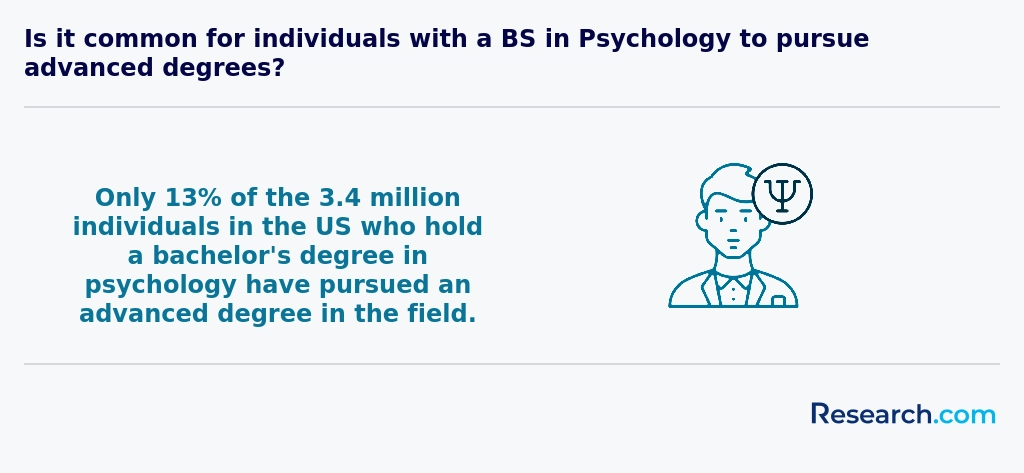
Choosing an accredited program ensures you meet the Virginia Board of Psychology’s educational standards for licensure and exam eligibility.
- APA accreditation: Required for clinical, counseling and school psychologist licensure.
- Regional accreditation: Validates institutional quality and access to federal aid.
- State approval: Confirms curriculum aligns with VA Board of Psychology requirements.
To plan your licensure pathway:
- Verify your bachelor’s or master’s program holds APA accreditation if you aim for clinical licensure.
- Review supervised‐hours requirements and exam prerequisites for the EPPP.
- Compare cost‐effective accredited options, such as cheap psychology masters programs, to balance quality with affordability.
If you're aiming to study psychology in Virginia, you've got some solid financial aid options to ease the cost. For instance, students at places like the University of Virginia or Virginia Commonwealth University often tap into federal aid by filling out the FAFSA. This can lead to awesome perks like Pell Grants that don't need to be paid back, plus low-interest federal loans that make borrowing less scary.
Many psychology students share how the state's own scholarships, like the Virginia Commonwealth Award or Tuition Assistance Grant, really helped them stay focused without stressing too much about bills. These are especially great because they're designed just for Virginia residents pursuing degrees in fields like psychology.
On top of that, lots of psych departments in Virginia schools offer their own scholarships, rewarding good grades or even supporting research projects and internships. Graduates often say this made a huge difference when juggling work and studies.
And don't forget private scholarships-groups like the American Psychological Association hand out fellowships that psychology students here have scored, easing their path toward those career goals. Local foundations also pitch in, so it's definitely worth digging around!
Virginia’s psychology programs stand out by integrating robust internship and practicum experiences that bridge classroom theory with hands-on practice. Students routinely collaborate with local hospitals, community mental health centers, and school systems to fulfill supervised internship hours, gaining direct exposure to client assessment, intervention techniques, and multidisciplinary teamwork. These placements not only build professional competence but also expand networks-many graduates secure full-time positions at their internship sites immediately after graduation. Practicum courses often include tailored projects such as designing behavioral interventions in K-12 settings or conducting pilot studies under faculty supervision. For example, clinical psychology tracks at Virginia Commonwealth University partner with the Richmond Behavioral Health Authority to allow students to co-lead group therapy sessions, while George Mason University’s industrial-organizational psychology specialization embeds interns in corporate HR departments to develop employee engagement programs. This experiential emphasis ensures graduates leave with a portfolio of real-world outcomes and professional references. When weighing program value, consider both experiential offerings and cost. Beyond Virginia, prospective students can explore affordability metrics in our Low Cost Psychology Degree Programs Ranking in Texas, which highlights how similar hands-on training is delivered at competitive tuition rates. Prioritizing programs with strong fieldwork components accelerates your readiness for licensure and elevates long-term career prospects.
If you're thinking about jumping into a psychology degree in Virginia, the first thing to know is that for undergrad programs, most schools want you to have finished high school with a decent GPA-usually around 3.0 or higher. Schools like Virginia Commonwealth University and James Madison University often ask for SAT or ACT scores, but lately some have become more chill, going test-optional, which is a relief for many students.
Many graduates from these programs share how submitting a personal statement and a couple of recommendation letters really helped them stand out. It's your chance to show why psychology excites you and what experiences got you hooked.
If you're aiming for a master's or doctoral degree, things get a bit more specific. You'll typically need a bachelor's in psychology or something close, and sometimes you'll have to take extra courses in research methods or stats if your background isn't quite right. GRE scores might be asked for, though some schools are moving away from that.
Plus, having hands-on experience-like internships or research work in Virginia's mental health settings-can really make your application shine and prove you're ready for the challenge.

Pursuing advanced education in psychology is a vital step for those looking to expand their expertise and gain professional licensure. Beyond the bachelor’s and master’s levels, a doctorate in psychology not only deepens your understanding of psychological theory and research methods but also equips you with the clinical and analytical skills essential for leadership roles in both academic and practical settings. Many professionals choose to continue their studies through flexible programs, including online psychology doctorate degree programs, which allow them to balance career, personal life, and advanced academic pursuits. In addition to providing specialized coursework in neuropsychology, clinical techniques, and ethical practice, doctoral programs often include rigorous internship and residency requirements that are key to obtaining licensure. Understanding the process of accreditation, state licensure requirements, and post-graduate examinations is critical for ensuring that your advanced degree will be recognized both nationally and internationally. Whether you aspire to work in research, clinical practice, or higher education, investing in an advanced degree can significantly boost your career prospects and professional credibility.
If you're diving into a psychology degree in Virginia, expect to tackle courses that cover the full spectrum of human behavior. Graduates from popular schools like George Mason University often share how the intro to psychology course helped them connect everyday experiences-like why people remember certain moments so clearly-to scientific ideas about cognition and emotion. You'll get hands-on with research methods and statistics, learning how to design your own studies and make sense of data, which feels like unlocking the secrets behind human actions.
Classes in biological psychology bring brain science to life, explaining how what's going on inside your head influences how you think and feel-something many find fascinating when paired with real-life examples from lab work at places like James Madison University. Other courses like developmental psychology take you through life stages, making you think about your own growth and changes around you.
Abnormal psychology gets real about mental health challenges, which often opens up empathetic perspectives. Social and cognitive psychology courses break down why people act differently in groups or how we make decisions daily-topics students say made them see the world in a fresh, more understanding way. Electives let you explore counseling or industrial-organizational psychology, giving you the flexibility to shape your path in Virginia's vibrant psychology community.
If you're diving into a psychology degree in Virginia, you'll find a bunch of cool specializations to choose from. Lots of students love Clinical Psychology because it's hands-on, working closely with local hospitals or mental health clinics - which is awesome for real-world experience. Then there's Counseling Psychology, perfect if you're into helping people tackle emotional and social challenges and want to become a Licensed Professional Counselor here in Virginia.
With Virginia's strong job scenes near Washington D.C., Industrial-Organizational Psychology is a smart pick for those interested in workplace well-being and business vibes. Neuropsychology also stands out, especially at places like Virginia Tech Carilion, where students get to explore the brain-behavior connection through cool research. Forensic Psychology is another unique path, blending psychology with legal work thanks to ties with state agencies. Lots of grads from popular Virginia colleges say these options really let you tailor your degree to your passions, making studying psychology both practical and exciting. If you're thinking big, check out online psychology doctorate degree programs to keep your options flexible.
Picking the best psychology degree program in Virginia is all about matching your goals with what schools offer. If you're aiming for clinical work, make sure the program is APA-accredited-plenty of grads from George Mason University rave about how that helped them land internships at local hospitals. Others who went through the University of Virginia's research-focused programs highlight how those hands-on projects made studying way more exciting and real. It's smart to think about what kind of psychology you want to dive into-whether that's counseling, industrial-organizational, or something else-because that shapes your path.
Cost can be a big deal too. Affordable psychology colleges Virginia-wide can vary a lot-from public schools with around $13,000 a year in tuition to pricier private ones. Some grads share how they balanced jobs with flexible online classes, which is a lifesaver if you're working or have a family. Also, for those considering advanced degrees, checking out psyd degree programs can open doors. Getting involved in local internships around the D.C. area is another huge plus that many students in Virginia find super helpful when starting their careers.
If you're wondering about psychology career opportunities in Virginia, there's actually a bunch to explore. Many grads from schools like Virginia Commonwealth University or George Mason find themselves becoming licensed psychologists after earning their PhD or PsyD and getting licensed by the Virginia Board of Psychology. These pros do therapy, assessments, and even dive into research that truly helps people.
Other grads head into roles like clinical social work, counseling, or school psychology-a field that's growing fast thanks to steady demand reported by the Virginia Department of Education. Imagine working directly with kids to help them succeed at school or supporting families through tough times. Some even go into industrial-organizational psychology, helping businesses boost employee well-being and productivity across Virginia's diverse corporate scene.
And if you're weighing costs, it's smart to peek at places like Virginia Commonwealth University, where in-state tuition can be around $15,000 yearly. Private schools might be pricier, so double-check financial aid options too. For a helpful guide, check out the Low Cost Psychology Degree Programs Ranking in Texas-some students find inspiration in comparing options beyond Virginia, too.
Job prospects for psychology graduates Virginia-wide are pretty promising, especially if you're open to research gigs at local universities or counseling careers. Many grads genuinely love the feeling of making a real difference in people's lives right here at home.
If you're wondering about the psychology degree job outlook Virginia offers, it's a mixed but promising scene. Graduates from popular schools like the University of Virginia or Virginia Commonwealth University often find themselves stepping into roles in healthcare, education, or social services. For those with only a bachelor's, entry-level jobs like case management or human services assistant are common starting points. However, many graduates quickly realize that to snag higher-paying gigs or specialized roles-like clinical psychologist-they need to push on for a master's or doctorate.
Virginia's metro areas, especially Northern Virginia close to D.C., Richmond, and Virginia Beach, give grads a nice advantage thanks to government agencies and private mental health services hiring actively. Those studying psychology locally appreciate how the steady demand matches well with the cost of education, which can be manageable, especially when exploring financial aid options or considering a fast associates degree as a stepping stone.
The employment opportunities for psychology graduates Virginia offers are diverse, including school psychology and research assistant roles that fit many interests. So, whether you're leaning toward research or hands-on practice, studying psychology here opens several doors.
2027 Most Valuable Psychology Degree Programs Ranking in Virginia
Investing in your education is a significant decision that can impact your future, and the Research.com team is committed to helping you make well-informed choices. To support prospective students considering psychology programs in Virginia, we have carefully developed the "2027 Most Valuable Psychology Degree Programs Ranking in Virginia." Our dedication to quality, credibility, and accuracy is evident through thorough research and analysis behind this ranking.
We utilized the following reputable data sources to ensure a comprehensive evaluation of psychology degree programs:
By exploring this ranking, readers will gain valuable insights into the most valuable psychology degree programs in Virginia, aiding them in making informed decisions about their educational journeys. For additional information on how this ranking was created, please visit our Research.com methodology page.


# 20 position
Mary Baldwin University
Master of Science in Psychology

Frequently Asked Questions About psychology
Psychology degree students in Virginia can maximize their learning by engaging actively with both academic coursework and practical experiences. Many Virginia universities offer internships and research assistant positions that provide hands-on opportunities to apply psychological theories.
Utilizing resources like the Virginia Psychology Association can help students connect with professionals and stay informed about local developments in the field. According to the National Center for Education Statistics, Virginia awarded over 1,200 psychology bachelor's degrees in recent years, indicating a competitive environment where networking is key.
Attending conferences and workshops, such as those held by regional chapters of the American Psychological Association, also enhances understanding and professional growth.
Emerging niches within the psychology field in Virginia reflect broader national trends focused on specialized mental health care. One growing area is neuropsychology, which studies brain-behavior relationships and is vital given increasing awareness of brain injuries and dementia. Another promising niche is health psychology, emphasizing the psychological aspects of chronic illnesses common in aging populations.
Virginia universities often integrate applied research in forensic psychology, responding to demands in the criminal justice system. Additionally, industrial-organizational psychology is expanding due to a rising focus on workplace well-being and productivity. According to the Virginia Department of Labor, employment in these specialized psychology sectors is expected to grow 10-15% through 2030, making them attractive for students.
Preparing for the job market after earning a psychology degree in Virginia involves several strategic steps. Graduates should pursue relevant internships or practicum experiences during their studies, as these improve employability and provide practical skills. According to the Virginia Employment Commission, the demand for psychology-related jobs in the state is projected to grow 10% through 2030, especially in healthcare and counseling fields.
Networking plays a critical role; joining professional bodies like the Virginia Psychological Association can open doors to job opportunities and mentorship. Additionally, obtaining state licensure is essential for clinical positions, requiring supervised hours and passing the Examination for Professional Practice in Psychology.
Employers hiring psychology degree graduates in Virginia prioritize a range of critical skills. Strong analytical abilities top the list, as graduates must interpret complex behavioral data and apply research findings effectively. Communication skills, both written and verbal, are essential for collaborating with clients and multidisciplinary teams. According to the Virginia Employment Commission, interpersonal skills are also highly sought after, reflecting the emphasis on empathy and ethical practice in psychology professions.
Additionally, proficiency in research methods and statistical software is increasingly important, given the data-driven nature of psychological work in clinical and organizational settings. Time management and adaptability help graduates succeed in Virginia's diverse job market.
Finding internships in Virginia related to psychology degrees involves leveraging both university resources and regional opportunities. Many Virginia institutions, such as the University of Virginia and Virginia Commonwealth University, have dedicated career centers that connect students with local internships in clinical, research, and counseling settings.
Students should also explore partnerships with healthcare facilities, including the Virginia Department of Behavioral Health and Developmental Services, which offers internship placements. Networking through professional psychology organizations like the Virginia Psychological Association can provide access to internships and mentoring.
According to the Bureau of Labor Statistics, Virginia's healthcare sector is expanding, increasing internship availability in mental health services and research. Starting early and applying broadly improves the chances of securing valuable internship experience in the state.
A psychology degree in Virginia can significantly enhance career mobility and advancement opportunities. According to the U.S. Bureau of Labor Statistics and the Virginia Employment Commission, roles in psychology and related behavioral health fields are expected to grow by 10-15% over the next decade. Graduates with psychology credentials often access diverse career paths, including clinical psychology, counseling, education, and human resources, which are in demand within multiple Virginia industries.
Higher-level degrees, such as master's or doctorates, typically lead to greater advancement potential and earnings. For example, the Virginia Department of Health reports rising demand for licensed psychologists and counselors in both public and private sectors. Additionally, a psychology degree equips individuals with critical skills like data analysis and interpersonal communication, enhancing employability across various sectors statewide.
Studying for a psychology degree in Virginia equips students with skills essential for interdisciplinary roles in healthcare, education, and social services. Virginia's universities emphasize a broad curriculum combining psychology with biology, sociology, and statistics. This holistic training fosters collaboration across fields, preparing graduates for diverse settings like hospitals and schools.
Many programs incorporate practical experiences, including internships in community organizations and research projects, enhancing real-world application. According to the U.S. Bureau of Labor Statistics, Virginia's employment of psychologists is expected to grow steadily, reflecting demand for professionals able to integrate multiple disciplines. This prepares students to adapt to dynamic, team-based careers effectively.
When choosing between a thesis and a non-thesis psychology degree program in Virginia, consider your career goals and learning preferences. Thesis programs typically require original research and a formal dissertation, preparing students for doctoral studies or research-oriented roles. Non-thesis options often focus on coursework and practical skills, suited for those aiming for applied positions in counseling or human services.
In Virginia, graduate psychology programs vary in structure; for example, the American Psychological Association reports that about 60% of master's programs nationwide offer thesis options. Students should evaluate if they prefer hands-on research or direct professional training. Additionally, check if your intended career or doctoral program favors one format over the other.
Students based in Virginia who wish to study psychology abroad have several options through established exchange programs and partnerships. Many Virginia universities, including the University of Virginia and Virginia Commonwealth University, participate in study abroad initiatives allowing psychology students to spend a semester or year in countries like the United Kingdom, Australia, or Germany.
These programs often include courses recognized by the American Psychological Association (APA), ensuring academic credits transfer smoothly. According to NAFSA: Association of International Educators, nearly 10% of undergraduate students from US institutions study abroad, with psychology being a popular field.
Additionally, programs such as Semester at Sea or custom summer abroad psychology internships provide practical international experience. Virginia students should consult their study abroad offices for tailored psychology opportunities aligned with their academic goals.
Students pursuing psychology degrees in Virginia have access to various part-time job opportunities that complement their academic training. Common roles include research assistant positions at universities and healthcare facilities, which offer hands-on experience with data collection and analysis. According to the Virginia Employment Commission, psychology-related research support jobs in the state can pay between $15 and $25 per hour, providing both income and relevant skills.
Additionally, counseling assistant or behavioral health technician jobs are available in community centers and private clinics. These roles often involve supporting licensed professionals, allowing students to observe therapeutic techniques and enhance interpersonal skills.
Working as a tutor for psychology courses or related subjects is another viable option, helping students reinforce their knowledge while developing communication abilities.
Overall, these part-time positions not only help finance education but also build valuable experience for graduate studies or clinical licensure. Reliable data on these roles can be found from the U.S. Bureau of Labor Statistics and local Virginia job boards.
Psychology students in Virginia benefit from a range of networking opportunities that connect them with professionals and peers. Many universities, such as the University of Virginia and Virginia Commonwealth University, host psychology clubs and honor societies that facilitate academic networking. Students can attend state conferences like the Virginia Psychological Association's annual meeting, which draws over 500 professionals and scholars, providing a platform for collaboration and mentorship.
Internships and practicum placements are common in Virginia, often arranged through university partnerships with local hospitals and counseling centers. These settings help students build practical connections. Additionally, regional workshops and seminars focusing on emerging psychology topics enhance professional development and expand students' networks.
Alumni networks play a crucial role for psychology degree students in Virginia by providing valuable connections to professionals and potential employers. These networks often facilitate mentorship programs, internships, and job opportunities in the state's growing mental health sector.
Virginia hosts several accredited psychology programs, and alumni associations help students navigate the local job market, especially in regions like Northern Virginia where psychology-related employment is higher than the national average (U.S. Bureau of Labor Statistics, 2023).
Additionally, alumni events and workshops offer continuous learning and support, which can enhance career advancement. Such networks also foster collaboration on research projects, benefiting students interested in academic psychology.
In Virginia, customizing your psychology degree to match career goals is very achievable. Many universities offer concentration options like clinical, counseling, industrial-organizational, or developmental psychology. Choosing electives aligned with your desired focus strengthens your expertise and employability.
You can also pursue internships or research projects related to your interests, which are often integrated within programs. For example, Virginia Tech and University of Virginia emphasize hands-on experience, crucial for job readiness.
Graduate certificate programs and dual degrees are other pathways to specialization. According to the Virginia Employment Commission, psychologists specializing in mental health have strong job growth, so tailoring your coursework to this area may improve opportunities.
Psychology students in Virginia often encounter several key challenges throughout their academic journey. One common difficulty is managing the rigorous coursework combined with demanding research requirements. According to the American Psychological Association, about 60% of psychology undergraduates struggle with balancing studies and internships needed for licensure.
Another challenge is the competitive nature of admission to graduate programs, as Virginia hosts several top-tier universities with limited spots in clinical and counseling psychology tracks. Additionally, students may face financial barriers; the average annual tuition for psychology programs in Virginia ranges from $12,000 for in-state public universities to over $30,000 for private institutions, according to the Virginia Department of Education.
With a psychology degree in Virginia, graduates can pursue several professional certifications that enhance career prospects. One common certification is becoming a Licensed Professional Counselor (LPC), which requires a master's degree, supervised clinical experience, and passing the National Counselor Examination. LPCs can provide mental health services across Virginia under regulation by the Virginia Board of Counseling.
Another option is certification as a Certified Alcohol and Drug Counselor (CADC), which supports work in addiction treatment. Psychologists may also pursue certification as a Behavior Analyst (BCBA), especially in developmental disorder treatment.
These certifications require additional coursework and supervised hours beyond the degree. According to the Virginia Department of Health Professions, the LPC credential is among the most sought after for psychology graduates entering mental health careers in the state.
To write a winning application for a psychology program in Virginia, start by researching specific schools and their admission requirements. Virginia has notable programs, including those at the University of Virginia and Virginia Commonwealth University, both known for strong psychology departments. Highlight academic achievements, particularly coursework in psychology, biology, and statistics. The average GPA for admitted students in these programs typically ranges from 3.5 to 3.8, reflecting competitive standards, as reported by the Virginia Council of Higher Education.
Demonstrate relevant experience, such as internships or volunteer work in mental health settings, to show commitment. Strong letters of recommendation from psychology professors or professionals also enhance credibility. Finally, write a clear and concise personal statement explaining your goals, passion for psychology, and how the Virginia program fits your career plans. Following these steps aligns you with the standards upheld by Virginia's higher education institutions.
The field of psychology offers diverse career opportunities worldwide, and its global perspectives shape the profession in the United States, including Virginia. Psychology degrees prepare students for roles in mental health, research, education, and business. According to the U.S. Bureau of Labor Statistics, employment for psychologists is projected to grow 8% from 2021 to 2031, signaling steady demand.
In Virginia, graduates benefit from a strong healthcare sector and several research universities contributing to advancements in psychology. Global trends emphasize culturally competent care and interdisciplinary approaches, which align with programs emphasizing diversity and evidence-based practice. Understanding these trends helps Virginia students navigate an interconnected job market with broad career potential.
Gaining practical experience while studying psychology in Virginia is essential for building skills and improving employability. Many universities in Virginia offer internship programs through partnerships with local mental health clinics, hospitals, and non-profits. Students typically complete 100 to 300 internship hours, providing valuable hands-on exposure to psychological practices.
Volunteer opportunities at community health centers or research labs are also common and help students apply theoretical knowledge. Some schools encourage participation in faculty-led research projects, boosting practical research skills and enhancing resumes.
According to the Virginia Department of Health Professions, supervised clinical experience is a requirement for licensure, so early involvement in internships or assistantships provides a head-start toward professional goals.
Choosing the right concentration within a psychology degree program in Virginia depends on your career goals and interests. Common concentrations include clinical, counseling, developmental, and industrial-organizational psychology. Each area prepares students for different professional paths, such as therapy, research, or human resources.
Consider Virginia's high demand for licensed mental health counselors, which grew by 12% from 2018 to 2028 according to the Bureau of Labor Statistics. Clinical and counseling psychology concentrations may offer strong job prospects. If you prefer business environments, industrial-organizational psychology might suit you better.
Review program curricula and accreditation status. Accredited programs by the American Psychological Association (APA) or the National Association of School Psychologists (NASP) ensure quality training relevant to Virginia's licensing requirements.
- 2027 Most Valuable Psychology Degree Programs Ranking in Maryland
- 2027 Most Valuable Psychology Degree Programs Ranking in Kentucky
- 2027 Most Valuable Psychology Degree Programs Ranking in Pennsylvania
- 2027 Most Valuable Psychology Degree Programs Ranking in Ohio
- 2027 Most Valuable Psychology Degree Programs Ranking in New Jersey
- 2027 Most Valuable Psychology Degree Programs Ranking in New York
- 2027 Most Valuable Psychology Degree Programs Ranking in Massachusetts
- 2027 Most Valuable Psychology Degree Programs Ranking in Missouri
- 2027 Most Valuable Psychology Degree Programs Ranking in Illinois
- 2027 Most Valuable Psychology Degree Programs Ranking in Michigan
See What Experts Have To Say About Studying Psychology
Read our interview with Psychology experts

Joann Farrell Quinn, Ph.D., MBA
Psychology Expert
Director at the College of Medicine Department of Medical Education
Morsani College of Medicine

Elizabeth L. Jeglic Ph.D.
Psychology Expert
Professor of Psychology
City University of New York

Catherine Caldwell-Harris, Ph.D.
Psychology Expert
Associate Professor of Psychology
Boston University

- Department of Psychology https://www.vsu.edu/cnhs/departments/psychology/
- Psychology https://www.batten.edu/academics/majors/psychology
- Society for the Teaching of Psychology https://teachpsych.org/page-1784686/8675326
- Know more about thesis vs non- thesis: what is the difference? https://studyfans.com/en/blogs/816
- Call for papers https://www.hogrefe.com/us/journal/international-perspectives-in-psychology-research-practice-consultation
- Best 40+ Virginia Psychology Degrees Updated for 2025, Online Included https://www.psychologydegrees.org/state/virginia
- Psychology - SWPS University https://english.swps.pl/academics/warsaw/ba-programs/psychology
- What Can You Do With a Psychology Degree? Careers, Paths, and What to Study https://www.griffith.ie/knowledge/what-can-you-do-with-a-psychology-degree-careers-paths-and-what-to-study
- Virginia Psychology Schools | Psychology Degree Guide https://psychologydegreeguide.org/state/virginia/
- The Role of Psychology in Career Development and Planning https://psyvanta.com/the-role-of-psychology-in-career-development-and-planning/


