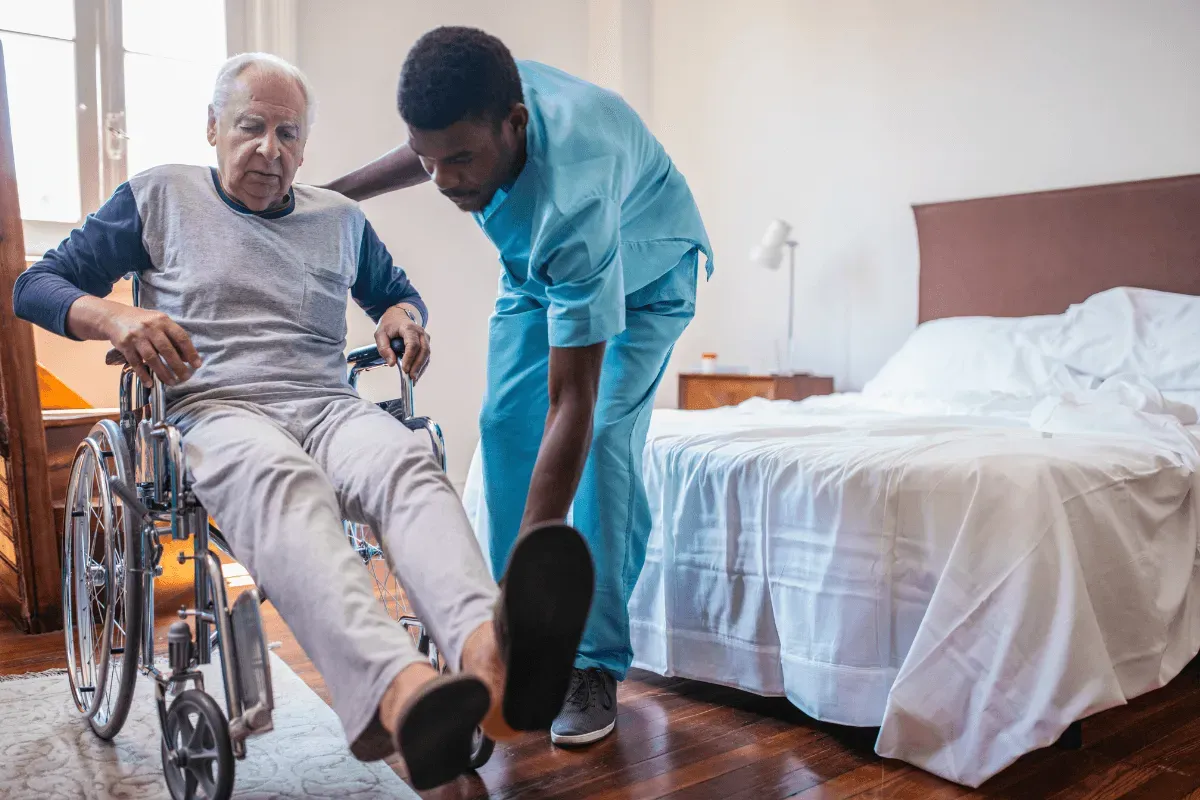
2027 Trauma-Informed Nursing Communication: Principles and Professional Boundaries
Audited and Verified:
Our Editorial and Data Verification Process
Research.com uses government datasets, official education statistics and primary institutional information to support its career and degree guides. Our review process checks factual accuracy, occupational definitions, source dates and the requirements associated with the credentials discussed.
How This Article Was Fact-Checked
Our editorial team verifies salary estimates, employment projections, education requirements and program information against original data providers and official organizations. Salary figures are checked against the relevant occupational definitions and reporting periods. Information about licensure, accreditation and required in-person training is reviewed separately.
Fact-checked and verified on:

Co-Founder and Chief Data Scientist
A patient may need urgent care yet feel unsafe being touched, questioned, or asked to retell a distressing experience. For nursing students and early-career nurses, trauma-informed communication offers a way to explain care, preserve choice where possible, and build trust without crossing professional boundaries. This guide distinguishes trauma-informed practice from trauma treatment, shows what to say in common clinical situations, and explains how to assess coursework, supervised practice, and credentials. Use it to identify the skills you need next - not to assume that a degree or short course alone establishes clinical competence.
Key Things You Should Know
- Trauma-informed communication emphasizes safety, clear explanations, meaningful choice, and respect; it does not require patients to disclose trauma.
- A therapeutic relationship has limits: seek permission when appropriate, protect privacy, avoid personal or financial entanglements, and follow clinical escalation procedures when care cannot safely wait.
- Prelicensure education introduces these skills, but supervised clinical feedback and employer onboarding matter more than a stand-alone certificate for demonstrating readiness.
What is trauma-informed nursing communication?
Trauma-informed nursing communication is an approach to speaking, listening, documenting, and coordinating care that recognizes how past or current adversity may affect a person's sense of safety. A nurse does not need to know whether a patient has experienced trauma to use it. The practical aim is to reduce avoidable distress while delivering clinically appropriate care.
For example, before an examination, a nurse can explain its purpose, describe what will happen next, ask about immediate concerns, and offer available choices such as positioning or a support person. That is different from asking for a trauma history without a clinical reason or promising that every aspect of care is optional. When safety, capacity, or urgent treatment affects consent, the nurse follows applicable law, policy, and the care team's guidance.
This is a foundational nursing skill rather than a separate license. Students considering fast-track LPN programs with online coursework should check how the program teaches and assesses communication during required in-person clinical learning, not just how quickly coursework can be completed.
What principles guide trauma-informed communication in nursing?
The Substance Abuse and Mental Health Services Administration describes six principles commonly used in trauma-informed approaches: safety; trustworthiness and transparency; peer support; collaboration and mutuality; empowerment, voice, and choice; and attention to cultural, historical, and gender issues. In nursing, these principles must be applied within the patient's condition, the nurse's scope, and the clinical setting.
A useful communication sequence is to introduce yourself and your role, explain the reason for an action, ask permission when appropriate, offer genuine options, and check understanding without pressuring the patient to explain a refusal. An interpreter should be used when needed rather than relying on assumptions about language or culture. If a patient appears distressed, the nurse can pause when safe, acknowledge the concern, and clarify what can happen next.
Advanced study does not replace this foundation. Nurses comparing shorter family NP training pathways should still ask how supervised encounters assess patient communication alongside advanced clinical judgment; a shorter timeline is not evidence of stronger trauma-informed practice.
How do nurses maintain professional boundaries with patients?
Professional boundaries keep the relationship focused on the patient's care rather than the nurse's emotional, social, or financial needs. Warmth is appropriate; seeking friendship, sharing extensive personal experiences, exchanging gifts or money outside policy, and contacting patients through personal social media can compromise care and trust. Boundaries also apply after a clinical encounter, subject to employer rules and professional standards.
When a patient asks a personal question, a brief, honest response may be appropriate if it serves care, followed by a return to the patient's concern. When a patient requests a promise of secrecy, explain confidentiality and its limits rather than making a promise you cannot keep. Document clinically relevant statements objectively, protect access to records, and seek a preceptor or supervisor's guidance if a relationship begins to feel unusually personal or difficult to manage.
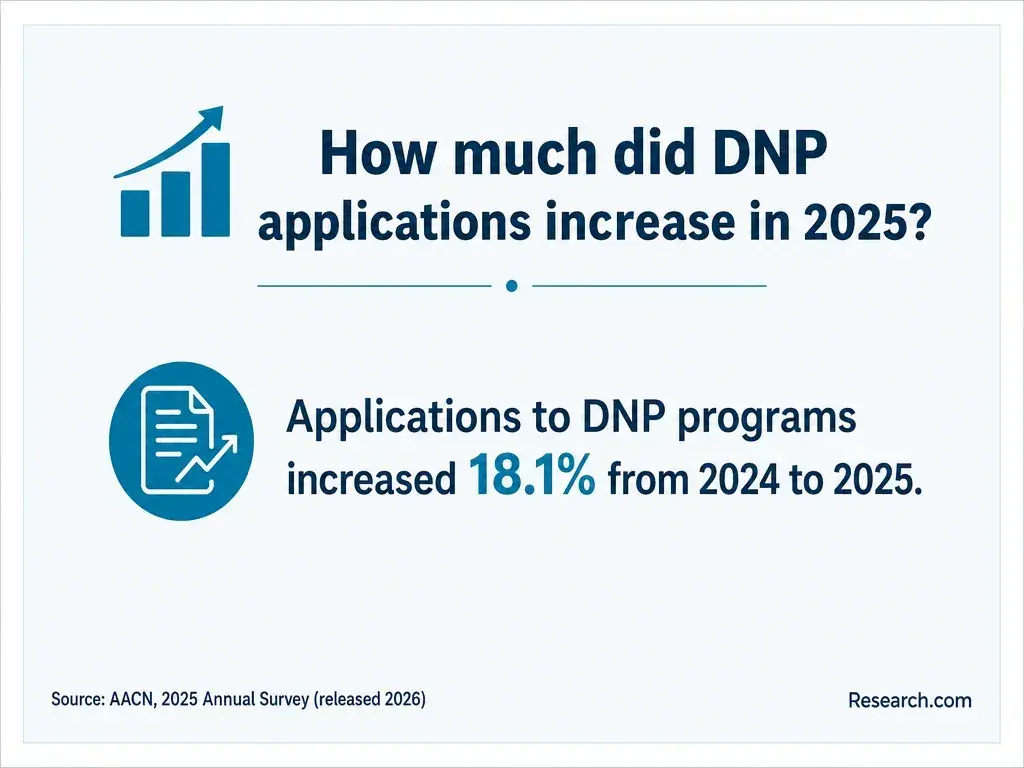
These obligations apply in bedside and non-bedside roles alike. An RN exploring post-master's DNP programs for non-bedside goals still needs appropriate boundaries when teaching, consulting, supervising, or handling patient information.
A therapeutic relationship supports assessment, shared understanding, and care while remaining time-limited and professionally directed. Predictable communication helps: state what you know, distinguish it from what you need to confirm, and follow through on commitments you can control. These habits may make it easier for a patient to express a concern or participate in decisions, but they do not guarantee trust or adherence.
Consider a patient who hesitates before a procedure. Rather than interpreting hesitation as noncompliance, the nurse can ask what concerns the patient, explain the clinical purpose and available options, and bring in the appropriate clinician if the decision exceeds nursing authority. The nurse should also recognize when distress calls for a qualified behavioral health assessment rather than trying to provide psychotherapy.
Continuity and supervision matter when learning this skill. A licensed nurse considering online FNP certificate routes after an MSN should evaluate how a program supports supervised patient encounters and feedback, not assume prior rapport-building experience substitutes for preparation in a new advanced practice role.
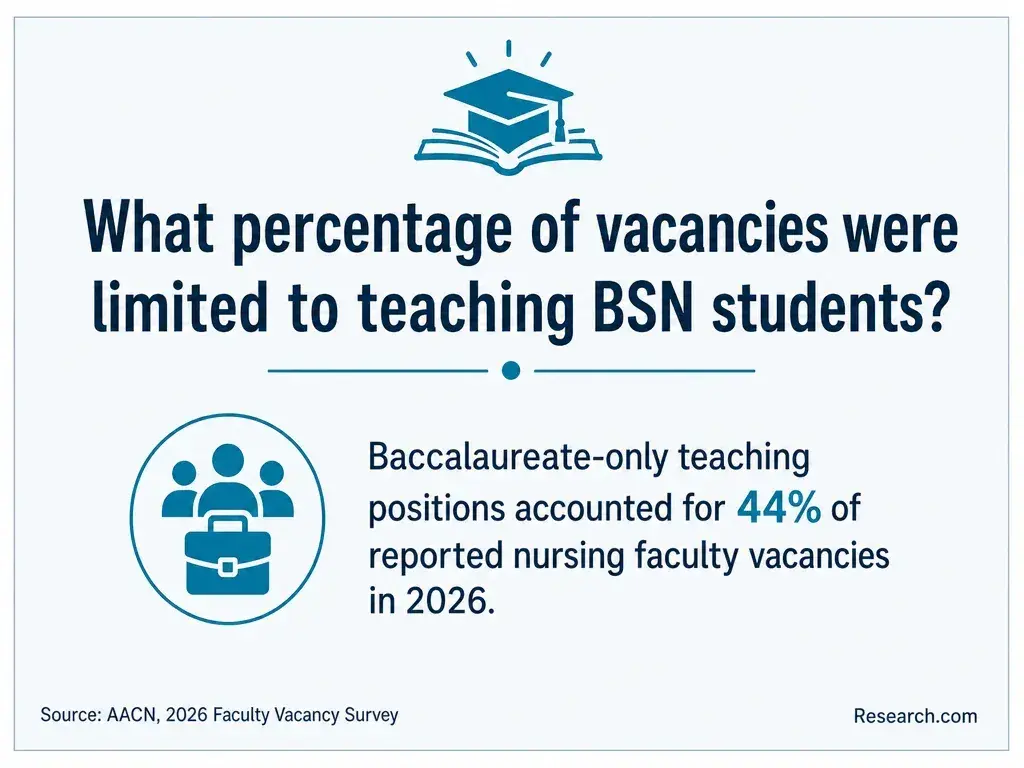
Prelicensure LPN/LVN, associate-degree RN, and BSN programs teach patient communication within their respective scopes through classroom work, simulation, and supervised care. Postlicensure RN-to-BSN study may deepen an RN's work in ethics, population health, and evidence-based practice, but it is not initial RN preparation. Graduate study may address communication in a specialty or leadership context; it is not required simply to begin improving bedside communication.
For someone who already holds a degree outside nursing, the relevant choice is a program that prepares them for the nursing license they seek. An accelerated BSN may be one option, subject to the school's prerequisites and clinical schedule. When comparing accelerated BSN applicant criteria, ask how the compressed sequence leaves room for supervised practice and feedback on difficult conversations.
For an already-licensed nurse, targeted continuing education, preceptor feedback, and employer training may be more direct and less costly than another degree. Choose additional formal education when the intended role - not the communication skill alone - requires it.
Relevant content may appear across fundamentals, health assessment, mental health nursing, community health, ethics, and clinical seminars rather than in a course titled "trauma-informed care." Students should look for instruction on informed consent, therapeutic communication, privacy, bias, documentation, de-escalation, and the distinction between supportive listening and counseling outside nursing scope.
Course descriptions reveal topics; assignments reveal what students must actually do. For example, a communication-focused assignment might ask students to analyze a simulated encounter, explain how they offered a patient a genuine choice, and revise their response after feedback. Licensed RNs reviewing RN-to-BSN project-based learning options should distinguish academic projects from supervised patient-care experiences and ask how communication work is evaluated.
Programs can use role-play and simulation to let students practice introductions, consent-related explanations, responses to distress, and handoffs. In supervised clinical care, a preceptor or faculty member can then observe whether the student adjusts language to the patient, protects privacy, recognizes a boundary concern, and escalates safety issues. Simulation is valuable preparation, but participation alone does not establish independent clinical competence.
Before enrolling, ask who observes students, what feedback they receive, and how the program responds when a student struggles with a sensitive encounter. Students pursuing a specialty should also check placement arrangements: family NP placement policies before enrollment matter because supervised access to appropriate patients and qualified evaluators affects what can be learned in practice.
Verify three separate matters for the exact program and location: the institution's accreditation, applicable nursing program accreditation, and the state board's approval or recognition for the intended prelicensure pathway. Accreditors such as ACEN and CCNE review nursing programs within their stated scope; a state board determines requirements related to nursing licensure. None of these designations, by itself, proves that a program teaches trauma-informed communication well.
Ask for the current curriculum, clinical evaluation criteria, student handbook, and a description of how ethics and patient communication are assessed. If considering admission-focused nursing practice doctorate comparisons, verify the specific track and its outcomes rather than treating admission requirements or a DNP label as evidence of trauma-informed clinical preparation.
Nurses practice under the license appropriate to their role and state, such as an LPN/LVN or RN license; advanced practice roles have additional education, certification, and state authorization requirements. Trauma-informed care training does not create a separate nursing scope of practice. A course completion certificate may document learning, but it is not a substitute for licensure, specialty certification, employer competency assessment, or clinical supervision.
Before paying for a course or credential, check who awards it, whether an employer recognizes it, what skills it assesses, and whether it meets a specific professional-development need. The same distinction applies to a nurse considering comparing fast LPN-to-RN nursing programs: a bridge program's length or completion award does not itself confer an RN license; the applicable board determines licensure eligibility.
What nursing careers use trauma-informed communication skills?
These skills matter in emergency, inpatient, behavioral health, primary care, school, community, home health, and forensic nursing. The interaction differs by setting: an emergency nurse may have minutes to explain an urgent intervention, while a community nurse may build trust across repeated visits. Both need boundaries, documentation, and a clear way to escalate concerns. Specialty employers may also require experience, orientation, or documented competencies beyond initial licensure.
Choose a role by examining its patient population, pace, privacy risks, supervision, and support - not by assuming that a specialty title guarantees time for therapeutic conversation. Ask prospective employers how new hires practice sensitive conversations, obtain interpreters, respond to distress, and receive feedback. Nurses considering accelerated DNP program comparisons should first establish whether their target job requires doctoral preparation; targeted workplace training may better serve a goal focused solely on communication.
Other Things You Should Know About Nursing
No. Use respectful, choice-oriented communication with everyone. Ask sensitive history questions when clinically relevant, within the applicable assessment process, and with attention to privacy and the patient's willingness to answer.
Explain why the information may matter, avoid pressuring the patient, and document and escalate the issue as clinically appropriate. Follow applicable policy when an unanswered question affects immediate safety or required care.
Sometimes a brief disclosure may help, but it should have a clear patient-care purpose. If it shifts attention to the nurse or invites an ongoing personal relationship, it is better avoided.
Notify the preceptor or faculty member about any immediate patient-safety concern. Seek an appropriate debrief or student support service, and discuss the encounter without disclosing identifiable patient information outside authorized channels.
- Trauma-informed care: recognizing and resisting re... - PMC https://pmc.ncbi.nlm.nih.gov/articles/PMC8689164/
- Informed Consent - StatPearls - NCBI Bookshelf - NIH https://www.ncbi.nlm.nih.gov/books/NBK430827/
- Infographic: 6 Guiding Principles to a Trauma-informed Approach | samhsa.gov https://www.samhsa.gov/resource/dbhis/infographic-6-guiding-principles-trauma-informed-approach
- 1.4 Boundaries - Mental Health Concepts for Nursing | Introduction to Law Librarianship https://opentextbooks.library.arizona.edu/nursingmhcc/chapter/1-4-boundaries/
- Trauma-Informed Nursing Practice | OJIN https://ojin.nursingworld.org/table-of-contents/volume-24-2019/number-2-may-2019/trauma-informed-nursing-practice/
- Obtaining informed consent | cno.org https://www.cno.org/standards-learning/practice-support/practice-support-faqs/obtaining-informed-consent
- Nurse Patient Relationship - Importance of Trust | ANA https://www.nursingworld.org/content-hub/resources/becoming-a-nurse/nurse-patient-relationship-trust/
- Trauma-Informed Care | aacnnursing.org https://www.aacnnursing.org/5b-tool-kit/themes/trauma-informed-care
- Consent to treatment | nhs.uk https://www.nhs.uk/tests-and-treatments/consent-to-treatment/