
2027 Most Affordable Psychology Degree Programs Ranking in Lawrence

Co-Founder and Chief Data Scientist
Choosing the right psychology degree program in Lawrence can feel overwhelming. This article presents the 2027 Most Affordable Psychology Degree Programs Ranking in Lawrence, carefully developed by the Research.com team of data scientists.
The ranking helps students make well-informed decisions by spotlighting programs that balance quality and cost.
Exploring these options can be empowering, opening doors to meaningful careers that impact lives.
Whether you're starting out or planning a change, this guide supports your journey toward a rewarding psychology education.
Key benefits of getting psychology degree in Lawrence
- Psychology graduates in Lawrence can earn competitive salaries, such as Human Resources Specialists earning around $76,060 annually and Marketing Research Analysts about $83,190, reflecting strong financial benefits.
- Career paths are diverse, ranging from clinical research associates to survey researchers, offering exciting opportunities to work in healthcare, marketing, and education sectors.
- Obtaining a psychology degree online provides flexibility and convenience, enabling students to balance work and studies effectively while gaining the same valuable credentials as traditional programs.
- 2027 Most Affordable Psychology Degree Programs Ranking in Lawrence
- What can I expect from psychology degree in Lawrence?
- Where can I work with psychology degree in Lawrence?
What can I expect from psychology degree in Lawrence?
The average cost of pursuing a psychology degree in Lawrence typically ranges between $10,000 and $11,000 per year for in-state students attending public universities like the University of Kansas. Graduates often recall managing this cost with a combination of financial aid and scholarships, which relief many felt as they balanced tuition expenses with their passion for psychology.
Many students envision themselves engaging in hands-on research and clinical experiences, knowing their investments provide access to accredited programs that blend theory with practical application. For example, a student might spend afternoons participating in supervised internships or experimental labs, confident that these opportunities justify the tuition spent.
These costs, while manageable, reflect a broader commitment to a future career in psychology-graduates often express pride in affording quality education without overwhelming debt. This balance encourages more students in Lawrence to pursue advanced degrees, anticipating growing local demand for psychology professionals in health and social services sectors.
Where can I work with psychology degree in Lawrence?
Graduates with a psychology degree from Lawrence's universities often find themselves thriving in diverse career paths thanks to the city's rich employment landscape. Many secure roles in healthcare settings, such as mental health counseling or behavioral therapy, where they make meaningful impacts on individuals' lives daily. One graduate shared how working as a social worker in a local community program deepened their empathy and practical understanding of human behavior.
Others leverage their skills in educational environments, stepping into positions like school counselors or academic advisors. These roles are not only rewarding but are also growing in demand, with colleges in Lawrence collaborating closely with schools to place interns and graduates.
Business sectors also beckon psychology majors, where their insights into organizational behavior and consumer trends drive innovation in human resources and market research. Imagining a future where psychology integrates even more deeply with technology, graduates from Lawrence may pioneer cutting-edge fields like workplace well-being analytics or consumer experience design.
Graduates from psychology programs in Lawrence often find encouraging salary prospects in fields aligned with their studies. For example, those stepping into roles like Human Resources Specialists can expect a mean annual wage around $76,060. Many alumni from local institutions such as the University of Kansas have reported satisfaction entering these positions, enjoying both steady income and opportunities for advancement.
Others pursue careers as Marketing Research Analysts, earning approximately $83,190 yearly, where analytical skills gained through psychology studies prove invaluable. This role especially appeals to graduates who enjoy combining research with business insights.
Entry-level Psychology degree holders often start in roles connected to research, including Clinical Research Associates or Survey Researchers, with typical salaries near $62,370 annually. These positions offer hands-on experience that graduates from Lawrence colleges find fulfilling, bridging theory and practice.
Even positions like Childcare Worker, though less lucrative with average earnings of about $32,070, provide meaningful ways to apply psychology knowledge in community settings. As Lawrence's mental health awareness grows, so do emerging job roles, hinting at expanding earning potential for future graduates.
- Tuition for a bachelor's degree in psychology in Lawrence ranges from $25,000 to $40,000 for in-state students at public universities.
- Entry-level psychology professionals typically earn between $40,000 and $50,000 annually in the Lawrence area.
- Experienced psychologists in Lawrence can expect median salaries between $70,000 and $90,000 depending on qualifications and licensure.
- The local job market is growing with employment projections of 8-12% for psychology roles over the next decade.
- Internships and practicum opportunities are widely available in hospitals, schools, and community centers, supporting hands-on training.
Completing a psychology degree in Lawrence generally takes about four years for full-time undergraduates, especially at well-known institutions like the University of Kansas. Many graduates recall balancing core psychology classes with electives while enjoying campus life, appreciating the steady progress toward their degree over those four years. Part-time students often stretch this timeline, carefully managing coursework alongside jobs or family commitments, which adds a personalized rhythm to their studies.
For those pursuing a master's degree locally, about two years is typical, blending research, internships, and hands-on experience. Graduates often describe this period as both challenging and deeply rewarding, as they gain practical skills that prepare them for careers or doctoral programs.
Doctoral students, whether aiming for a PhD or PsyD, usually invest 5 to 7 years. Those in Lawrence often explore options both inside and outside the city, deeply engaging in research and clinical training. The dedication during these years frequently results in a profound sense of accomplishment and readiness for the professional world.
Emerging trends like accelerated programs and flexible scheduling could further influence how quickly future students complete their psychology degrees in Lawrence, offering exciting new pathways for success.
Graduating from a program that meets strict accreditation and licensure requirements lays the foundation for a successful career in psychology or counseling. In Kansas, you’ll follow these steps to become a licensed professional:
- Choose a regionally accredited degree program accredited by organizations like CACREP. For flexible learning, explore our accredited online counseling programs.
- Complete supervised practicum and internship hours (typically 600–1,200 for counseling; 2,000+ for clinical psychology) under a licensed supervisor.
- Pass the relevant national exam: the National Counselor Examination (NCE) for counselors or the Examination for Professional Practice in Psychology (EPPP) for psychologists.
- Apply to the Kansas Behavioral Sciences Regulatory Board, submit practice hours documentation, and fulfill any additional jurisprudence or ethics exams.
- Maintain licensure through continuing education units (CEUs) as required by Kansas regulations.
Psychology students in Lawrence often describe on-campus programs as immersive experiences where direct interaction with professors and peers sparks immediate insights, especially during lively campus debates or lab sessions. Imagine attending face-to-face clinical practicums at local universities, benefiting from hands-on mentorship that's invaluable for future licensure. This traditional setup offers a strong sense of community and routine that many find motivating.
Conversely, graduates of online programs celebrate the freedom to balance studies with personal commitments, accessing lectures and discussions whenever their schedules allow. For example, a working caregiver in Lawrence can progress through accredited Ohio State University or University of Kansas online courses without sacrificing family time. The flexibility in pacing encourages positive emotions like empowerment and self-discipline, supported by virtual simulations that mimic real-life psychology scenarios.
Looking ahead, hybrid models may increasingly blend these strengths-offering Lawrence students both rich, hands-on experiences and the adaptability of remote learning, creating pathways tailored to evolving careers and lifestyles.
One of the most valuable components of a Psychology degree in Lawrence, KS is the structured internship and practicum opportunities integrated into the curriculum. Local universities and colleges maintain partnerships with on-campus counseling centers, community mental health clinics, school districts, and research laboratories, ensuring students gain hands-on experience before graduation. • On-Campus Clinical Placements: Many programs require a semester-long practicum at the university counseling center, where students observe licensed psychologists, co-facilitate group sessions, and conduct intake interviews under supervision. These placements often translate into strong recommendations and job referrals upon graduation. • Community Partnerships: Institutions like the University of Kansas and Baker University collaborate with Lawrence Memorial Hospital and local non-profits to offer internships in behavioral health and substance abuse counseling. Interns participate in case management, develop treatment plans, and attend multidisciplinary team meetings, providing real-world context for classroom theories. • Research Assistantships: Students interested in academic psychology can apply for paid RA positions in faculty labs, contributing to experimental design, data collection, and conference presentations. This experience not only hones analytical skills but also bolsters graduate school applications. • School-Based Practica: For those aiming to become school counselors or educational psychologists, partnerships with USD 497 and local charter schools enable supervised internships in K–12 settings, focusing on student assessment, crisis intervention, and psychoeducational programming. • Networking and Career Services: Career centers host internship fairs and alumni panels each semester, and faculty advisors often connect high-performing students with regional placements highlighted in our Affordable Psychology Degree Programs Ranking in Utah, offering insight into parallel practicum models across state lines. By weaving practical experience into the fabric of academic study, Psychology programs in Lawrence empower students with the applied skills, professional connections, and confidence needed to launch successful careers in mental health, education, research, and beyond.
The average cost of a psychology degree in Lawrence typically centers around $41,800 for out-of-state students, while in-state students usually spend closer to $12,102 overall. Many graduates from the University of Kansas, the city's leading public institution for psychology, speak positively about balancing the cost with the quality of education and resources available. The relatively lower in-state tuition provides an affordable psychology degree programs Lawrence 2027 hopefuls often find attractive, especially when combined with financial aid options and scholarships.
Students often share that the upfront investment in tuition feels worthwhile once they experience the engaging coursework and supportive faculty at Lawrence's universities. While private institutions nearby may charge significantly higher fees, the University of Kansas offers a more accessible route to earning a degree without compromising on program quality. This balance encourages many residents to pursue psychology without overwhelming debt.
Adding to tuition are other expenses such as fees, books, and living costs, which students learn to manage through budgeting and campus job opportunities. Many eventually discover that assistantships and grants lessen financial strain significantly. For those considering licensure after graduation, it's useful to explore detailed requirements, such as the Utah psychologist license requirements, to better plan their career paths.
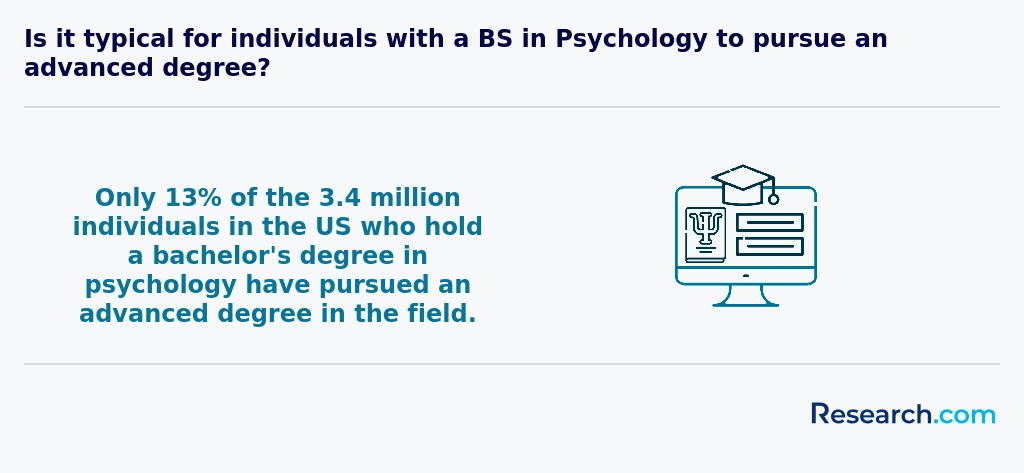
For many students in Lawrence, KS, a psychology degree is just the beginning of a long and rewarding academic journey. Graduates often discover that pursuing advanced studies not only bolsters their expertise but also unlocks access to specialized roles in clinical, forensic, or counseling psychology. For those considering further education, exploring options such as [apa accredited online doctoral programs](https://research.com/degrees/best-apa-accredited-psyd-programs) can offer the flexibility and rigorous training needed to excel in today’s competitive job market. By engaging in advanced programs, students enhance their research capabilities, develop practical clinical skills, and create valuable industry connections that pave the way for leadership positions and higher earnings. Before making a decision, prospective applicants should assess how each program aligns with their career ambitions, review faculty expertise, and consider opportunities for hands-on learning and internship placements. Embracing further education can be the key to staying at the forefront of the evolving landscape in psychology and ultimately achieving long-term career success.
Students pursuing psychology degrees in Lawrence often find federal financial aid, such as the FAFSA, to be a vital gateway for funding their education. One graduate from the University of Kansas recalls how the Pell Grant, providing up to $7,395 annually, made a significant difference in easing tuition burdens, enabling focus on studies rather than finances.
State programs like the Kansas Comprehensive Grant specifically support residents attending local colleges, adding an essential layer of assistance for psychology majors. Several graduates remember applying for scholarships through Psi Chi International Honor Society, which rewards academic merit and passion for mental health careers, boosting morale and motivation.
Work-study positions within Lawrence's psychology departments or clinics offer students a chance to earn while gaining experience, turning what could be a financial challenge into a professional advantage. These opportunities foster a sense of accomplishment and community connection.
As financial aid evolves, future psychology students in Lawrence might expect even more targeted grants and partnerships with local mental health organizations, opening doors that current graduates only dreamed of.
To become a licensed practitioner in Kansas, you must meet the following requirements:
- Degree: Earn a master’s or doctoral degree in psychology or counseling from an accredited institution. Consider CACREP accreditation, such as the cacrep accredited online counseling programs.
- Supervised Experience: Complete 3,000–4,000 hours of supervised clinical practice under an approved supervisor.
- Examination: Pass the National Counselor Examination (NCE) for Licensed Professional Counselors or the Examination for Professional Practice in Psychology (EPPP).
- Application: Submit official transcripts, supervisor verifications, and exam results to the Kansas Behavioral Sciences Regulatory Board.
- Continuing Education: Fulfill at least 30 hours of approved continuing education every two years to maintain an active license.
To enroll in a psychology degree program in Lawrence, students generally must have a high school diploma or GED, setting the foundation for their academic journey. Graduates from local universities often recall that strong performance in science and social studies during high school gave them confidence and a competitive edge when applying.
Many describe how completing key high school courses like biology, introductory psychology, and statistics made college-level topics more approachable. These prerequisites not only bolster admissions chances but also prepare students for the analytical thinking essential in psychology.
At institutions such as the University of Kansas, a GPA of around 2.5 to 3.0 is typically required, yet aspiring students often feel motivated to exceed this to stand out. Those applying to graduate programs share that having relevant research experience or internships-gained through local opportunities-adds a meaningful layer of real-world insight and enthusiasm to their applications.
Test requirements like the GRE are becoming less common, encouraging hopeful applicants to focus more on personal statements and recommendation letters that express their passion and goals in psychology.
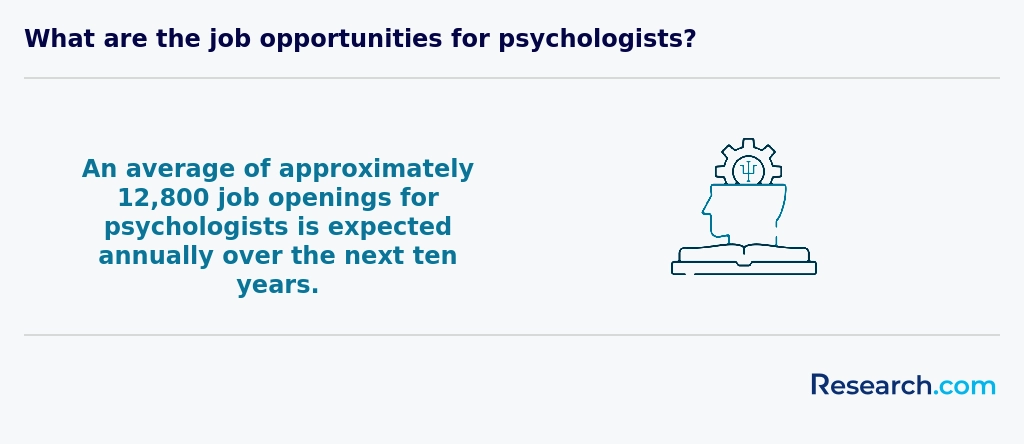
When deciding on a psychology program in Lawrence, KS, it's essential to weigh the costs and benefits of each option. Prospective students should research the various programs available, considering factors such as accreditation, curriculum, and specializations. For those looking for affordable options, exploring cheapest psychology programs in kansas can be a crucial step in making an informed decision. By understanding the average cost of tuition, additional expenses, and available financial aid, students can better plan their educational journey and set themselves up for success in their future careers.
Psychology degrees in Lawrence typically include courses that build a solid understanding of behavior, brain function, and social dynamics. Graduates from the University of Kansas often recall how foundational classes like Introduction to Psychology and Research Methods felt like unlocking the basics of human thought and action, sparking excitement about careers in counseling or research.
Students engage with courses such as Developmental Psychology, where they explore real-life case studies of growth stages, or Abnormal Psychology, analyzing therapeutic approaches learned through simulated patient interactions. At local colleges, many find Biopsychology classes exhilarating as they link biological processes to emotions they observe daily around campus.
Social Psychology courses challenge learners to reflect on group behavior during events like campus activities, making theories come alive in practical settings. Personality Psychology classes encourage students to consider their own traits alongside studied theories, fostering a strong personal connection to the material.
Looking ahead, Lawrence programs might introduce cutting-edge topics like digital behavior analysis or AI influences on cognition, driven by their commitment to evolving with national research trends and students' passions.
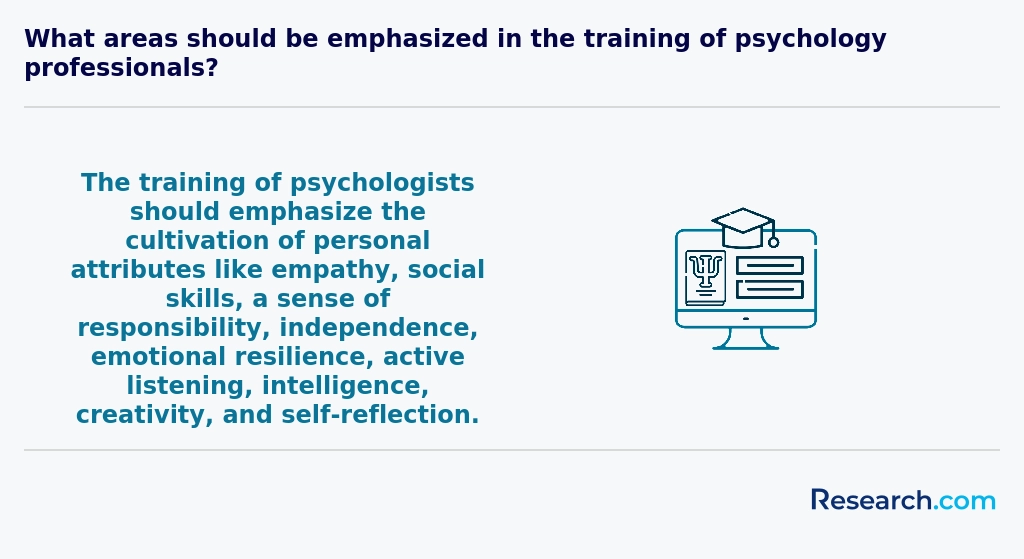
Psychology degree specializations in Lawrence offer exciting pathways that align with evolving career landscapes. Graduates from popular colleges often describe their journeys through clinical psychology, where hands-on internships at local mental health clinics bring theories to life by addressing real cases of anxiety and mood disorders. These experiences fuel hopeful aspirations, especially in light of increasing focus on anxiety disorders in the U.S.. Counseling psychology is another favorite, touching on life challenges students observe in community outreach programs, preparing them for roles as empathetic school counselors or career coaches.
Industrial-organizational psychology captures the interest of those eager to enhance workplace wellbeing, particularly as Lawrence's thriving businesses seek innovative solutions for employee motivation and inclusivity. Graduates envision future workplaces transformed by these methods. Students frequently appreciate the balance of academic theory and practical projects, a hallmark of Lawrence affordable psychology programs options, which encourage exploration of developmental and social psychology through local educational and social work initiatives, adding depth and versatility to their expertise.
Choosing the best psychology degree in Lawrence often means looking beyond just academics to the overall experience. Graduates from the University of Kansas describe how their exposure to faculty deeply engaged in psychological research created an inspiring environment that fueled their curiosity and confidence. Such immersive learning can make a big difference when selecting among the best affordable psychology degree programs in Lawrence.
Many students also emphasize the importance of practical training in real-world clinical settings near Lawrence, which helps sharpen skills and build meaningful professional networks. Considering the top psychology schools in Lawrence cost comparison is crucial since the balance between affordable tuition and quality hands-on opportunities shapes both immediate satisfaction and long-term success.
Looking toward the future, programs that integrate emerging technologies and interdisciplinary approaches may offer unique advantages. For those exploring options beyond psychology, it's advisable to review financial aid and scholarship alternatives or to explore affordable accelerated MSW degree programs to complement a psychology background with social work expertise.
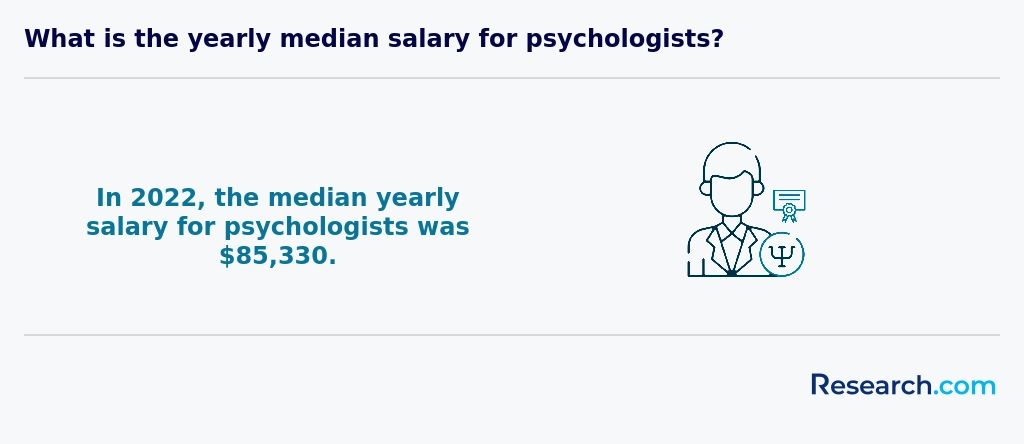
Graduates with a psychology degree in Lawrence discover diverse career paths that reflect the evolving landscape of human behavior study. Many find themselves drawn to clinical roles, where working hands-on with clients provides a rewarding sense of impact, especially after attending popular programs at Lawrence colleges. These psychology career opportunities in Lawrence extend beyond traditional therapy into social services, helping vulnerable populations through community outreach, often relying on bachelor's level credentials.
Others explore industrial-organizational psychology, applying their skills to enhance workplace environments in Lawrence businesses and nearby markets like Kansas City. Students often share how their education emphasizes practical research, preparing them for these emerging jobs with psychology degree Lawrence KS can support. Educational psychology and school counseling also attract graduates who relish directly contributing to student well-being in local schools, a field expected to grow significantly.
Some graduates pursue research assistant positions at academic centers, experiencing firsthand the excitement of scientific discovery. The affordability of psychology programs here, noted in the cheapest psychology programs in kansas, encourages many to consider advanced studies and specialized roles.

Psychology graduates in Lawrence find a steady and evolving job market enriched by the city's strong educational and healthcare infrastructure. Those who studied at local institutions enjoy opportunities ranging from clinical roles in mental health clinics to research positions connected to the University of Kansas. Many graduates appreciate the practicality of engaging in school psychology within Lawrence's education system, experiencing firsthand the positive impact they have on their communities. The employment outlook for psychology graduates Lawrence shows continued demand fueled by these diverse sectors.
Graduates often share that the balance between salary potential and cost of living in Lawrence makes pursuing a psychology degree here feel rewarding. Entry-level roles can start around $45,000, with seasoned clinical psychologists earning comfortably more. The city's collaborative environment cultivates hope and excitement for emerging specialties and organizational psychology roles, which are gaining traction as businesses seek skilled professionals.
Students looking for cost-effective educational pathways benefit from public universities with in-state tuition rates below national averages, improving return on investment. For those exploring these options, the Affordable Psychology Degree Programs Ranking in Utah offers additional insight to complement local opportunities in Lawrence.
2027 Most Affordable Psychology Degree Programs Ranking in Lawrence
Investing in your education is a significant decision that can shape your future, and the Research.com team understands the importance of making informed choices. To assist prospective students in Lawrence, we have meticulously crafted the "2027 Most Affordable Psychology Degree Programs Ranking in Lawrence." Our commitment to quality, credibility, and accuracy is reflected in the extensive research and analysis conducted to compile this ranking.
We utilized the following reputable data sources to ensure a comprehensive evaluation of psychology degree programs:
By exploring this ranking, readers will gain valuable insights into the most affordable and credible psychology degree programs in Lawrence, empowering them to make well-informed educational choices. For more details on our methodology, please visit our Research.com methodology page.

Frequently Asked Questions About psychology
Psychology degree students in Lawrence can maximize their learning by actively engaging in both coursework and practical experiences. The University of Kansas, a leading institution nearby, emphasizes research participation, which enhances critical thinking skills and real-world application. According to the National Center for Education Statistics (NCES), students involved in research projects tend to achieve higher academic performance and better job prospects.
Internships and volunteering in local mental health facilities also provide valuable hands-on experience. Connecting with faculty advisors and joining psychology clubs encourages networking and professional growth. Utilizing campus resources, such as tutoring centers and counseling workshops, further supports academic success.
Within the psychology field, several emerging niches are attracting growing interest, especially for students pursuing degrees in Lawrence. One fast-developing area is neuropsychology, which explores how the brain influences behavior and cognitive function. This niche has practical applications in education and healthcare.
Another notable trend is health psychology, focusing on how psychological factors affect physical health. Given the increasing attention to mental well-being in Kansas, graduates can expect growing job opportunities.
Additionally, forensic psychology, which intersects with the legal system, is expanding due to rising demand for mental health assessments in criminal cases. According to the Bureau of Labor Statistics, demand for psychologists is projected to grow 8% nationally by 2030, with Lawrence contributing to this trend through its university programs and healthcare facilities.
After completing a psychology degree in Lawrence, preparing for the job market involves several practical steps. Start by gaining relevant experience through internships or volunteer opportunities, which Kansas-based organizations often offer to students. These experiences help build valuable skills and professional networks.
Next, consider pursuing certification or licensure if you plan to work in clinical or counseling roles, as Kansas requires specific credentials for practicing psychologists. Additionally, utilize career services at your institution to access job boards, resume workshops, and interview training tailored to psychology graduates.
Networking with local professionals and joining groups like the Kansas Psychological Association can also improve job prospects. According to the U.S. Bureau of Labor Statistics, employment for psychologists in Kansas is expected to grow by 8% over the next decade, indicating steady opportunities for well-prepared graduates.
Employers in Lawrence highly value psychology graduates who demonstrate strong critical thinking and analytical skills. These abilities enable graduates to assess complex behaviors and mental health issues effectively. Communication skills, both written and verbal, are also essential, as professionals often need to explain findings to clients or colleagues clearly.
Additionally, knowledge of research methods and proficiency in statistics are frequently sought after, as they support evidence-based practice. According to the 2023 Kansas Workforce Report, nearly 70% of local psychology-related jobs require familiarity with data analysis software.
Finally, empathy and ethical judgment are crucial skills for working with diverse populations, aligning with standards set by the American Psychological Association.
Finding internships in Lawrence relevant to a psychology degree involves leveraging local resources and university connections. The University of Kansas in Lawrence offers multiple psychology internship opportunities through its department and career center, which frequently collaborate with area mental health clinics and research labs.
Students can also explore placements in community organizations like the Douglas County Mental Health Center or local schools, which often seek interns for counseling and behavioral programs. According to the Bureau of Labor Statistics, internships improve employment prospects by 20% in psychology-related fields.
Networking via campus career fairs and joining psychology student associations enhances access to exclusive internship listings. Early applications are crucial, as spots are competitive and often limited.
A psychology degree in Lawrence can significantly enhance career mobility and advancement, especially within healthcare, education, and social service sectors. According to the U.S. Bureau of Labor Statistics, psychology-related jobs in Kansas are expected to grow by 6% through 2032, creating new opportunities in the region. Local employers value practical skills gained through Lawrence's degree programs, such as research methods and behavioral analysis, which improve job prospects.
Graduates often start in entry-level roles but can advance to specialized positions like clinical psychologist, counselor, or human resources manager with further certification. Graduates from Lawrence institutions report improved access to internships and networking events, key factors in career progression.
Studying for a psychology degree in Lawrence equips students with skills that are valuable across multiple disciplines. Programs in the area emphasize both theoretical foundations and practical applications, fostering critical thinking and research competencies. Lawrence's institutions often collaborate with local healthcare, education, and social service agencies, providing students hands-on experience in diverse settings.
According to data from the National Center for Education Statistics, interdisciplinary coursework is a growing component in Lawrence psychology programs, with over 65% of courses integrating elements from biology, sociology, and counseling.
This approach prepares graduates for roles in fields such as human resources, public health, and behavioral research, where understanding human behavior complements other expertise.
Choosing between a thesis and a non-thesis psychology degree in Lawrence depends on your career goals and learning preferences. A thesis option is research-focused, requiring original study and a written dissertation. This path suits those aiming for doctoral programs or research careers. According to the American Psychological Association, thesis programs often provide deeper analytical skills.
Non-thesis programs emphasize coursework and practical experience, ideal for students targeting professional roles such as counseling or human services. In Lawrence, some universities offer internships as part of the curriculum, which benefits applied psychology careers.
Consider your time commitment-thesis programs may take longer due to research demands. Reviewing specific program requirements at Lawrence institutions helps align choices with personal ambitions.
Students based in Lawrence seeking to study psychology abroad have several pathways through U.S. higher education partnerships and exchange programs. Universities in Lawrence, such as the University of Kansas, offer study abroad opportunities in collaboration with international institutions, allowing psychology students to gain global perspectives.
These programs commonly last a semester or summer term and often include coursework in developmental, clinical, or social psychology. According to the Institute of International Education, around 10% of psychology majors in the U.S. participate in study abroad experiences, demonstrating growing interest in international education.
Additionally, students may explore fully online psychology degrees from accredited foreign universities, giving flexible options to study abroad without physical relocation. Professional advisement offices in Lawrence help guide students to programs that align with psychology accreditation standards like APA recognition.
Students pursuing psychology degrees in Lawrence can enhance their education through various part-time jobs. Positions like research assistants at the University of Kansas' psychology department offer hands-on experience with data collection and analysis, vital for understanding psychological research methods. Additionally, local mental health organizations and counseling centers occasionally seek interns or support staff, providing exposure to clinical settings.
Opportunities also exist in educational roles such as tutoring psychology courses or assisting in special education programs in Lawrence schools. According to the Bureau of Labor Statistics, gaining relevant work experience during studies significantly improves employment prospects post-graduation.
Psychology students in Lawrence benefit from several local networking opportunities that enhance their academic and professional growth. The University of Kansas, located in Lawrence, hosts events through its Department of Psychology, including guest lectures, research symposiums, and student organization meetings designed to connect students with faculty and professionals. According to the university's 2023 annual report, over 70% of psychology undergraduates engage in at least one networking event annually.
Additionally, the Lawrence Psychological Association offers periodic meetups and workshops for students and practitioners, fostering community ties. Students often access internships at area hospitals and clinics, which provide practical experience and professional contacts. Networking in Lawrence is therefore supported by both academic programs and community organizations, placing psychology students in a strong position for future career development.
Alumni networks play a crucial role in supporting psychology degree students in Lawrence. These networks connect current students with graduates who have firsthand experience navigating psychology careers in the region. Engaging with alumni can open doors to internships, job opportunities, and research collaborations.
According to the National Association of Colleges and Employers, 85% of jobs are filled through networking, highlighting the practical importance of alumni connections. In Lawrence, several universities maintain active psychology alumni groups that host events and mentorship programs.
Students benefit from guidance on graduate school options, licensure processes, and local mental health organizations, helping them build professional pathways efficiently.
Students pursuing psychology degrees in Lawrence can tailor their programs by selecting specialized courses aligned with specific career paths like clinical, counseling, or industrial-organizational psychology. Many local institutions offer electives and interdisciplinary options, allowing learners to gain skills relevant to mental health services, human resources, or research.
Internship opportunities available through partnerships with Lawrence-area hospitals, schools, and businesses provide practical experience, enhancing career readiness. According to the National Center for Education Statistics, approximately 65% of psychology students in Kansas engage in experiential learning, an important factor in customization.
Advising services in Lawrence also help students create individualized degree plans that meet state licensure requirements for psychologists and counselors.
Psychology students in Lawrence often face several challenges related to balancing academic demands with personal responsibilities. Many students report difficulties managing heavy coursework alongside part-time jobs or family obligations, which can impact their study time and focus.
Limited research opportunities at smaller institutions in Lawrence can also hinder hands-on experience, a critical component for psychology majors seeking internships or graduate school placements. According to the U.S. Bureau of Labor Statistics, practical experience is essential for competitive job prospects in psychology fields.
Additionally, the emotional toll of studying mental health topics can affect student well-being. Campuses often encourage access to counseling services, yet stigma around mental health remains a barrier for some students seeking support.
Financial constraints are another concern, as in-state tuition rates in Kansas average $10,000 per year, making affordability a key consideration. Navigating these challenges requires strong time management and resourcefulness for psychology students in Lawrence.
With a psychology degree in Lawrence, graduates can pursue several professional certifications to enhance their careers. Common credentials include Licensed Psychologist (LP), Certified Behavior Analyst (CBA), and Licensed Professional Counselor (LPC). Each requires meeting state-specific criteria, including supervised hours and passing exams. For example, Kansas mandates 2,000 to 4,000 supervised practice hours depending on the certification.
Additionally, certifications like Certified School Psychologist and Certified Addiction Counselor are valuable in local educational and health services. According to the Kansas Behavioral Sciences Regulatory Board, these credentials improve employment prospects and salary potential for psychology professionals.
Gaining these certifications often aligns with advancing in clinical, counseling, or educational roles within Lawrence's growing mental health sector.
Applying to a psychology program in Lawrence requires careful preparation and understanding of what admissions committees value. Start by crafting a clear and focused personal statement that explains your motivation for studying psychology and your career goals. According to the National Center for Education Statistics, programs in Kansas often emphasize research experience, so highlighting any volunteer work or internships related to psychology can strengthen your application.
Ensure your academic records demonstrate a strong foundation in sciences and social sciences. Many Lawrence institutions expect a minimum GPA of 3.0 for competitive psychology applicants. Additionally, obtaining solid letters of recommendation from professors or professionals familiar with your abilities can enhance your candidacy.
Preparing for and submitting standardized test scores, if required, is also important. Lastly, tailor each application to the specific program, noting any faculty research interests or unique offerings relevant to your goals.
Psychology careers have a growing international presence, but the focus varies by region. In the United States, specifically in Lawrence, psychology professionals often engage in clinical, counseling, and research roles, supported by strong university programs and local healthcare facilities. According to the Bureau of Labor Statistics, the demand for psychologists is projected to grow 8% nationally from 2022 to 2032, reflecting steady job opportunities.
Global perspectives emphasize cultural competence and diverse approaches to mental health, which are increasingly important in US education. Students in Lawrence can benefit from programs incorporating evidence-based practices recognized worldwide. Institutions like the University of Kansas provide resources aligning with international psychology standards.
Overall, US-trained psychologists, including those from Lawrence, are well-positioned to work in various global settings due to the solid foundation in American psychology education and licensure requirements.
Gaining practical experience while studying for a psychology degree in Lawrence is essential for career readiness. Many local universities, such as the University of Kansas, offer internship opportunities through partnerships with nearby hospitals, schools, and mental health clinics. These internships provide valuable hands-on experience in real-world settings. Additionally, students can participate in on-campus research projects led by faculty, which often focus on areas like developmental psychology and behavioral health.
Volunteer work is another key option, with Lawrence hosting several nonprofit organizations that welcome psychology students. According to the Bureau of Labor Statistics, such experience improves employment prospects in the competitive psychology job market. Practical experience helps apply theoretical knowledge and build essential professional skills early in your career.
Choosing the right concentration within a psychology degree program in Lawrence depends on your career goals and interests. Lawrence offers programs emphasizing clinical, counseling, and developmental psychology, reflecting the region's demand for mental health professionals.
Consider how concentrations align with job opportunities. For example, clinical psychology often leads to licensure as a psychologist, while developmental or educational psychology suits those interested in schools or community settings. According to the Bureau of Labor Statistics, healthcare and social assistance sectors in Kansas have grown steadily, highlighting a need for specialized psychology roles.
Additionally, explore faculty expertise and practicum options at Lawrence institutions. Programs with strong ties to local clinics or research centers can provide hands-on experience and networking advantages essential for employment and graduate studies.
- 2027 Most Affordable Psychology Degree Programs Ranking in Kansas City
- 2027 Most Affordable Psychology Degree Programs Ranking in Wichita
- 2027 Most Affordable Psychology Degree Programs Ranking in Lincoln
- 2027 Most Affordable Psychology Degree Programs Ranking in Springfield
- 2027 Most Affordable Psychology Degree Programs Ranking in Saint Louis
- 2027 Most Affordable Psychology Degree Programs Ranking in Minneapolis
- 2027 Most Affordable Psychology Degree Programs Ranking in Saint Paul
- 2027 Most Affordable Psychology Degree Programs Ranking in Chicago
- 2027 Most Affordable Psychology Degree Programs Ranking in Indianapolis
- 2027 Most Affordable Psychology Degree Programs Ranking in Notre Dame
See What Experts Have To Say About Studying Psychology
Read our interview with Psychology experts

Catherine Caldwell-Harris, Ph.D.
Psychology Expert
Associate Professor of Psychology
Boston University

Robin M. Kowalski. Ph.D.
Psychology Expert
Professor of Psychology
Clemson University

Joann Farrell Quinn, Ph.D., MBA
Psychology Expert
Director at the College of Medicine Department of Medical Education
Morsani College of Medicine

- What Can You Do With a Psychology Degree? Careers, Paths, and What to Study https://www.griffith.ie/knowledge/what-can-you-do-with-a-psychology-degree-careers-paths-and-what-to-study
- What can I do with a psychology degree? https://www.hull.ac.uk/study/undergraduate/courses/psychology-bsc-hons/what-can-i-do-with-a-psychology-degree
- What Certifications Can I Get With A Bachelor's In Psychology? https://www.psychology.org/resources/certification-skills-for-psychology-major-resumes/
- Sample letters in psychology https://www.mystudies.com/en-in/human-and-social-sciences/psychology/letter-model/
- Have You Found a Niche? https://www.apaservices.org/practice/business/marketing/building/niche
- Community Psychology in Global Perspective http://siba-ese.unisalento.it/index.php/cpgp
- Why Get a Psychology Degree Online? | University of Bridgeport https://www.bridgeport.edu/news/reasons-to-get-your-psychology-degree-online/
- A Guide to Psychology Internships | Psychology Degree Guide https://psychologydegreeguide.org/resources/internships/
- Study Psychology Abroad https://astarfuture.co.uk/study_psychology_abroad.html
- Society for the Teaching of Psychology https://teachpsych.org/page-1784686/8675326


