
2027 Most Affordable Online Bachelor's in Psychology Degree Programs Ranking in Texas

Co-Founder and Chief Data Scientist
Are you a Texas student interested in pursuing a psychology degree without breaking the bank? This article presents the 2027 Most Affordable Online Bachelor's in Psychology Degree Programs Ranking in Texas, thoughtfully created by the Research.com team of data scientists.
Our ranking helps you explore accessible and reputable psychology programs so you can make a smart decision about your education. Earning a psychology degree opens doors to rewarding careers and personal growth, and this guide supports you on that journey with clear, reliable information.
Key benefits of getting online psychology degree in Texas
- Salary for psychology degree graduates: Many psychology-related jobs in Texas offer competitive pay, such as a Marketing Research Analyst earning a mean annual wage of $83,190 or a Human Resources Specialist earning around $76,060.
- Career paths: Graduates can explore careers in research, clinical settings, or human services, just like a graduate from the University of Texas who successfully entered roles in clinical research and mental health support.
- Benefits of an online degree: Online psychology degrees provide flexible learning schedules and allow you to study from home, making it easier to balance work and family, as experienced by online graduates from Texas A&M University.
- 2027 Most Affordable Online Bachelor's in Psychology Degree Programs Ranking in Texas
- What can I expect from online psychology degree in Texas?
- Where can I work with online psychology degree in Texas?
What can I expect from online psychology degree in Texas?
The average cost of an online psychology degree in Texas typically ranges from $10,000 to $30,000, depending on the institution and program structure. Graduates from well-known universities like Texas Tech or the University of Houston often talk about balancing tuition expenses with financial aid and scholarships, which significantly ease the burden. Many appreciate how affordable the online format can be compared to traditional on-campus programs, allowing them to continue working while studying.
For instance, some find that the tuition prices at community colleges offering transfer options to larger universities provide excellent value. Others reflect on the positive impact of investing in online degrees that include interactive lectures and access to academic advisors, enriching their learning despite the lower cost. The key is choosing a program that meets Texas-specific educational standards while fitting personal budgets and career ambitions, making the financial commitment both manageable and meaningful.
Where can I work with online psychology degree in Texas?
Graduates from online psychology programs at Texas institutions often discover diverse career paths that align well with their degree. Many find fulfilling roles as behavioral health technicians or psychiatric aides in local hospitals and treatment centers-a trend supported by steady job growth reported by the Texas Workforce Commission. For instance, a graduate from a well-known Texas university shared how their role in a Dallas mental health clinic allowed them to support patients daily, turning their academic insights into meaningful care.
Others pursue positions in human resources within Texas companies, where their understanding of workplace psychology improves team dynamics and hiring processes. Graduates from Texas A&M and the University of Texas have noted how their psychology background provided an edge in corporate environments.
Social services and educational settings also attract many, with opportunities ranging from rehabilitation specialist roles to paraprofessional positions in school districts. These roles often evoke a strong sense of purpose, as graduates help children and adults navigate personal and developmental challenges.
While a bachelor's degree alone does not lead to independent licensure as a psychologist in Texas, it lays a vital foundation for advanced study and certifications, especially in growing fields like applied behavioral analysis (ABA) therapy, where graduates can meaningfully impact lives without extensive graduate training.
Graduates with an online psychology degree in Texas often find rewarding career paths, with earnings reflecting their specific roles and experiences. For example, those working as human resources specialists-positions commonly held by psychology graduates-earn a mean annual wage of about $76,060, according to recent data. Similarly, marketing research analysts with psychology backgrounds typically make around $83,190 per year, reflecting the demand for analytical and behavioral insights in business settings.
Others choose roles like clinical research associates or survey researchers, both seeing mean annual salaries near $62,370. These jobs, often pursued by graduates from respected Texas institutions such as the University of Texas at Austin or Texas A&M University, provide hands-on experience that many find fulfilling and critical for their career growth.
Graduates have shared that flexibility through online programs at well-known Texas schools allows them to balance work and study, ultimately leading to stable salaries and opportunities for advancement. With dedication, psychology alumni in Texas enjoy both personal satisfaction and financial confidence in their chosen fields.
- Many accredited Texas universities offer online bachelor's programs in psychology covering core subjects like developmental psychology and research methods.
- Tuition for online psychology degrees in Texas ranges from $8,000 to $12,000 per year at public universities and $15,000 to $30,000 annually at private institutions.
- Demand for psychology-related jobs in Texas is expected to grow by around 10% over the next decade, with entry-level salaries between $35,000 and $45,000 per year.
- Mid-career psychologists and counselors in Texas earn between $60,000 and $90,000 annually, benefiting from the state's expanding healthcare sector.
- Programs should be accredited by bodies like SACSCOC to ensure credit transferability and eligibility for graduate school or licensure in Texas.
Completing an online psychology degree in Texas generally takes about four years of full-time study, reflecting the standard pace at universities such as the University of Texas at Austin or Texas A&M. Graduates often recall balancing coursework with work or family, appreciating programs that accommodate flexible schedules. Some motivated students accelerate their studies by taking extra classes or summer courses, finishing in as little as three years. This flexibility allows learners to adapt their pace to their unique circumstances, which is a common experience reported by psychology students in Texas.
Others who juggle multiple responsibilities find that extending the timeline to five years or more provides a manageable path without sacrificing quality. The typical program involves roughly 120 credit hours, including engaging subjects like developmental psychology and research methods, often culminating in a meaningful capstone project. Those practical components become memorable milestones for graduates, making their learning feel relevant and rewarding.
For many in Texas, the support from regionally accredited schools ensures their efforts carry weight beyond graduation, especially if they choose to pursue advanced degrees or licensure. This reassurance helps students stay motivated through their educational journey.
Accreditation is a critical marker of quality for online psychology programs in Texas, ensuring that curricula meet rigorous academic and professional standards. Most reputable institutions hold regional accreditation from bodies like the Southern Association of Colleges and Schools Commission on Colleges (SACSCOC) and programmatic recognition from the American Psychological Association (APA). Choosing an accredited program not only guarantees transferability of credits and eligibility for federal financial aid but also fulfills prerequisites for licensing and certification in various psychology careers. Licensure requirements vary by specialization and state. For instance, graduates aiming to become Licensed Professional Counselors (LPCs) in Texas must earn a master’s degree from a CACREP-accredited program and complete supervised clinical hours before passing the National Counselor Examination. Those interested in school psychology must graduate from an NASP-accredited program to qualify for a Licensed Specialist in School Psychology (LSSP) credential. Understanding these pathways early helps students align their coursework and practicum experiences with state board regulations. Beyond traditional licensure, psychology graduates can expand their credentials through specialized certifications. Aspiring behavior analysts in Texas often pursue the Board Certified Behavior Analyst (BCBA) credential, which requires a relevant graduate degree, supervised fieldwork, and success on the BCBA exam. To streamline this process, many students explore bcba online certificate programs that integrate seamlessly with psychology coursework and provide targeted training in applied behavior analysis. Program outcomes-such as graduation rates, licensure exam pass rates, and job placement statistics-offer valuable insights into a school’s effectiveness. Prospective students should review these metrics, often published in annual institutional reports, to compare performance across programs. High licensure pass rates and strong employment figures indicate robust academic support and industry connections, enhancing graduates’ competitiveness in Texas’s dynamic psychology job market.
The primary difference between online and on-campus psychology degrees in Texas lies in flexibility and interaction. Graduates from Texas A&M University-Commerce often reflect positively on the freedom online programs offered, allowing them to balance family or work while studying. They appreciate being able to watch lectures on their own schedule, making education accessible without relocating or commuting.
In contrast, students attending universities like the University of Texas at Austin share how on-campus programs foster direct engagement. They often describe hands-on experiences in labs and face-to-face mentoring as vital for deepening understanding and building professional relationships-especially important when preparing for clinical careers that require licensure in Texas.
Cost also plays a role, with online studies generally providing savings on housing and transport. However, some graduates note that the in-person campus environment nurtures social connections and networking opportunities that aren't as easily replicated online. Choosing between these formats often means weighing personal circumstances against one's preferred learning style.
Taking charge of your online education can significantly enhance both your academic performance and career readiness. To succeed in an online psychology degree program in Texas, it’s essential to establish a structured schedule, actively participate in virtual discussions, and utilize available campus resources. Start by setting clear academic and personal goals, then create a weekly study schedule that allocates dedicated time for reading, assignments, and self-assessment. Engaging with study groups and seeking timely feedback from professors helps build a supportive learning community, even in a virtual environment. Additionally, consider exploring resources such as our ranking of affordable online masters degrees in psychology to understand advanced educational opportunities and to plan your transition from undergraduate success to graduate-level achievements. Embracing productivity tools and maintaining a balanced lifestyle-ensuring regular breaks, exercise, and healthy sleep habits-can further boost your concentration and motivation throughout the program. These proactive strategies not only prepare you for academic challenges but also build a strong foundation for a thriving psychology career.
The average cost of an online psychology degree in Texas typically centers around $71,400, though this varies notably based on residency status and institution type. For example, graduates from public universities such as Texas A&M or the University of Texas system often experience more affordable total costs, usually closer to $54,675 for in-state students. Out-of-state learners tend to face higher fees, around $79,215 in total. These figures illustrate a balance between quality and cost that students must weigh carefully when selecting a program.
Many students share that understanding tuition beyond headline prices is essential, considering additional expenses like books, technology fees, and administrative charges which can add up. However, the average cost of online psychology degree in Texas remains relatively accessible, especially at public institutions where financial aid and scholarship opportunities are more prevalent.
One common reflection from graduates is the peace of mind that comes with transparent financial expectations. Some have found that evaluating the total investment beforehand, including comparing programs' fee structures, helps them avoid surprises and stay focused on their studies.
For those hunting for affordable online psychology bachelor's programs Texas offers some excellent options that blend reputable degree paths with reasonable costs. Prospective students should explore careful comparisons and consider programs known for value, such as those detailed in the most affordable psychology programs in Texas.
To maximize the benefits of an online psychology degree in Texas, it's essential to explore various programs and specializations that cater to individual interests and career goals. For instance, students can look into the most affordable psychology programs in Texas to find a program that fits their budget and provides a solid foundation for their future careers. By understanding the curriculum, potential career paths, and job market demands, students can make informed decisions about their educational investments. This strategic approach enables graduates to leverage their skills and knowledge effectively, navigating the job market with confidence and securing fulfilling roles in psychology and related fields.
Many students pursuing an online psychology degree in Texas find that navigating financial aid is a key step in making their education attainable. Graduates from institutions like the University of Texas at Austin or Texas A&M recall how completing the FAFSA early unlocked access to Federal Pell Grants, which can provide up to $7,395-significantly easing tuition costs.
State programs further brighten the path. Those enrolled in public colleges such as Texas State University often benefit from the Texas Grant Program, designed for students from low to moderate-income families. Similarly, two-year public colleges offering psychology foundations are supported by the Texas Educational Opportunity Grant, making the initial years affordable and less stressful.
Scholarships, both merit-based and those tied to professional bodies like the Texas Psychological Association, amplify financial support. Many students cherish the reassurance these awards provide, helping them focus on their studies without constant financial worry.
While private loans are an option, experienced students advise using federal aid first for its flexible repayment plans, reflecting a wiser, more confident approach to funding an online psychology degree in Texas.
In Texas, earning a bachelor’s degree in psychology is an essential foundation, but most professional roles-such as licensed psychologist, licensed professional counselor (LPC), or licensed specialist in school psychology (LSSP)-require graduate study, supervised experience, and successful completion of state and national exams. Understanding these pathways early can help you select programs that meet both academic and licensure prerequisites. 1. Graduate Degree and Accreditation • To pursue licensure as a psychologist, you must complete an APA-accredited doctoral program (PhD or PsyD). For counseling roles, a master’s degree in counseling or related field from a CACREP-accredited institution is typically required. • Always verify that your chosen online program’s accreditation aligns with Texas State Board requirements to ensure eligibility for licensure exams. 2. Supervised Experience • Psychologists: After your doctoral degree, Texas requires a minimum of 3,000 hours of supervised professional experience, including at least 1,500 hours post-doctoral. • LPCs: Master’s graduates must complete at least 3,000 supervised hours under an LPC-supervisor, including direct client contact and face-to-face supervision. 3. Examinations and Application • Examination for Professional Practice in Psychology (EPPP): Required for psychologist licensure nationwide. • Texas Jurisprudence Exam: A supplemental exam covering state laws and ethical standards. • National Counselor Examination (NCE) or National Clinical Mental Health Counseling Examination (NCMHCE): Required for LPC candidates. • Application: Submit official transcripts, supervision affidavits, exam scores, and application fees to the Texas Behavioral Health Executive Council (BHEC). 4. Maintaining and Advancing Your License • Continuing Education: Licenses must be renewed biennially, typically requiring 40 hours of CE for psychologists and 24–30 hours for LPCs. • Specialty Credentials: Consider certifications like Certified Rehabilitation Counselor (CRC) or Board Certified Behavior Analyst (BCBA) to expand career opportunities. While Texas offers robust online programs tailored to these licensure pathways, students may also benefit from comparing out-of-state offerings. For instance, our Inexpensive Psychology Degree Programs Ranking in Minnesota highlights affordable alternatives that align with rigorous accreditation standards.
Enrolling in an online psychology degree program in Texas often starts with having a solid foundation, such as a high school diploma or GED. Many graduates recount how meeting this basic requirement felt like unlocking the first door to their future, especially at schools like the University of Texas or Texas A&M. These institutions typically expect applicants to also provide SAT or ACT scores, though some have embraced test-optional policies, easing the pressure for many hopeful students.
Another common prerequisite includes maintaining a respectable high school GPA, usually between 2.5 and 3.0, signaling readiness for college-level work. Students at Texas Southern University often share how this benchmark guided their early academic focus. For transfer students or those with prior college credits, completing courses such as introductory psychology, statistics, and English composition is key. These classes build essential skills that graduates fondly remember using throughout their degree journey.
At the graduate level, requirements become more specific: holding a relevant bachelor's degree, transcripts with a minimum GPA around 3.0, and sometimes letters of recommendation or practical experience. Many find these criteria motivating, reflecting their commitment to psychology's challenges. Across Texas, meeting these prerequisites opens doors to affordable, respected programs that many alumni speak of with pride and fulfillment.
When choosing an online psychology degree in Texas, confirming program accreditation is essential for eligibility for licensure and graduate studies. Look for regional accreditation from agencies like the Southern Association of Colleges and Schools Commission on Colleges (SACSCOC) and specialized recognition from the American Psychological Association (APA). Accredited online psychology programs meet rigorous standards in faculty qualifications, curriculum quality, and student support, ensuring your degree is respected by employers and state licensing boards. In Texas, licensure as a psychologist or licensed professional counselor requires completion of an APA-accredited program (for psychology) or a CACREP-accredited program (for counseling), supervised clinical hours, and passing national examinations. Verifying that your chosen school’s online format satisfies state board requirements prevents setbacks when applying for internships, residencies, or post‐graduate licensure. Prospective students should review each institution’s accreditation status on official board websites and consult Texas State Board of Examiners of Psychologists guidelines before enrollment. For those exploring cost-effective options beyond Texas, consider our Inexpensive Psychology Degree Programs Ranking in Minnesota, which highlights accredited, budget-friendly pathways to a psychology career. By prioritizing accreditation and understanding licensure prerequisites, you safeguard your career trajectory and ensure that your online psychology degree opens doors to clinical, academic, and research roles.
Students pursuing an online psychology degree in Texas often find themselves immersed in courses that build a solid understanding of human behavior and mental processes. At popular institutions like the University of Texas or Texas A&M, graduates commonly recall how the Introduction to Psychology course opened their eyes to the essentials of psychological science, laying the groundwork for more advanced topics.
Courses such as Developmental Psychology and Abnormal Psychology frequently resonate deeply, as they explore personal growth and the realities of mental health challenges. Graduates share how studying Social Psychology helped them better navigate everyday social interactions and workplace dynamics, skills highly valued in Texas's diverse communities.
Hands-on learners appreciate courses like Research Methods and Statistics, where they develop critical thinking by designing studies and analyzing data-an experience often highlighted by those from Texas State University. Meanwhile, electives in fields like forensic or industrial-organizational psychology provide tailored insights, reflecting the state's broad career opportunities.
Online psychology degree specializations Texas programs often include clinical psychology, counseling psychology, and industrial-organizational psychology, each offering distinct pathways aligned with diverse career goals. Graduates from well-known Texas institutions frequently share how studying clinical psychology helped them develop deep empathy and practical skills for supporting mental health, while others highlight the rewarding nature of counseling psychology through real-life stories of guiding clients through personal challenges. Industrial-organizational psychology, popular among students in colleges near business hubs such as Austin and Dallas, connects theory with improving workplace dynamics and employee well-being.
Many students also pursue developmental or forensic psychology to explore human growth or legal intersections, reflecting Texas' broad focus on workforce needs. The blend of rigorous coursework and community-engaged projects at local universities helps make these opportunities tangible and fulfilling. Prospective learners balancing costs often consult resources like the ranking of affordable online masters degrees in psychology to thoughtfully choose programs.
Texas affordable psychology degree focus areas continuously evolve to meet labor market demands, especially in mental health and organizational sectors. The strong ties between university training and real-world application inspire graduates to feel confident and hopeful about their professional futures in the state's vibrant settings.
Choosing the best online psychology degree in Texas means seeking programs that balance solid accreditation with practical curriculum. Graduates from respected Texas universities often share how attending schools accredited by SACSCOC gave them confidence that their degree would be valued by employers and graduate programs. Programs covering core topics like social and abnormal psychology, alongside research skills, help prepare students for real-world challenges.
Many students appreciate the affordability aspect, especially when comparing public institutions popular in Texas, where tuition often stays between $7,000 and $10,000 annually. This financial accessibility makes affordable online psychology programs Texas a viable option for those balancing work and study. Flexibility in course delivery and access to support are essential-graduates mention how virtual labs or practicum simulations made learning engaging and applicable.
Successful graduates also recommend investigating graduation rates and career services to ensure strong outcomes. For those interested in specialized paths, exploring bcba online certificate programs alongside psychology degrees can open additional doors in counseling or behavioral analysis fields.
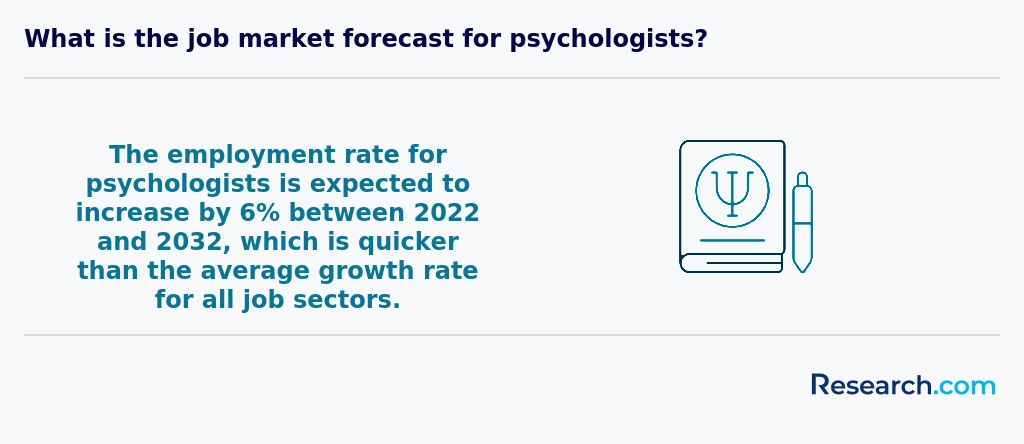
Graduates with an online psychology degree in Texas find themselves well-positioned for a range of fulfilling career paths. Many from popular schools like the University of Texas or Texas A&M begin by pursuing licensure to become psychologists or counselors, appreciating the deep impact they can have on individual lives and communities. Such roles demand further graduate study but reward graduates with meaningful, independent practice opportunities in Texas, which has over 16,000 licensed professionals.
Others discover the value of their psychology background in human resources roles within large Texas corporations or government agencies, where their insights into human behavior improve recruitment and employee relations. These graduates often share how their degree helped them connect more authentically with colleagues and foster positive workplace cultures-an uplifting experience that drives continued career growth.
Further options include social work, rehabilitation counseling, and case management, areas where many online psychology degree careers in Texas graduate find purpose by supporting those with disabilities or emotional challenges. Finally, some graduates pursue organizational development or market research, using their skills to analyze behavior and business strategies for companies. For those planning their educational expenses, institutions in Texas offer competitive tuition rates, and exploring resources like the Inexpensive Psychology Degree Programs Ranking in Minnesota can provide useful comparisons.
The job market for graduates with an online psychology degree in Texas continues to grow in promising ways. Many graduates from well-known institutions in the state find opportunities as behavioral health technicians or social service assistants, gaining practical experience in therapy offices or community centers around cities like Dallas and Austin. Their stories often highlight the importance of understanding state licensure requirements, which typically necessitate further graduate education and supervised experience. Those who advance toward becoming licensed counselors or psychologists enjoy a steady demand fueled by Texas's expanding healthcare networks and rising public awareness of mental health.
Employment opportunities for psychology graduates Texas benefits from the state's population growth and targeted investments in mental health services. Graduates appreciate the affordability and flexibility of programs, contrasting them with higher tuition costs elsewhere. Many have leveraged connections to local universities and healthcare employers, discovering that tailoring their studies through affordable online programs, such as those offered by top online universities with national accreditation, enhances their job prospects.
2027 Most Affordable Online Bachelor's in Psychology Degree Programs Ranking in Texas
Investing in your education is a significant decision that can shape your future, and the Research.com team recognizes the importance of making well-informed choices. To support prospective students seeking affordable online bachelor's degrees in psychology in Texas, we have carefully developed the "2027 Most Affordable Online Bachelor's in Psychology Degree Programs Ranking in Texas." Our dedication to quality, credibility, and accuracy is demonstrated through rigorous research and thorough data analysis.
We utilized the following reputable data sources to ensure a comprehensive evaluation of programs:
By reviewing this ranking, readers will gain valuable insights into affordable, accredited online psychology programs in Texas, empowering them to choose the best educational path for their goals. For more information on how this ranking was created, please visit our Research.com methodology page.





Frequently Asked Questions About psychology
Online psychology degree students in Texas can maximize their learning by creating a structured study schedule that aligns with their personal and professional commitments. Regular engagement with course materials and active participation in virtual discussions enhance comprehension and critical thinking skills. Utilizing Texas-specific resources, such as the Texas Psychological Association, can provide networking opportunities and up-to-date industry insights. Students should take advantage of university-provided tutoring and academic advising services to stay on track. Additionally, gaining experience through online internships or volunteer work in Texas mental health organizations helps apply theoretical knowledge practically, boosting both skills and employability in the state's growing psychology job market.
Emerging niches within the psychology field reflect growing societal needs and advancements in technology. In Texas, one promising area is telepsychology, which leverages digital platforms to provide remote mental health services. This niche has expanded rapidly, especially since 2020, due to increasing demand for accessible care in rural and underserved regions of the state. Another growing specialty is forensic psychology, where professionals apply psychological principles within the legal system, a field supported by Texas' large criminal justice system.
Additionally, health psychology, focusing on how behavior affects well-being, is rising in demand amid public health concerns. Industrial-organizational psychology also continues to grow, helping businesses improve employee satisfaction and productivity. According to the American Psychological Association, these niches offer diverse career paths and reflect current trends in psychology education and employment.
After earning an online psychology degree in Texas, preparing for the job market involves a mix of strategic planning and practical experience. First, graduates should seek internships or volunteer opportunities related to psychology, as Texas employers often value hands-on experience alongside academic credentials.
Networking is crucial. Joining Texas-based professional organizations, such as the Texas Psychological Association, helps build connections and learn about local job openings.
It is important to understand state licensure requirements, especially for roles requiring clinical practice. Texas licenses psychologists through the Texas State Board of Examiners of Psychologists, with specific post-degree requirements to meet.
Finally, consider enhancing skills with certifications in areas like counseling or behavioral analysis, which may boost employability in Texas's growing healthcare and social services sectors.
Employers in Texas seek specific skills in graduates with online psychology degrees to meet the state's diverse workforce needs. Critical thinking and analytical abilities are essential, enabling graduates to evaluate research, interpret data, and apply psychological theories effectively.
Strong communication skills, both written and verbal, are highly valued. Employers expect graduates to convey complex psychological concepts clearly to clients or colleagues. Cultural competence is also crucial in Texas's varied population, helping professionals work effectively across different communities.
Additionally, ethical decision-making and understanding confidentiality laws, aligned with Texas state regulations, are vital for psychology roles. Familiarity with digital tools and telepsychology practices is increasingly important, especially given the growth of online mental health services. According to the Bureau of Labor Statistics, Texas employs over 10,000 psychologists, reflecting strong demand for these competencies.
Finding internships in Texas related to a psychology degree requires targeted research and leveraging local resources. Many universities in Texas have partnerships with hospitals, clinics, and mental health organizations offering practical experience. The Texas Psychological Association and Texas Counseling Association regularly list internship and volunteer opportunities. You can also explore healthcare systems like Texas Health Resources and community mental health centers across the state.
According to the U.S. Bureau of Labor Statistics, Texas employs over 30,000 psychologists, creating diverse internship options. Students should use their university's career services, which often connect them with Texas-based placements matching degree requirements. Networking through professional organizations increases chances of securing quality internships.
Obtaining an online psychology degree in Texas offers significant advantages for career mobility and advancement. The state's growing demand for mental health professionals, with the Texas Workforce Commission projecting a 20% increase in psychologist jobs through 2030, supports expanded opportunities.
Online degrees accredited by recognized bodies, such as the American Psychological Association (APA) or regionally accredited institutions, ensure graduates meet Texas licensing requirements. This accreditation is crucial for those pursuing licensure as Licensed Professional Counselors (LPC) or psychologists.
Moreover, an online degree allows working professionals flexibility, enabling them to gain experience while studying, which enhances resumes and improves promotion prospects within healthcare, education, or human services sectors.
Studying for a psychology degree online in Texas equips students with skills applicable across multiple disciplines. Texas universities emphasize collaboration between psychology and related fields such as social work, education, and healthcare. This fosters a broad understanding of human behavior in various contexts.
Programs often integrate coursework on communication, research methods, and ethical practices relevant to interdisciplinary teams. For example, the Texas Higher Education Coordinating Board highlights that psychology graduates gain critical thinking skills valued in diverse sectors.
Additionally, Texas' growing healthcare and technology industries provide ample opportunities for applied learning, preparing students to work effectively alongside professionals from different backgrounds.
When choosing between a thesis and a non-thesis psychology degree program online in Texas, consider your career goals first. A thesis program requires conducting original research and writing a detailed paper, which is ideal for students aiming for graduate school or research careers. Non-thesis programs often focus more on coursework and practical skills, making them suitable for those seeking immediate employment.
Texas universities like Texas A&M and University of Houston offer both options, with thesis paths typically demanding an additional semester to complete. According to the Texas Higher Education Coordinating Board, thesis graduates have higher acceptance rates into doctoral programs. Examine your learning style and post-graduation plans carefully before deciding.
Students based in Texas who wish to study psychology abroad while enrolled online have several options, though direct international online psychology degrees are limited in availability. Most accredited psychology programs in Texas are offered by local universities with strong online components rather than fully international setups.
Many Texas institutions encourage study abroad through exchange programs or combined degree efforts, but these typically require some on-campus or in-country participation. The Council for Higher Education Accreditation emphasizes the importance of choosing programs accredited by the American Psychological Association or regional bodies, which are less common in foreign online formats.
As of 2023, Texas boasts over 25 universities offering online psychology degrees, but for overseas study interests, students often look at hybrid models or international trips supplementary to Texas-based online courses. This approach helps fulfill licensure requirements and practical experience needed for psychology careers.
Students pursuing an online psychology degree in Texas can benefit from several part-time job opportunities that complement their education. Common roles include behavioral health technician, case manager assistant, and research assistant in university psychology departments. These positions enable hands-on experience with mental health practices and research methodologies.
Behavioral health technician roles in Texas often support individuals with mental health challenges and pay around $13 to $17 per hour, according to the Texas Workforce Commission. Serving as a research assistant in psychology labs provides exposure to data collection and analysis, skills crucial for advanced studies.
Additionally, Texas offers internships through community centers and nonprofits focused on mental health, which count as practical experience for many degree programs. These jobs not only build professional networks but also enhance understanding of counseling and behavioral interventions.
Online psychology students in Texas have a variety of networking opportunities that support their academic and professional growth. Many Texas universities offering online psychology degrees provide virtual career fairs, webinars, and student organizations focused on psychology. These initiatives allow students to connect with peers, faculty, and professionals in the field without being on campus.
Additionally, Texas hosts several statewide and regional psychology conferences, such as those organized by the Texas Psychological Association, where online students can participate either virtually or in person. Joining professional groups like Psi Chi, the international honor society in psychology, is another avenue for networking and gaining mentorship. According to the Bureau of Labor Statistics, Texas employs over 15,000 psychologists, offering ample local professional connections for graduates.
Alumni networks provide significant benefits for students pursuing online psychology degrees in Texas. These networks connect current students with graduates who have professional experience in the state's psychology field, offering valuable mentorship and career guidance.
Texas has one of the largest populations of licensed psychologists in the U.S., making these connections important for job placement and internships. According to the Texas Behavioral Health Executive Council, networking often leads to local opportunities not widely advertised.
Through alumni groups, students gain access to job boards, workshops, and local events tailored to Texas psychology professionals. These resources can enhance employability and keep students informed of licensing requirements unique to the state.
Moreover, alumni networks foster a sense of community, encouraging ongoing professional development and collaboration within the psychology sector in Texas.
Customizing an online psychology degree in Texas allows students to align their studies with specific career goals. Many Texas universities offer elective courses in areas such as clinical psychology, counseling, or industrial-organizational psychology. By selecting these electives, students can gain targeted knowledge relevant to their desired job roles.
Additionally, some programs provide opportunities for internships or practicum experiences, which help build practical skills and local professional connections. Texas institutions often collaborate with community organizations to facilitate these placements.
Students should also consider programs accredited by the American Psychological Association (APA) or regional accrediting bodies to ensure quality education and smooth licensure processes.
Online psychology students in Texas often face challenges balancing coursework with personal and professional responsibilities. Many learners juggle jobs and families while studying, which can impact their time management and focus. Technical difficulties also arise, such as unreliable internet connections or unfamiliarity with online learning platforms.
Additionally, access to quality internships and practicum experiences may be limited for remote students, which are essential for hands-on training in psychology programs. According to the Texas Higher Education Coordinating Board, around 30% of online students report difficulty finding local supervised placements.
Finally, some students experience feelings of isolation and limited peer interaction, which can affect motivation and engagement in their studies.
With an online psychology degree in Texas, graduates can pursue several professional certifications that enhance career prospects. Common certifications include the Certified Alcohol and Drug Counselor (CADC), which is popular due to Texas's strong emphasis on substance abuse treatment careers. Additionally, becoming a Licensed Psychological Associate (LPA) is a pathway for those who plan to work under the supervision of a licensed psychologist.
Many students also seek certification as a Certified Rehabilitation Counselor (CRC), which supports work in vocational and disability counseling. For those interested in school settings, the Texas Education Agency offers certifications linked to counseling roles.
Note that requirements vary, often including supervised experience and passing state exams. The Texas State Board of Examiners of Psychologists is a key resource for up-to-date credentialing information.
Writing a winning application for an online psychology program in Texas requires careful preparation. First, highlight your academic background, especially any coursework in psychology or related fields. Texas schools often look for a minimum GPA around 3.0, though this varies by institution. Including relevant experience, such as internships or volunteer work in mental health settings, strengthens your application.
Personal statements should clearly explain your motivation for studying psychology online and how it aligns with your career goals. Be specific about why you chose a Texas-based program.
Lastly, secure strong letters of recommendation from professors or employers familiar with your skills. According to the Texas Higher Education Coordinating Board, applicants with well-rounded profiles tend to have higher acceptance rates.
The field of psychology is recognized worldwide as a vital discipline with growing career opportunities. In the United States, including Texas, psychology careers are expected to grow by 8% from 2021 to 2031, faster than the average for all occupations, according to the U.S. Bureau of Labor Statistics.
Globally, psychologists often address similar issues such as mental health, cognitive development, and behavior, but career requirements differ. In Texas, an online psychology degree can prepare students for licensure-required roles like Licensed Professional Counselor or School Psychologist.
The Texas Workforce Commission reports that demand for mental health professionals is strong, reflecting a global emphasis on wellness and psychological services. Pursuing an online degree in Texas offers flexibility while meeting state educational standards that align with worldwide professional practices.
Students pursuing an online psychology degree in Texas can gain practical experience through internships, practica, and volunteer opportunities. Many Texas universities partner with local healthcare facilities, schools, and community organizations to offer supervised placements that meet state education requirements.
Online programs often require or encourage field experience to prepare students for licensure and employment. The Texas Behavioral Health Executive Council provides guidelines for clinical hours if students intend to pursue professional counseling licenses.
Additionally, virtual internships and remote research assistant positions are becoming increasingly common, providing flexibility for online learners. Students should consult their program advisors to identify approved sites and opportunities.
Choosing the right concentration within an online psychology degree program in Texas involves understanding your career goals and the local job market. Texas offers diverse psychology fields, including clinical, counseling, industrial-organizational, and forensic psychology. For example, clinical and counseling psychology are in high demand, supported by Texas workforce data showing growth in mental health professions through 2030.
Consider accreditation status, such as programs recognized by the American Psychological Association (APA) or the Texas Psychological Association, which ensure quality education.
Research potential career paths tied to each concentration, including licensing requirements unique to Texas. Some areas, like school psychology, require specific state certification.
Finally, review curriculum flexibility and practicum opportunities, as hands-on experience strengthens job prospects within the state's competitive psychology sector.
- 2027 Most Affordable Online Bachelor's in Psychology Degree Programs Ranking in Kansas
- 2027 Most Affordable Online Bachelor's in Psychology Degree Programs Ranking in Missouri
- 2027 Most Affordable Online Bachelor's in Psychology Degree Programs Ranking in Colorado
- 2027 Most Affordable Online Bachelor's in Psychology Degree Programs Ranking in Arizona
- 2027 Most Affordable Online Bachelor's in Psychology Degree Programs Ranking in Alabama
- 2027 Most Affordable Online Bachelor's in Psychology Degree Programs Ranking in Georgia
- 2027 Most Affordable Online Bachelor's in Psychology Degree Programs Ranking in Florida
- 2027 Most Affordable Online Bachelor's in Psychology Degree Programs Ranking in Iowa
- 2027 Most Affordable Online Bachelor's in Psychology Degree Programs Ranking in Illinois
- 2027 Most Affordable Online Bachelor's in Psychology Degree Programs Ranking in Virginia
See What Experts Have To Say About Studying Psychology
Read our interview with Psychology experts

Robin M. Kowalski. Ph.D.
Psychology Expert
Professor of Psychology
Clemson University

Joann Farrell Quinn, Ph.D., MBA
Psychology Expert
Director at the College of Medicine Department of Medical Education
Morsani College of Medicine

Catherine Caldwell-Harris, Ph.D.
Psychology Expert
Associate Professor of Psychology
Boston University

- 2025 Most Popular Online Psychology Degrees in Texas https://www.onlineu.com/degrees/psychology/texas
- A Guide to Psychology Internships | Psychology Degree Guide https://psychologydegreeguide.org/resources/internships/
- The right track: Participation and progression in psychology career paths https://www.nuffieldtrust.org.uk/research/the-right-track-participation-and-progression-in-psychology-career-paths
- Alumni Perspectives - Meet Our FPN Alumni https://www.aanmelder.nl/alumni-perspectives-june-2023
- Psychology (BS) https://www.etamu.edu/programs/psychology-bs/
- Study Psychology Abroad | Go Overseas https://www.gooverseas.com/study-abroad/psychology
- Have You Found a Niche? https://www.apaservices.org/practice/business/marketing/building/niche
- Bachelor of Arts in Psychology https://www.concordia.edu/academics/school-of-humanities-and-social-sciences/psychology.html
- Society for the Teaching of Psychology https://teachpsych.org/page-1784686/8675326
- Online Psychology Programs in Texas: Review Top Schools https://www.degreesforgood.org/online-degrees/psychology-programs/texas/


