
2027 Most Popular Psychology Degree Programs Ranking in San Antonio

Co-Founder and Chief Data Scientist
If you're considering a psychology degree in San Antonio, choosing the right program can feel overwhelming. To help, this article presents the 2027 Most Popular Psychology Degree Programs Ranking in San Antonio, created by the Research.com team of data scientists. This ranking highlights programs that stand out for quality and popularity, making your decision easier.
Reading this article will give you clear insights into the best options available, helping you find a program that fits your goals and passions. Earning a psychology degree opens doors to meaningful careers and personal growth. Let's explore the top choices together.
Key benefits of getting psychology degree in San Antonio
- Psychology degree graduates in San Antonio can earn competitive salaries, such as $62,370 annually for Clinical Research Associates or $83,190 for Marketing Research Analysts, providing strong financial motivation.
- Graduates from local universities often pursue diverse careers, including human resources, marketing research, and clinical studies, allowing for exciting flexibility and growth in various fields.
- Online psychology degrees offer convenience and accessibility, helping San Antonio students balance work and study while gaining credentials that open doors to rewarding careers.
- 2027 Most Popular Psychology Degree Programs Ranking in San Antonio
- What can I expect from psychology degree in San Antonio?
- Where can I work with psychology degree in San Antonio?
What can I expect from psychology degree in San Antonio?
When it comes to the cost of studying psychology in San Antonio, you'll find that it's pretty reasonable-especially if you're looking at public schools like the University of Texas at San Antonio (UTSA). Many students enjoy the advantage of in-state tuition, which keeps expenses manageable compared to private colleges. Graduates often share how grateful they felt for financial aid options and scholarships that made the whole experience less stressful on their wallets.
Private universities like St. Mary's and Our Lady of the Lake offer great programs too, but their tuition can be a bit higher. Still, students often say the quality of teaching and access to internships with local healthcare providers totally make it worth it. Plus, with San Antonio's strong job market for psychologists, many feel confident that the investment pays off quickly after graduation.
So, whether you're budgeting for UTSA's more affordable rates or a private school's fees, there's a solid support system to help keep your psychology degree within reach here in San Antonio.
Where can I work with psychology degree in San Antonio?
If you're studying psychology in San Antonio, you'll find tons of places eager to hire grads like you. Many start out in hospitals or mental health clinics-think University Hospital or CHRISTUS Santa Rosa Health System-working as behavioral health techs or case managers. It's a great way to get hands-on experience while making a real difference.
Graduates from popular local schools, like the University of Texas at San Antonio, often talk about landing roles with local government agencies too. Places like the Bexar County Juvenile Probation Department use psychology knowledge to help youth and families, which feels rewarding if you love that "helping people" vibe.
The San Antonio school system is also a big employer, especially if you get certified as a school counselor or behavioral specialist. Many grads find these jobs super fulfilling because they get to work directly with students and make an impact every day.
Plus, if you vibe with the corporate world, companies here want your insight for things like marketing research or HR. Your degree opens doors all over San Antonio, whether you want to stick close to campus or dive into the city's growing job scene.
If you're thinking about earning a psychology degree in San Antonio, you might wonder what kind of paycheck you can expect. Graduates often find themselves in roles like Human Resources Specialists, with a mean annual wage around $76,060, or Marketing Research Analysts, who make about $83,190 a year. These jobs are great options for those who studied psychology at local schools like the University of Texas at San Antonio or St. Mary's University.
Some grads land gigs as Clinical Research Associates or Survey Researchers, each earning around $62,370 annually. Picture finishing your degree and stepping into a role where you help analyze data or support clinical trials-pretty rewarding and not bad on the wallet either.
Others might start out in positions like Childcare Workers, with an annual wage near $32,070, often gaining valuable experience while exploring future career moves. Many students appreciate how local demand in San Antonio lets them grow their earnings as they gain more experience or pursue advanced degrees. It's encouraging to know the city's job market supports a wide range of psychology-related careers with solid salaries that can improve over time.
- Annual tuition for a bachelor's degree in psychology in San Antonio ranges from $8,000 to $12,000 at public universities and can exceed $20,000 at private schools.
- Psychology graduates can expect starting salaries between $40,000 and $50,000, with advanced degrees raising potential earnings above $70,000 in specialized roles.
- Psychology jobs in San Antonio are projected to grow approximately 10% over the next decade, matching the national employment growth rate.
- Major employers include healthcare, education, and social assistance sectors, offering roles in clinical psychology, counseling, and organizational psychology.
- Licensing in Texas requires graduate education and supervised experience for clinical practice, which is important for career planning.
If you're thinking about studying psychology in San Antonio, here's the scoop on how long it usually takes. For most undergrad students at places like the University of Texas at San Antonio (UTSA), finishing a Bachelor's degree in psychology typically takes about four years. You'll be diving into around 120 to 130 credit hours covering everything from core psych classes to some electives-pretty manageable if you're studying full-time.
Graduates from San Antonio schools often share how a Master's degree added about two more years, especially if they wanted to specialize in areas like counseling or industrial-organizational psychology. That's roughly 30 to 60 credit hours depending on your program and thesis work.
Going for a PhD or PsyD? That's a bigger commitment-around 4 to 7 years after your bachelor's. Many find themselves exploring options outside San Antonio or online because local doctoral programs are limited. The good news is, if you're motivated like many fellow students, these timeframes make your goal feel totally within reach.
Beyond academics, the overall college experience in San Antonio plays a significant role in shaping a well-rounded education. Prospective psychology students should consider the vibrant campus culture, extracurricular opportunities, and active student organizations that foster community engagement, collaboration, and personal growth. Many institutions offer mentorship programs, networking events, and career fairs that connect students with professionals in the field-essentials for both personal development and future employment. Additionally, a lively campus environment can provide unique opportunities to participate in psychology clubs, research groups, and community service initiatives that enrich the learning experience. For those considering flexible learning options, you might also explore our ranking of the best texas online psychology degrees to compare how online programs balance rigorous academics with supportive virtual communities. This holistic approach not only deepens your academic knowledge but also nurtures critical soft skills, ultimately preparing you for success in both professional and personal arenas.
If you're thinking about studying psychology in San Antonio, figuring out whether to go online or on-campus is a big deal. On-campus programs at places like the University of Texas at San Antonio or Trinity University mean you're right where the action is. You get to sit in classrooms, chat face-to-face with professors, and meet classmates who become study buddies or future colleagues. Graduates often talk about how much they loved the hands-on vibe-using counseling labs or jumping into internships helped them feel ready for real-world work.
Online degrees, though, are perfect if you need flexibility. Many local schools offer fully online psychology courses, letting you work on your own schedule while juggling life stuff like jobs or family. Students appreciate not having to commute or pay campus fees, which makes the whole thing cheaper. Some grads mention missing the in-person buzz but found cool hybrid options that mix online classes with local practicum experiences, so they still got clinical practice close to home.
Obtaining licensure is a critical step for psychology graduates in San Antonio, TX who wish to practice professionally. In Texas, the Texas State Board of Examiners of Psychologists (TSBEP) regulates licensure, ensuring practitioners meet stringent educational and experiential standards. 1. Educational Credentials • Earn a doctoral degree in psychology from an APA-accredited or regionally accredited institution. Many students expedite this process by choosing a fast psychology degree that meets Texas educational requirements while reducing time to completion. • Submit official transcripts to TSBEP for verification of coursework in core areas such as assessment, ethics, and research methodology. 2. Supervised Experience • Complete at least 3,000 hours of supervised experience: 1,500 pre-doctoral and 1,500 post-doctoral. • Supervision must be conducted by a licensed psychologist in Texas, with detailed logs and supervisor evaluations submitted to TSBEP. 3. Examination Requirements • Pass the Examination for Professional Practice in Psychology (EPPP) with a minimum score as defined by the Association of State and Provincial Psychology Boards (ASPPB). • Pass the Texas Psychology Jurisprudence and Ethics Examination, which assesses knowledge of state laws, rules, and professional ethics. 4. Application and Fees • Submit a completed application packet, including verification of education, supervised experience affidavits, exam scores, and the application fee. • Applications typically take 4–6 weeks for board review; applicants should monitor their TSBEP online portal for status updates. 5. Continuing Education and Renewal • Once licensed, psychologists must complete 20 hours of continuing education annually, including 4 hours in ethics. • License renewal occurs every two years; psychologists should track deadlines and required coursework to maintain active status. Understanding and planning for these licensure requirements early in your academic career will streamline your path from graduation to independent practice, ensuring you meet all legal and professional standards to serve clients effectively in San Antonio and beyond.
When it comes to the average cost of a psychology degree in San Antonio, you're looking at a total median price around $32,106 for in-state students. That's a solid figure reflecting what many graduates from popular programs experience after finishing their degrees at places like the University of Texas at San Antonio or the University of the Incarnate Word. These students often mention how the cost balances well with the quality of education and resources available locally. It's real reassurance knowing that you can get a respected psychology degree here without racking up huge debt.
While public universities offer more budget-friendly tuition rates, private schools tend to be on the higher side-sometimes doubling the price-but they also include perks like smaller class sizes and more personalized attention. Alongside tuition and fees, students should keep in mind additional costs for books and living expenses, which can add up but vary depending on personal choices and campus life.
Many students find that exploring financial aid, scholarships, and in-state benefits helps a lot in managing the overall expenses. If you want to explore more, you can check the popular psychology colleges in the area, which give a great snapshot of schools, costs, and what to expect during your studies in San Antonio.
Graduates aiming to practice in Texas must complete these steps:
- Earn a doctoral degree in psychology from a regionally accredited, APA-accredited program.
- Complete at least 3,500 hours of supervised experience (predoctoral and postdoctoral).
- Pass the national Examination for Professional Practice in Psychology (EPPP).
- Pass the Texas Jurisprudence Examination on state laws and ethics.
- Apply for licensure through the Texas State Board of Examiners of Psychologists.
For flexibility in meeting educational requirements, explore an accelerated psychology degree online.
If you're studying psychology in San Antonio, there's a good mix of financial aid options that can really ease the money stress. Most students start with FAFSA to unlock federal aid like Pell Grants, which are pure gold because you don't have to pay them back. Lots of folks attending University of Texas at San Antonio or Trinity University have shared how Texas Grants helped cover a big chunk of their tuition, making the whole college vibe way less overwhelming.
Scholarships are another great boost-like those from the Psi Chi Honor Society or specific psychology department awards at local schools. Graduates often mention how landing a scholarship not only helped fund their studies but pumped up their confidence too. Plus, there are federal loans with decent terms if you need them, and many students find on-campus work-study gigs or research assistantships that pay while giving real-world experience.
Veterans also get support through the GI Bill, which is accepted at many San Antonio colleges, so it's definitely worth checking out if that's your path. Overall, the financial aid scene here is friendly and wide-ranging, helping students focus more on their psychology passion and less on the bills.
When considering a psychology degree in San Antonio, TX, students have the opportunity to explore a variety of programs that align with their interests and career aspirations. Each program offers unique pathways and practical applications, which can significantly enhance a graduate's employability and expertise in the field. For those interested in pursuing a psychology degree, understanding the nuances of each program is crucial. Students can find more information on popular psychology colleges to make informed decisions about their education and future careers. Factors such as accreditation, institutional reputation, practical experience, and curriculum specializations should be carefully evaluated to ensure the chosen program meets individual goals and expectations. By doing so, students can set themselves on a path to success in the field of psychology, leveraging their knowledge and skills to make a meaningful impact in their chosen career path.
If you're aiming to enroll in a psychology degree program in San Antonio, you'll usually need a high school diploma or GED as your starting point. Many local schools, like those popular community colleges and universities here, expect a solid GPA-around 2.5 to 3.0-to make sure you're ready for the coursework. Graduates often mention that showing you've taken classes in biology, statistics, or English before applying helped them feel confident during their first semesters.
Official transcripts are a must, and while some schools used to require SAT or ACT scores, a lot of places around San Antonio now follow test-optional policies, making it a bit easier to apply.
If you're thinking about grad school in psychology here, getting a bachelor's degree first is key. Many say having a background in psych or related courses makes the application smoother, and you'll likely need letters of recommendation and a personal statement to share your passion. It's all part of making your dream of studying human behavior in San Antonio come true!

When planning for a psychology degree, understanding regional cost variations can guide your budget and scholarship strategy. In San Antonio, in-state tuition at public universities averages around $7,070 per year, while private institutions may charge up to $32,954 annually. By contrast, neighboring regions like Kansas City often feature more competitively priced programs-explore our Cheapest Psychology Degree Programs Ranking in Kansas City, MO to see how lower tuition rates and reduced living expenses can impact your overall investment. Beyond base tuition, factor in living costs-San Antonio’s student-friendly housing can range from $600 to $1,200 per month, whereas Kansas City offers shared apartments for as low as $500 monthly. Textbooks and materials typically add $1,000–$2,000 per year in both cities, but active comparison of institutional resources (e.g., free online libraries, digital subscriptions) can yield significant savings. To maximize affordability, leverage both federal and state grants, institutional scholarships, and work-study programs. San Antonio students often tap into the Texas Educational Opportunity Grant, while Kansas City learners may find regional foundations offering need-based awards. Regularly reviewing out-of-state and online options, such as hybrid courses with reduced campus fees, can further lower your costs without sacrificing program quality.
If you're diving into a psychology degree in San Antonio, expect to start with foundational courses like General Psychology. Graduates often share how this class gave them that "aha" moment, making sense of why people think and behave the way they do. It's a perfect way to get your feet wet with big ideas and classic studies.
Next up, you'll probably explore things like Developmental Psychology, which helps you understand how people change from babies to seniors. Many students at popular schools in San Antonio find this course super eye-opening because it connects theory to everyday life, like observing how kids at family gatherings grow and learn.
Social Psychology is another favorite, unpacking how people influence each other in groups - think of it like decoding the dynamics at parties or work meetings. Then there's Research Methods and Statistics for Behavioral Sciences, which some might dread at first but end up loving once they see how these skills help you design studies or make sense of real data.
San Antonio universities also emphasize courses in Abnormal Psychology and Cognitive Psychology, letting students explore mental health issues and brain functions in ways that really connect to the city's diverse community needs. Plus, some programs include local twists like cultural psychology and community mental health, making your studies feel relevant and meaningful.
If you're diving into psychology degree specializations in San Antonio, you'll find some pretty cool options that fit all kinds of interests. Many students at local schools like the University of Texas at San Antonio focus on clinical psychology, which is perfect if you want to understand and treat mental health issues. Graduates often talk about how rewarding it is to help people through tough times, making their education feel truly meaningful.
Counseling psychology is another popular path, especially for those interested in supporting wellness and personal growth. It's common to hear from students who enjoyed the hands-on experience collaborating with community mental health centers here in San Antonio. Plus, industrial-organizational psychology is gaining buzz thanks to the city's business vibe-think applying psychology to workplace motivation and team dynamics, which opens doors in HR or training departments.
Some students explore other concentrations like forensic, developmental, or health psychology, each with unique opportunities nearby. If you want more ideas on specializations, check out this ranking of the best texas online psychology degrees for a bigger picture of what's out there.
Picking the best psychology degree in San Antonio means thinking about what fits your life and goals. Many graduates from UTSA love how flexible their online and in-person classes are-it lets them balance jobs and family while chasing their dreams. If you're all about finding affordable psychology colleges in San Antonio, look into in-state tuition options or programs with local scholarships. The University of Texas at San Antonio, for example, offers solid accreditation and faculty who dive deep into research on behavioral health, which many students find inspiring and helpful for real-world skills.
Another tip is to check out schools with great career support. Graduates often mention that having internships hooked up with San Antonio's healthcare and social service sectors gave them a huge leg up after graduation. And if you want something faster, you could explore a fast psychology degree to get started quickly. Choosing wisely means mixing what you want to study with how your life ticks here in San Antonio.

If you're thinking about what career paths are available for psychology degree in San Antonio, you've got a solid range to choose from. Many grads from local universities jump right into clinical psychology or counseling, working in hospitals or private practices where they get to make a real difference in people's lives. Others find their stride as school psychologists or counselors, supporting students in schools around the city-a role that's especially rewarding given San Antonio's diverse and growing student population.
There's also a bunch of interest in research, with graduates diving into projects at nearby universities or private research firms. They might study anything from brain behavior to health psychology, which is pretty exciting if you like digging into the science behind why people act the way they do. Plus, plenty of grads leverage their degrees in business sectors like human resources or marketing, where understanding people's behavior really pays off in the workplace.
Having options like these is a huge plus for anyone considering a psychology degree career options San Antonio, especially when you factor in the solid support network and opportunities waiting here. If you want to see how affordability stacks up against other cities, check out the Cheapest Psychology Degree Programs Ranking in Kansas City, MO for a helpful comparison.
- Clinical psychologist or licensed counselor
- School psychologist or counselor
- Behavioral research analyst
- Human resources specialist
- Organizational development consultant
The job market for a psychology degree in San Antonio is pretty solid, especially if you're looking at healthcare or educational roles. Graduates from popular local spots like the University of Texas at San Antonio often find work quickly as mental health therapists or school counselors because there's growing demand for these positions. If you're thinking about employment opportunities for psychology graduates San Antonio offers plenty, from public health programs to social services, which means you can really find your niche.
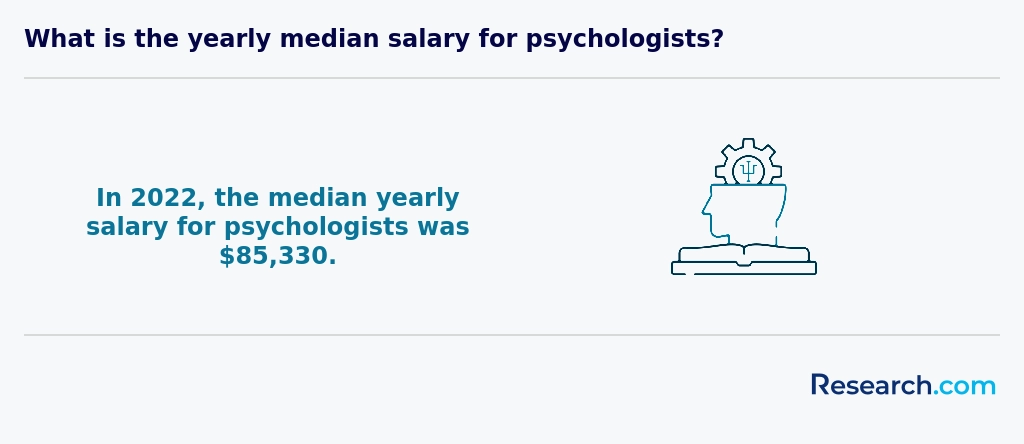
Many grads say that having a master's or doctorate opens more doors, making it easier to get those higher-paying positions in hospitals or specialized clinics. The pay might be around $85,000 on average-slightly below bigger cities-but tuition at San Antonio's public universities tends to be friendlier on the wallet. Plus, scholarships and grants help a bunch. If you want to save time and money, check out the best accelerated associate degrees available locally to jumpstart your path.
2027 Most Popular Psychology Degree Programs Ranking in San Antonio
Investing in your education is a significant decision that can profoundly impact your future, and the Research.com team recognizes the importance of making well-informed choices. To support prospective students in San Antonio, we have carefully developed the "2027 Most Popular Psychology Degree Programs Ranking in San Antonio." Our dedication to quality, credibility, and accuracy is demonstrated through rigorous research and data analysis conducted to create this reliable ranking.
We utilized the following reputable data sources to ensure a thorough assessment of psychology degree programs:
By exploring this ranking, readers will gain valuable insights into the most popular psychology degree programs in San Antonio, enabling them to make confident and well-supported decisions about their educational journeys. For a detailed explanation of our ranking process, please visit our Research.com methodology page.




Frequently Asked Questions About psychology
Psychology degree students in San Antonio can maximize their learning experience by engaging deeply with both academic and practical opportunities. Local universities, such as the University of Texas at San Antonio (UTSA), offer research labs where students can participate in ongoing psychological studies, enhancing their understanding beyond classroom lectures. According to UTSA, involvement in research correlates with higher GPA and better post-graduate outcomes.
Additionally, students should seek internships at San Antonio's mental health clinics or hospitals, gaining hands-on experience in clinical settings. Networking with local professionals through community events or psychology organizations enriches learning and career prospects.
Utilizing city resources alongside coursework helps students apply theories in real-world situations, strengthening skills for future careers.
The psychology field is rapidly evolving, with several emerging niches gaining prominence in San Antonio and across the U.S. One key area is neuropsychology, which focuses on understanding brain-behavior relationships. With growing research funding, this niche offers promising career prospects.
Another expanding specialization is forensic psychology, especially relevant in San Antonio due to its proximity to legal institutions. This area blends psychology with the justice system, assisting in criminal investigations and legal decision-making.
Additionally, health psychology is gaining traction as more professionals address the mental aspects of chronic illness management. According to the Bureau of Labor Statistics, demand for specialized psychologists is projected to grow 14% by 2030.
To prepare for the job market after earning a psychology degree in San Antonio, graduates should focus on gaining practical experience through internships or research opportunities. Local hospitals, mental health clinics, and community centers often offer valuable placements.
Networking is crucial; joining professional organizations like the Texas Psychological Association can connect you with local professionals and job openings.
Many psychology roles require licensure or certification. Understanding Texas licensing requirements for psychologists and counselors early can help you plan further education or supervised experience.
According to the U.S. Bureau of Labor Statistics, San Antonio's employment of psychologists is expected to grow steadily, emphasizing the benefit of strong credentials and hands-on experience.
Employers in San Antonio highly value psychology graduates who demonstrate strong critical thinking and analytical skills. These abilities enable professionals to assess complex behavioral data and apply evidence-based approaches effectively. Communication skills are also essential, as psychology roles often require clear interaction with clients and interdisciplinary teams.
Additionally, proficiency in research methods and data interpretation is crucial, given the emphasis on scientific rigor in psychology careers. According to the Bureau of Labor Statistics, psychology-related jobs in Texas are projected to grow by 14% from 2022 to 2032, highlighting increasing demand for these skills.
Understanding cultural diversity stands out as another key competency, reflecting San Antonio's diverse population. Ethical judgment and confidentiality knowledge round out the core skills employers seek in entry-level psychology degree holders.
Finding internships in San Antonio related to a psychology degree involves strategic research and networking. Many local universities, such as the University of Texas at San Antonio (UTSA), offer internship placement assistance through their psychology departments. Students should explore opportunities in hospitals, mental health clinics, and community service organizations, which are abundant in the San Antonio area.
San Antonio hosts several healthcare providers like Methodist Healthcare and Christus Health, where psychology interns often gain practical experience. Additionally, the Texas Workforce Commission provides listings of internship openings, including psychology-related roles, which are updated regularly.
Joining professional associations, such as the Texas Psychological Association, can also help students connect with internship opportunities and mentors. Finally, use online platforms that focus on local internships while consulting academic advisors for leads specific to psychology practice and research.
A psychology degree in San Antonio can significantly enhance career mobility and advancement opportunities. According to the U.S. Bureau of Labor Statistics, employment of psychologists in Texas is projected to grow 10% from 2022 to 2032, which is faster than average. San Antonio's expanding healthcare and education sectors create demand for psychology professionals in clinical, counseling, and research roles.
Holding a psychology degree often opens doors to various positions beyond traditional psychology roles, including human resources, social services, and business management. Advanced degrees, such as a master's or doctorate, typically lead to higher salaries and leadership positions within these fields.
Local organizations and hospitals in San Antonio value candidates with psychology backgrounds for roles requiring critical thinking and interpersonal skills, improving prospects for promotion. Data from the Texas Workforce Commission shows that professionals with psychology degrees earn approximately 15% more on average than those without similar educational backgrounds in the region.
Studying for a psychology degree in San Antonio provides strong preparation for interdisciplinary roles by offering coursework that integrates psychology with fields like healthcare, education, and business. Local universities often emphasize collaborative projects and practical experiences, helping students develop skills relevant to diverse professional settings.
San Antonio's growing healthcare sector provides opportunities for psychology students to engage in applied research and internships, enhancing their understanding of behavioral health in medical contexts. According to the U.S. Bureau of Labor Statistics, the demand for interdisciplinary psychologists in Texas is projected to grow by 15% through 2030, reflecting regional workforce needs.
These programs encourage critical thinking and communication skills, enabling graduates to work effectively with professionals from various disciplines.
Choosing between a thesis and a non-thesis psychology degree in San Antonio depends on your career goals and interests. A thesis program requires original research and a formal report, ideal for those aiming for doctoral studies or research careers. Non-thesis paths focus on coursework and practical skills, suited for students pursuing professional roles such as counseling or human resources.
San Antonio schools like the University of Texas at San Antonio offer both options, reflecting broader US trends where about 40% of psychology graduates choose thesis tracks. According to the National Center for Education Statistics, thesis programs typically require more time but provide stronger research experience.
Consider your long-term goals and consult academic advisors to determine which path aligns best with your ambitions in psychology.
Students in San Antonio interested in studying psychology abroad have several options through U.S. universities with international exchange programs. Many local institutions, such as the University of Texas at San Antonio, offer partnerships with universities worldwide. These programs allow students to spend a semester or year abroad while earning credits toward their psychology degrees.
Additionally, studying abroad can enhance understanding of global psychological practices and cultural diversity in mental health. According to the Institute of International Education, about 10% of psychology majors in the U.S. participate in study-abroad programs, reflecting a growing trend among San Antonio students seeking international experience.
Some students also consider full-degree options overseas, but commonly choose accredited U.S. psychology programs with study abroad components due to the streamlined transfer and licensure processes.
San Antonio offers several part-time job opportunities that align well with psychology degree studies. Positions such as mental health technician, behavioral therapy assistant, or research aide at local universities can provide practical experience. For example, the University of Texas at San Antonio (UTSA) often hires research assistants for psychology projects, giving students exposure to data collection and analysis.
Local hospitals and clinics, including the San Antonio State Hospital, also offer part-time roles supporting patient care, which can enhance understanding of clinical psychology.
According to the Texas Workforce Commission, social and human service assistants in San Antonio earn a median hourly wage of around $15, making these roles both relevant and financially viable for students.
Psychology students in San Antonio benefit from diverse networking opportunities that connect them with professionals and peers in the field. Local universities like the University of Texas at San Antonio offer psychology clubs and events fostering collaboration among students and faculty. These connections often lead to internships and research positions.
The San Antonio Psychological Association regularly hosts conferences and workshops, providing students access to licensed psychologists and industry experts. Participation in these events enhances professional contacts and career prospects.
Additionally, San Antonio's healthcare sector includes numerous mental health clinics and hospitals where students can volunteer or intern, gaining practical experience and expanding their professional network.
Alumni networks play a significant role in supporting psychology degree students in San Antonio by fostering professional connections. Graduates often provide mentorship, internships, and job referrals, which are crucial in a competitive job market. According to the National Association of Colleges and Employers, 85% of jobs are filled through networking. Local San Antonio universities, such as the University of Texas at San Antonio, have active alumni chapters that host networking events specifically for psychology majors.
These networks help students gain insight into regional mental health practices and emerging trends. They also provide access to research collaboration and continuing education opportunities. For students, alumni connections can smooth the transition from academic life to professional psychology roles within San Antonio's healthcare, education, and social services sectors.
Customizing a psychology degree program in San Antonio involves selecting specialized courses and internship opportunities that align with your career ambitions. Many local institutions offer concentrations such as clinical, counseling, or industrial-organizational psychology, enabling students to tailor their studies.
San Antonio schools often allow electives that focus on areas like neuropsychology or child development, which can enhance expertise in niche fields. Additionally, partnerships with healthcare facilities and community organizations provide practical experience, crucial for careers in therapy or research.
According to the Texas Higher Education Coordinating Board, psychology graduates in Texas have a strong employment rate within mental health services, emphasizing the value of relevant customization.
Psychology students in San Antonio face several common challenges during their studies. One significant issue is balancing demanding coursework with practical experience requirements. Many programs require internships or practicum hours, which can be difficult to coordinate alongside classes and part-time jobs.
Additionally, students often encounter financial obstacles. According to the National Center for Education Statistics, Texas has an average undergraduate tuition of over $10,000 per year, which can be burdensome without sufficient financial aid.
Another challenge is access to research opportunities. While San Antonio hosts reputable universities, competition for placements in psychology labs is strong, limiting hands-on experience vital for graduate school or career prospects.
Finally, mental health support for psychology students themselves can be limited, despite their focus on counseling skills.
With a psychology degree in San Antonio, you can pursue several professional certifications that enhance career prospects. Popular options include becoming a Licensed Professional Counselor (LPC), which requires completing a master's degree and supervised experience.
Other certifications such as Certified Addiction Counselor (CAC) or Board Certified Behavior Analyst (BCBA) are also available, depending on specialization. Earning credentials like these typically involves passing an exam and meeting state requirements set by the Texas Department of Licensing and Regulation.
The Texas Workforce Commission (2023) reports growing demand for mental health professionals in San Antonio, making certifications vital for job advancement and credibility in clinical, school, or counseling settings.
Writing a winning application for a psychology program in San Antonio begins with understanding the competitive nature of admissions. Local universities, such as the University of Texas at San Antonio (UTSA), emphasize a strong academic record, especially in courses like biology, statistics, and social sciences. Highlighting relevant volunteer or work experience in mental health settings can strengthen your application.
Crafting a clear and compelling personal statement is essential. Focus on your motivation for studying psychology, career goals, and any personal experiences that shaped your interest. Also, ensure your letters of recommendation come from faculty or supervisors familiar with your academic or professional abilities.
Standardized test scores, if required, should meet or exceed program averages; UTSA's psychology programs report an average GPA of around 3.3 among accepted students. Finally, carefully follow all application instructions and deadlines to avoid administrative disqualification.
Psychology careers in the United States, including San Antonio, are shaped by a growing global interest in mental health and human behavior. According to the U.S. Bureau of Labor Statistics, employment of psychologists is projected to grow 8% from 2022 to 2032, faster than average for all occupations. This aligns with worldwide trends emphasizing the importance of mental health awareness and treatment.
Globally, psychology professionals often collaborate across borders to address diverse cultural and social issues, but U.S. degrees, including those from San Antonio institutions, are highly regarded for their rigorous training. Students gain skills applicable in various international contexts, from clinical practice to research and organizational psychology.
San Antonio is home to several universities offering American Psychological Association (APA)-accredited programs, which adds weight to a psychology degree on a global scale. Graduates from these programs find opportunities not only locally but also globally, thanks to the recognized standards maintained by these accreditations.
Gaining practical experience while studying psychology in San Antonio is essential for building skills beyond the classroom. Many local universities, such as the University of Texas at San Antonio (UTSA), offer internship opportunities affiliated with hospitals, schools, and community organizations. These internships enable students to apply psychological theories in real-world settings under professional supervision.
Additionally, volunteering at mental health clinics or nonprofit organizations can provide valuable hands-on experience. According to the Texas Higher Education Coordinating Board, approximately 70% of psychology undergraduates in Texas participate in internships or practicums before graduation.
Joining research projects led by faculty members also helps students develop analytical skills and gain exposure to current psychological studies in San Antonio.
Choosing the right concentration within a psychology degree program in San Antonio involves assessing your career goals and interests. Popular concentrations include clinical, counseling, industrial-organizational, and developmental psychology. Each focuses on different aspects, from therapy and mental health treatment to workplace behavior and lifespan development.
Consider the local job market; the San Antonio metropolitan area saw a 10% growth in mental health counselor positions from 2020 to 2023 according to the Bureau of Labor Statistics. This suggests strong demand for clinical and counseling psychology graduates. Additionally, universities like the University of Texas at San Antonio offer specialized tracks aligning with regional workforce needs.
Review available faculty expertise, internship opportunities, and licensure pathways for each concentration. Accreditation by the American Psychological Association (APA) is essential if you plan to pursue clinical practice. Understanding these elements can help you make an informed decision tailored to your professional aspirations in San Antonio's psychology field.
- 2027 Most Popular Psychology Degree Programs Ranking in Tulsa
- 2027 Most Popular Psychology Degree Programs Ranking in Hattiesburg
- 2027 Most Popular Psychology Degree Programs Ranking in Springfield
- 2027 Most Popular Psychology Degree Programs Ranking in Mobile
- 2027 Most Popular Psychology Degree Programs Ranking in Birmingham
- 2027 Most Popular Psychology Degree Programs Ranking in Montgomery
- 2027 Most Popular Psychology Degree Programs Ranking in Lincoln
- 2027 Most Popular Psychology Degree Programs Ranking in Saint Louis
- 2027 Most Popular Psychology Degree Programs Ranking in Denver
- 2027 Most Popular Psychology Degree Programs Ranking in Phoenix
See What Experts Have To Say About Studying Psychology
Read our interview with Psychology experts

Robin M. Kowalski. Ph.D.
Psychology Expert
Professor of Psychology
Clemson University

Joann Farrell Quinn, Ph.D., MBA
Psychology Expert
Director at the College of Medicine Department of Medical Education
Morsani College of Medicine

Elizabeth L. Jeglic Ph.D.
Psychology Expert
Professor of Psychology
City University of New York

- Know more about thesis vs non- thesis: what is the difference? https://studyfans.com/en/blogs/816
- The University of Texas at San Antonio Psychology, General Major | 87% Acceptance Rate, ROI 64/100 https://www.gradgpt.com/the-university-of-texas-at-san-antonio/bachelors/psychology-general
- How To Find Psychology Internships https://www.psychology.org/resources/how-to-find-an-internship/
- What can I do with a psychology degree? https://www.hull.ac.uk/study/undergraduate/courses/psychology-bsc-hons/what-can-i-do-with-a-psychology-degree
- Why Get a Psychology Degree Online? | University of Bridgeport https://www.bridgeport.edu/news/reasons-to-get-your-psychology-degree-online/
- Psychology Online Degree Pathway https://www.learndirect.com/course/psychology-online-degree
- How Psychology Students Can Get Clinical Experience Before Graduating | The Playful Psychologist https://www.theplayfulpsychologist.com/post/students-experience-how-to-get-the-experience-you-need-before-you-graduate
- A Guide to Psychology Internships | Psychology Degree Guide https://psychologydegreeguide.org/resources/internships/
- Alumni Perspectives - Meet Our FPN Alumni https://www.aanmelder.nl/alumni-perspectives-june-2023
- Psychology, Bachelor of Science https://catalog.tamusa.edu/undergraduate/arts-sciences/health-behavioral-sciences/psychology-bs/


