
2027 Most Valuable Psychology Degree Programs Ranking in University

Co-Founder and Chief Data Scientist
Choosing the right psychology degree program is a big step toward a rewarding future. This article introduces the 2027 Most Valuable Psychology Degree Programs Ranking in University, created by the Research.com team of data scientists. Their careful analysis helps you identify programs that offer real value and opportunities.
Reading this ranking can guide you in making an informed decision about your education and career path.
A psychology degree opens doors to meaningful work and personal growth, making it a smart investment for your future.
Key benefits of getting psychology degree in University
- Salary for psychology degree graduates: Graduates often find rewarding roles like Human Resources Specialists earning around $76,060 annually or Marketing Research Analysts making about $83,190 per year, which shows promising financial stability.
- Career paths overview: A psychology graduate from a well-known university in University can explore diverse careers such as Clinical Research Associate or Survey Researcher, both earning an average wage near $62,370, offering a variety of fulfilling job options.
- Benefits of online psychology degrees: Earning a psychology degree online from a reputable university in University allows flexibility to balance work and study, making education more accessible and tailored to your personal pace and lifestyle.
- 2027 Most Valuable Psychology Degree Programs Ranking in University
- What can I expect from psychology degree in University?
- Where can I work with psychology degree in University?
What can I expect from psychology degree in University?
The average cost of earning a psychology degree at a university in the United States can vary widely but typically ranges from $25,000 to $50,000 per year for tuition alone at many well-known public and private institutions. Graduates often recall the initial financial challenge, especially at prestigious universities where tuition leans towards the higher end. However, many find this investment worthwhile due to the depth of knowledge and hands-on experience gained in areas like research methodology and clinical practicums.
For example, students at large state universities benefit from more affordable in-state tuition, making the degree more accessible without compromising quality. Those attending private colleges often highlight the value of smaller class sizes and closer faculty mentorship, which enhances their learning-even if costs are higher.
Beyond tuition, costs for textbooks, lab fees, and internships add up, so budgeting thoughtfully is key. Yet graduates frequently express that the combination of practical training, specialized courses, and career preparation at these universities genuinely justifies the expenditure, fueling optimism about future employment and professional growth.
Where can I work with psychology degree in University?
Graduates from psychology programs at renowned institutions in University, such as those attending the University of Illinois Urbana-Champaign or DePaul University, often find themselves stepping into a variety of meaningful career paths right after earning their degrees. Many begin in roles like case management or human resources assistant, where they apply their understanding of human behavior in real-world settings, experiencing the rewarding challenge of supporting individuals or organizational goals.
Others take pride in joining healthcare teams at clinics or hospitals, contributing as behavioral health technicians or crisis counselors. These roles, accessible with a bachelor's degree, allow graduates to witness firsthand the impact of psychological principles on mental health recovery, fostering a deep sense of fulfillment.
Education is another common avenue, where graduates become school counselors or academic advisors, blending their academic foundation with certifications to guide and inspire students. This is a calling that often brings excitement and purpose, especially at universities known for their strong educational psychology programs.
Business environments also welcome psychology graduates, who leverage their skills in market research or organizational behavior, making tangible differences in company culture and employee well-being. The blend of scientific insight and practical strategy often leaves graduates feeling both challenged and valued.
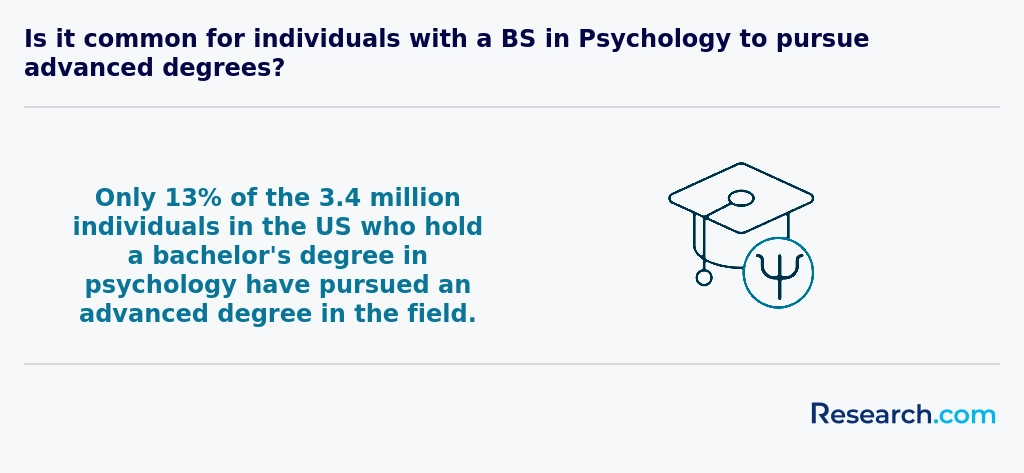
Finally, many choose to pursue advanced degrees, eager to expand their expertise into specialized roles. The journey through graduate programs can be demanding but immensely rewarding, opening doors to careers in clinical psychology or research that many found inspiring during their undergraduate studies in University.
Graduates from universities such as the University of Michigan or UCLA often find that their psychology degree opens the door to diverse career paths with varying pay scales. For example, many start in roles like human resources specialist, where the mean annual wage stands at around $76,060. This reflects a satisfying entry point for those eager to apply their understanding of human behavior in workplace settings.
Others with a passion for research may become marketing research analysts, earning a mean annual salary of approximately $83,190. Psychology knowledge proves invaluable in interpreting consumer data, making these graduates feel both challenged and rewarded in their careers.
Some graduates take roles as clinical research associates or survey researchers, each with a mean annual wage near $62,370. These positions often come from renowned psychology programs and provide hands-on experience with data collection and analysis, fostering a deep sense of accomplishment.
Meanwhile, those who choose to work with children sometimes begin as childcare workers, earning about $32,070 yearly, valuing the meaningful impact they create in young lives while gaining professional grounding.
- Psychology degrees in the U.S. usually take four years to complete, resulting in a Bachelor of Arts (BA) or Bachelor of Science (BS).
- Annual tuition costs vary, with public in-state universities charging $10,000 to $15,000 and private universities often exceeding $30,000.
- The median starting salary for psychology graduates is about $37,000 per year, increasing to $60,000-$80,000 for those with graduate degrees.
- Employment in psychology-related fields is projected to grow by 8% from 2022 to 2032, especially for clinical, counseling, and school psychologists.
- A bachelor's degree prepares students for roles in social services, human resources, market research, and education, though many psychology careers require graduate study or licensure.
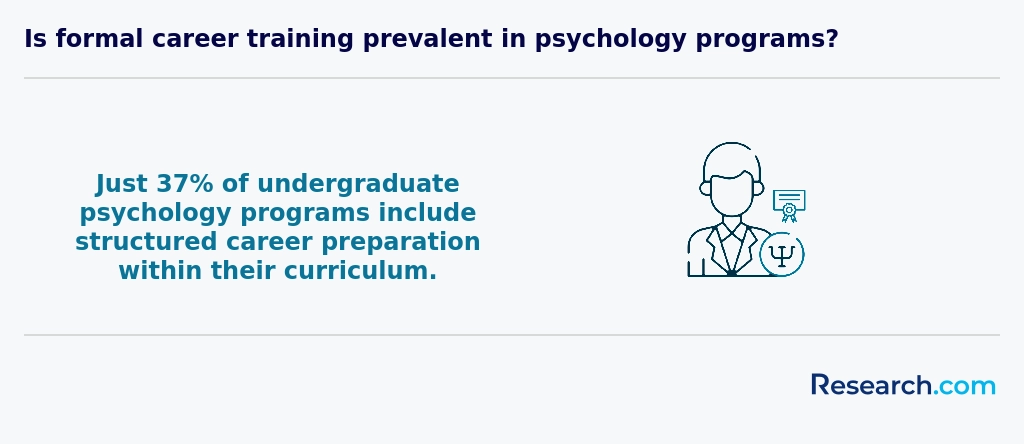
- University programs often include research projects and internships, which support graduate school applications and job prospects.
Completing a psychology degree at a university like UCLA or the University of Michigan usually begins with a four-year undergraduate journey immersed in courses ranging from cognitive psychology to research methods. Graduates often reflect on this time as both challenging and enriching, discovering foundational knowledge while forming close connections with professors and peers. Many recall balancing rigorous coursework with part-time jobs, making the experience deeply personal and rewarding.
For those pursuing a Master's degree in psychology at institutions such as Ohio State University, expect to add around two years. Alumni frequently describe this period as transformative, with advanced studies and practicum work deepening their understanding and practical skills. The commitment seems intense, but the sense of growth is palpable.
Doctoral programs, like those at Stanford or the University of Pennsylvania, can extend from 4 to 7 years. Graduates often share how integrating research, clinical internships, and dissertation work stretches the timeline but offers profound professional and emotional fulfillment. The journey may be lengthy, but the close mentorship and real-world experience are invaluable for future clinical or academic careers.
For many students, understanding how to maximize your educational journey is as important as choosing the right program. Beyond academic rigor, exploring student support services, career counseling, and alumni networking opportunities can be essential for future success. Prospective students are encouraged to investigate campus career centers and student organizations that offer mentorship and peer support throughout their academic experience. Moreover, leveraging online resources-such as the list of most affordable psychology degree online programs-can help in comparing program benefits, tuition costs, and internship opportunities to ensure you make a well-informed decision tailored to your career goals. This comprehensive approach not only enhances your academic performance but also prepares you to make meaningful professional connections in the field of psychology.
Graduates from universities like the University of Chicago often reflect on the distinct pace and environment of online psychology degrees compared to traditional on-campus programs. Online formats offer a freedom to study asynchronously, which suits those juggling jobs or family in University, fostering a sense of accomplishment through self-discipline and adaptability. The virtual interactions, while less spontaneous, create thoughtful discussions where students from diverse locations contribute unique perspectives.
Conversely, alumni from institutions such as the University of Michigan cherish the on-campus experience for its immediacy and depth. Face-to-face engagement with professors and peers brings energizing debates and swift feedback that can ignite passion in complex psychological theories. These programs also provide hands-on research opportunities and clinical hours - essential for licensure paths - that online formats sometimes cannot fully replicate.
Both formats demand rigorous academic standards backed by regional accreditation, yet the lived experience differs significantly, shaping how students connect with the material and their future careers.
Investing in a Psychology degree in University, MS requires a clear understanding of return on investment (ROI), which compares total program costs to post‐graduation earnings. On average, in-state tuition for a Bachelor’s in Psychology at public universities like the University of Southern Mississippi is approximately $9,580 per year, while out-of-state students may pay up to $33,467 annually. With graduating Human Resources Specialists earning a mean annual wage of $73,080 and Clinical Research Associates averaging $57,760, students can expect a break-even point-where cumulative salary gains offset tuition costs-in roughly 3–5 years, depending on residency and living expenses. Over a 30-year career, even conservative salary growth projections (3% annual increase) yield total earnings exceeding $2.5 million for those starting at $57,760. Comparing these figures against total educational expenses highlights the long-term financial benefits of a Psychology degree in University, MS. To benchmark affordability and maximize your ROI, you may also explore programs nationally-by reviewing the Low Cost Psychology Degree Programs Ranking in California, you can identify strategies for minimizing debt while maximizing earning potential.
The average cost of a psychology degree in University reflects a balance between educational quality and financial investment. Data shows that in-state students usually face a total expense near $9,772, while out-of-state students might pay around $43,500. Graduates from well-known universities in University often recall their years of study as both challenging and rewarding, highlighting that these costs encompass not just tuition but also books, supplies, and practicum fees essential for clinical training.
Many undergraduates attending reputable public universities benefit from in-state tuition rates that make pursuing psychology more accessible. Conversely, out-of-state students or those at private institutions may experience significantly higher costs, but they often appreciate the resources and networks these environments provide, helping them grow personally and professionally. Reflecting on stories from graduates of such schools, the investment feels justified by the depth of knowledge and hands-on experience gained.
Understanding the total expenses for psychology degree US universities requires considering all aspects beyond tuition. Programs frequently include supervised internships vital for real-world skill development, sometimes demanding additional costs or time commitments. However, numerous students highlight that assistantships and scholarships greatly ease these burdens, allowing them to focus on their passion for psychology rather than finances.
Students eager to explore further may find guidance in related fields and practical career paths by exploring careers in medical psychology, which can offer fulfilling opportunities aligned with their degree. Approaching the average cost of a psychology degree in 2027 wisely involves weighing expenses alongside these future prospects.

Earning a psychology degree in University, MS is only the first step toward becoming a licensed psychologist or counselor; navigating the licensure and certification process is essential for practicing professionally and ensuring your qualifications meet state requirements. Choosing an APA-accredited program lays the groundwork for licensure and guarantees that your coursework aligns with national standards. Graduates aiming for clinical practice typically follow these steps: 1. Complete an APA-accredited doctoral program (PhD or PsyD) or a master’s program paired with supervised clinical hours. If you’re interested in streamlined pathways, consider programs with psyd and masters combined to reduce time to licensure. 2. Accumulate supervised experience-Mississippi requires at least 3,000 hours of postdoctoral supervised practice for a psychology license or 1,500 hours for clinical mental health counseling. 3. Pass the Examination for Professional Practice in Psychology (EPPP), which tests foundational knowledge and ethics. 4. Apply for state licensure through the Mississippi Board of Psychology or the Board of Examiners for Licensed Professional Counselors, submitting transcripts, supervisor evaluations, and exam results. After initial licensure, maintaining your credential involves ongoing professional development. Licensed psychologists in Mississippi must complete a minimum of 40 continuing education credits every two years-including ethics, evidenced-based practices, and cultural competency-to ensure your skills stay current and your practice remains in compliance with evolving standards. By understanding and preparing for each stage of this process, you can confidently transition from student to licensed professional, ready to deliver high-quality psychological services.
Many psychology students in University find that federal financial aid is a crucial support system. By completing the FAFSA, students gain access to grants like the Pell Grant, which eases financial burdens without the stress of repayment. For example, graduates from the University of California, Berkeley, often highlight how these grants made pursuing their psychology degrees feasible despite high living costs.
Federal student loans are another common resource, offering manageable interest rates and repayment plans tailored to students' futures. Alongside these, work-study programs provide a way to balance earning with learning, with students at universities such as the University of Michigan appreciating the chance to gain on-campus experience while funding their education.
Additionally, psychology departments frequently offer scholarships-for merit, need, or diversity-that have helped many students at institutions like New York University engage deeply with specialized fields such as clinical or experimental psychology.
The American Psychological Association also stands out as a valuable resource, providing grants and fellowships that support research and training, inspiring students to pursue advanced work with confidence and focus.
When evaluating psychology programs in University, MS, accreditation plays a crucial role in ensuring the quality and credibility of the degree. Accreditation by recognized bodies such as the American Psychological Association (APA) signifies that the program meets rigorous standards in terms of curriculum, faculty expertise, and research opportunities. Students should look for programs that are accredited by the APA or other reputable accrediting agencies to ensure they receive a high-quality education. For those interested in exploring top-ranked psychology programs, checking the valuable psychology programs in Mississippi can provide valuable insights into accredited institutions and their offerings. By choosing an accredited program, students can be confident that their degree will be recognized by employers and graduate schools, enhancing their career prospects and opportunities for advancement in the field of psychology.
To enroll in a psychology degree program at a U.S. university, students must first satisfy several essential prerequisites that ensure readiness for this intellectually demanding field. For undergraduate entry, a high school diploma is fundamental, along with coursework in English, mathematics, and natural sciences-subjects that equip students with the communication and analytical skills vital for psychology. Graduates from top programs at public universities often recall how algebra and biology helped them grasp statistics and brain function concepts early on.
Competitive applicants also benefit from strong standardized test scores, though some schools are now adopting test-optional policies. Personal statements and recommendation letters can powerfully convey one's passion for understanding human behavior, a quality many successful admits from renowned colleges like the University of Michigan or UCLA highlight as key.
For graduate studies, a bachelor's degree-ideally in psychology-is necessary, coupled with coursework in research methods, theories, and stats. Many graduates remember internships or lab work at respected institutions as pivotal experiences that deepened their engagement and prepared them for advanced research challenges.
Evaluating the return on investment (ROI) of a Psychology degree in University, MS ensures you make financially sound decisions.
- Upfront Investment: A four-year bachelor’s degree typically costs around $28,000 in-state; pursuing a master’s may add $30,000–$50,000.
- Earning Potential: Graduates in roles like Human Resources Specialist (mean $73,080) or Clinical Research Associate (mean $57,760) can often recover tuition costs within five years.
- Cost-Saving Strategies: Leverage scholarships, federal work-study, and psychology degree online options to reduce expenses and shorten your payback period.
Students pursuing psychology degrees at universities like UCLA or the University of Michigan often find that foundational courses shape their understanding of human behavior deeply. Core classes such as introduction to psychology immerse them in concepts like cognition, emotion, and social behavior, creating a framework for more advanced study. Graduates frequently mention how learning about major psychological theories helped them connect textbook knowledge to real-world interactions.
Research methods and statistics courses attend to practical skills-students at institutions like the University of Chicago recall feeling empowered when they first designed experiments or analyzed data, realizing these abilities are essential for evidence-based psychology.
Courses in biological psychology reveal the brain-behavior relationship, providing fascinating insights into neural mechanisms affecting mood and perception. Many find this eye-opening, often citing these lessons as pivotal in understanding mental health.
Developmental and social psychology classes resonate with students as they see human growth and social influences unfolded through case studies and group projects, often evoking genuine empathy and curiosity about lifelong human changes.
Clinical psychology courses offer a thoughtful introduction to mental health challenges, equipping students with knowledge that feels both personally meaningful and professionally valuable for future counseling roles.
Electives like cognitive or health psychology allow students to tailor their experience, making their studies feel relevant to their passions and career goals.
Psychology degrees in University often present a variety of specializations, each opening distinct paths that graduates find both challenging and rewarding. From clinical psychology, where students learn to help individuals overcome mental health struggles, to cognitive psychology, which dives into the intricacies of memory and perception, the diversity in focus areas enriches the learning experience. Graduates from well-regarded colleges share how specializing in developmental psychology deepened their understanding of behavior changes throughout life-an eye-opening journey that often sparked genuine empathy and curiosity.
Choosing a specialization is a reflective decision; students appreciate programs that align with their passions, such as industrial-organizational psychology, which applies principles within workplace dynamics, offering real-world impact. Popular universities foster exploration of social psychology, where learners investigate how group influences shape attitudes and decisions, making their studies feel immediately relevant. When exploring psychology degrees kentucky admission requirements, prospective students often discover a range of options tailored to their academic ambitions and career goals.
Looking ahead to psychology degree specializations in universities 2027, emerging fields like forensic or health psychology highlight the evolving nature of the discipline. Selecting the right concentration in such top psychology concentration options in university programs can lead to both professional fulfillment and a profound sense of purpose in understanding human behavior.
Choosing the best psychology degree in University often begins with reflecting on what truly motivates you within this vast field. Graduates from well-known colleges in University frequently share how they were drawn to programs offering a strong mix of clinical practice and research, which allowed them to engage deeply with psychology's real-world impact. For example, those pursuing quantitative skills found a Bachelor of Science degree at these top institutions invaluable, especially when considering further graduate study. Exploring the top university psychology degrees cost early on can also enlighten you about balancing quality education with financial realities, making sure scholarships and aid are leveraged effectively.
Another key insight from students is the importance of program reputation and campus resources. Many praise schools that emphasize a low student-to-faculty ratio and provide meaningful hands-on experiences, such as internships connected to the local community. This kind of personalized learning cultivates confidence and professional connections, a blend essential for navigating the psychology job market Virginia offers.
Ultimately, looking beyond the classroom-toward alumni success stories and ongoing faculty research-helps frame your decision with a clear vision of where your psychology degree can take you. Immerse yourself in programs where you feel intellectually challenged yet supported, finding joy in both discovery and growth.
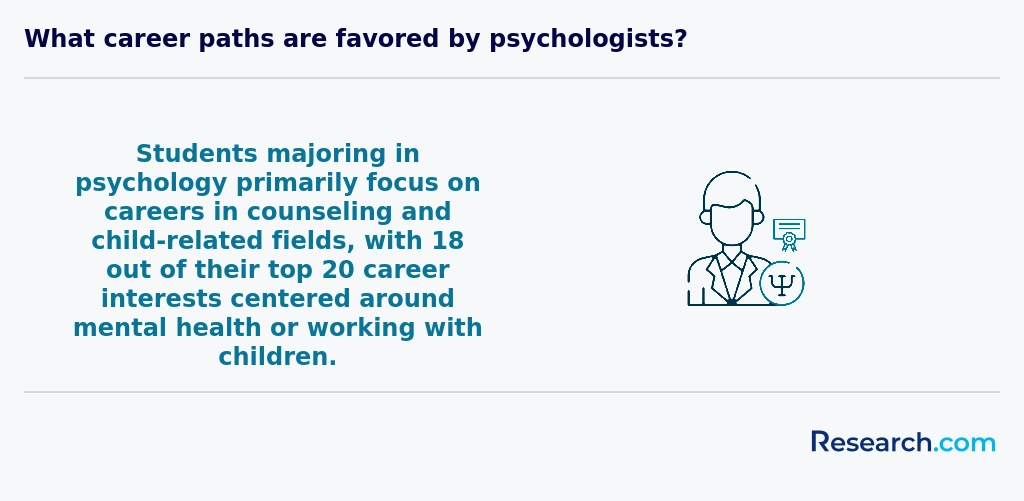
Graduates with a psychology degree from universities in University often find themselves at a crossroads with diverse and rewarding career paths. Many who completed their studies at well-known colleges shared how their bachelor's degree opened doors to roles like human resources specialists or research analysts, where understanding human behavior proved invaluable. Those pursuing advanced degrees frequently moved into specialized roles such as licensed psychologists, counselors, or therapists-careers that not only provide personal fulfillment but also contribute meaningfully to communities.
Exploring career opportunities in 2027, it is clear that psychology graduates are highly sought after in fields beyond traditional practices, including marketing and organizational development. For example, graduates from popular programs have illustrated success in user experience research, applying psychological principles to improve product design and consumer engagement. These roles bring a unique blend of analytical thinking and empathetic insight that employers treasure.
If you are considering your educational path, it is wise to explore options at the best online colleges for education degrees which offer flexible approaches to advance your training. Many alumni from such institutions reflect positively on the supportive environments that helped balance rigorous academic demands with personal growth, preparing them for the highest paying psychology jobs for university graduates and inspiring lifelong passion for understanding human behavior.

The job market for psychology degree in University is diverse but increasingly competitive, especially as many graduates quickly realize that a bachelor's degree opens doors mainly to support roles in human services or social work. Graduates from popular colleges in University often share that advancing their education to a master's or doctoral level is crucial for broader clinical or counseling careers. For instance, those who pursued further studies found rewarding positions in schools or hospitals, where demand for mental health services continues to grow.
Employment for psychology majors at University climbs steadily, with projections indicating faster growth than average in the coming years. This positive trend encourages students to seek positions that align with their interests-whether in research or applied fields. Reflecting on real experiences, graduates often emphasize the value of targeted programs and sometimes select valuable psychology programs in Mississippi to enhance their prospects.
Understanding the university psychology careers outlook helps students plan practical next steps. Those who specialize wisely and meet licensure requirements find themselves well-prepared for roles that offer median wages far above initial expectations. Choosing the right path, tailored to personal goals and local job availability, makes all the difference in this evolving market.
2027 Most Valuable Psychology Degree Programs Ranking in University
Investing in your education is a significant decision that can shape your future, and the Research.com team understands the importance of making informed choices. To assist prospective students, we have meticulously crafted the "2027 Most Valuable Psychology Degree Programs Ranking in University." Our commitment to quality, credibility, and accuracy is reflected in the extensive research and analysis conducted to compile this ranking.
We utilized the following reputable data sources to ensure a comprehensive evaluation of psychology degree programs:
By exploring this ranking, readers will gain valuable insights into the most valuable psychology degree programs available, empowering them to make well-informed decisions about their academic and professional journeys. For more details on our methodology, please visit our Research.com methodology page.

Frequently Asked Questions About psychology
Psychology degree students in U.S. universities can maximize their learning by engaging actively in both coursework and practical experiences. Research shows that approximately 65% of psychology students who participate in internships gain better employment opportunities after graduation (APA, 2023). Seeking internships, lab assistant roles, or volunteer positions helps students apply theoretical knowledge to real-world settings.
Students should also develop strong study habits, focusing on evidence-based learning techniques such as spaced repetition and active recall. Joining psychology clubs or honor societies can encourage networking and access to academic resources.
Finally, leveraging faculty office hours for mentorship and attending academic conferences can provide deeper insights into emerging research trends.
Emerging niches in the psychology field reflect the evolving societal and technological landscape. One key area is neuropsychology, where professionals study brain-behavior relationships to better treat cognitive disorders. According to the Bureau of Labor Statistics, neuropsychology-related jobs are projected to grow faster than the average for psychologists through 2031.
Another growing niche is health psychology, which explores how psychological factors affect physical health and illness. This field is expanding as chronic diseases rise in the U.S. and behavioral interventions gain importance in healthcare.
Additionally, forensic psychology is gaining attention due to increased demand for psychological expertise in legal settings. University programs now often offer specialized tracks or certificates in these areas to meet student interest and workforce needs.
Graduates with a psychology degree from a university should actively engage in internships and research opportunities during their studies to enhance job market readiness. According to the American Psychological Association, experiential learning significantly improves employment prospects. Building a professional network through university career services and psychology clubs is essential.
Developing specialized skills, such as proficiency in statistical software like SPSS or R, can increase competitiveness. Many entry-level roles also require familiarity with data analysis and report writing.
Additionally, consider pursuing certifications or further qualifications, such as a master's degree or licensure, depending on career goals. The U.S. Bureau of Labor Statistics reports that advanced degrees correlate with higher job availability and salary in psychology-related fields.
Employers in the psychology field highly value graduates with strong critical thinking and analytical skills. These abilities allow graduates to assess data and research findings effectively, which is crucial in evidence-based psychology practice. According to the American Psychological Association (APA), communication skills are also essential; nearly 70% of employers seek candidates who can clearly convey complex concepts to diverse audiences.
Additionally, interpersonal skills rank highly, as psychology professionals often work closely with clients and teams. Familiarity with statistical software and research methods is increasingly important, reflecting the growing emphasis on data-driven decision-making in the US psychology workforce.
Finding internships related to a psychology degree at university often begins with utilizing campus resources. Many universities have dedicated career centers that connect students with local clinics, research labs, and mental health organizations offering psychology internships. According to the American Psychological Association (APA), nearly 90% of psychology programs recommend internship experience as a crucial part of training.
Students should also engage with faculty members, who can provide guidance and recommend placements based on their professional networks. Additionally, university psychology departments frequently maintain lists of approved sites for practicum credits. Websites like Handshake and the National Collegiate Career Consortium are valuable tools for locating opportunities nationwide.
Networking through psychology student organizations and attending related workshops can further enhance access to competitive internships. Typically, these positions begin during junior or senior years and may be unpaid or provide modest stipends.
A psychology degree significantly enhances career mobility and advancement opportunities within the US job market. According to the American Psychological Association (APA), graduates with a bachelor's in psychology find employment in diverse fields such as healthcare, education, business, and social services. This versatility stems from skills developed in critical thinking, research, and human behavior analysis.
Advanced degrees in psychology, such as a master's or doctorate, further improve prospects for specialized roles in clinical, counseling, or organizational psychology. The U.S. Bureau of Labor Statistics projects a 8% growth in psychology-related jobs from 2021 to 2031, indicating strong demand.
Employers value psychology graduates for their understanding of interpersonal dynamics, which supports leadership roles and career progression in many industries.
Studying for a psychology degree in a U.S. university equips students with knowledge that spans multiple disciplines, fostering skills valuable in healthcare, education, business, and social services. Coursework often includes biology, sociology, and statistics, which builds a broad scientific foundation. According to the American Psychological Association, approximately 60% of psychology undergraduates pursue interdisciplinary graduate studies or careers.
Students learn critical thinking and research methods applicable in diverse fields like neuroscience, public health, and human-computer interaction. Practical training through internships and lab work enhances collaboration abilities, preparing graduates for teamwork across professions.
This interdisciplinary approach meets labor market demands where employers value versatile problem-solving skills combined with psychological insight.
Choosing between a thesis and a non-thesis psychology degree program depends largely on your career goals and learning preferences. Thesis programs typically require conducting original research and writing a detailed paper, which is ideal if you plan to pursue a PhD or a research-focused career. According to the American Psychological Association, thesis students develop strong analytical skills valuable for doctoral studies.
Non-thesis options focus more on coursework and practical applications, appealing to students aiming for professional practice or roles in industries such as counseling or human resources. These programs often allow faster completion, which can be a factor for working professionals.
Consider also advising resources and faculty expertise at your University, as these influence guidance quality during your program.
Students based in University seeking to study psychology abroad have several pathways within the US higher education system. Many universities participate in exchange programs or offer study abroad opportunities through partnerships with institutions in countries such as the UK, Canada, and Australia. These programs often allow students to complete core psychology courses overseas while earning transfer credits.
The American Psychological Association highlights that about 35% of psychology undergraduates consider study abroad options to enhance cultural competence, a valuable skill in psychology careers. Additionally, summer intensive courses and research internships abroad are popular, providing hands-on experience in diverse psychological practices.
Financial support may be available through scholarships specifically for psychology students studying abroad, easing costs that can average $10,000-$20,000 per semester, depending on the destination. Overall, these options help students gain global perspectives while progressing through recognized US degree requirements.
Part-time job opportunities can significantly enhance the educational experience for psychology students at University. Positions such as research assistants allow students to gain practical skills in data collection, analysis, and exposure to psychological studies. According to the American Psychological Association, research assistant roles provide hands-on learning that strengthens academic knowledge.
Working as a peer counselor or in campus mental health services helps students develop interpersonal and communication skills crucial for psychology careers. Additionally, tutoring fellow students in psychology courses can reinforce subject mastery and teaching abilities.
Other relevant jobs include roles in community outreach or volunteering with organizations that serve mental health populations. These opportunities provide valuable real-world experience and networking within the psychology field.
Psychology students in US universities have access to a variety of networking opportunities that can significantly enhance their academic and professional development. Many universities host psychology clubs and honor societies such as Psi Chi, which offer regular events and connections with peers and faculty.
Internships and research assistant positions are common, often facilitated through university career centers or department programs. These placements allow students to build professional relationships while gaining practical experience.
Conferences like those held by the American Psychological Association provide valuable chances to meet experts and learn about the latest research.
According to the APA, over 70% of psychology graduates find jobs through networking and connections made during their studies.
Alumni networks provide valuable benefits for psychology degree students in University by offering mentorship and professional connections. Students can access guidance from graduates working in clinical, counseling, or research psychology, helping clarify career paths. According to the National Association of Colleges and Employers (NACE), 85% of jobs are filled through networking, highlighting the importance of alumni ties in gaining internships and employment.
Many universities organize alumni events and online platforms that facilitate relationships between current students and graduates. This support improves access to research opportunities, internships, and advice on graduate school applications-critical steps in psychology careers.
Engaging with alumni also exposes students to diverse career options beyond traditional roles, such as organizational psychology or forensic psychology. Overall, strong alumni networks enhance educational and career development, essential in the competitive US psychology field.
Customizing a psychology degree in a university setting allows students to align their education with specific career goals. Many programs offer concentrations such as clinical, cognitive, developmental, or industrial-organizational psychology, enabling students to focus on areas suited to their interests. Elective courses and research opportunities help deepen expertise in chosen fields.
Internships are often integral, providing practical experience that enhances employability. According to the American Psychological Association, about 75% of psychology programs in the US offer flexibility through electives, minors, or dual degree options.
Students can also engage with faculty research projects or participate in fieldwork to develop specialized skills.
Psychology students in US universities often face several challenges throughout their academic journey. A common difficulty is balancing rigorous coursework with hands-on research and internships, which are essential for gaining practical experience. According to the American Psychological Association, about 60% of psychology students report stress related to managing multiple responsibilities.
Another challenge is mastering complex theories and statistical methods. Many students find courses in research design and data analysis demanding, yet these skills are crucial for graduate studies or professional work.
Financial pressures can also affect students, with average undergraduate debt around $30,000 nationally, creating stress that impacts academic performance.
Lastly, psychology students may struggle with emotional resilience, especially when studying sensitive topics such as mental health disorders, which can evoke personal stress.
A psychology degree can lead to various professional certifications that enhance career prospects in the mental health and related fields. Graduates often pursue the Licensed Professional Counselor (LPC) credential, which requires a master's degree, supervised clinical hours, and passing a state exam. Another common certification is becoming a Certified Rehabilitation Counselor (CRC), focusing on helping individuals with disabilities. Psychology graduates aiming for clinical practice may seek the Licensed Clinical Psychologist title, which typically demands a doctoral degree and passing the Examination for Professional Practice in Psychology (EPPP).
Additional certifications include the Board Certified Behavior Analyst (BCBA) for those interested in applied behavior analysis, a field growing by 20% according to the Bureau of Labor Statistics. Certifications like these often require specific graduate-level coursework and supervised experience, highlighting the importance of advanced education beyond a bachelor's degree in psychology.
Writing a winning application for a psychology program in a U.S. university requires clear focus and strong preparation. Begin by highlighting your academic achievements, especially in relevant subjects like biology, statistics, and social sciences, as these form the foundation for psychology studies.
Demonstrate your passion through a concise personal statement. Discuss any volunteer work, internships, or research experience related to psychology. According to the American Psychological Association, hands-on experience can greatly improve admission chances.
Include strong letters of recommendation from educators or professionals who can attest to your analytical and interpersonal skills. Finally, ensure your application is error-free and submitted before deadlines. Following these steps aligns your profile with competitive programs and increases your chance of acceptance.
Psychology careers in the United States are influenced by global trends emphasizing mental health awareness and behavioral science research. According to the American Psychological Association (APA), over 163,000 psychology doctoral degrees were awarded worldwide from 2010 to 2019, with the US contributing a significant share. The demand for psychologists is growing, with the U.S. Bureau of Labor Statistics projecting a 6% increase in employment from 2021 to 2031.
Internationally, psychology fields align on core areas such as clinical, counseling, and research disciplines. However, licensing and practice requirements differ by country, impacting those who seek global careers. In university programs, students gain skills applicable in diverse contexts, fostering opportunities in global health, education, and organizational settings.
Gaining practical experience is vital while pursuing a psychology degree in university. Many programs encourage students to participate in internships or volunteer opportunities at mental health clinics, research labs, or social service agencies. According to the American Psychological Association, about 70% of undergraduate psychology programs offer internship or practicum options, which provide hands-on exposure to psychological practices.
Additionally, students can engage in faculty-led research projects, helping to design studies, collect data, and analyze results. This experience is highly valued by both employers and graduate schools.
Joining psychology clubs or organizations also opens doors to workshops, networking, and community service relevant to the field.
Choosing the right concentration within a psychology degree program depends largely on your career goals and interests. Psychology degrees often offer specializations such as clinical, cognitive, developmental, social, or industrial-organizational psychology. According to the American Psychological Association (APA), clinical psychology is the most common concentration, with about 47% of graduate students focusing there.
It's useful to consider the type of work environment you prefer, whether research, therapy, or applied organizational settings. Reviewing course options and faculty expertise at your university can clarify which concentration fits your aspirations best.
Internships and research opportunities also vary by concentration. For example, industrial-organizational psychology often includes internships in business settings, which can enhance employability.
Additionally, check licensure requirements for your intended career path since some concentrations, like clinical psychology, require specific certification and supervised experience.
- 2027 Most Valuable Psychology Degree Programs Ranking in Birmingham
- 2027 Most Valuable Psychology Degree Programs Ranking in Hattiesburg
- 2027 Most Valuable Psychology Degree Programs Ranking in Montgomery
- 2027 Most Valuable Psychology Degree Programs Ranking in Mobile
- 2027 Most Valuable Psychology Degree Programs Ranking in Baton Rouge
- 2027 Most Valuable Psychology Degree Programs Ranking in Springfield
- 2027 Most Valuable Psychology Degree Programs Ranking in Saint Louis
- 2027 Most Valuable Psychology Degree Programs Ranking in Tulsa
- 2027 Most Valuable Psychology Degree Programs Ranking in Cincinnati
- 2027 Most Valuable Psychology Degree Programs Ranking in Columbia
See What Experts Have To Say About Studying Psychology
Read our interview with Psychology experts

Elizabeth L. Jeglic Ph.D.
Psychology Expert
Professor of Psychology
City University of New York

Catherine Caldwell-Harris, Ph.D.
Psychology Expert
Associate Professor of Psychology
Boston University

Joann Farrell Quinn, Ph.D., MBA
Psychology Expert
Director at the College of Medicine Department of Medical Education
Morsani College of Medicine

- Study Psychology Abroad https://astarfuture.co.uk/study_psychology_abroad.html
- Sample letters in psychology https://www.mystudies.com/en-in/human-and-social-sciences/psychology/letter-model/
- What Certifications Can I Get With A Bachelor's In Psychology? https://www.psychology.org/resources/certification-skills-for-psychology-major-resumes/
- CLINICAL PSYCHOLOGY (THESIS / NON-THESIS) - Lisansüstü Eğitim Enstitüsü https://lee.nisantasi.edu.tr/en/clinical-psychology-thesis-non-thesis/
- Why Get a Psychology Degree Online? | University of Bridgeport https://www.bridgeport.edu/news/reasons-to-get-your-psychology-degree-online/
- Know more about thesis vs non- thesis: what is the difference? https://studyfans.com/en/blogs/816
- Psychology Online Degree Pathway https://www.learndirect.com/course/psychology-online-degree
- Psychology - SWPS University https://english.swps.pl/academics/warsaw/ba-programs/psychology
- Study Psychology Abroad | Go Overseas https://www.gooverseas.com/study-abroad/psychology
- Browse Specializations https://mastersinpsychologyguide.com/specializations/


