2027 Most Affordable Online Bachelor's in Psychology Degree Programs Ranking in New Hampshire

Co-Founder and Chief Data Scientist
Are you considering pursuing a psychology degree in New Hampshire but worried about the cost? This article presents the 2027 Most Affordable Online Bachelor's in Psychology Degree Programs Ranking in New Hampshire. Created by the Research.com team of data scientists, this ranking aims to guide you toward budget-friendly options without sacrificing quality.
Choosing the right program is crucial for your future success, and a degree in psychology opens doors to meaningful career paths. Reading this article will help you make an informed decision based on credible data and real value.
Key benefits of getting online psychology degree in New Hampshire
- Salary for psychology degree graduates: Careers such as Human Resources Specialist and Marketing Research Analyst offer mean annual wages of $76,060 and $83,190 respectively, showing strong earning potential for psychology graduates in New Hampshire.
- Career paths: Graduates from popular universities in New Hampshire pursue diverse roles including Clinical Research Associate and Survey Researcher, both with mean annual salaries around $62,370, highlighting versatile and rewarding job options.
- Benefits of an online degree: Earning a psychology degree online through a recognized New Hampshire institution provides flexibility and convenience, allowing students to balance work and life while gaining the same valuable skills as traditional students.
- 2027 Most Affordable Online Bachelor's in Psychology Degree Programs Ranking in New Hampshire
- What can I expect from online psychology degree in New Hampshire?
- Where can I work with online psychology degree in New Hampshire?
What can I expect from online psychology degree in New Hampshire?
The average cost of an online psychology degree in New Hampshire varies, but public institutions like the University of New Hampshire offer competitive tuition rates, especially for in-state students. Graduates often report that keeping costs manageable was a major factor in choosing their program. For example, one graduate found that in-state tuition combined with available scholarships significantly reduced the overall expense, allowing them to focus on coursework without overwhelming debt.
Private colleges may have higher tuition, but many provide financial aid packages tailored for psychology students from New Hampshire. Students have shared experiences of applying early for state-specific scholarships, which eased financial stress and made online learning more accessible.
Public universities typically charge rates around $10,000 to $15,000 per year for full-time online psychology study, while private options may exceed this. Cost-conscious students benefit from planning ahead to combine tuition, fees, and financial aid in practical budgets, like graduates who balanced part-time work and online study effectively.
Where can I work with online psychology degree in New Hampshire?
Graduates with an online psychology degree from institutions like the University of New Hampshire often find entry-level jobs as behavioral health technicians or case managers in local hospitals and outpatient clinics. These roles offer hands-on experience supporting licensed professionals, making them ideal stepping stones for building a practical skill set.
Many graduates also secure positions in New Hampshire's public schools as teacher assistants or behavioral intervention aides. Imagine working closely with children to help them overcome learning or behavioral challenges-this direct impact is both rewarding and essential in growing school support programs.
For those drawn to social services, community outreach and substance abuse support roles through agencies in cities like Manchester provide meaningful employment opportunities. Graduates appreciate how these positions allow them to apply psychological principles while developing strong interpersonal skills.
Some graduates focus on administrative or research jobs within nonprofit organizations, contributing to program evaluations or grant writing, especially after gaining additional technical skills. Advancing to licensed psychologist or counselor roles requires graduate degrees and licensure, but many find early career satisfaction through these practical, entry-level jobs.
Graduates from online psychology programs in New Hampshire often step into roles like Human Resources Specialist, Marketing Research Analyst, or Clinical Research Associate, where earning potential varies noticeably. For instance, a Human Resources Specialist in the state can expect to earn around $76,060 annually, offering a stable income for those applying psychological principles in workplace settings.
Marketing Research Analysts, another common path, achieve a higher median wage of approximately $83,190 per year, tapping into skills in consumer behavior and data analysis gained during their studies. Meanwhile, Clinical Research Associates typically start with about $62,370 annually, working closely on mental health studies-a rewarding role for those passionate about advancing psychological knowledge.
Several graduates from institutions like the University of New Hampshire and Granite State College report that entering these roles early after graduation helps build confidence and a secure financial footing. The practical training and flexible online options at these universities make balancing work and study feasible, enhancing graduates' readiness to earn while continuing education or licensure efforts.
Choosing the right job and gaining experience in New Hampshire's diverse mental health and research sectors can gradually push salaries higher, making an online psychology degree a promising investment for many local students.
- The average tuition for a bachelor's degree in psychology in New Hampshire ranges from $10,000 to $15,000 per year at public schools and $25,000 to $35,000 at private institutions.
- The job market for psychologists in New Hampshire is expected to grow about 5% over the next decade, matching the national average.
- Starting salaries for entry-level psychology graduates in New Hampshire are generally between $50,000 and $55,000 annually.
- Psychologists with a master's or doctoral degree in New Hampshire often earn $70,000 to $90,000 per year, depending on their field and work setting.
- Licensure in New Hampshire requires a doctoral degree, supervised hours, and passing the EPPP exam.
- Students should choose regionally accredited online programs to ensure quality and eligibility for advanced training or licensure.
Completing an online psychology degree in New Hampshire typically takes about three to four years for a bachelor's if you study full-time, much like many students at Southern New Hampshire University. Some graduates share how transferring previous credits or enrolling year-round helped them finish faster-sometimes in just two to three years.
Part-time students, often juggling work or family, might find themselves taking five years or more. This flexibility appeals to many who need to balance life demands with coursework.
For master's degrees, expect anywhere from 1.5 to 3 years depending on the program's intensity. Graduates from the University of New Hampshire highlight how accelerated options and credit transfers helped them reduce time without sacrificing quality.
Keep in mind, required internships or practicums can add extra months, especially if you aim for licensure in New Hampshire. Planning ahead for these hands-on experiences ensures smoother progress and a more fulfilling journey.
Choosing between an online and on-campus psychology degree in New Hampshire hinges on how you learn best and your lifestyle needs. On-campus programs at schools like the University of New Hampshire offer direct access to professors and campus resources. Graduates often recall in-person labs and lively classroom discussions that enriched their understanding and built lasting professional connections.
In contrast, online degrees from institutions such as Granite State College provide flexibility that suits working adults or parents juggling family responsibilities. Graduates appreciate logging in from home, setting their own schedules while still engaging in rigorous coursework aligned with accredited standards.
For many, cost factors influence the decision. While tuition is similar-around $9,500 annually at public universities-online students may save on commuting and housing. However, be ready for possible fees associated with technology or required onsite sessions.
Both options require practical experiences like internships. On-campus students find it easier to access local placements, whereas online students often coordinate internships through the college network or independently. Understanding these differences helps craft a path that fits your unique situation and ambitions.
The average cost of an online psychology degree in New Hampshire generally ranges from $7,000 to $12,000 per year for in-state tuition. Public universities like the University of New Hampshire offer online psychology programs priced near $8,600 annually for in-state students. Graduates often appreciate the affordability compared to private schools, where tuition frequently exceeds $25,000 annually for out-of-state students. These rates reflect a practical choice for those seeking affordable online psychology bachelor's programs NH, balancing quality education with manageable expenses.
It's important to remember that tuition doesn't cover all expenses. Additional fees for textbooks, technology, and course materials can add several hundred dollars or more each year. Some students find that minimal campus visits are required, which helps reduce costs related to travel and housing. A graduate from a popular New Hampshire college shared that budgeting extra for these indirect costs helped them avoid surprises during their studies.
Financial aid is also a valuable resource. Many New Hampshire schools provide scholarships and grants that reduce out-of-pocket costs significantly. Regional agreements sometimes allow nearby state residents to access in-state tuition rates, further improving affordability. Prospective students are encouraged to explore these supports early in the planning process.
For a detailed look at cheap online colleges that accept fafsa and further financial guidance, consider visiting cheap online colleges that accept fafsa.

When pursuing an online psychology degree in New Hampshire, start by completing the FAFSA to access federal aid like Pell Grants and Direct Loans, which many graduates found essential in managing tuition costs at institutions such as the University of New Hampshire. Pell Grants can provide up to $7,395 annually, easing the financial burden considerably for low-income students.
Next, explore state-specific scholarships via the New Hampshire Charitable Foundation or the Higher Education Assistance Foundation. These grants often reward academic merit or financial need, which helped several students from Southern New Hampshire University to secure funding without increasing debt.
Don't overlook institutional scholarships offered directly by your chosen university. Many schools provide merit-based or need-based aid, and graduates often mention this as a key factor in making their online psychology degree affordable.
Private scholarships from organizations like the American Psychological Association can also supplement your funding if you're dedicated and ready to apply early. Additionally, if you're working, check whether your employer offers tuition reimbursement-that was a game-changer for some adult learners balancing work and study.
To enroll in an online psychology degree program in New Hampshire, start by securing a high school diploma or GED, as most programs require this foundational credential. Graduates from popular institutions like Granite State College often mention that maintaining a cumulative GPA around 2.5 to 3.0 makes a strong application, ensuring academic readiness. While some schools still ask for SAT or ACT scores, many programs have embraced test-optional policies, which means you can highlight your work experience or extracurricular achievements instead.
Applicants should also prepare to submit personal statements or letters of recommendation, especially if aiming for competitive programs focused on research or clinical foundations. For example, students from Southern New Hampshire University share how crafting a thoughtful personal statement helped them stand out.
It's practical to have a solid grasp of high school courses like English, math, and science; these subjects build skills essential for psychology studies. Finally, reliable internet and a capable computer are non-negotiable to fully engage in New Hampshire's fully online courses, ensuring smooth access to lectures and assignments.

Online psychology degrees in New Hampshire typically include foundational courses such as Introduction to Psychology, Biological Psychology, and Developmental Psychology. Graduates from popular schools like the University of New Hampshire often describe how these classes helped them grasp core concepts like cognitive processes and behavioral biology, making everyday experiences-like understanding a friend's stress reaction-more relatable and clear.
Students also take specialized courses such as Abnormal Psychology and Social Psychology. For example, a graduate shared that learning about mental health disorders through abnormal psychology courses gave them practical insight applicable in volunteer work or internships at local mental health clinics.
Research Methods and Statistics are essential parts of the curriculum, teaching students how to collect and interpret data effectively. Graduates frequently note that mastering these skills was a turning point, empowering them to confidently analyze studies and contribute meaningfully in real research settings.
Many programs offer electives or concentrations like clinical or forensic psychology, allowing students at schools such as Southern New Hampshire University to tailor their studies to career goals. This mix of courses prepares students practically for the diverse opportunities available in New Hampshire's evolving psychology job market.
Online psychology degree specializations New Hampshire students often choose include clinical psychology, counseling psychology, developmental psychology, and industrial-organizational psychology. Graduates from popular colleges in the state frequently share how clinical psychology prepared them to effectively support mental health needs in community settings, while those focusing on counseling psychology found it fulfilled their passion for helping individuals manage emotional challenges. Developmental psychology is favored by students aiming for careers in education or elder care, as it provides clear insights into human growth stages. Industrial-organizational psychology appeals to those interested in optimizing workplace environments and boosting employee success, often leading to roles in human resources or consulting.
Students exploring New Hampshire psychology bachelor program concentrations appreciate hearing from alumni who emphasize the importance of aligning specializations with licensure requirements and practical career goals. Choosing a specialization aligned with personal interests while considering cost and program quality ensures a smoother transition into the workforce. For a broader perspective on options, checking the best colleges offering online programs is a practical step.
Start by verifying accreditation and program quality since choosing the best online psychology degree New Hampshire offers hinges on these essentials. Graduates from popular universities often recall how regional accreditation and alignment with the American Psychological Association (APA) boosted their confidence when applying for jobs or graduate school. Affordability is another practical consideration; for example, choosing programs that match the affordable psychology bachelor programs NH average tuition of roughly $9,500 helps avoid overwhelming debt. Many students juggling work and family favor local colleges offering flexible, fully asynchronous courses, enabling them to study when convenient without missing professional or personal commitments.
Look beyond tuition to factor in fees for technology, books, and exam proctoring. Assess the curriculum carefully-graduates emphasize the value of comprehensive coursework in developmental and abnormal psychology combined with strong research training. Student support is crucial, too; accessible academic advising and career counseling often make the difference in staying motivated and landing internships. For solid guidance on cost-effective choices, consider consulting lists of most affordable online colleges for working adults to find programs that fit your budget and lifestyle.
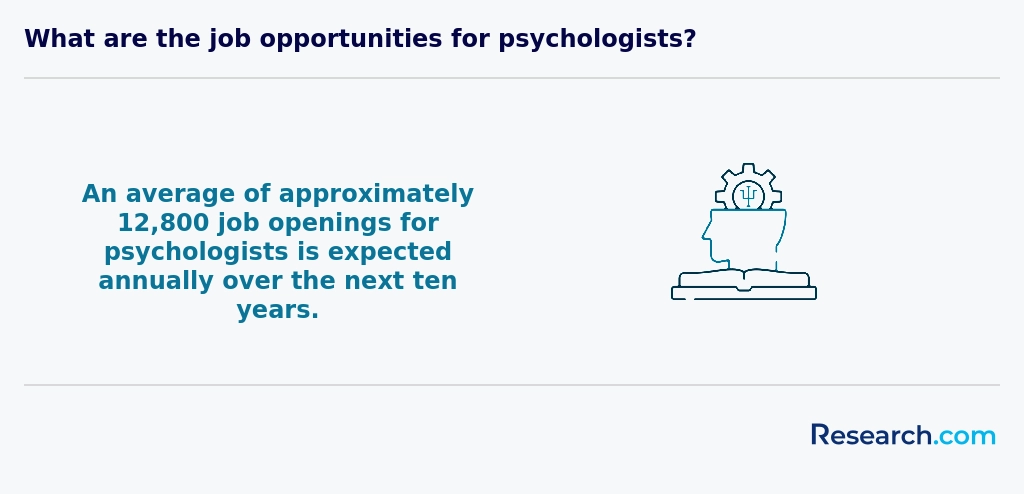
Graduates pursuing online psychology degree jobs in New Hampshire often find diverse career paths waiting for them. Many start as mental health counselors or Licensed Clinical Social Workers after earning additional state licenses, a practical step embraced by alumni of popular programs at Southern New Hampshire University or Granite State College. Others leverage their psychology background into human resources roles, building on skills in behavior analysis to enhance hiring and employee training at local businesses. These fields offer steady salaries and meaningful work.
Psychology career opportunities in New Hampshire also include school counseling or educational psychology positions. Graduates frequently work in K-12 settings, supporting student development with specialized certifications. For those interested in research, New Hampshire's healthcare and academic institutions provide solid options for behavioral research careers. Many students appreciate how affordable a degree can be here, especially when they discover regional tuition benefits or the cheapest online bachelor's degree options.
The job market for graduates holding an online psychology degree in New Hampshire offers steady opportunities, especially for those willing to advance their education. Entry-level roles such as case managers or behavioral technicians provide valuable hands-on experience that many graduates from popular schools like Granite State College or the University of New Hampshire have found rewarding. However, to qualify for licensed psychologist roles, pursuing a master's or doctoral degree and obtaining licensure through the New Hampshire Board of Mental Health Practice is essential. This step not only improves job prospects but also unlocks higher salary ranges, reflecting the state's slightly above-average wages for psychologists.
New Hampshire's unique challenges, like rural healthcare access and mental health provider shortages, create demand for skilled professionals in clinical and counseling roles. Psychology students from local universities have reported positive job outlooks, particularly when combining their degree with related certifications or exploring dual degree programs to diversify their skills.
Overall, the online psychology degree job outlook in New Hampshire encourages practical planning to navigate licensure requirements and leverage regional needs for long-term career growth.
2027 Most Affordable Online Bachelor's in Psychology Degree Programs Ranking in New Hampshire
Investing in your education is a significant decision that can shape your future, and the Research.com team understands the importance of making informed choices. To assist prospective students in New Hampshire, we have carefully created the "2027 Most Affordable Online Bachelor's in Psychology Degree Programs Ranking in New Hampshire." Our dedication to quality, credibility, and accuracy is demonstrated through the rigorous research and analysis undertaken to develop this ranking.
We utilized the following reputable data sources to ensure a comprehensive evaluation of psychology programs:
By exploring this ranking, readers will gain valuable insights into the most affordable and credible online psychology degree programs available in New Hampshire, empowering them to make well-informed decisions about their education. For more details on our methodology, please visit our Research.com methodology page.


Frequently Asked Questions About psychology
Online psychology degree students in New Hampshire can maximize their learning by actively engaging with course materials and participating in virtual discussions. Many New Hampshire institutions offer accredited programs, so verifying accreditation ensures education quality recognized by employers and licensing boards.
Utilizing local resources, such as internship opportunities at nearby mental health clinics or research centers, enhances practical experience. According to the New Hampshire Department of Health and Human Services, experiential learning supports skill development crucial for psychology careers.
Students should also collaborate with professors and peers through online platforms for networking and knowledge exchange. Time management and setting a dedicated study schedule are essential for balancing coursework effectively.
Finally, exploring state-specific licensure requirements early helps tailor the degree path to meet professional goals in New Hampshire's psychology job market.
The psychology field is rapidly evolving, with several emerging niches gaining attention. One growing area is neuropsychology, focusing on brain-behavior relationships, crucial for understanding conditions like traumatic brain injuries. In New Hampshire, demand for neuropsychologists is expected to grow by 12% through 2030, according to the U.S. Bureau of Labor Statistics.
Another developing specialty is health psychology, which examines how mental health affects physical well-being. This area is especially relevant given rising chronic illness rates. Telepsychology is also expanding, driven by the pandemic and increased access to remote care, benefiting rural New Hampshire communities.
These niches offer promising career paths for students pursuing online psychology degrees in the state.
Preparing for the job market after completing an online psychology degree in New Hampshire involves strategic steps tailored to local conditions. Graduates should focus on gaining relevant experience through internships or volunteer work, especially in clinical or counseling settings. The New Hampshire Department of Labor reports a steady growth in psychology-related jobs, with a 5% increase projected through 2030. Networking with local professionals and joining state psychology associations, such as the New Hampshire Psychological Association, can open doors to job opportunities and mentorship. Additionally, pursuing licensure or certifications aligned with specific career goals enhances employability and credibility in this competitive field.
Employers in New Hampshire highly value specific skills in psychology degree graduates, especially those earned through online programs. Key among these are strong communication skills, essential for effectively interacting with clients and colleagues. Critical thinking and analytical abilities enable graduates to assess complex behavioral data and develop treatment plans.
Research skills are also in demand, as many psychology roles involve data collection and interpretation. According to the U.S. Bureau of Labor Statistics, job growth for psychologists in the New England region is expected to rise by 5% through 2031, highlighting a growing market.
Additionally, cultural competence and ethical awareness remain crucial due to diverse client populations in the state. Familiarity with evidence-based practices strengthens a graduate's appeal to employers in both clinical and organizational settings.
Finding psychology internships in New Hampshire involves targeted research and networking. Many online psychology programs partner with local organizations, so start by inquiring with your school's career services. They often have agreements with hospitals, mental health clinics, and community centers.
The New Hampshire Psychological Association provides resources and can connect students to internship opportunities statewide. Additionally, the state's Department of Health and Human Services offers placements in behavioral health settings, valuable for practical experience.
Online students should also explore virtual internships, increasingly common in psychology fields. Websites such as Handshake and internships.com often list relevant openings.
Securing an internship frequently requires early application and fulfilling specific coursework prerequisites. Staying proactive improves chances in New Hampshire's competitive internship market for psychology students.
Obtaining an online psychology degree in New Hampshire can significantly enhance career mobility and advancement opportunities. According to the U.S. Bureau of Labor Statistics, psychology-related roles in New Hampshire are expected to grow by 5% from 2022 to 2032, slightly faster than the national average. This growth expands opportunities for graduates with flexible online education. Employers increasingly recognize accredited online degrees, allowing graduates to pursue roles in social services, mental health counseling, and human resources across the state.
Moreover, earning this degree online provides access to continuing education while working, which supports career progression without geographic constraints. The New Hampshire Department of Labor highlights that holders of at least a bachelor's degree in psychology often qualify for higher-paying positions and supervisory roles compared to those with only a high school diploma. This demonstrates online psychology degrees as valuable tools for professional advancement in New Hampshire's evolving job market.
Studying for a psychology degree online in New Hampshire equips students with foundational knowledge applicable across various fields. The state's programs often emphasize research methods, critical thinking, and effective communication, skills essential in interdisciplinary careers. According to the New Hampshire Department of Education, psychology graduates frequently collaborate with health services, education, and social work sectors, highlighting the degree's broad relevance.
Additionally, many New Hampshire institutions include coursework in biology, sociology, and statistics, preparing students to understand complex human behavior from multiple scientific perspectives. This diverse training supports roles in counseling, healthcare administration, and organizational development. Data from the Bureau of Labor Statistics indicates a growing demand for professionals able to integrate psychology with other disciplines in the region.
When choosing between a thesis and a non-thesis psychology degree program in New Hampshire, consider your career goals and learning preferences. A thesis program requires conducting original research and writing a detailed paper, which suits students aiming for graduate studies or research-oriented roles. On the other hand, non-thesis programs focus more on coursework and practical skills, appealing to those targeting immediate employment in counseling, human services, or related fields.
New Hampshire hosts several reputable universities with online psychology options, and some report that about 40% of students choose thesis tracks to enhance their research skills, based on recent academic surveys. Understanding these differences will help you align your choice with your professional aspirations.
Students based in New Hampshire seeking to study psychology abroad have limited direct options, primarily because online degrees must comply with U.S. accreditation standards. Many international universities offer psychology programs, but credits may not transfer easily to institutions recognized in the U.S. For this reason, students often consider enrolling in U.S.-based online programs with global reach or partnerships.
New Hampshire institutions like Southern New Hampshire University provide robust online psychology degrees that meet regional accreditation standards suitable for national licensure and employment.
According to the National Center for Education Statistics, online psychology programs in the U.S. have grown by 30% in the last five years, reflecting increased accessibility for students nationwide, including those in New Hampshire.
Students pursuing online psychology degrees in New Hampshire can benefit from part-time jobs that provide practical experience. Positions such as mental health technician, behavioral health aide, or peer support specialist often align well with psychology studies. These roles allow students to apply psychological concepts in clinical and community settings.
According to the New Hampshire Department of Labor, healthcare support occupations, including behavioral aides, are projected to grow by 12% through 2030. This growth offers ample opportunities for psychology students to gain relevant work experience while studying.
Additionally, working in social services or crisis intervention centers helps build valuable interpersonal and assessment skills. Such part-time jobs complement academic knowledge and improve employability upon graduation.
Online psychology students in New Hampshire have several networking opportunities despite studying remotely. Many state universities with online programs, such as Granite State College, provide virtual networking events, discussion forums, and access to psychology faculty. These platforms foster peer interaction and mentorship.
Additionally, students can engage with professional organizations like the New Hampshire Psychological Association. This group offers statewide conferences, workshops, and networking sessions that online students can attend either virtually or in person.
Internship programs often connect students to local mental health agencies and clinics, enhancing both practical experience and professional contacts. According to the Bureau of Labor Statistics, New Hampshire expects a steady 6% growth in psychology-related jobs through 2030, underscoring the value of these connections for future employment.
Alumni networks offer valuable benefits to students pursuing online psychology degrees in New Hampshire. These networks provide connections to professionals working in various psychology fields within the state, which can lead to internships, job opportunities, and mentorship. According to the New Hampshire Psychological Association, networking is a key factor in career advancement for psychology graduates.
Through alumni events, online forums, and local chapters, students can access guidance about licensure requirements that differ across New Hampshire. Alumni also share practical advice on navigating the state's job market, improving a graduate's employment prospects in hospitals, clinics, and schools.
Participation in alumni networks fosters a sense of community and lifelong professional support that is crucial in the psychology field.
Customizing an online psychology degree program in New Hampshire allows students to align their education with specific career goals. Many schools offer elective courses in areas like clinical psychology, counseling, or organizational behavior. This flexibility helps students develop specialized skills needed in their desired fields.
Some programs include internship or practicum options, giving practical experience in local settings. Choosing courses that meet licensure requirements in New Hampshire is also essential for those aiming to become licensed psychologists or counselors. According to the New Hampshire Board of Mental Health Practice, understanding state licensing guidelines early can shape your course choices effectively.
Additionally, students can select programs that emphasize research, preparing them for advanced degrees or academic roles. Exploring program accreditation is important to ensure quality and future employment prospects.
Online psychology students in New Hampshire often face challenges related to maintaining motivation and time management. Since online courses require a high level of self-discipline, balancing studies with personal and work commitments can be difficult. Technical issues, such as unstable internet connections, also impact some students, especially those in rural areas of the state.
Another challenge is gaining practical experience. Psychology programs typically require internships or practicum hours, which can be harder to arrange remotely. According to the New Hampshire Board of Psychological Examiners, students must complete supervised fieldwork to meet licensure requirements, demanding additional effort to find local placements.
Additionally, some students report feeling isolated due to limited face-to-face interaction with faculty and peers, which can affect their engagement and academic success. Support services vary between institutions, making it important to research available resources before enrollment.
An online psychology degree from New Hampshire can open doors to several professional certifications. Graduates often pursue credentials like the Certified Alcohol and Drug Counselor (CADC), which is recognized in New Hampshire and enables work in substance abuse treatment. Another common path is the Licensed Mental Health Counselor (LMHC), requiring graduate education plus supervised experience.
Certification as a Certified Rehabilitation Counselor (CRC) is also available, supporting careers in vocational counseling. National certifications through the American Board of Professional Psychology (ABPP) typically require doctoral-level training but are relevant for further advancement.
Licensing requirements vary by state; the New Hampshire Board of Mental Health Practice provides detailed guidelines.
When applying to online psychology programs in New Hampshire, focus on showcasing your genuine interest in the field. Admissions committees look for clear motivation and understanding of psychology's impact. Highlight any relevant experience, such as volunteer work, internships, or research participation, which strengthens your application.
Include a well-written personal statement explaining your goals and how the program aligns with them. Emphasize your time-management skills and readiness for online learning, as these are crucial for success. Additionally, request strong recommendation letters from professors or supervisors familiar with your academic or professional abilities.
According to the New Hampshire Postsecondary Education Commission, competitive applications often include a GPA above 3.0, which reflects consistent academic performance. Meeting or exceeding this benchmark can improve your chances significantly.
Worldwide, psychology careers are increasingly recognized for their importance in mental health, education, and business. In the United States, including New Hampshire, the demand for psychology professionals grew by 14% between 2021 and 2031, according to the U.S. Bureau of Labor Statistics. This growth reflects a global trend where mental health awareness is rising.
New Hampshire offers several online programs that prepare students for diverse roles such as clinical psychologists, counselors, and researchers. Graduates often find opportunities not just locally but internationally, as psychological principles are universally applicable.
Understanding cultural differences in mental health treatment is a vital skill, highlighted in many New Hampshire degree curricula, aligning with global perspectives in psychology.
Gaining practical experience while studying for an online psychology degree in New Hampshire is essential for career readiness. Many accredited programs encourage students to complete internships or practicum placements in local mental health clinics, hospitals, or social service agencies.
The New Hampshire Psychological Association offers resources and networking opportunities that help connect students with supervised fieldwork positions. Additionally, some online programs collaborate with community organizations across the state to facilitate hands-on learning.
Students can also seek volunteer opportunities related to psychology, which build skills and strengthen resumes. According to the Bureau of Labor Statistics, practical experience significantly improves job prospects in New Hampshire's growing behavioral health sector.
Choosing the right concentration within an online psychology degree program in New Hampshire begins with assessing your career goals. Psychology offers diverse fields such as clinical, counseling, developmental, and industrial-organizational psychology. Each concentration prepares students for different roles and certifications.
Research New Hampshire's job market for psychology professionals, using sources like the U.S. Bureau of Labor Statistics and the New Hampshire Department of Labor. For example, clinical psychologists in New Hampshire earn a median annual wage of around $75,000, according to recent data.
Consider the program's curriculum and whether it meets licensure requirements in New Hampshire. Accredited programs often provide specialized training aligned with state standards, which is vital for practicing psychology locally.
- 2027 Most Affordable Online Bachelor's in Psychology Degree Programs Ranking in Massachusetts
- 2027 Most Affordable Online Bachelor's in Psychology Degree Programs Ranking in New York
- 2027 Most Affordable Online Bachelor's in Psychology Degree Programs Ranking in Pennsylvania
- 2027 Most Affordable Online Bachelor's in Psychology Degree Programs Ranking in Virginia
- 2027 Most Affordable Online Bachelor's in Psychology Degree Programs Ranking in Ohio
- 2027 Most Affordable Online Bachelor's in Psychology Degree Programs Ranking in Kentucky
- 2027 Most Affordable Online Bachelor's in Psychology Degree Programs Ranking in Tennessee
- 2027 Most Affordable Online Bachelor's in Psychology Degree Programs Ranking in Indiana
- 2027 Most Affordable Online Bachelor's in Psychology Degree Programs Ranking in Michigan
- 2027 Most Affordable Online Bachelor's in Psychology Degree Programs Ranking in Georgia
See What Experts Have To Say About Studying Psychology
Read our interview with Psychology experts

Catherine Caldwell-Harris, Ph.D.
Psychology Expert
Associate Professor of Psychology
Boston University

Elizabeth L. Jeglic Ph.D.
Psychology Expert
Professor of Psychology
City University of New York

Robin M. Kowalski. Ph.D.
Psychology Expert
Professor of Psychology
Clemson University

- SNHU Online BA in Psychology & Forensic Psychology https://www.onlineeducation.com/psychology/schools/snhu-ba-in-psychology-programs
- Why Get a Psychology Degree Online? | University of Bridgeport https://www.bridgeport.edu/news/reasons-to-get-your-psychology-degree-online/
- 2025 Most Affordable Online Colleges for Psychology Degrees https://www.onlineu.com/most-affordable-colleges/psychology-degrees
- How to help students cope with mental health challenges https://www.eaie.org/resource/help-students-cope-mental-health-challenges.html
- Study Psychology Abroad https://astarfuture.co.uk/study_psychology_abroad.html
- Psychology Degree Online Programs in New Hampshire https://www.onlinepsychologydegrees.com/states/new-hampshire/
- Society for the Teaching of Psychology https://teachpsych.org/page-1784686/8675326
- How to Become a Psychologist in New Hampshire | A step by Step Plan for NH | Psychologist-License.com https://www.psychologist-license.com/psychologist-requirements/new-hampshire-psychologist/
- Professional Networking For Psychologists | Psychology.org https://www.psychology.org/resources/professional-networking/
- Psychology, BA Online https://www.nec.edu/programs/ba-psychology-online