2027 Most Valuable Psychology Degree Programs Ranking in Fairfax

Co-Founder and Chief Data Scientist
Choosing the right psychology degree program in Fairfax can feel overwhelming. To help, this article introduces the 2027 Most Valuable Psychology Degree Programs Ranking in Fairfax, carefully crafted by the Research.com team of data scientists.
By exploring this ranking, you'll gain clear insights into programs that offer great value and career potential. Whether you crave a meaningful career or want practical skills, this guide supports your journey.
Reading this article is a positive first step toward making an informed decision that fits your goals and passions.
Key benefits of getting psychology degree in Fairfax
- Salary for psychology degree graduates: Careers such as Human Resources Specialist and Marketing Research Analyst offer rewarding salaries of around $76,060 and $83,190 per year in Fairfax, showing strong earning potential with a psychology degree.
- Career paths: Graduates from local universities often pursue roles in research, counseling, or management, reflecting the versatility and growth opportunities the degree provides in diverse fields.
- Online degree benefits: Completing a psychology degree online allows flexible scheduling and often lower costs, making it easier for busy Fairfax students to balance education with personal commitments.
- 2027 Most Valuable Psychology Degree Programs Ranking in Fairfax
- What can I expect from psychology degree in Fairfax?
- Where can I work with psychology degree in Fairfax?
What can I expect from psychology degree in Fairfax?
The average cost of earning a psychology degree in Fairfax varies but generally ranges around $30,000 to $45,000 per year at prominent institutions like George Mason University. Graduates often reflect on the investment as more than just tuition-it's a commitment to immersive learning experiences that blend theory with extensive practicum hours. Many describe the cost as justified by the hands-on opportunities they received, such as engaging in research projects or completing 100 to 300 supervised practicum hours that prepared them deeply for real-world challenges.
These students often emphasize how Fairfax's proximity to Washington, D.C., opens doors to internships and roles within government agencies and research centers, adding substantial value beyond the classroom. Balancing financial considerations with access to these enriching experiences shifts the perspective from cost to long-term career investment. For local students, the availability of advising and professional development workshops helps maximize every dollar spent, transforming the price of education into tangible professional growth.
Where can I work with psychology degree in Fairfax?
With a psychology degree in Fairfax, graduates quickly discover that their career paths stretch far beyond the typical therapist's office. Imagine collaborating with peers from George Mason University as you step into Fairfax-Falls Church Community Services Board, helping individuals navigate mental health challenges with compassion and real impact. The local healthcare landscape is vibrant, offering roles that tap into clinical psychology, behavioral health, and developmental disabilities-each day presenting new opportunities to spark change.
Some graduates find themselves supporting students in Fairfax's public and private schools, applying psychological insights to improve learning environments and address behavioral issues. Others lean into the bustling world of federal agencies near Washington, D.C., where psychology meets policy and research, influencing programs for veterans or military families. These positions connect theory with tangible societal benefits, fostering a deep sense of purpose.
In the private sector, psychology's influence is equally profound. Graduates from Northern Virginia Community College often join tech firms or consultancies, using human behavior knowledge to enhance user experience or organizational culture. Fairfax's competitive wages and steady job growth underscore the region's recognition of psychology's vital role across industries, feeding both ambition and fulfillment.
Graduates from psychology programs at schools like George Mason University in Fairfax often face eye-opening realities about earnings. Entry-level roles such as clinical research associates or survey researchers typically yield mean annual wages around $62,370, according to BLS data. This might feel modest at first, but these positions are crucial stepping stones to more specialized careers.
For those moving into roles like marketing research analysts, earning approximately $83,190 annually, the connection between a psychology background and real-world business insight becomes clear. It's an empowering shift that many Fairfax graduates discover, bridging human behavior with data-driven decision-making.
Others find work as human resources specialists, bringing in an average of $76,060 per year. Imagine applying psychological principles daily in a workplace setting, helping improve company culture and employee wellbeing-something Fairfax graduates often recount as fulfilling.
These figures challenge the simplistic notion that a psychology degree limits you to low-paying jobs. Instead, Fairfax's strong local economy and educational resources nurture diverse pathways that can lead to rewarding, well-compensated careers.
- Annual tuition for psychology bachelor's degrees in Fairfax ranges from $10,000 to $25,000 for residents, with community colleges and public universities being more affordable than private colleges.
- Additional costs include textbooks, fees, and living expenses which should be considered when planning the total education budget.
- Entry-level psychology graduates typically earn between $50,000 and $60,000 per year in Fairfax.
- With advanced degrees and experience, salaries can exceed $90,000 annually, especially for clinical psychologists and counselors.
- Job opportunities are growing in healthcare, schools, government, private practice, and research, with licensure and certifications like LPC improving job prospects.
- Accredited programs include internships and practicum experiences essential for practical skills and meeting licensure requirements.
Completing a psychology degree in Fairfax often follows the familiar timeline seen across the nation, yet every student's journey here feels uniquely personal. For example, at George Mason University, many undergraduates proudly finish their Bachelor of Arts or Science in about four years, diving deeply into courses that ignite their passion-like cognitive neuroscience or behavioral research. Some graduates recall starting at Northern Virginia Community College, spending two years earning an associate degree before transferring. Though this path extends the total time, it offers the relief of balancing jobs or family with studies, making the process more manageable and fulfilling.
Graduate students elsewhere in Fairfax share their stories of perseverance through Master's programs lasting 1.5 to 3 years, embracing part-time study options that blend with professional lives. Doctoral candidates, often at Mason or other local institutions, describe the demanding but rewarding 4 to 7-year climb involving research, clinical hours, and dissertation work-transforming their relationship with psychology and themselves.
This flexibility in Fairfax invites not just completion, but meaningful growth, encouraging students to pursue their degrees at a pace that truly fits their lives and ambitions.
Accreditation and licensure are critical steps to transform your psychology degree in Fairfax, VA into a recognized professional credential. First, ensure your chosen program holds American Psychological Association (APA) accreditation or is regionally accredited by the Southern Association of Colleges and Schools Commission on Colleges (SACSCOC), as state licensing boards in Virginia often require graduation from an APA-accredited institution. Upon completing a bachelor’s degree, many aspiring clinicians pursue a master’s or doctoral program that provides supervised clinical practicum hours-in Virginia, at least 3,000 internship hours are mandated for licensure as a clinical psychologist. Next, graduates must pass the Examination for Professional Practice in Psychology (EPPP), administered by the Association of State and Provincial Psychology Boards (ASPPB), and satisfy Virginia’s jurisprudence exam, which tests knowledge of state laws and ethical standards. After licensure, ongoing Continuing Education Units (CEUs) are required-typically 20 hours biennially-to maintain your credential and stay current with emerging research. For students targeting specialized roles, such as pediatric assessments or behavioral therapy, selecting a concentration in child psychology can be advantageous. Many choose to begin as a child psychology major, which aligns coursework and practicum experiences with early development and intervention techniques. By verifying accreditation status, planning for supervised clinical hours, and preparing for licensure exams, Fairfax graduates can confidently navigate the path from academic achievement to licensed practice, ensuring their degrees lead to impactful careers in mental health.
Choosing between online and on-campus psychology degrees in Fairfax means weighing distinct experiences. Graduates from George Mason University often recall the energizing atmosphere of face-to-face classes, where spontaneous discussions and hands-on lab work in psychology research centers sparked deeper understanding. These moments, coupled with easy access to professors and peer networks, create a vibrant learning environment hard to replicate online.
On the other hand, students completing their degrees online from Fairfax's accredited programs frequently highlight the freedom to balance work and family commitments. One graduate shared how asynchronous lectures allowed them to revisit complex theories at their own pace, turning challenging topics into manageable steps without leaving home. This flexibility often translates to lower costs and reduced stress over commuting or housing.
- On-campus degrees typically foster stronger connections through internships and clinical placements essential for careers requiring practical experience.
- Online degrees in Fairfax open doors to tailored schedules, appealing to those needing to juggle multiple responsibilities.
- Both pathways provide accredited education and licensure preparation, yet the choice hinges on whether you prioritize immersive campus life or adaptable learning rhythms.
Choosing the right psychology school is crucial for students in Fairfax, VA, as it can significantly impact their educational journey and career prospects. To find the most suitable option, prospective students should research and compare different programs, considering factors such as accreditation, faculty expertise, and career outcomes. Exploring the valuable psychology schools in virginia can provide valuable insights into the best psychology degree programs available, helping students identify options that align with their academic and career aspirations.
The average cost of a psychology degree in Fairfax stands out as both a challenge and an investment in your future. With a median in-state total cost of about $14,220, many students at public universities like George Mason University find this figure to be a realistic benchmark. Graduates often recall balancing academic expenses with part-time jobs and financial aid, which softened the immediate financial burden. But out-of-state students face a steeper climb, with a median total cost soaring to around $55,701, reflecting the premium for attending a well-regarded institution away from home.
Understanding psychology degree tuition and fees Fairfax-wide encourages prospective students to dig deeper than sticker prices. Factors such as textbooks, housing, and mandatory fees add layers to the financial picture. Even within public institutions, year-to-year costs can fluctuate, prompting students to plan ahead carefully. Many describe their journey as a mix of excitement and financial strategizing-learning to navigate scholarships, grants, and sometimes loans to make their education feasible.
Private colleges in the area often push costs beyond these medians, sometimes doubling or tripling expenses, yet the compelling allure of smaller class sizes and specialized resources is a notable trade-off. For those weighing these options, there's also a growing awareness of alternative paths; some students have found relevant insights by exploring social work master's programs california, which inform interdisciplinary approaches and career flexibility.
Choosing a path toward a psychology degree in Fairfax invokes more than just numbers; it's about envisioning a fulfilling career supported by manageable investments. Reflecting on the cost landscape empowers students to embrace the challenges with optimism, knowing that their commitment extends far beyond tuition to the rich experiences that shape a meaningful profession.

Choosing an accredited psychology program ensures your degree is recognized by employers and qualifies you for professional licensure. In Fairfax, VA, most reputable institutions hold regional accreditation from the Southern Association of Colleges and Schools Commission on Colleges (SACSCOC) and additional programmatic approval from the American Psychological Association (APA) for clinical and counseling tracks. Before applying, verify that your prospective school appears on the U.S. Department of Education’s database of accredited postsecondary institutions. After graduation, licensure in Virginia requires: 1. A doctoral or master’s degree from an APA-accredited program (for clinical, counseling, or school psychology). 2. Completion of supervised practice hours (typically 3,000 hours for independent practice). 3. Passing the Examination for Professional Practice in Psychology (EPPP) and Virginia’s jurisprudence exam. Many Fairfax programs integrate licensure-prep courses-such as Ethics in Psychology, Assessment Techniques, and Practicum Seminars-directly into their curriculum, streamlining your path to becoming a licensed psychologist. For comparative insights into affordable accredited programs elsewhere, see our Low Cost Psychology Degree Programs Ranking in Rhode Island.
Many psychology students at George Mason University in Fairfax found federal financial aid through FAFSA to be a game-changer. Access to Pell Grants, offering up to $7,395 annually without the burden of repayment, helped them focus on their studies rather than financial stress. These grants, combined with Direct Subsidized and Unsubsidized Loans, provided manageable paths to funding, though graduates often urge caution with borrowing to avoid heavy debt.
State programs like the Virginia Tuition Assistance Grant (VTAG) often alleviate tuition at private colleges, making dreams of specialized psychology programs more attainable. One Fairfax graduate recalls how VTAG significantly lowered costs at a private nonprofit institution, turning uncertainty into excitement for their education journey.
Local scholarships from community groups and psychology associations frequently open doors for Fairfax students. Many share stories of how these awards, found through school financial aid offices, brought both relief and motivation, reinforcing their commitment to psychological research. Additionally, research assistantships or internships offer crucial financial and professional growth, with stipends or tuition remission reflecting a rewarding trade of effort for opportunity.
Becoming a licensed psychologist or counselor in Virginia ensures you can legally provide mental health services and enhances your professional credibility. Key steps include:
- Education: Earn a doctoral degree (Ph.D. or Psy.D.) from an APA-accredited clinical or counseling psychology program. For flexible, accredited options, consider psyd programs online.
- Supervised Experience: Complete a minimum of 4,000 supervised hours-typically 1,500 predoctoral internship hours and 2,500 postdoctoral supervised practice.
- Examinations: Pass the national Examination for Professional Practice in Psychology (EPPP) and the Virginia jurisprudence exam.
- Application: Submit official transcripts, supervision verification forms, exam scores, and fees to the Virginia Board of Psychology.
- Continuing Education: Renew your license every two years by completing at least 20 hours of board-approved continuing education.
To enroll in a psychology degree in Fairfax, you must first hold a high school diploma or its equivalent, a baseline that many graduates recall as a defining step toward their academic journey. Fairfax institutions, like George Mason University, expect applicants to have completed foundational courses-English, math, science, and social studies-that build critical thinking skills essential in psychology. While not mandatory, taking biology and statistics can feel like an investment that pays off later, grounding students in analytical approaches that turn abstract theories into tangible insights.
Many psychology students remember the uncertainty around standardized tests like the SAT or ACT, but Fairfax colleges increasingly offer test-optional policies, allowing personal stories and passion for the field to shine louder. For those entering graduate programs, the narrative shifts-holding a bachelor's in psychology or related fields and maintaining about a 3.0 GPA becomes crucial, painting a picture of consistent dedication over time.
Letters of recommendation and research experience recount moments where graduates felt their commitment recognized, transforming applications into reflections of true potential rather than mere credentials. Preparing a compelling personal essay invites applicants to articulate why psychology matters deeply to them, evoking the excitement and resilience that define their educational paths in Fairfax's vibrant academic environment.
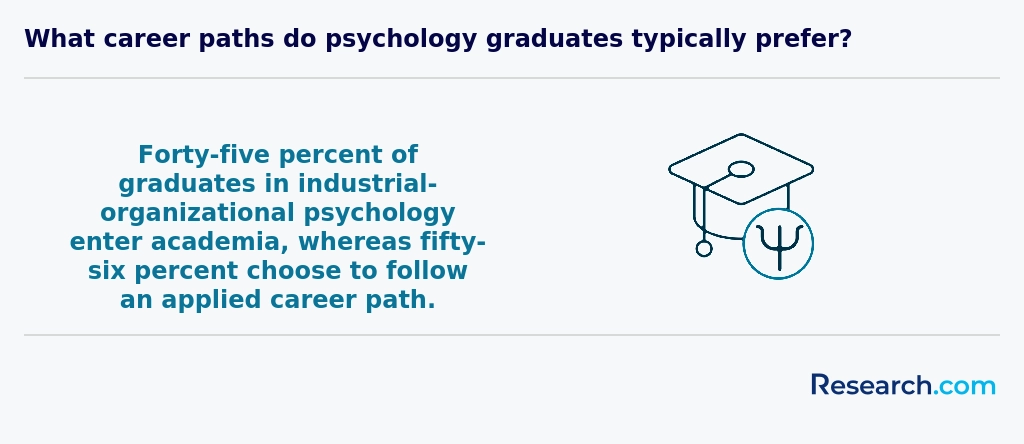
In today’s rapidly evolving educational landscape, psychology programs are not only keeping pace with traditional learning methods but are also embracing new technologies and flexible formats to meet the diverse needs of modern students. This section explores how innovations in teaching methods, blended learning environments, and digital resources are reshaping the way future psychologists are trained. A significant trend is the growth of online programs, which are expanding access to high-quality education for those balancing work, family, and other commitments. For instance, many prospective students are exploring options like online clinical psychology masters programs that combine comprehensive curricula with the convenience of remote learning. Additionally, curricula are increasingly incorporating data analytics, virtual simulations, and telehealth practices, ensuring that graduates are well-prepared for the technological demands of modern psychology practice. As the field continues to integrate these advancements, students can look forward to a dynamic learning experience that not only fosters academic excellence but also enhances career readiness in a competitive, ever-changing job market.
Psychology degree programs in Fairfax are structured to immerse students deeply into the science of human behavior through a diverse, challenging course lineup. Graduates from Fairfax institutions often recall how courses like Introduction to Psychology provided a vital framework, blending theory and research in ways that sparked genuine curiosity about the mind.
Key classes such as Research Methods and Statistics transform abstract concepts into tangible skills, equipping students to critically analyze studies rather than passively absorb information. At popular Fairfax colleges, students often reflect on how Biopsychology opened their eyes to the intricate connections between brain function and behavior, making neuroscience feel alive and relevant.
Courses in Cognitive and Developmental Psychology invite students to examine daily experiences-like memory lapses or social interactions-from scientific perspectives. Graduates frequently describe the Social Psychology class as a turning point, where understanding group dynamics felt immediately applicable to their own lives and future careers.
Specialized electives available in Fairfax allow personalization of the journey, from clinical applications to forensic settings, enriching the excitement and purpose behind each course of study.
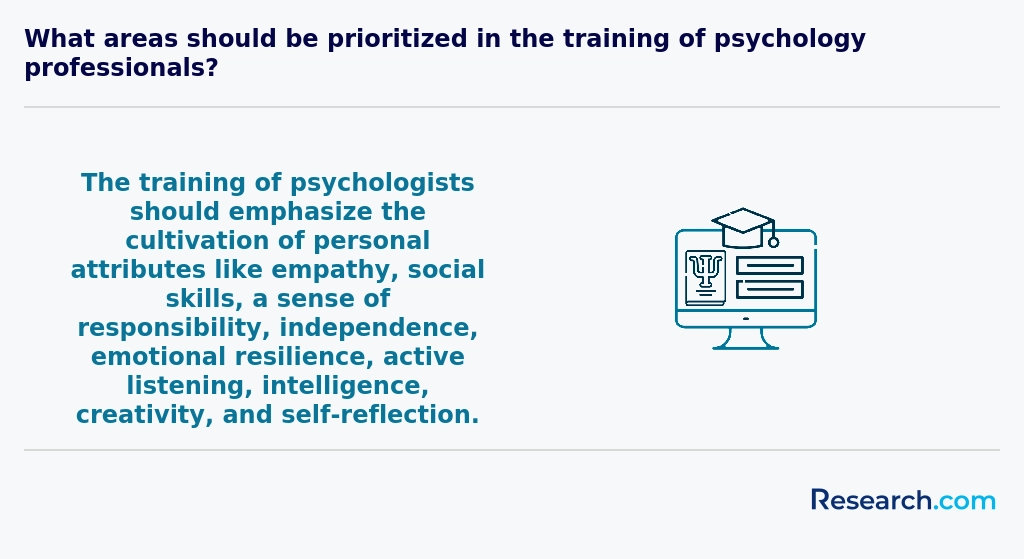
Exploring psychology degree specializations in Fairfax reveals more than typical academic tracks; it's a journey into understanding human behavior shaped by the region's unique social and professional landscape. Graduates from popular colleges often speak of clinical and counseling psychology as gateways to deeply impactful careers-one graduate found purpose diagnosing mental health disorders, while another thrived offering therapeutic support during life's toughest moments.
Fairfax psychology program concentration options extend beyond these well-trodden paths. Industrial-Organizational Psychology draws students eager to enhance workplace environments at nearby government agencies and private firms, transforming theory into tangible employee well-being improvements. Meanwhile, a graduate focusing on forensic psychology shared how applying psychological principles in legal settings invigorated their passion, given Fairfax's proximity to federal judicial institutions.
Engaging with such diverse specializations often inspires students to consider research opportunities or dual focuses, crafting truly personalized experiences. Some report how grasping these concentrations reshaped their perspectives on the clinical social worker salary landscape, igniting hope grounded in real career potential.
Choosing the best psychology degree in Fairfax means looking beyond just course listings; graduates often highlight how programs connected to local federal agencies provided eye-opening internships that transformed theoretical knowledge into real-world impact. Many found that attending institutions like George Mason University, where in-state tuition is around $12,000, balanced quality education with affordability, making it among the most sought-after affordable psychology colleges Fairfax offers. This cost consideration is not just about saving money; it shapes your academic freedom and reduces stress, allowing you to engage more deeply with your studies.
Specialization options also play a critical role. Graduates frequently praise programs that emphasize clinical or forensic psychology, helping them find focus areas that genuinely resonate. The proximity to diverse organizations in Fairfax means you can apply skills in dynamic settings, making learning experiential rather than theoretical. Plus, faculty involvement in cutting-edge research creates mentorship opportunities that make challenging material feel exciting and relevant.
For students weighing online versus on-campus, exploring a top online social work master's degree offered nearby can provide perspective on flexibility and practical engagement. Balancing these factors is essential to find the psychology degree program that truly fits your future ambitions.
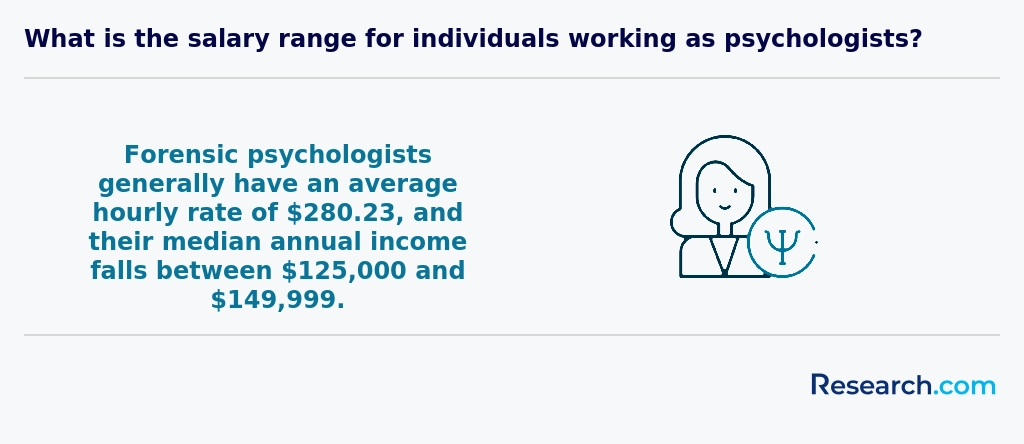
Graduates with a psychology degree in Fairfax often discover career paths far beyond the expected therapy offices. Many find themselves thriving in mental health roles such as licensed therapists or counselors, leveraging Fairfax's expanding healthcare landscape. Yet, those aiming to become clinical psychologists quickly learn that further doctoral study and state licensure are essential, a challenge met with enthusiasm by many who appreciate the rewarding impact of such professions. Experiencing the vibrant academic environments at local institutions, graduates witness firsthand how psychology career opportunities in Fairfax extend into organizational settings, where professionals apply psychological principles in human resources and workforce development, improving employee well-being and productivity.
Some graduates pursue education roles, inspired by the county's commitment to student mental health. Those who explore educational psychology degree requirements often join Fairfax County Public Schools, contributing as school counselors or academic advisors. Others dive into research, utilizing proximity to Washington, D.C. for roles with federal agencies blending behavioral science and public health initiatives. This diversity of job prospects with psychology degree Fairfax vividly illustrates how localized experience shapes fulfilling careers beyond conventional expectations.

The psychology degree job opportunities Fairfax offers are shaped by a dynamic local economy that benefits from proximity to federal agencies and a growing healthcare sector. Graduates from well-known Fairfax institutions often find themselves drawn into clinical roles at hospitals or engaged in government research, where demand is steady and wages reflect the area's high cost of living. One graduate recently shared how internships connected through their university opened doors within nonprofit mental health organizations, a trend many peers echo, highlighting the importance of networking in this market.
Students often ask whether the competitive environment justifies the investment. Considering Fairfax's in-state tuition and competitive salaries, the career outlook for psychology degree holders remains promising but requires strategic specialization. Local programs at popular colleges emphasize practical experience, preparing graduates to thrive in counseling or organizational psychology roles. For those intrigued by evolving mental health sectors, exploring the valuable psychology schools in virginia can provide insight into which institutions best align with career goals.
2027 Most Valuable Psychology Degree Programs Ranking in Fairfax
Investing in one's education is a significant decision that can profoundly impact one's future, and the Research.com team is committed to helping you make well-informed choices. To support prospective students in Fairfax, we have carefully developed the "2027 Most Valuable Psychology Degree Programs Ranking in Fairfax." Our dedication to quality, credibility, and accuracy is demonstrated through rigorous research and thorough analysis conducted throughout the ranking process.
We utilized the following reputable data sources to ensure a comprehensive evaluation of psychology degree programs:
By consulting this ranking, readers will gain valuable insights into the most valuable psychology degree programs offered in Fairfax, enabling them to confidently select programs that align with their career aspirations and educational needs. For a more detailed explanation of our methodology, please visit our Research.com methodology page.

Frequently Asked Questions About psychology
Psychology degree students in Fairfax can maximize their learning experience by actively engaging in both academic and practical opportunities. Fairfax offers access to top-tier universities where students benefit from small class sizes and proximity to research centers, such as those affiliated with George Mason University, known for its robust psychology program.
Participating in internships and volunteer roles in local mental health clinics or research projects enhances hands-on skills and professional networking. According to the U.S. Bureau of Labor Statistics, applied experience significantly improves employment prospects in psychology-related fields.
Students should also utilize campus resources like tutoring and career counseling. Joining psychology clubs or attending workshops can foster peer learning and deeper subject understanding. Staying updated with recent psychological studies and trends, especially through Fairfax libraries and online databases, further supports academic success.
The psychology field in Fairfax is expanding into several emerging niches that reflect current societal needs and technological advances. One growing area is neuropsychology, which focuses on brain-behavior relationships and has gained traction due to local healthcare research initiatives. Another promising niche is health psychology, emphasizing how psychological factors influence physical well-being, important given Fairfax's aging population. Additionally, forensic psychology is developing rapidly, supported by partnerships with the legal system in the region.
Industrial-organizational psychology also sees increasing demand, as Fairfax businesses seek expertise in workforce productivity and employee well-being. According to the Bureau of Labor Statistics, these specialties are among those with above-average job growth nationally, providing hopeful opportunities for new graduates.
Preparing for the job market after earning a psychology degree in Fairfax involves strategic planning and skill development. Graduates should consider gaining relevant experience through internships or volunteer work at local hospitals, counseling centers, or community organizations. This practical exposure is highly valued by employers and can enhance your resume.
Networking is crucial, especially in Fairfax's competitive job market. Joining professional groups such as the Virginia Psychological Association or local chapters can connect you with potential employers and mentors. Additionally, many psychology careers require advanced degrees, so researching graduate school options early can be beneficial.
According to the U.S. Bureau of Labor Statistics, psychology roles in Virginia are expected to grow by 8% between 2022 and 2032. Strengthening analytical, communication, and research skills increases job prospects. Familiarity with local Fairfax employment trends and certifications, like Licensed Professional Counselor (LPC), can further improve employability.
Employers in Fairfax highly value psychology graduates who demonstrate strong analytical skills and the ability to interpret complex behavioral data. According to recent job market analyses by the Virginia Employment Commission, 75% of psychology-related roles emphasize critical thinking and statistical knowledge. Communication skills are also essential; graduates must clearly present findings to diverse audiences, including clients and healthcare teams.
Additionally, proficiency in research methods and ethical considerations is crucial, as Fairfax hosts various research institutions requiring adherence to rigorous standards. Emotional intelligence and cultural competence rank among sought-after traits, reflecting the region's diverse population and demand for empathetic patient care.
Finding psychology internships in Fairfax involves several effective strategies tailored to the local job market. Start by exploring resources at universities such as George Mason University, which has strong connections with local clinics and research centers. Their career services often list internship postings specific to psychology students.
Additionally, consider contacting local healthcare facilities, counseling centers, and non-profit organizations. Fairfax County Public Schools and community mental health agencies frequently offer internships in psychological services and research. According to data from the Fairfax County Economic Development Authority, healthcare and social assistance sectors employ a significant portion of the workforce, increasing internship opportunities.
Online platforms like Handshake and the Virginia Employment Commission's job board also provide internship listings in psychology. Networking at local psychology association meetings can lead to valuable connections in the Fairfax mental health community.
In Fairfax, a psychology degree can significantly enhance career mobility and advancement opportunities. The region's growing healthcare and social services sectors value professionals with psychological expertise. According to the U.S. Bureau of Labor Statistics (2023), Fairfax County's employment for psychologists is expected to grow by 10% over the next decade, faster than the national average.
Higher education credentials in psychology often lead to roles in clinical services, human resources, and counseling. Advanced degrees, such as a master's or doctorate, are particularly important for career advancement and specialized positions.
Local employers prioritize candidates with practical experience and licenses, reflecting Fairfax's competitive job market. This makes internships and certifications key components for upward mobility in the field.
Studying for a psychology degree in Fairfax equips students with a broad skill set that supports interdisciplinary roles across healthcare, education, and social services. Local programs emphasize collaboration between psychology and fields such as neuroscience, business, and public health, reflecting Fairfax's access to diverse professional networks.
Courses often integrate applied research methods and data analysis, skills valuable in interdisciplinary teams. According to the National Center for Education Statistics, psychology remains one of the top five undergraduate majors in Virginia, underscoring its demand.
Fairfax's proximity to federal agencies and private sector employers fosters internship opportunities, allowing students to gain experience in interdisciplinary settings. This practical exposure prepares graduates for roles that require understanding human behavior alongside other domains.
When choosing between a thesis and a non-thesis psychology degree program in Fairfax, consider your career goals and interests. A thesis program typically involves original research, preparing students for roles in research or doctoral studies. Non-thesis programs focus more on coursework and practical skills, suitable for those aiming for applied psychology jobs or immediate workforce entry.
In Fairfax, many universities align their thesis programs with research grants and faculty expertise, providing valuable hands-on experience. According to the National Center for Education Statistics, thesis students often spend 6-12 months conducting research. Non-thesis options can be completed faster, ideal for working professionals.
Review each program's curriculum and speak with academic advisors to determine which path matches your professional and academic aspirations.
Students in Fairfax interested in studying psychology abroad have multiple pathways through their home institutions. Many universities nearby, such as George Mason University, offer study abroad programs allowing psychology majors to spend a semester or year in countries like the United Kingdom, Australia, or Ireland.
These programs often include partnerships with foreign universities, enabling students to take psychology courses that count toward their degree. Additionally, some Fairfax-based students may pursue internships abroad related to clinical or social psychology as part of their education.
According to the Institute of International Education, nearly 15% of US psychology students engage in study abroad experiences, broadening their cultural understanding and research perspectives. Fairfax students benefit from this growing trend, leveraging local university resources to explore global education options within the US higher education framework.
In Fairfax, students pursuing psychology degrees have access to a variety of part-time job opportunities that can enhance their academic experience. Many find roles as research assistants at institutions like George Mason University, where over 3,000 psychology students benefit from hands-on research exposure annually, according to the university's latest figures.
Other common positions include working as behavioral health technicians or mental health aides in local clinics and non-profits. These roles provide valuable practical experience in patient interaction and psychological assessment.
Additionally, Fairfax's growing demand for school counselors has led to part-time assistant roles in local schools, offering insight into educational psychology and counseling methods. Such jobs not only support learning but also strengthen resumes for future careers.
Psychology students in Fairfax benefit from a variety of networking opportunities that enhance their academic and professional growth. Local universities, such as George Mason University, often host psychology-focused events, workshops, and guest lectures featuring experts from the field. These gatherings provide students a platform to connect with faculty and practicing professionals.
The Fairfax-Falls Church Community Services Board offers internship and volunteer programs that allow psychology students to gain experience and build relationships within local mental health services. Additionally, the Northern Virginia Psychological Association holds regular meetings where students can meet licensed psychologists and discuss current research and job opportunities.
Research from the American Psychological Association suggests that students who engage actively in local networks have up to a 30% higher chance of securing relevant internships or jobs after graduation. Fairfax's proximity to Washington D.C. also enables access to national psychology conferences and professional bodies, further expanding networking possibilities.
Alumni networks play an important role for psychology degree students in Fairfax by connecting them with experienced professionals in the field. These networks often provide valuable mentorship opportunities, helping students navigate academic challenges and prepare for licensure exams such as the EPPP (Examination for Professional Practice in Psychology).
Additionally, alumni connections can lead to internships and job placements in local clinics, hospitals, and research centers. According to the American Psychological Association, networking is a key factor in early career success for psychology graduates in the U.S., including Fairfax.
Participation in alumni events and online groups enhances access to job leads, continuing education, and insights on industry trends specific to Fairfax's mental health landscape.
Customizing a psychology degree program in Fairfax allows students to align their studies with specific career goals. Many local institutions offer elective courses and concentrations such as clinical, counseling, or industrial-organizational psychology, letting students focus on fields that match their interests.
Internships and practicum placements within Fairfax's diverse healthcare and social service sectors provide hands-on experience, essential for practical learning and networking. According to Fairfax County Public Schools data, over 60% of psychology students pursue applied experiences during their studies.
Additionally, students can choose research projects or capstone topics relevant to local community issues, enhancing their resumes. Faculty advisors often assist in planning a personalized academic path that fits both educational and professional ambitions.
Psychology students in Fairfax face several common challenges related to the rigor of their academic programs. Many report difficulty balancing demanding coursework with practical experiences such as internships and research projects. According to the National Center for Education Statistics, nearly 60% of psychology undergraduates nationwide struggle with managing time effectively, a trend that holds true in Fairfax as well.
Another challenge lies in mastering research methods and statistical analysis, which are critical components of psychology degrees. Students often find these subjects complex and require additional tutoring or resources. Additionally, access to local research opportunities can be competitive due to limited placements within Fairfax's academic institutions and nearby clinics.
Financial strain is also notable, with average annual tuition for public institutions in Fairfax hovering around $12,000 as reported by College Board data. This can add pressure for students who need to work part-time, impacting study time and mental well-being.
With a psychology degree in Fairfax, you can pursue several professional certifications to advance your career. Common certifications include becoming a Licensed Professional Counselor (LPC) or a Licensed Marriage and Family Therapist (LMFT), both requiring graduate education and supervised clinical hours. The Virginia Board of Counseling oversees these licenses.
For those interested in assessment and testing, the Certified Psychological Assistant (CPA) credential allows supervised practice under licensed psychologists. Additionally, certifications in school psychology are offered through the National Association of School Psychologists, often necessary for working in educational settings across Fairfax County Public Schools.
According to the Bureau of Labor Statistics, demand for mental health counselors in the Fairfax area is projected to grow by 20% through 2030, making these certifications valuable for local employment.
To write a winning application for a psychology program in Fairfax, start by researching the specific requirements of your target schools. Many programs value a strong undergraduate GPA, ideally above 3.5, and relevant coursework in psychology and research methods. Admissions committees often look for clear personal statements that explain your interest in psychology and career goals.
Highlight any volunteer or work experience related to mental health or research, as this demonstrates commitment and practical knowledge. Fairfax-area institutions, like George Mason University, emphasize research potential, so mentioning any participation in studies or lab work is beneficial.
Secure strong letters of recommendation from professors or professionals familiar with your dedication and abilities in psychology. Finally, carefully proofread your application to ensure clarity and professionalism.
The field of psychology offers diverse career opportunities internationally, but the United States maintains a leading role in research and clinical practice. For students in Fairfax, a psychology degree provides a strong foundation aligned with global standards. According to the U.S. Bureau of Labor Statistics, psychology employment is expected to grow 8% from 2021 to 2031, faster than average, reflecting rising demand worldwide.
Global perspectives emphasize cultural competence and evidence-based practice, essential skills for psychologists in diverse communities. Fairfax itself benefits from proximity to research institutions and multicultural populations, providing valuable real-world experience for psychology students. Programs often incorporate international research findings while preparing graduates for licensure under U.S. state regulations.
Gaining practical experience while studying for a psychology degree in Fairfax is crucial for career readiness. Many local colleges collaborate with nearby mental health organizations, schools, and hospitals to offer internships and practicum opportunities. For example, George Mason University, a major Fairfax institution, provides students access to community-based placements that align with coursework.
Students can also participate in research projects led by faculty, gaining hands-on skills in data collection and analysis. According to the American Psychological Association, practical experiences increase employability, and Fairfax's proximity to Washington D.C. expands access to diverse clinical and research environments.
Volunteering at counseling centers or social service agencies in Fairfax can further enhance skills and professional networks.
Choosing the right concentration within a psychology degree program in Fairfax begins with identifying your career goals. Psychology offers various concentrations such as clinical, counseling, developmental, and industrial-organizational psychology. Each focuses on different skills and job markets.
In Fairfax, clinical and counseling psychology are especially popular due to a growing demand for mental health services in the region, according to data from the Virginia Department of Health. If you prefer working in corporate settings, industrial-organizational psychology might be a better fit, given the area's strong business presence.
Consider also the faculty expertise and available resources at your chosen institution, as these vary among local colleges. Accreditation by the American Psychological Association (APA) is essential for many graduate paths, particularly in clinical psychology. Research the curriculum to ensure it aligns with licensure requirements in Virginia, as set by the Board of Psychology.
- 2027 Most Valuable Psychology Degree Programs Ranking in Philadelphia
- 2027 Most Valuable Psychology Degree Programs Ranking in Pittsburgh
- 2027 Most Valuable Psychology Degree Programs Ranking in Durham
- 2027 Most Valuable Psychology Degree Programs Ranking in New York
- 2027 Most Valuable Psychology Degree Programs Ranking in Raleigh
- 2027 Most Valuable Psychology Degree Programs Ranking in Queens
- 2027 Most Valuable Psychology Degree Programs Ranking in Bronx
- 2027 Most Valuable Psychology Degree Programs Ranking in Greensboro
- 2027 Most Valuable Psychology Degree Programs Ranking in New Haven
- 2027 Most Valuable Psychology Degree Programs Ranking in Buffalo
See What Experts Have To Say About Studying Psychology
Read our interview with Psychology experts

Elizabeth L. Jeglic Ph.D.
Psychology Expert
Professor of Psychology
City University of New York

Joann Farrell Quinn, Ph.D., MBA
Psychology Expert
Director at the College of Medicine Department of Medical Education
Morsani College of Medicine

Robin M. Kowalski. Ph.D.
Psychology Expert
Professor of Psychology
Clemson University

- Best Types Of Online Psychology Degrees 2025 https://www.psychology.org/degrees/
- Ontario Psychological Association - Networking and Community Resources https://www.psych.on.ca/become-a-member-(1)/member-services/networking-and-community-resources
- A Guide to Psychology Internships | Psychology Degree Guide https://psychologydegreeguide.org/resources/internships/
- Psychology - SWPS University https://english.swps.pl/academics/warsaw/ba-programs/psychology
- Alumni Perspectives - Meet Our FPN Alumni https://www.aanmelder.nl/alumni-perspectives-june-2023
- Financial Aid for Psychology Students https://www.onlinepsychologydegrees.com/financial-aid/
- Call for papers https://www.hogrefe.com/us/journal/international-perspectives-in-psychology-research-practice-consultation
- Mental Health Challenges Faced by Psychology Students | The Healthcare Guys https://healthcareguys.com/2023/11/23/mental-health-challenges-faced-by-psychology-students/
- Psychology Degree Requirements | University of Bridgeport https://www.bridgeport.edu/news/psychology-education-requirements/
- Careers in and Related to Psychology - Canadian Psychological Association https://cpa.ca/students/career/careersinpsychology/