
2027 Most Affordable Psychology Degree Programs Ranking in Syracuse

Co-Founder and Chief Data Scientist
Choosing the right psychology degree program can be overwhelming, especially when considering cost and quality. This article introduces the 2027 Most Affordable Psychology Degree Programs Ranking in Syracuse, carefully crafted by the Research.com team of data scientists. It is designed to help you make informed decisions about which programs offer great value without compromising your education.
By exploring this ranking, you'll discover accessible opportunities to start or advance your career in psychology. Pursuing this path can open doors to meaningful work that makes a difference in people's lives.
Key benefits of getting psychology degree in Syracuse
- Salary benefits: Graduates with a psychology degree in Syracuse can expect rewarding salaries, such as $76,060 annually for Human Resources Specialists and $62,370 for Clinical Research Associates, offering strong financial stability.
- Career paths: A psychology graduate from Syracuse University might explore diverse roles in research, counseling, or human resources, opening doors to fulfilling jobs that make a real difference in people's lives.
- Online degree advantages: Earning a psychology degree online from SUNY Empire State College allows flexible learning, ideal for busy individuals balancing work and family, without compromising quality education.
- 2027 Most Affordable Psychology Degree Programs Ranking in Syracuse
- What can I expect from psychology degree in Syracuse?
- Where can I work with psychology degree in Syracuse?
What can I expect from psychology degree in Syracuse?
If you're dreaming of studying psychology in Syracuse, knowing the cost can help set your path with confidence and excitement. Graduates from Syracuse University often recall their immersive classroom experiences, where the tuition for in-state students runs around $30,000 per year. This investment opens doors to comprehensive courses like behavioral neuroscience and social psychology, alongside research opportunities that spark curiosity and growth.
On the flip side, many students appreciate the affordability and flexibility of Onondaga Community College, where the annual tuition for residents averages about $5,000. This budget-friendly option allows for a focused start on foundational topics and smooth transfer options to four-year programs. Imagine juggling studies with part-time work or internships while feeling supported by a community that values your success.
Both paths in Syracuse offer unique chances to connect classroom knowledge with hands-on experience, making the financial commitment feel like a gateway to a thrilling journey in understanding the human mind.
Where can I work with psychology degree in Syracuse?
Graduates with a psychology degree in Syracuse often find themselves stepping into dynamic roles across varied sectors, sparking both challenge and fulfillment. Imagine working as a behavioral health specialist at Upstate University Hospital, where every day brings new chances to support patients healing from trauma. Many who have studied psychology at Syracuse University share excitement about joining mental health clinics or rehabilitation centers, contributing to their community's well-being firsthand.
Others embrace opportunities within schools like Onondaga Community College, serving as academic advisors or helping develop special education programs. The rewarding experience of guiding students through personal growth makes this path a favorite for those eager to make an impact.
Social service agencies in Syracuse add another layer of possibility - former students often speak enthusiastically about roles at organizations like the Syracuse Rescue Mission, where case management means connecting vulnerable adults to hope and resources.
Whether diving into rehabilitation efforts in local correctional facilities or exploring organizational development within Syracuse's corporate scene, psychology graduates are inspired by the variety and meaningfulness of their career paths.
Graduates from Syracuse University and other local colleges diving into psychology careers quickly discover exciting salary possibilities right in their backyard. For example, becoming a Human Resources Specialist-an accessible role for psychology majors-brings a rewarding mean annual wage of about $76,060 in Syracuse. Imagine stepping into an HR role where your understanding of human behavior directly shapes company culture, all while earning a solid income.
Venturing into Marketing Research Analysis, another popular path, can yield even higher earnings, with a mean annual wage of $83,190. Graduates often describe the thrill of connecting consumer psychology to business strategy, turning data into actionable insights in the bustling Syracuse market.
Clinical Research Associates and Survey Researchers also offer intriguing careers, each with typical earnings around $62,370 annually. Picture joining a hospital or mental health center in Syracuse, contributing to groundbreaking studies that blend psychology and healthcare-all while building a fulfilling career.
For psychology students here, these salary figures reflect not just numbers but stepping stones into vibrant professional lives powered by curiosity and the dynamic world of human minds.
- Psychology degrees in Syracuse are available at bachelor's, master's, and doctoral levels across public and private institutions.
- Undergraduate tuition ranges from $10,000 to $15,000 per year for in-state students at public universities and $30,000 to $40,000 at private colleges.
- Graduate program costs can total between $20,000 and $50,000 depending on the program length and specialization.
- Entry-level salaries for psychology graduates typically range from $40,000 to $50,000 annually, with licensed professionals earning $70,000 to $90,000 after gaining experience.
- The regional job market is stable, with strong demand in clinical, counseling, and school psychology fields and moderate projected growth over the next decade.
- Licensure generally requires completion of a doctoral program and supervised clinical hours, with state regulations subject to change.
Embarking on a psychology degree adventure in Syracuse usually means dedicating about four years to earn your bachelor's. Imagine walking the bustling halls of Syracuse University, where graduates recall their journey through 120 credit hours blending core psychology classes with intriguing electives. Many delight in summer courses, speeding up their path to graduation, while others savor a balanced pace by studying part-time alongside work.
After the bachelor's, passionate students often dive deeper with a master's degree, adding roughly two more years to their academic quest. Those who choose Syracuse's robust programs often describe the experience as challenging yet rewarding, especially when engaging with supervised clinical hours or their thesis projects.
Doctoral journeys-like pursuing a PhD or PsyD-are the ultimate plunge, stretching from 5 to 7 years filled with research, internships, and hands-on clinical practicums. Graduates cherish these immersive years for the professional growth they spark, shaping their futures as licensed psychologists right in the heart of Syracuse.
As the field of psychology continues to evolve with advancements in technology and shifts in societal needs, students and professionals alike are poised to benefit from emerging trends and innovative educational pathways. Today’s landscape is increasingly shaped by digital transformation, teletherapy, and data-driven approaches that not only redefine research methodologies but also expand practical applications within clinical, organizational, and educational settings. Staying ahead in this dynamic environment means continuously updating skills and exploring interdisciplinary opportunities that bridge technology, behavioral science, and healthcare. One key development gaining traction is the integration of online education models that offer accelerated and flexible paths to advanced qualifications. For instance, many prospective students are now exploring programs that emphasize rapid career progression through specialized curricula. For those looking to fast-track their expertise, consider exploring the ranking of fastest masters in applied behavior analysis online, which highlights programs designed for efficiency without compromising academic rigor. Such initiatives not only expand access to high-quality instruction but also cater to the growing demand for professionals who can adapt to diverse work environments. Additionally, emerging research in fields like neuropsychology, health psychology, and digital therapeutics is setting the stage for more personalized and effective mental health interventions. As employers increasingly value innovative problem-solving and adaptability, graduate programs are incorporating advanced training in data analytics, cognitive neuroscience, and virtual counseling. This strategic focus prepares graduates for leadership roles in both traditional and non-traditional settings, ensuring that they remain competitive as the sector expands. Ultimately, understanding these future trends and capitalizing on innovative learning opportunities will empower psychology students to navigate the evolving job market with confidence and versatility.
Choosing between an online or on-campus psychology degree in Syracuse opens up a world of possibilities depending on your lifestyle and learning preferences. Imagine walking the vibrant halls of Syracuse University, engaging in lively conversations after class, or gaining hands-on experience in campus counseling centers-these moments shape your understanding beyond textbooks. Graduates often cherish the direct mentorship and rich social interactions that on-campus programs uniquely provide, though they acknowledge these come with higher tuition fees around $55,000 annually.
On the flip side, online psychology programs offer incredible flexibility. Picture juggling a job or family while studying through virtual lectures and video discussions accessible anytime. Many who've chosen this path from Syracuse-area schools appreciate saving money and tailoring their study schedules. Although online learning limits spontaneous face-to-face chats, graduates find meaningful connections through group projects and online forums, making the experience feel personally rewarding in a different way.
Both paths meet rigorous accreditation standards, but if clinical work is your dream, on-campus programs with APA approval, mainly at Syracuse's traditional institutions, might be the key to unlocking those doors.
When applying to a psychology degree program in Syracuse, NY, understanding the key deadlines and required materials is essential for a smooth admissions experience. Below is a typical timeline and checklist to help you prepare: • Application Timeline – Fall Term (September start): Priority deadline by January 15; Regular deadline by February 28 – Spring Term (January start): Deadline by October 15 – Summer Term (May start): Deadline by March 1 • Required Materials – Completed online application form – Official high school or college transcripts – SAT or ACT scores (if not waived under test-optional policies) – Personal statement outlining career goals in psychology – Two letters of recommendation from teachers or supervisors – Resume or CV showcasing relevant volunteer, research, or work experience – Application fee (waivers available for eligible students) • Tips for a Competitive Application 1. Submit all materials early to qualify for merit-based scholarships and fee waivers. 2. Highlight any research projects or internships, especially those completed at local clinics or labs. 3. Tailor your personal statement to reflect why Syracuse’s psychology programs align with your professional aspirations. 4. Attend virtual or on-campus information sessions and connect with faculty advisors. While focusing on Syracuse, prospective students may also compare affordability across regions-check out our Cheapest Psychology Degree Programs Ranking in South Dakota for additional cost-effective options. Planning ahead and adhering to these guidelines will position you for timely admission into a quality, affordable psychology program in Syracuse, NY.
The average cost of a psychology degree in Syracuse presents an intriguing balance between ambition and affordability, with the median total cost hovering around $86,469. For in-state students, that figure drops to about $65,528, making it a bit easier to navigate the financial journey. Graduates from Syracuse University often recall the excitement of immersive psychology classes combined with the challenge of managing tuition near $63,000 annually, yet they highlight how scholarships and assistantships provided invaluable support. The adventure of studying here blends rigorous academics with real-world experiences that feel worth every penny.
Many students eager for more accessible paths turn to Onondaga Community College or local public universities, where the financial commitment leans toward $5,000 to $9,000 per year for in-state residents, opening doors for those on a budget or exploring affordable psychology degree programs Syracuse 2027. These alternatives often spark a vibrant journey that starts with foundational courses and an optimistic outlook on transferring into a full psychology bachelor's program.
Those pursuing psychology degrees in Syracuse quickly learn that tuition is just one part of the story. Additional expenses for books, lab materials, and on-campus housing can add $15,000 or more annually. Yet, graduates enthusiastically reflect on how financial aid and university fellowships helped ease their way. Nearly 85% of full-time psychology students receive such aid, creating opportunities for achievement beyond sticker price. For a practical guide on navigating costs, exploring the cheapest psychology programs in New York can reveal surprising savings and options.

Graduates must obtain state licensure to practice clinically. Key steps include:
- Complete an APA-accredited doctoral or master’s program approved by the New York State Education Department.
- Accumulate at least 3,500 hours of supervised experience, including pre-doctoral and post-doctoral clinical hours.
- Pass the Examination for Professional Practice in Psychology (EPPP) and, if applicable, the New York State jurisprudence exam.
- Submit a licensure application, official transcripts, and verification of supervised hours to the NYSED Office of the Professions.
- Maintain licensure with 36 hours of continuing education every three years to stay current with ethical and clinical standards.
For those focusing on counseling roles, consider exploring counseling degrees online accredited programs that align with New York’s licensing requirements.
Exploring psychology at Syracuse University or nearby SUNY campuses often means diving into a treasure trove of financial aid that helps make dreams real. Many graduates recall the relief of snagging Pell Grants, which for the 2023-2024 year offer up to $7,395 to undergraduates in need-free money that lightens the financial load and fuels academic adventure. Others share how federal Direct Loans became a stepping stone, with manageable fixed rates around 5.5%, letting them focus on research and discovery without immediate repayment stress.
Work-Study programs prove a hidden gem, allowing psychology students to earn while gaining hands-on experience in labs or counseling centers, making their studies feel alive and practical. Plus, SUNY's scholarships open doors for both in-state and out-of-state learners, adding new possibilities to the journey.
Private scholarships from organizations like the American Psychological Association further brighten the path, celebrating merit and passion. Local Syracuse foundations might offer rare but prized awards, rewarding determination and a strong community connection. Graduates often echo the excitement of tapping into these layered resources to pursue their passion for understanding the human mind.
Earning a psychology degree is just the first step toward professional practice. To become a licensed psychologist or mental health counselor in New York, you must:
- Graduate from an accredited program: APA-accredited doctoral program for psychologists; regionally accredited master’s for counselors.
- Complete supervised experience: at least 1,750 hours at pre- and post-doctoral levels (psychologists) or 3,000 hours for Licensed Mental Health Counselors.
- Pass required exams: the Examination for Professional Practice in Psychology (EPPP) and New York State psychology law exam for psychologists; NYS LMHC exam for counselors.
- Submit a license application: include official transcripts, verification of supervised hours, exam scores, and required fees to the NY State Office of the Professions.
Those pursuing a counseling license might consider an online counseling degree to fulfill academic requirements while balancing work or personal commitments.
Diving into a psychology degree in Syracuse means gearing up with some key prerequisites that set the stage for an exciting academic journey. Graduates from local universities often share how their strong foundation in English and math, built during high school, made tackling psychology coursework feel like an achievable challenge rather than a daunting hurdle. Imagine preparing for classes by mastering communication skills that help you understand human behavior more deeply or sharpening your quantitative abilities to excel in research methods.
Many students recall submitting SAT scores within the 1200 to 1350 range, especially those aiming for Syracuse University, where test results still play an important role. Others appreciated having taken social science classes earlier, finding that this prior exposure brought fascinating perspectives to topics like biological bases of behavior.
For those eyeing graduate studies, the adventure continues with a bachelor's degree, solid recommendations, and a GPA around 3.0. Completing the GRE and gaining research experience often opens doors to advanced opportunities, fueling the excitement of exploring psychology in greater depth.

When exploring psychology degree programs in Syracuse, NY, one crucial aspect to consider is affordability. Prospective students often find themselves weighing the costs of tuition against the potential benefits of their chosen program. To make an informed decision, it's essential to research and compare the costs of different institutions. For those looking for affordable options, visiting https://research.com/rankings/psychology/most-affordable-psychology-ny as a resource for cheapest psychology programs in New York can provide valuable insights. This resource can help students identify programs that fit their financial needs while also aligning with their career aspirations in psychology. By considering affordable options and considering all factors, students can embark on their academic path with confidence, ready to take on the challenges and opportunities that a psychology degree in Syracuse, NY, has to offer.
Students diving into psychology degrees in Syracuse embark on an exciting journey through courses like Introduction to Psychology, where they uncover the mysteries of human thought, emotion, and behavior-imagine walking through the halls of Syracuse University, eagerly connecting theories to everyday experiences. Graduates often recall how Research Methods and Statistics felt challenging yet empowering, as they learned to design experiments and analyze data using tools like SPSS, setting a foundation for evidence-based thinking.
Exploring the biological side, courses in Biopsychology or Neuroscience reveal how brain functions shape our actions, making afternoons in Syracuse College's labs truly fascinating. Meanwhile, engaging with Developmental Psychology paints a vivid picture of human growth at every life stage, resonating deeply with those who've volunteered in local community programs.
Classes like Abnormal Psychology and Social Psychology invite students to understand complex disorders and social behaviors, sparking moments of empathy and insight. Many graduates cherish these relatable lessons, feeling prepared and inspired to apply their knowledge in internships and real-world settings across Syracuse's diverse mental health landscape.
Exploring psychology degree specializations in Syracuse opens doors to fascinating paths. Imagine engaging deeply with clinical psychology at Syracuse University, where graduates feel empowered diagnosing and treating mental health disorders, often in vibrant community health centers. Or perhaps counseling psychology excites you-helping individuals navigate life's twists, a choice favored by those drawn to social work or school counseling, enriched by access to Syracuse's diverse populations.
Developmental psychology invites curiosity about human growth through real-world research in local schools, offering joyful discoveries about cognitive and emotional milestones. Industrial-organizational psychology pulses with energy as students prepare for dynamic careers improving workplace culture and productivity amid Syracuse's expanding industries. These options reveal why best psychology concentrations Syracuse programs attract adventurers eager to tailor their journey.
Additional specializations, like neuropsychology and forensic psychology, unlock unique intersections of brain science and the legal world. For those ready to dive deeper, check the ranking of fastest masters in applied behavior analysis online for more pathways that spark curiosity and professional growth.
Choosing the best psychology degree in Syracuse means diving into what truly sparks your curiosity. Imagine walking through the vibrant campuses of Syracuse University or Le Moyne College, where graduates often share how hands-on internships at local mental health centers transformed ideas into real-world skills-like crafting personalized therapeutic approaches or conducting meaningful research. Reflect on what excites you most: clinical practice, developmental studies, or neuropsychology. Students passionate about affordable psychology degree programs in Syracuse often highlight the balance between quality education and financial sense, especially when comparing public versus private tuition rates.
Graduates frequently emphasize the joy of learning from faculty deeply involved in current psychological research, fostering mentorships that open doors to advanced studies or careers. Don't overlook how some programs tailor class schedules to fit busy lives, proving that flexible learning can fit around work or family commitments.
For those prioritizing cost, exploring scholarships and grants can be a game-changer. You might also find the Cheapest Psychology Degree Programs Ranking in South Dakota useful as you consider your options.
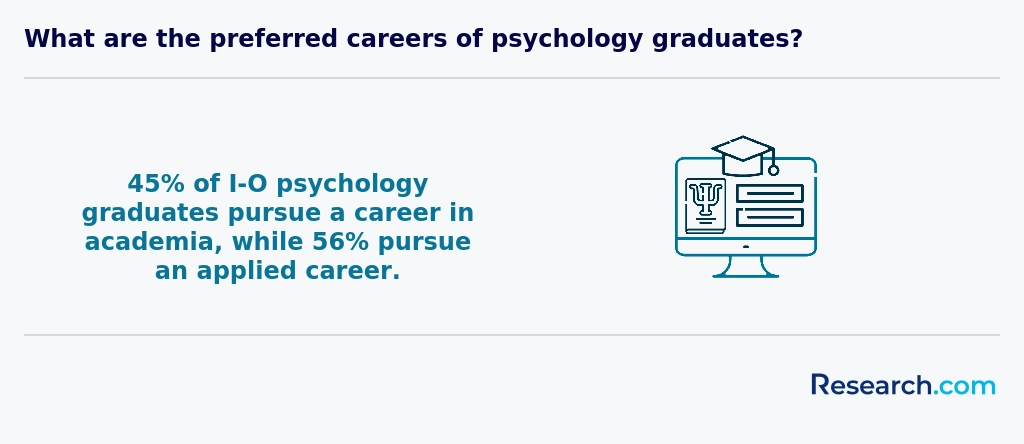
Exploring psychology degree career options in Syracuse reveals exciting possibilities ranging from clinical and counseling roles to dynamic research positions. Graduates from Syracuse University often share stories of stepping into hospitals or community centers where they make tangible impacts on mental well-being, experiencing the rewarding nature of direct patient support. Meanwhile, school psychologists find joy transforming educational environments, helping students thrive emotionally and academically within Syracuse's diverse school systems.
For those intrigued by workplace dynamics, industrial-organizational psychology offers a hands-on journey improving employee satisfaction and productivity in local businesses. Research roles at colleges and labs provide curious minds the thrill of investigating human behavior firsthand. Many Syracuse students discover that combining their psychology degree with further certifications opens paths into social work or mental health counseling, fields where their work deeply connects with community needs.
Considering affordability, some start with the quickest associate's degree online options before moving on to university programs, making the adventure of learning accessible. These varied job opportunities with psychology degree Syracuse graduates pursue reflect both passion and practical impact, inviting you to carve your own unique path.
The job market for psychology degree holders in Syracuse is vibrant and promising, especially for graduates eager to immerse themselves in clinical, counseling, or school psychology roles. Many graduates from popular Syracuse universities discover opportunities in university counseling centers and local hospitals like Upstate University Hospital, where hands-on experiences help bridge the gap between study and career. For example, recent graduates often share the excitement of securing internships through these institutions, crucial steps that open doors to licensure and specialized positions.
While entry-level roles with a bachelor's degree might focus on supportive functions in human services or healthcare administration, Syracuse's competitive environment encourages students to delve deeper, exploring advanced degrees or certifications. Those aiming to thrive often explore ways to stand out among peers from local colleges, as the demand for psychology degree job opportunities in Syracuse steadily climbs.
Many students also find value pursuing easy online college degrees alongside traditional study paths to maximize flexibility and expand career options in this exciting field.
2027 Most Affordable Psychology Degree Programs Ranking in Syracuse
Investing in your education is a significant decision that can shape your future, and the Research.com team understands the importance of making informed choices. To assist prospective students, we have meticulously developed the "2027 Most Affordable Psychology Degree Programs Ranking in Syracuse." Our dedication to quality, credibility, and accuracy is evident in the thorough research and analysis conducted to create this ranking. We utilized the following reputable data sources to ensure a comprehensive evaluation of psychology degree programs:
By reviewing this ranking, readers will gain valuable insights into affordable psychology degree options in Syracuse, empowering them to make well-informed educational decisions. For further information on how this ranking was developed, please visit our Research.com methodology page.


Frequently Asked Questions About psychology
Psychology degree students in Syracuse can maximize their learning experience by actively engaging in both coursework and practical opportunities. Syracuse University, for instance, offers access to diverse research labs where students can collaborate on ongoing psychology studies, deepening their understanding of experimental methods and data analysis.
Additionally, students should seek internships and volunteer roles in local clinics or mental health organizations. These experiences offer real-world exposure, complementing academic knowledge with essential clinical skills. According to the New York State Education Department, practical experience improves licensure success rates significantly.
Joining psychology-related student organizations also fosters networking and professional growth. Attending campus seminars and workshops keeps students informed about the latest developments in behavioral science.
The field of psychology is evolving rapidly, with emerging niches that reflect broader societal and technological changes. In Syracuse, specialties like neuropsychology are growing due to advances in brain imaging and cognitive research. Also gaining traction is health psychology, focusing on how mental health intersects with chronic diseases, a key area as the population ages.
Another notable niche is forensic psychology, supported by collaborations between universities and the local justice system, offering practical experience for students. Additionally, industrial-organizational psychology is expanding, driven by businesses seeking to improve workplace well-being and productivity. According to the U.S. Bureau of Labor Statistics, job growth for these specialties is projected to rise faster than average through 2030.
After completing a psychology degree in Syracuse, preparing for the job market involves several strategic steps. Start by gaining practical experience through internships or volunteering at local mental health clinics or hospitals. Syracuse offers opportunities at places like St. Joseph's Hospital and the Syracuse Behavioral Health Services. According to the U.S. Bureau of Labor Statistics, psychology-related jobs in New York State are projected to grow about 3% through 2031, aligning with national trends.
Networking is essential; attending events hosted by organizations like the Central New York Psychological Association can connect you with professionals and job leads. Consider obtaining additional certifications or specializing in fields like clinical or educational psychology to enhance employment prospects. Local universities often have career services that guide graduates on crafting effective resumes and interview preparation.
Employers in Syracuse highly value psychology degree graduates who demonstrate strong analytical and research skills. According to the Bureau of Labor Statistics, the ability to interpret psychological data accurately is crucial for many roles in clinical, counseling, and industrial-organizational psychology. Communication skills, both written and verbal, are essential since professionals must clearly explain findings and interact with clients or teams.
Additionally, problem-solving and critical thinking are top traits sought by employers. Syracuse's local mental health agencies emphasize empathy and ethical judgment because these qualities improve client outcomes and maintain professional standards. Familiarity with statistical software and experience in conducting assessments also enhance a candidate's job prospects.
Finding internships in Syracuse relevant to a psychology degree involves leveraging local resources and educational institutions. Syracuse University, a key institution in the area, often provides internship listings through its psychology department and career services. Students can explore opportunities in nearby hospitals, mental health clinics, and social service organizations.
The Central New York region has a number of agencies offering practical experience, such as the Syracuse Behavioral Healthcare clinics. Additionally, platforms like Handshake, popular at Syracuse University, host numerous psychology-related internships specific to the Syracuse area.
Networking events and local psychology associations also support connections between students and internship providers, which is vital considering 70% of internships come through referrals, according to the National Association of Colleges and Employers.
A psychology degree in Syracuse can significantly enhance career mobility and advancement opportunities. Graduates with a bachelor's or higher degree often qualify for positions in healthcare, education, social services, and business sectors. According to the U.S. Bureau of Labor Statistics, employment of psychologists is expected to grow 8% nationally from 2022 to 2032, which is faster than average, benefiting local job seekers.
In Syracuse, strong ties to healthcare organizations and educational institutions provide graduates with access to internships and networking, vital for career growth. Obtaining a master's or doctoral degree increases eligibility for specialized roles, such as clinical psychologist or counselor, leading to higher salaries and leadership roles. License requirements in New York State also promote continuous professional development, further supporting advancement within the field.
Studying for a psychology degree in Syracuse offers a strong foundation for interdisciplinary roles by integrating knowledge from various fields such as neuroscience, sociology, and healthcare. Programs in the area often emphasize research methods and applied skills, preparing students to collaborate across disciplines like education, counseling, and public health. According to the Syracuse University Department of Psychology, over 40% of graduates engage in cross-sector careers within five years, highlighting the practical value of this approach. Furthermore, partnerships between local hospitals and community agencies provide hands-on experiences, enhancing students' ability to work in teams addressing complex social and mental health issues.
Choosing between a thesis and a non-thesis psychology degree program in Syracuse depends largely on your academic and career goals. Thesis programs typically require conducting original research, which is ideal if you plan to pursue a PhD or careers in research and academia. Non-thesis programs focus more on coursework and practical application, suitable for those aiming for professional roles such as counseling or applied psychology.
In Syracuse, local institutions report that thesis tracks often take longer to complete, averaging 2 to 3 years due to research demands. The New York State Education Department notes that employers in clinical and counseling fields value hands-on experience, often emphasized more in non-thesis routes. Reviewing program curricula and speaking with academic advisors can clarify which path aligns best with your objectives.
Students based in Syracuse seeking to study psychology abroad have several pathways within the US higher education system. Many universities in Syracuse, such as Syracuse University, offer study abroad programs in collaboration with partner institutions worldwide. These programs allow psychology majors to take relevant courses overseas, earning credits that count toward their degree.
Additionally, students can participate in exchange programs or short-term summer research opportunities focused on psychology, which provide international experience without prolonging graduation time.
According to Syracuse University's 2023 study abroad report, approximately 15% of their psychology students engage in such programs, reflecting growing interest in global perspectives in mental health and behavior studies.
Financial aid and scholarships are often available to help cover costs, making study abroad a viable option for many Syracuse psychology students.
Students pursuing psychology degrees in Syracuse can find valuable part-time job opportunities that complement their studies while gaining practical experience. Many local healthcare facilities, such as the Upstate University Hospital, offer assistant roles or internships in mental health departments. These positions provide hands-on exposure to clinical environments.
Additionally, Syracuse's numerous nonprofit organizations often seek volunteers or part-time staff for counseling support and community outreach. These roles help build interpersonal and research skills crucial for psychology careers.
Campus-based research assistant positions at Syracuse University also offer students a chance to engage in psychological studies, enhancing both academic knowledge and practical application.
Psychology students in Syracuse benefit from strong networking opportunities through local universities such as Syracuse University and Onondaga Community College. These institutions often host psychology clubs and professional organizations that connect students with alumni and local psychologists.
Internship programs affiliated with healthcare facilities and community organizations in the area offer practical experience and allow students to build professional contacts. The Central New York Psychological Association also organizes events and seminars that are open to students, fostering connections with practicing professionals.
Additionally, Syracuse's proximity to major cities like New York and Philadelphia provides occasional access to larger psychology conferences and workshops, enhancing networking options beyond the local community.
Alumni networks offer significant benefits to psychology degree students in Syracuse. Graduates often gain access to local and nationwide connections, enhancing their opportunities for internships, research collaborations, and job placements. For example, Syracuse University's psychology program alumni frequently engage in mentorship roles, supporting current students by sharing career advice and professional insights.
Research from the National Association of Colleges and Employers shows that networking is a primary factor influencing job offers for psychology graduates. In Syracuse, these networks facilitate introductions to local clinical and counseling centers, which is crucial for gaining practical experience.
Additionally, active alumni associations host events that focus on developments in psychology, providing students with continuing education and professional growth. Such associations can increase access to scholarships and funding exclusive to members.
Customizing a psychology degree program in Syracuse involves selecting courses and experiences that align with your career aspirations. Many local universities offer specializations such as clinical psychology, developmental psychology, or industrial-organizational psychology, allowing students to focus on their preferred field.
Internships and research opportunities at Syracuse-based institutions provide practical experience, essential for employment or advanced study. Additionally, elective courses in related fields like counseling or neuroscience can broaden your skill set. According to the National Center for Education Statistics, tailoring your curriculum enhances job prospects in the competitive New York psychology job market.
Advisors at Syracuse colleges often guide students in mapping their degree paths to fit specific career goals.
Psychology students in Syracuse often face several challenges that are typical within the US higher education system. One common difficulty is managing the rigorous coursework, which includes understanding complex theories and conducting research. According to the National Center for Education Statistics, psychology majors frequently report high levels of academic stress due to demanding reading and writing assignments.
Another challenge is balancing internships or practicum experiences with academic responsibilities. In Syracuse, local clinics and hospitals provide valuable training opportunities, but scheduling can be a significant hurdle, especially for students working part-time.
Financial strain also affects many students. Tuition costs in the Syracuse area have increased over recent years, leading some to rely heavily on loans or scholarships to continue their education. According to the New York State Education Department, about 40% of psychology students in the region receive some form of financial aid.
Lastly, mental health challenges among psychology students themselves are notable. Studies highlight that students in this field often report anxiety and burnout, partly due to the emotional demands of studying mental health issues.
With a psychology degree in Syracuse, graduates can pursue various professional certifications to advance their careers. Common options include becoming a Licensed Mental Health Counselor (LMHC) or a Licensed Clinical Social Worker (LCSW), both requiring graduate studies and supervised clinical hours. The New York State Office of the Professions regulates these licenses, vital for practicing therapy.
Other certifications include becoming a Certified Alcohol and Substance Abuse Counselor (CASAC), a credential that addresses addiction treatment. For those interested in school settings, certification as a School Psychologist through the New York State Education Department is available, often requiring a master's or doctoral degree.
Additionally, certification in Applied Behavior Analysis (ABA) is popular for those working with developmental disorders. Resources such as the Bureau of Labor Statistics and New York State licensing boards provide up-to-date guidelines and requirements.
Writing a winning application for a psychology program in Syracuse requires careful preparation and clear presentation. Start by researching specific programs at institutions like Syracuse University and Le Moyne College, which are known for strong psychology departments.
Highlight your academic achievements, focusing on coursework in biology, statistics, and psychology. A competitive GPA-typically 3.0 or higher-is often required for admission. Including relevant volunteer or research experience can set you apart, especially if it involves local community mental health services.
Craft a compelling personal statement that explains your motivation for studying psychology and your career goals. Tailor it to reflect your interest in psychological issues pertinent to the Syracuse region when possible.
Lastly, secure strong recommendation letters from professors or professionals familiar with your academic and interpersonal skills. According to recent data from the National Center for Education Statistics, psychology remains a popular major in New York State, making a polished application essential to stand out.
Psychology careers in the United States, including Syracuse, are influenced by global trends emphasizing cross-cultural competence and interdisciplinary research. According to the American Psychological Association (APA), U.S. psychology graduates can benefit from growing international collaboration, especially in clinical and counseling psychology.
Professionals with psychology degrees in Syracuse often engage with global mental health issues, reflecting a worldwide increase in demand for psychological services. The Bureau of Labor Statistics projects a 8% growth in psychologist jobs nationwide by 2031, partly driven by expanded care needs.
Studying psychology in Syracuse provides access to programs aligned with international standards, preparing students for diverse settings. This includes opportunities to research global mental health disparities and contribute to evidence-based practices recognized worldwide.
Gaining practical experience while studying for a psychology degree in Syracuse is essential for building relevant skills. Many local colleges, including Syracuse University, offer internship programs that connect students with community mental health centers, hospitals, and school counseling offices. These internships provide real-world exposure and often count toward degree requirements.
Students can also participate in faculty-led research projects, which are widely available at Syracuse University's psychology department. Involvement in research helps develop critical analysis and data collection skills.
Volunteering opportunities at organizations like the Onondaga County Mental Health Department enable hands-on experience in client interaction and program support. According to the Bureau of Labor Statistics, practical experience significantly improves job prospects in psychology careers.
Choosing the right concentration within a psychology degree program in Syracuse involves understanding your career goals and personal interests. Local universities, such as Syracuse University, offer specialized tracks like clinical psychology, cognitive psychology, and industrial-organizational psychology. According to the Bureau of Labor Statistics, clinical and counseling psychologists are among the fastest-growing professions, with a 9% growth rate expected from 2022 to 2032.
Students should consider concentrations that match their desired work settings, whether in research, healthcare, or business. Additionally, exploring faculty expertise and available internships in Syracuse can help tailor your educational path effectively.
- 2027 Most Affordable Psychology Degree Programs Ranking in Rochester
- 2027 Most Affordable Psychology Degree Programs Ranking in Albany
- 2027 Most Affordable Psychology Degree Programs Ranking in Buffalo
- 2027 Most Affordable Psychology Degree Programs Ranking in Amherst
- 2027 Most Affordable Psychology Degree Programs Ranking in Springfield
- 2027 Most Affordable Psychology Degree Programs Ranking in New York
- 2027 Most Affordable Psychology Degree Programs Ranking in New Haven
- 2027 Most Affordable Psychology Degree Programs Ranking in Worcester
- 2027 Most Affordable Psychology Degree Programs Ranking in Cambridge
- 2027 Most Affordable Psychology Degree Programs Ranking in Baltimore
See What Experts Have To Say About Studying Psychology
Read our interview with Psychology experts

Elizabeth L. Jeglic Ph.D.
Psychology Expert
Professor of Psychology
City University of New York

Joann Farrell Quinn, Ph.D., MBA
Psychology Expert
Director at the College of Medicine Department of Medical Education
Morsani College of Medicine

Catherine Caldwell-Harris, Ph.D.
Psychology Expert
Associate Professor of Psychology
Boston University

- Financial Aid For Psychology Students | Psychology.org https://www.psychology.org/resources/financial-aid/
- Mental Health Challenges Faced by Psychology Students | The Healthcare Guys https://healthcareguys.com/2023/11/23/mental-health-challenges-faced-by-psychology-students/
- Syracuse University https://www.free-4u.com/Colleges/Syracuse-University.html
- Alumni Perspectives - Meet Our FPN Alumni https://www.aanmelder.nl/alumni-perspectives-june-2023
- Psychology at Syracuse University https://www.vaia.com/en-us/degrees/universities/syracuse-university/psychology-at-syracuse-university/
- Financial Aid - Say Yes Syracuse https://sayyessyracuse.org/resources/financialaid/
- Know more about thesis vs non- thesis: what is the difference? https://studyfans.com/en/blogs/816
- How to help students cope with mental health challenges https://www.eaie.org/resource/help-students-cope-mental-health-challenges.html
- Study Psychology Abroad https://astarfuture.co.uk/study_psychology_abroad.html
- Study Psychology Abroad | Go Overseas https://www.gooverseas.com/study-abroad/psychology





