
2027 Easiest Online Psychology Degree Programs Ranking in the Midwest

Co-Founder and Chief Data Scientist
Choosing the right online psychology degree program can feel overwhelming, especially when you want flexibility and quality. This article introduces the 2027 Easiest Online Psychology Degree Programs Ranking in the Midwest, created by the Research.com team of data scientists. It's designed to help you make a confident and informed decision about which programs truly stand out.
Exploring psychology online opens doors to understanding human behavior and pursuing a meaningful career. You'll find helpful insights here to guide your journey toward a rewarding degree that fits your life.
Key benefits of getting online psychology degree in the Midwest
- Salary for psychology degree graduates: Graduates can expect competitive wages, such as Clinical Research Associates earning about $62,370 annually and Marketing Research Analysts earning around $83,190, highlighting strong financial potential in the Midwest.
- Career paths: A psychology graduate from the University of Michigan, for example, might pursue roles in human resources, clinical research, or market analysis, showing the degree's versatility and wide range of opportunities.
- Benefits of online degrees: Earning a psychology degree online from a school like the University of Illinois Urbana-Champaign offers flexibility and convenience, ideal for balancing work and study while gaining a respected qualification.
- 2027 Easiest Online Psychology Degree Programs Ranking in the Midwest
- What can I expect from online psychology degree in the Midwest?
- Where can I work with online psychology degree in the Midwest?
What can I expect from online psychology degree in the Midwest?
The average cost of an online psychology degree in the Midwest typically ranges between $10,000 and $15,000 for the entire program. Graduates from institutions such as the University of Illinois Springfield and the University of Missouri often reflect positively on this balance of affordability and quality. Many describe a sense of relief knowing they could pursue their passion for psychology without excessive debt, a feeling that resonates deeply when managing daily life expenses in this region.
These programs provide more than just theory; students recount engaging with interactive virtual lectures and collaborative discussion forums that simulate real classroom dynamics. Some even shared stories of completing local internships or brief campus residencies, allowing them to apply psychological principles in hands-on environments without uprooting their routines.
Being able to access in-state tuition rates also offers peace of mind for many Midwestern students, making advanced education financially viable and fostering confidence as they embark on meaningful careers in psychology and human services.
Where can I work with online psychology degree in the Midwest?
Graduates from online psychology programs in the Midwest often find rewarding roles in both bustling cities like Chicago and quieter communities throughout the region. Many who studied at well-known Midwest institutions share how their bachelor's degrees opened doors to positions such as behavioral health technicians or case managers in hospitals and community health centers. The hands-on experience gained in these settings not only deepens their understanding but also creates a strong sense of purpose helping people navigate real challenges.
Those advancing with a master's degree frequently step into licensed counselor roles or family therapy, especially in states like Illinois, Ohio, and Michigan where clear licensing pathways exist. Alumni reflect on how this credential allowed them to work in schools or government agencies, providing mental health support where it's needed most. Their stories often highlight the fulfillment found in guiding students or veterans toward healthier lives.
Across the Midwest, psychology graduates appreciate the balance of supportive workplaces and a growing demand for mental health professionals, inspiring confidence as they build meaningful careers close to home.
Graduates from online psychology programs in the Midwest often find rewarding career paths with diverse salary ranges depending on their chosen roles. For example, those stepping into positions akin to human resources specialists can anticipate mean annual earnings around $76,060. This aligns well with experiences shared by alumni from well-regarded institutions like the University of Michigan or Ohio State University, who appreciate how their degree translated into practical, well-paying opportunities.
Similarly, graduates pursuing roles similar to marketing research analysts report average salaries nearing $83,190 per year, reflecting the value of psychological expertise in understanding consumer behavior and organizational dynamics. Many find this career both intellectually fulfilling and financially satisfying.
For those drawn to research-intensive or clinical roles, positions comparable to clinical research associates or survey researchers typically offer mean annual wages around $62,370. Graduates from schools such as the University of Illinois have remarked on how these roles allow them to apply their training in meaningful ways, supporting advancements in mental health and social science.
While salaries vary, the common thread is that a psychology degree from a respected Midwestern university opens doors to careers with solid earning potential and the chance to make a positive impact in diverse settings.
- The annual cost of online bachelor's degrees in psychology in the Midwest ranges from $8,000 to $15,000, making it an affordable option compared to the national average.
- Entry-level psychologists in the Midwest typically earn between $50,000 and $60,000 per year, with salaries potentially exceeding $80,000 after gaining experience and advanced certification.
- Psychology-related jobs are expected to grow by about 8% nationwide from 2022 to 2032, driven by increasing demand for mental health and therapy services.
- Licensing in many Midwest states requires an accredited degree, supervised experience, and passing national exams; programs with APA accreditation are important for eligibility.
- Online programs often offer flexible schedules and specialized concentrations such as clinical psychology, counseling, or social psychology.
- Student support services like virtual tutoring, career advising, and internship help are commonly available to improve graduation and employment outcomes.
Completing an online psychology degree in the Midwest varies greatly depending on the level pursued and individual circumstances. For example, graduates from well-regarded programs like those at the University of Illinois or Ohio State have found that associate degrees typically take about 2 to 3 years, especially when balancing work and family. Many appreciate the flexibility of part-time study options, which may extend the timeline but provide a manageable pace.
Bachelor's degree holders often share that a full-time, focused approach at institutions such as Michigan State University can allow completion in around four years, though accelerated tracks sometimes permit finishing in as few as three. This can be encouraging for driven students eager to enter the workforce sooner while still absorbing foundational knowledge.
For master's degrees, graduates recall the benefit of part-time programs at Midwest schools, which usually take between 1.5 to 3 years. Intensive study paths, common at certain colleges, provide an even faster route to degree completion, appealing to those with clear career goals. Doctoral students note that flexible hybrid models help accommodate demanding schedules, often extending to 4 to 7 years but often enriched by real-life experience along the way.
These varied completion times reflect not only individual goals but also the accommodating nature of Midwest online programs, which respect the realities of modern life while supporting academic success.
Choosing between online and on-campus psychology degrees in the Midwest often comes down to how you envision your daily learning experience. Graduates from respected universities like the University of Michigan or Ohio State recall that on-campus programs provided rich face-to-face connections and hands-on experiences, such as participating in local research labs or practicum placements, which deepened their practical understanding.
Conversely, students who balanced work and family found online programs from institutions in Illinois or Wisconsin empowering, offering the flexibility to study without relocating. They appreciated the ability to dive into courses like developmental psychology and research methods at their own pace, although this demanded discipline and reliable internet access.
Financially, graduates noted tuition differences; on-campus studies often require additional expenses like commuting and campus fees, while online options sometimes offer more affordable alternatives. Ultimately, selecting the right path hinges on whether you thrive in structured, interactive environments or value adaptability to fit learning around your life in the Midwest's diverse communities.
Selecting an appropriately accredited online psychology program is the foundational step for ensuring your degree leads to licensure and long-term career success. In the Midwest, regional accreditation (such as by the Higher Learning Commission) is the baseline requirement for most state boards, while many graduate-level tracks in clinical or counseling psychology additionally seek American Psychological Association (APA) approval. Regional accreditation confirms that an institution meets rigorous academic standards, making credits transferable and enabling eligibility for federal financial aid. APA accreditation, meanwhile, is crucial for those pursuing clinical licensure: many states mandate graduation from an APA-accredited program to sit for the Examination for Professional Practice in Psychology (EPPP). Before enrolling, verify both your chosen program’s accreditation status and your target state’s specific licensing prerequisites via the appropriate psychology licensure board. Cost-conscious students can balance quality and affordability by comparing accredited options-often with in-state tuition benefits-alongside specialized rankings like the Most Affordable Psychology Degree Programs Ranking in Kentucky. Finally, contact your state board of psychology early in the application process to confirm required practicum hours, supervised experience, and coursework-ensuring a seamless path from enrollment to licensure and practice.
The average cost of an online psychology degree in the Midwest tends to be quite reasonable compared to other regions, making it an appealing option for many students. Median total costs generally hover around $42,780, with in-state residents often paying closer to $40,680 due to lower tuition rates at public universities. Out-of-state students can expect higher expenses, averaging about $55,800 over the duration of the program. Graduates from popular schools like the University of Iowa and the University of Kansas often recall feeling grateful for the affordability and quality of their education, especially when balancing study with work and family commitments.
Many students appreciate that affordable online psychology degree programs Midwest campuses offer come with additional financial support, reducing the burden through scholarships, grants, and employer tuition assistance. This flexibility allows learners to pursue their goals without the heavy financial strain commonly associated with other degrees.
From discussions with alumni, it becomes clear how valuable it is to factor in all potential costs, including technology fees and course materials, even though these might seem small in comparison to tuition. The savings on commuting and housing often make up for these added expenses, creating a sustainable path to earning a degree. For those still debating their educational focus, exploring the difference between career in psychology vs sociology can provide helpful clarity.

Many students pursuing online psychology degrees at popular Midwestern schools like the University of Michigan or Ohio State University find federal aid essential in managing costs. Filing the FAFSA opens doors to Pell Grants, which can cover a significant portion of expenses without the stress of repayment. One graduate recalls being relieved when her Pell Grant covered almost half her tuition, allowing her to focus fully on her studies.
In addition, Direct Subsidized Loans offer a safety net by pausing interest accrual while enrolled, a financial relief that countless Midwestern students appreciate. Unsubsidized loans remain an option but require careful planning to avoid excessive debt.
State-specific grants also play a crucial role. For instance, Illinois residents attending Chicago State benefit from the Monetary Award Program, easing tuition burdens. Others share that university scholarships tied to psychology majors or professional associations brought unexpected joy and financial ease, making education accessible and less daunting.
Employer tuition reimbursement programs often support working professionals balancing education and jobs, adding hope for those juggling multiple responsibilities. Starting applications early and researching local opportunities truly transforms the journey into an achievable dream.
When weighing an online Psychology degree against related fields, understanding the subtle yet significant differences in career outcomes can guide your decision-making process. Both disciplines study human behavior, but while psychology focuses on individual cognition, emotion, and mental health, sociology examines group dynamics, social structures, and cultural influences. To explore further nuances, consider the in-depth analysis on the difference between career in psychology vs sociology, which highlights how each field’s methodologies and job markets uniquely prepare you for specific roles. In practical terms, psychology graduates often pursue careers such as clinical therapists, school counselors, or organizational behavior specialists, leveraging diagnostic tools and therapeutic interventions to support individuals. Sociology alumni, by contrast, may find roles in community development, policy research, or social justice advocacy, using statistical analysis and qualitative research to influence public programs. When planning a Midwest-based online program, look at how course sequences align with these outcomes-psychology tracks may include abnormal psychology and counseling practicum, whereas sociology paths emphasize research methods and socio-economic trends. Skill sets also diverge: psychology programs in the Midwest tend to stress clinical assessment, ethical decision-making, and one-on-one communication, equipping graduates for direct client interactions. Sociology concentrations, however, foster critical thinking about societal patterns, proficiency in large-scale data analysis, and policy evaluation techniques, ideal for roles in government agencies or nonprofit organizations. Recognizing which competencies best match your career aspirations ensures that your chosen online Psychology degree will offer the right mix of theoretical depth and applied practice. Finally, consider licensure and advanced study: clinical psychology often requires licensure via state boards and additional supervised hours, whereas sociologists typically pursue master’s or PhD programs focused on research and academia, without the same clinical credentialing process. By clarifying these distinctions early, you can select a Midwest online Psychology program that not only meets your immediate educational needs but also positions you for long-term professional success.
Enrolling in an online psychology degree in the Midwest usually begins with a foundation many graduates recall fondly: holding a high school diploma or GED. For example, students at well-known institutions such as the University of Illinois or Indiana University found that submitting official transcripts and sometimes ACT or SAT scores-though many schools are now test-optional-was a straightforward yet essential step that confirmed their readiness for higher education.
When advancing to graduate studies, a bachelor's degree from an accredited Midwestern college often becomes the gateway. Graduates from these programs often speak of the value in maintaining a solid GPA, typically around a 3.0, and how sharing personal statements about their passion for psychology helped the admissions committees see their genuine dedication. These touches made applications feel more personal and hopeful.
For doctoral hopefuls, the journey is more rigorous but rewarding. Many who succeeded at places like the University of Michigan highlight the importance of research experience and strong recommendations. Preparing a detailed resume showcasing professional growth not only strengthened their applications but also deepened their confidence in pursuing advanced specialization.

Navigating accreditation and licensure is essential for graduates of online psychology programs in the Midwest who aim to secure professional credibility and expand their career opportunities. First, ensure your chosen program holds regional accreditation-typically from the Higher Learning Commission (HLC)-and, if available, American Psychological Association (APA) accreditation for clinical training. Graduating from an accredited institution not only meets employer and graduate program standards but also streamlines the state licensure process. After earning your degree, most Midwestern states require a combination of supervised post-graduate hours, passing the Examination for Professional Practice in Psychology (EPPP), and completing jurisprudence or ethics exams. Requirements vary by state, so it’s crucial to consult your state psychology board early in your studies. Planning ahead for supervision placements-such as in schools, hospitals, or community mental health centers-can accelerate your path to independent practice. Beyond licensure, pursuing specialized certifications can distinguish you in the job market. For instance, many psychology graduates interested in pediatric settings seek a ccls certification to demonstrate expertise in child development and therapeutic play interventions. Other valuable credentials include Certified Rehabilitation Counselor (CRC), Board Certified Behavior Analyst (BCBA), and National Certified Counselor (NCC). Investing in these credentials enhances your qualifications, signals commitment to ongoing professional development, and often correlates with higher earning potential. By carefully aligning your program’s accreditation, state licensing requirements, and targeted certifications, you ensure a seamless transition from graduation to a thriving psychology career in the Midwest.
Online psychology degrees in the Midwest consistently offer a well-rounded curriculum that begins with essential courses like Introduction to Psychology, Developmental Psychology, and Abnormal Psychology. Graduates from universities such as those popular in the Midwest often share how these classes helped them interpret everyday interactions and understand diverse human behaviors within their communities.
Midwestern programs emphasize Research Methods and Statistics, giving students hands-on skills to analyze data and conduct experiments-critical for anyone interested in evidence-based practice. One graduate recalls how mastering these methods made it easier to evaluate case studies during their internship at a local counseling center.
Specialized courses in Cognitive Psychology, Social Psychology, and Biopsychology often follow, deepening students' explanation of how the mind works in varied settings. Applied classes in Counseling Techniques and Ethics prepare learners for real-world scenarios, like supporting clients through challenging decisions, which many find both rewarding and affirming.
Electives available at colleges across the region allow tailoring the experience, whether toward industrial-organizational psychology or health psychology, nurturing both passion and career goals.
Online psychology degree specializations Midwest programs often include Clinical Psychology, Counseling Psychology, Industrial-Organizational Psychology, Developmental Psychology, and Forensic Psychology. Graduates from popular Midwestern colleges find that these options allow them to tailor their studies to match their passions and career aspirations. For example, students pursuing Clinical Psychology learn evidence-based therapies essential for licensure, while those in Industrial-Organizational Psychology explore workplace dynamics that can lead to roles in human resources or leadership development.
Many graduates reflect on how flexible course structures helped them balance studies with personal commitments. Practical experiences, such as internships or research, deepen understanding and confidence, whether in a university in Illinois or an institution in Ohio. These opportunities align well with the Midwest's focus on applying psychology thoughtfully to local community needs.
For students curious about certifications related to childhood development, programs sometimes incorporate pathways toward ccls certification. Those considering Midwest online psychology concentration options appreciate the breadth and practical relevance these specializations bring, fostering both professional growth and meaningful contributions to diverse populations.
Choosing the best online psychology degree programs Midwest involves weighing factors like accreditation and curriculum rigor. Graduates from popular Midwestern colleges often share how ensuring the program is accredited by bodies like the Higher Learning Commission gave them confidence that their credits would transfer and the degree held weight with employers. They also appreciated programs offering diverse specializations-clinical, counseling, or industrial-organizational psychology-tailored to personal career goals.
Affordability matters, too. Many students found that researching affordable psychology degrees online Midwest helped them manage costs without sacrificing quality, especially when factoring in hidden fees or technology expenses. Some were relieved to discover programs providing extensive financial aid and scholarships designed for online learners.
Flexibility proved invaluable for working adults balancing family and job responsibilities. Asynchronous course formats allowed study during off-hours, while others preferred programs offering part-time pacing to fit their lives smoothly. Graduates emphasize checking if the program prepares well for state licensure, particularly those with practicum placements linked to agencies across the Midwest.
For tailored information on economical options, consider exploring the Most Affordable Psychology Degree Programs Ranking in Kentucky to find practical pathways for your educational journey.
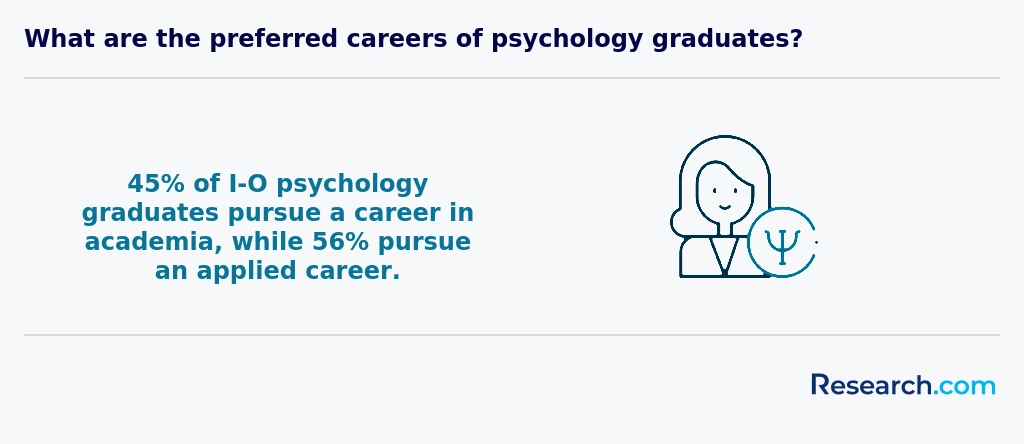
Graduates with an online psychology degree careers Midwest discover varied and fulfilling paths. Many find rewarding roles in clinical psychology by pursuing licensure, a journey familiar to students from institutions like the University of Illinois or Michigan State who appreciate the balance of online coursework and regional practicum opportunities. Others transition into educational psychology within K-12 schools across Minnesota or Wisconsin, roles deeply tied to improving student mental health in their communities. Psychology students attuned to workplace dynamics often choose industrial-organizational psychology, contributing to Midwest manufacturing companies or tech firms seeking to empower their employees.
Experiences shared by recent graduates underscore the accessibility of these paths with an online degree, noting how positions like behavioral technicians or mental health counseling assistants offer enriching starts. These practical roles not only build skills but open doors for advancement. For prospective students worried about costs, consulting a list of accredited colleges online offering free applications in the Midwest can ease the financial journey. Psychology job opportunities Midwest online degree holders pursue often weave together passion and purpose in uniquely local ways.
The job market for an online psychology degree in the Midwest is promising, particularly for graduates from well-known regional institutions. Many graduates from respected colleges in cities like Chicago and Columbus share success stories of securing roles in hospitals, schools, and community mental health agencies. Their experiences reveal growing opportunities in clinical, counseling, and school psychology, fields where employer demand aligns with regional health initiatives.
One graduate from a popular Midwestern university described how their online psychology degree allowed them to balance work and study while preparing for licensure, which remains essential for professional advancement. This balance reflects the advantage of pursuing an online degree while staying connected to local job markets. For students unsure about admission competitiveness, exploring a college with open admission can be a practical pathway to entering this field.
Overall, the Midwest offers moderate salaries that reflect a lower cost of living, which many graduates find encouraging. The steady growth in psychology roles here ensures that those holding an online psychology degree in the Midwest can expect to find meaningful and stable employment opportunities that support both professional and personal aspirations.
2027 Easiest Online Psychology Degree Programs Ranking in the Midwest
Investing in your education is a significant decision that can shape your future, and the Research.com team understands the importance of making informed choices. To assist prospective students seeking psychology degrees in the Midwest, we have meticulously crafted the "2027 Easiest Online Psychology Degree Programs Ranking in the Midwest." Our commitment to quality, credibility, and accuracy is reflected in the extensive research and analysis conducted to compile this ranking.
We utilized the following reputable data sources to ensure a comprehensive evaluation of psychology programs:
By exploring this ranking, readers will gain valuable insights into the easiest online psychology degree programs available in the Midwest, allowing them to make informed and confident decisions about their educational journeys. For more details on our methodology, please visit our Research.com methodology page.


# 4 position
Kansas State University
Master of Psychology with an emphasis in Industrial and Organizational Psychology


# 6 position
Bethel University, Minnesota
Bachelor of Psychology



# 9 position
Augustana University
M.Ed. SPED-ABA Master of Education in Special Education-Applied Behavior Analysis

# 10 position
Walden University
Master of Psychology


# 14 position
Walden University
Bachelor of Psychology
# 15 position
Missouri University of Science and Technology
Master of Industrial-Organizational Psychology


# 18 position
Walden University
Doctor of Psychology
# 20 position
University of Missouri
Doctor of Psychiatric Mental Health Nurse Practitioner (Across the Lifespan)
Frequently Asked Questions About psychology
Students pursuing online psychology degrees in the Midwest can maximize their learning by actively engaging with virtual resources provided by accredited institutions. Midwestern universities like the University of Illinois and Ball State University offer robust online platforms with interactive lectures and discussion forums, which help deepen understanding. According to the National Center for Education Statistics, nearly 30% of psychology students in this region participate in online internships or cooperative education, enhancing practical skills.
Networking through regional psychological associations such as the Midwestern Psychological Association can also enrich learning by providing access to research conferences and mentorship opportunities. Time management remains essential; setting a structured study schedule helps balance coursework with personal responsibilities, improving retention and success rates.
Emerging niches within the psychology field reflect evolving societal needs and technological advances. In the Midwest, one growing specialty is telepsychology, driven by the region's rural population requiring accessible mental health services. According to the National Consortium of Telehealth Resource Centers, telepsychology use increased by over 50% in Midwestern states between 2020 and 2023.
Another expanding area is neuropsychology, focusing on brain-behavior relationships. The demand aligns with the aging Midwest population and rising neurodegenerative cases, noted by the Alzheimer's Association Midwestern chapters.
Industrial-organizational psychology also grows as businesses adopt remote work and digital transformation, seeking experts to improve workplace efficiency and morale. The U.S. Bureau of Labor Statistics predicts a 10% growth in this segment nationally through 2030, with the Midwest participating robustly given its manufacturing hubs.
Preparing for the job market after earning an online psychology degree in the Midwest involves strategic planning and practical experience. Graduates should seek internships or volunteer opportunities with local mental health organizations to build real-world skills. According to the American Psychological Association, hands-on experience significantly improves employability in psychology fields.
The Midwest's job market for psychology professionals is growing, with a projected 8% increase in employment between 2022 and 2032, per the U.S. Bureau of Labor Statistics. Networking through regional psychology associations can connect graduates with job leads.
Finally, earning certifications such as Licensed Professional Counselor (LPC) may be required or preferred for higher-paying roles. Staying informed about state licensing requirements in your Midwest location is essential for successful career entry.
Employers in the Midwest seek psychology graduates with strong critical thinking and communication skills. According to the U.S. Bureau of Labor Statistics, professionals who can analyze complex behavior data and effectively convey findings are highly valued.
Additionally, familiarity with research methods and statistical software like SPSS or R is essential, as many employers expect graduates to contribute to data-driven decision-making.
Interpersonal skills also rank highly. Graduates who demonstrate empathy, cultural competence, and the ability to work in diverse teams tend to have better job prospects.
Understanding ethical standards and mental health regulations in the Midwest enhances employability in clinical and counseling roles.
Finding internships relevant to a psychology degree in the Midwest involves a strategic approach. Start by contacting your online program's career services, as many universities partner with local clinics, hospitals, and research centers in states like Illinois, Ohio, and Michigan.
Additionally, professional organizations such as the Midwestern Psychological Association offer networking opportunities and internship listings tailored for psychology students. The U.S. Bureau of Labor Statistics notes that clinical and counseling psychologist roles are growing in this region, increasing internship availability.
Using platforms like Handshake or your university's internship portal can connect you with local agencies, mental health centers, and research labs. Early application and flexibility in location often improve your chances.
Obtaining an online psychology degree in the Midwest can significantly improve career mobility and advancement opportunities. Many employers in this region recognize online degrees from accredited institutions as equal to traditional ones, particularly when candidates hold licensure or certifications. According to the Bureau of Labor Statistics, the demand for psychologists in the Midwest is projected to grow by about 6% from 2021 to 2031, creating more job openings.
Moreover, online programs often offer flexibility, allowing working professionals to continue gaining experience while advancing their education. This balance enhances qualifications without career interruption. Data from the National Center for Education Statistics shows an increase in Midwestern students earning online psychology degrees, reflecting employer trust in these credentials.
In sum, an online psychology degree helps Midwestern students access diverse roles across mental health, education, and research sectors, supporting upward career trajectories within the region's growing job market.
Studying for a psychology degree in the Midwest offers a strong foundation for interdisciplinary roles by emphasizing collaboration across diverse fields such as healthcare, education, and social services. Many Midwestern universities incorporate coursework that blends psychology with public health, business, and technology, equipping students with broad skill sets.
According to the American Psychological Association, Midwestern programs often feature practicum experiences that connect students to community organizations and healthcare providers, fostering real-world interdisciplinary teamwork.
This approach prepares graduates to work effectively in roles that require integrating psychological principles with other disciplines, which is crucial given the region's growing focus on holistic and community-based health solutions.
Students benefit from online degree flexibility combined with regionally relevant content, preparing them for diverse careers beyond traditional psychology settings.
When choosing between a thesis and a non-thesis psychology degree program in the Midwest, students should consider their career goals and time commitment. Thesis programs typically require original research and a comprehensive written report, preparing students for doctoral studies or research careers. Non-thesis programs often focus more on applied knowledge and coursework, suited for those entering professional practice.
Midwestern universities like the University of Illinois and Indiana University offer both options, with thesis tracks demanding extra months for research completion. According to the National Center for Education Statistics, about 40% of psychology master's students in the Midwest choose thesis programs, indicating growing interest in research-focused education.
Cost and program flexibility also matter; thesis programs may extend graduation timelines and elevate costs. Non-thesis paths often finish faster, important for working adults seeking practical skills quickly.
Students based in the Midwest who want to study psychology abroad through online programs have limited direct options but can benefit from partnerships between Midwestern institutions and international universities. Many Midwest schools offer study abroad experiences or dual-degree options that include online coursework combined with short-term international residencies. According to the National Center for Education Statistics, over 30% of psychology students in the Midwest participate in some form of study abroad or global learning. These hybrid options allow students to gain international perspectives while completing most of their degree remotely.
Additionally, accredited U.S. universities in the Midwest sometimes collaborate with foreign institutions, enabling students to earn recognized credits abroad. For fully online international psychology degrees, students should carefully verify program accreditation and state licensure acceptance upon return. Resources like the American Psychological Association provide guidance on accredited programs and cross-border educational standards.
Part-time jobs can significantly enhance the educational experience for students pursuing online psychology degrees in the Midwest. Many students find opportunities as behavioral health aides, helping in mental health clinics or social service agencies. These roles provide direct exposure to clinical settings and practical experience.
Another option includes research assistant positions at regional universities or institutions. The Midwest hosts many active psychology research centers, offering students the chance to assist with studies, which bolsters understanding of experimental methods and data analysis.
Additionally, working as a tutor in psychology or general education provides both flexible hours and reinforcement of knowledge. According to the Bureau of Labor Statistics, psychology-related support roles in the Midwest are projected to grow by 10% over the next decade, reflecting increasing demand for these skills.
Online psychology students in the Midwest have growing networking opportunities due to the region's strong higher education community and professional organizations. Many universities offer virtual events where students connect with faculty, alumni, and professionals. For example, the Midwest Psychological Association hosts annual conferences that are increasingly accessible online, providing valuable interaction without travel.
State psychological associations, such as those in Illinois and Michigan, offer memberships and virtual meetups specifically designed for students. These platforms help students build relationships and gain insights into local job markets. Additionally, Midwestern schools often collaborate with local clinics and agencies, creating internship and mentorship possibilities for online learners.
According to the American Psychological Association, networking is critical for career development, and Midwestern institutions are emphasizing accessible, tech-driven connections for remote students.
Alumni networks offer significant benefits to online psychology degree students in the Midwest. These networks create opportunities for mentorship, allowing current students to connect with graduates who have experience in various psychology fields. This guidance can be crucial for career planning and professional development.
Additionally, alumni networks often provide access to exclusive job listings and internships, which is valuable given the competitive nature of psychology careers in states like Illinois and Ohio. According to the Midwestern Psychological Association, strong professional connections can increase employment prospects by up to 30%.
They also foster a sense of community among online students who may lack on-campus interaction, helping to build lasting professional relationships across the region.
Customizing an online psychology degree in the Midwest allows students to tailor their education to specific career goals. Many accredited Midwestern universities offer concentrations such as clinical psychology, counseling, or industrial-organizational psychology. These options help align coursework with future job roles.
The flexibility of online programs often permits students to choose electives, internships, or research projects relevant to their interests. For example, the Bureau of Labor Statistics highlights that industrial-organizational psychology is growing faster than average in several Midwestern states, making specialization in this area appealing.
Additionally, some programs provide opportunities to connect with local healthcare facilities or businesses for practical experience, enhancing career readiness. State licensure requirements vary, so selecting courses that meet those standards is critical for clinical paths.
Online psychology students in the Midwest often face challenges related to balancing coursework with personal and professional responsibilities. Many learners juggle jobs and family, making time management crucial. According to the National Center for Education Statistics, about 60% of online students in the U.S. report time constraints as a major obstacle.
Additionally, limited access to local internship placements can hinder practical experience, vital for psychology degrees. Midwest students may encounter fewer nearby opportunities compared to more populous regions, affecting hands-on learning.
Technical issues and varying levels of digital literacy also impact progress. Reliable internet access is less consistent in some rural Midwestern areas, posing challenges for synchronous learning.
With an online psychology degree, students in the Midwest can pursue various professional certifications to enhance their careers. Common certifications include Licensed Professional Counselor (LPC), Licensed Clinical Social Worker (LCSW), and Certified Alcohol and Drug Counselor (CADC). These credentials often require additional supervised experience and passing state exams.
Many Midwestern states, like Illinois and Ohio, have specific licensing boards that regulate these certifications. For example, Illinois reported over 10,000 licensed counselors in 2023, indicating a growing demand for credentialed professionals (Illinois Department of Financial and Professional Regulation).
Certifications such as the Board Certified Behavior Analyst (BCBA) are also popular for those focusing on behavior therapy. Nationally, the BCBA certification has expanded by 20% annually, including in Midwestern clinics (Behavior Analyst Certification Board, 2023).
Writing a winning application for an online psychology program in the Midwest requires clarity, professionalism, and a focus on relevant experience. Start with a well-crafted personal statement that highlights your passion for psychology and explains why you chose an online program in this region. Schools like the University of Illinois Springfield report seeing many applicants benefit from emphasizing their ability to manage remote learning effectively.
Include clear academic records showing your background in psychology or related fields. According to the Midwest Association of Psychology Schools, around 60% of programs prefer applicants with prior coursework or experience in psychology. Strong letters of recommendation from professors or employers familiar with your analytical and interpersonal skills add significant weight.
Lastly, demonstrate understanding of the program's curriculum and career outcomes. Citing specific courses or faculty research can show your genuine interest. Effective applications also meet all technical requirements, such as submitting transcripts and test scores on time.
The field of psychology is gaining global attention due to its critical role in understanding human behavior and mental health. In the United States, and particularly in the Midwest, the demand for psychology professionals continues to grow. According to the U.S. Bureau of Labor Statistics, employment for psychologists is projected to grow 8% from 2021 to 2031, faster than the average for all occupations.
Internationally, psychology careers vary widely depending on educational standards and licensing requirements. However, a degree from an accredited U.S. institution, including many online Midwest programs, is often well-respected globally. The Midwest is home to numerous universities offering online psychology degrees recognized for their rigorous curricula and practical training.
Such programs help students prepare for diverse roles, including clinical psychologist, counselor, or researcher, both in the U.S. and abroad. The global perspective emphasizes cultural competence and evidence-based practices, crucial for psychologists working in increasingly interconnected societies.
Gaining practical experience while studying for an online psychology degree in the Midwest is essential for building skills and enhancing your resume. Many accredited programs require or encourage internships, practicum placements, or research assistantships that can often be completed locally. Students can partner with clinics, hospitals, schools, or community organizations near their residence.
Additionally, some Midwestern universities collaborate with regional mental health centers to offer supervised experiences. According to the American Psychological Association, internships provide critical hands-on training required for licensure. Students should inquire about these options early in their program to align fieldwork with their career goals. Networking with local professionals can also open practical opportunities.
Choosing the right concentration within an online psychology degree program in the Midwest requires careful consideration of your career goals and interests. Popular concentrations include clinical psychology, counseling, industrial-organizational psychology, and developmental psychology. Data from the American Psychological Association shows that Midwest states like Illinois and Ohio have growing demands for clinical and counseling psychologists.
Examine how each concentration aligns with local job markets. For instance, industrial-organizational psychology is prominent in areas with many corporations, such as Chicago. Review program curricula and accreditation to ensure they meet your educational needs. Consider licenses or certifications required in your state for specific psychology fields.
As many Midwest schools offer flexible online options, compare course delivery formats and faculty expertise. Consulting resources like the Bureau of Labor Statistics can also provide insight into projected job growth within your chosen concentration.
See What Experts Have To Say About Studying Psychology
Read our interview with Psychology experts

Robin M. Kowalski. Ph.D.
Psychology Expert
Professor of Psychology
Clemson University

Elizabeth L. Jeglic Ph.D.
Psychology Expert
Professor of Psychology
City University of New York

Joann Farrell Quinn, Ph.D., MBA
Psychology Expert
Director at the College of Medicine Department of Medical Education
Morsani College of Medicine

- Clinical Psychology Program, Glendale Campus https://www.midwestern.edu/academics/degrees-programs/college-health-sciences/doctor-clinical-psychology-program/clinical-psychology-program-glendale-campus
- Most Popular Online Psychology Degrees in Wisconsin https://www.onlineu.com/degrees/psychology/wisconsin
- BA in Psychology | Online | $2500-$7500 Per Year https://www.eastern.edu/academics/online-undergraduate-programs/ba-psychology-online
- Skills of a Psychology Major https://wagner.edu/psychology/skills/
- Psychology Programs and Careers in Wisconsin https://www.onlinepsychologydegrees.com/states/wisconsin/
- Federal Student Financial Aid Program https://www.midwestinstitute.edu/financial-aid/
- Online Psychology Degrees https://www.phoenix.edu/online-psychology-degrees.html
- Online Psychology Degrees: What You Need To Know https://www.psychology.org/online-degrees/
- Online Psychology Degree Salary by Career Path https://www.collegetransitions.com/blog/online-psychology-degree-salary-by-career-path/
- Online Psychology Major | Hamline University - Minnesota https://www.hamline.edu/academics/online-bachelors-psychology-major


