
2027 Most Valuable Psychology Degree Programs Ranking in Duluth

Co-Founder and Chief Data Scientist
If you're considering pursuing a psychology degree in Duluth, this article is designed to guide you. The 2027 Most Valuable Psychology Degree Programs Ranking in Duluth was developed by the Research.com team of data scientists to help students like you make informed decisions about your education.
By exploring this ranking, you'll discover which programs offer the best value and opportunities for your future career. Earning a psychology degree can open doors to meaningful work and personal growth, making this a rewarding choice worth exploring.
Key benefits of getting psychology degree in Duluth
- Salary for psychology degree graduates: Graduates in Duluth can expect competitive salaries such as $62,370 annually for Clinical Research Associates and Survey Researchers, and up to $83,190 for Marketing Research Analysts, reflecting strong income potential.
- Career paths: A psychology graduate from the University of Minnesota Duluth can explore diverse roles including human resources, clinical research, or market analysis, offering flexibility and exciting opportunities to grow.
- Online degree benefits: Earning a psychology degree online from a local university offers convenient scheduling and the ability to balance life and work, making education accessible without sacrificing quality or connection.
- 2027 Most Valuable Psychology Degree Programs Ranking in Duluth
- What can I expect from psychology degree in Duluth?
- Where can I work with psychology degree in Duluth?
What can I expect from psychology degree in Duluth?
The average cost of pursuing a psychology degree in Duluth varies but typically aligns with public university tuition rates, generally ranging from $12,000 to $15,000 per year for in-state students at institutions like the University of Minnesota Duluth. Graduates often reflect on how this investment felt both challenging and rewarding as they balanced coursework with paid internships and part-time jobs. One graduate remembered evenings spent analyzing complex cognitive psychology theories, energized by the support of hands-on research led by UMD faculty, which deepened their understanding despite financial pressures.
Another recalls the practical experience gained through community placements-learning directly within Duluth's social service agencies-adding invaluable context that theory alone could not provide. While the tuition is a significant factor, these students emphasize that the real value lies in the blend of rigorous academics and immersive practical opportunities that shape their confidence and readiness for diverse psychology careers. This perspective encourages prospective students to view cost not merely as an expense, but as an investment in transformative personal and professional growth.
Where can I work with psychology degree in Duluth?
Psychology graduates in Duluth often envision traditional therapist roles, but the reality is far richer and more dynamic. Many find themselves employed in Essentia Health or St. Luke's Hospital, where hands-on clinical work delivers both challenge and fulfillment. Graduates who trained at the University of Minnesota Duluth share stories of transitioning from campus research projects to real-world impact in behavioral health clinics-a leap that feels both empowering and deeply rewarding.
The Duluth Public Schools District actively seeks psychology professionals to support student mental wellness, illustrating how a degree can shape educational environments. Picture a graduate guiding a student through anxiety interventions, turning textbook knowledge into meaningful change. Social service agencies like the Mental Health Resource Center broaden career possibilities further, with roles blending empathy and expertise in community outreach.
Some graduates even repurpose their psychological insights in Duluth's business sector, transforming workplace dynamics or improving employee training. These examples reveal that psychology degrees open doors beyond therapy offices, inviting graduates to craft versatile, fulfilling careers steeped in local opportunity.
Graduates with a psychology degree in Duluth encounter a diverse salary landscape shaped by their chosen career paths and education levels. For example, those stepping into roles such as Clinical Research Associates and Survey Researchers can expect mean annual wages around $62,370, according to BLS data. Imagine a graduate from the University of Minnesota Duluth thrilled to secure a position as a Clinical Research Associate, gaining hands-on experience while earning a respectable salary.
Others with an interest in organizational behavior may find opportunities as Human Resources Specialists, enjoying a higher mean annual income of $76,060. A Duluth College graduate might find this role rewarding-not just financially but in contributing directly to workplace well-being.
For those fascinated by market dynamics, Marketing Research Analyst roles offer an even more attractive salary figure averaging $83,190 per year. Graduates from local institutions often share stories of combining rigorous academic training with real-life business insights, leading to career paths that pay well and stimulate intellectual curiosity.
These figures reflect more than just numbers; they represent exciting opportunities to apply psychology in meaningful ways across Duluth's varied work environments, challenging students to envision their future impact and income with optimism and confidence.
- The University of Minnesota Duluth offers undergraduate and graduate psychology programs, making Duluth a good location for studying psychology.
- Annual tuition for in-state students is around $13,000 to $14,000, while out-of-state students pay between $28,000 and $30,000, excluding additional fees and living costs.
- Entry-level salaries for psychology-related jobs typically range from $40,000 to $45,000 annually in the Duluth area.
- Advanced degree holders such as those with a Master's or PsyD can expect mid-career salaries between $70,000 and $80,000 or more.
- Local job opportunities are mainly in healthcare, education, and social services sectors, with a steady demand for licensed clinical psychologists and counselors.
Completing a psychology degree in Duluth often challenges students to rethink what "timing" truly means in education. Graduates from the University of Minnesota Duluth share that, while the bachelor's degree generally takes about four years of full-time study, many find their personal journeys stretching beyond this due to balancing work, internships, or personal growth. The typical four-year timeline includes mastering core psychology theories and research methods, yet it's the lived experience within these years that often defines success.
For those pursuing a master's degree in Duluth, the process extends to two or three years, combining intense coursework and practical experiences. Students describe this period as a transformative stage, where theory meets real-world challenges, sometimes feeling both invigorating and demanding.
The doctoral path-whether a PsyD or PhD-can span four to six years and is marked by deep intellectual rigor and clinical practice. Many Duluth doctoral candidates appreciate this time as a profound journey of professional identity and expertise development rather than just a measure of years spent.
Gaining practical experience through internships and field placements is crucial for developing professional skills and building a network in psychology.
- Practicum placements at local mental health clinics where you assist licensed psychologists with client assessments and therapy sessions.
- Research assistant roles in university labs, supporting studies on cognitive processes and social behavior.
- Community outreach work with nonprofit organizations, delivering mental health workshops and awareness programs.
- On-campus counseling center internships, collaborating on group therapy and psychoeducational seminars.
Students balancing work and studies often choose a psychology degree online to access remote practicums and flexible scheduling without compromising their commitments.
Graduates from psychology programs at popular Duluth institutions often reflect on the distinct experiences between on-campus and online study. On-campus learners describe the energizing environment of face-to-face lectures, where spontaneous group discussions and immediate feedback from professors sharpen their counseling and research skills. Imagine walking through the University of Minnesota Duluth campus to attend a hands-on lab or a local internship-these moments create a strong sense of community that many find deeply motivating.
Conversely, those who chose online paths emphasize the freedom to study late at night or between shifts at work, valuing the flexibility to tailor their education around busy lives. However, they sometimes express missing the real-time camaraderie and occasional in-person practicum experiences that Duluth's health agencies require for clinical psychology tracks. This balance challenges students to develop exceptional self-discipline.
Both paths in Duluth ultimately demand commitment, but the choice often hinges on how one values immediacy of connection versus adaptability in learning.
Upon earning a psychology degree in Duluth, MN, graduates aiming to practice clinically must navigate Minnesota’s licensure process, which ensures public safety and professional credibility. Licensed Psychologists in Minnesota are regulated by the Minnesota Board of Psychology; key steps include: 1. Educational Credentialing - Hold a doctoral degree (PhD or PsyD) from an APA-accredited program or equivalent. - For those considering an accelerated pathway, Research.com highlights top masters and doctorate combined programs that integrate graduate coursework with doctoral practica. 2. Supervised Experience - Complete a minimum of 2,000 hours of pre-doctoral supervised internship, typically arranged through your graduate program’s practica. - Accumulate 1,500 hours of post-doctoral supervised practice under a licensed psychologist, ensuring exposure to diverse clinical populations. 3. Examinations - Pass the Examination for Professional Practice in Psychology (EPPP), a national standardized test assessing core competencies. - Satisfy Minnesota’s jurisprudence requirement by passing a state-specific ethics and statutes exam. 4. Application and Fees - Submit official transcripts, verification of supervised hours, and examination scores to the Minnesota Board of Psychology. - Pay the initial licensure application fee (currently $225) and biennial renewal fee (currently $200). 5. Continuing Education and Renewal - Complete 40 hours of continuing education every two years, including at least 6 hours in ethics or Minnesota law. - Maintain active status by submitting renewal materials and fees before the licensure expiration date. Understanding these requirements early can help Duluth students plan internships, select accredited programs, and budget for exam fees-ultimately smoothing the transition from classroom to licensed practitioner.
The average cost of a psychology degree in Duluth offers a financial landscape that challenges the common assumption of affordability in local education. For many students attending the University of Minnesota Duluth, the median total expense sits near $31,350, whether they are in-state or out-of-state, illustrating how diverse cost factors come into play beyond just tuition alone. Graduates often reflect on how smaller details, like fees for lab materials or required technology, unexpectedly stack up, presenting a more complex budgeting puzzle than initially anticipated.
In the context of the psychology degree total expenses Duluth 2027 can bring, students often share genuine excitement despite the costs. They describe a balance between the costs and the rich academic environment that Duluth offers. For instance, in-state students typically enjoy median expenses around $14,610, making the local educational path feel attainable and worth the investment when paired with supportive campus resources and community connections. These firsthand experiences highlight the emotional satisfaction of pursuing a meaningful career while navigating financial realities.
For those weighing graduate programs, it's useful to consider financial planning beyond tuition, including living costs and fees. Some graduates vividly recount budgeting for housing and transport in Duluth's moderate cost-of-living atmosphere, emphasizing personal growth in managing finances. If you're uncertain about cost breakdowns or program differences, more insights about financing and career pathways can be found here. This reflection encourages deeper thought on what financial commitment truly entails for psychology studies in Duluth and helps break down complex perceptions around cost.
Navigating the path to a successful career in psychology goes beyond selecting the right program-it also involves leveraging expert advice and practical strategies that can enhance your academic and professional journey. Industry professionals recommend beginning your search by thoroughly researching the program’s curriculum, faculty expertise, and available support systems. For example, proactive networking through local psychology associations and tapping into mentorship programs can offer invaluable insights into emerging trends and job opportunities in Duluth, MN. Moreover, staying informed about flexible and cost-effective education options is crucial. Many students find that comparing different delivery formats can significantly impact their learning experience. If you are considering online education options, you might want to explore what is the cheapest psychology degree online program available, which can offer both affordability and flexibility without sacrificing academic quality. Finally, make sure to prepare early for internships and research projects by attending college fairs, engaging with alumni, and participating in relevant workshops. These steps not only boost your resume but also provide a competitive edge in a field where practical experience is highly valued. By integrating these expert tips into your application process, you can confidently navigate the competitive landscape of psychology education and set a solid foundation for a rewarding career.
Psychology students in Duluth often discover that financial aid isn't just a safety net but a strategic advantage. Graduates from the University of Minnesota Duluth recall how applying for FAFSA unlocked access to Federal Pell Grants, offering as much as $7,395 annually-funds that felt like a game-changer during tough semesters. These grants, unlike loans, don't need repayment, giving students breathing space to focus on complex cognitive theories rather than mounting debt.
Many also tap into Federal Direct Student Loans, which come with manageable interest rates, allowing them to manage expenses without sacrificing their mental well-being. Work-study programs become more than just paychecks-they're immersive experiences that teach time management alongside financial responsibility.
Duluth's state grants, especially the Minnesota State Grant, often cover a significant chunk of tuition for local psychology students. Graduates emphasize how this aid, combined with merit scholarships from colleges, which reward academic and community engagement, transformed their educational journey from daunting to inspiring.
Ultimately, the layered support system in Duluth schools turns financial challenges into opportunities for growth and resilience.
Understanding the balance between educational costs and future earnings is essential when choosing a psychology degree program. In Duluth, MN, in-state tuition at public institutions averages around $7,070 per year, leading to a total undergraduate investment of approximately $28,280 over four years. Out-of-state students at private colleges may face tuition bills exceeding $32,000 annually, resulting in a potential four-year cost surpassing $128,000. Factoring in fees, housing, and living expenses, students can expect to invest between $35,000 and $150,000 in their education, depending on residency and institution. Graduates enter the workforce in roles such as Human Resources Specialist (mean annual wage of $73,080) or Clinical Research Associate ($57,760). Assuming an in-state student’s total cost of $35,000, a Human Resources career could recoup educational expenses in under one year, while Clinical Research roles would achieve payback within two years. Even for out-of-state students investing $150,000, a $73,080 salary suggests a break-even point of about two years, after which earnings contribute directly to personal growth and savings. Internships and assistantships further enhance ROI by reducing net costs and boosting employability. For students prioritizing affordability without sacrificing quality, exploring comparable programs outside Minnesota can be enlightening. For example, see our Cheapest Psychology Degree Programs Ranking in Alaska to compare tuition, student debt, and salary outcomes across regions.
Enrolling in a psychology degree program in Duluth demands more than just ticking standard boxes like a high school diploma or GED. Graduates from the University of Minnesota Duluth often recall how their solid grounding in English, math, and science transformed seemingly abstract theories into relatable insights about human behavior. A GPA around 2.5 to 3.0 is typical, but what truly stands out is the ability to think critically and analyze situations-skills sharpened well before stepping onto campus.
Some students share how preparing a personal statement wasn't just an application task but a moment of introspection, clarifying why psychology captivated them in the first place. This reflection often fueled a deeper commitment and excitement about their studies. While test scores like the ACT or SAT sometimes factor into admissions, Duluth institutions increasingly focus on holistic reviews, balancing numbers with life stories and motivations.
Transfer students, echoing experiences from local colleges, highlight foundational college-level courses as essential stepping stones, easing the transition and building confidence to tackle complex topics. These prerequisites create a supportive framework, encouraging students to embrace psychology not just as a subject, but as a lens for understanding themselves and others in the vibrant Duluth community.

Pursuing a psychology degree in Duluth, MN, can be a rewarding and enriching experience, offering students a wide range of academic and professional opportunities. The city's vibrant community, stunning natural surroundings, and relatively low cost of living make it an attractive place for students to live and study. Furthermore, attending a valuable psychology school in Minnesota can provide students with access to high-quality education, cutting-edge research facilities, and experienced faculty members who are dedicated to helping them achieve their academic and career goals. With its strong focus on mental health, social services, and community engagement, a psychology degree from a reputable institution in Duluth can open doors to a variety of fulfilling career paths, from counseling and social work to research and academia.
Psychology students in Duluth often describe their coursework as an eye-opening journey through both timeless theories and the realities of human behavior. At universities like the University of Minnesota Duluth, foundational courses such as introduction to psychology sweep through key branches-cognitive, developmental, and social psychology-encouraging students to rethink everyday interactions and mental processes. Graduates recall how statistics and research methods felt daunting initially but soon became empowering tools to decode complex human experiences and contribute meaningfully to evidence-based practice.
Courses exploring the biological bases of behavior bring fascinating insights into how brain activity shapes emotions and decisions, a favorite among those curious about why people behave the way they do. Applied topics like abnormal psychology push students to confront mental health challenges with empathy and clinical precision, often highlighted as the most rewarding courses by Duluth graduates. Social psychology, especially within Duluth's unique community context, helps students relate theories directly to local issues such as rural and Indigenous mental health, deepening their connection to the region and their future roles as practitioners or researchers.

Psychology degree specializations in Duluth are diverse and deeply connected to both local needs and global trends. Graduates from the University of Minnesota Duluth often share how clinical psychology anchors their training in real-world mental health challenges, preparing them to make meaningful impacts through diagnosis and therapy. Meanwhile, counseling psychology offers a pathway for those drawn to guiding people through life's transitions and personal growth, enriching the communities around Duluth's campuses with empathetic support.
Industrial-organizational psychology stands out as a practical choice, given Duluth's business landscape. Students who pursue this track frequently recount their excitement applying behavioral science to improve workplace culture and organizational efficiency in local industries. Developmental and neuropsychology specializations engage students fascinated by human growth and brain-behavior dynamics, areas crucial for addressing Duluth's aging population.
For those weighing their options, investigating best psychology degrees in Florida can also broaden their understanding of how specializations vary across different regions, enriching their perspective on career possibilities beyond Duluth's borders.
Choosing the best psychology degree in Duluth goes beyond comparing tuition rates or program lengths. Graduates from the University of Minnesota Duluth often reflect on the advantage of local faculty expertise, especially in cognitive neuroscience and clinical psychology, which brought theory alive through hands-on research projects. This immersive experience helped them develop confidence navigating complex psychological concepts. To truly find the right fit, consider how a program's curriculum aligns with your personal career ambitions-whether a Bachelor of Arts offers broader social science perspectives or a Bachelor of Science emphasizes rigorous scientific methods. Many students also weigh affordability; for those seeking affordable psychology colleges Duluth MN offers, UMD stands out with competitive tuition and scholarships that ease financial stress.
Internship opportunities in Duluth's healthcare and social services networks provide tangible learning moments, enabling students to transform theory into practice in real community settings. Flexibility matters too: graduates juggling work or family commitments praise programs offering evening or hybrid classes. Lastly, keep in mind pathways to advanced degrees and professional credentials, including hidden costs like licensure fees-remember to review details like Delaware psychology license fees as part of your planning.
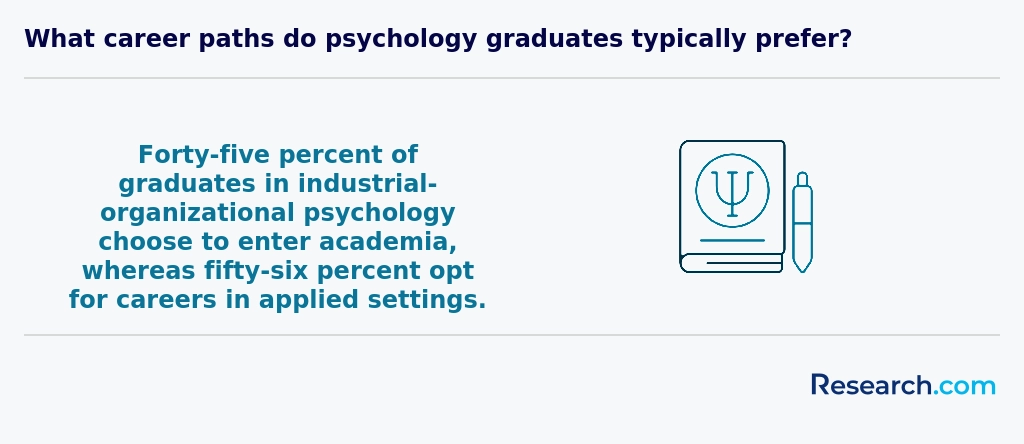
Graduates pursuing a psychology degree in Duluth discover a spectrum of career paths that challenge the traditional notion of psychology as solely clinical practice. While many find fulfillment as licensed clinical psychologists or counselors, the job prospects with psychology degree Duluth extend well into social work, human resources, and organizational development. For instance, some graduates from local universities often describe immersive experiences working in community outreach programs within Duluth's growing healthcare and social assistance sectors, where their understanding of human behavior becomes a powerful tool for positive change.
Others dive into research roles, contributing to studies at Duluth's prominent colleges and nonprofits that influence mental health policy and education. These graduates find meaning in supporting vital psychological research that keeps them intellectually engaged and professionally evolving. With affordable tuition options at Duluth institutions, students feel both empowered and hopeful about their futures, often selecting schools recognized as a valuable psychology school in Minnesota to maximize career opportunity potential.

The psychology degree job outlook Duluth offers is shaped by a unique blend of stable demand and community focus. Graduates from the University of Minnesota Duluth frequently find themselves engaged in meaningful roles, such as counseling in local schools or supporting veterans through the Duluth Area Veterans Affairs Health Care System. These opportunities reflect a growing recognition of mental health's importance in the region, where social service agencies actively seek skilled professionals to enhance community well-being.
Entry-level graduates often begin in supportive roles like behavioral health technicians, learning the ropes before pursuing advanced degrees necessary for licensed psychologist positions. The practical experience gained here connects students deeply with local needs and sparks passion for long-term careers.
For those concerned about education expenses, Duluth's public colleges offer competitive tuition, around $15,000 annually. Many students discover financial aid routes that ease investment burdens, letting them focus on their future. If cost is a major consideration, exploring what is the cheapest psychology degree online program can also reveal additional avenues.
Considering the average salary and robust job market in Duluth, psychology careers and salary Duluth MN data show an encouraging balance between education and income, allowing graduates to envision both professional fulfillment and financial stability locally.
2027 Most Valuable Psychology Degree Programs Ranking in Duluth
Investing in your education is a significant decision that can shape your future, and the Research.com team understands the importance of making informed choices. To assist prospective students in Duluth, we have meticulously crafted the "2027 Most Valuable Psychology Degree Programs Ranking in Duluth." Our commitment to quality, credibility, and accuracy is reflected in the extensive research and analysis conducted to compile this ranking.
We utilized the following reputable data sources to ensure a comprehensive evaluation of psychology degree programs:
By exploring this ranking, readers will gain valuable insights into the most valuable psychology degree programs available in Duluth, helping them make informed decisions about their educational paths. For more details on our methodology, please visit our Research.com methodology page.


Frequently Asked Questions About psychology
Psychology degree students in Duluth can maximize their learning experience by engaging deeply with local resources and academic opportunities. The University of Minnesota Duluth (UMD) offers a strong psychology program accredited by the American Psychological Association (APA), emphasizing both research and practical applications.
Students should participate actively in lab work and seek internships within Duluth's mental health clinics or community organizations, which provide valuable real-world experience. Joining psychology-related student clubs and attending faculty-led seminars increases exposure to current research trends.
Accessing UMD's extensive library collections and online databases also supports academic success. According to the U.S. Department of Education, hands-on experience combined with rigorous coursework leads to higher post-graduate employment rates in psychology fields.
Emerging niches within the psychology field reflect evolving societal needs and technological advances. One significant area is neuropsychology, focusing on brain-behavior relationships, which is growing due to increased research funding and aging populations. Another expanding niche is health psychology, addressing mental and physical health connections, vital amid rising chronic illness rates in the U.S.
In Duluth, local healthcare providers report growing demand for behavioral health specialists, highlighting opportunities in clinical and counseling psychology. Additionally, industrial-organizational psychology is expanding, supporting workplace mental wellness and productivity. According to the U.S. Bureau of Labor Statistics, psychology-related fields are expected to grow by 8% nationally through 2030, indicating strong prospects for students pursuing these specialties in Duluth.
Preparing for the job market after earning a psychology degree in Duluth involves developing both academic credentials and practical experience. Many local employers value internships, which are often available through partnerships between Duluth colleges and mental health organizations. According to the Bureau of Labor Statistics, psychology-related jobs in Minnesota are expected to grow by 8% through 2030, reflecting steady demand.
Networking within Duluth's psychological and healthcare communities can also open job opportunities. Joining professional groups such as the Minnesota Psychological Association helps graduates connect with local experts. Additionally, acquiring certifications relevant to counseling or behavioral health can boost employability. Graduate degrees often increase chances of higher-paying roles, as many psychology careers require advanced study.
Employers in Duluth seek psychology graduates with strong analytical skills, especially the ability to interpret behavioral data and evaluate research findings. According to the Bureau of Labor Statistics, critical thinking is essential for addressing complex human behavior issues professionally. Communication skills also rank highly, as professionals often work in diverse clinical or community settings requiring clear and empathetic interaction with clients.
In Duluth's growing healthcare sector, familiarity with ethical standards and cultural competency is increasingly valued. The Minnesota Psychological Association highlights that employers prefer graduates skilled in these areas, which improve client outcomes. Additionally, technical proficiency in using psychological assessment tools and software is important for local roles in research and counseling.
Finding psychology internships in Duluth involves leveraging local university resources and community organizations. University of Minnesota Duluth (UMD) offers its psychology students access to internship listings through its Career and Internship Services, which typically include placements in mental health clinics, schools, and social service agencies.
Additionally, Duluth's healthcare institutions, such as Essentia Health and St. Luke's Hospital, often provide internship opportunities for psychology students focused on clinical and counseling practices. According to U.S. Bureau of Labor Statistics data, internships are essential for gaining practical experience required for many psychology careers.
Students should also explore local nonprofit organizations and counseling centers, which frequently collaborate with universities to provide supervised internships. Networking through psychology faculty and attending local psychology association events enhances access to these opportunities.
A psychology degree in Duluth can significantly enhance career mobility and advancement opportunities. Local employers in healthcare, education, and social services frequently seek candidates with strong psychological training. According to the U.S. Bureau of Labor Statistics, the Duluth area expects a 10% growth in mental health counseling jobs through 2031, above the national average.
Graduates with psychology degrees often qualify for roles such as behavioral health specialists, school counselors, and human resource coordinators. Higher-level positions typically require advanced degrees or certifications, but even entry-level roles benefit from a bachelor's or master's degree in psychology.
Networking within Duluth's professional organizations, like the Minnesota Psychological Association, also supports career advancement by connecting graduates with local employers and continuing education resources.
Studying for a psychology degree in Duluth prepares students for interdisciplinary roles by offering coursework that integrates knowledge from various fields such as sociology, biology, and education. Duluth's universities emphasize practical skills alongside theory, enabling graduates to work collaboratively in healthcare, social services, and business settings.
The curriculum often includes research methods and statistics, which are essential for data-driven decision-making across disciplines. In addition, Duluth's community partnerships provide students with opportunities for internships in multidisciplinary teams, enhancing real-world experience.
According to the Minnesota Department of Education, 30% of psychology graduates in the state find themselves in cross-functional roles requiring broad expertise, highlighting the relevance of such programs in Duluth.
Choosing between a thesis and a non-thesis psychology degree program in Duluth primarily depends on your career goals and learning preferences. Thesis programs emphasize research skills, requiring students to design, conduct, and write up original research, which benefits those interested in doctoral studies or research careers. Non-thesis programs focus more on coursework and practical application, appealing to students aiming for professional practice or roles that prioritize clinical skills.
In Duluth, University of Minnesota Duluth (UMD) offers psychology programs reflecting these options. According to U.S. Department of Education data, about 35% of psychology graduates in Minnesota pursue research-intensive tracks. Consider your comfort with independent research and your post-degree plans when deciding. Faculty availability and mentorship in Duluth programs also impact your experience, so review faculty profiles carefully.
Students in Duluth interested in studying psychology abroad have several pathways available. Many Duluth institutions, such as the University of Minnesota Duluth, offer study abroad programs in partnership with various universities overseas, enabling psychology majors to gain international experience while earning credits.
Options include semester-long exchanges or summer research programs in countries with strong psychology programs like the UK, Canada, and Australia. These experiences expand cultural understanding and enhance employability.
Additionally, Duluth students may apply for federal and state scholarships to fund such programs, including the Gilman Scholarship for undergraduates studying abroad.
Careful planning with academic advisors is essential to align foreign coursework with psychology degree requirements at home.
Students pursuing psychology degrees in Duluth have access to a variety of part-time job opportunities that can enhance their academic experience. Local mental health clinics and community centers often seek part-time aides or administrative assistants, providing practical exposure to psychological services. According to the Minnesota Department of Employment and Economic Development, Duluth's healthcare sector is projected to grow by 6% through 2028, indicating steady opportunities in mental health-related roles.
Campus-based research assistant positions at the University of Minnesota Duluth allow students to gain hands-on experience with experimental psychology projects. Additionally, tutoring psychology courses or working in counseling support roles at university facilities can strengthen interpersonal skills and theoretical knowledge.
These jobs help build relevant resumes while balancing study commitments, connecting students with professionals in the local psychology community.
Psychology students in Duluth benefit from several networking opportunities that can enhance their academic and professional growth. The University of Minnesota Duluth (UMD) hosts psychology-focused events, including guest lectures and research symposiums, allowing students to connect with faculty and professionals.
Local chapters of organizations such as the American Psychological Association (APA) offer students access to workshops and conferences. These events provide valuable chances to meet practicing psychologists and researchers within the region.
Community internships and practicum placements with Duluth-area health centers and counseling services further expand students' professional networks while gaining practical experience. According to UMD's career services, nearly 60% of psychology students engage in these opportunities before graduation.
Alumni networks play a significant role for psychology degree students in Duluth by providing valuable connections and career support. Graduates from Duluth institutions often join active alumni groups that host networking events and mentorship programs. This engagement helps students access local internships, job openings, and professional advice.
In regions like Duluth, where psychology opportunities can be competitive, alumni connections can increase job placement rates. According to the University of Minnesota Duluth's Career Services, students leveraging alumni networks report a 25% higher success rate in securing relevant employment within six months of graduation.
Additionally, alumni often guide current students through the licensure process required for clinical psychology roles in Minnesota, easing career progression. The shared local experience strengthens community support, which is crucial in the mental health field.
Customizing a psychology degree program in Duluth allows students to align their education with specific career goals. Many institutions offer elective courses in areas such as clinical psychology, counseling, neuropsychology, and organizational psychology. Choosing relevant electives helps tailor skills to desired professions.
Internships and research opportunities at local hospitals, schools, or community organizations provide practical experience and networking within Duluth's job market. According to the Minnesota Department of Employment and Economic Development, psychology-related jobs in the Duluth area are expected to grow by 8% from 2022 to 2032.
Advisors at Duluth colleges often assist in selecting specializations and certifications, enhancing graduates' competitiveness for licensure and employment.
Psychology students in Duluth often face significant challenges related to balancing rigorous academic demands with personal and financial responsibilities. The competitive nature of psychology programs means many students must maintain a GPA above 3.0 to qualify for internships, which are essential for gaining practical experience.
Access to diverse clinical placements can be limited in Duluth due to its smaller metropolitan size, which may affect hands-on training opportunities. According to the Minnesota Office of Higher Education, approximately 40% of students report difficulties securing relevant internships locally.
Additionally, students often encounter financial strain as graduate psychology programs typically require two to five years to complete, with tuition costs averaging around $15,000 annually in the region. Managing these expenses while studying full time poses a common challenge.
Graduates with a psychology degree in Duluth can pursue several professional certifications to enhance their credentials and career prospects. Common options include the Licensed Psychologist credential, which requires a doctoral degree, supervised experience, and passing the Examination for Professional Practice in Psychology (EPPP). For those with a master's degree, the Licensed Professional Clinical Counselor (LPCC) or Licensed Alcohol and Drug Counselor (LADC) are popular paths. These certifications demand specific coursework, supervised clinical hours, and state licensing exams managed by the Minnesota Board of Psychology or appropriate boards.
Additionally, certifications like Certified Rehabilitation Counselor (CRC) or Board Certified Behavior Analyst (BCBA) can diversify career opportunities. Resources such as the Bureau of Labor Statistics and the Minnesota Department of Health provide updated licensure requirements.
Writing a winning application for a psychology program in Duluth requires careful preparation and attention to detail. Start by highlighting your academic achievements, especially in psychology-related courses, as competitive programs often look for a strong GPA. For example, programs at the University of Minnesota Duluth typically expect a minimum GPA of 3.0.
Emphasize any relevant volunteer or work experience in mental health or research settings to demonstrate your practical interest and commitment. Include a well-crafted personal statement that clearly explains your motivation to study psychology in Duluth and your long-term career goals.
Letters of recommendation from professors or professionals familiar with your work can strengthen your application by providing insight into your abilities and character.
Finally, check whether the program requires GRE scores; some Duluth psychology programs have made these optional recently, but submitting strong scores can enhance your competitiveness.
A psychology career offers diverse opportunities that extend beyond local and national borders. Globally, the demand for mental health professionals continues to grow, driven by increasing awareness of psychological well-being. In the US, including Duluth, psychologists earn a median annual wage of around $82,180, according to the Bureau of Labor Statistics (2023). This figure reflects strong prospects compared to many other professions.
Psychology careers are respected worldwide, but standards and practices can differ by country. For US students in Duluth, understanding international perspectives can enhance employability, particularly in research, clinical practice, or counseling roles connected to multinational organizations.
Collaboration across countries fosters advancements in psychological science, benefiting students who embrace global trends and cultural competence. The Duluth region's growing focus on healthcare and education supports psychology graduates in finding meaningful local and international roles.
Gaining practical experience while studying psychology in Duluth is essential for building skills and enhancing employability. Many local institutions, such as the University of Minnesota Duluth, offer internship programs in partnership with community mental health centers, hospitals, and schools. These placements allow students to work directly with clients under supervision, providing real-world exposure to psychological practices.
In addition, Duluth's diverse population creates opportunities for involvement in research projects that address regional mental health issues. Engaging in research helps students develop critical thinking and data analysis skills.
Students can also join psychology clubs and volunteer organizations to expand their hands-on experience.
Choosing the right concentration within a psychology degree program in Duluth requires understanding your career goals and interests. Popular concentrations include clinical, counseling, developmental, and neuropsychology, each preparing students for different paths.
Research local job market trends in Duluth; for example, clinical psychology roles are expected to grow by 14% nationally through 2030 according to the U.S. Bureau of Labor Statistics, which often reflects state and regional patterns.
Consider programs offered by institutions like the University of Minnesota Duluth, which provides tailored coursework and practicum opportunities in various concentrations. Aligning your choice with available internships and faculty expertise in Duluth enhances practical experience.
Exploring faculty research focuses and local mental health agency partnerships can provide insight into the strength of specific concentrations at Duluth institutions.
- 2027 Most Valuable Psychology Degree Programs Ranking in Saint Paul
- 2027 Most Valuable Psychology Degree Programs Ranking in Minneapolis
- 2027 Most Valuable Psychology Degree Programs Ranking in Lincoln
- 2027 Most Valuable Psychology Degree Programs Ranking in Detroit
- 2027 Most Valuable Psychology Degree Programs Ranking in Saint Louis
- 2027 Most Valuable Psychology Degree Programs Ranking in Cleveland
- 2027 Most Valuable Psychology Degree Programs Ranking in Cincinnati
- 2027 Most Valuable Psychology Degree Programs Ranking in Columbus
- 2027 Most Valuable Psychology Degree Programs Ranking in Springfield
- 2027 Most Valuable Psychology Degree Programs Ranking in Buffalo
See What Experts Have To Say About Studying Psychology
Read our interview with Psychology experts

Joann Farrell Quinn, Ph.D., MBA
Psychology Expert
Director at the College of Medicine Department of Medical Education
Morsani College of Medicine

Elizabeth L. Jeglic Ph.D.
Psychology Expert
Professor of Psychology
City University of New York

Robin M. Kowalski. Ph.D.
Psychology Expert
Professor of Psychology
Clemson University

- Mental Health Challenges Faced by Psychology Students | The Healthcare Guys https://healthcareguys.com/2023/11/23/mental-health-challenges-faced-by-psychology-students/
- Know more about thesis vs non- thesis: what is the difference? https://studyfans.com/en/blogs/816
- Study Psychology Abroad https://astarfuture.co.uk/study_psychology_abroad.html
- Psychology Transfer Pathway - Associate of Arts - Lake Superior College, Duluth, MN - LSC Degrees https://www.lsc.edu/degrees/psychology-transfer-pathway-aa/
- Why Get a Psychology Degree Online? | University of Bridgeport https://www.bridgeport.edu/news/reasons-to-get-your-psychology-degree-online/
- Best Types Of Online Psychology Degrees 2025 https://www.psychology.org/degrees/
- Call for papers https://www.hogrefe.com/us/journal/international-perspectives-in-psychology-research-practice-consultation
- Community Psychology in Global Perspective http://siba-ese.unisalento.it/index.php/cpgp
- Financial Aid for Psychology Students https://www.onlinepsychologydegrees.com/financial-aid/
- Have You Found a Niche? https://www.apaservices.org/practice/business/marketing/building/niche


