2027 Most Affordable Psychology Degree Programs Ranking in Queens

Co-Founder and Chief Data Scientist
Are you considering pursuing a psychology degree in Queens but worried about the costs? This article introduces the 2027 Most Affordable Psychology Degree Programs Ranking in Queens, carefully prepared by the Research.com team of data scientists. It's designed to help you navigate your options and find programs that balance quality education with affordability.
Studying psychology can open doors to rewarding careers that make a real difference in people's lives. By exploring this ranking, you'll gain insight to make an informed decision that fits your goals and budget.
Key benefits of getting psychology degree in Queens
- Psychology degree graduates in Queens can earn competitive salaries, such as Human Resources Specialists making around $76,060 annually and Marketing Research Analysts earning about $83,190 per year, offering financial stability.
- Graduates from Queens colleges often pursue exciting career paths like Clinical Research Associates or Survey Researchers, each with mean annual wages near $62,370, demonstrating versatile job opportunities.
- Online psychology degrees from Queens-based universities provide flexibility and convenience, helping students balance personal commitments while accessing the same valuable skills and career prospects as traditional on-campus programs.
- 2027 Most Affordable Psychology Degree Programs Ranking in Queens
- What can I expect from psychology degree in Queens?
- Where can I work with psychology degree in Queens?
What can I expect from psychology degree in Queens?
When considering the cost of a psychology degree in Queens, you'll find that affordability is one of its strongest draws. For example, students attending Queens College, a key CUNY institution, face in-state tuition fees around $7,500 per year. Over four years, this typically amounts to roughly $30,000, a figure that feels much more reachable compared to pricey private colleges in New York City.
Graduates often share how this financial accessibility allowed them to focus on building real-world skills instead of worrying about overwhelming debt. They took advantage of internships and research assistantships offered through Queens College's Psychology Department, gaining invaluable experience without breaking the bank.
Imagine dedicating your energy to understanding human behavior in a vibrant, diverse borough like Queens, knowing that your education won't strain your budget. This balance of quality education and reasonable cost empowers you to pursue your passion passionately, laying a strong foundation for future graduate studies or rewarding careers.
Where can I work with psychology degree in Queens?
With a psychology degree earned right here in Queens-whether from a college known for strong community ties or a university with dedicated research facilities-you're stepping into a world of meaningful career paths. Graduates frequently find inspiring roles in hospitals and mental health clinics across the borough, where they support patients through counseling and therapy, directly impacting lives.
Many alumni who studied at Queens' institutions share how they secured positions as school counselors or behavioral specialists within the NYC Department of Education. Their work helping students navigate challenges feels rewarding and deeply connected to the diverse community they grew up in.
Others are drawn to social service agencies, designing programs that improve family and community wellbeing-work that brings both professional fulfillment and personal pride. Some graduates thrive in correctional facilities, partnering with law enforcement to guide offender rehabilitation through forensic psychology.
Many psychology students from Queens colleges take advantage of local research centers and private practices, sometimes continuing to advanced degrees, contributing to innovative studies that address pressing mental health needs in a population of over 2.4 million.
If you've earned or are pursuing a psychology degree in Queens-from institutions like Queens College or St. John's University-you can anticipate a range of earnings shaped by your specialization and experience. Early career clinical psychologists in Queens often earn between $70,000 and $90,000, reflecting the city's competitive environment and diverse opportunities.
Graduates pursuing roles such as Human Resources Specialists can expect a mean annual wage around $76,060, while Marketing Research Analysts, another promising path, earn about $83,190 annually. These figures come from reliable U.S. Bureau of Labor Statistics data and align well with local demand.
Positions like Clinical Research Associates or Survey Researchers, often filled by individuals with a psychology background, typically make $62,370 on average, offering a solid start for those drawn to research careers. It's encouraging to hear that many psychology graduates from Queens universities find satisfaction in roles combining people skills and analytical insight, seeing their earnings grow as they gain licenses or certifications.
By focusing on your strengths and leveraging Queens-based internship and networking opportunities, you can realistically build a career with upward financial momentum and personal fulfillment.
- Tuition for a bachelor's degree in psychology in Queens ranges from $15,000 to $30,000 per year, while community colleges offer programs starting around $5,000 annually.
- Entry-level salaries for psychology graduates in Queens typically range from $40,000 to $50,000 per year, with experienced professionals earning over $75,000 annually.
- Job opportunities exist in healthcare, community organizations, schools, and private practice, with better prospects for those with clinical skills or counseling specializations.
- Licensure such as New York State certification is required to work independently as a clinical psychologist or licensed mental health counselor.
- Queens-based colleges like Queens College (CUNY) offer accredited psychology degrees with research, internships, and fieldwork components.
- Advanced degrees like master's and doctorates are common for career advancement and higher salaries in clinical and counseling roles.
Completing a psychology degree in Queens usually takes about four years if you're studying full-time, especially at well-known schools like Queens College (CUNY) or St. John's University. Graduates often share how sticking to a structured, four-year plan helped them build a strong foundation in psychology while balancing campus activities and part-time jobs.
For many, part-time study stretches the journey to five or six years, which can feel like a rewarding balancing act between work, family, and school. Some graduates recall feeling empowered by managing their own pace and appreciating the flexibility those Queens institutions offer.
If you're aiming higher, a Master's degree in Queens typically requires 1.5 to 3 years. Graduates frequently mention that completing internships or practicums deepened their understanding and opened doors in clinical or counseling settings.
Doctoral programs are a longer commitment-around 5 to 7 years-and may require exploring options beyond Queens. Still, this investment is often described as fulfilling and transformative by those who choose this path.
For many aspiring psychologists, a university experience goes far beyond classroom learning. Campus life in Queens, NY, offers a wealth of support services-from academic advising and counseling centers to student organizations and networking events-that can drastically enhance both personal growth and professional development. Many institutions provide mentorship programs and career workshops that guide students in securing internships, mastering interview skills, and preparing for licensure exams. These resources not only help students navigate the complexities of higher education but also enable them to build lasting professional relationships. Additionally, several schools now integrate online components into their support services, similar to what you’d find in online graduate degree programs in psychology, ensuring that even remote learners can tap into vital campus resources. By taking full advantage of these comprehensive support systems, students can cultivate practical skills and achieve the confidence needed to excel in their future careers.
Choosing between online and on-campus psychology degrees in Queens means weighing flexibility against immersive experience. Graduates from Queens College often speak warmly of the rich, face-to-face interactions they enjoyed in labs and group projects, where lively debates and hands-on research sparked deeper understanding and confidence. This in-person setting also opens doors to local internships and career mentorships, making connections within Queens' mental health community much easier.
Conversely, online programs shine for students balancing work or family. Many find freedom in attending classes around their own schedules without commuting across Queens. Graduates from accredited online psychology degrees appreciate how this flexibility allowed them to study from home while still engaging with professors and peers through virtual discussions. Though networking might require extra effort, online students enjoy a tailored pace that can make challenging topics feel manageable.
Deciding boils down to choosing the study style that energizes you-whether it's the vibrant campus life at Queens College or the adaptable rhythm of online learning, both paths build strong foundations for a career in psychology.
Pursuing an affordable psychology degree doesn’t mean sacrificing quality-by combining smart planning with available resources, students can significantly reduce their overall expenses. Here are proven tactics:
- Maximize Financial Aid: Complete the FAFSA early and reapply each year. Look beyond federal grants to state-funded awards and department-specific scholarships in psychology.
- Tap Employer Benefits: Many local clinics, schools, and social service agencies offer tuition assistance or reimbursement for employees pursuing related degrees. Inquire about these programs before enrolling.
- Leverage Community Resources: Queens Public Library and neighborhood centers often provide free exam prep workshops, textbook lending programs, and low-cost seminars on research methods and statistical software.
- Buy and Share Textbooks: Join campus or online student groups to buy used textbooks, rent digital editions, or form a small study pool to split costs.
- Opt for Hybrid or Online Courses: Even a few online classes can lower fees and commuting expenses. For more online affordability insights, check out our Low Cost Online Psychology Degree Programs Ranking in Columbia, MO.
- Work-Study and Internships: Aim for positions that not only help pay tuition but also build your resume-campus research assistantships, counseling center clerk roles, or grant-funded project support. By weaving these strategies into your academic plan, you’ll keep costs manageable while gaining valuable experience that enhances both your education and career prospects.
The average cost of obtaining a psychology degree in Queens varies significantly depending on the type of institution you choose. For many local students aiming for affordability, public universities like CUNY Queens College present an appealing option. Graduates often share how their investment, around $53,020 for in-state total costs, felt manageable while still receiving a quality education that prepared them well for both graduate studies and careers. This balance makes CUNY a prime example of affordable psychology degree programs Queens residents value.
Out-of-state students face higher expenses, with median totals reaching about $70,668, which can feel daunting at first. However, those who pursued psychology degrees at private colleges in Queens often highlight the rich academic environment and access to resources, despite tuition costs that range more broadly between $25,000 to $40,000 annually. These graduates frequently recommend exploring financial aid and scholarship opportunities to lighten the financial load without sacrificing educational quality.
Community colleges in Queens also serve as a cost-effective stepping stone, especially for associate degrees in psychology, sometimes costing less than $5,000 yearly. Many students started their journey here before transferring to four-year institutions, making the path toward a bachelor's degree more accessible. To find options that best fit your budget and goals, consider reviewing the cheapest psychology schools in New York for personalized guidance on the average cost of psychology degree in Queens.

Choosing an APA-accredited program approved by the New York State Office of the Professions guarantees your degree meets industry standards and prepares you for licensure.
- Ensure the program holds American Psychological Association (APA) accreditation.
- Verify New York’s supervised practicum and internship hour requirements.
- Check credit-transfer policies to support advanced studies or licensure exams.
- Confirm curriculum aligns with state licensure and exam prerequisites.
For a faster path to licensure, consider accelerated psychology programs.
When pursuing a psychology degree in Queens, securing financial aid can transform your educational journey from daunting to attainable. Many students at Queens College and York College start by completing the FAFSA to unlock federal grants like the Pell Grant, which can offer up to $7,000 a year without the burden of repayment. Imagine attending classes while knowing a portion of your tuition is already covered-that peace of mind fuels focus and passion.
State-specific programs such as New York's Tuition Assistance Program (TAP) and the Excelsior Scholarship further ease costs for in-state students. Graduates recall how these supports made it possible to engage fully in their studies without juggling multiple jobs.
Local scholarships targeted at Queens residents or psychology majors are often awarded through community foundations or professional groups, rewarding merit and need. Some Queens institutions also provide their own grants and tuition discounts, so connecting with your school's financial aid office can uncover hidden opportunities.
Federal student loans remain an option, but borrowing wisely is essential to avoid long-term stress. Many students balance work-study roles, earning income while gaining experience relevant to psychology careers-turning financial aid into a stepping stone rather than a setback.
Ensuring your psychology degree is properly accredited is critical for both employability and eligibility for licensure in New York. Regional accreditation by bodies such as the Middle States Commission on Higher Education (MSCHE) guarantees that your institution meets rigorous academic standards, while programmatic accreditation from the American Psychological Association (APA) is required for many clinical and counseling tracks. Graduating from an APA-accredited program not only enhances your résumé but also fulfills a key prerequisite for the Examination for Professional Practice in Psychology (EPPP). In New York State, the path to licensure typically involves: 1. Earning a doctorate (PhD or PsyD) from an APA-accredited institution. For budget-minded students, online options such as the cheapest psyd programs can provide both affordability and accreditation. 2. Completing a minimum of 1,750 supervised professional hours during your doctoral internship and an additional 1,750 post-doctoral supervised hours under a licensed psychologist. 3. Passing the EPPP, administered by the Association of State and Provincial Psychology Boards (ASPPB). 4. Fulfilling New York’s state jurisprudence exam and submitting a licensure application to the Office of the Professions, including official transcripts and verification of supervised hours. By selecting an accredited, affordable program in Queens, NY, you position yourself for a seamless transition from student to licensed professional-maximizing both your educational return on investment and your impact on community mental health.
If you're aiming to study psychology in Queens, know that most universities require a high school diploma or a GED to start your journey. Graduates from popular colleges in Queens often recall how important it was to have strong foundations in English, math, and science during high school. This early preparation makes tackling psychology's critical thinking and writing demands much easier.
Many local programs are now test-optional, but submitting solid SAT or ACT scores can still boost your application, especially at competitive schools. Bearing a GPA around 2.5 to 3.0 shows commitment and readiness. Graduates often share how their extra efforts in biology or social sciences gave them a clear edge, reflecting the interdisciplinary nature of psychology.
For graduate studies, Queens students emphasize the importance of completing a bachelor's degree with relevant courses like developmental psychology or research methods. They also highlight how strong personal statements and recommendation letters helped admissions committees see their passion and potential. GRE scores remain a factor in many programs, particularly those accredited by the APA, ensuring you meet established standards while following your dream.
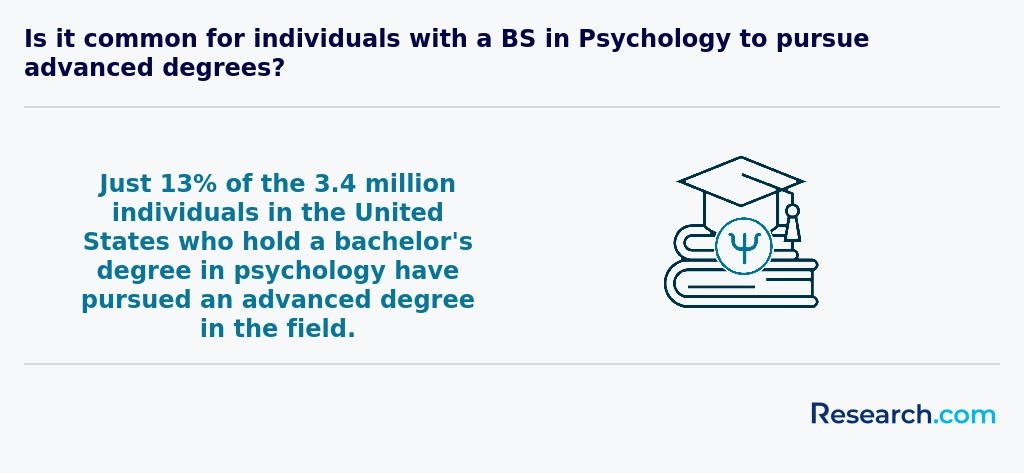
When considering pursuing a psychology degree in Queens, NY, one of the most crucial factors to weigh is the financial cost. Prospective students should research thoroughly to find the cheapest psychology schools in New York to make informed decisions about their education. Understanding the average cost of tuition, fees, and living expenses is essential for creating a comprehensive financial plan. Many students find that online psychology degree programs offer a more affordable option compared to traditional on-campus programs, allowing them to balance their academic pursuits with part-time jobs or other responsibilities. Additionally, exploring available scholarships, grants, and financial aid can significantly mitigate the costs associated with obtaining a psychology degree. By carefully considering these financial elements and planning ahead, aspiring psychology students in Queens, NY, can set themselves up for success and make their educational goals more attainable.
When studying psychology in Queens, you'll dive into courses that truly bring the field to life. Graduates from local colleges often recall how Introduction to Psychology sparked their curiosity about human behavior, laying the groundwork for every class afterward. At institutions like Queens College, students engage deeply with Research Methods in Psychology, where they learn to design real experiments and analyze data-skills that empower them beyond the classroom.
Biopsychology classes reveal how our brains shape thoughts and emotions, making students feel amazed by the connection between biology and behavior. Courses such as Developmental Psychology give you a powerful lens to see life's changes from infancy to adulthood, helping you understand your own journey as well as others'. Many graduates mention how Social Psychology helped them navigate and appreciate Queens' rich, diverse communities.
Other key subjects like Abnormal Psychology and Counseling Techniques prepare you for compassionate roles in mental health, reflecting the strong, community-centered ethos common in Queens programs. Many students find electives in educational or forensic psychology offer exciting ways to personalize their studies and connect with their passions.
Pursuing a psychology degree in Queens opens doors to a variety of rich specialization options tailored to your unique career aspirations. Many graduates from Queens College, part of CUNY, recall how focusing on clinical psychology gave them hands-on experience diagnosing and treating mental health disorders, providing a deep sense of purpose. Others found their passion in experimental or counseling psychology, sharpening skills to support individuals through social and emotional growth.
Exploring Queens psychology program concentration options means you can also dive into areas like developmental psychology, understanding human growth from infancy through adulthood, or industrial-organizational psychology, where you learn to boost workplace well-being and productivity. Some students thrive in forensic psychology, merging psychology with the legal system, while others appreciate health psychology's focus on the mind-body connection in community health settings.
If you're ready to advance your knowledge, consider looking into online graduate degree programs in psychology that complement your specialization with flexible learning. Choosing a psychology degree specializations in Queens ensures you join a supportive community, balancing quality education with affordable tuition and meaningful career pathways.
Choosing the best psychology degree in Queens starts with understanding your goals and the degree levels available. Graduates from Queens College often highlight how the affordable tuition at this CUNY school allowed them to pursue a solid Bachelor's degree, opening doors to entry-level roles and graduate study. Those aiming for licensed practice or specialized fields tend to seek Master's or doctoral programs, often favoring institutions with strong accreditation to ensure rigorous training.
Cost is another key factor. Many students appreciate that Queens offers some of the best affordable psychology degree Queens options, balancing quality education with lower tuition rates compared to private institutions. Keeping an eye on total expenses, including living costs and fees, prevents surprises and supports financial planning.
When selecting a program, consider those with rich curriculum choices and real-world experience through internships or research opportunities. Graduates often recall how faculty mentorship at Queens-area universities empowered their career paths with meaningful guidance and connections.
For those pursuing advanced degrees, exploring cheapest psyd programs can be a strategic way to invest wisely while advancing their expertise in psychology.
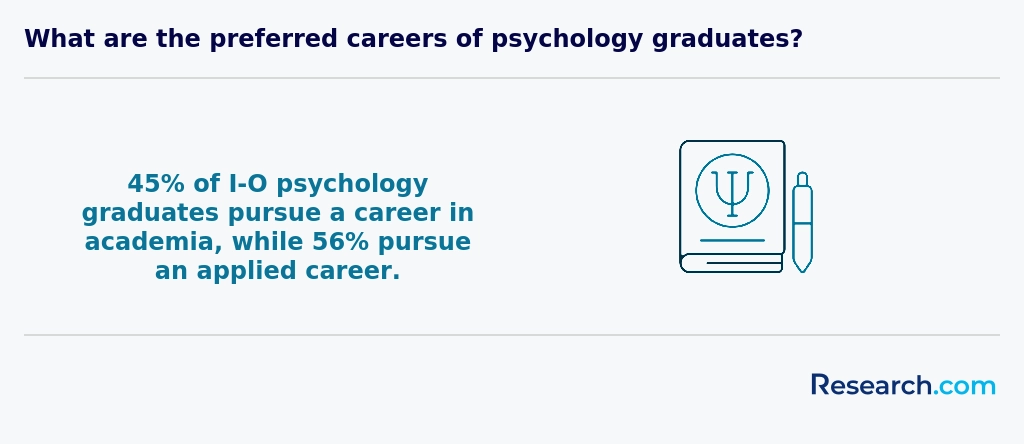
Graduates with a psychology degree in Queens discover a variety of rewarding career paths that tap into the borough's unique cultural fabric. Many find fulfilling roles in clinical and counseling psychology, working directly with diverse populations in community health centers or private practices. These settings allow professionals to make a tangible difference, guiding individuals through mental health challenges or trauma. Others leverage their expertise by stepping into Queens public schools as school psychologists, where they support children facing learning or behavioral hurdles, fostering brighter futures in the classroom.
For those curious about jobs with a psychology degree in Queens, opportunities extend to industrial-organizational psychology, helping local businesses boost employee well-being and productivity. Research positions at local universities or nonprofits also attract passionate graduates eager to analyze behavioral patterns and contribute meaningfully to public health. Many of these career paths are accessible thanks to affordable education options at institutions like Queens College, making it easier for graduates to enter the workforce confidently. Students interested might explore the Low Cost Online Psychology Degree Programs Ranking in Columbia, MO for additional affordable education opportunities.
The job market for psychology degree careers in Queens is vibrant yet competitive, reflecting the borough's diverse population and growing mental health needs. Graduates from popular institutions like Queens College often find opportunities in hospitals, community centers, and local schools, where their skills in counseling and clinical psychology are highly valued. Many have shared how hands-on internships during their studies prepared them for roles with meaningful impact in neighborhoods across Queens.
Understanding the job outlook for psychology graduates Queens-wide means recognizing that positions in healthcare and social assistance sectors are expanding steadily. Starting salaries may hover around $60,000, but with state licensing and advanced degrees, professionals can command wages exceeding $100,000. For those balancing costs and future earnings, exploring 6-month certificate programs that pay well can offer quicker entry points into the field.
Graduates feel motivated by the increasing public focus on mental health, seeing firsthand how their expertise supports students and families in Queens' schools and community programs. With dedication and strategic education choices, launching a rewarding psychology career in Queens is definitely within reach.
2027 Most Affordable Psychology Degree Programs Ranking in Queens
Investing in your education is a significant decision that can shape your future, and the Research.com team understands the importance of making informed choices. To assist prospective students in Queens, we have meticulously crafted the "2027 Most Affordable Psychology Degree Programs Ranking in Queens." Our commitment to quality, credibility, and accuracy is reflected in the extensive research and analysis conducted to compile this ranking.
We utilized the following reputable data sources to ensure a comprehensive evaluation of psychology degree programs:
By exploring this ranking, readers will gain valuable insights into affordable psychology degree programs in Queens, empowering them to make informed decisions about their educational investments. For more details on our methodology, please visit our Research.com methodology page.


Frequently Asked Questions About psychology
Students pursuing psychology degrees in Queens can enhance their learning by engaging in local internships and research projects. Queens is home to diverse communities and various mental health organizations, providing valuable hands-on experience. According to the U.S. Bureau of Labor Statistics, practical experience improves job readiness by nearly 20% in psychology fields.
Taking advantage of opportunities at institutions such as Queens College and St. John's University allows students to participate in faculty-led studies. Networking through local psychology associations and attending workshops in Queens also helps build professional connections.
Utilizing campus resources like tutoring and counseling services can further support students' academic growth in this competitive field.
The field of psychology is rapidly evolving, with several emerging niches gaining prominence in Queens and across the United States. One notable area is neuropsychology, which explores the relationship between brain function and behavior. This niche is growing due to advances in brain imaging technology. Another developing field is health psychology, focusing on how mental factors influence physical health, increasingly relevant due to rising chronic illnesses.
Additionally, forensic psychology is expanding as the legal system seeks expert insights on mental health issues. Educational psychology, especially related to multicultural settings in Queens, is also gaining importance. According to the Bureau of Labor Statistics, jobs in these specialties are expected to grow by 14% through 2032, reflecting strong demand in urban areas like Queens.
Preparing for the job market after earning a psychology degree in Queens involves a strategic combination of education, experience, and networking. Graduates should seek internships or volunteer opportunities locally, as Queens hosts various community mental health organizations where hands-on experience is valued. According to the New York State Department of Labor, employment for psychologists in the NYC metro area, including Queens, is expected to grow by 8% through 2030, highlighting steady demand.
Obtaining relevant certifications, such as Licensed Mental Health Counselor (LMHC), can enhance job prospects. Additionally, joining professional bodies like the New York State Psychological Association provides networking and professional development resources. Building skills in data analysis and research methods also aligns well with many roles in this field.
Employers in Queens actively seek psychology graduates with strong analytical and critical thinking skills. These abilities enable professionals to interpret research data and apply psychological theories effectively. Communication skills, both written and verbal, are also highly valued, as psychology roles often require clear explanation of complex concepts to clients and colleagues.
Additionally, proficiency in research methods and statistical analysis is crucial. According to the U.S. Bureau of Labor Statistics, knowledge of data interpretation significantly improves employability in the NYC metro area, including Queens. Employers also emphasize ethical judgment and cultural sensitivity due to the diverse population in Queens.
Problem-solving capabilities and emotional intelligence are key assets for careers in clinical, counseling, or social psychology fields prevalent in the region.
Finding internships in Queens relevant to a psychology degree begins with exploring local hospitals, mental health clinics, and social service agencies, which often offer structured internship programs. Institutions like Mount Sinai Queens and the Queens County Mental Health Center are notable for providing hands-on experience in clinical psychology settings. Additionally, students should use resources available through their college career centers, which may partner with organizations in Queens to facilitate placements.
Online databases such as Handshake and the American Psychological Association's internship directory can help locate opportunities within the New York City area. Networking with faculty and attending local psychology conferences also improves chances of securing internships. According to the New York State Education Department, internships are crucial for licensure preparation and enhance employment prospects after graduation.
A psychology degree in Queens significantly enhances career mobility and advancement opportunities within the borough's diverse job market. Graduates can access roles in healthcare, education, social services, and corporate sectors, all exhibiting steady growth.
According to the New York State Department of Labor, employment for psychologists and related occupations in Queens has increased by 8% over the past five years, outpacing some other fields. This rise reflects ongoing demand for mental health professionals in urban settings.
Possessing a psychology degree often qualifies individuals for entry-level positions with clear pathways to licensed roles such as clinical psychologists or counselors. Advanced degrees further facilitate promotions, higher salaries, and specialized positions.
Networking within Queens' academic institutions and professional organizations also supports career development, helping graduates adapt to evolving industry needs. Thus, a psychology degree serves as a valuable asset for career growth locally.
Studying for a psychology degree in Queens offers students unique opportunities to engage in interdisciplinary roles. Many local institutions incorporate coursework that blends psychology with fields such as social work, education, and public health, reflecting the borough's diverse population.
Queens is home to several colleges that promote research and practical experience connecting psychology with urban studies and community development. For example, programs often emphasize cognitive and behavioral science applications to education and healthcare settings.
According to the National Center for Education Statistics, colleges in New York City award over 1,200 psychology degrees annually, many including interdisciplinary components that prepare graduates for varied career paths.
This approach equips students with critical skills to collaborate across disciplines, making them versatile professionals in a broad job market.
When choosing between a thesis and a non-thesis psychology degree program in Queens, it's important to consider your career goals. A thesis option involves conducting original research and writing a detailed paper, which is ideal for students planning to pursue a PhD or work in research. Non-thesis programs typically focus more on coursework and practical experience, appealing to those looking to enter professional practice immediately.
Thesis programs often require 6 to 12 months to complete the research component, adding time but providing valuable skills in data analysis and academic writing. Non-thesis degrees may be completed faster.
Data from the National Center for Education Statistics show that Queens institutions offering psychology master's degrees often present both options, with about 40% of students choosing thesis tracks.
Financial considerations are also relevant; some thesis students qualify for research assistantships, which can reduce tuition costs. Review Queens colleges' specific programs and consult academic advisors to match your needs effectively.
Students based in Queens who wish to study psychology abroad have several options through US universities' study abroad programs. Many institutions in New York City, including ones accessible to Queens residents, offer partnerships with universities in Europe, Asia, and Australia where psychology courses meet US accreditation standards.
The US Department of Education and Bureau of Educational and Cultural Affairs support exchange programs that allow psychology students to gain international experience while earning transferable credits. These programs often include placements in research labs or clinical settings aligned with psychology degree requirements.
According to the Institute of International Education, approximately 2% of US psychology majors participate in study abroad, with students commonly choosing destinations like the UK or Canada for their strong psychology departments.
Queens residents can also explore summer abroad psychology courses or internships, which may be more affordable and flexible for working students. Local universities such as Queens College provide advising to help coordinate these opportunities.
Students pursuing psychology degrees in Queens can find several part-time job opportunities that enhance their academic knowledge and practical skills. Many local mental health clinics and counseling centers hire assistants or administrative support, allowing students to observe professional environments directly.
Additionally, schools and after-school programs often seek aides or tutors to support children with learning or behavioral challenges. This helps students gain experience relevant to developmental and educational psychology.
Research assistant positions at institutions like York College and Queens College provide valuable exposure to data collection and analysis, helping students understand psychological research methods. According to the U.S. Bureau of Labor Statistics, such experience can significantly improve employment prospects after graduation.
Psychology students in Queens have access to various networking opportunities that can enhance their academic and professional journeys. Local universities, such as Queens College (CUNY), host regular events and seminars featuring psychology professionals and researchers. These sessions allow students to connect directly with experts in the field.
Cultural institutions and healthcare organizations in Queens often collaborate with educational institutions, offering internships and volunteer roles to psychology students. These experiences provide valuable contacts and practical insights into clinical and research settings.
Student-led psychology clubs and local chapters of national organizations, like the American Psychological Association (APA), also foster peer networking and mentorship. According to CUNY data, over 70% of psychology students in Queens participate in at least one such group, expanding their professional circles early on.
Alumni networks play a significant role for psychology degree students in Queens by offering valuable professional connections. Graduates often access these networks to find internships and job openings, which is crucial in the competitive New York City job market. According to the National Association of Colleges and Employers, 85% of jobs are filled through networking, highlighting the importance of these connections for psychology students.
Additionally, alumni can provide mentorship and guidance on career paths, including clinical, counseling, or research roles specific to the Queens area. Many Queens institutions host alumni events, which foster community and ongoing support for current students.
Engaging with alumni networks also helps students stay informed about local industry trends and continuing education opportunities, enhancing their professional development in psychology.
Customizing a psychology degree program in Queens allows students to align their education with specific career goals. Many local colleges offer specializations like clinical, counseling, or industrial-organizational psychology, enabling focused skill development. For example, choosing electives or concentrations based on desired roles helps build relevant expertise.
Internships and research opportunities with Queens-based organizations can offer practical experience essential for job readiness. According to the National Center for Education Statistics, Queens has diverse psychology programs that support such customization.
Advising services at institutions in Queens also guide students in selecting courses best suited to careers, including preparation for licensure or graduate studies.
Psychology students in Queens often face significant challenges related to balancing academic demands and personal responsibilities. Many attend schools while managing jobs or family care, which can complicate time management.
Financial stress is another common hurdle. According to the College Board, the average annual cost for public in-state tuition in New York is over $10,000, excluding living expenses, which can be especially tough in Queens due to its high cost of living.
Additionally, psychology programs require extensive research and clinical experience, which can be difficult to secure locally given the competitive nature of internships and practicum placements in the area.
Students may also encounter difficulties adapting to rigorous coursework, including statistics and experimental psychology, which are foundational but challenging subjects.
A psychology degree in Queens opens pathways to several professional certifications valuable in clinical, counseling, and organizational settings. Graduates can pursue the Licensed Mental Health Counselor (LMHC) credential, which allows independent practice in New York State after completing supervised hours and passing the licensing exam.
Another common certification is Board Certified Behavior Analyst (BCBA), especially relevant for those working with autism spectrum disorders. The BCBA requires a graduate-level degree, supervised experience, and passing a national exam.
Graduates might also consider Certified Rehabilitation Counselor (CRC) certification, focusing on assisting people with disabilities in employment and independent living.
According to the New York State Education Department, demand for LMHC professionals in Queens has grown by approximately 12% over the past five years, reflecting expanding mental health service needs.
When applying to psychology programs in Queens, it is important to craft a clear and focused application. Start by highlighting your academic achievements, especially in psychology-related courses, as Queens colleges often look for candidates with strong foundational knowledge. Include any research experience or internships, emphasizing how they relate to psychology.
Personal statements should explain your motivation to study psychology and your career goals. Admissions committees in Queens value applicants who demonstrate a genuine interest in mental health and community work. According to the U.S. Department of Education, competitive programs typically accept around 30-40% of applicants, so standing out is crucial.
Letters of recommendation from professors or professionals familiar with your psychological work can significantly strengthen your application. Also, pay attention to standardized test requirements, as some Queens institutions may still consider GRE scores for advanced degrees. Finally, proofread carefully and meet all deadlines precisely to avoid disqualification.
The field of psychology offers diverse career opportunities worldwide, and this holds true for students pursuing degrees in Queens. In the United States, psychology is recognized as a growing profession, with the U.S. Bureau of Labor Statistics projecting a 8% employment growth for psychologists between 2022 and 2032.
Globally, psychology careers often emphasize research, clinical practice, and counseling. However, American programs, including those in Queens, tend to focus heavily on clinical and counseling psychology, supported by stringent licensing requirements. According to data from the National Center for Education Statistics, New York state awarded nearly 1,200 psychology degrees in 2021, reflecting high regional interest.
Queens-based psychology graduates often have access to diverse populations and internships, enriching their practical experience. This prepares them for careers not only locally but also in international settings where cross-cultural competencies are valued. Understanding global perspectives helps students anticipate varied career pathways and licensure demands in psychology worldwide.
Students pursuing a psychology degree in Queens can gain practical experience through internships and research assistant positions affiliated with local universities like Queens College. Many programs encourage or require fieldwork, allowing students to work in community mental health centers, schools, or hospitals. According to the National Association of Colleges and Employers, 62% of students with internship experience improve their job prospects.
Queens also offers access to diverse populations, providing valuable exposure for psychology students. Networking events and mentorships within the New York City psychological community enhance practical learning. Additionally, some programs provide volunteer opportunities that help build skills in assessment and counseling.
Choosing the right concentration within a psychology degree program in Queens involves understanding your career goals and interests. Psychology offers various specializations such as clinical, counseling, developmental, or forensic psychology. Each concentration focuses on different skills and job opportunities.
Research local job market trends in Queens. For example, clinical psychology is in demand due to the area's diverse population and growing mental health services, as reported by the New York State Department of Labor. Counseling psychology may suit those interested in community and school-based roles.
Consider program curriculum and faculty expertise. Schools in Queens like York College and St. John's University offer unique concentrations shaped by local needs. Also, review accreditation status and internship opportunities that provide practical experience in Queens healthcare or social services.
- 2027 Most Affordable Psychology Degree Programs Ranking in New York
- 2027 Most Affordable Psychology Degree Programs Ranking in New Haven
- 2027 Most Affordable Psychology Degree Programs Ranking in Springfield
- 2027 Most Affordable Psychology Degree Programs Ranking in Amherst
- 2027 Most Affordable Psychology Degree Programs Ranking in Albany
- 2027 Most Affordable Psychology Degree Programs Ranking in Worcester
- 2027 Most Affordable Psychology Degree Programs Ranking in Baltimore
- 2027 Most Affordable Psychology Degree Programs Ranking in Cambridge
- 2027 Most Affordable Psychology Degree Programs Ranking in Boston
- 2027 Most Affordable Psychology Degree Programs Ranking in Washington
See What Experts Have To Say About Studying Psychology
Read our interview with Psychology experts

Elizabeth L. Jeglic Ph.D.
Psychology Expert
Professor of Psychology
City University of New York

Joann Farrell Quinn, Ph.D., MBA
Psychology Expert
Director at the College of Medicine Department of Medical Education
Morsani College of Medicine

Catherine Caldwell-Harris, Ph.D.
Psychology Expert
Associate Professor of Psychology
Boston University

- Professional Networking For Psychologists | Psychology.org https://www.psychology.org/resources/professional-networking/
- First-year psychology students face unexpected grade requirement increase - The Queen's Journal https://www.queensjournal.ca/first-year-psychology-students-face-unexpected-grade-requirement-increase/
- Sample letters in psychology https://www.mystudies.com/en-in/human-and-social-sciences/psychology/letter-model/
- Prospective Students https://www.queensu.ca/psychology/undergraduate-program/prospective-students
- Society for the Teaching of Psychology https://teachpsych.org/page-1784686/8675326
- A Guide to Psychology Internships | Psychology Degree Guide https://psychologydegreeguide.org/resources/internships/
- Have You Found a Niche? https://www.apaservices.org/practice/business/marketing/building/niche
- Psychology Online Degree Pathway https://www.learndirect.com/course/psychology-online-degree
- Ontario Psychological Association - Networking and Community Resources https://www.psych.on.ca/become-a-member-(1)/member-services/networking-and-community-resources
- How to help students cope with mental health challenges https://www.eaie.org/resource/help-students-cope-mental-health-challenges.html