
2027 Best Psychology Degree Programs Ranking in Spokane

Co-Founder and Chief Data Scientist
Choosing the right psychology degree program in Spokane can feel overwhelming. That's why this article introduces the 2027 Best Psychology Degree Programs Ranking in Spokane, created by the Research.com team of data scientists. It's designed to help you make an informed decision about which programs truly stand out.
Reading this article will give you clear insights into top programs, so you can find one that fits your goals and passion. A psychology degree opens doors to rewarding careers that make a real difference in people's lives.
Take this step confidently toward your future in psychology.
Key benefits of getting psychology degree in Spokane
- Psychology graduates in Spokane can earn competitive salaries in various roles, such as Human Resources Specialists with a mean annual wage of $76,060 and Marketing Research Analysts earning around $83,190 per year.
- A psychology degree opens diverse career paths including clinical research, marketing analysis, and child care, offering exciting opportunities for growth and meaningful work.
- Online psychology degrees from Spokane-based schools provide flexibility and accessibility, allowing students to balance work and study while gaining the same knowledge as traditional programs.
- 2027 Best Psychology Degree Programs Ranking in Spokane
- What can I expect from psychology degree in Spokane?
- Where can I work with psychology degree in Spokane?
What can I expect from psychology degree in Spokane?
When diving into a psychology degree in Spokane, students quickly discover that costs vary but often feel manageable compared to other regions. For example, graduates from Eastern Washington University describe a sense of relief balancing quality education with tuition that fits their budgets, often totaling around $8,000 to $10,000 per year for in-state students. This affordability enables them to focus more on immersive learning experiences like faculty-led research without overwhelming financial stress.
Meanwhile, those who choose Gonzaga University for their Clinical Psychology master's program usually prepare for a higher investment, closer to $20,000 annually. Yet, many graduates reflect joy and pride in knowing their tuition supports rigorous clinical training and access to Washington's licensing pathways, making each dollar feel like a step toward a meaningful career.
Spokane's combination of reasonable costs and hands-on opportunities in real-world mental health settings often fuels students' excitement to explore psychology deeply, turning classroom concepts into impactful experiences within their community.
Where can I work with psychology degree in Spokane?
Graduates with a psychology degree in Spokane dive into a vibrant world of opportunities that stretch from bustling hospitals to local schools. Imagine stepping into Providence Sacred Heart Medical Center, where you could support patients through recovery, or working with the Spokane Regional Health District to design innovative behavioral health programs. Many psychology grads from Eastern Washington University share stories of landing roles as research assistants or academic advisors right on campus, blending study with hands-on experience.
School districts in Spokane offer fresh paths, too. Picture yourself helping students overcome challenges with mental health support, a role growing quickly thanks to rising demand for school-based counselors. Beyond healthcare and education, the local nonprofit scene-like Volunteers of America Eastern Washington & Northern Idaho-welcomes psychology professionals eager to impact communities directly.
Starting as a psychological technician or case manager, a degree-holder can explore diverse roles before advancing to licensed clinical positions, making the journey both exciting and meaningful in Spokane's dynamic job markets.
Graduates from Spokane's leading psychology programs often discover rewarding salary paths that reflect their curiosity and commitment. For example, a graduate working as a Human Resources Specialist-a common role for psychology majors-can anticipate an average annual wage around $76,060 according to the latest data. This is encouraging for those eager to apply their understanding of human behavior in dynamic workplace settings.
Others, perhaps more intrigued by research, may find their stride as Marketing Research Analysts, earning approximately $83,190 yearly in Spokane. These roles offer a vibrant mix of psychology and business, perfect for graduates hungry to explore consumer behavior and data analysis.
Clinical Research Associates or Survey Researchers, often those drawn to hands-on study and clinical trials, typically earn about $62,370 annually. Spokane graduates from local colleges often celebrate stepping into these fields, embracing the meaningful impact of their work in health and social sciences.
Such earnings highlight how Spokane's educational environment fosters both adventure and practical success for psychology degree holders exploring diverse career options.
- Annual tuition for a bachelor's degree in psychology at public universities in Spokane ranges from $8,000 to $12,000 for in-state students.
- Community colleges offering transfer degrees charge lower tuition, typically between $4,000 and $5,000 per year.
- Private institutions may have annual tuition fees exceeding $25,000.
- Entry-level psychology graduates in Spokane earn around $45,000 per year, with potential to increase to $70,000-$85,000 with experience and advanced licensure.
- The local job market is expected to grow by about 10% over the next decade, with opportunities in healthcare, social services, education, and government sectors.
Embarking on a psychology degree adventure in Spokane usually means diving into about four years of full-time study-just like many dedicated graduates from Eastern Washington University experience. They often describe this journey as a thrilling challenge, balancing coursework and campus life while discovering new insights into human behavior.
For those who need to juggle work or family, the timeline might stretch out to five or six years, but students often find the extra time rewarding, allowing deeper engagement with subjects and projects at their own pace.
If your curiosity pulls you toward advanced studies, Spokane's master's degrees in psychology add two to three more years of exploration, packed with research and sometimes thesis work-opening doors to new professional horizons.
And for the ambitious souls aiming to become licensed clinical psychologists, doctoral programs can take from four to seven years, blending intense study with real-world practice, often sparking personal growth and a sense of accomplishment.
To become a licensed psychologist or mental health professional in Spokane, WA, you must graduate from an APA-accredited doctoral program (for psychologists) or a CACREP-accredited master’s program (for counselors), complete the required supervised hours, and pass both national and state exams. Washington’s Department of Health mandates 3,000 postdoctoral hours under licensed supervision for psychologists and 4,000 post-degree clinical hours for Licensed Mental Health Counselors (LMHCs). Candidates must pass the Examination for Professional Practice in Psychology (EPPP) and the Washington Law and Ethics Exam, then submit official transcripts, supervision verification, and a criminal background check through the state’s online credentialing portal. Continuing education keeps your license active: psychologists need 36 hours of approved CE every two years, while LMHCs require 24 hours. For those pursuing specialties-like child and adolescent therapy-researching psychology jobs working with children will clarify additional endorsements and training pathways needed to meet Washington’s practice standards. Understanding these steps early ensures a smooth transition from your degree program to a rewarding professional career.
Imagine walking through the bustling halls of Gonzaga University, engaging face-to-face with professors who challenge your thinking during lively psychology seminars. Spokane's on-campus programs immerse students in hands-on labs and real-world practicum experiences at local counseling centers-crucial stepping stones for building confidence in interpersonal skills. Graduates often recall those moments of direct feedback and group learning as thrilling parts of their journey.
Contrast this with the freedom of earning a psychology degree online through Eastern Washington University's flexible programs. Here, self-driven students craft their own schedules, balancing studies with work or family life. Graduates describe the empowering feeling of accessing lectures anytime, anywhere in Spokane or beyond, savoring the independence while staying connected with peers through virtual discussions.
Though tuition in Spokane hovers around $8,000 to $10,000 annually whether online or in-person, online learners often cheer the extra savings from skipping commutes or campus housing. Both pathways uphold the rigorous accreditation standards essential for licensure, ensuring students unlock opportunities regardless of their chosen route to explore the fascinating field of psychology.
When considering a psychology degree in Spokane, WA, when looking for affordable options, you can explore the cheapest psychology schools in Washington, which can significantly reduce the financial burden of higher education. Understanding the average cost of tuition, additional expenses, and available financial aid is crucial for making informed decisions. The average tuition cost for in-state students pursuing a psychology degree at public colleges in Spokane is approximately $7,070 per year, making these institutions an attractive option for local students aiming to minimize their educational expenses. However, out-of-state students face higher tuition costs, averaging around $32,954 at private colleges, which can be a considerable financial burden. To manage these costs effectively, students often seek financial aid through federal loans, grants, and scholarships. For instance, the Washington College Grant can cover tuition based on financial need, while numerous scholarships cater specifically to psychology students, offering additional funding opportunities. By exploring these financial aid resources and understanding the total cost of education, including fees and living expenses, psychology students in Spokane can pursue their academic goals with confidence and ease.
The average cost of a psychology degree in Spokane typically hovers around $73,700, with in-state students enjoying a more accessible path at about $55,500. Many psychology graduates from local institutions like Eastern Washington University and Spokane Community College recall how these figures shaped their academic journeys-balancing tuition against life in a welcoming city with a moderate cost of living. The opportunity to study psychology here is not just an investment in education but in becoming part of a community that values personal growth and discovery.
Students embarking on their psychology degree tuition and fees Spokane often choose between public and private institutions, each providing unique financial dynamics. Graduates from public universities appreciated how residency status heavily influenced their expenses, with out-of-state learners facing higher costs but often discovering scholarships and aid that softened the impact. The careful management of resources was a recurring theme in their stories, reminding prospective students that tuition is just one part of the equation.
Community colleges offer a vibrant, budget-friendly route to begin psychology studies, greatly appealing to students seeking affordability and flexibility. Meanwhile, those embracing more specialized tracks sometimes explore options involving deeper clinical work, which can affect their overall financial commitment. It's worth considering financial planning and support; many prospective students even find helpful guidance through resources like the arkansas psychology license board, supporting their steps toward licensure and career success.
Before enrolling in any psychology degree program, it’s essential to verify that the institution holds regional accreditation (e.g., NWCCU) and, for doctoral tracks, American Psychological Association (APA) accreditation. Washington State mandates that licensed psychologists complete: • A doctoral degree in psychology from an APA-accredited program • At least 3,000 hours of supervised post-doctoral experience • Successful passage of the Examination for Professional Practice in Psychology (EPPP) and the Washington State Jurisprudence Exam Graduates from non-APA programs may still qualify for licensure but often must complete additional supervised hours or bridge coursework. To maintain your license, Washington requires 30 continuing education credits every two years, including ethics and cultural competency training. When comparing tuition and accreditation status, Spokane students may also consider out-of-state options; for cost-conscious choices, view our Inexpensive Psychology Degree Programs Ranking in Hawaii. Ensuring that your degree aligns with both educational standards and state licensure criteria not only accelerates your path to practice but also enhances employer confidence in your qualifications.
Exploring financial aid in Spokane for psychology students can feel like unlocking a treasure chest of opportunities. Graduates from Eastern Washington University and Gonzaga University often share how federal aid, especially through FAFSA, lights the way-think Pell Grants offering up to $7,395 annually, easing worries about tuition costs that range from $7,000 to $18,000. Imagine being a student balancing classes and community leadership while a merit scholarship from your university trims your expenses, rewarding both your brains and your heart.
Local stories buzz about the Washington State Opportunity Scholarship, a gem for those diving into psychology as part of STEM or health fields, fueling dreams with thousands of dollars. Sometimes, the adventure extends beyond campus-many Spokane-based psychology grads describe how employer tuition assistance from mental health organizations helps them continue their studies without missing a beat.
And for those eager to dig deeper, scholarships from professional groups like the APA add another layer of support, making the journey through Spokane's vibrant psychology programs feel less like a challenge and more like an exciting expedition.
Child psychology is a dynamic field that focuses on the mental, emotional, and social development of children. This specialization not only requires a solid foundation in general psychology principles but also demands a deep understanding of child-specific developmental milestones, behavioral challenges, and therapeutic techniques. Professionals in this field work in schools, clinics, hospitals, and private practices, where they design and implement strategies to support children’s mental well-being. By engaging in specialized training, internships, and certification programs, aspiring child psychologists gain the necessary tools to make a significant impact on young lives. For those interested in a detailed roadmap, check out how do you become a child psychologist. This area offers not just a rewarding career but also the opportunity to contribute to early intervention, fostering resilience, and promoting lifelong mental health among the youngest members of our communities.
Landing a spot in a psychology degree program in Spokane starts with the basics: a high school diploma or GED and solid core coursework like math, English, and science. Imagine a recent graduate from a well-known Spokane college reflecting on their journey-balancing SAT prep while juggling extracurriculars, all to present a strong application that matches the 2.5 to 3.0 GPA many schools look for. This foundation helps ensure you're ready to dive into understanding the human mind.
For those chasing a bachelor's, the path includes showcasing dedication through good grades and sometimes standardized tests, though plenty of Spokane schools now welcome applicants without them, opening doors wide. Graduates from local universities often mention how their coursework in developmental or cognitive psychology set them apart when applying to graduate programs.
Speaking of graduate degrees in Spokane, expect even higher standards-think a 3.0+ GPA, recommendation letters, and real-world experience like internships. These elements give you the confidence and credibility to step into psychology's fascinating field, enriched by Spokane's welcoming academic community.

Becoming a licensed psychologist or counselor in Washington involves meeting state standards for education, supervised practice, exams and ongoing training.
- Education
- Earn a doctoral degree in psychology (PhD or PsyD) from an APA-accredited program or a master’s in counseling from a regionally accredited institution. Graduates interested in family therapy may pursue an online masters in marriage and family therapy.
- Supervised Experience
- Complete at least 3,000 post-doctoral supervised hours (2,000 client contact; 1,000 non-contact activities) under a Washington-licensed psychologist.
- Examinations
- Pass the national Examination for Professional Practice in Psychology (EPPP).
- Pass the Washington State Jurisprudence and Ethics Exam.
- Application and Fees
- Submit transcripts, verification of supervised hours, exam scores and a completed application to the Washington Department of Health.
- Pay required application and licensure fees.
- Continuing Education
- Renew licensure biennially with 36 approved continuing education credits, including ethics and cultural competency courses.
Diving into a psychology degree in Spokane means stepping into a vibrant world of discovery and understanding human behavior. Students at institutions like the University of Washington Spokane or Gonzaga University often find themselves captivated by courses such as Introduction to Psychology, where they explore the fascinating roots and major approaches shaping the field. Imagine analyzing a friend's behavior through the lens of cognitive or developmental psychology-this is the kind of real-world connection graduates often recall with excitement.
The journey continues with Research Methods in Psychology, where learners get hands-on experience designing experiments and interpreting data, sparking a thrill akin to cracking a complex puzzle. Exploring brain-behavior links in Biopsychology or Neuroscience, students frequently share moments of awe as they grasp how biology influences emotions or decision-making.
Courses like Social Psychology and Abnormal Psychology invite students to step beyond theory and into the stories behind behaviors, enriching their empathy and insight. Spokane's programs thrive on mixing these lessons with internships and lab work, making each day an adventurous blend of knowledge and practical impact.

Diving into psychology degree specializations in Spokane opens doors to an exciting range of focused paths. Graduates from local universities often share how choosing Clinical Psychology, for instance, allowed them to engage deeply with diagnosing and treating mental health issues, making a real impact on individuals' lives. Counseling Psychology offers another compassionate approach, helping students feel empowered to support emotional wellness and life challenges.
Many Spokane psychology programs concentration options also include Child and Adolescent Psychology, where students find joy in guiding the development of younger populations within school settings or community services. Industrial-Organizational Psychology is perfect for those captivated by workplace dynamics, blending psychology with business to boost productivity and morale. Others are drawn toward Forensic Psychology, integrating law and mental health, a thrilling path for those drawn to legal settings.
Popular programs in Spokane sometimes feature emerging areas like health psychology or neuropsychology, encouraging adventurous students to explore cutting-edge research and applied methods. For those curious about how to tailor your journey beyond Spokane, check out the best florida psychology degrees online as another vibrant option to expand your horizons.
Choosing the best psychology degree programs Spokane offers means diving into the unique opportunities each school presents. Imagine exploring Gonzaga University's vibrant campus where graduates rave about hands-on internships with local healthcare providers, making theories come alive through real-world practice. Or picture yourself at Eastern Washington University, where the affordable psychology degrees in Spokane deliver solid academic grounding without breaking the bank, coupled with flexible hybrid classes to fit your busy lifestyle.
Graduates often share how accreditation, especially APA for advanced degrees, opens doors to licensure and fulfilling careers. Since Spokane's APA-accredited options are limited, many adventurous students also consider online paths or nearby universities to meet those crucial requirements. Being curious about faculty expertise and rich research opportunities can transform your learning into an exciting journey rather than a chore.
Don't forget to check state requirements and practical pathways-some turn to professional counseling organizations new jersey for insights on licensure compatibility. Balancing cost, flexibility, and quality will guide you to the psychology degree that feels like your perfect fit.

Exploring psychology career opportunities in Spokane reveals an exciting landscape shaped by local needs and academic resources. Graduates from Eastern Washington University and Gonzaga University often step into roles as mental health counselors or behavioral therapists, connecting deeply with the community's growing demand for compassionate care. These positions allow them to witness real change daily, fueling a passionate sense of purpose.
Others venture into education, working as school counselors or child development specialists within Spokane Public Schools. Imagine guiding adolescents through challenges while applying insights gained in college-many graduates find this path both rewarding and adventurous as they shape young minds.
Jobs with a psychology degree in Spokane also include research assistant roles at local universities, where graduates contribute to meaningful social science studies, sparking curiosity and innovation without immediate need for a Ph.D.
For those drawn to business, Spokane's expanding tech and healthcare sectors provide opportunities in organizational development and human resources, where applied psychology skills foster positive workplace cultures. Many graduates also look into mental health professions with promising salaries, such as becoming a psychiatric social worker salary roles that underscore the region's supportive environment for psychology careers.

Spokane's psychology career opportunities glow brightly for those eager to step into roles within hospitals, schools, and social service agencies. Graduates from popular local universities often share stories of landing positions as behavioral health technicians or school counselors, energized by Spokane's thriving healthcare and educational sectors. The job outlook for psychology graduates Spokane reflects steady growth, especially in fields like substance abuse counseling and behavioral therapy, fueled by expanding mental health programs.
With average annual wages between $75,000 and $95,000, many find Spokane's market to be both competitive and rewarding. Picture a freshly graduated psychology major from a Spokane college, eagerly beginning licensed clinical work while benefiting from strong community support. Considering educational investment, students can explore the cheapest psychology schools in Washington to manage tuition costs effectively.
2027 Best Psychology Degree Programs Ranking in Spokane
Investing in your education is a significant decision that can shape your future, and the Research.com team recognizes the importance of making well-informed choices. To guide prospective students in Spokane, we have carefully developed the "2027 Best Psychology Degree Programs Ranking in Spokane." Our dedication to quality, credibility, and accuracy is demonstrated through rigorous research and analysis.
We utilized the following reputable data sources to ensure a comprehensive evaluation of psychology programs:
By exploring this ranking, readers will access valuable insights into the top psychology degree programs in Spokane, empowering them to make informed decisions about their educational journey. For more information on how the ranking was created, please visit our Research.com methodology page.


Frequently Asked Questions About psychology
Psychology degree students in Spokane can maximize their learning experience by actively engaging in both academic and practical opportunities. Spokane offers access to various internships and research projects through local institutions such as Eastern Washington University and Gonzaga University, where psychology programs emphasize hands-on learning. According to the National Center for Education Statistics, students who participate in internships report higher employment rates post-graduation.
Students should also take advantage of Spokane's mental health community, which includes organizations like Frontier Behavioral Health. Volunteering or working part-time in these settings provides real-world experience. Additionally, Spokane's smaller class sizes enable more personalized interactions with faculty, enhancing mentorship and guidance.
Lastly, attending psychology-related workshops and joining student organizations can deepen understanding and build valuable professional networks within the Spokane area.
Emerging niches in psychology reflect evolving societal needs and technological advances. In Spokane, there is rising interest in neuropsychology, which explores brain-behavior relationships and supports rehabilitation after injuries. This field aligns with local healthcare growth, including the expansion of neurological clinics.
Another growing area is health psychology, focusing on how behavior impacts physical health. Spokane's emphasis on community health initiatives creates opportunities for psychologists to work on chronic illness management and wellness programs.
Additionally, forensic psychology is gaining attention as Spokane sees increased collaboration between mental health professionals and the criminal justice system.
Data from the Bureau of Labor Statistics shows a 14% expected growth in clinical and counseling psychology jobs nationwide through 2032, reflecting these trends.
To prepare for the job market after completing a psychology degree in Spokane, students should focus on gaining practical experience through internships or volunteer work. Local organizations such as Spokane Behavioral Health and Eastern State Hospital often offer opportunities for hands-on training, which is highly valued by employers.
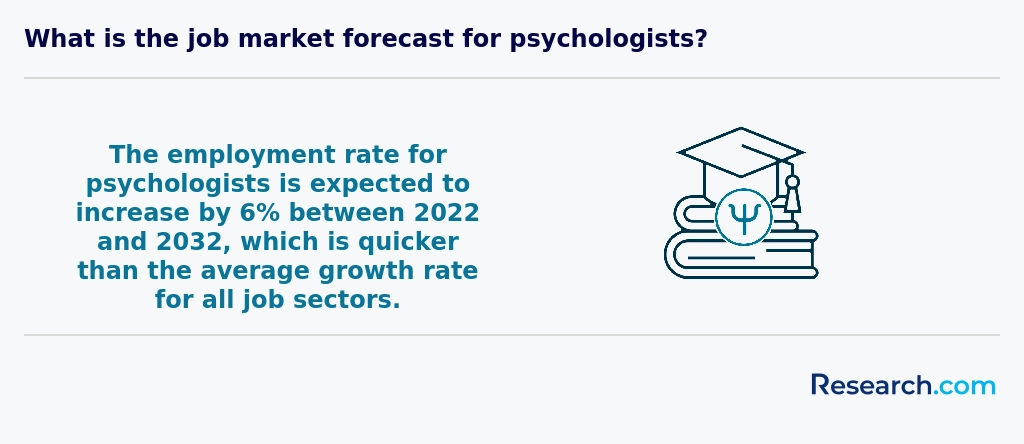
Networking is another key step. Joining regional associations like the Spokane Psychological Association can connect graduates with professionals and job openings. According to the U.S. Bureau of Labor Statistics, Washington state expects a 12% growth in psychologist roles from 2022 to 2032.
Additionally, many roles require licensure and advanced degrees, so planning for graduate studies or certifications early can improve employability.
Employers in Spokane seeking psychology degree graduates prioritize strong analytical skills. Graduates must effectively interpret behavioral data and apply psychological theories in practical settings. According to the Washington State Employment Security Department, critical thinking and problem-solving abilities rank highly among local employers.
Communication skills are essential, enabling graduates to interact with clients, colleagues, and multidisciplinary teams clearly and empathetically. Spokane-area clinics and counseling centers emphasize the importance of written and verbal communication in therapeutic environments.
Additionally, familiarity with research methods and statistical software is increasingly valuable. The Bureau of Labor Statistics notes that competence in data analysis enhances employability in Spokane's growing mental health sector.
Finding psychology internships in Spokane involves exploring local universities, hospitals, and community organizations that offer practical experience. Eastern Washington University and Gonzaga University, both located in Spokane, often provide internship opportunities through their psychology departments. These internships can be found by contacting academic advisors or career services, which frequently list local placements.
Spokane is home to several mental health clinics and nonprofit agencies seeking interns in psychology, including sources like the Spokane Regional Health District. Networking with faculty and attending local psychology-related events can also open doors to internships.
The U.S. Bureau of Labor Statistics notes that Washington state expects a 13% growth in psychologist employment through 2031, making local experience valuable. Early engagement with internships enhances career readiness and builds professional connections.
In Spokane, earning a psychology degree significantly enhances career mobility and advancement opportunities. According to the U.S. Bureau of Labor Statistics, employment for psychologists is projected to grow nationally by 8% from 2021 to 2031, reflecting steady demand. Locally, Spokane's healthcare and social assistance sectors, which employ many psychology graduates, continue to expand due to increasing mental health awareness.
Psychology degrees open doors to diverse roles such as counseling, social services, and human resources. Advanced degrees often lead to higher salaries and leadership positions within these fields. Institutions like Eastern Washington University offer accredited programs that prepare graduates for licensure and specialized careers.
The degree also supports career shifts into education, research, or organizational psychology, facilitating upward mobility. Overall, a psychology degree in Spokane provides a strong foundation for career growth aligned with regional job market trends.
Studying for a psychology degree in Spokane offers students a strong foundation for interdisciplinary roles by integrating knowledge from various fields such as healthcare, education, and social services. Spokane's programs emphasize collaboration skills, critical thinking, and applied research methods that are essential for working in diverse professional environments.
The University of Washington Spokane and Gonzaga University provide access to clinical internships and community partnerships, allowing students to gain hands-on experience. This exposure helps them understand how psychological principles relate to public health, counseling, and even law enforcement.
According to the U.S. Bureau of Labor Statistics, Spokane's interdisciplinary job market for psychology graduates is growing by approximately 6% annually, reflecting local demand in combined roles.
When choosing between a thesis and a non-thesis psychology degree program in Spokane, consider your career goals and interests. A thesis option involves conducting original research and writing a substantial paper, which is ideal if you plan to pursue doctoral studies or research-based careers. Non-thesis programs usually require additional coursework and practical experiences, attracting students aiming for applied work in counseling, human services, or industry.
Local institutions often tailor programs to Spokane's community psychology needs, emphasizing internships and applied skills in non-thesis formats. According to recent data from the Washington Student Achievement Council, about 40% of psychology graduates in the state choose thesis options, reflecting a balance between research and practice.
Also, consider your time commitment; thesis programs may require more time to complete due to research demands. Financial aid availability and faculty expertise in Spokane can also influence your choice.
Students based in Spokane who wish to study psychology abroad can pursue several pathways through US institutions that offer exchange programs or study abroad partnerships. Gonzaga University and Eastern Washington University, the main local universities with strong psychology programs, provide access to international study opportunities tailored for psychology students.
These programs often last a semester or a year and allow students to earn credits applicable toward their degree. According to the Institute of International Education, about 2% of US psychology students engage in study abroad annually, often in countries with robust psychology research traditions like the UK, Australia, and Canada.
Students should consult their home institution's study abroad office to explore approved programs and scholarships specifically for psychology majors. Such experiences can enhance cultural competence and global understanding, essential skills in psychology careers.
Students pursuing psychology degrees in Spokane can benefit from various part-time job opportunities that align with their academic goals. Roles such as research assistants at local universities or behavioral health facilities allow hands-on experience with psychological studies and data analysis. Organizations like Holy Family Hospital and Frontier Behavioral Health often seek part-time aides or technicians, providing exposure to mental health care environments.
Additionally, tutoring positions in psychology subjects or peer counseling roles on campuses like Gonzaga University help reinforce theoretical knowledge. According to Spokane Workforce Development reports, these positions typically offer flexible hours accommodating student schedules.
Such jobs not only enhance resumes but also build practical skills essential for postgraduate careers in psychology.
Psychology students in Spokane benefit from various networking opportunities that can enhance their educational and professional growth. Local universities, including Gonzaga University and Eastern Washington University, often host psychology seminars and guest lectures where students can connect with professors and practicing professionals. The Spokane Psychological Association offers student memberships, providing access to workshops, conferences, and local events tailored to psychology disciplines. Additionally, Spokane's growing mental health community includes internships and volunteer roles at hospitals and counseling centers, which serve as practical networking grounds. According to the Washington State Department of Labor, the Spokane area has a steady demand for mental health professionals, supporting active professional networks in the field.
Alumni networks offer significant advantages for psychology degree students in Spokane by connecting them with graduates who have navigated both academic and professional pathways. These networks often provide mentorship opportunities, helping students understand career options and gain insights into various psychology fields.
Research indicates that well-connected alumni networks can enhance job placement rates; some Spokane-area universities report that 60% of psychology graduates find employment through contacts made within alumni communities (National Center for Education Statistics, 2023). Networking events, workshops, and online platforms foster collaboration and keep students informed about local internships and licensure developments.
Moreover, strong alumni ties support continuing education and professional growth, crucial in psychology's evolving landscape.
Customizing a psychology degree program in Spokane allows students to align their education with specific career goals. Many local institutions offer elective courses in specialties such as clinical psychology, counseling, or industrial-organizational psychology. Selecting relevant internships or practicum placements in Spokane's healthcare facilities or businesses provides practical experience that complements academic learning.
Students can also tailor their research projects to focus on local community issues, enhancing both their resumes and professional networks. According to the Washington State Board of Psychology, completion of supervised professional experience in diverse settings is crucial for licensure, so choosing programs with strong practicum connections benefits career readiness.
Psychology students in Spokane often face several common challenges within the U.S. higher education framework. One significant hurdle is managing the demanding coursework alongside practical experience requirements, such as internships or research projects, which are essential for career readiness.
Access to specialized faculty and resources can be limited compared to larger metropolitan areas, potentially impacting the diversity of learning opportunities. Furthermore, funding remains a challenge, as many students rely on financial aid, which may not fully cover tuition and living expenses in Spokane.
Another issue is competition for internship placements in local clinics and hospitals, where the number of opportunities may be insufficient for the growing number of psychology students.
According to data from the National Center for Education Statistics, psychology majors nationally have a graduation rate of about 59%, suggesting the need for strong academic support services, which vary by Spokane institutions.
With a psychology degree in Spokane, students can pursue a variety of professional certifications that enhance career opportunities. Common certifications include the Licensed Mental Health Counselor (LMHC) and Licensed Professional Counselor (LPC), both requiring graduate education and supervised clinical hours.
Other notable certifications are Certified Addiction Counselor (CAC) and Board Certified Behavior Analyst (BCBA), which focus on specialized fields within psychology. These credentials often require passing exams and fulfilling state-specific requirements regulated by the Washington State Department of Health.
Spokane's growing healthcare sector supports demand for psychology professionals with certifications that improve employability and expand practice scope.
According to the U.S. Bureau of Labor Statistics, employment of psychologists in Washington state is projected to grow about 10% from 2022 to 2032, indicating strong future opportunities.
Writing a winning application for a psychology program in Spokane begins with thorough research on local institutions. Programs like those at Gonzaga University and Eastern Washington University emphasize strong academic records and relevant experience. Maintain a GPA of at least 3.0 to be competitive, as reported by the National Center for Education Statistics.
Highlight volunteer or work experience related to psychology, such as internships or community service in mental health settings. Personal statements should convey clear motivation and understanding of psychology's impact, tailored specifically to Spokane's community needs.
Strong letters of recommendation from professors or professionals familiar with your psychological aptitude can greatly enhance your application, according to the American Psychological Association guidelines.
Psychology careers are increasingly viewed through a global lens, reflecting growing demand for mental health professionals worldwide. In the United States, including Spokane, psychology remains a strong field, with the Bureau of Labor Statistics projecting a 8% growth in psychologist jobs from 2021 to 2031. This growth aligns with global trends emphasizing mental health awareness.
The Spokane area benefits from connections to international research, as many universities incorporate global psychology perspectives into their curricula. This approach prepares students for diverse roles, whether in clinical settings, education, or research.
Moreover, the globalization of psychology means professionals often engage in cross-cultural studies and may work with international organizations. For Spokane students, understanding these trends is crucial for a versatile career.
Gaining practical experience while studying for a psychology degree in Spokane is vital for career readiness. Many local colleges offer internship opportunities through partnerships with community mental health centers, schools, and healthcare providers. For example, Eastern Washington University encourages psychology students to complete fieldwork, allowing them to apply classroom knowledge in real-world settings.
Volunteering is another accessible way to build experience. Students can work with organizations such as Comprehensive Mental Health or local hospitals, gaining exposure to various psychological services. According to the Bureau of Labor Statistics, practical experience boosts employability by 20% for psychology graduates.
Additionally, Spokane hosts psychology research groups and labs where students can assist faculty with ongoing studies, an excellent option for those interested in clinical or academic careers.
Choosing the right concentration within a psychology degree program in Spokane depends on your career goals and personal interests. Spokane offers concentrations such as clinical, counseling, and developmental psychology, each suited for different professional paths. For example, clinical psychology prepares students for licensure as a therapist, while developmental focuses on lifespan changes. According to the Washington State Employment Security Department, demand for mental health counselors in Spokane is expected to grow 20% by 2030, favoring students who select clinically oriented tracks.
Consider also internship opportunities available locally, as Spokane's healthcare and social services sectors provide practical experience crucial for specialization. Reviewing program curricula and faculty expertise can further guide your choice.
- 2027 Best Psychology Degree Programs Ranking in San Francisco
- 2027 Best Psychology Degree Programs Ranking in Boulder
- 2027 Best Psychology Degree Programs Ranking in Denver
- 2027 Best Psychology Degree Programs Ranking in Santa Barbara
- 2027 Best Psychology Degree Programs Ranking in Pasadena
- 2027 Best Psychology Degree Programs Ranking in Claremont
- 2027 Best Psychology Degree Programs Ranking in Los Angeles
- 2027 Best Psychology Degree Programs Ranking in Riverside
- 2027 Best Psychology Degree Programs Ranking in Irvine
- 2027 Best Psychology Degree Programs Ranking in Phoenix
See What Experts Have To Say About Studying Psychology
Read our interview with Psychology experts

Robin M. Kowalski. Ph.D.
Psychology Expert
Professor of Psychology
Clemson University

Catherine Caldwell-Harris, Ph.D.
Psychology Expert
Associate Professor of Psychology
Boston University

Joann Farrell Quinn, Ph.D., MBA
Psychology Expert
Director at the College of Medicine Department of Medical Education
Morsani College of Medicine

- Best Types Of Online Psychology Degrees 2025 https://www.psychology.org/degrees/
- Why Get a Psychology Degree Online? | University of Bridgeport https://www.bridgeport.edu/news/reasons-to-get-your-psychology-degree-online/
- What Can You Do With a Psychology Degree? Careers, Paths, and What to Study https://www.griffith.ie/knowledge/what-can-you-do-with-a-psychology-degree-careers-paths-and-what-to-study
- How to help students cope with mental health challenges https://www.eaie.org/resource/help-students-cope-mental-health-challenges.html
- Psychology Placement Opportunities for Year 12 Students https://studymind.co.uk/ucas-guide/year-12-guide-to-gaining-psychology-work-experience/
- Mental Health Challenges Faced by Psychology Students | The Healthcare Guys https://healthcareguys.com/2023/11/23/mental-health-challenges-faced-by-psychology-students/
- Alumni Network - https://efpsa.org/alumni-network/
- A Guide to Psychology Internships | Psychology Degree Guide https://psychologydegreeguide.org/resources/internships/
- Call for papers https://www.hogrefe.com/us/journal/international-perspectives-in-psychology-research-practice-consultation
- Financial Aid for Psychology Students https://www.onlinepsychologydegrees.com/financial-aid/


