2027 Best Psychology Degree Programs Ranking in Princeton

Co-Founder and Chief Data Scientist
Choosing the right psychology degree program can shape your future in meaningful ways. This article introduces the 2027 Best Psychology Degree Programs Ranking in Princeton, carefully created by the Research.com team of data scientists to guide your decision.
By exploring this ranking, you'll discover quality programs that match your goals and interests. Psychology opens doors to understanding human behavior and making a positive impact.
Whether you're starting or continuing your journey, this resource empowers you to find programs worth considering and feel confident about your next step.
Key benefits of getting psychology degree in Princeton
- Salary for psychology degree graduates: Graduates can expect to earn competitive salaries such as $76,060 annually for Human Resources Specialists or $62,370 for Clinical Research Associates, reflecting strong earning potential in diverse fields.
- Potential career paths: Psychology graduates from Princeton can pursue exciting careers in research, counseling, or marketing analysis, leveraging their degree in roles like Marketing Research Analyst with an average annual wage of $83,190.
- Benefits of online degrees: Earning a psychology degree online from a Princeton-based program offers flexible scheduling and personalized learning, enabling students to balance life while gaining valuable skills for rewarding careers.
- 2027 Best Psychology Degree Programs Ranking in Princeton
- What can I expect from psychology degree in Princeton?
- Where can I work with psychology degree in Princeton?
What can I expect from psychology degree in Princeton?
The average cost of pursuing a psychology degree in Princeton, particularly at Princeton University, is notably high compared to many other institutions. Graduates often recall the significant investment required, with tuition and fees commonly exceeding $60,000 per year. This steep cost reflects the university's rigorous academic standards and access to exceptional research opportunities, such as collaborating on advanced projects within the Department of Psychology.
Many students see this expense as an investment in quality education, benefiting from hands-on experiences in research labs focused on cognitive science and neuropsychology. The intense curriculum, including courses in research methods and statistics, directly prepares students for competitive graduate programs or careers in psychology. However, others highlight the financial pressure and recommend early exploration of scholarships and financial aid options to mitigate costs.
Interestingly, some psychology graduates emphasize the value of Princeton's unique interdisciplinary approach, involving connections with neuroscience and computer science, which enhances their learning experience despite the price. This blend of cost and opportunity helps clarify why students find both excitement and challenges in pursuing psychology in Princeton.
Where can I work with psychology degree in Princeton?
Graduates with psychology degrees from Princeton University often find rewarding roles in educational settings, such as school counseling or academic advising, where they directly impact student well-being. These positions reflect steady growth, supported by the strong demand for educational psychologists in New Jersey. Some alumni describe the satisfaction of working alongside educators in local K-12 schools, helping students navigate challenges with empathy and evidence-based strategies.
Others pursue careers in healthcare, joining Mercer County hospitals or mental health clinics as clinical psychologists or behavioral therapists. The chance to work at places like Penn Medicine Princeton Medical Center allows graduates to apply their training in real clinical environments, often finding fulfillment in supporting patients through recovery and mental wellness initiatives.
Many psychology graduates also embrace corporate roles in human resources or organizational development within Princeton's vibrant tech and finance sectors. They report enjoying the dynamic workplace culture and the opportunity to enhance employee engagement using psychological insights.
Research positions at Princeton University's psychology labs provide hands-on experience with cognitive sciences and neuroscience, where graduates feel inspired by advancing knowledge alongside esteemed faculty. For those interested in public service, local nonprofits and social services offer meaningful work in community outreach and crisis intervention, often coupled with stable wages-adding another layer of practical appeal to a psychology degree in Princeton.
Psychology graduates from institutions like Princeton University often find that their earning potential varies widely depending on their chosen career path and level of experience. For entry-level roles such as clinical research associates or survey researchers, salaries around $62,370 annually are common, reflecting the early stage in a demanding field. Graduates working in human resources roles within the Princeton area can expect mean annual wages near $76,060, which provides a stable income while applying skills in organizational behavior and employee welfare.
Those pursuing careers as marketing research analysts enjoy higher mean wages of approximately $83,190, which suggests a lucrative avenue for psychology graduates interested in data analysis and consumer behavior. Local graduates report that leveraging Princeton's proximity to research centers and its strong academic network often boosts job opportunities and salary negotiations.
While individuals with advanced degrees and certifications, such as licensed psychologists in private practice, can command upwards of $90,000 to $120,000, others building their careers in support roles might start more modestly. The Princeton job market's competitive nature and higher cost of living generally translate to salaries above national averages, offering motivation for graduates to expand their qualifications.
- Annual tuition for in-state psychology students at public universities near Princeton ranges from $15,000 to $25,000.
- Private and Ivy League schools like Princeton University charge tuition exceeding $50,000 per year, not including additional fees and housing costs.
- Entry-level psychology graduates in Princeton typically start with salaries around $45,000 per year.
- Experienced psychology professionals in the area can earn between $65,000 and $85,000 annually depending on their specialization and job setting.
- The job market is growing, with demand for mental health professionals in healthcare, social services, education, corporate sectors, research institutions, and non-profit organizations.
Completing a psychology degree at Princeton typically takes around four years for undergraduates, aligning with the national standard. Students often describe a rewarding journey filled with engaging coursework and hands-on research opportunities, which many consider the highlight of their education. For example, graduates reflect on the balance between a rigorous curriculum and the chance to collaborate directly with professors in psychology labs, which enriches their understanding beyond textbooks.
However, the experience isn't uniform for everyone. Some students, especially those who pursue independent thesis projects or extra research, may find their studies extending slightly beyond the typical timeframe. At prestigious institutions like Princeton, this deep dive into research often sparks a strong sense of accomplishment and excitement for future academic or professional pathways.
For doctoral candidates, the timeline broadens significantly, usually spanning five to seven years due to demanding coursework and dissertation work. Graduates recall this period as challenging yet transformative, often citing the support from faculty and peers as vital to maintaining motivation during long-term research.
Understanding the path to licensure ensures your program choice aligns with New Jersey state criteria. Key steps include:
- Educational Path: Obtain the necessary graduate degree-doctoral (PhD/PsyD) from an APA-accredited psychology program or a master’s for certain counseling licenses. If you need flexible study options, consider an affordable online masters in psychology that meets core licensure coursework.
- Supervised Experience: Complete at least 2,000 hours of supervised practicum and internship during graduate studies plus a minimum of 2,000 postdoctoral supervised hours.
- Examinations: Pass the national Examination for Professional Practice in Psychology (EPPP) and the New Jersey jurisprudence exam.
- Application Process: Submit official transcripts, verification of supervised hours, exam scores, background check and application to the NJ Board of Psychological Examiners.
- Ongoing Requirements: Fulfill 40 hours of approved continuing education annually to maintain and renew your license.
Online and on-campus psychology degrees in Princeton offer distinct experiences shaped by their formats. On-campus programs at local universities provide students with direct interaction with professors and peers, fostering dynamic discussions and collaboration. Graduates often recall valuable moments in campus labs or internships nearby, essential for practical learning and meeting licensure requirements in psychology. These opportunities create a palpable sense of community and support.
Conversely, online psychology degrees deliver flexibility that suits working professionals or those balancing personal responsibilities. Graduates appreciate the ability to study at their own pace through advanced digital platforms, though some note missing the in-person mentorship and hands-on experiences found on campus. For students in Princeton, this trade-off can be significant depending on career goals.
Cost also differs: on-campus tuition tends to be higher due to facilities, while online options may offer savings. However, accreditation and licensing must guide choices since some states require in-person hours. Each path in Princeton holds unique advantages depending on individual circumstances and aspirations.
When considering a psychology degree in Princeton, NJ, one crucial aspect to think about is the cost and how to manage it. Prospective students often find themselves wondering about the affordability of such programs and how they can fund their education. To make informed decisions, it's essential to weigh the costs against the potential benefits and return on investment. For those looking to minimize expenses, exploring the cheapest psychology school in New Jersey could be a strategic move. By understanding the financial landscape and planning ahead, students can better navigate the challenges associated with pursuing a psychology degree and set themselves up for success in their future careers. This involves not only considering tuition fees but also living costs, textbook expenses, and potential financial aid options, such as scholarships, grants, and assistantships that can help offset these costs.
The average cost of a psychology degree in Princeton varies significantly depending on where you study and your residency status. Princeton University, the most renowned institution in the area, charges around $63,450 annually in tuition alone for the 2023-2024 academic year. When combining tuition with room, board, and other expenses, students report total costs near $83,000 per year. Yet, many psychology graduates recall how generous financial aid packages made this investment feel more manageable. Nearly 60% of undergraduates receive aid that can notably reduce the out-of-pocket expense, a crucial factor that softens the steep sticker price.
Outside Princeton University itself, options like Rutgers University offer psychology degrees with a significantly different cost profile. In-state tuition there is roughly $16,000, a figure that many local students find more accessible. Those coming from out of state pay about $33,000 annually, illustrating how residency impacts overall expenses. Stories from Rutgers graduates often highlight this difference, describing how staying in-state made pursuing their psychology degree financially feasible while still in Princeton.
For students looking beyond traditional undergraduate pathways, graduate psychology programs in the area offer additional diversity in cost. Master's degrees typically range between $10,000 and $30,000 per year, while PhD programs frequently come with funding opportunities that cover tuition fully. These nuances are vital when calculating the true average cost psychology degree Princeton students face. Those interested in different delivery formats and job outcomes might explore online psychology degrees ohio job prospects for alternatives that fit various financial situations.

Licensing to practice psychology in New Jersey requires the following steps:
- Earn a doctoral degree (Ph.D. or Psy.D.) from an APA-accredited program.
- Complete at least 1,500 hours of supervised postdoctoral experience under a licensed psychologist.
- Pass the national Examination for Professional Practice in Psychology (EPPP).
- Pass the New Jersey Jurisprudence Exam covering state laws and ethical standards.
- Submit an application to the NJ Board of Psychological Examiners with official transcripts, verification of supervised hours, exam scores and required fees.
After initial licensure, psychologists must renew biennially and complete 40 hours of continuing education. Students pursuing an accelerated psychology degree can complete coursework faster but should verify that their program meets APA accreditation and New Jersey Board requirements.
Students pursuing psychology degrees at Princeton often rely on a mix of financial aid options to manage costs that can exceed $50,000 annually. Federal aid, accessed through FAFSA, is foundational; many students experience relief through Federal Pell Grants, which do not require repayment, and Direct Subsidized or Unsubsidized Loans offering manageable repayment plans. One graduate recalls how Federal Work-Study opportunities at Princeton not only eased financial pressures but also enriched their resume with meaningful campus employment.
State and institutional support further supplement these efforts. For instance, New Jersey residents benefit from state grants that significantly lower in-state tuition fees at local institutions. Graduates from programs affiliated with Princeton have highlighted scholarships offered by community foundations and local organizations as crucial in bridging funding gaps.
Graduate students note the importance of assistantships and fellowships, which are prevalent at research-intensive universities in Princeton. These often provide tuition remission alongside stipends, enabling students to focus on teaching or research without overwhelming financial stress.
Moreover, national private scholarships through professional bodies like the American Psychological Association provide additional avenues for support, underscoring the value of proactive application strategies and diversified aid packages tailored to individual circumstances.
As the field of psychology continues to evolve, experts emphasize the importance of staying ahead of emerging trends and technological innovations that are reshaping both academic programs and career paths. Faculty and industry leaders now highlight a greater emphasis on integrating digital tools, teletherapy, and data analytics into curricula-preparing students for a dynamic future in mental health and research. Emerging trends also include a growing focus on interdisciplinary studies and the application of psychological principles in emerging digital environments. Recent developments, such as the expansion of virtual reality therapy and the use of artificial intelligence in behavioral research, are opening new avenues for both education and practice. Prospective students and professionals should consider these trends when choosing a program, ensuring that the curriculum not only covers conventional topics but also addresses modern challenges and opportunities. For instance, programs that offer modules on digital mental health strategies can provide a competitive edge in today’s job market. Additionally, understanding how these innovations impact licensing, certification, and continuing education can further enhance career readiness. To broaden their horizons, students may also explore flexible, quality online programs. For example, many have found success by enrolling in apa-accredited psyd programs online, which combine rigorous academic standards with the convenience of remote learning. Staying informed about these expert insights and future trends can help students make strategic decisions that align with both contemporary industry standards and long-term career aspirations.
Enrolling in psychology programs around Princeton typically demands a solid academic foundation. Graduates from nearby colleges recall how a GPA above 3.5 and strong scores on standardized tests like the SAT helped demonstrate readiness, even though some institutions have shifted to test-optional policies recently. For instance, students attending colleges with strong ties to Princeton's academic environment found that submitting high school transcripts showing coursework in biology, chemistry, and algebra proved essential, reflecting psychology's interdisciplinary nature.
Those pursuing graduate degrees emphasize the importance of having completed a bachelor's degree with relevant classes in statistics and research methods. Their experiences highlight how letters of recommendation and a thoughtful statement of purpose can distinguish applicants by revealing genuine passion and preparedness for advanced study in psychology.
Costs are often a concern; graduates point out that public institutions near Princeton offer more affordable tuition around $12,000 annually, while private colleges, including Princeton itself, can exceed $45,000. Still, many describe the opportunity to engage in research and collaborate with faculty as deeply rewarding and worth the investment.
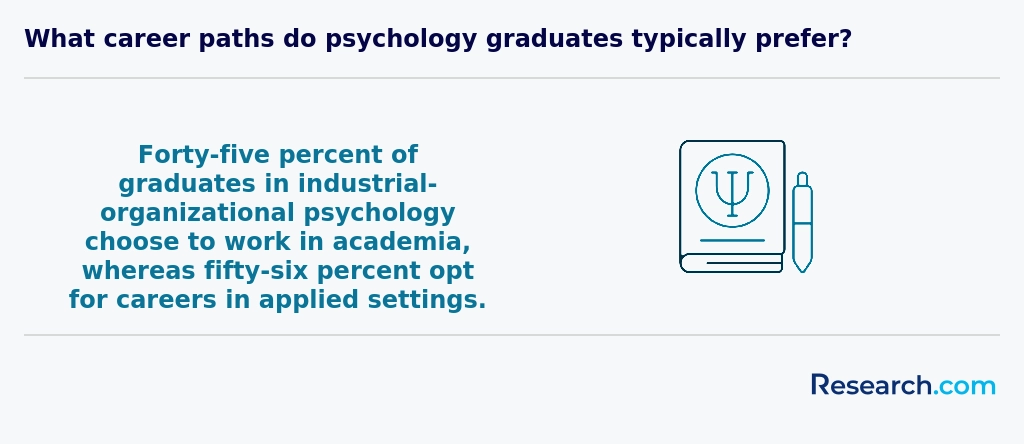
After earning a psychology degree in Princeton, NJ, graduates must navigate state licensing and certification to practice professionally. Meeting these requirements ensures you deliver safe, ethical, and evidence-based care. 1. Degree and Coursework • Bachelor’s Degree: Complete a bachelor’s in psychology (4 years). • Graduate Degree: Obtain a master’s (2 years) or doctoral degree (Ph.D. or Psy.D., 4–6 years) from a program accredited by the APA or regionally recognized bodies. 2. Supervised Clinical Experience • Pre-Doctoral Internship: For doctoral candidates, complete a 1,500–2,000-hour internship under a licensed psychologist. • Post-Master’s Supervision: Master’s graduates pursuing licensure (e.g., LPC) must accrue 3,000–4,000 hours of supervised clinical practice in approved settings. 3. Examinations • EPPP (Examination for Professional Practice in Psychology): A national, multiple-choice exam covering eight core domains (e.g., assessment, intervention). • Jurisprudence Exam: New Jersey-specific laws and ethical standards governing practice. • Additional Tests: Counselors (LPC) may need the National Counselor Examination (NCE) or equivalent. 4. State Board Application • Submit official transcripts, supervised experience logs, and exam scores to the New Jersey Board of Psychological Examiners. • Complete background checks and pay applicable fees. • Once approved, you’ll receive your license to practice as a Psychologist (PSY), Professional Counselor (LPC), or other credential. 5. Continuing Education and Renewal • Annual Renewal: Licenses in New Jersey require yearly renewal with proof of 20–30 continuing education credits. • Specialized Workshops: Ethics updates, cultural competence, and evidence-based methods help maintain compliance and professional growth. For those exploring entry-level roles or alternative pathways before full licensure, consider opportunities in mental health careers without a degree, such as behavioral technicians or peer support specialists, which can build valuable skills while completing licensure requirements.
Psychology degree programs in Princeton commonly include courses like Introduction to Psychology, which helps students grasp essential psychological frameworks and concepts. Graduates from nearby prestigious institutions often recall how this course laid the groundwork for understanding complex topics encountered later.
Research Methods and Statistics is another core course that students find both challenging and rewarding, as it equips them with the ability to design studies and analyze data-skills crucial for any psychology career. For example, students at popular Princeton-area colleges frequently describe their excitement when conducting original research for class projects under close faculty mentorship.
Courses such as Biopsychology or Biological Bases of Behavior vividly connect theory to real life, exploring how neural mechanisms affect mental processes. Cognitive Psychology dives into memory and problem-solving, often prompting students to reflect on their own learning experiences.
Developmental and Social Psychology complete this broad spectrum, focusing on lifespan changes and interpersonal dynamics. Many students appreciate the small class sizes in Princeton, which foster lively discussions about these topics, making the learning process engaging and personal.
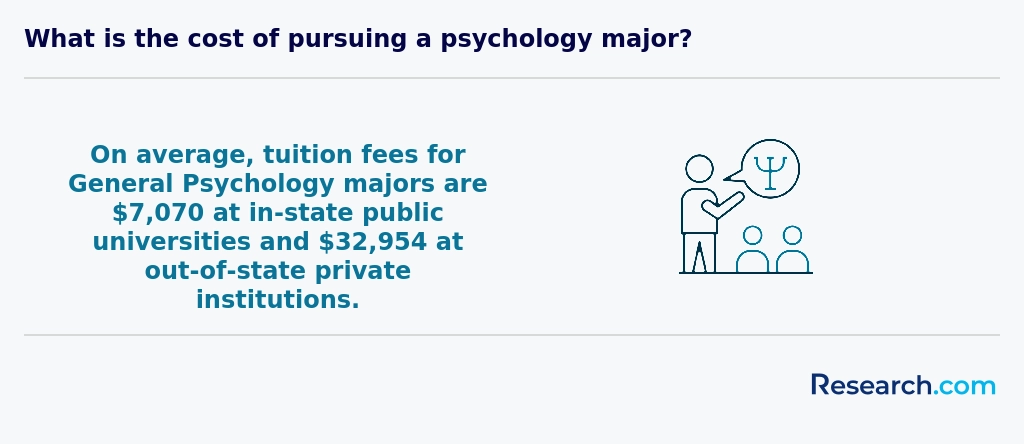
Psychology degree specializations in Princeton typically include Clinical Psychology, Cognitive Psychology, Developmental Psychology, Social Psychology, and Industrial-Organizational Psychology. Graduates from universities around Princeton often describe their experience in Clinical Psychology as deeply rewarding, involving hands-on work with patients that solidifies their understanding of mental health issues. Those pursuing Cognitive Psychology recall engaging in rigorous research projects exploring perception and memory, fostering an appreciation for science-based inquiry.
Some students emphasize the appeal of Developmental Psychology, noting the satisfaction of studying behavioral changes through life stages, which prepares them for roles with diverse age groups. Social Psychology students frequently highlight the relevance of studying social influences, a foundation useful in both research and applied settings like marketing or human resources. Industrial-Organizational Psychology attracts learners intrigued by workplace dynamics and leadership, offering a pragmatic path with rising demand.
These Princeton psychology programs with specialization options allow students to tailor their studies strategically, aligning with real-world career goals. Many graduates benefit from the region's access to internships and research centers, making their education feel practical and inspiring. For students exploring options, reviewing specific course tracks and faculty expertise at local institutions is essential; meanwhile, those interested in technology-related psychology fields might also consider resources from the best online colleges for technology degrees.
Choosing the best psychology degree in Princeton means weighing diverse factors carefully. Graduates from psychology programs at well-known Princeton-area colleges often highlight the value of strong faculty involvement and program accreditation, which ensure that the curriculum meets recognized standards and prepares students effectively. Considering program focus is also vital; some students find clinical or social psychology aligns better with their goals, while others prefer research-intensive tracks, reflecting the flexibility of many degree offerings in Princeton.
Cost cannot be overlooked, especially for those seeking affordable psychology colleges near Princeton where tuition may be substantially less than private universities. Graduates often share that balancing tuition with living expenses and scholarships is crucial, as is exploring financial aid options. Additionally, many praise programs that emphasize career support and internships; these practical experiences, often available in the Princeton area's clinical settings, boost confidence and deepen skills.
Understanding additional factors like part-time or hybrid course availability can help accommodate working students. For example, some have successfully navigated program requirements while managing jobs or family duties. Furthermore, prospective students exploring mental health careers should review licensure pathways such as the licensed counselor requirements in Delaware for relevant guidance aligned with their ambitions. Reflecting on these perspectives helps identify the best psychology degree programs in Princeton that fit both academic dreams and real-life circumstances.
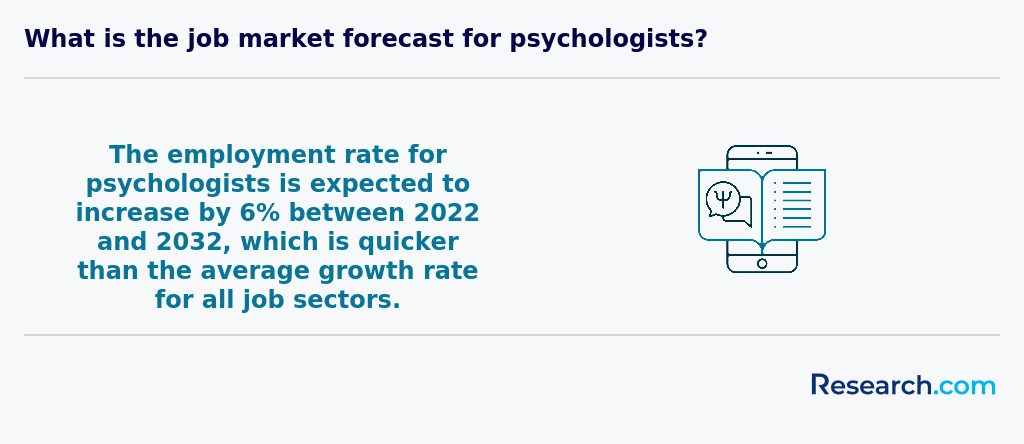
Graduates with a psychology degree in Princeton frequently find diverse career paths driven by the region's rich academic and professional landscape. Many choose clinical psychology, where the challenge lies in diagnosing and treating mental health disorders; in this path, advanced degrees are often necessary but a bachelor's serves as a crucial foundation. Others pursue research roles connected to leading institutions around Princeton, gaining hands-on experience that fosters growth into academia or applied psychology fields. Those drawn to educational psychology often support school systems locally, assisting student development and learning strategies.
Applied psychology is particularly vibrant in Princeton's business sector. Graduates bring valuable insight into human behavior to human resources, marketing research, and user experience design, enhancing organizational effectiveness. Exploring psychology careers in Princeton reveals how students, often from well-known local colleges, report satisfaction in translating theory into practice across these arenas. Career options vary notably, so assessing personal goals against practical realities like salary and job demand is essential. For an overview of costs, students should consider the cheapest psychology school in New Jersey when planning their education.

The psychology degree job opportunities in Princeton are influenced by both local and broader trends. Graduates from well-known institutions like Princeton University often find roles within research labs or clinical settings that benefit from proximity to vibrant healthcare and academic sectors. Many report satisfaction in securing positions at mental health clinics or educational institutions nearby, where demand aligns with the national 8% growth projection for psychologists. However, the competitive nature of these positions means that advanced degrees frequently serve as essential qualifications for licensure and specialized roles.
Job prospects extend beyond traditional psychology careers. Graduates often pivot to adjacent fields such as human resources or marketing research, leveraging their skills in cognition and behavior in business contexts. Those exploring a clinical path typically invest in graduate education, assessing costs-a New Jersey bachelor's program might range from $30,000 to $60,000 per year-with awareness of the steady median salary of around $93,000 in the state. For students considering this journey, exploring apa-accredited psyd programs online can offer flexible routes to licensure and higher earning potential.
Understanding the Princeton psychology career outlook 2027 involves acknowledging the supportive economic climate and expanding mental health services, yet balancing optimism with the reality of rigorous credentialing and varied entry-level salaries. Graduates emphasize a sense of purpose but also recognize that navigating this regional job market requires strategic planning and sometimes exploring interdisciplinary opportunities.
2027 Best Psychology Degree Programs Ranking in Princeton
Investing in your education is a significant decision that can shape your future, and the Research.com team understands the importance of making informed choices. To assist prospective students, we have meticulously crafted the "2027 Best Psychology Degree Programs Ranking in Princeton." Our commitment to quality, credibility, and accuracy is reflected in the extensive research and thorough analysis conducted to compile this ranking.
We utilized the following reputable data sources to ensure a comprehensive evaluation of psychology programs:
By exploring this ranking, readers will gain valuable insights into the best psychology degree programs available in Princeton, helping them make informed decisions about their educational paths. For more details on our methodology, please visit our Research.com methodology page.

Frequently Asked Questions About psychology
Psychology degree students in Princeton can maximize their learning experience by engaging actively in both coursework and research opportunities. Princeton University's Department of Psychology offers access to cutting-edge labs where undergraduates work alongside faculty, enhancing practical skills beyond theoretical knowledge. According to the National Center for Education Statistics, hands-on research involvement significantly improves retention and understanding of complex psychological concepts.
Joining student organizations related to psychology helps in building professional networks and gaining peer support. Additionally, seeking internships within the Princeton area or nearby New Jersey clinics provides real-world exposure, crucial for career development.
Utilizing campus resources such as writing centers and counseling services also supports academic success and personal well-being, both vital for effective learning in demanding fields like psychology.
Emerging niches within the psychology field reflect the growing complexity of human behavior and technology's influence on society. In Princeton and across the US, areas such as neuropsychology and behavioral neuroscience are gaining traction due to advances in brain imaging and cognitive research. According to the American Psychological Association, job growth in these specialized sectors is projected to increase by 14% over the next decade.
Another expanding niche is health psychology, which focuses on how mental states affect physical health. Given Princeton's strong emphasis on interdisciplinary studies, students can explore collaborations between psychology and medical fields. Additionally, digital and cyberpsychology, studying human interaction with digital environments, is becoming crucial as technology integrates into daily life.
Preparing for the job market after completing a psychology degree in Princeton involves strategic planning and skill development. Students should focus on gaining practical experience through internships or research assistantships offered locally or through Princeton University's partnerships. According to the American Psychological Association, hands-on experience is crucial for employability in psychology-related fields.
Networking is also important. Joining professional organizations like the Association for Psychological Science or local psychology clubs can provide valuable contacts and job leads. Additionally, developing skills in data analysis, statistics, and familiarity with software such as SPSS or R enhances a graduate's attractiveness to employers.
Many Princeton psychology graduates pursue certifications or advanced degrees to increase career options. Understanding the local job market trends through resources like the Bureau of Labor Statistics and Princeton's career services helps in making informed decisions.
Employers in Princeton seek psychology graduates with strong critical thinking and analytical skills. These abilities enable graduates to interpret complex data and design effective interventions, crucial in clinical and research settings. Communication skills are also highly valued, as psychologists must convey findings clearly to clients and colleagues.
Additionally, practical experience through internships or research assistantships significantly enhances a candidate's job prospects. According to the Princeton Workforce Report (2023), approximately 68% of employers prioritize applicants with hands-on clinical or counseling experience.
Familiarity with ethical standards and cultural competence is increasingly important, reflecting diverse local populations and strict professional guidelines governed by the American Psychological Association (APA).
Finding internships in Princeton relevant to a psychology degree involves multiple strategies. Local universities, including Princeton University, often offer internship listings through their career services centers, which provide access to research labs and community organizations. Students can leverage the Princeton Career Services portal to find psychology-related opportunities.
Additionally, many psychology students pursue internships at Princeton Medical Center, which offers placements in clinical psychology and behavioral health settings. Nonprofits focused on mental health, such as the Mercer County Psychological Association, also offer valuable internships. According to the Bureau of Labor Statistics, internships significantly improve job placement for psychology graduates nationwide.
Networking with faculty and joining psychology clubs on campus can uncover less-publicized internships. Exploring digital platforms like Handshake or LinkedIn, where Princeton area organizations post openings, is advisable. Early applications and campus workshops on resume building increase the chances of securing quality internships in psychology.
A psychology degree in Princeton offers significant advantages for career mobility and advancement within the local job market. Graduates benefit from proximity to diverse industries such as healthcare, education, and research institutions. According to the U.S. Bureau of Labor Statistics, careers in psychology-related fields are projected to grow 8% nationally through 2031, slightly above average.
Local employers often seek candidates with strong analytical and interpersonal skills, which are central to psychology programs. Princeton graduates frequently leverage internships and connections established during study to access leadership roles or specialized positions in counseling, human resources, and social services.
The educational foundation also supports further graduate study, which can enhance qualifications for higher-paying jobs or academia. Data from the Princeton Economic Development Department show psychology-related occupations command competitive salaries in the region compared to other social sciences.
Studying for a psychology degree in Princeton equips students with a broad understanding of human behavior, integrating knowledge from biology, sociology, and cognitive science. Princeton's psychology programs emphasize research methods and critical thinking skills, which are vital for interdisciplinary collaboration.
The curriculum often includes courses in neuroscience, statistics, and social psychology, enabling students to work effectively with experts in medicine, education, and technology. According to the Princeton University Department of Psychology, students engage in cross-departmental projects, enhancing their ability to apply psychological principles in diverse fields.
This interdisciplinary training significantly improves career flexibility in areas like healthcare, artificial intelligence, and public policy where psychological insight is increasingly essential.
Choosing between a thesis and a non-thesis psychology degree program in Princeton depends largely on your academic and career goals. A thesis option requires conducting original research and writing a formal paper, which can strengthen your skills for doctoral studies or research careers.
Non-thesis programs generally focus more on coursework and practical experience, which may appeal to students aiming to enter applied fields such as counseling or human resources more quickly. According to the American Psychological Association, nearly 40% of psychology graduates who pursue master's degrees prefer thesis tracks when aiming for PhD programs.
In Princeton, with its proximity to leading research institutions, thesis programs often provide strong mentorship opportunities. Conversely, local employers in healthcare and education frequently value the practical skills offered by non-thesis graduates. Reviewing faculty interests and career outcomes at specific Princeton universities can inform your decision.
Students based in Princeton seeking to study psychology abroad have several options through U.S. universities' study abroad programs. Many institutions, including Princeton University, offer exchange programs or faculty-led trips allowing psychology majors to gain international experience. These programs often partner with universities in Europe, Australia, and Asia, providing exposure to diverse psychological perspectives and research methods.
Additionally, some students opt for accredited online psychology degrees from international universities while residing in Princeton, increasing flexibility. According to the Institute of International Education, over 300,000 American students studied abroad in 2022, with behavioral sciences among popular fields.
It is important to check credit transfer policies before committing.
Part-time job opportunities in Princeton can greatly complement a psychology degree education by providing practical experience and skill development. Many students find positions as research assistants at institutions like Princeton University's Department of Psychology, where they support ongoing studies and gain hands-on exposure to experimental methods.
Community mental health centers in Princeton also offer roles such as case management assistants or peer support workers, allowing students to engage with diverse clients while applying psychological theories.
Additionally, tutoring psychology or related subjects for local schools and learning centers helps reinforce academic knowledge and communication skills important for future careers.
Psychology students in Princeton benefit from robust networking opportunities supported by local universities and affiliated research centers. Princeton University, a leader in psychological sciences, offers access to seminars, workshops, and guest lectures featuring prominent psychologists. These events allow students to connect with faculty, visiting scholars, and peers focused on psychology research and practice.
The Princeton Neuroscience Institute and related interdisciplinary programs provide additional forums for collaboration. Students can join student organizations and attend conferences in the New Jersey and New York metropolitan area, expanding professional contacts.
According to Princeton University department resources, about 70% of psychology graduates find mentorship or research collaborators during their studies, highlighting strong network integration.
Alumni networks play a crucial role for psychology degree students in Princeton by offering valuable professional connections. Graduates often gain access to mentorship opportunities from experienced psychologists who studied at local institutions. This support can guide students through internships and job placements, enhancing career prospects. According to the Princeton University Alumni Association, about 65% of psychology graduates find employment within six months, partly attributed to networking advantages. Moreover, alumni-hosted workshops and seminars provide insights into current research trends and clinical practices. These networks foster a sense of community, enabling students to build relationships that benefit both academic growth and future career development.
Customizing a psychology degree program in Princeton allows students to align their education with specific career aspirations. Many local institutions offer flexible curricula where students select electives in areas like clinical psychology, cognitive neuroscience, or developmental psychology.
Engaging in research opportunities is key. Princeton's proximity to leading research centers enables students to participate in projects that match their interests, enhancing practical skills and employability.
Internships within Princeton's health and social service agencies provide valuable hands-on experience. Additionally, students can pursue certificate programs or minors complementing psychology, such as data analytics or education, to diversify their expertise.
Consulting academic advisors helps tailor course loads effectively, ensuring alignment with professional goals and licensure requirements in psychology or related fields.
Psychology students in Princeton often face a competitive academic environment, as the area is home to prestigious institutions like Princeton University. The rigorous coursework demands strong critical thinking and research skills, which can be challenging for many.
Another common issue is balancing theoretical knowledge with practical experience. Gaining access to local research labs or clinical placements can be limited due to high demand and competitive spots.
Mental health is also a concern; studies show nearly 30% of U.S. psychology undergraduates experience stress related to workload and career uncertainty (American Psychological Association, 2023).
Cultural diversity and inclusion remain areas needing attention, with some students reporting a lack of representation in faculty and curriculum topics.
A psychology degree earned in Princeton opens several paths to professional certification within the US. Graduates seeking clinical practice often pursue licensure as a Licensed Professional Counselor (LPC) or Licensed Clinical Social Worker (LCSW), which require graduate study and supervised hours. The American Psychological Association details these requirements clearly.
Additionally, certifications such as Certified Behavior Analyst (CBA) provide opportunities in applied behavior analysis, popular in educational and healthcare settings. Princeton's proximity to numerous hospitals and clinics offers practical experience essential for certification.
For those interested in school psychology, the National Association of School Psychologists (NASP) offers credentialing that includes passing a national exam and completing supervised internships. These certifications improve employability in Princeton-area schools and agencies.
Applying to a psychology program in Princeton requires careful preparation and clear presentation. Start by researching the specific program's requirements, as institutions like Princeton University emphasize strong academic records, especially in relevant coursework such as biology and statistics. According to the Princeton Office of Admissions, a competitive GPA typically exceeds 3.7 in psychology-related subjects.
Craft a compelling personal statement that highlights your genuine interest in psychology, relevant research experiences, and career goals. Include any hands-on work or internships, which demonstrate practical understanding. Letters of recommendation from professors familiar with your academic and research abilities are crucial.
Standardized test scores, although occasionally optional, can strengthen your application if they are competitive. Keep your application clear, concise, and focused on why you are a strong fit for the program.
Psychology careers in the United States, including Princeton, are increasingly influenced by global trends emphasizing multicultural competence and evidence-based practices. According to the American Psychological Association (APA), about 19% growth in psychology jobs is expected by 2031, reflecting strong demand both domestically and internationally.
In Princeton, students gain access to research addressing global mental health challenges, preparing them for careers that may involve international collaboration. U.S. psychology programs focus on skills such as cultural sensitivity and adaptability, which are highly valued worldwide.
Global perspectives encourage psychologists to understand diverse populations, a critical factor as mental health awareness expands across countries. This outlook can broaden career opportunities beyond local settings.
Gaining practical experience while studying for a psychology degree in Princeton involves engaging in research, internships, and community programs. Many local universities, including Princeton University, offer psychology students opportunities to join faculty-led research projects, enhancing hands-on skills. According to the Princeton University Department of Psychology, around 60% of undergraduates participate in research labs during their studies.
Additionally, students can seek internships at nearby hospitals, mental health clinics, and nonprofit organizations. These placements provide exposure to clinical settings and real-world applications of psychological theories. Volunteering in community outreach initiatives also helps deepen understanding and build professional networks within the Princeton area.
Students should consult academic advisors and career centers to identify relevant opportunities that align with their interests and career goals.
Choosing the right concentration within a psychology degree program in Princeton requires careful consideration of your interests and career goals. Princeton University offers various concentrations such as cognitive psychology, clinical psychology, and social psychology, each focusing on different aspects of human behavior and mental processes.
Students should review course offerings and faculty research areas to find a match. For example, cognitive psychology often emphasizes neuroscience and experimental methods, while clinical psychology focuses on mental health and therapy techniques. According to the Princeton Office of Institutional Research, over 60% of psychology undergraduates select concentrations aligned with research opportunities.
Additionally, consider future job prospects. The Bureau of Labor Statistics notes that clinical and counseling psychology roles are among the fastest growing in New Jersey, reflecting a local demand for these skills. Engaging with academic advisors and current students can also provide valuable insights into each concentration's curriculum and career pathways.
- 2027 Best Psychology Degree Programs Ranking in New York
- 2027 Best Psychology Degree Programs Ranking in New Haven
- 2027 Best Psychology Degree Programs Ranking in Baltimore
- 2027 Best Psychology Degree Programs Ranking in Washington
- 2027 Best Psychology Degree Programs Ranking in Springfield
- 2027 Best Psychology Degree Programs Ranking in Albany
- 2027 Best Psychology Degree Programs Ranking in Amherst
- 2027 Best Psychology Degree Programs Ranking in Worcester
- 2027 Best Psychology Degree Programs Ranking in Cambridge
- 2027 Best Psychology Degree Programs Ranking in Boston
See What Experts Have To Say About Studying Psychology
Read our interview with Psychology experts

Elizabeth L. Jeglic Ph.D.
Psychology Expert
Professor of Psychology
City University of New York

Robin M. Kowalski. Ph.D.
Psychology Expert
Professor of Psychology
Clemson University

Joann Farrell Quinn, Ph.D., MBA
Psychology Expert
Director at the College of Medicine Department of Medical Education
Morsani College of Medicine

- Psychology Degree Requirements | University of Bridgeport https://www.bridgeport.edu/news/psychology-education-requirements/
- Call for papers https://www.hogrefe.com/us/journal/international-perspectives-in-psychology-research-practice-consultation
- Study Psychology Abroad | Go Overseas https://www.gooverseas.com/study-abroad/psychology
- What can I do with a psychology degree? https://www.hull.ac.uk/study/undergraduate/courses/psychology-bsc-hons/what-can-i-do-with-a-psychology-degree
- How to help students cope with mental health challenges https://www.eaie.org/resource/help-students-cope-mental-health-challenges.html
- How To Find Psychology Internships https://www.psychology.org/resources/how-to-find-an-internship/
- Study Psychology Abroad https://astarfuture.co.uk/study_psychology_abroad.html
- Mental Health Challenges Faced by Psychology Students | The Healthcare Guys https://healthcareguys.com/2023/11/23/mental-health-challenges-faced-by-psychology-students/
- Ontario Psychological Association - Networking and Community Resources https://www.psych.on.ca/become-a-member-(1)/member-services/networking-and-community-resources
- Society for the Teaching of Psychology https://teachpsych.org/page-1784686/8675326