
2027 Best Psychology Degree Programs Ranking in Des Moines

Co-Founder and Chief Data Scientist
Choosing the right psychology degree program in Des Moines can shape your future and open doors to rewarding career opportunities. This article introduces the 2027 Best Psychology Degree Programs Ranking in Des Moines, created by the Research.com team of data scientists to help you make an informed decision.
By exploring this ranking, you'll discover programs that match your goals and interests with trusted insights. Whether you're starting your journey or looking to advance your education, understanding your options will empower you.
Investing in a psychology degree is a positive step toward personal growth and professional fulfillment.
Key benefits of getting psychology degree in Des Moines
- Psychology degree graduates in Des Moines can earn solid salaries in roles like Human Resources Specialist with a mean annual wage of $76,060 or Marketing Research Analyst earning about $83,190, providing rewarding financial stability.
- A recent psychology graduate from a popular Des Moines college might explore diverse career paths such as Clinical Research Associate or Survey Researcher, offering opportunities to work in healthcare, business, or research settings.
- Completing a psychology degree online through a well-known Des Moines institution allows flexibility and balance, making it easier to manage work and life while still gaining essential skills and credentials.
- 2027 Best Psychology Degree Programs Ranking in Des Moines
- What can I expect from psychology degree in Des Moines?
- Where can I work with psychology degree in Des Moines?
What can I expect from psychology degree in Des Moines?
Students pursuing a psychology degree in Des Moines typically face tuition costs ranging from approximately $20,000 to $35,000 per year, depending on whether they attend institutions like Drake University or Des Moines University. Graduates often recall balancing their budgets with scholarships and financial aid offered locally, which eases the pressure of funding their education. Many describe feeling empowered by the flexibility of evening and online classes-an invaluable option for those juggling work or family.
Beyond tuition, graduates highlight the value of hands-on internships arranged through partnerships with local clinics and schools, which provide real-world experience without adding significant costs. This practical exposure is often cited as a key factor in feeling confident and prepared for professional roles post-graduation.
As programs evolve, there is growing anticipation that emerging tech and hybrid learning models could further reduce expenses and increase accessibility for psychology students in Des Moines, enabling even more to pursue their passion while managing finances wisely.
Where can I work with psychology degree in Des Moines?
Graduates with psychology degrees from popular Des Moines institutions often find themselves drawn into a dynamic workforce where their skills are highly valued. Many begin careers in local healthcare settings like Iowa Lutheran Hospital or Broadlawns Medical Center, where they deliver counseling and support that transforms lives. These roles foster a sense of fulfillment as they witness real change in patients' mental health.
Others leverage their training in educational settings within the Des Moines Public Schools or nearby colleges, helping students overcome challenges and thrive academically. Schools provide a rewarding environment where psychology graduates see firsthand the impact of their intervention plans and developmental programs.
Emerging trends point toward expanding opportunities in business sectors too, particularly in human resources and organizational development. Graduates often express excitement about applying psychological insights to improve workplace well-being and productivity in the city's growing corporate scene.
Nonprofit organizations such as the Polk County Health Department also offer enriching roles in community advocacy and addiction treatment, where graduates feel a strong connection to the people they serve.
Those pursuing psychology in Des Moines can anticipate versatile career paths, each with the potential for personal and professional growth tied closely to the city's evolving needs.
Graduates from psychology programs at institutions like Drake University or Grand View University in Des Moines often find promising salary opportunities early in their careers. Entry-level roles such as human resources specialists typically earn around $76,060 annually, offering a rewarding starting point that balances meaningful work with financial stability. Others may pursue positions as marketing research analysts, where the mean annual wage is about $83,190, reflecting the growing demand for data-driven decision-making skills in local businesses.
Clinical research associates and survey researchers, roles commonly filled by psychology graduates, report mean salaries near $62,370. This range exemplifies how degrees in psychology open diverse career paths beyond traditional counseling, blending scientific rigor with community impact. Many graduates share excitement about these prospects, knowing their education equips them for both public and private sector growth.
As you consider your future in Des Moines, imagine applying knowledge gained through internships and research projects to real-world challenges, gradually boosting your earnings and influence in fields that rely on psychological insight. The evolving job market hints at even greater financial and professional growth ahead for psychology graduates in the region.
- Tuition for a psychology bachelor's degree in Des Moines ranges from $8,000 to $20,000 per year, with community colleges offering lower fees than private universities.
- Entry-level salaries for psychology graduates typically start between $40,000 and $45,000 annually.
- Experienced professionals or those with advanced degrees can earn median salaries from $65,000 to $75,000, especially in clinical or counseling roles.
- The job market is steady, driven by growth in healthcare and social assistance sectors, with the strongest prospects for licensed psychologists and counselors.
- Internships and practicum placements are commonly available through partnerships with local hospitals and schools, aiding in licensure and practical experience.
Completing a psychology degree in Des Moines typically takes around four years for full-time students pursuing a bachelor's degree, the standard timeline at popular institutions like Drake University and Des Moines Area Community College. Graduates often share how balancing coursework with part-time jobs makes these four years both challenging and rewarding. For part-time students, this journey may extend by one to two years, allowing flexibility for those managing work or family commitments.
Looking ahead, advancements in online learning and hybrid models offered by these local universities could shorten completion times, giving future students more control over their schedules while maintaining quality education. Graduates from Des Moines graduate programs often highlight the two-year master's as an exciting next step, while doctoral candidates embrace the immersive 4 to 7-year research phases as a path to expertise and career growth.
These evolving timelines reflect a dynamic approach to education in Des Moines, inspiring students to envision tailored paths that fit their lifestyles and goals.
Beyond the classroom and rigorous coursework, establishing a strong professional network and engaging in targeted career development activities are critical for long-term success in psychology. Students can benefit greatly from internships, mentorship programs, and industry workshops that provide firsthand exposure to the field. By attending local conferences, participating in psychology clubs, and joining online communities, learners not only broaden their professional contacts but also stay updated on the latest research and trends. For instance, those interested in exploring niche areas can investigate specialized paths such as careers in sports psychology, which combine passion for sports with psychological insights to support athlete performance and mental wellbeing. Developing these networking skills early on creates a solid foundation for a thriving career, as the relationships and experiences gained often lead to unexpected job opportunities and professional growth. Engaging with alumni, leveraging career services, and seeking regular feedback from academic advisors are proven strategies that empower aspiring psychologists to navigate a competitive job market confidently.
Online and on-campus psychology degrees in Des Moines provide distinctly different experiences that shape students' journeys. Graduates from Drake University's on-campus program often recall the energizing buzz of face-to-face discussions, late evenings studying in campus libraries, and building friendships through internships right in the heart of Des Moines. This immersive environment fosters strong networking opportunities, which many find invaluable for launching their careers.
Conversely, online students frequently describe their experience as empowering and flexible, fitting seamlessly around work and family commitments. One graduate highlighted how asynchronous lectures allowed them to absorb complex psychology theories at their own pace, revisiting material during quiet evenings after work. The freedom to study remotely while still accessing expert faculty in Des Moines keeps the quality high without daily commuting.
Looking ahead, hybrid models may blend these benefits further. Imagine attending occasional in-person sessions at local Des Moines campuses like Grand View University, paired with the convenience of online modules. Such innovation could redefine how psychology degrees meet diverse student lifestyles while maintaining strong professional preparation and community ties.
After earning your psychology degree, state licensure ensures you can legally practice. Students may choose accelerated psychology programs to fast-track their education and licensure process.
- Accredited Degree: Graduate from an APA-accredited bachelor’s or master’s program in psychology.
- Supervised Experience: Complete 1,500–2,000 hours of supervised practicum or internship under a licensed psychologist.
- National Exam: Pass the Examination for Professional Practice in Psychology (EPPP) with scores meeting Iowa Board standards.
- State Application: Submit official transcripts, exam results, and supervision verification to the Iowa Board of Psychology; pay applicable fees.
- Renewal & Continuing Education: Maintain licensure by completing required CE credits (typically 20–40 hours biennially) and adhering to ethical guidelines.
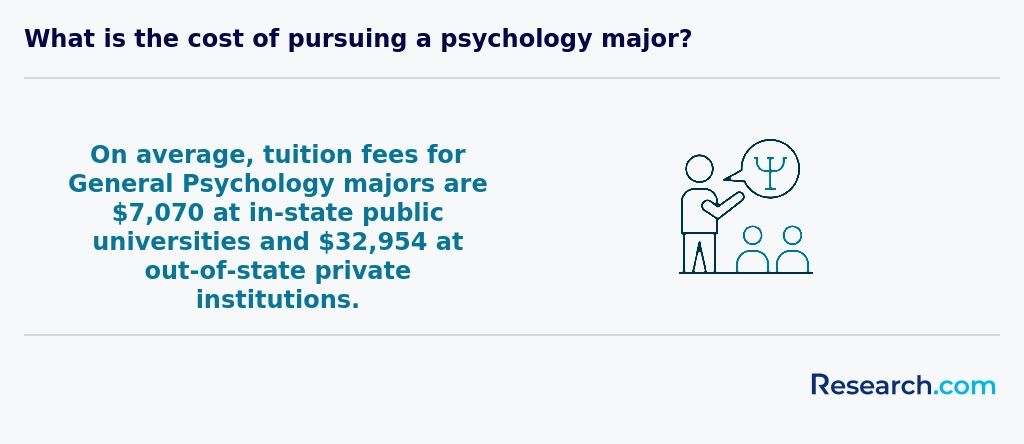
The average cost of a psychology degree in Des Moines typically centers around $52,130 for in-state students pursuing their entire program, making it a significant but manageable investment. Graduates from popular universities like Drake University often share how this financial commitment inspires strong motivation and dedication, feeling that the price is justified by quality education and career prospects. Given that the median out-of-state total cost is about $63,341, many local students benefit from the lower in-state tuition, helping them avoid excessive debt while gaining valuable psychology knowledge.
When considering psychology degree tuition and fees Des Moines students face additional expenses such as textbooks, software for psychological research, and supplies, which cumulatively could add $1,500 to $2,500 annually. One graduate recalls balancing these costs by seeking scholarships and utilizing campus resources, illustrating how students can strategically offset fees. Costs naturally vary depending on the institution and if the program is at the graduate level, where fees tend to be higher but offer more specialized training.
While programs at private institutions may present higher sticker prices, many psychology students express enthusiasm about the range of financial aid options available and the promising career paths their degrees open. For those aiming to maximize their return on investment, exploring educational choices aligned with emerging trends and the best degrees for high-paying jobs can be a smart strategy when evaluating overall expenses.
Upon earning a psychology degree, graduates must secure state licensure to practice clinically in Des Moines and throughout Iowa. For those pursuing a career as a Licensed Psychologist, the Iowa Board of Psychology requires:
- A doctoral degree in psychology from an APA-accredited program (or equivalent).
- A minimum of 1,750 hours of supervised professional experience, including a one-year residency.
- Passage of the Examination for Professional Practice in Psychology (EPPP).
- Submission of official transcripts, background check, and application fee to the Iowa Board of Psychology. Aspiring Licensed Mental Health Counselors (LMHCs) and School Counselors follow a similar pathway:
- Completion of a master’s in counseling psychology or a related field.
- 2,000 hours of post-master’s supervised clinical experience.
- Successful scores on the National Counselor Examination (NCE) or National Clinical Mental Health Counseling Examination (NCMHCE).
- Formal licensure application and fee payment to the Board of Behavioral Science. Maintaining active licensure mandates 40 hours of continuing education every two years, emphasizing ethics, diversity, and evidence-based practice. Many professionals enhance their credentials with specialty certifications-such as Board Certified Behavior Analyst (BCBA) or Certified School Psychologist-to expand career opportunities. For individuals exploring therapy careers through alternative routes, our guide on how to become a therapist without a degree in psychology outlines nontraditional pathways and credentialing options.
Psychology students in Des Moines often find financial aid options that go beyond just tuition support, opening doors to vibrant educational experiences. Imagine attending Drake University or Des Moines University, where departmental scholarships ranging from $1,000 to $5,000 can lighten financial worries and boost confidence in pursuing your degree.
Federal Pell Grants and Direct Student Loans remain foundational, offering need-based aid or flexible payment plans for students balancing studies and life. One recent graduate shared how a Pell Grant covered essential costs, allowing time to focus on research rather than part-time jobs.
State grants like the Iowa Vocational-Technical Tuition Grant deliver targeted help, especially for in-state students, while work-study roles and graduate assistantships create chances to earn stipends while gaining hands-on experience in labs or classrooms.
Private scholarships from organizations such as the APA bring hope for future psychologists eager to impact communities. Emerging trends may soon include expanded loan forgiveness programs for graduates serving underserved Iowa areas, making the path to a psychology career feel more attainable and inspiring.
Compare key features of Des Moines’s leading psychology programs to find the best fit:
- Drake University: APA-accredited BA/BS in Psychology; on-campus seminars, small cohorts, average tuition $30,000/yr; strong local internship network
- Grand View University: Flexible BS in Psychology with on-campus and online options; virtual labs and practicums; affordable and student-centered, offering the cheapest online psychology degree psychology
- DMACC (Des Moines Area Community College): Associate in Arts in Psychology; 2-year pathway to four-year programs; in-state tuition under $6,000/yr; foundational research and developmental courses
- Iowa State University, Des Moines Campus: BS in Psychology; research assistantships and graduate support; clinical and experimental tracks; active faculty mentorship and conference funding
Enrolling in a psychology degree in Des Moines often starts with meeting clear academic benchmarks that set students up for success. Graduates from popular local colleges frequently recall how maintaining a GPA around 3.0 opened doors for them, reflecting a blend of dedication and academic readiness. Many students have found that excelling in science courses like biology and statistics helped them connect theory to real-world psychological research, making their studies both engaging and meaningful.
Applying to graduate programs in Des Moines usually requires a bachelor's degree with competitive grades and often GRE scores, though some institutions are shifting toward more holistic admissions, valuing research experience and internships equally. These changes aim to recognize diverse talents and foster a community of passionate learners.
Personal statements and recommendation letters from local mentors often highlight students' authentic enthusiasm for psychology, resonating strongly with admissions officers. Graduates frequently express pride in how these requirements, combined with Des Moines' supportive academic environment, prepare them for a fulfilling career in psychology.
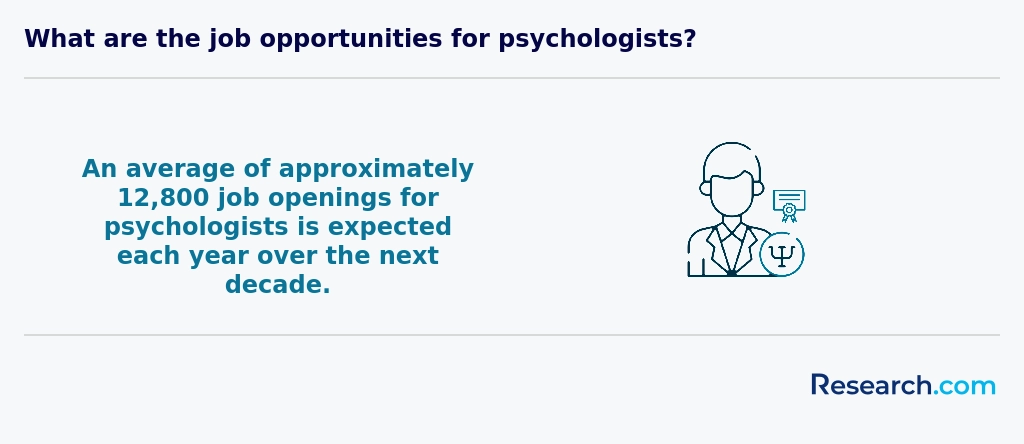
When considering a psychology degree program in Des Moines, IA, one crucial aspect to evaluate is affordability, ensuring that the program aligns with your financial situation and goals. To find the most affordable options, you can research institutions that offer competitive tuition rates and comprehensive financial aid packages. For instance, if you're looking for the cheapest psychology school in Iowa, you would need to compare tuition fees, scholarship opportunities, and living costs across different universities. Many psychology students in Des Moines, IA, also benefit from external scholarships and grants that can significantly reduce the financial burden of their education. By carefully assessing these factors and exploring available financial assistance, prospective students can make informed decisions about their educational investment, paving the way for a successful and fulfilling career in psychology.
Students pursuing psychology degrees in Des Moines typically engage in a curriculum blending foundational and specialized courses that spark both curiosity and confidence. Graduates from prominent local institutions often recall starting with General Psychology, where they uncovered fascinating stories behind human behavior, setting a dynamic tone for their studies.
Courses like Statistics for Psychology equip students with critical data analysis skills-imagine confidently interpreting research findings during internships with area mental health providers. Others remember diving into Biopsychology or Cognitive Psychology, discovering how brain functions shape daily experiences and problem-solving abilities, which they then applied to real-world settings.
Developmental and Social Psychology classes encourage students to explore human growth and social influences through interactive discussions, often reflecting their observations from Des Moines' diverse communities. Research Methods courses challenge them to design ethical experiments, a skill eagerly shared among peers during collaborative projects at well-known Des Moines colleges.
With rising interest in applied fields, electives like Clinical or Industrial-Organizational Psychology allow exploration of new career avenues, fostering excitement about future possibilities within the supportive academic environment found in Des Moines.

Psychology degree specializations in Des Moines commonly include clinical, counseling, and developmental psychology, each offering unique pathways tailored to the city's mental health and educational needs. Graduates from local universities often share how clinical psychology prepared them for the growing demand in diagnosing and treating mental health disorders within Iowa's communities, fueling a rewarding sense of purpose. Counseling psychology tracks emphasize emotional well-being, making students feel equipped to support friends and future clients through life's challenges. Developmental psychology students appreciate how their training connects them with educational and research opportunities, imagining future roles that impact human growth across diverse populations.
Des Moines psychology program concentration options also extend to industrial-organizational psychology, reflecting the city's expanding business environment. Some students note the excitement of applying psychological principles to workplace dynamics, enhancing employee satisfaction and productivity. Emerging fields like forensic psychology are gaining traction, helping graduates explore intersections of law and mental health. For those eyeing graduate studies, specialized areas such as neuropsychology and health psychology offer promising futures. Many find inspiration through stories of colleagues pursuing careers with a neuropsychology degree, driving curiosity about brain-behavior connections and health outcomes.
Choosing the best psychology degree in Des Moines often means envisioning your future career while weighing practical factors like program accreditation and curriculum. Graduates from popular local universities share how programs with robust clinical psychology tracks and internship opportunities gave them confidence and hands-on skills. Many highlight the importance of attending a regionally accredited school, especially if pursuing licensure in Iowa, which can open doors to clinical or counseling roles.
Affordability also shapes the experience-students benefiting from affordable psychology colleges Des Moines mention how tuition costs impacted their financial stability and ability to focus on studies. Considering programs with flexible online or hybrid formats was a game-changer for those balancing work and family life.
Emerging trends like integrating real-world research and counseling practice are increasingly common. Some graduates recommend looking closely at how programs address state-specific requirements, such as completing psychology experience hours Oklahoma offers, which can be crucial if you plan to work across neighboring states. This future-oriented approach ensures a psychology degree in Des Moines is both meaningful and practical.
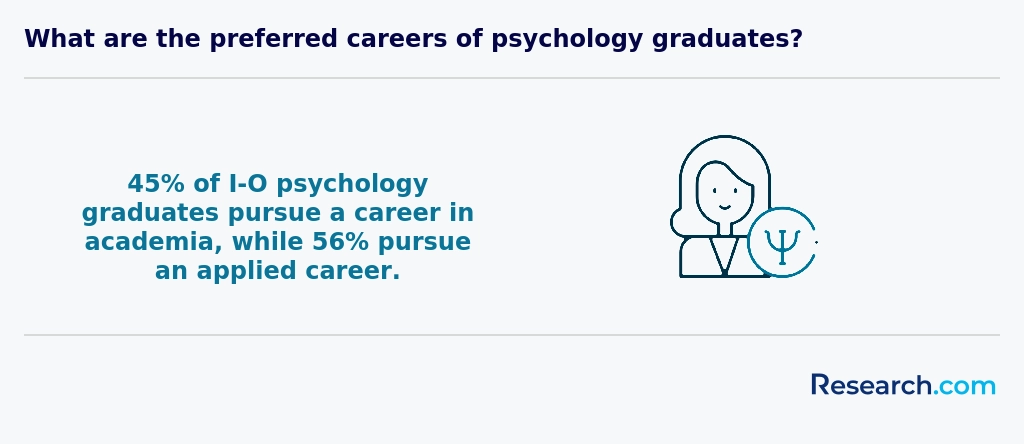
Psychology graduates in Des Moines find a rich variety of career paths that reflect the city's evolving economic and social landscape. Many enjoy rewarding roles in clinical psychology, working in hospitals or community centers where advanced degrees open doors to deeply impactful work. Graduates from local universities often share how their hands-on experience in clinical settings fuels a genuine passion for helping others, reinforcing the positive outlook for psychology degree careers in Des Moines.
Others pursue opportunities as school counselors or social service professionals, addressing mental health and behavioral issues that directly affect families and children. The steady local demand for these roles encourages graduates to feel optimistic about long-term career stability and personal fulfillment. Industrial-organizational psychology is another promising path, with participants from Des Moines colleges often describing excitement about improving workplace cultures at nearby corporations, a trend that aligns with growing job opportunities for psychology graduates Des Moines.
Some graduates choose innovative routes into research or human resources, leveraging their training to analyze behavior in applied settings. Universities in Des Moines support this future-ready approach by offering practical internships and fostering connections with private firms. Furthermore, those seeking more flexible study options often explore part-time online associate in psychology degrees to balance work and education. This adaptability nurtures enthusiasm around long-term career possibilities for psychology graduates in the region.
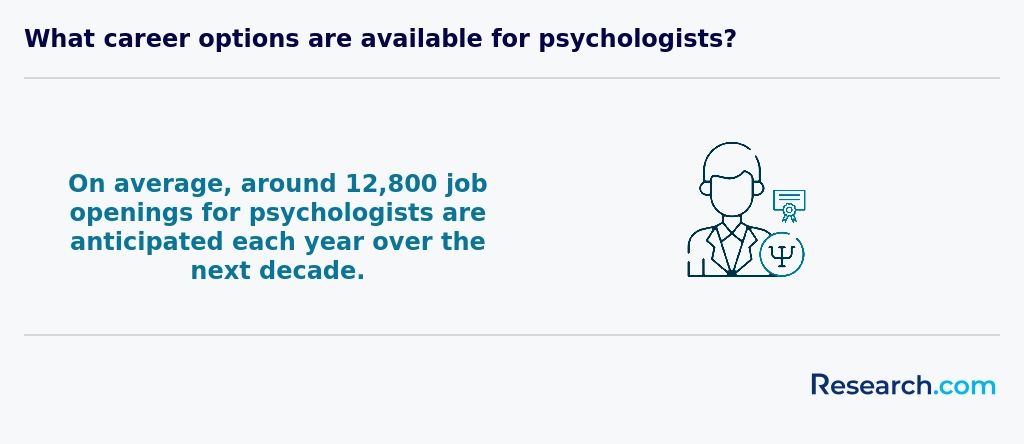
The psychology degree job opportunities Des Moines offers are steadily expanding, especially for graduates from local universities like Drake University and Grand View University. Many recent graduates describe finding roles in healthcare and school settings encouraging, where their training in clinical and counseling psychology directly contributes to improving community mental health programs. The affordable living costs in Des Moines allow them to build a rewarding lifestyle while gaining valuable experience.
Des Moines psychology career outlook also benefits from rising awareness around mental wellness, prompting more openings in public schools and corporate environments. Graduates often note how internships with community mental health centers or business entities help them apply psychological principles to real-world challenges. Those pursuing industrial-organizational psychology find promising paths within the city's growing financial and insurance sectors.
Students exploring where to study can check out options like the cheapest psychology school in Iowa to balance tuition costs with career potential. Many agree that choosing programs with strong clinical licensure support and connections to local employers is a game changer in accessing fulfilling jobs.
2027 Best Psychology Degree Programs Ranking in Des Moines
Investing in your education is a significant decision that can shape your future, and the Research.com team understands the importance of making informed choices. To assist prospective students in Des Moines, we have meticulously crafted the "2027 Best Psychology Degree Programs Ranking in Des Moines." Our commitment to quality, credibility, and accuracy is reflected in the extensive research and analysis conducted to compile this ranking.
We utilized the following reputable data sources to ensure a comprehensive evaluation of psychology programs:
By exploring this ranking, readers will gain valuable insights into the best psychology degree programs available in Des Moines, helping them make informed decisions about their educational paths. For more details on our methodology, please visit our Research.com methodology page.


Frequently Asked Questions About psychology
Students pursuing psychology degrees in Des Moines can enhance their learning by actively engaging in both academic and practical experiences offered locally. Des Moines is home to several accredited institutions such as Drake University and Grand View University, which provide internships and research opportunities with local mental health organizations.
Participating in internships allows students to apply theoretical knowledge in real-world settings, which is critical for developing professional skills. According to the Iowa College Student Aid Commission, psychology internships in Des Moines improve graduate job placement by 20% compared to non-internship peers.
Additionally, joining psychology clubs or attending guest lectures at local universities helps students network with professionals and stay updated on current research trends. Students should also consider volunteering with community health centers like Broadlawns Medical Center to gain experience in diverse psychological practices.
Finally, utilizing resources such as the American Psychological Association's guidelines for psychology education can help students align their learning goals with national standards while benefiting from local opportunities.
Emerging niches within the psychology field reflect evolving societal needs and advances in research. In Des Moines, growing interest surrounds health psychology, which focuses on how behavior influences well-being, driven by rising chronic health issues nationwide. Another expanding area is neuropsychology, where specialists study brain-behavior relationships, supported by increasing access to neuroimaging technologies in Iowa.
Industrial-organizational psychology is also gaining traction, addressing workplace mental health and productivity. Locally, community psychology responds to urban and rural mental health disparities, a concern identified in recent Iowa Department of Public Health reports. Additionally, digital mental health services, including telepsychology, represent an innovative niche spurred by shifts in healthcare access after 2020.
After completing a psychology degree in Des Moines, preparing for the job market involves several strategic steps. First, gaining relevant practical experience is crucial. Many Des Moines institutions encourage internships or practicum placements within local mental health clinics, schools, or social service agencies, which enhance employability. According to the Bureau of Labor Statistics, the demand for psychologists in Iowa is projected to grow by 14% through 2031, signaling positive job prospects.
Networking with local professional organizations such as the Iowa Psychological Association can provide valuable connections and job leads. Additionally, obtaining licensure, such as becoming a Licensed Psychological Associate or Licensed Psychologist in Iowa, often requires supervised hours and passing state exams.
Building skills in data analysis, research methods, or counseling techniques also boosts marketability, as many employers seek candidates proficient in both practice and research. Staying informed about regional employers and job fairs in Des Moines further supports a successful transition to employment.
Employers in Des Moines value psychology graduates who demonstrate strong critical thinking and analytical skills. These abilities help professionals interpret complex behavioral data and make informed decisions. Communication skills are also essential, as psychology roles often require explaining concepts clearly to clients or colleagues.
Research competency is important, with many Des Moines organizations expecting graduates to contribute to evidence-based practices. According to the Bureau of Labor Statistics and local job market reports, proficiency in statistical software and data interpretation significantly boosts employability.
Finally, ethical judgment and cultural competency stand out. Des Moines is increasingly diverse, so understanding varied backgrounds improves client outcomes and workplace collaboration.
Finding internships in Des Moines relevant to a psychology degree involves exploring local healthcare facilities, universities, and community organizations. Des Moines hosts several hospitals and mental health centers, such as Broadlawns Medical Center and the Iowa Psychological Association, which often offer internship opportunities to psychology students. Connecting with Drake University and Grand View University's psychology departments can also provide valuable guidance and access to partnerships with local agencies.
Students should start by contacting career services at their institutions and regularly check internship listings on websites like Handshake and the Iowa Workforce Development portal. Networking with professionals through local psychology conferences improves access to placements. According to the American Psychological Association, internships are essential in meeting licensure requirements and gaining practical experience within the state.
A psychology degree in Des Moines significantly enhances career mobility and advancement opportunities within the region's growing mental health and human services sectors. Graduates can access various roles, including counseling, case management, and behavioral analysis. According to the U.S. Bureau of Labor Statistics (2023), employment of psychologists in Iowa is expected to grow about 8% over the next decade, slightly above the national average, signaling steady demand.
Local employers such as hospitals, schools, and private practices value formal psychology education for advanced roles that offer higher salaries and leadership responsibilities. Holding a psychology degree also facilitates transition to specialized certifications and graduate studies, which can further boost one's career trajectory in Des Moines's competitive job market.
Studying for a psychology degree in Des Moines offers strong preparation for interdisciplinary roles by emphasizing collaboration across fields like healthcare, education, and social services. Local programs often integrate courses in biology, sociology, and counseling, reflecting the growing demand for professionals with broad skill sets. According to Iowa College Aid, Des Moines institutions have expanded offerings that link psychology with public health and business, helping students adapt to multiple career paths.
Hands-on experiences in diverse community settings enable psychology students to work alongside professionals from different disciplines. This exposure nurtures critical thinking and communication skills vital for teamwork. Such training aligns with national trends highlighting interdisciplinary competence as key to advancing mental health and well-being.
Choosing between a thesis and a non-thesis psychology degree program in Des Moines depends largely on your career goals and learning preferences. A thesis program emphasizes original research and is ideal for students aiming to pursue doctoral studies or research-based careers. These programs typically require one to two years of research work culminating in a formal thesis.
Non-thesis programs focus more on coursework and practical experience, suitable for students targeting professional practice or immediate entry into the workforce. According to the latest data from the National Center for Education Statistics, about 40% of psychology master's students in Iowa choose the thesis track, while 60% opt for non-thesis options.
In Des Moines, universities offering psychology degrees allow students to consult advisors to match the program with their goals. Consider whether you prefer research-intensive study or applied knowledge when deciding.
Students in Des Moines interested in studying psychology abroad have various pathways to consider. Many universities in Iowa, including Drake University, participate in study abroad programs that allow psychology majors to spend a semester or summer abroad at partner institutions worldwide. These opportunities provide exposure to diverse psychological perspectives and research methods.
Additionally, students can explore exchange programs through larger US consortia such as ISEP (International Student Exchange Program), which offers placements in numerous countries.
When selecting programs, it is important to verify credit transferability and ensure courses align with psychology degree requirements recognized by the American Psychological Association (APA).
Financial aid and scholarships for study abroad are often available and should be explored early in the application process to manage costs effectively.
Students pursuing psychology degrees in Des Moines benefit from part-time jobs that provide practical experience and strengthen their resumes. Common opportunities include roles as behavioral health aides and case management assistants at local organizations such as the Iowa Department of Human Services. These positions offer direct exposure to mental health services and client interaction.
Additionally, research assistant jobs at universities like Drake University allow students to engage in data collection and analysis, crucial for those interested in clinical or experimental psychology.
According to the Bureau of Labor Statistics and local job listings, Des Moines has a growing demand for support roles in mental health and social services, providing access to purposeful work while studying.
Psychology students in Des Moines have access to diverse networking opportunities essential for academic and professional growth. Local universities like Drake University and Grand View University host psychology clubs and events where students can connect with peers and faculty. The Iowa Psychological Association, based nearby, offers student memberships providing access to conferences and workshops, fostering connections with licensed psychologists and researchers.
Internships and practicum placements at Des Moines-area hospitals and mental health centers often include opportunities to build professional networks. Additionally, local psychology seminars and public lectures provide venues to engage with experts in the field. According to the U.S. Bureau of Labor Statistics, Iowa's growing healthcare sector increases demand for mental health professionals, highlighting the value of networking for career prospects.
Alumni networks play a significant role in supporting psychology degree students in Des Moines. These networks offer access to mentorship from graduates experienced in local mental health fields, which can be invaluable for career guidance. In Des Moines, where psychology professionals often work in community health centers and private practice, connections through alumni can help students find internships and job opportunities.
According to data from the Iowa Psychological Association, strong professional ties contribute to higher employment rates among psychology graduates statewide. Many universities in Des Moines maintain active alumni groups that organize events, workshops, and networking sessions specifically for psychology students.
Such interactions enhance professional development and open doors to collaborations and continuing education.
Customizing a psychology degree program in Des Moines allows students to align their education with specific career goals. Many local institutions offer elective courses and concentration options such as clinical psychology, counseling, or industrial-organizational psychology. This flexibility enables students to build expertise in areas most relevant to their intended profession.
Additionally, internships and research opportunities in Des Moines are crucial for practical experience. For instance, partnerships with local clinics and businesses provide hands-on training that can distinguish candidates in the job market. According to the U.S. Bureau of Labor Statistics, psychology-related jobs in Iowa are projected to grow by 7% through 2031, emphasizing the value of customized skills.
Advising services at Des Moines colleges also support individual academic planning, helping students decide on coursework that matches licensure or certification requirements for their chosen career path.
Psychology students in Des Moines often face several challenges common to the US higher education system, as well as some specific to the region's educational environment. One key difficulty is balancing rigorous coursework with practicum and internship requirements. Des Moines has a limited number of local clinical settings, which can make securing placements competitive, according to the Iowa Board of Psychology.
Additionally, the financial burden of tuition and related expenses is significant. In Iowa, in-state tuition averages around $9,000 annually for public universities, but private institutions can charge much more, adding stress for many students.
Another challenge is managing theoretical knowledge alongside practical skills, crucial for licensure. Students must also navigate evolving state licensure rules, which require careful planning to meet Iowa's specific requirements for post-degree supervised hours and exams.
With a psychology degree in Des Moines, you can pursue several professional certifications that enhance career prospects. Common certifications include Licensed Psychological Associate (LPA) and Licensed Professional Counselor (LPC), both overseen by Iowa's Board of Psychology and Board of Behavioral Science, respectively.
These credentials require graduate education, supervised experience, and passing specific exams. Additionally, certifications like Certified Alcohol and Drug Counselor (CADC) are available for those focused on substance abuse counseling.
Des Moines professionals benefit from local resources such as the Iowa Psychological Association, which supports continuing education and certification guidance.
Careful planning is essential, as requirements may vary based on your specialization and career goals.
To write a winning application for a psychology program in Des Moines, start by researching each school's specific admission requirements. Most programs emphasize a strong academic record, especially in psychology and related sciences. Highlight your GPA and relevant coursework in your application.
Craft a clear, focused personal statement that explains your interest in psychology and career goals. Des Moines schools value applicants who demonstrate community engagement or relevant experience, such as volunteering or internships in mental health settings.
Include solid letters of recommendation from professors or professionals familiar with your abilities. According to the National Center for Education Statistics, psychology programs in Iowa receive growing numbers of applicants, so clear, well-organized submissions improve your chances.
A career in psychology holds diverse global significance, shaped by cultural and economic factors. In the United States, including Des Moines, psychology professionals enjoy steady demand, with the U.S. Bureau of Labor Statistics projecting a 8% growth in clinical, counseling, and school psychologist jobs through 2031.
Globally, psychology careers differ sharply. In many countries, psychology is expanding as a recognized health discipline, but licensing requirements and professional roles vary widely. In Des Moines, resources like the Iowa Psychological Association provide guidance aligned with national standards, helping graduates enter a competitive job market.
International perspectives emphasize the value of interdisciplinary skills, reflecting the field's evolving nature as psychology integrates with technology, education, and healthcare.
Gaining practical experience while earning a psychology degree in Des Moines is essential for career readiness. Many local colleges encourage students to pursue internships at hospitals, mental health clinics, or nonprofits such as the Iowa Psychology Association. These opportunities allow hands-on work with clients and professionals.
Des Moines area universities also offer supervised practicum courses, integrating fieldwork with academic study. According to the Bureau of Labor Statistics, psychology internships improve employment prospects by up to 25% nationally, a figure likely reflected locally.
Additionally, volunteering at community centers or research labs can provide valuable exposure to diverse psychological practices, enhancing skills and networking.
When choosing a concentration within a psychology degree program in Des Moines, consider your career goals and personal interests first. Psychology offers many paths, such as clinical, counseling, child psychology, or industrial-organizational psychology. Each concentration prepares you for different roles, from therapy to research or workplace behavior.
Research local demand in Des Moines to ensure job opportunities. According to the U.S. Bureau of Labor Statistics (2023), the metro area expects a 7% growth in psychology-related careers over the next decade, especially in clinical and counseling roles. Various universities in Des Moines, including Drake University and Grand View University, offer specialized tracks reflecting these needs.
Also, review the curriculum and practicum opportunities. Hands-on experience is crucial in psychology training, especially in clinical fields. Programs with strong partnerships with local hospitals or mental health centers can provide valuable internships. Finally, check if the concentration aligns with licensure requirements in Iowa.
- 2027 Best Psychology Degree Programs Ranking in Lincoln
- 2027 Best Psychology Degree Programs Ranking in Kansas City
- 2027 Best Psychology Degree Programs Ranking in Saint Paul
- 2027 Best Psychology Degree Programs Ranking in Minneapolis
- 2027 Best Psychology Degree Programs Ranking in Saint Louis
- 2027 Best Psychology Degree Programs Ranking in Springfield
- 2027 Best Psychology Degree Programs Ranking in Chicago
- 2027 Best Psychology Degree Programs Ranking in Wichita
- 2027 Best Psychology Degree Programs Ranking in Notre Dame
- 2027 Best Psychology Degree Programs Ranking in Indianapolis
See What Experts Have To Say About Studying Psychology
Read our interview with Psychology experts

Robin M. Kowalski. Ph.D.
Psychology Expert
Professor of Psychology
Clemson University

Joann Farrell Quinn, Ph.D., MBA
Psychology Expert
Director at the College of Medicine Department of Medical Education
Morsani College of Medicine

Elizabeth L. Jeglic Ph.D.
Psychology Expert
Professor of Psychology
City University of New York

- Psychology Online Degree Pathway https://www.learndirect.com/course/psychology-online-degree
- Have You Found a Niche? https://www.apaservices.org/practice/business/marketing/building/niche
- Psychology degree online programs in Iowa https://www.onlinepsychologydegrees.com/states/iowa/
- Psychology - SWPS University https://english.swps.pl/academics/warsaw/ba-programs/psychology
- Skills of a Psychology Major - Psychology Department https://wagner.edu/psychology/skills/
- Society for the Teaching of Psychology https://teachpsych.org/page-1784686/8675326
- What Certifications Can I Get With A Bachelor's In Psychology? https://www.psychology.org/resources/certification-skills-for-psychology-major-resumes/
- How Psychology Students Can Get Clinical Experience Before Graduating | The Playful Psychologist https://www.theplayfulpsychologist.com/post/students-experience-how-to-get-the-experience-you-need-before-you-graduate
- Alumni Perspectives - Meet Our FPN Alumni https://www.aanmelder.nl/alumni-perspectives-june-2023
- Study Psychology Abroad https://astarfuture.co.uk/study_psychology_abroad.html


