
2027 Most Affordable Psychology Degree Programs Ranking in Dallas

Co-Founder and Chief Data Scientist
Exploring psychology degree options in Dallas can feel overwhelming, but choosing an affordable program doesn't have to be complicated. This article introduces the 2027 Most Affordable Psychology Degree Programs Ranking in Dallas, thoughtfully compiled by the Research.com team of data scientists.
It's designed to help you discover quality programs that fit your budget, so you can confidently plan your future. Earning a psychology degree opens doors to meaningful careers and personal growth. Let this ranking guide you toward programs worth considering and take the first step toward unlocking your potential.
Key benefits of getting psychology degree in Dallas
- Salary for psychology degree graduates: Careers such as Clinical Research Associate or Survey Researcher offer mean annual wages around $62,370, while Marketing Research Analysts can earn up to $83,190, showing strong earning potential in Dallas.
- Career paths: A psychology graduate from a well-known Dallas university can explore roles in human resources, marketing research, or clinical research, providing diverse and rewarding job opportunities.
- Online degree benefits: Completing a psychology degree online from a reputable Dallas university offers flexibility and convenience, allowing students to balance work and study while gaining recognized qualifications.
- 2027 Most Affordable Psychology Degree Programs Ranking in Dallas
- What can I expect from psychology degree in Dallas?
- Where can I work with psychology degree in Dallas?
What can I expect from psychology degree in Dallas?
Paying for a psychology degree in Dallas often feels like striking a sweet balance between quality and affordability. Graduates from places like the University of Texas at Dallas recall budgeting around $10,000 to $15,000 per year, a figure that's considerably lighter than coast-to-coast alternatives but still delivers a deeply enriching experience. Texas Woman's University students often share stories of how scholarships and financial aid carved pathways through tuition, making their dreams feel tangible and within reach.
Imagine walking the halls of these campuses, knowing that your investment fuels not just textbooks and lectures, but hands-on labs and internships embedded in Dallas's vibrant healthcare sector. The city's growing networks anchor your education in local reality, where every dollar helps launch a career into organizations hungry for clinical insight or corporate savvy.
Affordability here isn't a compromise-it's a launchpad, allowing Dallas psychology students to embrace their passions without financial chains holding them back, creating space for growth alongside affordability.
Where can I work with psychology degree in Dallas?
Graduates clutching their psychology degrees from Dallas institutions like the University of Texas at Dallas often find their futures sprawling across hospitals, clinics, and vibrant community centers. Picture a fresh graduate stepping into a bustling Dallas outpatient clinic, guiding patients through behavioral health challenges as a psychological assistant-each day a step closer to making tangible change.
Some dive into school hallways, joining Dallas Independent School District, where their skills help students untangle emotional knots and learning puzzles, turning classrooms into safe havens. Others ride the wave of corporate energy, blending psychology with business in Houston's neighboring industries, crafting happier, more productive workplaces through industrial-organizational expertise.
Nonprofits and social service agencies beckon those passionate about healing on a community scale-graduates often find themselves coordinating programs that rewrite lives and foster hope. For research lovers, the laboratories at University of Texas at Dallas offer a playground to explore human behavior's mysteries, feeding Dallas's expanding mental health knowledge base.
Every path hums with possibility, fueled by Dallas's dynamic job market and a community eager for psychological insight, making careers as diverse as the city itself.
Graduates with psychology degrees from Dallas institutions like the University of Texas at Dallas often find themselves stepping into roles that pay well and offer growth. For example, becoming a Human Resources Specialist can yield a mean annual wage of around $76,060, blending psychology knowledge with people skills in thriving Dallas companies.
Others dive into data with jobs like Marketing Research Analysts, where the average salary hits about $83,190. Picture those grads turning complex consumer behavior data into actionable insights, all while enjoying a comfortable salary.
For those craving research, Clinical Research Associate or Survey Researcher roles both average $62,370 a year. These positions let graduates contribute to meaningful studies, feeling proud of their part in advancing psychological science in a lively, growing city.
This mosaic of opportunities means Dallas psychology grads don't just get a paycheck-they carve a pathway filled with promise and the satisfaction of making a difference locally.
- In Dallas, in-state public universities charge between $8,000 and $12,000 per year for a bachelor's degree in psychology, while private schools cost $20,000 to $30,000 annually.
- Master's psychology programs typically range from $10,000 to $25,000 per year, with doctoral programs costing over $30,000 annually at private institutions.
- Entry-level psychology jobs for bachelor's degree holders pay between $40,000 and $50,000 per year.
- Master's degree holders earn salaries ranging from $55,000 to $70,000 annually, depending on their specialization and workplace.
- Clinical psychologists with doctoral degrees have median salaries between $85,000 and $100,000 in the Dallas-Fort Worth area.
Imagine starting your psychology journey at the University of Texas at Dallas, where the typical path toward a bachelor's degree gracefully spans about four years. Graduates often reminisce about those bustling campus days filled with stimulating lectures and late-night study sessions, all within a timeframe that feels both challenging and rewarding.
For many, the adventure continues into a master's program-sometimes weaving through part-time classes while balancing work, stretching the experience to around two years. These students cherish the flexibility, enabling them to grow both academically and professionally without pausing life's momentum.
Doctoral aspirants dive deeper, embracing a five to seven-year quest rich with research, comprehensive exams, and immersive practicum hours. It's a thrilling, sometimes intense era, where gaining licensure in Texas adds meaningful depth to their journey.
Across Dallas colleges and community campuses, this flow reflects personal drives and circumstantial rhythms, making the psychology degree a uniquely tailored passage.
Earning a psychology degree is only the first step toward practicing professionally in Texas. To become a Licensed Psychological Associate (LPA) or Licensed Psychologist (LP), graduates must navigate specific state requirements: 1. Education: A bachelor’s degree in psychology from an accredited program is the foundation, but Texas requires at least a master’s or doctoral degree in psychology for full licensure. If you’re exploring cost-effective pathways, consider our Most Affordable Online Bachelor’s in Psychology Degree Programs Ranking in the South to find accredited online options that meet Texas standards. 2. Supervised Experience: After completing your degree, you’ll need 3,000 hours of supervised post-doctoral experience (for LP) or 1,500 hours (for LPA) under the guidance of a licensed psychologist. These hours must include direct client contact, assessment, and intervention. 3. Examination: Applicants must pass the Examination for Professional Practice in Psychology (EPPP) administered by the Association of State and Provincial Psychology Boards (ASPPB). Texas also requires the Texas Jurisprudence Exam to ensure familiarity with local laws and ethical standards. 4. Application and Fees: Submit your application through the Texas State Board of Examiners of Psychologists, including official transcripts, supervisor evaluations, and background checks. Licensing fees range from $200 to $300. 5. Continuing Education: Once licensed, psychologists must complete 40 hours of continuing education every two years, with specific credits in ethics and Texas law. Understanding and planning for these steps early-while selecting an accredited, affordable program-will streamline your path to licensure and position you for a successful psychology career in Dallas and beyond.
Deciding between online and on-campus psychology degrees in Dallas is like choosing your own adventure in education. Imagine a graduate from the University of Texas at Dallas recounting how walking through campus halls sparked spontaneous conversations with professors that deepened their grasp of clinical theories.
On the flip side, a Texas Woman's University graduate juggled a busy life, finding solace in an online program's rhythm-logging in from a cozy nook at home, balancing family while diving into cognitive psychology modules. That flexibility felt liberating, yet they missed the buzz of face-to-face labs and real-time feedback.
On-campus programs create immersive playgrounds where students engage in local internships at hospitals or counseling centers, fueling their passion with hands-on experience. Online cohorts, while virtual, build tight-knit communities via video chats and forums, redefining networking beyond physical walls.
Tuition echoes this divide: on-campus costs hover between $8,000 and $15,000 yearly for in-state Dallas students, while online options might shave off expenses but sometimes hide tech fees. These choices paint a vivid landscape where personal rhythms and career visions chart the course.
Before you commit to any psychology program, it’s crucial to ensure it holds proper accreditation and aligns with Texas licensure rules. Accreditation by the American Psychological Association (APA) or regional bodies like the Southern Association of Colleges and Schools (SACS) guarantees your coursework meets industry standards and qualifies you for state licensure. Key steps to licensure in Texas:
- Earn a doctoral degree (PhD or PsyD) from an APA-accredited institution. Many candidates balance work and study by choosing a psyd clinical psychology online program that offers the same rigorous curriculum and clinical practicum as on-campus cohorts.
- Accumulate at least 3,000 hours of supervised experience, with a minimum of 1,500 post-doctoral hours under a licensed psychologist.
- Pass the Examination for Professional Practice in Psychology (EPPP), the national exam covering scientific, ethical, and clinical domains.
- Apply to the Texas State Board of Examiners of Psychologists, submitting transcripts, supervisor evaluations, and exam scores.
- Maintain licensure through 40 hours of continuing education every two years, including ethics and culturally competent practice. Why this matters for your career Accredited programs not only streamline the licensure process but also enhance employer trust and portability of credentials across states. By following Texas’s clear pathway-accreditation, supervised hours, examination, and continuing education-you’ll secure the right to practice and uphold the highest standards of client care.
Picture yourself walking the vibrant campuses of Dallas, where the journey to a psychology degree hovers around a median total cost of $58,926. For those who call Texas home, the price tag softens to a sweet spot near $40,190, making the average cost of psychology degree in Dallas a tangible goal rather than a distant dream. A graduate recalls balancing textbooks and late-night study sessions without the dread of crushing debt, thanks to this moderately affordable threshold compared to coastal cities.
The charms of affordable psychology degree programs Dallas Texas boast more than just accessible tuition. Imagine delving into behavioral studies while sipping coffee at local Dallas cafés, knowing you're investing in your mind without breaking your wallet. Public universities here cultivate nurturing environments where in-state students often find scholarships and aid that cut costs further. One recent graduate celebrated the mix of rigorous academics with a community spirit, sharing how tuition and living expenses remained manageable even with the added costs of labs and practicum fees.
For anyone hunting the most affordable psychology schools in Texas, most affordable psychology schools in Texas offer pathways that transform the daunting price tag into opportunities. These programs understand that your passion for understanding the human mind is priceless but keeping your finances grounded is key, especially in a dynamic city like Dallas with its moderate living expenses and promising futures in psychology.
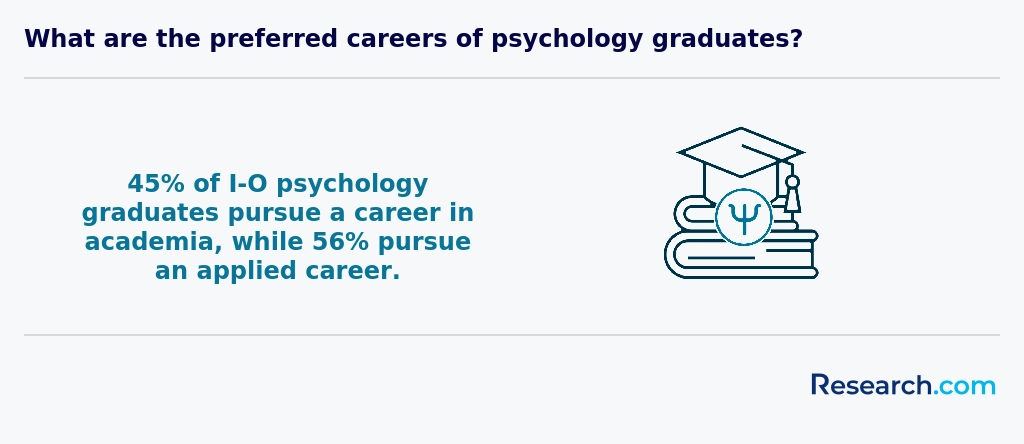
Embarking on a psychology degree in Dallas, TX, not only involves selecting the right program but also building a foundation for academic and professional success. Students are encouraged to take an active approach by participating in study groups, engaging with faculty advisors, and seeking opportunities for hands-on experience through internships or research projects. Effective time management and setting realistic academic goals can help balance the demands of coursework with extracurricular activities that foster personal development. For those interested in expanding their expertise further, exploring online graduate degree programs in psychology can offer additional flexibility and advanced career opportunities. Continuous networking, attending local psychology conferences, and utilizing campus career services are invaluable strategies that not only improve your academic journey but also enhance your employability in the competitive Dallas job market. By implementing these practical tips and leveraging available resources, students can maximize their educational experience and be well-prepared for future challenges in the dynamic field of psychology.
Imagine walking through the bustling campus of the University of Texas at Dallas, your tuition eased by a mix of Pell Grants and TEXAS Grants, those lifelines for many psychology students aiming to decode the mind without drowning in debt. One graduate fondly recalls the relief of securing a research assistantship that not only wiped out half her fees but also let her dive deep into clinical psychology projects, fueling both passion and paycheck.
Over at Dallas Baptist University, psychology majors often find scholarships tailored just for them, sometimes from local foundations or the American Psychological Association, turning dreams of specializing in counseling psychology into tangible realities.
Federal loans hover as a fallback-cautiously embraced-since Dallas grads know $30,000 in debt is a typical crossroads. Yet, work-study gigs on campus, like helping professors with behavioral studies, create pockets of financial breathing room alongside crucial experience.
To maximize the benefits of your psychology degree, it's essential to consider factors beyond just the cost and curriculum of your program. One crucial aspect is exploring the various specializations available, such as clinical psychology, counseling psychology, or industrial-organizational psychology, each offering unique career paths and opportunities for growth. For instance, understanding the most affordable options can significantly impact your decision, and resources like the most affordable psychology schools in Texas can provide invaluable insights. Additionally, internships, networking events, and continuous learning play a vital role in enhancing your employability and finding the right fit in the dynamic field of psychology. By strategically choosing your degree program and thoughtfully planning your academic and professional journey, you can set yourself up for success and make the most out of your investment in a psychology degree in Dallas, TX.
Step onto the path to a psychology degree in Dallas, and you'll soon find that the journey begins with a set of clear markers-like a treasure map guiding you through academic checkpoints. For undergraduates, the treasure chest opens only if you hold a high school diploma or GED, a ticket into this vibrant city's world of minds and emotions. Think of it as the key that unlocks the door to courses that stir your curiosity-biology, math, and social sciences-all laying a strong foundation, just as students at the University of Texas at Dallas recount when describing their early days of academic adventure.
Graduate hopefuls carry a heavier backpack-bachelor's degree in hand, often with a GPA near 3.0 as proof of intellectual stamina. They navigate prerequisites like letters of recommendation and personal statements, stories of passion and purpose forged in late-night study sessions. At places like Texas Woman's University, veterans of the program emphasize how these steps sharpened their drive and readied them for the challenges ahead, blending theory with real-life insight.
Sometimes, standardized tests like the SAT, ACT, or GRE act as gates, though some Dallas schools have relaxed this rule, favoring the story behind the scores. Every piece fits together, crafting a puzzle that transforms hopeful applicants into thriving psychology scholars.
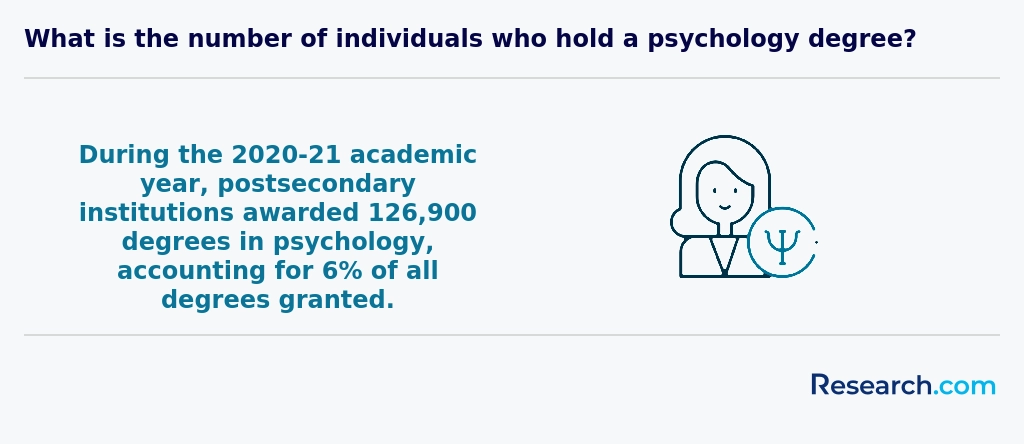
To practice psychology independently in Texas, graduates typically follow these steps:
- Earn a doctoral degree (PhD or PsyD) in psychology from an APA-accredited program. Consider an accelerated online psychology degree to streamline this requirement.
- Complete at least 3,000 hours of supervised professional experience.
- Pass the Examination for Professional Practice in Psychology (EPPP).
- Clear the Texas Jurisprudence Exam on state laws and ethics.
- Apply to the Texas State Board of Examiners of Psychologists with official transcripts, exam scores, and fees.
- Maintain licensure with 40 hours of continuing education every two years.
Imagine diving into the vibrant classrooms of Dallas, where psychology students eagerly untangle the mysteries of the mind. Core courses like Introduction to Psychology open doors to understanding everyday human behavior, while Biological Psychology pushes students to visualize how neurons spark emotions during a bustling day on a Dallas campus. Graduates recall lively debates in Social Psychology, where they dissect group dynamics at local coffeeshops, bridging theory with their own diverse city experiences.
Developmental Psychology sketches life's journey from toddler tantrums to adult triumphs, grounding these lessons in real stories from classmates growing up through Dallas's unique cultural tapestry. Research methods and statistics transform dry numbers into powerful narratives, enabling students to design experiments that one graduate used to explore community mental health trends in Northeast Dallas.
Electives like Abnormal Psychology and Multicultural Psychology bring color to the curriculum, reflecting Dallas's rich diversity. Picture lectures filled with passionate discussions about cultural nuances that shape mental wellness-a perspective students treasure when planning future careers in the city's dynamic healthcare system.
Diving into psychology degree specializations Dallas offers feels like unlocking a treasure chest of human understanding. Graduates from top Dallas colleges often highlight how clinical psychology lets them step into bustling hospital hallways, diagnosing and treating complex minds with empathy and expertise. Meanwhile, counseling psychology grads find themselves weaving through everyday emotional landscapes, a journey that fuels both their passion and purpose.
Others recount immersive experiences in industrial-organizational psychology, where psychology meets Dallas's dynamic corporate pulse, helping businesses thrive by decoding workplace behaviors. Child and adolescent psychology enthusiasts cherish their role in supporting younger minds through developmental storms, while forensic psychology students proudly engage with Dallas's expansive legal scene, blending law and mind in compelling ways.
Enthusiasts of mental health career options Dallas trust can deepen their insights even further through online graduate degree programs in psychology, exploring neuropsychology's brain mysteries or health psychology's ties to physical wellness, all from a city vibrant with opportunity.
To choose the best psychology degree in Dallas, imagine yourself walking through the vibrant campuses of the University of Texas at Dallas or Texas Woman's University, feeling the buzz of clinical labs and research centers alive with discovery. Graduates often recall how hands-on practicum placements here sculpted their confidence, transforming theory into real-life impact. If you crave balance between work and study, seek programs offering evenings or weekends-these tailored schedules in Dallas make education not just possible but invigorating. Consider affordable psychology degree programs in Dallas that respect your budget without skimping on quality: public universities often offer tuition around $10,000 yearly, providing solid foundations.
Accreditation by the American Psychological Association isn't merely a checkbox; it's the golden ticket towards licensure and professional esteem. Stories from alumni highlight how networking events with Dallas professionals opened doors after graduation. And if clinical psychology is your dream, explore psyd clinical psychology online pathways blending flexibility with depth. Dive into schools where faculty passion and your ambitions meet, and soon, your ideal psychology journey in Dallas will unfold naturally.
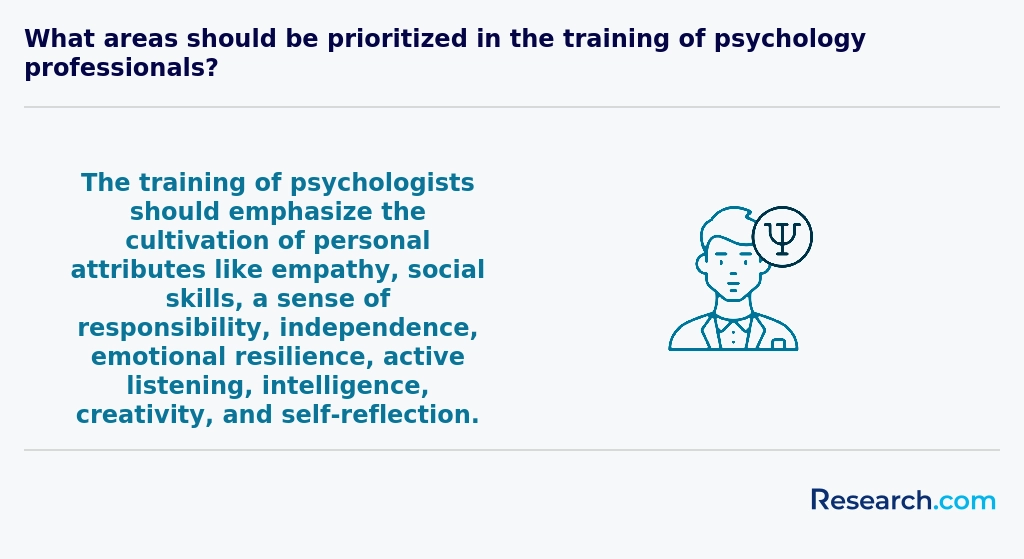
Psychology degree holders in Dallas step into vibrant roles that resonate deeply with the city's heartbeat. Graduates find themselves counseling a kaleidoscope of minds in bustling clinics or cozy private practices, their licensure unlocking doors to healing in Dallas's diverse communities. School psychologists working within local education systems transform classrooms into sanctuaries of growth, guiding students toward emotional balance in ISDs where every day feels like a meaningful mission. Others dive into the corporate jungle, wielding behavioral insights as industrial-organizational psychologists who craft more human, productive workplaces amid Dallas's skyscrapers. Those drawn to discovery capitalize on the city's academic pulse, joining research teams at the University of Texas at Dallas, where theories leap into real-world impact.
For students navigating psychology career opportunities in Dallas, the path also involves smart planning around education costs. Private universities raise stakes, while public options soften the financial load, as evidenced by the average tuition of around $10,500 per year. Many graduates tapped into resources like the Most Affordable Online Bachelor's in Psychology Degree Programs Ranking in the South to strategize their next step.
Dreamers with a Dallas psychology degree job prospects in clinical, educational, industrial, and research fields find themselves at the nexus of science and humanity, turning passion into purpose every single day.
The psychology degree job opportunities in Dallas are blooming alongside the city's dynamic growth. Graduates from local universities often share stories of landing roles in bustling hospitals or innovative research labs tucked within Dallas's academic hubs. Imagine walking through a campus where fellow students discuss emerging mental health trends one day and then stepping into vibrant clinics or corporate settings the next, reflecting the city's diverse professional landscape. The demand extends beyond traditional clinical roles; organizational psychology thrives amid Dallas's expanding headquarters, offering fresh pathways for career explorers.
Dallas psychology career outlook 2027 shines particularly bright for those wielding advanced degrees and licensure, opening doors to specialized positions with salaries ranging broadly by expertise. Entry-level graduates frequently start as research assistants or behavioral health technicians, feeling motivated by hands-on experience and the city's supportive networks. Many also complement their studies with certificates that make the most money, making their profiles even stronger in this competitive market.
2027 Most Affordable Psychology Degree Programs Ranking in Dallas
Investing in your education is a significant decision that can shape your future, and the Research.com team understands the importance of making informed choices. To assist prospective students in Dallas, we have meticulously crafted the "2027 Most Affordable Psychology Degree Programs Ranking in Dallas." Our commitment to quality, credibility, and accuracy is reflected in the extensive research and analysis conducted to compile this ranking.
We utilized the following reputable data sources to ensure a comprehensive evaluation of psychology degree programs:
By exploring this ranking, readers will gain valuable insights into the most affordable psychology degree options in Dallas, empowering them to make well-informed decisions about their education. For more details on our methodology, please visit our Research.com methodology page.


Frequently Asked Questions About psychology
Psychology degree students in Dallas can maximize their learning experience by engaging actively both inside and outside the classroom. Participating in internships or practicum placements at local mental health facilities provides invaluable hands-on experience, complementing academic theory. Many Dallas universities have partnerships with hospitals and counseling centers, offering practical training opportunities.
Joining psychology clubs or research groups allows students to collaborate on current projects, enhancing understanding of experimental methods and data analysis, which are essential skills in the field. According to the Texas Higher Education Coordinating Board, psychology remains one of the fastest-growing majors in the Dallas area, emphasizing the importance of building a strong professional network early.
Students should also utilize campus career services for guidance on certifications and graduate school options. Staying informed about developments in clinical and applied psychology through local seminars or workshops can keep learning current and relevant.
The field of psychology is rapidly evolving, with several emerging niches gaining traction among students and professionals in Dallas. One notable area is neuropsychology, which explores the relationship between brain function and behavior. This specialty is growing due to advances in neurological research and technology.
Another rising field is health psychology, focusing on how mental and physical health intersect. Given Dallas's expanding healthcare industry, opportunities in this niche are increasing.
Additionally, forensic psychology is becoming more relevant, as Dallas invests more in criminal justice and legal services requiring psychological expertise.
Data from the American Psychological Association shows these areas have experienced significant growth nationally, reflecting trends observable in Dallas's robust educational and professional landscape.
Preparing for the job market after earning a psychology degree in Dallas involves several strategic steps. First, gaining practical experience is crucial; many graduates seek internships or assistant roles at local clinics, hospitals, or social service agencies. According to the Bureau of Labor Statistics, employment for psychologists in Texas is projected to grow by 14% through 2032, reflecting strong demand.
Networking within Dallas' psychology community, including attending events by the Texas Psychological Association, helps build contacts and mentorship opportunities. Additionally, obtaining relevant certifications, such as Licensed Psychological Associate or Licensed Professional Counselor, enhances employment prospects in the state.
Many Dallas employers also value graduates with skills in data analysis and psychological assessment tools. Maintaining an updated resume and tailoring it for specific roles can significantly impact hiring success in this competitive field.
Employers in Dallas highly value psychology graduates who demonstrate strong critical thinking and analytical skills. These abilities enable graduates to assess behavioral data effectively and design evidence-based interventions, which is crucial in clinical and organizational settings.
Communication skills also rank near the top, as professionals must clearly convey findings and treatment plans to both clients and multidisciplinary teams. According to the Bureau of Labor Statistics, Dallas has seen a 12% growth in psychology-related roles, increasing demand for effective communicators.
Additionally, employers look for experience with research methods and statistical software, essential for roles in academic and applied psychology. Familiarity with community resources and cultural competency is especially important in Dallas's diverse population, ensuring inclusive and ethical practice.
Finding psychology internships in Dallas involves exploring opportunities at local hospitals, mental health clinics, and university programs. Many Dallas institutions, such as the University of Texas at Dallas and Texas Woman's University, maintain internship listings tailored to psychology students. The Texas Psychological Association also provides resources to connect students with relevant placements. Networking is essential; attending local psychology conferences or joining student chapters of professional organizations can open doors to internships.
Dallas's growing healthcare sector offers diverse opportunities in clinical and research settings. According to the Bureau of Labor Statistics, Texas employs over 13,000 clinical psychologists, making it one of the largest markets nationally. Students should start by contacting university career centers and checking state licensing board websites for internships aligned with degree requirements.
A psychology degree in Dallas offers significant advantages for career mobility and advancement within the local job market. According to the U.S. Bureau of Labor Statistics, Dallas benefits from a growing demand for clinical, counseling, and school psychologists, with a projected 12% employment increase from 2022 to 2032. Holding a degree in psychology can open doors to roles in healthcare, education, social services, and corporate sectors.
Employers in Dallas value candidates with advanced psychology degrees, as these often lead to higher earning potential and leadership positions. For example, a master's or doctoral degree may be required for licensing as a clinical psychologist or counselor, which increases career options.
Additionally, Dallas offers access to numerous professional organizations and continuing education opportunities, supporting ongoing career development. Locations such as the Dallas Psychological Association provide networking and training, which are crucial for advancement in this competitive field.
Studying for a psychology degree in Dallas offers students a strong foundation to work in interdisciplinary roles. Many Dallas universities integrate coursework that combines psychology with fields like healthcare, social work, and education. This approach helps students understand how psychological principles apply in diverse professional environments.
Dallas's growing healthcare and social service sectors demand professionals who can collaborate across specialties. According to the Texas Workforce Commission, Dallas has seen a 12% increase in jobs requiring interdisciplinary skills since 2020. Psychology programs often include training in data analysis, communication, and cultural competence, essential for teamwork in areas such as mental health clinics or school counseling.
Students also benefit from internships and partnerships within Dallas's large hospital systems and community agencies. These practical opportunities allow psychology majors to engage in real-world problem solving across disciplines, making them adaptable and competitive.
Choosing between a thesis and a non-thesis psychology degree program in Dallas depends largely on your career goals and learning preferences. A thesis program requires conducting original research and writing a detailed academic paper, which is ideal if you plan to pursue a PhD or work in research. Non-thesis programs typically focus on coursework and practical experience, suiting students aiming for professional roles in counseling or mental health services.
According to the Texas Higher Education Coordinating Board, Dallas offers several accredited programs with both options available, often balancing affordability and flexibility. Typically, thesis tracks may take longer but provide a stronger foundation for academic work, while non-thesis tracks often allow quicker completion and immediate workforce entry.
Students based in Dallas seeking to study psychology abroad have several pathways supported by local universities and national programs. Many Dallas institutions, including the University of Texas at Dallas, offer study abroad partnerships with schools in Europe and Asia, allowing psychology majors to earn credits overseas. Programs often focus on cultural psychology or clinical psychology practices outside the U.S., enhancing global perspectives relevant to the field.
Financial aid and scholarships specifically for study abroad are accessible to Dallas students, with options through federal aid and Texas-based organizations. According to the Institute of International Education, 11% of U.S. study abroad participants in 2022 focused on social sciences, which includes psychology.
Additionally, students can explore summer research internships abroad or online joint degrees, expanding practical experience beyond Dallas while maintaining credit transfer opportunities within the U.S. higher education system.
Dallas offers several part-time job opportunities that complement psychology degree education, allowing students to gain practical experience while studying. Positions such as behavioral health technician, research assistant, or case aide in local hospitals and mental health clinics provide relevant exposure to clinical settings. According to the Texas Workforce Commission, Dallas has seen a 12% growth in health-related job openings, highlighting opportunities for psychology students. Additionally, universities and research centers in Dallas often seek part-time research assistants to support ongoing studies, enabling students to apply methods learned in class. These roles help build critical skills for future psychology careers.
Psychology students in Dallas benefit from numerous networking opportunities that enhance academic and professional growth. Local universities like the University of Texas at Dallas and Southern Methodist University host psychology clubs and honor societies, creating platforms for peer connections and faculty interactions. Additionally, Dallas houses chapters of national psychology organizations, such as the American Psychological Association (APA), which offer student memberships providing access to conferences and workshops.
Internships with local hospitals, mental health clinics, and research centers provide practical experiences and professional contacts. The Dallas County Psychological Association frequently holds networking events tailored for students and early-career psychologists, fostering connections within the local psychology community.
Alumni networks provide valuable support for psychology degree students in Dallas by connecting current students with graduates working in various psychology fields. These networks often facilitate job placements, internships, and mentorship opportunities, which are crucial in a competitive market like Dallas, where the demand for mental health professionals is growing.
According to the Texas Workforce Commission, Dallas-Fort Worth is projected to add over 2,000 psychology-related jobs by 2030, highlighting the importance of professional connections.
Access to alumni events and online groups also helps students gain insights into local industry trends and licensing requirements specific to Texas.
Customizing a psychology degree program in Dallas allows students to align their education with specific career goals. Many universities in Dallas offer elective courses and concentrations such as clinical, counseling, industrial-organizational, or developmental psychology. For example, the University of Texas at Dallas provides options to tailor coursework toward research, therapy, or business applications.
Students can also pursue internships and practicum placements locally, benefiting from Dallas's diverse healthcare and corporate sectors. According to the Bureau of Labor Statistics, the Dallas-Fort Worth area had over 7,500 psychology professionals in 2023, supporting varied career paths.
Additionally, choosing programs with flexible scheduling or part-time options helps students balance education with work or family obligations.
Psychology students in Dallas face several common challenges during their studies. A primary difficulty is balancing rigorous coursework with fieldwork, as many programs require both extensive research and clinical internships. According to the Texas Higher Education Coordinating Board, students often struggle to find local internships that meet state licensure requirements.
Another challenge is the cost of education. While Dallas offers affordable options compared to other urban areas, some students still report financial strain due to tuition and living expenses. Additionally, psychology programs demand strong statistical and research skills, which can be a hurdle for students less experienced in math or data analysis.
Finally, maintaining mental health while managing stressful workloads remains a concern, with counseling services frequently in high demand at Dallas universities.
With a psychology degree in Dallas, graduates can pursue several professional certifications to enhance their career prospects. One common path is obtaining certification as a Licensed Psychological Associate (LPA), which allows limited independent practice under supervision. Aspiring therapists often aim for Licensed Professional Counselor (LPC) credentials, a recognized certification in Texas requiring additional supervised hours and passing the Texas Jurisprudence Exam. Other specialized certifications include Certified Addiction Counselor (CAC) and Board Certified Behavior Analyst (BCBA), relevant to those focusing on substance abuse or behavioral therapy. According to the Texas Department of State Health Services, these certifications can significantly improve employability in the Dallas area.
Applying to a psychology program in Dallas requires careful attention to detail and clear communication of your goals. Start by researching programs thoroughly, focusing on their faculty, curriculum, and specializations. According to the National Center for Education Statistics, Dallas hosts several universities offering psychology degrees, emphasizing applied and clinical psychology.
Highlight relevant experience, such as internships or volunteer work in mental health settings, which strengthens your application. Dallas has numerous opportunities in community clinics and hospitals, valuable for hands-on exposure. Additionally, clearly articulate your career objectives and how the Dallas program aligns with them.
Include strong letters of recommendation from professionals familiar with your academic or work performance. Finally, if required, prepare well for standardized tests like the GRE with practice resources available locally or online, as competitive scores can improve admission chances.
Psychology careers in Dallas reflect growing global interest in mental health and human behavior. In the U.S., psychology is a broad field, with over 175,000 licensed psychologists nationwide as of 2023, according to the American Psychological Association. Graduates can work in clinical, counseling, or research roles, among others.
Globally, psychologists address diverse challenges, from mental illness to organizational behavior, emphasizing culturally sensitive approaches. Dallas offers access to international research initiatives through its universities, who often collaborate on cross-cultural studies.
Understanding global perspectives helps Dallas students prepare for careers that may involve international populations or issues. The demand for psychologists in Texas is expected to grow by 14% through 2031, aligning with trends across the U.S., showing strong local and worldwide opportunities.
Gaining practical experience while studying psychology in Dallas is crucial for building skills and improving job prospects. Many universities in Dallas offer internship programs in collaboration with local hospitals, mental health clinics, and community organizations. According to the Texas Higher Education Coordinating Board, psychology students often complete 100 to 300 hours of supervised internships during their degree.
Students can also seek volunteer opportunities in Dallas nonprofit organizations focused on mental health or advocacy groups. Additionally, research assistant positions at universities help develop analytical skills while contributing to ongoing studies. These hands-on experiences provide valuable exposure to real-world psychological practices and prepare students for licensure requirements.
Choosing the right concentration within a psychology degree program in Dallas depends on your career goals and interests. Common concentrations include clinical, counseling, forensic, and industrial-organizational psychology. Each specialization requires different skills and leads to various career paths.
Dallas offers diverse psychology programs accredited by the American Psychological Association (APA), which is important when selecting the right concentration for licensure eligibility. According to the Texas Higher Education Coordinating Board, clinical and counseling are among the most enrolled concentrations in Dallas universities.
Consider local job market trends; industries like healthcare and corporate sectors in Dallas commonly seek graduates in clinical and industrial-organizational psychology. Research faculty expertise and available practicum opportunities to enhance practical experience during your studies.
- 2027 Most Affordable Psychology Degree Programs Ranking in Wichita
- 2027 Most Affordable Psychology Degree Programs Ranking in Springfield
- 2027 Most Affordable Psychology Degree Programs Ranking in Baton Rouge
- 2027 Most Affordable Psychology Degree Programs Ranking in New Orleans
- 2027 Most Affordable Psychology Degree Programs Ranking in Hattiesburg
- 2027 Most Affordable Psychology Degree Programs Ranking in Kansas City
- 2027 Most Affordable Psychology Degree Programs Ranking in Mobile
- 2027 Most Affordable Psychology Degree Programs Ranking in Saint Louis
- 2027 Most Affordable Psychology Degree Programs Ranking in Lincoln
- 2027 Most Affordable Psychology Degree Programs Ranking in Birmingham
See What Experts Have To Say About Studying Psychology
Read our interview with Psychology experts

Elizabeth L. Jeglic Ph.D.
Psychology Expert
Professor of Psychology
City University of New York

Joann Farrell Quinn, Ph.D., MBA
Psychology Expert
Director at the College of Medicine Department of Medical Education
Morsani College of Medicine

Robin M. Kowalski. Ph.D.
Psychology Expert
Professor of Psychology
Clemson University

- Psychology - SWPS University https://english.swps.pl/academics/warsaw/ba-programs/psychology
- Society for the Teaching of Psychology https://teachpsych.org/page-1784686/8675326
- Explore Psychology Degrees Online | Psychology.org https://www.psychology.org/online-degrees/
- Psychology Online Degree Pathway https://www.learndirect.com/course/psychology-online-degree
- Why Get a Psychology Degree Online? | University of Bridgeport https://www.bridgeport.edu/news/reasons-to-get-your-psychology-degree-online/
- 10 Career Paths You Can Follow With a Psychology Degree https://www.dbu.edu/blog/10-career-paths-with-psychology-degree.html
- Alumni Perspectives - Meet Our FPN Alumni https://www.aanmelder.nl/alumni-perspectives-june-2023
- 2025-2026 Cost of Attendance https://www.utsouthwestern.edu/education/students/financial-aid/cost-of-attendance/graduate/
- Mental Health Challenges Faced by Psychology Students | The Healthcare Guys https://healthcareguys.com/2023/11/23/mental-health-challenges-faced-by-psychology-students/
- Alumni Network - https://efpsa.org/alumni-network/


