
2027 Best Online Psychology Degree Programs Ranking in the Northeast

Co-Founder and Chief Data Scientist
Choosing the right psychology degree program can feel overwhelming, especially with so many online options available. This article presents the 2027 Best Online Psychology Degree Programs Ranking in the Northeast, developed by the Research.com team of data scientists.
Our goal is to help you make an informed decision by showcasing programs that combine quality education with flexibility. Pursuing a psychology degree opens doors to rewarding career paths and personal growth.
Explore this ranking to find programs that fit your goals and start your journey with confidence.
Key benefits of getting online psychology degree in the Northeast
- Psychology degree graduates in the Northeast can earn competitive salaries, such as $83,190 mean annual wage for Marketing Research Analysts and $62,370 for Clinical Research Associates, reflecting strong job prospects.
- Career paths are diverse, ranging from Human Resources Specialist roles to Survey Researcher positions, offering graduates flexibility to find rewarding work that fits their interests.
- Completing a psychology degree online from a well-known Northeast university allows greater scheduling freedom and reduces commuting stress, making it easier to balance studies with personal life.
- 2027 Best Online Psychology Degree Programs Ranking in the Northeast
- What can I expect from online psychology degree in the Northeast?
- Where can I work with online psychology degree in the Northeast?
What can I expect from online psychology degree in the Northeast?
The average cost of an online psychology degree in the Northeast typically ranges from $15,000 to $40,000, depending on the institution and program level. Graduates from Penn State World Campus often share how this investment felt like an exciting gateway to new career possibilities, appreciating the balance between affordability and quality. At Southern New Hampshire University, many students find the tuition fees accessible, allowing them to pursue their passion for psychology without overwhelming debt.
Picture yourself diving into courses on developmental psychology or research methods, backed by a program from the University of Massachusetts, where tuition reflects a commitment to both rigorous education and financial value. For busy professionals, the flexibility of these programs means you can study at your own pace, turning your daily commute or coffee break into enriching learning moments.
In this region, the cost isn't just a number; it's a stepping stone toward becoming part of a vibrant community focused on mental health care, growth, and real-world impact that excites many online psychology students.
Where can I work with online psychology degree in the Northeast?
Graduates with an online psychology degree in the Northeast find exciting opportunities bursting across healthcare, education, and corporate sectors. Imagine a graduate from a well-known university like Boston University stepping into a bustling mental health clinic, applying their skills as a behavioral health technician or counseling aide right after earning their bachelor's. These roles come alive in settings from rehabilitation centers in Connecticut to psychiatric hospitals throughout New York.
For those who push forward with master's degrees, the path often leads to licensed clinical roles. Think of a graduate from the University of Pennsylvania navigating rigorous licensure exams and supervised hours to become a counselor providing therapy in a private practice or school district.
Beyond direct care, many online degree holders venture into research and teaching at regional colleges or dive into corporate jobs in hubs like New York City-shaping human resources and organizational development in innovative biotech companies. The Northeast's dynamic work landscape invites graduates to explore diverse, meaningful careers fueled by curiosity and passion.
Graduates from online psychology programs in the Northeast often step into vibrant careers with promising salaries. Imagine a recent graduate from a renowned university near Boston landing a human resources specialist role, earning an average of $76,060 annually. It's quite the rewarding leap, blending psychology knowledge with real-world business insight.
Others may dive into analytical roles, like marketing research analyst positions that pull in around $83,190 per year. Picture a grad from a New York City college eagerly exploring consumer behavior and finding this career both stimulating and financially satisfying.
For those drawn to research, becoming a clinical research associate or survey researcher offers median earnings near $62,370. A graduate from a well-respected Connecticut program often finds this path exciting and impactful, contributing to important studies with a solid paycheck.
Even roles like childcare worker, rooted in psychology principles, provide meaningful work with $32,070 yearly wages. Graduates from programs in Philadelphia might appreciate combining their passion for child development with steady income in such roles.
In the Northeast, the blend of top-tier psychology programs and diverse psychology-related jobs crafts a dynamic landscape where many graduates find both personal fulfillment and financial stability.
- Online psychology degrees in the Northeast are offered by many accredited public and private universities.
- Bachelor's tuition typically ranges from $15,000 to $35,000 per year, while graduate programs cost between $12,000 and $40,000 annually.
- Entry-level psychology jobs average about $50,000 per year, with experienced professionals earning over $90,000 annually.
- Psychology-related employment in the Northeast is projected to grow around 6% over the next decade.
- Many online programs include internships or practicum experiences to build skills and professional networks.
- Students should check that the online program meets state licensing requirements for clinical practice eligibility.
Graduate adventurers pursuing a Master's often embrace a two- to three-year expedition, with part-time travelers sometimes taking up to five years. Picture learners at institutions in New York or Boston juggling practicum hours and evening classes, crafting a flexible path tailored to their lives.
Doctoral seekers embarking on a Ph.D. or Psy.D. voyage often commit four to seven years, enriched by research quests and dissertation discoveries-though these options remain rarer online in the region. Students who tap into accelerated courses, especially when transferring credits from colleges like Northeastern or Boston University, sometimes shorten their journey to as little as three years, feeling empowered by the challenge and achievement.
Choosing an accredited online psychology program in the Northeast is essential for ensuring educational quality and meeting state licensure requirements. Regional accreditation by agencies such as the New England Commission of Higher Education (NECHE) or the Middle States Commission on Higher Education (MSCHE) guarantees that a program meets rigorous academic standards. Additionally, programs accredited by the American Psychological Association (APA) are often preferred by licensing boards and employers, as they demonstrate adherence to professional ethics and evidence-based training. Before enrolling, verify that your chosen institution holds both regional and programmatic accreditation. Many graduates encounter delays in licensure when their degree is from a non-APA-accredited program, requiring supplementary coursework or supervised hours. Prospective students should consult their state’s board of psychology to confirm specific credit hour and practicum requirements. For example, Massachusetts mandates a minimum of 3,000 supervised internship hours for clinical licensure, whereas New York requires completion of an APA-approved doctoral program plus supervised practice. Financial considerations also play a role in accreditation decisions. Accredited programs may qualify for federal aid, while unaccredited degrees often do not. For students seeking cost-effective accredited options, see Most Affordable Psychology Degree Programs Ranking in Massachusetts. Ultimately, selecting an accredited online psychology program in the Northeast not only safeguards academic quality but also streamlines the path to professional licensure and employment. Conduct thorough due diligence by reviewing accreditation listings, state board guidelines, and program syllabi to ensure your online degree is a recognized credential in your chosen career path.
Imagine juggling a busy life in Boston while earning your psychology degree-online programs make this possible by offering the freedom to study whenever inspiration strikes. Many graduates from Northeastern colleges praise this flexibility, especially since commutes in cities like New York or Philadelphia can be time-consuming and expensive. Online learning lets you dive into coursework late at night or between shifts, embracing a rhythm that fits your life.
In contrast, on-campus programs at schools such as Boston University or University of Pennsylvania immerse students in face-to-face discussions and lively lab experiences. Graduates cherish the spontaneous hallway conversations and immediate faculty feedback that sharpen interpersonal skills crucial in psychology.
Both paths meet rigorous accreditation standards, but clinical training often feels different. On-campus students might find it easier to connect with local clinical sites for practicum opportunities, while online learners creatively arrange nearby internships, harnessing digital tools to stay engaged.
Choosing an accredited online psychology program is essential for ensuring academic quality, transferability of credits, and eligibility for licensure. Prospective students should verify that their institution holds regional accreditation from agencies recognized by the U.S. Department of Education, such as the New England Commission of Higher Education (NECHE) or the Middle States Commission on Higher Education (MSCHE). In addition, programs with American Psychological Association (APA) accreditation meet rigorous standards for curriculum, faculty credentials, and practicum supervision-factors that significantly impact licensure and employment prospects. Key accreditation and licensure factors to evaluate:
- Regional vs. National Accreditation: Regional accreditation is preferred by most graduate schools and employers; national accreditation may limit credit transfer.
- APA Approval: Essential for students aiming to pursue clinical or counseling psychology licensure in many states.
- State Licensure Requirements: Each Northeast state has specific criteria for supervised hours, examination (e.g., the EPPP), and continuing education; verify reciprocity if you plan to move.
- Specialized Accreditation: For those interested in behavior analysis, programs approved by the Behavior Analyst Certification Board (BACB) include coursework required for BCBA credentialing-explore bcba programs online to find approved options. By prioritizing accredited programs and understanding state licensure pathways, students can avoid costly setbacks and ensure that their online psychology degree leads to the intended professional outcomes.
The average cost of an online psychology degree in the Northeast paints an intriguing picture for those ready to embark on this educational journey. Graduates from well-known institutions across the region often share that the median total cost lands around $46,800, with in-state students typically paying closer to $34,200, while out-of-state learners face similar higher fees. This variation speaks to the adventure of choosing where and how to study, especially given the prestige and extensive resources offered by many Northeastern universities.
For students weighing online psychology degree tuition fees Northeast options, the balance between cost and quality can raise exciting possibilities. Imagine the vibrant online classrooms hosted by top schools each year, where learners navigate complex psychological theories while managing a budget that includes tuition, technology fees, and materials. This blend of challenge and opportunity fuels many students' enthusiasm, making the investment feel worthwhile as they prepare to impact mental health fields.
One common story unfolds around those who carefully explore financial aid, scholarships, and tuition reimbursement programs that lighten the financial load. For example, graduates often cite how finding specific support for psychology students studying online unlocked chances they hadn't anticipated. For those eager to explore quick progression routes, checking out what is the fastest accelerated masters of psychology online degree can add a refreshing pace to the academic adventure.
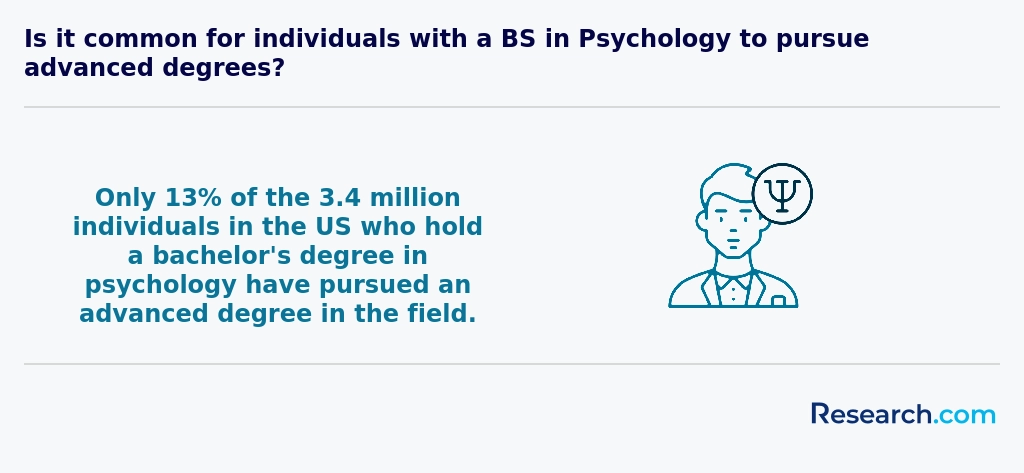
For many aspiring psychologists, the journey doesn’t end with a bachelor’s degree-the next step is an advanced degree that can be completed quickly and effectively. Accelerated online master’s programs are designed for motivated individuals who want to fast-track their careers without compromising on academic quality. These programs compress the traditional timeline, allowing students to gain critical skills in a shorter period, often through intensive coursework and streamlined admission processes. In these programs, you’ll benefit from an innovative curriculum that integrates theory with practical applications, preparing you for leadership roles in counseling, clinical practice, and organizational psychology. Collaborative projects and personalized mentorship from experienced faculty ensure that accelerated learners receive the support they need for academic and professional success. Additionally, many of these programs incorporate flexible learning schedules and cutting-edge digital tools to facilitate interactive learning and networking with peers across the nation. For prospective students eager to learn more about how you can dramatically shorten your path to obtaining a master’s degree in psychology, check out what is the fastest accelerated masters of psychology online degree for detailed program insights and enrollment tips. This focused approach not only makes advanced education more accessible but also empowers you to quickly enter the workforce with enhanced qualifications that are highly valued in the competitive landscape of mental health services and beyond.
Exploring financial aid options while pursuing an online psychology degree in the Northeast feels like uncovering hidden treasures. Graduates from well-known schools like Boston University or Fordham University often share how filling out the FAFSA opened doors to Pell Grants, easing tuition costs up to $7,395 each year for undergraduates. Imagine receiving this while juggling studies and work-it's a lifeline!
For those enrolled in graduate programs at places such as Northeastern University, federal loans like the Direct Unsubsidized or Grad PLUS Loans offer flexible repayment plans that make funding advanced psychology degrees less daunting. State-specific programs, like New York's TAP or Massachusetts' MassGrant, shine like beacons for local students, providing grants that lighten financial stress when maintaining good academic standing.
Many students also discover institutional scholarships tailored to psychology majors-sometimes by merit, sometimes aimed at veterans or first-generation scholars-transforming ambitions into reality. Plus, employer tuition assistance often acts as a secret ally, especially for those already working in healthcare or education sectors within the region.
The decision to pursue an online psychology degree in the Northeast involves weighing several factors, including flexibility, cost, and career outcomes. On the one hand, online programs offer flexibility that traditional programs may not, allowing students to balance work and studies more easily. This flexibility is particularly beneficial for those with family commitments or living in remote areas. For instance, a graduate from a well-known online psychology program in the Northeast noted, "The online format was a lifesaver for me; I could study while taking care of my family." Additionally, online programs can sometimes be more affordable, as they may not require commuting or housing expenses. A recent graduate shared, "I was able to save a significant amount on tuition by choosing an online program, which made my education more accessible." However, online learning also presents challenges, such as the lack of in-person interaction, which can make it difficult for some students to stay motivated and engaged. As one graduate put it, "I sometimes felt isolated during my online studies, but I managed to stay connected with my peers through discussion forums and group projects." Despite these challenges, many students find that the benefits of online psychology degree programs outweigh the drawbacks. With the right mindset and support, students can thrive in online environments and go on to have successful careers in psychology. For those considering online education, it's essential to carefully evaluate the advantages and disadvantages to make an informed decision that aligns with their personal and professional goals.
To dive into an online psychology degree in the Northeast, imagine yourself stepping into a gateway where curiosity meets preparation. Most undergraduates from colleges like the University of Massachusetts or Northeastern University find that a high school diploma with a GPA around 2.5 to 3.0 unlocks the first door. Some even share how submitting SAT or ACT scores, when required, added a little spark of challenge but also excitement about proving their readiness.
For those aiming higher, at the master's or doctoral level, the adventure intensifies. Graduates recall how holding a bachelor's degree-often in psychology or related fields like sociology-felt like earning a ticket to explore deeper theories and research. A solid GPA near 3.0 and vivid personal statements bring your passion to life, while letters of recommendation become your allies vouching for your journey so far.
Many Northeast programs expect foundational knowledge in areas such as Introduction to Psychology, Statistics, and Research Methods. Imagine yourself engaging with courses like Biological Psychology or Neuroscience, just like students did at top schools, feeling equipped and eager to embrace the unknown.
Writing skills and critical thinking often emerge as hidden treasures. Some students describe how finishing prerequisite courses before joining, especially in research methods and statistics-as recommended by programs like UMass Online-gave them confidence to tackle every assignment with curiosity and clarity.
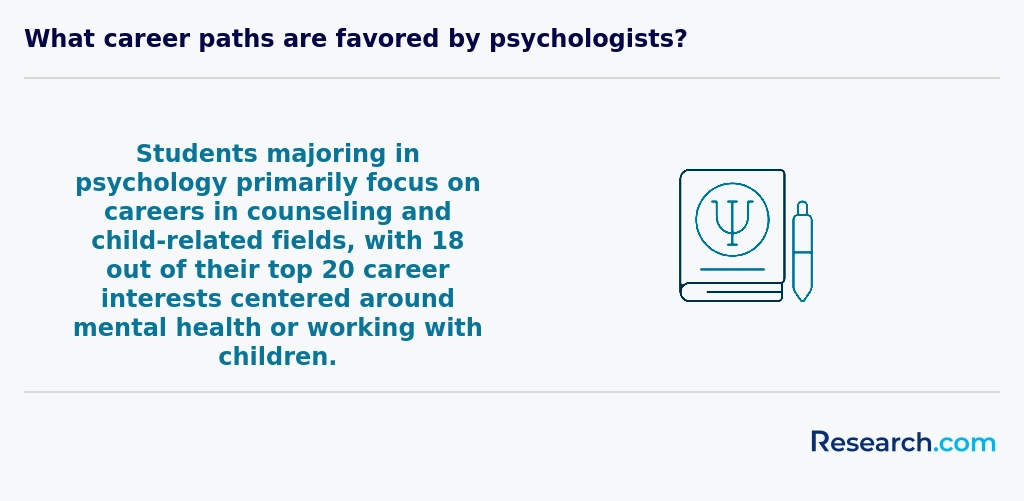
When considering an online psychology degree in the Northeast, it's essential to weigh the advantages and disadvantages to make an informed decision. On the positive side, online programs offer flexibility, allowing students to balance their studies with work or family commitments. This flexibility is particularly beneficial for those living in remote areas or with limited mobility. Additionally, online programs can be more affordable, as they often eliminate the need for commuting or relocation. Many online psychology programs in the Northeast also provide access to a wide range of courses and specializations, which might not be available in traditional on-campus settings. However, there are also some drawbacks to consider. One of the primary disadvantages of online psychology degree programs is the lack of in-person interaction, which can lead to feelings of isolation. Some students may miss the camaraderie and direct engagement with peers and professors that traditional classroom settings provide. Furthermore, online learning requires a high level of self-discipline and time management skills, as students must be able to motivate themselves to complete coursework and meet deadlines without the structure of a traditional classroom. In terms of career prospects, some employers may view online degrees as less desirable than traditional degrees, although this perception is changing rapidly as online education becomes more prevalent and accepted. It's also important to consider the accreditation of the program, as some online programs may not be accredited by recognized accrediting agencies, which can impact the validity of the degree. Ultimately, the decision to pursue an online psychology degree in the Northeast depends on individual circumstances, learning preferences, and career goals. By carefully considering the advantages and disadvantages, prospective students can make an informed decision that aligns with their needs and aspirations.
Diving into an online psychology degree in the Northeast means embarking on a journey through courses that spark curiosity and deepen your understanding of the mind. Graduates from popular institutions like Boston University and Syracuse University often recall the excitement of engaging with foundational classes such as Introduction to Psychology, where the stories behind human behavior come alive. Imagine exploring how your own childhood memories shape your actions through Developmental Psychology, or unraveling the mysteries of the brain in Biopsychology courses that connect biology with behavior.
Many students in these programs appreciate the hands-on feel of Research Methods and Statistics, mastering tools to decode real-world data, much like researchers at renowned colleges. Abnormal Psychology opens doorways to understanding mental health challenges, often making coursework feel both compassionate and empowering.
Specialized electives like Social Psychology or Personality Theory often feel like personal quests tailored to one's passions, allowing learners to connect classroom knowledge to community or career goals. This rich, diverse curriculum in the Northeast truly welcomes students to explore and grow in every facet of psychology.
Diving into an online psychology degree in the Northeast reveals an exciting array of specializations designed to fit diverse interests and career ambitions. Graduates from popular universities often share how immersing themselves in clinical psychology opened doors to understanding mental health disorders deeply, combining evidence-based therapies with real-world applications. Nearby, counseling psychology beckons with its focus on addiction counseling and family dynamics, where students vividly recall internships in community centers that transformed their academic knowledge into impactful practice. Industrial-organizational psychology stands out in metropolitan hubs like New York City and Boston-graduates enthusiastically describe helping companies enhance workplace culture and leadership skills, which feels both challenging and rewarding.
Many explore additional concentrations such as forensic or health psychology, thrillingly bridging theory and practical needs like legal system intersections or wellness promotion. If curiosity leads toward certifications, some even complement their path with specialized fields like bcba programs online, opening further doors in behavioral analysis. This broad spectrum of online psychology degree specializations Northeast options sparks a sense of adventure in every learner eager to make a real difference.
Choosing the best online psychology degree Northeast means diving into what truly fits your passions and lifestyle. Imagine a graduate from a well-known Boston school sharing how the program's focus on urban mental health perfectly matched their goal of working with city populations. Accreditation is key-programs recognized by bodies like the APA assure quality and unlock doors for licensure and deeper study across the region.
Cost often sparks concern but discovering affordable psychology programs Northeast can lighten the financial load. One student praised a program's competitive tuition and scholarships that made balancing work and study possible. Look into financial aid and explore resources like the Most Affordable Psychology Degree Programs Ranking in Massachusetts to find smart options.
Flexibility and strong student support create an empowering experience. A former online learner from New York highlighted asynchronous classes that fit their unpredictable schedule, all while receiving career advising and mental health support. Selecting a program that aligns with your ambitions and rhythms is the thrilling start of your psychology journey.
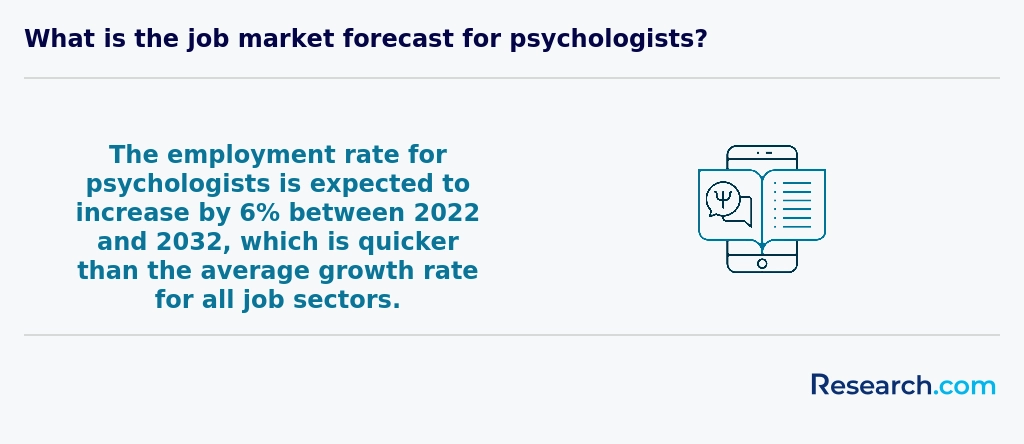
Graduates with an online psychology degree find themselves exploring a kaleidoscope of career paths throughout the Northeast's vibrant landscape. Many embark on journeys as licensed clinical psychologists or counselors, joining bustling hospitals or opening private practices in places like New York and Boston, where their knowledge truly brightens lives. Others dive into school psychology, supporting students in urban districts around Philadelphia, turning challenges into triumphs. Those fascinated by human behavior in workplaces gravitate toward industrial-organizational roles, helping Fortune 500 companies in the region boost morale and productivity.
Online students tapping into psychology job opportunities Northeast 2027 discover exciting options in research, collaborating with top universities such as Harvard or the University of Pennsylvania on groundbreaking behavioral studies. The flexibility of online learning often allows graduates to pursue a accelerated online bachelor degree programs, accelerating their career advancements and fueling their passion for new experiences amid the Northeast's diverse communities.
The job market for online psychology degree graduates in the Northeast pulses with opportunity. Graduates from popular programs at universities in Massachusetts and New York find themselves stepping into diverse roles that spark real impact-from counseling in busy Boston hospitals to research in think tanks around Philadelphia. With urban centers craving mental health expertise, those armed with an online psychology degree job outlook Northeast shines brighter. Many grads share stories of landing positions in public health agencies or thriving private practices, fueled by the region's ever-growing demand for behavioral specialists.
While exploring the psychology careers demand in Northeast US, graduates often discover the importance of balancing online study with local fieldwork, since states like New York require supervised clinical hours. This combination unlocks access to rewarding wages ranging from $80,000 to over $100,000 annually for licensed clinicians, a thrilling prospect for those eager to serve community needs.
Enrolling through non profit online accredited colleges provides a flexible path filled with solid tuition rates and recognized credentials. These programs empower students to prepare confidently for the region's dynamic job market while expanding their horizons in both urban and community mental health settings.
2027 Best Online Psychology Degree Programs Ranking in the Northeast
Investing in your education is a significant decision that can shape your future, and the Research.com team understands the importance of making informed choices. To assist prospective students in the Northeast, we have meticulously crafted the "2027 Best Online Psychology Degree Programs Ranking in the Northeast." Our commitment to quality, credibility, and accuracy is reflected in the extensive research and analysis conducted to compile this ranking.
We utilized the following reputable data sources to ensure a comprehensive evaluation of psychology programs:
By exploring this ranking, readers will gain valuable insights into the best online psychology degree programs available in the Northeast, helping them make informed decisions about their educational paths. For more details on our methodology, please visit our Research.com methodology page.

# 2 position
Penn State University Park
Bachelor of Psychology

# 3 position
Penn State University Park
Master of Psychology of Leadership


# 7 position
University of Maine at Machias
Bachelor of Psychology and Community Studies



# 11 position
Antioch University New England
Master of Clinical Mental Health Counseling

# 12 position
Charter Oak State College
Bachelor of Psychology



# 17 position
Northern Vermont University-NVU Online
Bachelor of Psychological Science
# 18 position
Antioch University New England
Doctor of Couple and Family Therapy

Frequently Asked Questions About psychology
Online psychology degree students in the Northeast can maximize their learning by actively engaging with coursework and utilizing institutional resources. Many accredited institutions, such as those recognized by the American Psychological Association (APA), offer access to virtual labs and research tools designed to enhance practical understanding.
Participating in local internships or supervised practicum opportunities is crucial. The Northeast has numerous mental health agencies and hospitals, especially in states like New York and Massachusetts, offering placements that meet licensure requirements. According to the National Center for Education Statistics, over 45% of psychology undergraduates in the region combine their studies with practical experience.
Students should also take advantage of networking opportunities through professional organizations such as the Northeastern Psychological Association. Attending regional conferences and webinars helps build connections and stay updated on current research trends.
The psychology field is rapidly evolving with new specialized areas gaining attention, especially for online degree seekers in the Northeast. One emerging niche is telepsychology, driven by increasing demand for remote mental health services, a trend accelerated by the COVID-19 pandemic. According to the American Psychological Association, practices incorporating telehealth grew by over 50% between 2019 and 2023.
Another growing area is forensic psychology, which combines legal processes and mental health, offering strong career prospects in Northeastern states like New York and Massachusetts. Research from the Bureau of Labor Statistics highlights a projected 14% employment growth for psychologists in these specialties through 2030.
Additionally, health psychology focusing on chronic illness management and behavioral health is gaining ground as health systems in the Northeast prioritize integrated care models. For students pursuing online degrees, these niches provide opportunities to specialize and meet regional workforce demands.
After completing an online psychology degree in the Northeast, graduates should focus on practical experience to enter the job market confidently. Internships and supervised clinical hours are highly valued by employers and often required for licensure in states like New York, Massachusetts, and Pennsylvania.
Networking plays a crucial role; joining state psychology associations can connect graduates with local professionals and job openings. Additionally, maintaining updated knowledge of state-specific licensure requirements is essential, as these vary significantly across the Northeast.
The U.S. Bureau of Labor Statistics projects a 14% growth in psychologist jobs nationally through 2032, with regional demand higher in urban Northeast areas such as Boston and Philadelphia.
Employers in the Northeast highly value psychology graduates who demonstrate strong critical thinking and analytical skills. These competencies allow professionals to interpret complex data and apply psychological theories effectively. Communication skills, both written and verbal, are essential, as psychologists must convey findings clearly to clients and colleagues.
Interpersonal skills also rank high, given the collaborative nature of psychology work, especially in clinical and counseling roles. According to the U.S. Bureau of Labor Statistics, the Northeast hosts about 15% of the nation's psychology professionals, reflecting a competitive job market that favors graduates with practical experience in research methods and ethical decision-making.
Knowledge of local healthcare laws and cultural competence tailored to diverse Northeastern populations often strengthens a candidate's attractiveness to employers.
Finding internships relevant to a psychology degree in the Northeast requires strategic planning and research. Start by checking with your online program's career services, which often have partnerships with local hospitals, mental health clinics, and research centers. Many states in the Northeast, such as New York and Massachusetts, have strong networks of psychology-related internships due to extensive healthcare and academic institutions.
Professional organizations like the Northeastern Psychological Association can provide listings and networking opportunities. Additionally, the U.S. Bureau of Labor Statistics notes that internships in clinical and counseling psychology settings are plentiful in urban centers like Boston, NYC, and Philadelphia.
Using internship databases such as Handshake or Psychology Internship Central, filtered by location, can yield relevant openings. Early application is crucial, as competitive spots often fill quickly.
Obtaining an online psychology degree in the Northeast significantly enhances career mobility and advancement. The region hosts numerous healthcare facilities, educational institutions, and private practices that highly value accredited psychology credentials. According to the U.S. Bureau of Labor Statistics, psychology-related job growth in the Northeast is projected at 7% from 2022 to 2032, indicating strong demand.
Online degrees from accredited schools allow students to balance work and study, making it easier to gain experience while earning credentials. Employers in states like New York and Massachusetts increasingly accept online degrees, especially from regionally accredited institutions.
This flexibility supports career advancement opportunities in counseling, social services, and research, fields prevalent across the Northeast.
Studying for a psychology degree online in the Northeast equips students for interdisciplinary roles by emphasizing collaboration across fields such as healthcare, education, and social services. Many programs integrate coursework in neuroscience, counseling, and data analysis, fostering skills applicable to diverse professions.
The region hosts leading universities recognized for applied psychology research, offering students access to resources that support cross-disciplinary learning. According to the American Psychological Association, Northeastern states have shown growing demand for psychology professionals who can work alongside medical practitioners and social workers.
This interdisciplinary focus helps graduates pursue careers in areas like behavioral health, human resources, and policy development, meeting workforce needs in complex, integrated settings.
When choosing between a thesis and a non-thesis psychology degree program in the Northeast, consider your career goals and learning preferences. Thesis programs usually emphasize research skills and are ideal for students interested in doctoral studies or research careers. Non-thesis options focus more on practical knowledge and may include internships or comprehensive exams instead.
Northeastern universities often offer both formats, reflecting the region's growing demand for applied psychology roles. According to the National Center for Education Statistics, about 40% of psychology graduates in the Northeast choose thesis tracks, signaling a strong research orientation in the area.
Evaluate program requirements, time commitments, and faculty expertise to align your choice with professional ambitions.
Students in the Northeast interested in studying psychology abroad through online programs have several notable options. Many US institutions offer partnerships with foreign universities, allowing students to complete coursework remotely while gaining international perspectives. These joint programs often emphasize cross-cultural psychology, a growing field reflecting global mental health trends.
Additionally, some regional schools provide study-abroad credits that can be earned online, which is ideal for those unable to travel physically. According to the National Center for Education Statistics, nearly 15% of Northeast psychology students engaged in international components in 2022. This reflects increased accessibility and interest in global psychological education among this group.
Overall, while direct foreign enrollment may require relocation, online hybrid models are expanding, aiding Northeast students' global learning without leaving home.
Students pursuing online psychology degrees in the Northeast can enhance their education by engaging in part-time jobs that provide practical experience. Common opportunities include working as behavioral health technicians, research assistants, or mental health aides. These roles allow students to apply theoretical knowledge in real settings.
The U.S. Bureau of Labor Statistics reports that the Northeast hosts a growing demand for mental health technicians, with job growth projected at 13% through 2031. Research institutions in the region, such as those affiliated with Ivy League universities, frequently offer part-time research assistant roles.
Additionally, school-based positions, like teacher aides or counselors' assistants, provide useful hands-on experience. Such roles complement coursework and improve job prospects after graduation.
Online psychology students in the Northeast benefit from various networking opportunities despite the distance learning format. Many universities with accredited online programs offer virtual event platforms and dedicated forums where students connect with peers and faculty. These digital spaces foster professional relationships essential for future careers.
Additionally, regional psychology associations, such as the New England Psychological Association, allow online students to join conferences or workshops, often providing discounted rates for students. These events deliver in-person or hybrid networking, letting students meet professionals and academics from prestigious institutions.
Internships and practicum placements in Northeastern clinics and hospitals are also accessible through university partnerships, enhancing hands-on experience and professional contacts.
Alumni networks offer significant benefits to students pursuing online psychology degrees in the Northeast. These networks provide valuable connections to professionals who have completed similar programs, fostering mentorship and career guidance. In regions like New York and Massachusetts, where psychology jobs are competitive, access to active alumni can open doors to internships and employment opportunities. According to the National Association of Colleges and Employers, 85% of jobs are filled through networking, highlighting the importance of these communities.
Moreover, Northeast alumni groups often organize workshops and webinars focused on the latest psychology research and practices, keeping students informed and engaged.
Access to local alumni can also support licensure preparation specific to state requirements, which vary across the Northeast. This tailored support helps students navigate the path to becoming licensed psychologists more effectively.
Customizing an online psychology degree in the Northeast allows students to align their studies with specific career goals. Many programs offer concentrations such as clinical psychology, counseling, or industrial-organizational psychology, which can tailor learning to desired roles. Choosing electives focused on research methods or child development further refines expertise.
Several accredited institutions in the region provide flexible course schedules and practicum options that fit working professionals' needs. According to the National Center for Education Statistics, Northeastern schools have seen a 12% increase in psychology graduates specializing in applied fields since 2020.
Students should review program curricula and speak with advisors to ensure the degree meets licensure requirements or professional certifications relevant to their career path.
Online psychology students in the Northeast face several common challenges. One major issue is balancing coursework with personal and professional responsibilities, given many are working adults. According to a 2023 report by the National Center for Education Statistics, over 60% of online learners nationwide juggle studies alongside jobs. Connectivity and technology access also impact students, especially in rural areas of states like Maine and Vermont, where reliable internet can be limited.
Another challenge is the lack of in-person interaction, which affects learning in skill-based psychology courses requiring practicums or internships. Students must often seek local placements, which can vary widely across the Northeast. These factors emphasize the need for strong time management and resourcefulness among online psychology students.
With an online psychology degree from a Northeastern institution, graduates can pursue several professional certifications relevant to the field. One common certification is the Licensed Mental Health Counselor (LMHC), available in states like New York and Massachusetts, requiring a master's degree and supervised clinical hours.
Other options include the Certified Alcohol and Drug Counselor (CADC), which prepares graduates for work in substance abuse treatment. Additionally, becoming a Certified Rehabilitation Counselor (CRC) is possible, focusing on helping clients with disabilities.
Requirements vary by state, so checking local regulations and board standards is essential for licensure and certification.
Writing a winning application for an online psychology program in the Northeast requires clear focus and preparation. Start by carefully reviewing each school's admission criteria, as some institutions like Northeastern University or University of Massachusetts Boston emphasize relevant experience and academic rigor.
Highlight your prior academic achievements and any related work or volunteer experience, especially in mental health or research settings. In addition, a well-crafted personal statement explaining your passion for psychology and future goals is critical.
Strong letters of recommendation from professors or supervisors familiar with your abilities can significantly boost your application. According to the National Center for Education Statistics, psychology remains among the most popular majors in the Northeast, so clear differentiation is key.
Finally, ensure your application is complete and submitted before deadlines, and prepare for any required standardized tests or interviews.
Psychology careers are increasingly viewed through a global lens, influencing how students in the Northeast approach online degrees. The American Psychological Association (APA) highlights that U.S. psychology graduates often engage in international research and clinical practices, reflecting a worldwide demand for mental health professionals.
Data from the Bureau of Labor Statistics (BLS) shows a steady 8% growth in psychologist jobs nationwide through 2031, with the Northeast demonstrating some of the highest employment densities. The region's diverse population encourages cross-cultural competence, a skill valued internationally.
Online psychology programs in the Northeast often incorporate global case studies and multicultural training, preparing graduates to work in various cultural contexts. This global perspective is essential as mental health needs transcend borders, making a psychology degree more versatile and deeply connected to international standards.
Gaining practical experience while studying for an online psychology degree in the Northeast is essential for career readiness. Many accredited programs require internships or practicum placements as part of their curriculum. These internships often partner with local healthcare providers, schools, or community organizations within states like New York, Massachusetts, and Pennsylvania.
Students can also seek volunteer opportunities or part-time roles in mental health clinics and hospitals. According to the Bureau of Labor Statistics, nearly 15% of psychology-related jobs in the Northeast are in healthcare settings, highlighting abundant options for hands-on experience.
Additionally, professional associations such as the Northeastern Psychological Association offer networking events and workshops, which help students connect with local professionals and gain insights into applied psychology.
Choosing the right concentration within an online psychology degree program in the Northeast begins with understanding your career goals and interests. Common concentrations include clinical, counseling, industrial-organizational, and developmental psychology. Each offers distinct paths; for example, clinical psychology focuses on diagnosing and treating mental health disorders, while industrial-organizational emphasizes workplace behavior.
Consider regional demand: the Bureau of Labor Statistics reports that Northeast states like New York and Massachusetts have growing opportunities in mental health services, particularly in clinical and counseling roles. Accreditation and faculty expertise also matter, as top programs often have strong local industry connections.
Review program curricula and available internships or practicum options, which are vital for hands-on experience. Finally, align your choice with licensure requirements in your state, as some concentrations better prepare you for certification. Researching specific schools' offerings and outcomes will help ensure a well-informed decision.
See What Experts Have To Say About Studying Psychology
Read our interview with Psychology experts

Robin M. Kowalski. Ph.D.
Psychology Expert
Professor of Psychology
Clemson University

Elizabeth L. Jeglic Ph.D.
Psychology Expert
Professor of Psychology
City University of New York

Catherine Caldwell-Harris, Ph.D.
Psychology Expert
Associate Professor of Psychology
Boston University

- Know more about thesis vs non- thesis: what is the difference? https://studyfans.com/en/blogs/816
- Call for papers https://www.hogrefe.com/us/journal/international-perspectives-in-psychology-research-practice-consultation
- Mental Health Challenges Faced by Psychology Students | The Healthcare Guys https://healthcareguys.com/2023/11/23/mental-health-challenges-faced-by-psychology-students/
- Best Online Bachelor's Degrees In Psychology Of 2025 https://www.psychology.org/rankings/best-online-bachelor-degree-programs/
- 2025 Most Affordable Online Colleges for Psychology Degrees https://www.onlineu.com/most-affordable-colleges/psychology-degrees
- Study Psychology Abroad https://astarfuture.co.uk/study_psychology_abroad.html
- Skills of a Psychology Major - Psychology Department https://wagner.edu/psychology/skills/
- Sample letters in psychology https://www.mystudies.com/en-in/human-and-social-sciences/psychology/letter-model/
- Alumni Perspectives - Meet Our FPN Alumni https://www.aanmelder.nl/alumni-perspectives-june-2023
- Why Get a Psychology Degree Online? | University of Bridgeport https://www.bridgeport.edu/news/reasons-to-get-your-psychology-degree-online/


