
2027 Best Psychology Degree Programs Ranking in East Lansing

Co-Founder and Chief Data Scientist
Choosing the right psychology degree program in East Lansing can shape your future and open doors to exciting career opportunities. Our article presents the 2027 Best Psychology Degree Programs Ranking in East Lansing, developed by the Research.com team of expert data scientists to guide you in making a well-informed decision.
Exploring this ranking helps you understand which programs stand out for quality and value. Earning a psychology degree not only nurtures your passion for understanding human behavior but also builds skills that are in demand worldwide.
Take the first step toward a rewarding path with confidence and clarity.
Key benefits of getting psychology degree in East Lansing
- Psychology graduates in East Lansing can expect rewarding salaries, with jobs like Marketing Research Analysts earning about $83,190 annually and Human Resources Specialists making around $76,060 per year, highlighting promising financial benefits.
- Graduates from Michigan State University in East Lansing often pursue diverse careers such as Clinical Research Associates or Survey Researchers, offering exciting opportunities to apply psychology in health and social science fields.
- Online psychology degrees provide flexibility and accessibility, allowing students to balance work and study effectively while benefiting from programs affiliated with respected institutions like Michigan State University.
- 2027 Best Psychology Degree Programs Ranking in East Lansing
- What can I expect from psychology degree in East Lansing?
- Where can I work with psychology degree in East Lansing?
What can I expect from psychology degree in East Lansing?
If you're thinking about studying psychology in East Lansing, expect to pay around $16,000 a year for in-state tuition at Michigan State University, the top choice for many local students. Out-of-state students usually face higher costs, which can be a bit of a sticker shock, but many graduates say the investment is worth it given the hands-on experience and research opportunities available.
Students often share how participating in real lab work and internships helps them feel more prepared for the job market, making every dollar spent feel meaningful. Plus, MSU offers scholarships and assistantships, especially to those digging into research projects, which can ease the financial pressure quite a bit.
One graduate mentioned how having access to clinical placements around East Lansing really boosted their confidence and skills without breaking the bank. So, while the cost might seem steep at first glance, the practical experience and support make it manageable and rewarding for psychology majors here.
Where can I work with psychology degree in East Lansing?
With a psychology degree in East Lansing, you've got a bunch of cool options waiting for you. Many grads from Michigan State University find gigs at nearby hospitals like Sparrow or McLaren Greater Lansing, helping out as behavioral health specialists or clinical counselors. It's rewarding work where you really get to make a difference in people's lives every day.
Then there's the education angle-plenty of East Lansing grads jump into schools as counselors or behavior specialists, helping kids thrive. The demand there is growing, especially in special education roles, so it's a solid choice if you love working with students.
East Lansing's university vibe means there's also a strong research scene. Many grads take on research assistant roles or push on to advanced studies, diving into psychological research at MSU, where funding and opportunities are on the rise.
Oh, and don't forget the business world! Local companies and non-profits hire psychology folks for HR and marketing research, focusing on employee wellness and understanding consumer behavior. It's a pretty exciting way to use what you've learned in a practical setting.
Lastly, some grads find meaningful careers in social services or government agencies around East Lansing, working in community mental health or corrections-really impactful stuff that helps the whole community.
If you're looking at a psychology degree in East Lansing, especially from Michigan State University, you can expect a decent range of salaries depending on the role you land. Graduates stepping into positions like human resources specialists typically earn around $76,060 a year, which is pretty solid for starting out.
For those who enjoy digging into data and trends, becoming a marketing research analyst can pay even better, with an average salary near $83,190 annually. It's a great fit if you're into combining psychology with business insight.
Some grads opt for roles like clinical research associate or survey researcher, both offering around $62,370 a year. These jobs are perfect for those who want to stay close to research without diving fully into clinical practice. Meanwhile, if you're considering work directly with kids or families, a childcare worker role averages about $32,070, which might be a stepping stone on your career path.
Many East Lansing alumni find that getting licensed or certified boosts earning potential and job opportunities. So, whether you're crunching numbers or supporting people in healthcare or social services, your psychology degree from East Lansing can open doors to a rewarding career with competitive pay.
- Michigan State University (MSU) offers bachelor's, master's, and doctoral degrees in psychology, covering fields like clinical, cognitive, and social psychology.
- In-state undergraduate tuition at MSU is about $15,000 per year, while out-of-state students pay around $40,000; graduate tuition ranges from $16,000 to $25,000 annually.
- Additional costs including fees, textbooks, and living expenses add approximately $12,000 to $15,000 per year.
- Entry-level salaries for bachelor's degree holders average $45,000 annually, with advanced degree holders earning between $60,000 and $90,000 shortly after graduation.
- Experienced professionals in clinical or counseling psychology can expect salaries over $100,000.
- The local job market is growing faster than the national average for mental health counselors and clinical psychologists, with many roles in education, healthcare, and research.
If you're thinking about getting a psychology degree in East Lansing, most folks can expect to spend around four years finishing their bachelor's at places like Michigan State University. It's a pretty standard timeline where you juggle a mix of psychology classes, general education, and some cool research projects. Graduates often share how rewarding it feels to finally wrap things up, especially after diving into topics like human behavior and mental health.
If you decide to keep going for a master's, plan on two to three years. Many students find these programs rewarding because they get to focus deeply on research and often jump into internships that feel super hands-on. Doctoral degrees take a bit longer-usually four to seven years depending on how much time you spend on research and writing a dissertation. People who go this route at East Lansing universities often love the challenge and the chance to specialize.
For those balancing work or family, part-time options might stretch the timeline, but that flexibility can make the journey manageable and still exciting.
After earning a psychology degree in East Lansing, MI, graduates must navigate state licensure to practice legally and advance their careers. Most clinical and counseling positions require licensure through the Michigan Board of Psychology or the Michigan Board of Marriage and Family Therapy, which involves completing a master’s or doctoral degree in an accredited program, logging supervised clinical hours (typically 3,000 hours over two years), and passing the Examination for Professional Practice in Psychology (EPPP). Applicants should also submit an application fee, undergo a background check, and maintain ongoing Continuing Education Units (CEUs) to renew their license biennially. Aspiring therapists often ask whether is it hard to become a therapist? While the process demands significant dedication-balancing coursework, practicum placements, and exam preparation-structured programs in East Lansing often include built-in supervision and exam prep workshops to streamline the path. Students can boost their readiness by joining on-campus Psychology Clubs or attending local study groups focused on the EPPP and state jurisprudence exam. For those interested in specialized credentials, Michigan also offers licensure as a Limited Licensed Psychologist (LLP) or Licensed Master Social Worker (LMSW) for graduates holding master’s degrees. The LLP track requires 1,500 supervised hours and a state jurisprudence exam, while LMSW candidates must pass the Association of Social Work Boards (ASWB) master’s exam. Both pathways expand job prospects in settings such as hospitals, schools, and private practice. Understanding and planning for these licensure steps early in your academic journey not only ensures compliance with Michigan regulations but also accelerates your transition from student to practicing professional. Prospective students should consult program advisors, review the Michigan Department of Licensing and Regulatory Affairs (LARA) website, and connect with alumni who have successfully obtained licensure to optimize their educational and professional trajectory.
If you're thinking about a psychology degree in East Lansing, you'll notice that on-campus and online options each have their own vibe. On-campus programs at spots like Michigan State University let you dive deep with hands-on lab work, join lively group discussions, and connect face-to-face with professors and classmates. Many grads talk about how these real-life interactions boosted their confidence and helped them nail those tricky research projects.
On the flip side, online programs give you a lot more freedom. Imagine juggling your job or family while still attending classes and submitting assignments-online psychology lets you do that without the campus commute. Some grads appreciate how flexible this setup is, even if it means fewer in-person moments. But schools here are stepping up with virtual labs and occasional meet-ups to bridge that gap.
Cost-wise, an on-campus psychology degree at a place like MSU usually runs around $15,000 a year for in-state students. Online tuition is often similar since the academic quality stays solid, though you save on campus fees and parking. Many students find the choice boils down to whether they want that buzzing campus energy or the convenience of learning from home.
To practice as a licensed psychologist in East Lansing, you must navigate state certification steps that begin after graduation and ensure your degree leads to professional credentials.
- Earn a doctoral degree from a regionally accredited institution. Consider accelerated pathways such as an accelerated online psychology degree to streamline your timeline.
- Complete at least 3,000 supervised clinical hours under the supervision of a licensed psychologist.
- Pass the Examination for Professional Practice in Psychology (EPPP) and Michigan’s jurisprudence exam.
- Submit your license application, official transcripts and supervision verifications to the Michigan Board of Psychology.
- Maintain licensure through 40 hours of continuing education every two years, including ethics training and relevant professional development.
When it comes to the average cost of psychology degree in East Lansing, most students attending Michigan State University find that the total price is about $16,458 for in-state residents. That includes tuition, fees, and other expenses spread over the duration of the degree. One common story from graduates is that budgeting for the entire program upfront really helped them manage those costs without feeling overwhelmed later on. For out-of-state students, the price jumps considerably, often nearing $57,786 in total, which reflects the higher tuition rates and extra fees.
Though the numbers might look a bit intimidating at first, psychology students in East Lansing usually find ways to make it work-especially since the city offers a lively campus life and plenty of resources. Many students appreciate that attending a well-known university like MSU not only supports their career goals but also provides good value once you factor in financial aid, scholarships, and grants aimed at local residents. For example, undergrads living in East Lansing often take advantage of this support to keep their costs down while diving deep into their studies.
Remember too, books, housing, and personal expenses add roughly $12,000 yearly, but that's all part of the college experience in East Lansing. Students love that vibrant mix of academics and real-life learning opportunities. If you want to turn your passion into one of the industry's highest paying jobs in psychology, understanding the psychology degree tuition and fees East Lansing students manage is a solid first step.
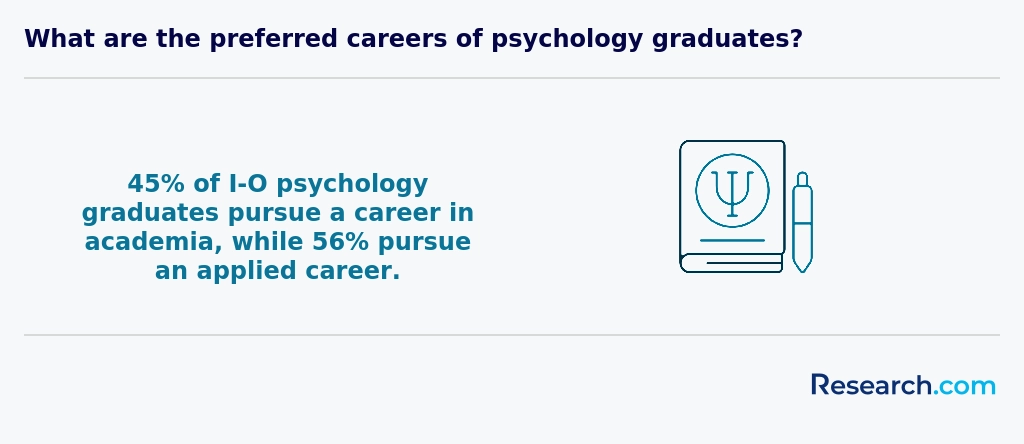
As the field of psychology evolves alongside rapid technological advancements and societal changes, understanding emerging trends is crucial for both prospective and current students. Experts recommend staying informed about innovations such as telepsychology, data-driven mental health assessments, and interdisciplinary approaches that integrate technology with traditional therapeutic methods. For instance, with the growing popularity of areas like sports psychology, many students are exploring financial opportunities in the field, including insights on the sports psychology salary, which reflects the increasing demand for specialized expertise. This section provides practical tips from industry leaders on navigating career transitions, choosing the right sub-specialization, and building a skill set that aligns with future job market trends. Graduates also emphasize the importance of continuous learning and networking through professional organizations and industry events, ensuring they remain competitive and relevant in a dynamic landscape. Embracing a proactive approach can help emerging psychologists not only adapt to change but also shape the future of their profession.
If you're diving into a psychology degree in East Lansing, you'll find plenty of financial aid options that can really ease the money stress. Students at Michigan State University often share how federal aid, like Pell Grants, was a lifesaver because it doesn't need to be paid back. Plus, there are federal loans with low interest, including special Graduate PLUS loans for those tackling advanced degrees.
State programs also pitch in, especially for Michigan residents. Many students took advantage of the Michigan Competitive Scholarship and the Tuition Incentive Program - these helped cut costs when tuition felt overwhelming.
At MSU, psychology students frequently land scholarships and assistantships. Imagine getting a research assistantship that not only covers your tuition but also gives you a stipend - that's a double win and pretty common around here. Local organizations and national psychology groups also toss in private scholarships, which many grads say made a big difference in pursuing specialized interests.
Overall, folks studying psychology in East Lansing are pretty lucky to have a mix of options, so applying early for FAFSA and hunting down these scholarships can really pay off.
After earning your psychology degree, you must secure state licensure to practice clinically. Michigan’s main requirements include:
- Completion of an APA-accredited doctoral program (PhD or PsyD).
- A minimum of 3,000 supervised postdoctoral practice hours.
- Passing the national Examination for Professional Practice in Psychology (EPPP) and Michigan’s jurisprudence assessment.
- Submission of your application, official transcripts, supervision verification, and fees to the Michigan Board of Psychology.
Counseling and school psychologists follow similar pathways under Michigan’s Department of Education. Choosing programs with integrated practicum and exam-prep support-such as many online psychology programs-can help you meet these requirements efficiently.
If you're thinking about diving into a psychology degree in East Lansing, you'll want to start with a solid high school diploma or something similar like a GED. Many folks applying to Michigan State University or other local schools share that having a strong background in science-think biology and chemistry-really helps you feel confident during those first tough courses. Plus, getting decent SAT or ACT scores can give you a helpful boost when applying.
For those aiming higher with a graduate program, it's all about that completed bachelor's degree, ideally in psychology or a related field like sociology. Graduates often mention how important it was to have finished core classes like stats and research methods before jumping into grad school challenges. A GPA around 3.0 is usually the sweet spot, along with letters of recommendation and a thoughtful statement of purpose to show you're passionate.
Many grads also highlight how having some hands-on research or clinical experience gave them real confidence, making classes and future jobs feel a lot more doable and exciting.
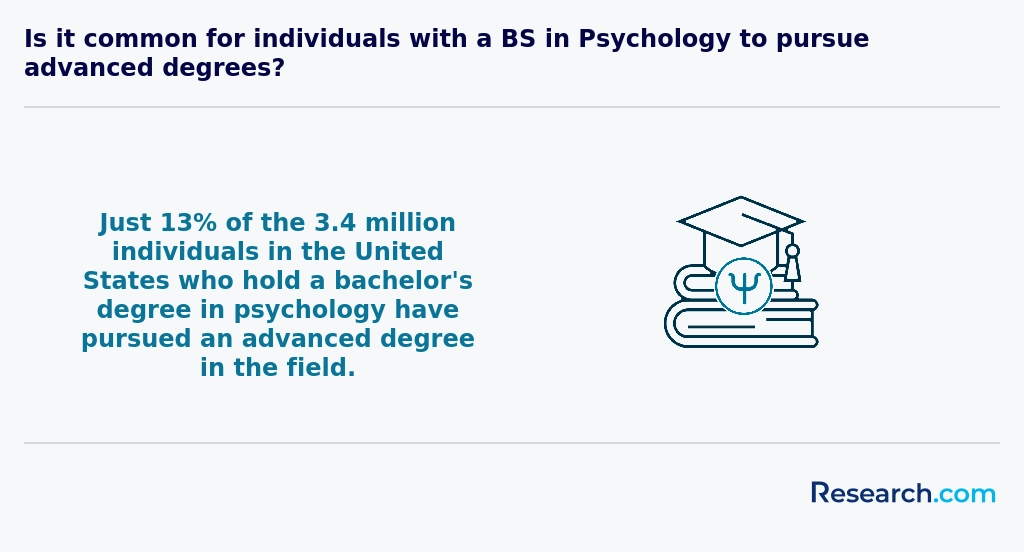
When considering a psychology degree in East Lansing, MI, one crucial aspect to explore is the financial investment required. Understanding the costs and available financial aid can help prospective students make informed decisions about their education. For those seeking an affordable option, visiting the cheapest psychology school in michigan can provide valuable insights into cost-effective education without compromising on quality. Financial planning is essential, as tuition, living expenses, and additional costs can Accumulate. Students should research and explore various financial aid options, including scholarships, grants, and federal loans, to minimize debt and ensure they can focus on their studies without financial strain. By carefully considering these factors and planning ahead, psychology students in East Lansing can navigate their educational journey with confidence and set themselves up for success in their future careers.
Studying psychology in East Lansing usually kicks off with core courses like General Psychology, Developmental Psychology, and Biological Psychology. Imagine sitting in your first classes at Michigan State University, getting excited as you learn what makes people tick-from how babies develop emotions to the basics of brain functions. It feels like laying down the building blocks for all the cool stuff you'll explore later.
As you move forward, things get even more interesting. Graduates often mention how Abnormal Psychology opened their eyes to mental health struggles, while Cognitive Psychology got them fascinated by how memory and problem-solving work. Social Psychology classes helped many understand everyday interactions better-think about why someone might behave differently in a group versus alone.
Research Methods and Statistics might sound tricky, but East Lansing students find these crucial when designing experiments or working on projects. Plus, hands-on labs or internships-often part of programs here-make it real, like applying those skills in a counseling setting or a research lab. It's this mix of theory and practice that makes psychology degrees here feel super rewarding and surprisingly relatable.

When you dive into a psychology degree specializations in East Lansing, you'll find a bunch of cool options. For example, clinical psychology is a favorite for many students at Michigan State University, where grads get hands-on experience diagnosing and helping people with mental health challenges. Others love the vibe of cognitive psychology, digging into how memory and attention work through lab research. It's pretty common to see students excited about industrial-organizational psychology, applying what they learn right to local businesses around East Lansing, which really boosts career-ready skills.
Then there's child and adolescent psychology, perfect if you're into working with kids in schools or hospitals. Plus, you'll find some great East Lansing psychology programs concentration options like health psychology, social psychology, and neuropsychology, adding even more flavor to your studies. A lot of grads talk about how these specializations feel super relevant and practical for real-world jobs.
If you're curious about further studies, check out the psychology graduate programs in Alabama as some students explore options beyond Michigan too.
Picking the best psychology degree programs East Lansing has to offer means thinking about what really matters to you. Many grads from Michigan State University mention how important accreditation was for their peace of mind, especially knowing their degree met professional standards. Plus, they loved that MSU offers hands-on opportunities through internships and community partnerships, making learning feel real and exciting.
Cost is also a big deal. East Lansing offers affordable psychology colleges with in-state tuition around $11,000, which helped many local students manage expenses without drowning in debt. Financial aid and assistantships are often game changers here if you look for them early.
Also, if you're curious about specific fields-like clinical or cognitive psychology-it pays to check out programs that match your interests and faculty expertise. Some students discovered that focusing on sports psychology career paths made their studies a lot more engaging, connecting classroom theory with real-life passions.
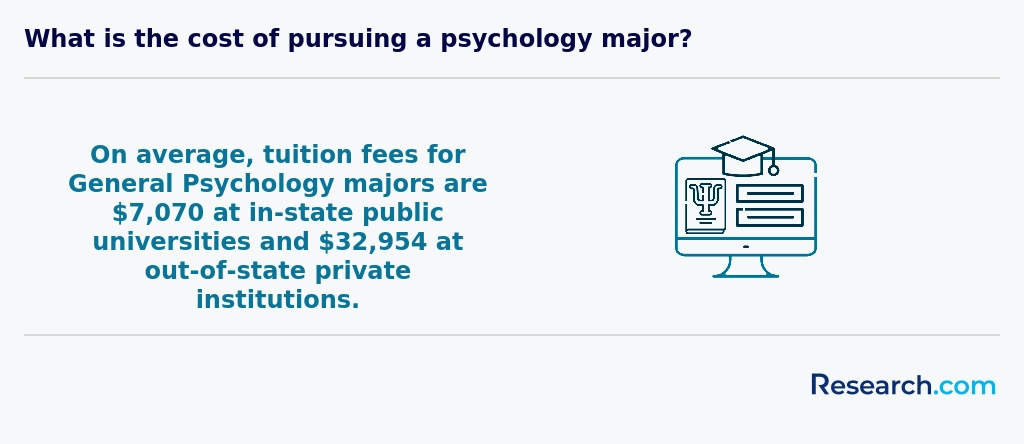
If you're thinking about a psychology degree careers in East Lansing, you'll find plenty of paths to explore. Graduates from local schools, like those near Michigan State University, often move into roles as licensed psychologists, offering counseling or clinical support in hospitals and clinics. Many share how rewarding it feels to help people navigate tough times, which makes the extra training and certification worth it.
Others dive into school psychology, working alongside teachers to support students' mental health and learning, a growing need in the community. There's also industrial-organizational psychology, where grads help local businesses boost employee productivity-imagine turning workplace stress into teamwork and success.
Research jobs attract some graduates, letting them study human behavior in labs or government agencies, building on the strong foundation from East Lansing's colleges. Plus, you might find work as a human resources specialist or substance abuse counselor, roles that really connect psychology with real-life impact.
For those ready to start without breaking the bank, check out the cheapest psychology school in michigan near East Lansing to kick off this exciting journey.
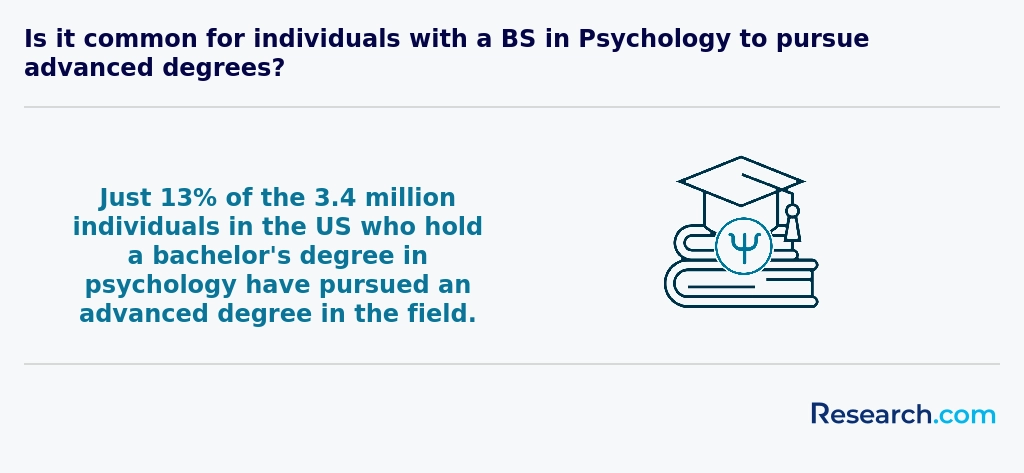
If you're looking at the psychology degree job market East Lansing has, you're in a pretty good spot. Graduates from Michigan State University often land roles in mental health services around the Lansing area, thanks to a solid network of hospitals and clinics. It's not just clinical work, though-some grads find rewarding gigs as research assistants or in educational psychology within local schools, where they get to make a real difference in student development.
Many students talk about how internships and practicum opportunities around East Lansing helped them get hands-on experience, which employers love. Plus, there's a steady demand for psychology grads in human resources and organizational roles at local businesses and government offices. It's a balanced job scene, offering plenty of room to grow and explore your interests.
For anyone curious about what salaries look like, starting positions often range between $40,000 and $50,000, with experienced psychologists earning closer to $82,000 in Michigan. To check out more specific data like a sports psychology salary, students can explore targeted career paths here.
Overall, if you're focused on East Lansing psychology career opportunities, the local scene supports a variety of roles that can suit different interests and goals.
2027 Best Psychology Degree Programs Ranking in East Lansing
Investing in your education is a significant decision that can shape your future, and the Research.com team understands the importance of making informed choices. To assist prospective students in East Lansing, we have meticulously crafted the "2027 Best Psychology Degree Programs Ranking in East Lansing." Our commitment to quality, credibility, and accuracy is reflected in the extensive research and analysis conducted to compile this ranking.
We utilized the following reputable data sources to ensure a comprehensive evaluation of psychology degree programs:
By exploring this ranking, readers will gain valuable insights into the best psychology degree programs available in East Lansing, helping them make well-informed decisions about their educational paths. For more details on our methodology, please visit our Research.com methodology page.

Frequently Asked Questions About psychology
Psychology degree students in East Lansing can maximize their learning by actively engaging in research opportunities offered by local universities, such as Michigan State University. MSU hosts numerous labs where undergraduates and graduates participate in faculty-led projects, providing practical experience beyond classroom theory.
Joining psychology clubs and attending seminars enhances networking with peers and professionals, which is crucial for career advancement. Internships at nearby mental health facilities or research centers allow students to apply psychological concepts in real-world settings.
Additionally, students should utilize East Lansing's library resources and databases like PsycINFO to stay current with the latest psychological studies, as recommended by the American Psychological Association.
Emerging niches within the psychology field are gaining attention among students pursuing degrees in East Lansing. One rapidly growing area is neuropsychology, which explores brain-behavior relationships, important due to advances in brain imaging technology. Clinical neuropsychologists in Michigan are expected to see above-average job growth through 2030, according to the U.S. Bureau of Labor Statistics.
Another niche is health psychology, focusing on how psychological factors affect physical health. With increasing healthcare integration in Michigan, demand for professionals in this field is rising.
Additionally, industrial-organizational psychology is expanding, especially as Michigan companies seek experts to improve workplace productivity and well-being.
After completing a psychology degree in East Lansing, preparing for the job market involves several strategic steps. Graduates should leverage local resources such as the Michigan State University Career Services, which offers workshops and counseling tailored to psychology students. Gaining practical experience through internships or research assistantships in the area can significantly enhance employability. According to the U.S. Bureau of Labor Statistics, the demand for psychology-related jobs in Michigan is expected to grow by 6% through 2030.
Networking is essential; attending regional conferences or joining local chapters of psychological associations helps build professional connections. Additionally, pursuing relevant licenses or certifications increases job prospects in clinical or counseling roles. Staying informed about psychological trends in East Lansing's health and education sectors also guides career choices effectively.
Employers seeking psychology degree graduates in East Lansing prioritize strong communication skills. Graduates must effectively convey complex psychological concepts to diverse audiences, including clients and healthcare teams. Analytical thinking is also vital, enabling professionals to interpret data and apply evidence-based methods.
Knowledge of research methods and statistical analysis is highly valued, as it supports informed decision-making in clinical and organizational settings. According to the Bureau of Labor Statistics, strong research skills increase employability in the Lansing metropolitan area, which includes East Lansing.
Additionally, empathy and ethical judgment are critical for working with varied populations. Employers also look for adaptability and teamwork abilities to navigate multidisciplinary environments common in healthcare and education sectors.
Finding psychology internships in East Lansing involves leveraging local educational institutions and community resources. Michigan State University (MSU) plays a central role, as it offers numerous internship opportunities through its psychology department, including placements in clinics, research labs, and community organizations.
Students should consult MSU's Career Services and the College of Social Science, which frequently posts internship openings tailored for psychology majors. Additionally, local hospitals such as Sparrow Health System and counseling centers often accept interns for practical experience.
Networking through faculty advisors and attending psychology-related workshops and events in East Lansing can also increase internship prospects. The local job boards and the state's Michigan Works! agency provide listings specific to the area.
A psychology degree in East Lansing offers significant career mobility and advancement opportunities within the local job market. Given East Lansing's proximity to Michigan State University, graduates benefit from strong ties to research institutions and healthcare organizations. According to the U.S. Bureau of Labor Statistics, employment of psychologists is projected to grow 8% nationally from 2021 to 2031, reflecting rising demand.
Locally, East Lansing's expanding healthcare sector and educational services provide diverse roles ranging from clinical psychology to human resources. A bachelor's or master's degree in psychology often serves as a foundation for advanced professional licensure or doctoral programs, which are essential for clinical positions.
Networking through university programs and internships enhances career advancement, as employers in East Lansing typically seek candidates with both academic credentials and practical experience. This combination supports movement into leadership or specialized roles over time.
Studying for a psychology degree in East Lansing equips students with skills applicable across various disciplines. Programs often emphasize research methods, critical thinking, and communication, all essential for interdisciplinary collaboration. At institutions like Michigan State University, students can engage in cross-departmental projects that combine psychology with fields such as neuroscience, education, and social work.
The curriculum typically includes courses on cognitive science, behavioral analysis, and human development, fostering a broad understanding beyond psychology alone. According to the National Center for Education Statistics, East Lansing's psychology graduates frequently pursue careers in healthcare, business, and public policy, illustrating the degree's versatility.
Such programs also encourage internships and community involvement, further enhancing practical experience in diverse settings.
When choosing between a thesis and a non-thesis psychology degree program in East Lansing, consider your career goals and learning preferences. A thesis program requires original research, ideal for students aiming to pursue doctoral studies or research careers. It provides hands-on experience in experimental design and data analysis. Non-thesis options focus more on coursework and practical skills, suited for those targeting professional roles like counseling or applied psychology. According to the Michigan State University Graduate School, about 60% of psychology master's students in East Lansing opt for thesis tracks when planning academic careers. Evaluating program structure and faculty expertise helps in making an informed choice.
Students based in East Lansing interested in studying psychology abroad have several options through their local institutions. Michigan State University (MSU), the city's primary university, offers numerous study abroad programs that include psychology coursework. These programs allow students to earn credits while exploring international perspectives on mental health and behavioral sciences.
The university partners with schools in Europe, Australia, and Asia, providing access to diverse research environments. According to MSU's 2023 study abroad report, over 2,000 students participate annually, with a significant portion enrolling in social sciences and psychology-related fields.
Additionally, students can pursue internships or research projects abroad via MSU's Global Programs Office, enhancing practical experience while gaining academic credit.
East Lansing offers various part-time job opportunities that complement psychology degree education. Many students find positions as research assistants at Michigan State University, contributing to ongoing psychology studies. These roles provide practical experience in data collection and analysis, vital for developing research skills. Additionally, local mental health clinics often seek part-time intake coordinators or administrative aides, allowing students to observe clinical practices and client interaction.
The growing demand for mental health services in Michigan supports internships and part-time roles in counseling centers. According to the Bureau of Labor Statistics, psychology-related jobs in Michigan are expected to grow by 8% through 2031, highlighting expanding opportunities for students seeking applied experience.
Volunteer roles in community outreach programs focused on mental health awareness also offer valuable exposure and networking possibilities within East Lansing's psychological services sector.
Psychology students in East Lansing benefit from robust networking opportunities, largely supported by Michigan State University (MSU), a leader in psychological research and education. MSU's Department of Psychology hosts regular events such as guest lectures, workshops, and career fairs that connect students with faculty, alumni, and professionals. According to MSU's Career Services, over 75% of psychology undergraduates participate in internships or research assisting, enabling direct industry connections.
Local organizations, including mental health clinics and research centers in the Lansing metropolitan area, frequently collaborate with MSU, providing additional networking through volunteer work and applied projects. Students also have access to regional psychology associations' meetings, offering valuable platforms to expand professional contacts.
Alumni networks offer valuable support to psychology degree students in East Lansing by providing access to professional connections and mentorship opportunities. Graduates from local institutions, such as Michigan State University, often stay engaged through organized events and online groups. This fosters collaboration and guidance for current students navigating internships and job placements. According to the MSU Alumni Association, over 80% of their alumni report that networking helped secure employment after graduation. These connections can lead to research opportunities, internships in clinical and counseling settings, and referrals within Michigan's psychology community. Such benefits enhance both academic growth and career prospects.
Students pursuing a psychology degree in East Lansing can tailor their education to match their specific career goals through elective choices and specialization tracks. Many institutions, including those in East Lansing, offer options in clinical, developmental, or industrial-organizational psychology. Selecting electives aligned with your interests helps build relevant skills for your desired career path.
Additionally, internships and research assistant roles are commonly available, providing hands-on experience. According to the National Center for Education Statistics, psychology programs in Michigan report over 70% of students engaging in applied learning opportunities, which can enhance job prospects after graduation.
Advisors in East Lansing universities often guide students to plan coursework strategically, ensuring alignment with licensure requirements or graduate study ambitions.
Psychology students in East Lansing often face several common challenges related to academic rigor and practical training requirements. The coursework typically involves heavy reading loads, demanding statistical and research methods classes, which many students find difficult. According to data from the National Center for Education Statistics, students in psychology programs nationwide report stress linked to balancing theory, research, and hands-on experiences.
Moreover, East Lansing students frequently encounter competition for internships and lab positions, crucial for gaining practical skills. With Michigan State University as the primary institution, the high demand for these opportunities can create bottlenecks. Time management, along with maintaining GPA standards for graduate school applications, adds further pressure. Mental health concerns among psychology students are also notable, with rising awareness and support services being developed locally to address them.
With a psychology degree in East Lansing, you can pursue various professional certifications to enhance your career prospects. Common options include becoming a Licensed Psychological Associate (LPA) or Licensed Professional Counselor (LPC), both requiring additional supervised hours and state examinations. The Michigan Board of Psychology oversees licensing in the state, ensuring candidates meet educational and practical standards.
Specialized certifications, such as Certified Addictions Counselor (CAC) or Board Certified Behavior Analyst (BCBA), are also attainable with a psychology background. These certifications can improve job opportunities in clinical, counseling, or behavioral analysis fields. According to the Michigan Department of Licensing and Regulatory Affairs, demand for licensed mental health professionals in East Lansing is expected to grow by 12% through 2030.
To write a winning application for a psychology program in East Lansing, begin by highlighting your academic achievements, especially in relevant coursework such as biology, statistics, and introductory psychology. Admissions committees at local institutions, including Michigan State University, value a strong GPA, typically above 3.5 in major-related subjects.
Include a compelling personal statement that clearly explains your motivation for studying psychology and your career aspirations. Demonstrating understanding of the field's scope and research trends strengthens your case.
Request recommendation letters from professors or professionals who can attest to your research skills and commitment. If possible, mention any relevant internships or volunteer work in mental health settings.
Finally, carefully follow the application instructions and meet all deadlines to ensure your submission is fully considered. According to U.S. News & World Report, East Lansing's psychology programs are competitive, making thorough preparation essential.
A psychology career offers diverse opportunities worldwide, with a strong emphasis on research, clinical practice, and counseling. In the US, including East Lansing, psychology graduates benefit from a well-established educational system and professional licensure pathways. For example, Michigan State University in East Lansing is known for integrating global psychological theories with local community applications.
Globally, psychology practices vary due to cultural differences but share core principles recognized by the American Psychological Association (APA). Job growth for psychologists in the US is projected at 8% from 2021 to 2031, according to the Bureau of Labor Statistics, reflecting steady demand.
For East Lansing students, earning a psychology degree opens doors to careers influenced by global research developments while meeting US standards for education and licensing.
Students pursuing a psychology degree in East Lansing can gain practical experience through several local opportunities. Many programs encourage participation in internships at nearby hospitals, counseling centers, and community organizations. For example, Michigan State University's psychology department offers internship placements that provide hands-on training in clinical and research settings. According to the U.S. Bureau of Labor Statistics, about 64% of psychology bachelor's students engage in internships, which enhance employability.
Additionally, students may assist faculty-led research projects, gaining skills in data collection and analysis. Volunteering at local mental health organizations is another way to build experience while contributing to the community.
Choosing the right concentration within a psychology degree program in East Lansing begins with understanding your career goals. Psychology offers various paths such as clinical, developmental, cognitive, or industrial-organizational fields. It's important to research local programs, many of which offer specialized tracks tailored to regional workforce needs. For instance, Michigan State University in East Lansing provides concentrations in areas like neuroscience and community psychology, reflecting current research trends reported by the National Center for Education Statistics.
Consider the available faculty expertise and research facilities, as both impact your learning experience and opportunities for internships. Reviewing program curricula and talking to advisors can help clarify which concentration aligns best with your interests and job prospects in Michigan's growing healthcare and social services sectors.
- 2027 Best Psychology Degree Programs Ranking in Detroit
- 2027 Best Psychology Degree Programs Ranking in Notre Dame
- 2027 Best Psychology Degree Programs Ranking in Fort Wayne
- 2027 Best Psychology Degree Programs Ranking in Chicago
- 2027 Best Psychology Degree Programs Ranking in Indianapolis
- 2027 Best Psychology Degree Programs Ranking in Louisville
- 2027 Best Psychology Degree Programs Ranking in Saint Louis
- 2027 Best Psychology Degree Programs Ranking in Saint Paul
- 2027 Best Psychology Degree Programs Ranking in Minneapolis
- 2027 Best Psychology Degree Programs Ranking in Washington
See What Experts Have To Say About Studying Psychology
Read our interview with Psychology experts

Catherine Caldwell-Harris, Ph.D.
Psychology Expert
Associate Professor of Psychology
Boston University

Robin M. Kowalski. Ph.D.
Psychology Expert
Professor of Psychology
Clemson University

Joann Farrell Quinn, Ph.D., MBA
Psychology Expert
Director at the College of Medicine Department of Medical Education
Morsani College of Medicine

- 10 High-Paying Jobs with a BS in Psychology | University of Bridgeport https://www.bridgeport.edu/news/high-paying-jobs-with-a-bachelors-in-psychology-degree/
- Who We Are | Comprehensive Psychological Services, PC - East Lansing, Michigan https://www.comprehensivepsychologicalservices.net/who-we-are
- Mental Health Challenges Faced by Psychology Students | The Healthcare Guys https://healthcareguys.com/2023/11/23/mental-health-challenges-faced-by-psychology-students/
- Psychology Schools in Michigan | Psychology Degree Guide https://psychologydegreeguide.org/state/michigan/
- Bachelor's Psychology at Michigan State University https://www.studentstraffic.com/ba-psychology-michigan-state-university-fees
- How To Find Psychology Internships https://www.psychology.org/resources/how-to-find-an-internship/
- Elementary High School School Psychologist | East Lansing, Michigan | Sunbelt Staffing https://www.sunbeltstaffing.com/jobs/schools-school-psychologist-east-lansing-mi/hc/e2864-48823/j/
- Lansing Psychological Associates, Inc. (LPA) https://www.lansingpsych.net/
- Know more about thesis vs non- thesis: what is the difference? https://studyfans.com/en/blogs/816
- Alumni Perspectives - Meet Our FPN Alumni https://www.aanmelder.nl/alumni-perspectives-june-2023


