2027 Most Popular Psychology Degree Programs Ranking in Ann Arbor

Co-Founder and Chief Data Scientist
Choosing the right psychology degree program can feel overwhelming, especially with so many options in Ann Arbor. To help you navigate this important decision, our article presents the 2027 Most Popular Psychology Degree Programs Ranking in Ann Arbor, created by the Research.com team of data scientists.
This ranking offers clear insights into which programs stand out, making it easier for you to find one that fits your goals and interests.
Pursuing a psychology degree opens doors to meaningful careers and personal growth. Reading this article empowers you to make a confident, informed choice about your future.
Key benefits of getting psychology degree in Ann Arbor
- Psychology degree graduates can pursue rewarding jobs like Human Resources Specialist with a mean annual wage of $76,060 or Marketing Research Analyst earning about $83,190, offering strong salary potential.
- Graduates from the University of Michigan in Ann Arbor often explore diverse careers such as clinical research or survey research, benefiting from a versatile degree that opens many professional doors.
- Completing a psychology degree online from a university in Ann Arbor provides flexibility and convenience, allowing graduates to balance work or family while gaining valuable skills for impactful careers.
- 2027 Most Popular Psychology Degree Programs Ranking in Ann Arbor
- What can I expect from psychology degree in Ann Arbor?
- Where can I work with psychology degree in Ann Arbor?
What can I expect from psychology degree in Ann Arbor?
Expect to pay around $17,000 per year in tuition if you qualify as an in-state student at the University of Michigan, one of Ann Arbor's top schools for psychology. Graduate students often find assistantships and scholarships that help offset these costs, making advanced psychology degrees more affordable. Out-of-state students, however, should prepare for significantly higher tuition fees, which can influence budgeting decisions.
Many graduates recall balancing coursework with paid research assistant positions, which not only provided practical experience but also eased financial pressures. For example, students working in the University of Michigan Psychology Clinic gained clinical hours while receiving financial support. This hands-on approach helped them feel confident and prepared for licensure exams and future roles.
Considering cost from day one is crucial. Planning for potential fees, housing, and materials alongside tuition lets you manage expenses proactively. The competitive tuition at Ann Arbor's leading universities is offset by strong job prospects, as alumni frequently secure licensed clinical roles in hospitals and schools across Michigan.
Where can I work with psychology degree in Ann Arbor?
Graduates with a psychology degree from the University of Michigan in Ann Arbor often find rewarding careers in healthcare, education, research, and social services. For example, many begin as mental health counselors or clinical psychologists within local hospitals like the University of Michigan Health System, where they gain hands-on experience providing patient care and developing treatment plans. This practical exposure encourages confidence in addressing real-world mental health challenges.
Others pursue positions in education, working as school psychologists or counselors in Ann Arbor Public Schools. These roles allow graduates to support student well-being daily, making a visible difference in young lives. Additionally, research assistant positions at the university offer graduates a chance to deepen their expertise, preparing them for academic careers or specialized therapeutic roles.
Community mental health agencies and nonprofits also employ psychology graduates, engaging them in program coordination and outreach to vulnerable populations. However, many of these roles require further licensure or advanced degrees, so planning ahead to pursue a master's or doctoral program can expand your job prospects and professional independence in Michigan.
Graduates with a psychology degree from Ann Arbor's well-regarded universities often find a variety of salary outcomes depending on their chosen role. For instance, someone stepping directly into a Human Resources Specialist position, a common path for psychology grads, can expect a mean annual wage around $76,060, offering a solid starting income in many local companies.
A graduate pursuing roles like Marketing Research Analyst could see mean salaries near $83,190, reflecting demand for analytical skills combined with psychology knowledge in business settings. These positions, often found in Ann Arbor's thriving tech and business sectors, allow graduates to leverage their degree in practical, well-paying ways.
Younger graduates starting as Clinical Research Associates or Survey Researchers may earn approximately $62,370 annually. These roles, popular among graduates from programs at the University of Michigan, provide valuable experience in research and data analysis, with potential growth as expertise deepens.
By considering these figures and career options early, psychology students in Ann Arbor can plan effectively, aligning education with local job markets to maximize both job satisfaction and earning potential.
- Ann Arbor offers psychology degrees through well-known institutions like the University of Michigan with programs in clinical psychology, cognitive science, and neuroscience.
- Annual tuition for in-state students at public universities averages between $16,000 and $18,000, while out-of-state students pay around $50,000 per year.
- Entry-level salaries for psychology graduates typically range from $40,000 to $50,000 annually, with mid-career professionals earning $75,000 to $90,000.
- Job opportunities exist in hospitals, mental health clinics, academic institutions, and private practices, supported by a strong health care and research sector.
- Students benefit from local internships and professional networks that provide practical experience and improve employment prospects.
Completing a psychology degree in Ann Arbor typically means budgeting about four years for a bachelor's degree. Graduates from schools like the University of Michigan describe balancing core psychology courses, general education, and electives while occasionally fitting in internships or research. This practical experience feels rewarding but usually doesn't extend the timeline if taken alongside traditional coursework.
If you aim for a master's degree, expect to invest two to three years. Students often find this period intense yet exciting, diving deeper into research and specialized topics. Many appreciate the focused learning and mentorship within Ann Arbor's graduate programs, which sharpen skills for either doctoral study or applied roles.
Doctoral degrees like the PhD or PsyD are a significant commitment, often spanning five to seven years. Those who have completed these programs share that the journey includes rigorous coursework, clinical practica, and dissertation research that shapes their expertise and confidence in the field.
- University of Michigan–Ann Arbor (Rank #1): flagship BA, MA, PhD programs with cutting-edge research labs and high faculty-to-student mentorship.
- Concordia University Ann Arbor (Rank #2): MS in Counseling blending online theory with hands-on practicum at local clinics.
- University of Michigan–Flint (Rank #3): BA in Psychology featuring accelerated online courses, career coaching, and small cohort sizes.
- Eastern Michigan University–Ann Arbor Center (Rank #4): BS in Behavioral Science with community internship placements and flexible scheduling.
- Washtenaw Community College (Rank #5): AS in Science offering a cost-effective foundation and guaranteed transfer agreements to four-year institutions.
Prospective graduate students seeking cost-effective options can explore affordable online masters in psychology.
Choosing between online and on-campus psychology degrees in Ann Arbor boils down to your lifestyle and learning preferences. On-campus programs, such as those offered by the University of Michigan, immerse you in vibrant campus life with direct access to faculty, research labs, and peer interactions. Graduates often recall how joining discussions in a classroom or collaborating in cognitive psychology labs sparked inspiration and built lasting professional connections.
By contrast, online degrees provide unmatched flexibility, ideal if you juggle work or family commitments. You'll engage with course materials through video lectures and virtual discussions, similar to what many students now appreciate for fitting study around their busy days. Still, completing practical experience locally or via hybrid models ensures you meet APA accreditation requirements.
Cost is another practical factor. Local students aim for hands-on learning but should budget around $30,000 to $35,000 per year for on-campus expenses, including housing. Online learners often reduce costs to roughly half since room and transport aren't factors. Both paths cover core psychology topics, so your choice depends on balancing budget, learning style, and how much campus community matters to you.
Accredited psychology programs in Ann Arbor ensure academic rigor, ethical standards and eligibility for state licensure or graduate study.
- American Psychological Association (APA): required for clinical and counseling degrees leading to licensure
- Higher Learning Commission (HLC): regional accreditation validating overall academic quality
- Council for Accreditation of Counseling and Related Educational Programs (CACREP): endorsement for counseling specializations
- Michigan Board of Psychology: mandates graduation from an accredited program for licensure examination eligibility
Prospective students, including those seeking flexible paths, should confirm program accreditation. For online options that align with these requirements, consider exploring most affordable accredited online psychology degrees.
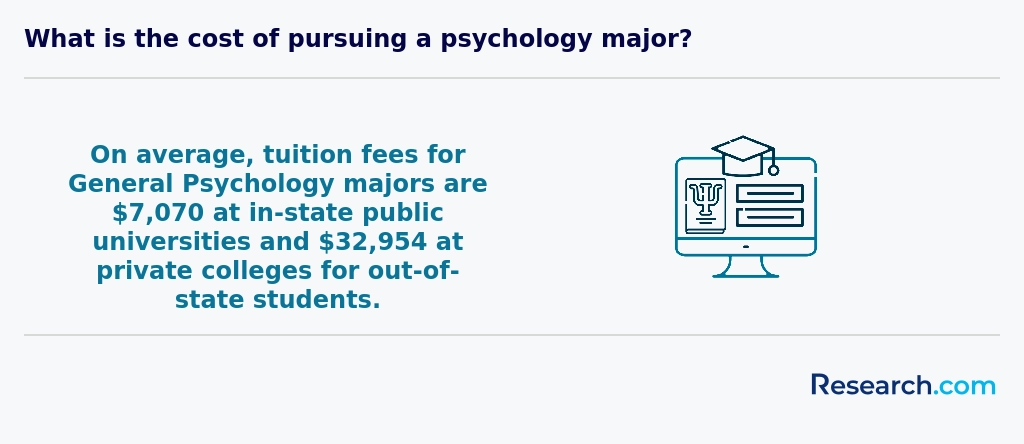
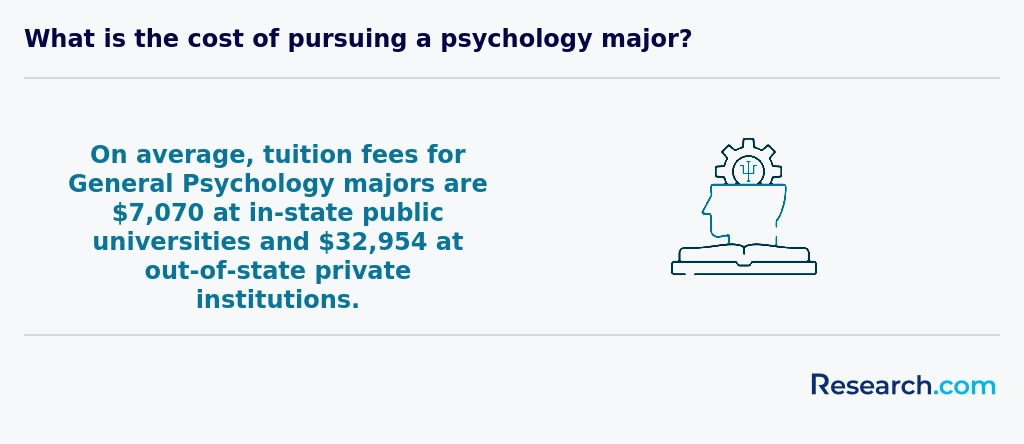
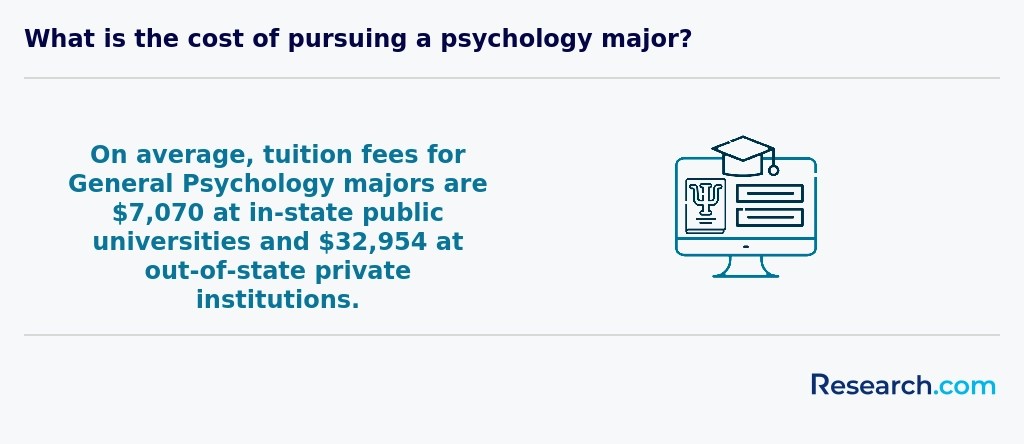
The average cost of obtaining a psychology degree in Ann Arbor typically centers around $77,432 for the entire program, providing a clear figure for planning your educational expenses. For in-state students, the median total cost is significantly lower, around $17,736, reflecting the substantial tuition savings when qualifying for resident rates at institutions like the University of Michigan. Graduates often describe managing these costs as a balancing act between tuition, fees, and additional living expenses.
Many psychology students at popular colleges in Ann Arbor experience firsthand how additional costs-such as textbooks, supplies, and housing-can quickly add up. For example, room and board may cost about $12,000 per year, while textbooks and materials can range between $1,000 and $1,500 annually. Understanding this breakdown is crucial for students who want to budget effectively over the course of their degree.
Prospective students looking closely at psychology degree tuition and fees Ann Arbor should also explore financial aid options. Many graduates report that scholarships, grants, and assistantships significantly ease the financial burden, especially in graduate psychology programs where stipends may be available. Exploring the most popular psychology programs in Ann Arbor can reveal specific opportunities tailored to help finances.
Choosing an APA-accredited program is essential to ensure your degree meets state licensure standards and qualifies you for professional practice. Accreditation by the American Psychological Association (APA) or regional bodies like the Higher Learning Commission confirms that a program’s curriculum, faculty, and clinical training adhere to rigorous quality benchmarks. Before applying, verify each Ann Arbor institution’s accreditation status via the U.S. Department of Education’s database or the APA’s official list. After graduation, aspiring psychologists must complete a supervised internship or practicum-typically 1,500–2,000 hours-followed by the Examination for Professional Practice in Psychology (EPPP). State boards may also require additional jurisprudence exams or oral interviews; Michigan candidates should consult the Michigan Board of Psychology for specific regulations. For careers in counseling or therapy, a master’s in counseling psychology often necessitates a similar supervised hours requirement and the National Counselor Examination (NCE). If you’re exploring alternative routes into clinical practice, the guide on i want to become a therapist outlines pathways for those without a traditional psychology degree. Continuing education is another cornerstone of licensure maintenance. Most states mandate 20–30 hours of approved coursework every two years, covering ethics, cultural competency, and emerging treatment modalities. Staying current with APA or state board newsletters ensures you meet renewal deadlines and uphold professional standards. By understanding accreditation and licensure processes upfront, prospective students can select programs that directly support their career goals and streamline the path to independent practice.
If you're studying psychology in Ann Arbor, the first step is to complete the FAFSA to access federal aid like Pell Grants, which can provide up to $7,395 per year without needing repayment. Many psychology students at the University of Michigan have found that combining these grants with subsidized federal loans keeps their loan debt manageable while focusing on tough coursework.
Next, explore Michigan's state-specific aid programs, such as the Michigan Competitive Scholarship and the Tuition Incentive Program. These help reduce costs for residents attending public universities, including U-M's respected psychology programs. Many local students have described this state aid as a crucial financial lifeline, allowing them to concentrate on research and internships instead of juggling multiple jobs.
Also, investigate departmental scholarships and assistantships. Psychology graduate students often secure teaching or research assistantships that not only provide tuition waivers but also offer valuable hands-on experience-something several alumni credit for boosting their career readiness and confidence.
Finally, don't overlook work-study options and external scholarships from organizations like the American Psychological Association, which provide vital extra funding while supporting community involvement and academic excellence.
As many psychology graduates look beyond their undergraduate and master’s degrees, pursuing a Doctorate in Psychology (PsyD) offers a pathway to specialized clinical practice and leadership roles in mental health and research. With the increasing demand for advanced training, numerous accredited institutions now provide flexible online options-such as a psyd degree online-designed to accommodate working professionals and those wishing to balance education with other commitments. These programs typically combine rigorous coursework, supervised clinical internships, and research projects that prepare graduates for dynamic career opportunities in a rapidly evolving field. When evaluating potential PsyD programs, prospective students should prioritize factors like accreditation, faculty expertise, and comprehensive support services to ensure a high-quality learning experience that aligns with their long-term career aspirations.
To enroll in a psychology degree in Ann Arbor, you'll first need a high school diploma or equivalent, focusing on English, math, and science courses. Graduates from the University of Michigan often share how these classes sharpened their critical thinking before diving into psychology.
Standardized test scores may be requested, but many local programs, including Michigan's, now offer test-optional admissions, reducing exam pressure. Having a competitive GPA, around 3.0 or higher, strengthens your application-this is a common benchmark reported by successful psychology students.
If transferring, expect to take introductory college courses or placement tests. These usually cover basic psychology or social sciences, essential before taking specialized classes. Letters of recommendation and personal statements help reveal your passion for psychology, something past students found helpful to stand out.
Finally, plan to complete foundational courses like biology and statistics early on. Graduates emphasize how mastering these subjects made later research-intensive courses clearer and more manageable at Ann Arbor's top institutions.
When considering a psychology degree in Ann Arbor, MI, one of the most critical decisions is choosing the right program that aligns with your career goals and personal interests. The city is home to a variety of institutions, each offering unique strengths and specializations in the field of psychology. To make an informed decision, prospective students should research the most popular psychology programs in the area, considering factors such as curriculum, faculty expertise, research opportunities, and clinical experiences. Understanding the differences between programs, including their approaches to teaching, research focus, and community engagement, can help students identify which environment will best support their academic and professional aspirations. Furthermore, evaluating the program's accreditation, graduate outcomes, and alumni networks can provide valuable insights into the potential return on investment. By carefully assessing these factors, students can select a psychology program that not only provides a comprehensive education but also sets them up for success in their future careers.
If you're pursuing a psychology degree in Ann Arbor, expect a curriculum packed with practical courses that build a strong foundation. Graduates from universities like the University of Michigan often highlight courses such as Introduction to Psychology, which lays out core theories and the broad scope of the field-perfect for understanding what psychology really entails.
Next, you'll dive into Research Methods and Statistics, crucial for analyzing studies and drawing meaningful conclusions, a favorite among students who enjoy hands-on data work. Biological Psychology or Neuroscience reveals how brain function shapes behavior, making concepts more tangible by connecting science to everyday mental processes.
Developmental Psychology and Social Psychology cover human growth and interactions, helping students relate theories to real-life family dynamics and social influences. Courses in Cognitive and Abnormal Psychology challenge you to explore memory, decision-making, and disorders, often discussed through case studies from clinical centers in Ann Arbor, ensuring lessons feel immediately relevant.
This structured approach equips Ann Arbor students with both knowledge and practical insight, making their degree experience engaging and deeply connected to the city's vibrant academic scene.
When exploring psychology degree specializations in Ann Arbor, students typically find options that align with their career goals and the research strengths of local institutions like the University of Michigan. Graduates from these programs commonly highlight clinical psychology as a pathway to directly help people with mental health disorders, reflecting the hands-on clinical internships available in Ann Arbor's medical and counseling centers. Others prefer cognitive psychology, diving into how memory and perception shape daily decisions, often engaging with cutting-edge research labs on campus.
Ann Arbor psychology program concentration options also include social psychology, perfect for those interested in understanding group dynamics and influence, and neuropsychology, where students connect brain activity patterns to behavior through practical lab work. Developmental psychology attracts students fascinated by human growth across life stages, while industrial-organizational psychology suits those aiming to improve workplace environments.
Students considering a variety of focuses should also examine options for engaging in research and internships; some pursue advanced training, including the psyd degree online, to deepen expertise and career flexibility.
Start by verifying the accreditation and reputation of programs in Ann Arbor, such as those at the University of Michigan, known for APA accreditation and strong research facilities. Graduates often highlight how this foundation made their degrees highly respected in the job market. Next, focus on specialization options-clinical, cognitive, or industrial-organizational psychology are common paths. Graduates who chose tracks aligned with their career goals felt more engaged and prepared for work or advanced study.
Affordable psychology degrees Ann Arbor options vary, so consider public universities' tuition and additional living costs, which can be higher here than in other Michigan cities. Several students balance cost and quality by seeking financial aid or part-time study. Look at faculty expertise for mentorship and hands-on research experiences that graduates found invaluable for skills and networking.
Finally, strong career support and alumni networks make a difference when applying for internships or jobs. Some graduates leveraged connections with local healthcare providers or businesses. If you i want to become a therapist without a psychology degree, explore these supports to find alternative paths.
Graduates pursuing a psychology degree career opportunities Ann Arbor find a variety of practical entry points into the workforce. Many start as behavioral health technicians in local hospitals or outpatient centers, gaining hands-on clinical experience. Others leverage their understanding of human behavior to work as human resources specialists in regional businesses, helping improve workforce dynamics. Some graduates use their psychology background to become market research analysts, applying consumer behavior insights to support companies in Ann Arbor's growing economy.
For those who continue with graduate studies at top programs like the University of Michigan, career options broaden significantly. Advanced degrees open doors to licensed clinical psychologist roles, where graduates provide therapy and assessments. School psychologists employ their skills in education settings to support mental health, while industrial-organizational psychologists optimize workplace efficiency and employee well-being.
This pragmatic approach to building your career can be supported by starting with foundational programs and exploring the best 6 month associate degree options to boost skills quickly. By choosing from these varied jobs with psychology degree Ann Arbor graduates often find rewarding, stable careers that directly impact their communities.
The job market for psychology degree holders in Ann Arbor is strong, thanks to its vibrant healthcare and academic sectors. Graduates from local universities often find opportunities in hospitals like Michigan Medicine, where clinical psychologists play key roles in mental health services. Others engage in research assistant positions or faculty roles, supported by funding for psychological studies at the University of Michigan. This variety makes the Ann Arbor psychology degree job opportunities Ann Arbor particularly appealing for those seeking diverse career paths.
Several graduates report starting as supervised counselors or research coordinators, gaining valuable experience while working toward licensure. Since licensed positions typically require a doctoral degree plus state exams, planning ahead is crucial. Many psychology students also choose to pursue the easiest master's degree to get to boost their credentials quickly and enter the workforce sooner. Graduates appreciate that even entry-level jobs in local schools and counseling centers offer a meaningful way to apply their skills.
Overall, the Ann Arbor psychology graduate employment outlook remains positive, combining competitive salaries with abundant job options in clinical, educational, and research settings.
2027 Most Popular Psychology Degree Programs Ranking in Ann Arbor
Investing in your education is a significant decision that can shape your future, and the Research.com team understands the importance of making informed choices. To assist prospective students in Ann Arbor, we have carefully developed the "2027 Most Popular Psychology Degree Programs Ranking in Ann Arbor." Our dedication to quality, credibility, and accuracy is demonstrated through thorough research and analysis behind this ranking.
We utilized the following reputable data sources to ensure a comprehensive evaluation of psychology degree programs:
By exploring this ranking, readers will gain valuable insights into the most popular psychology degree programs in Ann Arbor, empowering them to make well-informed educational decisions. For a detailed overview of our ranking process, please visit our Research.com methodology page.


Frequently Asked Questions About psychology
Psychology degree students in Ann Arbor can enhance their learning by actively engaging with the University of Michigan's renowned psychology programs, which consistently rank among the top 15 nationally according to U.S. News & World Report. Taking advantage of research opportunities, such as participating in faculty-led studies, allows hands-on experience that complements classroom instruction. Students should also consider internships or volunteer positions in local mental health clinics and organizations, helping apply theoretical knowledge in real-world settings. Joining campus organizations like the Psychology Undergraduate Student Association promotes networking and peer learning, crucial for academic and professional development.
Additionally, leveraging Ann Arbor's rich array of seminars and workshops offered by the university helps students stay current with emerging psychological research and methodologies. Utilizing campus resources, including counseling centers and academic support services, can further optimize both personal well-being and academic success. This multi-faceted approach fosters a well-rounded education tailored to the demands of modern psychology careers in the US.
The field of psychology is evolving rapidly, with several emerging niches gaining attention among students in Ann Arbor. One significant area is neuropsychology, where professionals study the relationship between brain function and behavior. The University of Michigan's research programs highlight strong growth in this specialization. Another growing niche is health psychology, focusing on how psychological factors affect physical health and illness management.
Additionally, industrial-organizational psychology is expanding as companies seek experts to improve workplace productivity and employee well-being. Ann Arbor's local job market shows a rising demand for specialists in this area, according to regional labor statistics. Lastly, environmental psychology that examines human interaction with surroundings is gaining momentum, reflecting broader societal concerns about sustainability and mental health.
Preparing for the job market after completing a psychology degree in Ann Arbor involves several strategic steps. Graduates should seek internships and research opportunities offered by local institutions such as the University of Michigan. These experiences enhance practical skills and improve employability.
Networking with Ann Arbor's professional psychology community is vital. Attending events hosted by the Michigan Psychological Association or local career fairs can connect students to employers and mentors. According to the U.S. Bureau of Labor Statistics, psychology-related jobs in Michigan are projected to grow 8% by 2030, signaling steady demand.
Enhancing credentials through certifications or graduate education also strengthens career prospects in clinical, counseling, or industrial-organizational psychology fields commonly available in the Ann Arbor area.
Employers in Ann Arbor highly value psychology graduates who demonstrate strong analytical skills. The ability to assess and interpret behavioral data is critical across clinical, educational, and organizational settings. According to the Bureau of Labor Statistics, employers prioritize candidates skilled in research methods and statistical analysis, as these are essential for evidence-based decision making.
Effective communication is another key skill. Psychology graduates must clearly convey complex concepts to diverse audiences, whether in counseling roles or human resources. Local healthcare providers in Ann Arbor emphasize adaptability and cultural competence to serve the city's increasingly diverse population.
Additionally, problem-solving and ethical judgment are frequently highlighted by Ann Arbor employers, reflecting the importance of responsible and innovative approaches in psychology careers.
Finding internships in Ann Arbor relevant to a psychology degree involves leveraging local university resources and community organizations. The University of Michigan, a major institution in Ann Arbor, offers a dedicated Career Center that lists psychology internship opportunities and provides workshops on application strategies.
Students can also explore placements at local hospitals, mental health clinics, and nonprofit organizations that frequently seek psychology interns. According to the American Psychological Association, hands-on experience through internships significantly enhances employment prospects after graduation.
Networking through campus events and joining psychology-related student groups can reveal less-advertised internships. Additionally, online platforms like Handshake often feature Ann Arbor-specific listings for psychology students.
A psychology degree can significantly enhance career mobility and advancement opportunities in Ann Arbor. The city's diverse economy, which includes healthcare, education, and research institutions, values skills gained through psychology programs such as critical thinking, communication, and data analysis. According to the U.S. Bureau of Labor Statistics, Ann Arbor's healthcare-related occupations are projected to grow by 15% through 2030, favoring candidates with psychological expertise.
Graduates from local universities often find roles in clinical settings, counseling, or human resources, which can lead to higher-level positions over time. Networking through Ann Arbor's active professional organizations also supports advancement.
Studying for a psychology degree in Ann Arbor offers strong interdisciplinary preparation due to the University of Michigan's integrated academic environment. The psychology programs emphasize collaboration across fields such as neuroscience, public health, education, and social work. Students engage in research projects that combine psychological theory with data science, biology, and behavioral economics, enhancing skills relevant to diverse careers.
According to the University of Michigan's Office of Institutional Research, over 30% of psychology undergraduates participate in interdisciplinary research annually. This practical experience is supported by faculty from various departments, fostering versatile problem-solving abilities.
Such interdisciplinary training equips graduates for roles in healthcare, technology, and policy, reflecting trends in workforce demand highlighted by the U.S. Bureau of Labor Statistics.
Choosing between a thesis and a non-thesis psychology degree program in Ann Arbor depends largely on your career goals and academic preferences. Thesis programs typically require students to conduct original research and write a substantial paper, which can be advantageous if you plan to pursue a PhD or research-oriented roles. Non-thesis options often focus on coursework and practical training, suitable for those aiming for clinical practice or professional roles in the community.
The University of Michigan in Ann Arbor, for example, offers both tracks within its psychology department. According to their 2023 enrollment data, about 40% of graduate psychology students opt for the thesis track, highlighting its importance for academic careers. It's important to consider time commitment as thesis routes generally take longer, but they provide deeper research experience.
Financial aid and fellowship opportunities can also vary; thesis students may have better access to research grants. Consulting advisors and reviewing program specifics at local institutions ensures alignment with your goals while benefiting from Ann Arbor's robust psychology research community.
Students based in Ann Arbor interested in studying psychology abroad have several options, primarily through exchange programs and study abroad agreements facilitated by the University of Michigan. This university, a leading institution in Ann Arbor, partners with universities worldwide, offering psychology students opportunities to study in countries such as the United Kingdom, Australia, and Germany. These programs typically last a semester or a year and allow students to earn credits transferable to their psychology degree.
Additionally, Ann Arbor students can explore summer research internships abroad in psychology, supported by specific university funding. According to the University of Michigan's Study Abroad office, nearly 10% of their psychology undergraduates participate in international study programs annually, enriching their academic and cultural experience.
Students pursuing psychology degrees in Ann Arbor have access to various part-time job opportunities that directly complement their academic learning. Local universities and hospitals often hire research assistants, allowing students to gain hands-on experience in psychological studies and data analysis. For example, the University of Michigan's Psychology Department regularly offers positions for undergraduates in ongoing research projects.
Internships at community health centers or counseling services also provide practical experience in mental health support. Additionally, jobs in educational settings as tutors or behavioral assistants help apply psychological principles in real-world environments. According to the U.S. Bureau of Labor Statistics, such roles enhance employability post-graduation by building relevant skills.
Psychology students in Ann Arbor benefit from extensive networking opportunities through the University of Michigan's Department of Psychology, a leading program with strong industry connections. Students can attend regular seminars, workshops, and guest lectures featuring prominent psychologists and researchers. The university also supports student-run organizations such as the Psychology Graduate Student Council, which fosters professional development and peer networking.
Local internships and research assistant positions provide further chances to connect with professionals in clinical, cognitive, and social psychology fields. The Michigan Psychological Association, headquartered nearby, organizes events accessible to students, enhancing links to state-wide psychology professionals.
Alumni networks play a crucial role for psychology degree students in Ann Arbor by offering valuable professional connections. Graduates from local universities, such as the University of Michigan, often participate in organized events and mentorship programs that help current students explore career options in clinical, research, or counseling psychology.
These networks provide access to exclusive job openings and internships within the Ann Arbor area, which can be competitive. According to the University of Michigan's Career Center, 70% of students utilizing alumni connections reported job placements within six months of graduation.
Additionally, alumni frequently share insights on emerging trends in psychology, research opportunities, and graduate programs. For students, this guidance is essential for informed decision-making and professional growth in a city known for its strong academic and healthcare community.
In Ann Arbor, students can customize their psychology degree by selecting electives and specializations aligned with their career goals. Universities such as the University of Michigan offer concentrations like clinical, cognitive, or social psychology, enabling focus on distinct professional paths. Additionally, students may combine psychology with related fields such as neuroscience or education to broaden expertise.
Research opportunities and internships within Ann Arbor's diverse academic and healthcare settings provide practical experience. As reported by the American Psychological Association, hands-on experience is vital for employment after graduation. Tailored advising services in local institutions assist students in mapping coursework to future careers in counseling, research, or human resources.
Psychology students in Ann Arbor commonly face academic pressures due to rigorous coursework and research expectations. Programs, including those at the University of Michigan, often demand strong performance in statistics and experimental methods, which some students find challenging. Time management is another frequently reported issue, as many students balance classes, lab work, and internships simultaneously.
Financial stress also affects many, with in-state undergraduate tuition averaging over $16,000 per year as of 2023, according to the National Center for Education Statistics. Limited availability of paid research assistantships adds to economic challenges. Additionally, students sometimes encounter competitive environments that can affect mental well-being, a concern noted in university counseling center reports.
With a psychology degree in Ann Arbor, graduates can pursue various professional certifications that enhance their career prospects. Common certifications include Licensed Professional Counselor (LPC) and Licensed Master Social Worker (LMSW), both requiring supervised clinical experience and passing state exams in Michigan. For those interested in school settings, the Certified School Psychologist credential is also an option, typically requiring advanced degrees and state licensure.
Additional certifications like Certified Addictions Counselor or Board Certified Behavior Analyst (BCBA) are popular pathways for specialization. According to the University of Michigan's School of Public Health, approximately 35% of psychology graduates in the area seek licensure within five years of graduation, reflecting strong regional demand.
Writing a winning application for a psychology program in Ann Arbor begins with understanding the competitive nature of local universities such as the University of Michigan, where acceptance rates for graduate psychology programs hover around 15-20% as reported by U-M's Graduate Admissions Office in 2023. Applicants should highlight relevant research experience, particularly in cognitive or clinical psychology, which are strong departments in the area.
Personal statements must clearly articulate your passion for psychology and how your goals align with faculty expertise. Strong letters of recommendation from professors or supervisors familiar with your academic and research skills significantly boost your application.
Finally, maintaining a high GPA-typically above 3.5 on a 4.0 scale-and competitive GRE scores (when required) remains essential for standing out in Ann Arbor's rigorous admissions processes.
Careers in psychology offer diverse opportunities globally, but perspectives largely depend on the country's education and healthcare systems. In the United States, including Ann Arbor, psychology degrees prepare students for roles in clinical, counseling, research, and industrial-organizational fields. According to the Bureau of Labor Statistics, psychology-related jobs are expected to grow 8% by 2031, reflecting steady demand.
Ann Arbor's University of Michigan contributes significantly to research output, attracting international students and scholars. The city's strong academic environment fosters global collaboration, enhancing graduates' competitiveness worldwide. Licensing requirements vary internationally, so US-trained psychologists often pursue additional certifications to practice abroad. Understanding these differences is crucial for those planning international careers.
Students pursuing psychology degrees in Ann Arbor can gain valuable practical experience through internships and research assistant positions offered by the University of Michigan and local institutions. These opportunities allow students to work directly with faculty on ongoing studies or engage with community mental health organizations.
Many programs encourage participation in clinical practicums, where students apply theoretical knowledge in real-world settings under supervision. Additionally, joining psychology clubs or attending workshops at campus centers helps build professional skills and networking.
According to the University of Michigan's psychology department, over 70% of undergraduates participate in at least one research project before graduation, enhancing both experience and employability.
Choosing the right concentration within a psychology degree program in Ann Arbor requires understanding both your interests and career goals. The University of Michigan, Ann Arbor's leading institution, offers various psychology concentrations including clinical, cognitive, developmental, and social psychology. According to the American Psychological Association, about 40% of psychology undergraduates in the U.S. pursue clinical or counseling tracks, reflecting strong job growth in these fields.
Assess your career aspirations and research which specializations match local internship opportunities. Clinical concentrations align with work in health settings around Ann Arbor, while cognitive psychology suits research roles. Reviewing course offerings and faculty expertise at your chosen school also helps determine fit.
- 2027 Most Popular Psychology Degree Programs Ranking in Detroit
- 2027 Most Popular Psychology Degree Programs Ranking in Rochester Hills
- 2027 Most Popular Psychology Degree Programs Ranking in Toledo
- 2027 Most Popular Psychology Degree Programs Ranking in East Lansing
- 2027 Most Popular Psychology Degree Programs Ranking in Bowling Green
- 2027 Most Popular Psychology Degree Programs Ranking in Tiffin
- 2027 Most Popular Psychology Degree Programs Ranking in Kalamazoo
- 2027 Most Popular Psychology Degree Programs Ranking in Mount Pleasant
- 2027 Most Popular Psychology Degree Programs Ranking in Grand Rapids
- 2027 Most Popular Psychology Degree Programs Ranking in Fort Wayne
See What Experts Have To Say About Studying Psychology
Read our interview with Psychology experts

Robin M. Kowalski. Ph.D.
Psychology Expert
Professor of Psychology
Clemson University

Joann Farrell Quinn, Ph.D., MBA
Psychology Expert
Director at the College of Medicine Department of Medical Education
Morsani College of Medicine

Catherine Caldwell-Harris, Ph.D.
Psychology Expert
Associate Professor of Psychology
Boston University

- Michigan: Graduate studies in the psychology of adult development and aging https://www.apadivisions.org/division-20/education/graduate-studies/michigan
- Careers in and Related to Psychology - Canadian Psychological Association https://cpa.ca/students/career/careersinpsychology/
- Best Types Of Online Psychology Degrees 2025 https://www.psychology.org/degrees/
- CLINICAL PSYCHOLOGY (THESIS / NON-THESIS) - Lisansüstü Eğitim Enstitüsü https://lee.nisantasi.edu.tr/en/clinical-psychology-thesis-non-thesis/
- Study Psychology Abroad https://astarfuture.co.uk/study_psychology_abroad.html
- Why Get a Psychology Degree Online? | University of Bridgeport https://www.bridgeport.edu/news/reasons-to-get-your-psychology-degree-online/
- What can I do with a psychology degree? https://www.hull.ac.uk/study/undergraduate/courses/psychology-bsc-hons/what-can-i-do-with-a-psychology-degree
- Society for the Teaching of Psychology https://teachpsych.org/E-xcellence-in-Teaching-Blog
- Sample letters in psychology https://www.mystudies.com/en-in/human-and-social-sciences/psychology/letter-model/
- Alumni Perspectives - Meet Our FPN Alumni https://www.aanmelder.nl/alumni-perspectives-june-2023