
2027 Most Popular Psychology Degree Programs Ranking in Clemson

Co-Founder and Chief Data Scientist
Choosing the right psychology degree program can shape your future in meaningful ways. This article introduces the 2027 Most Popular Psychology Degree Programs Ranking in Clemson, developed by the Research.com team of data scientists. It's designed to help you make an informed decision about which programs align best with your goals.
Exploring this ranking will give you valuable insights into program strengths and opportunities. Pursuing a psychology degree opens doors to understanding human behavior, enhancing your career, and making a positive impact in your community.
Key benefits of getting psychology degree in Clemson
- Salary benefits: Psychology degree graduates in Clemson can expect salaries like $76,060 annually for Human Resources Specialists or $83,190 for Marketing Research Analysts, offering strong financial potential.
- Career paths: Graduates from Clemson's psychology programs pursue roles in research, counseling, and human resources, reflecting diverse opportunities in both clinical and corporate sectors.
- Online degree advantages: Earning a psychology degree online from a Clemson-area university provides flexibility and convenience, allowing students to balance work and study while gaining quality education.
- 2027 Most Popular Psychology Degree Programs Ranking in Clemson
- What can I expect from psychology degree in Clemson?
- Where can I work with psychology degree in Clemson?
What can I expect from psychology degree in Clemson?
The average cost of pursuing a psychology degree in Clemson weaves together tuition fees that hover around $15,000 to $20,000 per year for in-state students at Clemson University, the gem of the region. Graduates often recall balancing the tangible price with the intangible value of hands-on research, late-night lab sessions, and mentoring moments that transformed dry theory into lively discovery. Imagine walking through the vibrant halls of the Department of Psychological Sciences, where the cost of education feels like an investment in the thrill of uncovering how the human mind ticks.
Out-of-state tuition nudges that figure higher, sometimes close to $40,000 annually, but with scholarships and assistantships many find a path to affordability. Many psychology students celebrate the region's supportive network of local internships and community partnerships, adding real-world experience that's priceless for career growth. These immersive opportunities, rarely found at other places, give life to every penny spent, turning classrooms into launchpads for future psychologists and counselors.
Where can I work with psychology degree in Clemson?
With a psychology degree from institutions like Clemson University, graduates find themselves woven into the fabric of healthcare settings-hospitals and mental health clinics become places where they actively support licensed psychologists or provide compassionate counseling. Imagine stepping into a vibrant center where every day brings fresh challenges and the joy of transforming lives through mental wellness.
Others dive into the educational realm, serving as school counselors or behavioral specialists in nearby school districts. The proximity to these schools means graduates often stroll into familiar hallways, helping students navigate their emotional landscapes with empathy and insight gained from their studies.
Some graduates venture into corporations around Clemson, applying their psychological savvy in human resources or marketing research, unraveling the intricate patterns of human behavior to boost workplace harmony or customer engagement. Picture collaborating on a project that blends science with creativity, making workspaces more human.
Social services also beckon-nonprofits and local agencies offer roles in case management and community outreach, where psychology graduates become champions for those facing developmental or behavioral challenges. The rewarding feeling of making a tangible difference fuels their passion daily.
Though some paths require advanced degrees or licenses, many find fulfilling starting points in research assistance or behavioral technician roles, turning their bachelor's degrees into stepping stones for meaningful careers right here in Clemson.
Picture graduating from Clemson University with your psychology degree in hand, ready to step into the world. If you land a role as a Human Resources Specialist, your paycheck might reflect a mean annual wage of about $76,060, translating to a rewarding $36.57 an hour. This role lets you blend people skills with psychology in local companies, making a meaningful impact on workplace culture.
Those who pivot toward data and analysis-perhaps as Marketing Research Analysts-can expect even brighter financial prospects, with mean earnings nearing $83,190 annually. Imagine working in Clemson's vibrant business hubs, using psychological insights to unravel consumer behavior and spark innovation.
Graduates passionate about research may find themselves stepping into Clinical Research Associate or Survey Researcher roles, each averaging around $62,370 a year. These careers provide the joy of contributing to scientific knowledge while enjoying stable salaries in a community that values mental health advancements.
Even entry-level jobs, like Childcare Worker positions, offer a solid start with mean wages near $32,070, opening doors to future growth while engaging deeply with developmental psychology. Clemson's supportive environment nurtures this journey, where passion meets practical earnings.
- Clemson University offers undergraduate and graduate psychology degrees focusing on research, clinical applications, and behavioral science.
- Annual tuition for psychology degrees is about $15,000 for in-state students and $38,000 for out-of-state students, excluding fees and living expenses.
- Starting salaries for psychology graduates range from $40,000 to $45,000 annually, with advanced degree holders earning $70,000 to $90,000 after five to ten years.
- The local job market is growing by approximately 10% over the next decade, with opportunities in healthcare, schools, social services, and private practices.
- State licensure is required for clinical practice, involving accredited programs and supervised hours, with good internship access in the Clemson area.
Imagine walking the vibrant campus of Clemson University, where psychology students blend curiosity with ambition, typically wrapping up their Bachelor's journey in about four energetic years. These grads often reflect on the rhythm of balancing core psychology courses with the thrill of electives-think diving into cognitive psychology on a sunny afternoon, then debating developmental theories by evening. The usual 120 credit hours feel like milestones on a personal quest to understand the human mind.
Some alumni from Clemson's psychology programs remember how the steady beat of full-time study turned into a thrilling dance, while others who juggled part-time courses alongside work stretched their path, savoring each lesson with intentional pace. Graduate hopefuls know this rhythm shifts-Master's degrees typically add two more years, turning the academic beat into a deeper exploration of research and real-world applications.
Though Clemson doesn't host many doctoral programs, graduates often find their next steps nearby or online, extending their learning for another 4 to 6 years filled with discovery, internships, and dissertation triumphs. The journey is flexible, but the joy of delving into minds never fades.
After earning a psychology degree in Clemson, SC, graduates must fulfill state licensing steps to practice clinically in South Carolina.
- Graduate from a regionally accredited master’s or doctoral psychology program.
- Complete at least 3,000 hours of supervised post-degree experience (e.g., internships, practicums).
- Pass the Examination for Professional Practice in Psychology (EPPP).
- Submit an application, official transcripts, supervision documentation and exam results to the SC Board of Examiners in Psychology.
- Renew your license every two years with a minimum of 40 hours of continuing education.
Students seeking flexible coursework can consider an online psychology degree to meet academic prerequisites while preparing for licensure.
Choosing between online and on-campus psychology degrees at Clemson feels like deciding between two worlds. Imagine sitting on your couch, laptop humming softly, diving into lectures whenever life allows-that's the freedom online learners embrace. It fits around jobs and family, offering a flexible rhythm absent in traditional classrooms. Graduates often recall the ease of balancing late-night study sessions with real-world responsibilities.
On the flip side, stepping onto Clemson's campus means immersing yourself in vibrant labs and face-to-face mentorship-an electric environment where ideas spark instantly. Those who graduated from these programs treasure the immediate feedback from professors and hands-on experiences, like joining research teams or practicums that transform theory into living practice.
Tuition tells a story too: in-state on-campus students at Clemson enjoy costs near $15,000 annually, while online paths may trim expenses further by cutting out housing and commuting. Yet some online learners note the occasional lag in connection or social energy, a trade-off for convenience.
Ultimately, Clemson's psychology scene offers a dynamic choice: either the cozy digital nook or the buzzing campus pulse, each shaping your journey uniquely.
Choosing a psychology program with the right accreditation is essential for ensuring quality education and meeting licensure requirements in South Carolina. Most undergraduate and master’s programs in Clemson are regionally accredited by the Southern Association of Colleges and Schools Commission on Colleges (SACSCOC), which guarantees academic rigor and transferability of credits. For those aiming to practice clinically, enrollment in an American Psychological Association (APA)–accredited doctoral program is critical, as many state boards-including the South Carolina Board of Examiners in Psychology-require graduation from an APA-accredited institution to sit for the Examination for Professional Practice in Psychology (EPPP). Licensure steps typically include: 1. Earning a doctoral degree from an APA-accredited program. 2. Completing a minimum of 1,500 supervised postdoctoral hours. 3. Passing the EPPP and any state-specific jurisprudence exams. 4. Submitting a licensure application to the South Carolina Board of Examiners in Psychology. Students considering advanced licensure can explore the best online psychology doctoral programs to find flexible, high-quality pathways that align with both APA standards and South Carolina’s licensure criteria. Additionally, many Clemson-area institutions partner with local clinics and hospitals to offer practicum placements, ensuring hands-on experience under licensed supervisors. Verifying accreditation early prevents delays in licensure and maximizes your return on investment by streamlining your journey from classroom to clinical practice.
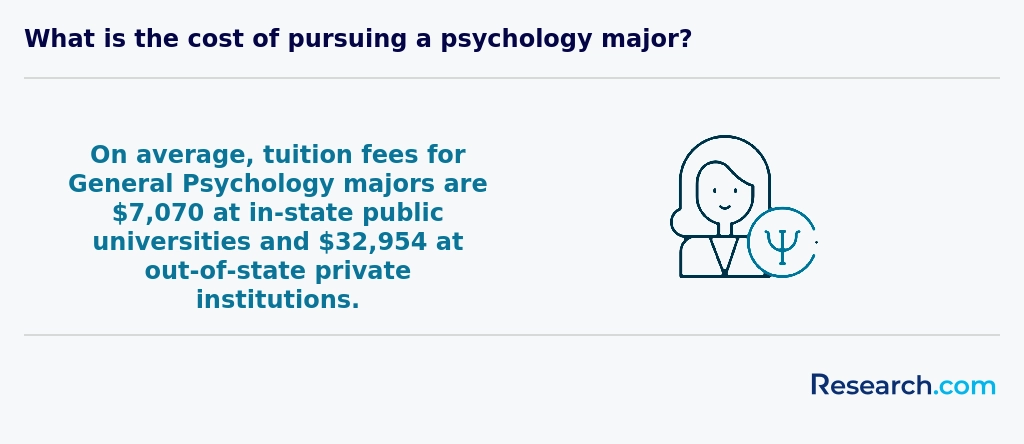
The average cost of a psychology degree in Clemson paints a clear picture for aspiring students ready to dive into the complexities of the human mind. For in-state students, the median total cost hovers around $15,554, which covers tuition, fees, and other essentials. Imagine walking the vibrant walkways of Clemson University, feeling the pulse of energized peers who've balanced dreams with budgets, making this investment worthwhile. Graduates often recall their sense of accomplishment matched only by how manageable the overall cost felt compared to out-of-state peers.
Out-of-state students face a steeper hill, with median total expenses reaching approximately $55,606. Despite the higher price tag, many find value in the rich academic environment, cutting-edge research opportunities, and strong community ties. The psychology degree tuition and fees Clemson students navigate reflect this dual reality: a substantial investment, yet one tempered by scholarships, assistantships, and financial aid. One alum from Clemson's vibrant psychology programs often shares how these opportunities transformed her experience from a daunting financial burden into an inspiring pathway that led her to love every lecture and lab.
Envision the daily life of a psychology major balancing textbooks, which add up near $1,000 a year, and campus fees of about $1,200. They also face room and board costs usually between $10,000 and $12,000 annually, yet these expenses feed the rich student life that makes Clemson uniquely welcoming. Prospective students should also explore specialized options like industrial-organizational psychology graduate programs, which tailor tuition and enrich career prospects, enhancing the value of the overall investment in Clemson.

To further enhance their career prospects, students in Clemson, SC, can explore various specialized psychology programs. These programs, while more focused, still offer a comprehensive education and can significantly boost employability. For instance, those interested in organizational behavior might consider industrial-organizational psychology graduate programs. Others might find most popular psychology programs that align with their interests, providing a deeper dive into areas such as clinical psychology, counseling, or developmental psychology. When choosing a specialized program, it's essential to consider factors like curriculum, faculty expertise, and research opportunities to ensure the program aligns with one's career aspirations. This careful consideration is crucial for navigating the diverse and ever-evolving field of psychology in Clemson, SC.
Imagine walking through Clemson's vibrant campus, a psychology book in one hand and an acceptance letter to financial freedom in the other. Many psychology students here lean on federal Pell Grants-those golden tickets that don't have to be paid back-lifting the weight off their shoulders while they dive into the mysteries of the mind.
Others find refuge in Clemson's own scholarships, awarded like secret badges of honor to those who shine academically or show deep passion for social sciences. One grad shared how a departmental award turned their dream of researching behavioral science into reality without drowning in debt.
Work-study isn't just a paycheck, it's a backstage pass to hands-on experience-imagine assisting in a buzzing research lab at Clemson's College of Behavioral, Social and Health Sciences, learning while earning. And for in-state dreamers, the LIFE Scholarship glimmers as a beacon, rewarding grit with financial relief.
For the graduate crowd, teaching and research assistantships are more than jobs-they're immersive journeys into academia, offering stipends and tuition breaks that transform futures.
Ensuring your psychology degree program is properly accredited is critical for both academic quality and eligibility for state licensure. In Clemson, SC, most reputable institutions hold regional accreditation from the Southern Association of Colleges and Schools Commission on Colleges (SACSCOC), and graduate programs often seek approval from the American Psychological Association (APA). Graduating from an APA-accredited doctoral program-or a regionally accredited master’s program for counseling and school psychology-is typically required to sit for the Examination for Professional Practice in Psychology (EPPP) and obtain licensure through the South Carolina Board of Examiners in Psychology. State licensure in South Carolina demands not only completion of an accredited curriculum but also supervised clinical practicum hours, successful passage of the EPPP, and, in some cases, an oral jurisprudence exam. Prospective clinical and counseling psychologists should verify internship site approvals and supervisory credentials early in their program to ensure seamless transition from student to licensed practitioner. For professionals pursuing related careers-such as licensed professional counselors (LPC) or marriage and family therapists (MFT)-accreditation by the Council for Accreditation of Counseling and Related Educational Programs (CACREP) can further streamline licensure requirements. For students seeking flexible or cost-effective pathways while maintaining accreditation standards, consider exploring our Low Cost Online Psychology Degree Programs Ranking in Kansas. This resource highlights accredited online programs that balance affordability with rigorous curriculum, ensuring you meet both educational and licensing criteria. Before enrolling, always confirm accreditation status via the U.S. Department of Education’s Database of Accredited Postsecondary Institutions and Programs and consult the South Carolina Board of Examiners in Psychology website. This proactive step safeguards your investment and paves the way toward a successful, licensed career in psychology.
Diving into a psychology degree at Clemson means stepping into a world where curiosity meets rigor. Graduates recall the thrill of mastering core subjects like English, math, science, and social studies in high school-these aren't mere checkboxes but the secret sauce for decoding human behavior. Imagine tackling your first General Psychology and Statistics classes, where your passion fuels you to earn a grade of C or higher, unlocking doors to deeper exploration.
One alum describes feeling empowered by learning algebra-based statistics, a key skill as psychology leans more on data and numbers. At Clemson University, transcripts and even optional SAT or ACT scores paint a portrait of your readiness; many students smile knowing their weighted GPA - around 4.1 on average - speaks volumes.
The journey also includes gathering credits in biology and social sciences, creating a rich interdisciplinary tapestry. For many, this preparation sparks excitement about future research or graduate studies, blending analytical skill with empathy right here in Clemson's vibrant educational landscape.
Accreditation is a critical factor when evaluating psychology degree programs, as it ensures that the curriculum meets rigorous academic and ethical standards. Prospective students should look for programs that have been thoroughly vetted by recognized accrediting bodies, reinforcing the quality of education and increasing the credibility of their degrees. This is especially important when considering specialized formats such as online or hybrid models. For instance, programs that combine traditional classroom learning with digital coursework-like hybrid psyd programs apa accredited-demonstrate a commitment to maintaining high-quality instruction and contemporary learning methodologies. Accreditation not only aids in achieving academic excellence but also enhances career prospects by ensuring that graduates are well-prepared for licensure, advanced studies, and professional practice in the field of psychology. Additionally, understanding the accreditation status of a program can guide students in making informed financial and educational investments, as it directly impacts eligibility for scholarships, financial aid, and even employment opportunities post-graduation.
Imagine diving into the heart of human behavior right at Clemson University, where psychology isn't just about books but real moments of discovery. You start with General Psychology, unlocking the secrets behind what makes people tick, just like graduates describe feeling that "aha" spark during their very first lecture. Then there's Research Methods in Psychology-a playground for the curious, where you design experiments and collect data, turning abstract ideas into tangible results, echoing the excitement felt by many who've made their first scientific breakthrough on campus.
Picture yourself unraveling the complexities of Developmental Psychology, watching how a child's smile or an elderly gesture tells volumes about growth. Social Psychology courses place you right in bustling Clemson plazas, analyzing invisible social currents shaping behavior. Cognitive Psychology feels like stepping inside your own mind, exploring how memories form or decisions are made. Meanwhile, Biopsychology offers a fascinating fusion of biology and behavior-a favorite among students fascinated by neurons firing during a lab session. Abnormal Psychology rounds out your path, turning curiosity into compassion as you learn about mental health with empathy and insight.

Imagine stepping into Clemson's psychology programs where specialization is not just a choice but a journey through diverse realms of the human mind. Graduates often recall diving deep into Clinical and Counseling Psychology, mastering the art of listening and healing in vibrant mental health clinics. Others find their spark in Developmental Psychology, unlocking stories of growth that span from childhood curiosity to the wisdom of adulthood. For those intrigued by the invisible forces shaping behavior, Social Psychology at Clemson offers a backstage pass to human interaction and group dynamics.
Familiar local campuses provide fertile ground for Cognitive Psychology explorers, honing their understanding of memory and perception through real-world experiments. Meanwhile, Industrial-Organizational Psychology attracts students eager to boost workplace harmony and productivity, applying their knowledge in bustling Clemson businesses. These specializations, many find, transform abstract concepts into powerful tools for change, perfectly aligned with the notable Clemson psychology program concentration options.
Many students also chase hands-on experiences in labs or seek internships that connect theory to practice, creating confidence for future careers. For more pathways in social sciences, check out the top accelerated social work programs online, expanding options beyond psychology.
Imagine walking the vibrant campus of Clemson University, where graduates often recall how choosing their psychology degree felt like crafting a unique puzzle. The best psychology degree in Clemson isn't just about picking a school; it's about finding a crossroads of passion and practicality. Accreditation and faculty matter deeply here-graduates praise professors specializing in neuropsychology and applied behavioral studies, sharing how these mentors opened doors to research labs and internships. For those juggling work and study, program flexibility becomes a lifesaver; part-time classes and evening sessions at Clemson help many keep their balance.
Cost considerations wave like a lighthouse too, guiding you through the approximately $12,000 to $14,000 average annual tuition. Alumni often stress budgeting beyond tuition-books, living costs, and fees shape real choices on this journey. When exploring psychology degrees in Clemson, don't miss out on vibrant community connections and career services, essential to launching fulfilling careers. If you're curious about comparable options, check out the psychology schools in Minnesota for additional inspiration on how to pick a psychology degree program in Clemson.
Graduates with a psychology degree from Clemson find themselves at a thrilling crossroads of opportunity, where the tapestry of career paths is as rich as the vibrant academic life at Clemson University and Tri-County Technical College. Picture a graduate stepping confidently into clinical psychology, armed with both theory and hands-on experience gained through Clemson's close links to local healthcare facilities. Others weave their way into human resources roles, transforming workplace dynamics with a deep understanding of behavior and motivation. The city itself acts as a dynamic classroom where market research analysts apply psychological insights to cracking consumer codes, and rehabilitation counselors guide individuals toward renewed strength and independence.
For those intrigued by the interplay between education and mental health, exploring educational psychology careers offers a natural extension of their Clemson training. The landscape of psychology career opportunities in Clemson pulses with vitality, fueled by graduates eager to make meaningful change in schools, nonprofits, and businesses alike.
With jobs with psychology degree Clemson spanning from social service management to school psychologist roles, the local ecosystem nourishes a thriving, compassionate workforce prepared to innovate and uplift communities.
The psychology degree job opportunities in Clemson paint a picture of vibrant potential, blending local demand with national growth trends. Graduates from popular institutions like Clemson University find themselves stepping into roles fueled by healthcare expansion, where clinical and counseling psychologists thrive in hospitals and mental health centers. Imagine a recent graduate from Clemson navigating a career at a rehabilitation facility, applying skills honed through internships and research projects that this vibrant college town uniquely offers.
The Clemson psychology graduate employment outlook also sparks interest in educational settings, where school psychologists address rising mental health awareness among youth. These roles provide meaningful connections, from guiding students through emotional hurdles to collaborating with teachers. For those inclined toward business, corporate psychology has blossomed locally, with organizational psychologists advancing employee wellness programs.
Affordability adds to the allure; local tuition is a fraction of private college costs, easing financial burdens. If you want to explore more about programs that shape these experiences, consider checking out the most popular psychology programs in the region.
2027 Most Popular Psychology Degree Programs Ranking in Clemson
Investing in your education is a significant decision that can profoundly influence your future, and the Research.com team recognizes the importance of providing trustworthy guidance. To support prospective students in Clemson, we have carefully created the "2027 Most Popular Psychology Degree Programs Ranking in Clemson." Our dedication to quality, credibility, and accuracy is evident in the thorough research and analysis behind this ranking. We utilized the following reputable data sources to ensure a comprehensive evaluation of psychology programs:
By exploring this ranking, readers will gain valuable insights to make informed decisions about the best psychology degree programs in Clemson, ultimately helping them invest wisely in their educational future. For more information on how this ranking was developed, please visit our Research.com methodology page.

Frequently Asked Questions About psychology
Psychology degree students in Clemson can maximize their learning experience by engaging actively with both academic and practical opportunities. Clemson University offers access to research labs where students collaborate with faculty on current psychological studies, enhancing hands-on skills. According to the National Center for Education Statistics, involvement in research improves comprehension and critical thinking.
Additionally, students should participate in internships and volunteer at local mental health organizations to apply theoretical knowledge in real-world settings. Clemson's proximity to various healthcare and counseling centers provides valuable experiential learning.
Joining psychology clubs and attending guest lectures also fosters networking and exposure to diverse perspectives within the field, which supports academic growth and professional development.
The psychology field is rapidly evolving, with several emerging niches gaining attention among students and professionals in Clemson and across the United States. One prominent area is neuropsychology, which studies the relationship between brain function and behavior. This specialization is expanding due to advances in brain imaging techniques.
Another growing niche is health psychology, focusing on how psychological factors affect physical health and illness management. Given the increasing emphasis on holistic health care, demand for experts in this area is rising.
Additionally, industrial-organizational psychology, which applies psychology in workplace settings, is becoming popular due to shifts in work environments and employee well-being concerns.
Lastly, digital and cyberpsychology, studying human interaction with technology, is developing rapidly with the growth of online platforms and digital media.
After completing a psychology degree in Clemson, preparing for the job market involves building both practical experience and professional connections. Students should seek internships or research assistant positions during their studies, as these enhance resumes and improve employment prospects. Clemson University offers resources like the Career Center, which provides workshops on resume writing and interview skills specifically geared toward psychology majors.
Networking is also essential. Joining professional organizations such as the American Psychological Association's student chapters can open doors to mentorship and job leads. According to the U.S. Bureau of Labor Statistics, psychology-related fields are projected to grow 8% from 2021 to 2031, highlighting increasing career opportunities.
Additionally, graduates should consider certifications or graduate studies for specialized roles in counseling, clinical psychology, or industrial-organizational psychology, which may require additional qualifications beyond a bachelor's degree.
Employers seeking psychology degree graduates in Clemson prioritize a blend of technical knowledge and interpersonal skills. Critical thinking and data analysis stand out as essential, allowing graduates to interpret research findings accurately and apply evidence-based strategies. According to the U.S. Bureau of Labor Statistics, these skills are vital in clinical and counseling roles common in the region.
Communication skills are also highly valued. Psychology graduates must explain complex concepts clearly to clients and collaborate effectively with healthcare teams. Additionally, ethical judgment and cultural competence are increasingly important, reflecting Clemson's diverse population.
Graduates familiar with statistical software like SPSS and experience in research methods tend to have an advantage in the local job market, according to Clemson University's career services reports.
Finding internships in Clemson relevant to a psychology degree involves several strategic steps. First, students should consult the Clemson University Career Center, which offers resources tailored for psychology majors, including listings for local clinical, research, and counseling internships. Connecting with faculty members is also crucial, as many professors have partnerships with organizations like the Clemson Community Care and Prisma Health, which frequently offer internship opportunities.
Additionally, exploring community agencies and non-profits around Clemson enhances hands-on experience. According to the National Association of Colleges and Employers, approximately 65% of psychology students secure internships by leveraging university networks. Local hospitals, mental health clinics, and research labs are valuable places to inquire about openings. Maintaining a strong GPA and preparing a detailed resume can improve chances of acceptance in competitive programs.
A psychology degree in Clemson can significantly enhance career mobility and advancement opportunities. Graduates often find employment in diverse fields such as counseling, human resources, education, and healthcare. The degree equips students with strong analytical, communication, and research skills highly valued by employers.
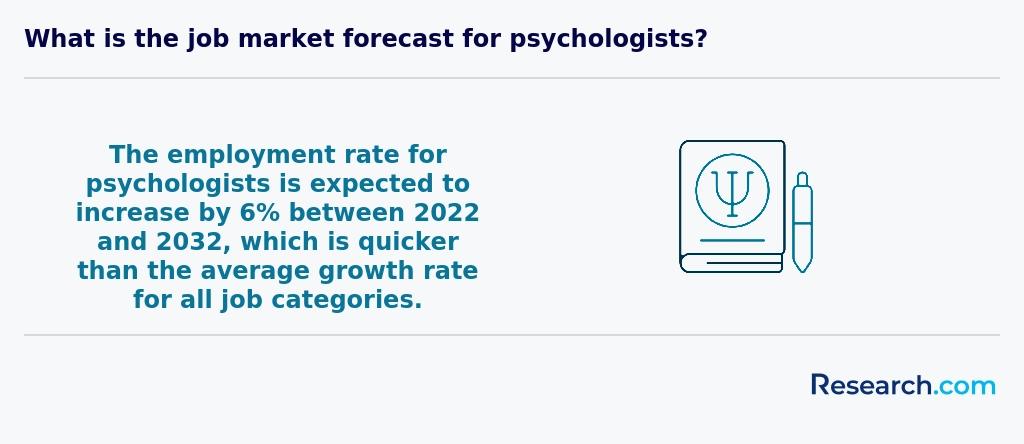
Clemson University and nearby institutions provide access to internships and networking, facilitating entry into competitive job markets. According to the U.S. Bureau of Labor Statistics, jobs in psychology-related fields are projected to grow 8% from 2022 to 2032, faster than the average for all occupations.
Locally, organizations increasingly seek professionals with psychology backgrounds to address mental health and organizational needs, contributing to career progression. Advanced degrees can further accelerate movement into leadership roles or specialized positions.
Studying for a psychology degree in Clemson equips students with a strong foundation in human behavior, research methods, and critical thinking. Clemson University's psychology program emphasizes practical skills and offers coursework that intersects with fields such as neuroscience, education, and health sciences. This interdisciplinary approach enables students to collaborate across multiple domains, preparing them for roles in healthcare, business, or social services.
The program's integration with Clemson's broader science and public health initiatives allows psychology students to engage in real-world projects. According to Clemson's 2023 academic data, over 40% of psychology undergraduates participate in interdisciplinary research opportunities.
This blend of theory and applied experience is valuable for those pursuing careers that require knowledge beyond traditional psychology, including policy development and technological innovation.
When choosing between a thesis and a non-thesis psychology degree program in Clemson, students should consider their career goals and learning preferences. A thesis track typically involves conducting original research, which is valuable for those aiming to pursue doctoral studies or research-intensive careers. According to the American Psychological Association, thesis programs may take longer due to the research component.
Non-thesis programs usually focus more on coursework and practical skills, appealing to students seeking professional roles in counseling, human services, or business. At Clemson University, the psychology department offers both options, allowing flexibility based on individual needs.
Prospective students should also evaluate available faculty expertise and research facilities, as these resources heavily impact thesis success. Local employment trends suggest that non-thesis graduates find roles more quickly, but thesis graduates often earn higher salaries over time. Consulting academic advisors and reviewing Clemson-specific program outcomes is also recommended.
Students based in Clemson looking to study psychology abroad have several pathways through partnerships and exchange programs. Clemson University's Study Abroad Office offers psychology students opportunities in countries like the United Kingdom, Spain, and Australia, combining cultural immersion with academic credit.
Many psychology courses taken abroad are transferable, helping students meet degree requirements efficiently. According to Clemson University data, approximately 12% of psychology majors participated in study abroad programs in 2022, reflecting a growing trend.
Additionally, students may explore faculty-led short-term programs focusing on psychological research or community health. These programs enhance global perspectives and practical experience in the field.
Students pursuing psychology degrees in Clemson can benefit from various part-time job opportunities that complement their academic learning. Working as research assistants at Clemson University's psychology department allows students to gain hands-on experience with experimental design and data analysis, skills vital in psychology careers. Additionally, part-time positions as behavioral health aides or support staff at local clinics provide practical exposure to mental health settings. According to Clemson University's career services, about 30% of psychology students engage in on-campus or local internships, improving their resumes and professional networks. These roles help bridge academic theory with real-world practice efficiently.
Psychology students in Clemson benefit from several strong networking opportunities, primarily through Clemson University's Department of Psychology and its affiliated organizations. The university hosts active student groups such as Psi Chi, the International Honor Society in Psychology, which facilitates connections between students, alumni, and local professionals.
Clemson's Career Center partners with psychology faculty to organize job fairs and networking events focused on psychology-related careers. These events often feature local mental health clinics, research institutions, and businesses seeking interns or employees.
Additionally, students can engage with regional chapters of professional organizations like the South Carolina Psychological Association, offering conferences and workshops that help build professional contacts.
Alumni networks provide valuable support for psychology degree students in Clemson by connecting them with experienced graduates in the field. These networks facilitate mentorship opportunities, helping current students gain practical career advice and insights into psychology professions.
Networking events organized by psychology alumni also increase chances for internships and job placements. According to Clemson University's Career Center, students engaged with alumni networks have a 25% higher employment rate within six months after graduation.
Additionally, alumni often contribute to guest lectures and workshops, enriching the educational experience with real-world perspectives. Such involvement strengthens students' understanding of psychological research and practice in diverse settings.
Students pursuing a psychology degree in Clemson can customize their program by selecting courses that align with their career goals. Clemson University offers several concentration areas such as clinical psychology, cognitive neuroscience, and developmental psychology, allowing students to focus on specific interests. Additionally, students may engage in research projects or internships that provide practical experience, which is highly valued in the US job market. According to Clemson's Psychology Department, over 70% of undergraduates participate in experiential learning opportunities, enhancing career readiness. Elective courses and faculty mentorship also enable tailored academic paths that match individual professional ambitions.
Psychology students in Clemson often face challenges balancing rigorous coursework with practical experience requirements. Programs typically demand strong skills in research methods, statistics, and critical thinking, which can be difficult for students without a strong quantitative background. According to the National Center for Education Statistics, about 40% of psychology undergraduates nationwide report feeling overwhelmed by these academic expectations.
Additionally, securing internships or research assistant positions can be competitive in Clemson due to limited local opportunities. Many students must navigate obtaining hands-on experience essential for graduate school applications or careers in psychology.
Time management is another common issue, as students juggle classes, labs, and personal responsibilities. Clemson University provides support services, but awareness and utilization vary among students.
With a psychology degree in Clemson, graduates can pursue several professional certifications to enhance their careers. Common certifications include becoming a Licensed Professional Counselor (LPC) or a Certified Alcohol and Drug Counselor (CADC). These require additional supervised experience and passing relevant state exams.
Another option is the Board Certified Behavior Analyst (BCBA) credential, which is valuable for those focusing on behavioral therapy. Clemson's proximity to accredited universities supports access to required coursework for such certifications.
According to the South Carolina Department of Labor, demand for licensed counselors is expected to grow by 15% through 2030, making these certifications worthwhile investments.
To write a winning application for a psychology program in Clemson, start by highlighting your academic achievements, especially in relevant courses like biology, statistics, and psychology. Clemson University values a strong GPA, typically above 3.0, and competitive GRE scores if required.
Demonstrate your passion for psychology through a well-crafted personal statement that clearly explains your interests and career goals. Include any research experience, internships, or volunteer work related to psychology to strengthen your profile.
Letters of recommendation should come from professors or supervisors familiar with your academic abilities and commitment to the field. Pay attention to application deadlines and submit all materials through the university's official portal. According to Clemson's graduate admissions guidelines, thorough preparation and clear communication are key to standing out.
Psychology careers have a broad and growing global significance, influenced heavily by advances in research and mental health awareness. In the United States, including Clemson, the demand for trained psychologists is expected to grow by 8% from 2021 to 2031, faster than the average for all occupations, according to the U.S. Bureau of Labor Statistics. This growth reflects a worldwide trend emphasizing mental health services and behavioral research.
Globally, psychology professionals contribute to diverse fields such as healthcare, education, and business. Many international organizations now seek psychologists with cross-cultural competence, making a psychology degree valuable beyond U.S. borders. Clemson students pursuing psychology gain access to reputable programs that emphasize both research and applied practice, aligning with international standards.
Understanding these global perspectives is essential for Clemson students who aim to have flexible career options in a worldwide job market.
Gaining practical experience while studying psychology in Clemson is essential for applying theoretical knowledge. Many students engage in internships offered through Clemson University's psychology department, which connect them with local healthcare facilities, schools, and counseling centers. Such internships provide real-world exposure and can enhance future job prospects.
Additionally, Clemson offers research assistant positions, allowing students to work alongside faculty on ongoing psychology studies. This hands-on research experience is valuable for those considering graduate school. Volunteering with community organizations focused on mental health is another practical option.
According to Clemson University's latest statistics, about 60% of psychology undergraduates participate in internships or research before graduation.
Choosing the right concentration within a psychology degree program in Clemson requires careful consideration of your career goals and academic interests. Clemson University offers several focuses such as clinical, cognitive, developmental, and social psychology. Research from the American Psychological Association shows that concentrations aligned with local job markets, like clinical psychology, may provide better employment opportunities in South Carolina.
It is important to review the curriculum and faculty expertise at Clemson's Department of Psychology to ensure the program matches your ambitions. Networking with current students and advisors can also provide insight into the practical applications of each concentration.
Additionally, considering available internships or practicum placements in Clemson helps you gain relevant experience. Make sure to factor in licensure requirements for specialized roles, as some concentrations, like clinical psychology, require advanced degrees and certifications beyond undergraduate studies.
- 2027 Most Popular Psychology Degree Programs Ranking in Atlanta
- 2027 Most Popular Psychology Degree Programs Ranking in Charlotte
- 2027 Most Popular Psychology Degree Programs Ranking in Greensboro
- 2027 Most Popular Psychology Degree Programs Ranking in Durham
- 2027 Most Popular Psychology Degree Programs Ranking in Birmingham
- 2027 Most Popular Psychology Degree Programs Ranking in Raleigh
- 2027 Most Popular Psychology Degree Programs Ranking in Montgomery
- 2027 Most Popular Psychology Degree Programs Ranking in Tallahassee
- 2027 Most Popular Psychology Degree Programs Ranking in Cincinnati
- 2027 Most Popular Psychology Degree Programs Ranking in Columbus
See What Experts Have To Say About Studying Psychology
Read our interview with Psychology experts

Robin M. Kowalski. Ph.D.
Psychology Expert
Professor of Psychology
Clemson University

Elizabeth L. Jeglic Ph.D.
Psychology Expert
Professor of Psychology
City University of New York

Joann Farrell Quinn, Ph.D., MBA
Psychology Expert
Director at the College of Medicine Department of Medical Education
Morsani College of Medicine

- How to help students cope with mental health challenges https://www.eaie.org/resource/help-students-cope-mental-health-challenges.html
- Clemson University- Studying Psychology, Accreditation, Applying, Tuition https://www.appliedbehavioranalysisprograms.com/schools/clemson-university/
- Call for papers https://www.hogrefe.com/us/journal/international-perspectives-in-psychology-research-practice-consultation
- Clemson University - Organizational Psychology Degree Programs, Accreditation, Applying, Tuition, Financial Aid https://www.organizationalpsychologydegrees.com/colleges/clemson-university/
- Ontario Psychological Association - Networking and Community Resources https://www.psych.on.ca/become-a-member-(1)/member-services/networking-and-community-resources
- Best Types Of Online Psychology Degrees 2025 https://www.psychology.org/degrees/
- Study Psychology Abroad https://astarfuture.co.uk/study_psychology_abroad.html
- Psychology Placement Opportunities for Year 12 Students https://studymind.co.uk/ucas-guide/year-12-guide-to-gaining-psychology-work-experience/
- Study Psychology Abroad | Go Overseas https://www.gooverseas.com/study-abroad/psychology
- Sample letters in psychology https://www.mystudies.com/en-in/human-and-social-sciences/psychology/letter-model/


