
2027 Best Psychology Degree Programs Ranking in Moorhead

Co-Founder and Chief Data Scientist
Choosing the right psychology degree program is an important step for students in Moorhead eager to start a meaningful career. This article will introduce the 2027 Best Psychology Degree Programs Ranking in Moorhead, developed by the Research.com team of data scientists to help you make an informed decision.
By exploring this ranking, you'll discover programs that combine quality education with real-world opportunities. Pursuing a psychology degree opens doors to understanding human behavior and making a positive impact in many fields. This guide aims to support your journey toward a fulfilling future.
Key benefits of getting psychology degree in Moorhead
- Psychology degree graduates in Moorhead can expect rewarding salaries, such as a Human Resources Specialist earning around $76,060 annually or a Marketing Research Analyst making approximately $83,190 per year, showcasing strong financial potential.
- Career paths following a psychology degree include roles like Clinical Research Associate or Survey Researcher, offering diverse opportunities to apply knowledge in healthcare, research, or business settings, similar to graduates from local universities.
- Obtaining a psychology degree online allows flexible scheduling and access to quality education without relocating, helping students balance work and study effectively, as demonstrated by successful online graduates from Moorhead institutions.
- 2027 Best Psychology Degree Programs Ranking in Moorhead
- What can I expect from psychology degree in Moorhead?
- Where can I work with psychology degree in Moorhead?
What can I expect from psychology degree in Moorhead?
Paying for a psychology degree in Moorhead means navigating a surprisingly approachable financial landscape, especially at Minnesota State University Moorhead (MSUM), where a year of full-time study often hovers around a few thousand dollars in tuition for in-state students. Graduates often recount how the affordability allowed them to focus more on absorbing concepts like cognitive quirks or social dynamics than stressing over looming debt. Imagine walking across a campus buzzing with research projects, knowing that your investment in tuition fuels labs where you'll unravel the mysteries of human behavior firsthand.
Out-of-state students might encounter a higher sticker price, yet many find scholarships and campus jobs that ease the load, making the dream of studying developmental or abnormal psychology within reach. Those familiar with the program applaud how this balance of quality education and reasonable cost creates fertile ground for growth without financial burnout, letting students embrace their curiosity with confidence and optimism.
Where can I work with psychology degree in Moorhead?
With a psychology degree in Moorhead, the doors swing wide open-hospitals and mental health clinics buzz with opportunities where graduates step in as mental health counselors or behavioral therapists, making real impact on lives just a short drive from campus. Imagine connecting theory to practice at local Fargo-Moorhead centers, helping people navigate recovery and growth.
Graduates from Minnesota State University Moorhead find vibrant roles in schools, guiding students as counselors or academic advisors, often supported by state licensure pathways. These jobs aren't just careers; they're missions filled with daily moments of encouragement and breakthrough.
Nonprofit agencies tackling social challenges also seek psychology minds for outreach and program coordination-roles rich with compassion and community spirit. Those curious about research dive into assistantships at local universities, uncovering patterns in human behavior that can influence policy and treatment.
Here in Moorhead, earning your degree isn't just academic-it's a passport into meaningful, stable careers that blend empathy with expertise, fueled by the supportive networks of campus and community alike.
Graduates from psychology programs in Moorhead often find themselves navigating a rewarding maze of career paths, each with its own paycheck soundtrack. Imagine wrapping up your studies at Minnesota State University Moorhead and stepping into the world as a clinical research associate, where the mean annual wage hums around $62,370, according to the latest BLS data. Or picture yourself as a human resources specialist, blending psychology with workplace dynamics, earning about $76,060 yearly, a sweet middle ground for those looking to impact businesses directly.
For those drawn to numbers and trends, the role of marketing research analyst offers an exciting paycheck of approximately $83,190 a year, spinning psychology into business insights. Even childcare workers with psychology backgrounds earn roughly $32,070, offering heartfelt community impact paired with stable income. Psychology graduates in Moorhead often share stories of growth, where starting salaries around $30,000 to $45,000 evolve with experience and advanced degrees into these thriving roles.
These figures reflect a vibrant local economy ready to reward passion and skill-a perfect match for Moorhead's tight-knit academic and professional communities.
- The average annual cost for an in-state psychology bachelor's degree in Moorhead is about $9,500, including tuition and mandatory fees.
- Entry-level psychology jobs in the area typically pay between $40,000 and $50,000 per year.
- Advanced psychology roles with graduate degrees or licensure can offer salaries from $70,000 to $85,000 annually.
- Employment for psychology-related jobs in Moorhead is expected to grow 8% to 12% over the next decade.
- Internships and practicum experiences are important for licensure and job placement in the local psychology field.
- Licensing in Minnesota generally requires a graduate degree, supervised hours, and passing state and national exams.
Imagine stepping onto the Minnesota State University Moorhead campus, where four years of unfolding discovery await you. That's the typical dance for a Bachelor's in Psychology here-eight semesters filled with lectures, late-night study sessions, and the gradual unveiling of human behavior's mysteries. Graduates often describe this period as a transformative journey, balancing rigorous coursework with moments of joyful epiphany about the mind.
For those chasing deeper knowledge, the Master's path stretches 2 to 3 years beyond the bachelor's, weaving intensive research and specialized classes into the tapestry of your education. A few graduates recall burning the midnight oil crafting theses that fueled their passion for therapy or cognitive science.
Diving even further, doctoral aspirants embark on a 5 to 7-year marathon-where coursework, internships, and dissertation battles define the grind. Though Moorhead's direct doctoral options are sparse, many students embrace the challenge by branching out statewide or nationally, their dedication fueled by a clear vision and community support.
As the field of psychology continues to evolve, students in Moorhead, MN, increasingly recognize the importance of advanced education and specialized training for career growth. Graduates looking to stand out in competitive markets often pursue further studies to enhance both their practical skills and theoretical knowledge. For instance, supplementing an undergraduate degree with an master's degree in sports psychology can open doors to niche roles in sports teams, wellness centers, and performance enhancement programs. This advanced focus not only deepens understanding in areas such as mental resilience and team dynamics, but also paves the way for leadership, research, and teaching opportunities in psychology-related fields. Additionally, professionals who invest in further education tend to gain access to specialized workshops, networking events, and exclusive mentoring programs-resources that significantly boost their career prospects. Emphasizing career advancement through continued education demonstrates a commitment to lifelong learning and professional excellence, ensuring that psychology graduates remain adaptable and competitive in a dynamic job market.
Imagine juggling a full-time job and family while diving into the mysteries of the mind-this is the reality for many online psychology students in Moorhead. The freedom to pause lectures during a toddler's meltdown or revise assignments after a late shift at work makes online learning a lifesaver. These warriors of self-discipline tap into programs from institutions like Minnesota State University Moorhead, where asynchronous classes mean no frostbitten commutes during brutal winters.
Conversely, the on-campus psychology path pulses with energy: face-to-face debates, spontaneous study groups in campus cafés, and hands-on lab sessions that sharpen clinical skills. Graduates recall the electric buzz from participating in MSUM's psychology labs, where collaboration and immediate feedback transformed theory into lived experience. With tuition averaging $7,500 for locals, the campus vibe also offers affordable immersion into student life and priceless networking.
- Online students treasure flexibility but must master time management.
- On-campus learners thrive on real-time interaction and practical exposure.
- Both tracks demand accreditation vigilance to ensure meaningful credentials.
- Clinical internships often weave both worlds together for a robust education.
Graduates aiming to practice psychology or counseling in Moorhead must navigate Minnesota’s licensure requirements to ensure professional credibility and compliance. To become a Licensed Psychologist, candidates must hold a doctoral degree in psychology, complete at least 4,000 hours of supervised experience under a Board-approved supervisor, and pass both the Examination for Professional Practice in Psychology (EPPP) and the Minnesota Jurisprudence Exam. Aspiring Licensed Professional Counselors (LPC) need a master’s degree with 48 semester credits in core counseling areas, 2,000 supervised clinical hours, and successful completion of the National Counselor Examination (NCE) plus state law exam. Social work graduates pursue Licensed Clinical Social Worker (LCSW) status by obtaining a master’s in social work, logging 3,000 supervised practice hours, and passing the ASWB Clinical Examination. Each license requires renewal every two years with 40 continuing education credits, covering ethics, diversity, and evidence-based interventions. Students should verify that their chosen program aligns with the Minnesota Board of Psychology and the Board of Behavioral Health Education and Therapy requirements, securing practicum placements that count toward supervised hours. Local partnerships-such as those between Minnesota State University Moorhead and Moorhead community clinics-offer invaluable on-site training and mentorship. For those seeking additional credentials to stand out in a competitive field, pursuing a mental health therapist certification can enhance clinical skills and expand career opportunities in counseling, private practice, and community mental health settings.
Typical expenses for a psychology degree in Moorhead circle around a median total cost of approximately $22,422, with in-state students paying closer to $10,428. Imagine a graduate from Minnesota State University Moorhead reflecting on those years-a blend of determination and occasional budgeting puzzles as tuition fees paired with necessary materials shaped their experience.
Psychology degree tuition and fees Moorhead 2027 are comfortably aligned with regional norms, making the city an inviting academic hub. Local universities offer an accessible gateway to the complex world of human behavior without overwhelming financial barriers for residents. Students often recount the satisfaction of investing in their education here, knowing their costs were manageable compared to larger metros.
Out-of-state attendees face steeper costs, yet many describe this as an investment in a rich learning environment, enriched by dedicated faculty and diverse classmates. Additional expenses, such as textbooks and lab fees, blend into the overall journey, but graduates appreciate the value these resources add. Living expenses in Moorhead tend to be moderate, allowing students to immerse themselves in their studies without constant financial stress.
For those eyeing professional psychology tracks or specialized certifications, the commitment extends further, both academically and financially, but remains within reach. To ease the pathway, students often explore scholarships and consider test prep strategies like those detailed in lpc licensure exam prep kentucky, which reflects the proactive spirit many Moorhead psychology students adopt when planning their futures.

To practice as a licensed psychologist in Minnesota, graduates must complete an accredited degree-whether on campus or an online psychology degree-and meet state board requirements:
- Earn a doctoral degree in psychology from an APA- or CPA-accredited program
- Complete at least 2,000 hours of supervised postdoctoral experience
- Pass the Examination for Professional Practice in Psychology (EPPP)
- Pass the Minnesota jurisprudence (laws and ethics) exam
- Submit an application and background check to the Minnesota Board of Psychology
- Complete annual continuing education to maintain licensure
Imagine sitting in a lively Moorhead State University classroom, knowing your tuition is softened by a Pell Grant-an invisible helping hand of about $4,000 a year, gifted without the worry of repayment. Many psychology students here tap into this lifeline, a beacon for those balancing passion and pockets. Others lean on the Direct Subsidized Loan, borrowing $3,500 to $5,500 annually with the comforting thought that interest pauses while they focus on their studies, half-time or more.
Across town at Minnesota State Community and Technical College, psychology students celebrate state-granted treasures-the Minnesota State Grant, offering between $500 and $6,000 annually to enthusiastic Minnesota residents. This makes the dream of exploring human minds feel financially tangible.
Scholarships are another colorful thread in Moorhead's aid tapestry: local awards honoring academic grit or dedication to psychology, plus APA scholarships that whisper encouragement, offering several hundred to a few thousand dollars yearly. Work-study programs blend paycheck and purpose, placing students in psychology-related roles on campus or nearby, weaving real-world experience with financial relief.
After earning a psychology degree in Minnesota, clinical practice requires state licensure. The Minnesota Board of Psychology oversees certification through several key steps:
- Accredited degree: Earn a master’s or doctoral degree in psychology from an accredited institution-consider an accelerated online psychology degree to streamline your education.
- Supervised experience: Complete at least 1,500 hours of supervised clinical practice under a licensed psychologist.
- Examination: Pass the national Examination for Professional Practice in Psychology (EPPP) and the Minnesota jurisprudence exam.
- Application: Submit a licensure application, official transcripts, and supervisor evaluations to the Minnesota Board of Psychology.
- Continuing education: Maintain licensure with 40 hours of approved continuing education every two years.
Meeting these requirements ensures you can legally and ethically serve clients across Moorhead and beyond.
To embark on a psychology degree journey in Moorhead, imagine stepping into the shoes of past graduates who thrived by first securing a high school diploma or GED, often fortified with solid skills in English, math, and science. Picture a college campus like Minnesota State University Moorhead, where applicants come prepared with SAT or ACT scores showcasing sharp critical thinking and verbal prowess-these scores become the keys unlocking classroom doors.
Visualize yourself sitting in an introductory psychology class, a mandatory gateway that many local colleges insist upon to gently immerse you in the world of human behavior. As graduates recall, crafting thoughtful personal statements and securing letters of recommendation breathe life into their applications, revealing their passion and dedication beyond numbers.
For those aiming higher, enrolling in graduate psychology programs in Moorhead means flaunting a bachelor's degree with solid psychology coursework, and often GRE scores, weaving a narrative of readiness to dive deeper into research and statistics-like a successful Moorhead graduate who turned these prerequisites into stepping stones toward a vibrant career.

To optimize your psychology degree experience in Moorhead, MN, consider exploring various resources and institutions that can enhance your educational journey. For instance, understanding the costs associated with different programs can help you make an informed decision. If you are looking for most affordable psychology schools in minnesota, researching and comparing tuition fees, as well as available financial aid options, is crucial. This proactive approach will not only help you navigate the academic landscape more effectively but also ensure that you are well-prepared for the career paths available to psychology graduates in Moorhead, MN.
Imagine starting your journey at Minnesota State University Moorhead, diving headfirst into the vibrant world of psychology with courses like Introduction to Psychology and Research Methods in Psychology. These classes aren't just textbooks and lectures-they're invitations to explore the mysteries of the mind, from the thrill of designing your own behavioral studies to decoding the language of brain chemistry through Biological Psychology.
As you progress, you'll find yourself navigating the complexities of human experience in courses like Developmental Psychology, where you trace the arc from infant milestones to adult transitions, or Social Psychology, which feels like unlocking the secret rules governing friendships and social influence in the Moorhead community. Advanced classes like Abnormal Psychology bring real stories to life, offering a compassionate lens on mental health struggles, making your learning deeply human and urgently relevant.
Graduates often recall the excitement of mixing theory with hands-on projects-developing personality profiles or conducting psychological testing-skills that light up resumes and fuel genuine confidence. Moorhead's programs craft not just students, but curious explorers ready to understand, heal, and connect in meaningful ways.
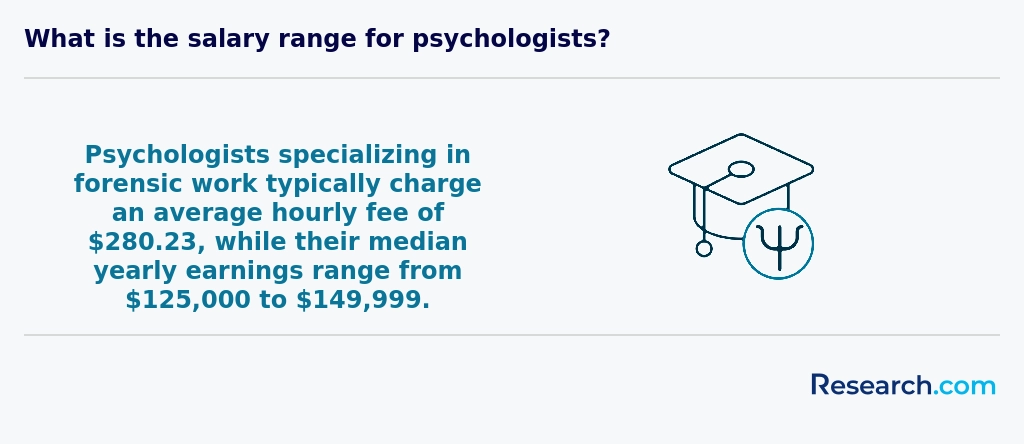
Imagine stepping into Minnesota State University Moorhead, where the air buzzes with the enthusiasm of students discovering their calling within psychology. Here, psychology degree specializations in Moorhead serve as a palette of vibrant pathways-from the deep empathy required in clinical psychology, guiding graduates to heal minds, to the practical, business-savvy strategies of industrial-organizational psychology, where understanding workplace dynamics becomes an art form. One graduate recalls hands-on experiences treating emotional disorders, deepening their passion for counseling psychology, while another found joy in studying developmental psychology, fascinated by human growth across the lifespan.
These specializations don't just exist in theory-they are intertwined with real practicum opportunities within Moorhead's healthcare and community organizations, lending that exhilarating feeling of stepping beyond textbooks. Students often speak warmly of experimental psychology's rigorous research methods that fuel curiosity and innovation. For those weighing future careers or wondering about their psychology degree job outlook, Moorhead's diverse offerings make tangible dreams feel within reach.
Choosing the best psychology degree in Moorhead feels like crafting your own mental map of possibilities. Graduates from Minnesota State University Moorhead share how deeply the region's community-based internships turned abstract theories into lively stories of real people, sparking a passion that pure textbooks rarely ignite. Imagine walking into a healthcare center here, armed not just with knowledge but with hands-on experience, making learning tangible in a city that values practical impact. For the budget-conscious, Moorhead's affordable psychology colleges Moorhead MN offer a lifeline, balancing ambition with financial reality, letting you focus on growth without drowning in debt.
One secret to success is spotting programs with strong foundations in social and cognitive psychology, paired with a clear path to practical work-because those who thrive find themselves blending classroom learning with community service effortlessly. Don't forget flexibility; some students thrive in hybrid online settings, juggling life's chaos while pursuing their dreams.
For those eyeing clinical careers, understanding licensure is key-graduates often recommend checking resources like wisconsin counseling licensure steps to align your education with real-world requirements, even just across the river. This blend of accreditation, community, and adaptability is what transforms psychology education in Moorhead from a degree into a deeply personal adventure.
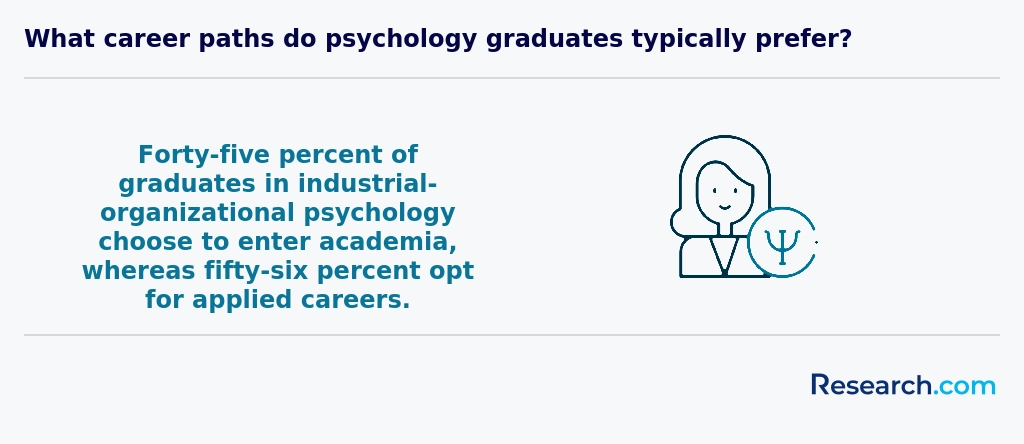
Graduates who embark on psychology career opportunities in Moorhead find themselves stepping into diverse arenas-from the quiet, empathetic counseling rooms at local clinics to dynamic corporate boardrooms where organizational psychology breathes life into employee morale. Many students from institutions like Minnesota State University Moorhead share tales of internships that transform theory into compassionate practice, whether shadowing licensed counselors or designing employee well-being programs.
Jobs with a psychology degree in Moorhead often begin with roles as behavioral health technicians or social service assistants, offering a front-row glimpse into the human psyche. These positions serve as a springboard to advanced studies or specialized credentials, perfectly illustrated by graduates pursuing a Christian counseling master's degree low tuition to deepen their impact.
Beyond clinical settings, the research landscape thrives near Moorhead's bustling academic hubs, inviting psychology enthusiasts to engage in transformative projects on human behavior and mental wellness. Here, careers unfold in vibrant environments where curiosity matches the heart's desire to heal and innovate.
The psychology degree job market Moorhead offers a vibrant landscape where graduates often transition from classrooms to impactful community roles. Imagine a recent graduate from Minnesota State University Moorhead stepping confidently into a school setting as a behavioral disorder counselor, helping students navigate emotional challenges. The city's growing awareness of mental health drives steady demand for professionals, from social workers to rehabilitation specialists, weaving psychology graduates deeply into the local fabric.
Career opportunities for psychology graduates in Moorhead are buoyed by internships and training available through local institutions, making the journey from education to employment smoother. Graduates often share how affordable tuition-especially at schools featured among the most affordable psychology schools in minnesota-allowed them to focus on gaining practical experience without heavy debt. In this context, earning a psychology degree transforms from a mere credential into a direct path to meaningful work, offering fulfillment while addressing Moorhead's mental health needs.
2027 Best Psychology Degree Programs Ranking in Moorhead
Investing in your education is a significant decision that can shape your future, and the Research.com team understands the importance of making informed choices. To assist prospective students in Moorhead, we have meticulously crafted the "2027 Best Psychology Degree Programs Ranking in Moorhead." Our commitment to quality, credibility, and accuracy is reflected in the extensive research and analysis conducted to compile this ranking.
We utilized the following reputable data sources to ensure a comprehensive evaluation of psychology programs:
By exploring this ranking, readers will gain valuable insights into the best psychology degree programs available in Moorhead, helping them make informed decisions about their educational paths. For more details on our methodology, please visit our Research.com methodology page.

Frequently Asked Questions About psychology
Psychology degree students in Moorhead can maximize their learning by engaging actively in both coursework and practical experiences. Moorhead offers access to institutions like Minnesota State University Moorhead, where approximately 80% of psychology students participate in internships or research projects, enhancing applied skills.
Joining psychology clubs or organizations on and off campus helps build networks and exposes students to diverse psychological perspectives. Attending guest lectures and workshops offered by local universities or nearby Fargo institutions broadens understanding.
Additionally, utilizing Moorhead's community mental health resources for volunteer opportunities allows students to gain hands-on experience while contributing meaningfully. Keeping abreast of recent studies published by the American Psychological Association can also support theoretical knowledge.
Emerging niches within the psychology field reflect evolving societal needs and technological advancements. One growing area is telepsychology, which expanded rapidly during the COVID-19 pandemic and continues to offer remote mental health services. This specialty is vital for rural communities near Moorhead, where access to traditional care can be limited.
Another promising niche is neuropsychology, focusing on brain-behavior relationships. With advances in neuroscience, professionals skilled in interpreting cognitive changes are increasingly in demand. Behavioral health integration in primary care is also expanding, blending psychology with medical practice to improve patient outcomes.
Lastly, industrial-organizational psychology is growing, addressing workplace well-being and remote workforce dynamics. According to the U.S. Bureau of Labor Statistics, jobs in psychology are projected to grow 8% through 2031, highlighting these nichers' relevance to Moorhead students planning their careers.
Graduates with a psychology degree in Moorhead can increase their job market readiness by gaining relevant experience through internships or volunteer work in local clinics, schools, or social service agencies. Moorhead's close proximity to Fargo also expands opportunities for practical training. According to the U.S. Bureau of Labor Statistics, jobs for psychologists and related fields are expected to grow about 8% by 2031, emphasizing the value of hands-on experience combined with formal education.
Networking is essential. Joining professional organizations like the Minnesota Psychological Association or attending regional career fairs can help graduates connect with employers and mentors. Pursuing certifications in specialized areas such as behavioral analysis may further improve employment prospects.
Employers in Moorhead prioritize several key skills when hiring psychology degree graduates. Critical thinking is essential, as professionals must analyze and interpret complex behavioral data accurately. Communication skills, both written and verbal, are highly valued for interacting effectively with clients and colleagues.
Additionally, proficiency in research methods and statistical analysis is important, given the emphasis on evidence-based practice in psychology roles. According to the U.S. Bureau of Labor Statistics, strong interpersonal skills are crucial for success in regional mental health services.
Familiarity with ethical standards and cultural competency is also necessary to serve diverse populations in the Moorhead area. These abilities help graduates contribute meaningfully to community well-being and workplace environments.
Finding internships in Moorhead related to psychology degrees involves leveraging local resources and institutions. Start by exploring opportunities at Minnesota State University Moorhead (MSUM), which often partners with community organizations for internships in clinical, counseling, and research settings.
Contact the MSUM Psychology Department's internship coordinator, as they maintain lists of approved placements and can guide students to meet state licensing requirements. Additionally, local healthcare providers, such as Spire Health, and nonprofit organizations frequently offer internships tailored to psychology students.
The U.S. Bureau of Labor Statistics notes that internships improve job prospects significantly, so early engagement is key. Moorhead's community mental health centers and school districts are also valuable contacts for experiential learning.
A psychology degree in Moorhead offers notable career mobility and advancement opportunities, thanks to the city's growing mental health and social services sectors. Graduates often find employment in counseling, social work, human resources, and educational roles. According to the Minnesota Department of Employment and Economic Development, fields related to psychology in Moorhead are projected to grow by approximately 8% through 2030, which is faster than average.
Holding a bachelor's or master's degree in psychology can open doors to supervisory or specialist positions, while a doctoral degree is typically required for licensed clinical roles. The presence of regional health providers and educational institutions in Moorhead supports professional growth and networking.
Studying for a psychology degree in Moorhead equips students with skills essential for interdisciplinary roles by integrating knowledge from fields such as sociology, biology, and education. Local institutions emphasize practical experience, encouraging collaboration with community health organizations and schools. This approach fosters critical thinking and adaptability, crucial for careers involving teamwork across disciplines.
The curriculum typically includes courses in research methods, behavioral science, and cultural studies, providing a broad understanding applicable in healthcare, social services, and business sectors. According to the Minnesota State Colleges and Universities system, Moorhead programs align with national standards, preparing graduates for dynamic professional environments.
Hands-on internships and community partnerships in Moorhead also enhance communication and problem-solving skills, vital for interdisciplinary teams. These experiences help students apply psychological principles in diverse settings, including human resources, counseling, and public policy.
Choosing between a thesis and a non-thesis psychology degree program in Moorhead depends on your career goals and learning preferences. Thesis programs typically require students to conduct original research and write a detailed paper. This path suits those who want to pursue doctoral studies or research roles.
Non-thesis options focus more on coursework and practical experience, appealing to students targeting careers in counseling, human services, or applied psychology. Moorhead State University, for example, offers both options with flexible timelines, reflecting common trends in US psychology education.
According to the National Center for Education Statistics, about 40% of psychology graduates nationwide choose thesis tracks, highlighting its importance for academic research. Local graduates often cite program mentorship and career services as critical factors in their choice.
Students based in Moorhead who wish to study psychology abroad have several pathways available within the framework of the US higher education system. Moorhead residents typically start by enrolling in local colleges like Minnesota State University Moorhead, which often partner with exchange programs facilitating study abroad opportunities. According to NAFSA (2023), about 10% of US psychology undergraduates participate in international study programs, gaining exposure to diverse psychological theories and practices.
Popular destinations for psychology students include the UK, Canada, and Ireland, where degree curricula often align with US accreditation standards. Moorhead students may also seek internships or summer study abroad programs to enhance their practical experience. Guidance from campus study abroad offices and academic advisors is essential to navigate credit transfers and licensure requirements upon return.
Students pursuing psychology degrees in Moorhead have access to various part-time job opportunities that complement their academic learning. Local hospitals and clinics often seek assistants to support mental health professionals, providing valuable hands-on experience. Moorhead's community centers also offer roles in youth mentorship or counseling support, aligning well with psychology coursework.
According to the Minnesota Department of Employment and Economic Development, the healthcare support sector in the Moorhead area is expected to grow by 8% through 2028, indicating increasing opportunities. Additionally, research assistant positions at nearby universities can strengthen analytical skills and familiarity with experimental methods relevant to psychology.
Psychology students in Moorhead benefit from various networking opportunities linked to local universities like Minnesota State University Moorhead (MSUM). MSUM hosts psychology club meetings and guest lectures, allowing students to connect with faculty and professionals in mental health fields. The Fargo-Moorhead community offers access to internships and volunteer roles in counseling centers, hospitals, and social service agencies, providing real-world experience and professional connections.
Students can also engage with regional chapters of national organizations such as the American Psychological Association (APA), which often hold conferences and workshops nearby. These events support building networks essential for career development and graduate study applications.
Alumni networks provide valuable support to psychology degree students in Moorhead by offering mentorship and professional connections. Graduates often share job opportunities and internships, which can be crucial in a competitive field like psychology. According to the National Association of Colleges and Employers, 85% of jobs are filled through networking, highlighting the importance of these connections.
In Moorhead, local alumni frequently participate in campus events and workshops, giving current students insights into the psychology job market and practical career advice. This network can also help students find research collaborations and graduate school recommendations, enhancing their academic and professional success.
Customizing your psychology degree program in Moorhead allows you to align your education with specific career goals. Many local institutions offer elective courses in areas such as clinical, developmental, or industrial-organizational psychology, enabling you to gain expertise tailored to your interests.
Additionally, Moorhead schools often provide internship opportunities with community organizations and healthcare facilities, giving practical experience relevant to your career path.
Students can also engage in research projects guided by faculty members, which is valuable for those considering graduate studies or research roles. According to the Bureau of Labor Statistics, specialization increases job prospects in psychology-related fields.
Carefully planning your coursework and experiential learning in Moorhead helps you develop targeted skills for licensure or advanced degrees.
Psychology students in Moorhead often encounter challenges common to many U.S. higher education programs, but some are unique to the local context. One significant hurdle is balancing rigorous coursework with clinical practicum requirements. Moorhead's programs, including those at Minnesota State University Moorhead, require students to complete supervised fieldwork, which can be time-consuming alongside academic assignments.
Another difficulty is the competitive nature of graduate internships and research opportunities. According to the university's recent data, only about 60% of psychology undergraduates secure paid internships immediately, highlighting the competitive local market.
Financial strain is also a concern; many students rely on part-time work while managing tuition and living costs, with limited scholarships dedicated specifically to psychology majors in Moorhead.
Finally, students may face limited access to diverse populations for clinical experience compared to larger metropolitan areas, potentially affecting breadth of practical exposure.
With a psychology degree in Moorhead, you can pursue several professional certifications that enhance your qualifications and career prospects.
One common certification is Licensed Professional Counselor (LPC), requiring a master's degree and supervised clinical hours. This credential allows practice in mental health counseling.
Another option is obtaining certification as a Certified Addiction Counselor (CAC), relevant in Minnesota and North Dakota, including Moorhead, to address substance use disorders.
You may also consider certifications like Board Certified Behavior Analyst (BCBA), which is popular for those focusing on applied behavior analysis.
These credentials usually involve exams and specific education levels, with requirements differing by state. Official state licensing boards provide the latest criteria.
To write a winning application for a psychology program in Moorhead, start by carefully researching each local university's requirements, such as those at Minnesota State University Moorhead. Most programs expect a strong academic record, particularly in biology, statistics, and social sciences.
Highlight any relevant experience like volunteering in mental health settings or participating in psychology research projects. Moorhead's programs appreciate hands-on learning and community involvement.
Craft a clear, concise personal statement that explains your passion for psychology and your career goals. Use specific examples to demonstrate your dedication and understanding of the field.
Be sure to request letters of recommendation from instructors or supervisors familiar with your academic and personal qualities.
The global perspective on a psychology career highlights the increasing demand for mental health professionals worldwide. In the U.S., including Moorhead, employment in psychology-related roles is projected to grow by 8% from 2021 to 2031, according to the Bureau of Labor Statistics. This growth reflects a broader international recognition of mental health's importance, with more countries investing in psychological services and research.
For students in Moorhead, earning a psychology degree offers opportunities not only locally but also in global contexts such as counseling, research, and organizational psychology. The field values cultural competence, which is essential when working with diverse populations, an aspect emphasized across educational programs.
International collaborations on psychological studies and practices continue to expand, providing graduates with skills applicable in multinational settings. These trends suggest a psychology degree is a versatile and globally relevant choice for students aiming to impact mental health care.
Gaining practical experience while studying for a psychology degree in Moorhead is essential for career readiness. Many local colleges encourage students to participate in internships at community mental health centers, schools, or hospitals. For example, Minnesota State University Moorhead offers internship placements that allow hands-on experience under supervision. Volunteering opportunities with organizations like the Clay County Mental Health Center can also provide valuable exposure.
Additionally, students can join research projects on campus, contributing to data collection and analysis, which hones critical skills. Engaging in practicum courses is another common method. According to the Bureau of Labor Statistics, practical experience significantly enhances employability for psychology graduates nationwide.
Choosing the right concentration within a psychology degree program in Moorhead involves assessing your career goals and interests. Common concentrations include clinical, counseling, developmental, and industrial-organizational psychology. Moorhead's programs often offer these options, aligned with national trends reported by the American Psychological Association (APA).
Consider local job market demands: clinical and counseling psychology specialists tend to have strong employment prospects in Minnesota, according to the Minnesota Department of Employment and Economic Development. Research whether the university's faculty expertise matches your preferred concentration, as this influences mentorship and hands-on opportunities.
Engage with academic advisors and review course offerings carefully. Concentrations with a practical component, such as internships or research, may improve your readiness for licensure or advanced study. Data from the National Center for Education Statistics (NCES) show that programs with applied tracks often lead to higher graduate employment rates.
- 2027 Best Psychology Degree Programs Ranking in Minneapolis
- 2027 Best Psychology Degree Programs Ranking in Saint Paul
- 2027 Best Psychology Degree Programs Ranking in Lincoln
- 2027 Best Psychology Degree Programs Ranking in Kansas City
- 2027 Best Psychology Degree Programs Ranking in Chicago
- 2027 Best Psychology Degree Programs Ranking in Notre Dame
- 2027 Best Psychology Degree Programs Ranking in Wichita
- 2027 Best Psychology Degree Programs Ranking in Boulder
- 2027 Best Psychology Degree Programs Ranking in Denver
- 2027 Best Psychology Degree Programs Ranking in Saint Louis
See What Experts Have To Say About Studying Psychology
Read our interview with Psychology experts

Joann Farrell Quinn, Ph.D., MBA
Psychology Expert
Director at the College of Medicine Department of Medical Education
Morsani College of Medicine

Catherine Caldwell-Harris, Ph.D.
Psychology Expert
Associate Professor of Psychology
Boston University

Elizabeth L. Jeglic Ph.D.
Psychology Expert
Professor of Psychology
City University of New York

- Mental Health Challenges Faced by Psychology Students | The Healthcare Guys https://healthcareguys.com/2023/11/23/mental-health-challenges-faced-by-psychology-students/
- Psychology - SWPS University https://english.swps.pl/academics/warsaw/ba-programs/psychology
- Community Psychology in Global Perspective http://siba-ese.unisalento.it/index.php/cpgp
- Careers in Psychology https://www.lakeheadu.ca/programs/departments/psychology/careers-in-psychology
- Ontario Psychological Association - Networking and Community Resources https://www.psych.on.ca/become-a-member-(1)/member-services/networking-and-community-resources
- Why Get a Psychology Degree Online? | University of Bridgeport https://www.bridgeport.edu/news/reasons-to-get-your-psychology-degree-online/
- A Guide to Psychology Internships | Psychology Degree Guide https://psychologydegreeguide.org/resources/internships/
- What Certifications Can I Get With A Bachelor's In Psychology? https://www.psychology.org/resources/certification-skills-for-psychology-major-resumes/
- Sample letters in psychology https://www.mystudies.com/en-in/human-and-social-sciences/psychology/letter-model/
- Study Psychology Abroad https://astarfuture.co.uk/study_psychology_abroad.html


