
2027 Most Affordable Psychology Degree Programs Ranking in Dayton

Co-Founder and Chief Data Scientist
Choosing the right psychology degree program in Dayton can feel overwhelming, but you're not alone. This article introduces the 2027 Most Affordable Psychology Degree Programs Ranking in Dayton, created by the Research.com team of data scientists. It's designed to help you make an informed decision based on affordability and quality.
Exploring these programs can open doors to a rewarding career in psychology, helping you make a real difference. Take your first step confidently and discover which programs fit your goals and budget perfectly.
Key benefits of getting psychology degree in Dayton
- Salary opportunities: Psychology degree graduates in Dayton can earn competitive salaries, such as Human Resources Specialists with a mean annual wage of $76,060 and Marketing Research Analysts making around $83,190 yearly, providing strong financial prospects.
- Career paths: Graduates from Dayton-area schools often pursue diverse roles like Clinical Research Associates or Survey Researchers, offering fulfilling and varied opportunities to apply psychology knowledge in real-world settings.
- Online degree benefits: Earning a psychology degree online from a Dayton university allows flexible scheduling and accessibility, giving students the freedom to balance studies with work or family life while achieving academic success.
- 2027 Most Affordable Psychology Degree Programs Ranking in Dayton
- What can I expect from psychology degree in Dayton?
- Where can I work with psychology degree in Dayton?
What can I expect from psychology degree in Dayton?
Paying for a psychology degree in Dayton feels reasonable, especially when you picture yourself walking the halls of Wright State University, where practical learning meets affordability. Graduates often recall their relief at tuition hovering near $11,000 per year for in-state students, a figure comfortably aligned with Ohio's average public university rates. Imagine budgeting your life around that number, knowing it includes foundational courses on human behavior and chances to dive into real-world internships.
For many Dayton students, this cost isn't just a fee-it's an investment in hands-on experiences: late-night study sessions analyzing developmental psychology, collaborating on research projects, or finally securing that coveted counseling internship at a local healthcare center. The blend of classroom theory and community connection feels like a smart, approachable price for the skills and opportunities gained. Wright State's programs, in particular, seem designed to ease financial stress while fueling future careers in clinical or counseling psychology, giving hopeful students tangible hope wrapped in textbook lessons.
Where can I work with psychology degree in Dayton?
With a psychology degree from Dayton's universities, graduates jump into vibrant roles that blend science with real human stories. Picture stepping into a bustling hospital ward, where a graduate is guiding patients as a behavioral health technician, turning textbook theories into everyday healing. Or envision working alongside spirited school counselors in Dayton Public Schools, where psychology grads help kids navigate emotional storms and discover their strengths.
Local social service agencies become canvases for passionate graduates to paint change-whether managing cases, supporting recovery programs, or championing mental health through nonprofit coalitions. Business sectors in Dayton are no less thrilling: graduates channel their psychology insights to decode workplace dynamics or predict consumer quirks, driving smarter decisions and happier teams.
Many who've walked Dayton's academic halls find these paths rewarding not just financially but emotionally-knowing their degree shapes lives across neighborhoods, offices, and classrooms. It's a journey where your studies meet community impact daily, creating a powerful ripple effect across this thriving city.
Picture a recent psychology graduate from Wright State University stepping into Dayton's job market, excitement mingling with curiosity about what lies ahead. With a psychology degree, roles like Human Resources Specialist beckon, bringing a mean annual wage around $76,060. It's a solid foundation for someone passionate about understanding people and shaping workplace dynamics.
Meanwhile, another graduate exploring the world of research might find themselves as a Clinical Research Associate, earning roughly $62,370 a year. Imagine working alongside medical teams to unlock the mysteries of the mind - a rewarding path both intellectually and financially.
Marketing Research Analyst positions offer Dayton psychology grads another promising avenue, with a mean annual salary near $83,190. Picture analyzing consumer behaviors, crafting strategies that influence market trends, all grounded in psychology's insights.
Some graduates who prefer hands-on care might become Childcare Workers, earning about $32,070 yearly. While the pay is more modest, the impact on children's wellbeing delivers a priceless sense of fulfillment.
Dayton's blended profile of salary and opportunity means psychology graduates here can find roles reflecting their passions and enjoy earnings that grow with experience and further education.
- Undergraduate tuition for psychology in Dayton public universities ranges from $10,000 to $15,000 annually for in-state students, while private colleges charge $20,000 to $30,000 per year.
- Entry-level psychology jobs with a bachelor's degree offer starting salaries between $36,000 and $42,000 annually.
- Mid-career salaries for psychology professionals in Dayton range from $65,000 to $75,000, depending on education and experience.
- Approximately 1,200 psychology-related professionals work in Dayton, with job opportunities mainly in mental health clinics, hospitals, schools, and government agencies.
- Dayton's cost of living is lower than the national average, making it more affordable to study and work in psychology locally.
Picture this: a psychology student at a Dayton university dives into four vibrant years of exploring the human mind, completing a Bachelor of Arts or Science in Psychology. They juggle late-night study sessions and lively campus debates, embodying the classic 4-year journey many Dayton undergraduates embrace. Meanwhile, some peers start on a shorter path at a local community college, earning an associate degree in just about two years, laying a solid foundation before stepping into a bigger academic arena.
For the spirited souls hungry for deeper knowledge, a master's degree typically unfolds over an extra two years after the bachelor's-think immersive research projects and meaningful thesis work at Dayton's reputable institutions.
Then there are the doctoral adventurers, spending four to six intense, passion-fueled years post-bachelor's, balancing rigorous research and clinical hours under the watchful guidance of Ohio Board of Regents-affiliated universities. Full-time commitment usually speeds the process, while part-timers savor a slower pace, often enriched by real-world experience.
Choosing an accredited psychology program ensures academic rigor, professional recognition, and eligibility for licensure. Accreditation confirms that a school’s curriculum, faculty qualifications, and practicum experiences meet industry standards and state requirements. In Dayton, OH, prospective students should prioritize: • Higher Learning Commission (HLC) accreditation for institutional quality. • American Psychological Association (APA) accreditation for master’s and doctoral programs, a prerequisite for licensure in many states. Always verify accreditation status through official directories and review specialized credentials, such as APA-approved practicum sites and research opportunities. For those exploring cost-effective graduate pathways, our Cheapest Online Master's in Psychology Degree Programs showcase accredited online master’s programs that strike a balance between affordability and excellence in education.
Imagine trading the chatter of a bustling University of Dayton campus for the quiet hum of your laptop at home. On-campus psychology degrees in Dayton plunge you into a vibrant ecosystem-face-to-face debates, spontaneous study groups, and hands-on clinical experiences that embed you deep into the fabric of human behavior. Graduates often recall those late-night lab sessions and real-time internships that sharpened their skills beyond theory.
In contrast, online programs swirl around your schedule like an adaptable breeze. Picture dialing into classes after putting your kids to bed or during a lunch break at your job, with pacing that molds itself around your life. Dayton's reputable colleges offering online psychology degrees ensure you don't miss out on quality education, though you might trade some in-person energy for virtual connections. Local internships arranged remotely still anchor your learning in reality, but with a zoom-like twist.
Both paths dive into Dayton's rich psychology landscape; each caters to distinct rhythms-one pulses with campus life and immediate mentorship, while the other hums with flexibility and independent flourish.
Choosing a program with the right accreditation and understanding Ohio’s licensing path ensures your psychology degree leads to real-world practice.
- Enroll in a regionally accredited institution to meet basic licensure eligibility.
- For clinical or counseling roles, complete an APA-accredited master’s or doctoral program.
- Log required supervised hours (typically 1,500–2,000 post-degree) under a licensed psychologist or counselor.
- Pass the Examination for Professional Practice in Psychology (EPPP) and Ohio’s jurisprudence exam.
For those interested in family therapy, explore marriage and family therapy online programs accredited to align with licensure standards.
The average cost of earning a psychology degree in Dayton paints a vivid picture of investment meeting opportunity. Graduates from local favorites like the University of Dayton and Wright State University recall juggling an estimated total tuition around $30,331 for in-state students, which stretches across the entire span of their studies. This figure blends tuition, fees, and the inevitable expenses like textbooks and living costs, weaving a financial tapestry many find manageable when balanced against the vibrant campus life and strong program reputations.
For those venturing beyond the local borders, the cost can rise dramatically, with out-of-state students often shouldering something close to $50,406. Yet, these numbers don't simply represent dollars outgoing; they symbolize access to profound psychological insights and hands-on research experiences that spark lifelong passion and career readiness. In a way, the price tag mirrors the depth of the educational journey unfolding at these Dayton institutions.
Many students appreciate that Dayton's offerings lean toward affordability within Ohio's competitive landscape, and this opens doors to pursuing fulfilling psychology paths without staggering debt. If you're curious about finding the most affordable psychology degree programs Dayton has to offer, exploring options through affordable psychology programs in ohio can be a game changer for your budget and your future.
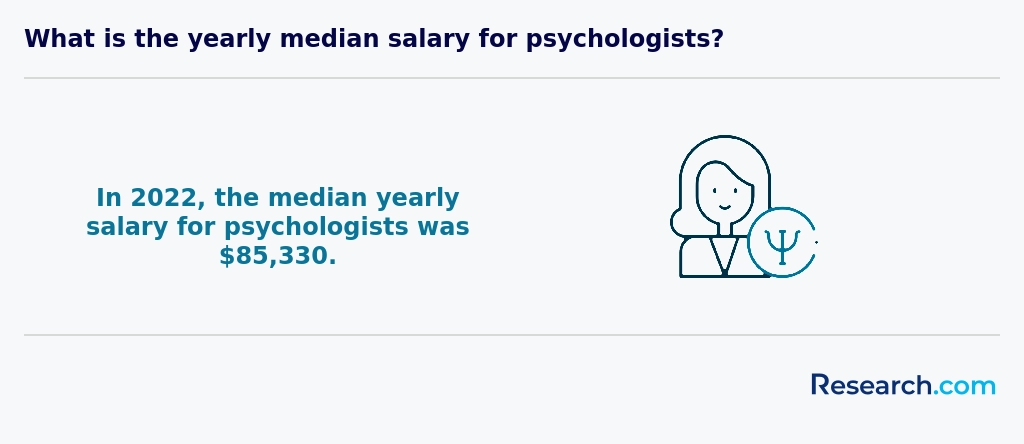
Before you can practice in Dayton with a psychology degree, you must follow Ohio’s licensing steps:
- Earn a regionally accredited bachelor’s degree in psychology, then complete a master’s or doctoral program in psychology.
- Accumulate at least 3,000 hours of supervised professional experience (internships or post-doctoral work).
- Pass the Examination for Professional Practice in Psychology (EPPP).
- Submit an application (with background check and fees) to the Ohio Board of Psychology.
- Complete continuing education requirements for license renewal every two years.
Those interested in counseling may also explore online counseling degrees to meet educational prerequisites and gain flexible training options.
Imagine unlocking the door to a vibrant psychology program at the University of Dayton or Sinclair Community College, where financial aid feels like a secret handshake welcoming you in. Many Dayton psychology students eagerly tap into federal aid through FAFSA, snagging Pell Grants that brighten their budgets with up to $7,395 annually-no repayment strings attached.
Picture yourself juggling classes and a campus job at a local counseling center, supported by work-study funds, where you're not just earning dollars but gaining hands-on experience in a real psychology environment. Ohio's own state grants, such as the Ohio College Opportunity Grant, sprinkle extra financial magic on in-state students at both public and private institutions.
Graduates often recall a burst of pride receiving merit scholarships from their Dayton universities, rewards for academic grit and psychology passion that kept tuition weight manageable year after year. Professional organizations like the APA also stand ready, offering grants that feel like a personal vote of confidence in your future mind-mapping adventures.
Expanding your academic journey beyond an affordable psychology degree in Dayton, OH can open new doors to specialization and career advancement. Many professionals choose to pursue graduate degrees-such as master's programs in psychology, counseling, or specialized fields-to sharpen their expertise and achieve higher salary potential. For example, for those interested in deepening their knowledge of behavior and intervention strategies, exploring applied behavior analysis masters programs can be a strategic next step. These advanced programs not only offer focused coursework and hands-on research opportunities but also help build invaluable networks with industry experts, further enhancing career prospects. Additionally, graduate studies provide an immersive environment for developing critical analytical skills, engaging in mentorship, and accessing cutting-edge resources necessary for tackling complex psychological issues in various professional settings.
Dreams of diving into Dayton's psychology programs often begin with conquering the basics: a high school diploma or GED acts as your golden ticket, just like it did for a graduate who thrilled at their acceptance to Wright State University after excelling in core classes like biology and English. These foundational courses build your mental scaffolding, preparing you to explore the intricacies of human behavior.
While some universities still flirt with SAT or ACT scores, many Dayton schools, such as the University of Dayton, embrace test-optional policies, giving hopeful students flexibility and easing anxiety during application season. Imagine submitting your application without the pressure of standardized testing-a relief echoed by many recent admits.
For those leaping toward graduate study, the journey intensifies with a bachelor's degree in psychology or related fields, and a GPA around 3.0 shining like a beacon of academic dedication. Personal statements and letters of recommendation become crucial stories you spin to reveal your passion, much like a graduate who secured their place by showcasing volunteer work in local mental health clinics.
These prerequisites create a vibrant mosaic of readiness, blending academic stamina and heartfelt experience, positioning Dayton's psychology hopefuls to thrive in their vibrant campus communities and beyond.
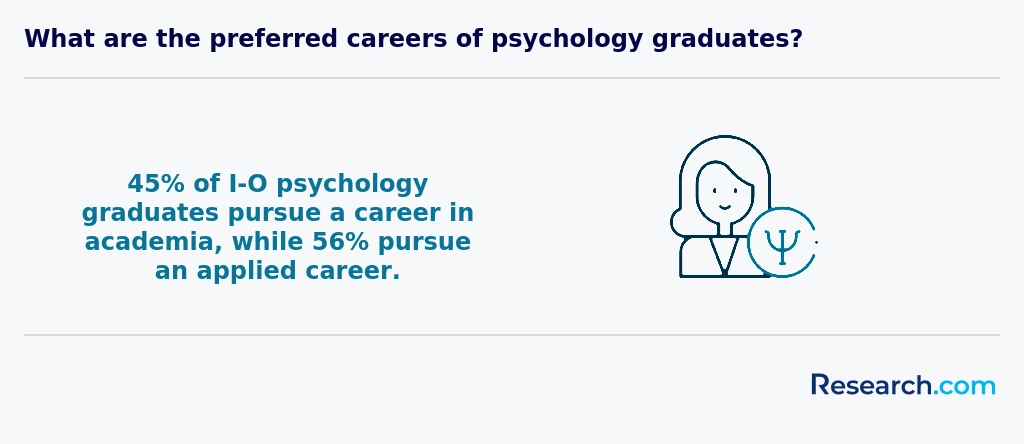
Imagine diving into the fascinating maze of the mind right in the heart of Dayton's top psychology programs. Graduates from renowned local universities recall how core courses like Introduction to Psychology opened their eyes to the rich history and principles behind human thought. In classrooms buzzing with curiosity, they unraveled the mysteries of the brain through Biological Bases of Behavior, often envisioning neurons firing as they connected theory to real-world brain functions.
Dayton students thrive as they navigate Cognitive Psychology, analyzing how memory tricks and perception shape daily life-like recalling a friend's laughter or solving puzzles during a crisp autumn afternoon on campus. Meanwhile, Developmental Psychology invites them to witness growth across life stages, sparking empathy through stories of childhood to adulthood.
Courses in Abnormal Psychology challenge learners to understand mental health deeply, fueling passion for compassionate care, while Social Psychology enhances their grasp of human connections seen at bustling campus events. Graduates often emphasize how Research Methods and Statistics transformed their perspectives, empowering them to sift through data with confident clarity, especially during hands-on lab work and internships typical in Dayton's vibrant academic scene.
Walking through Dayton's campuses, you'll find psychology degree specializations in Dayton that feel like customized maps guiding you to unique professional realms. Imagine a graduate from a well-known local college who dives deep into clinical psychology, gaining hands-on experience diagnosing and treating mental health disorders, ready to become a compassionate licensed therapist. Another student, drawn to Dayton psychology programs with concentrations in counseling psychology, finds fulfillment supporting friends and strangers alike through personal crises, embodying empathy and resilience.
Some graduates embrace industrial-organizational psychology, witnessing how subtle shifts in workplace dynamics can ignite productivity and boost morale in local businesses. Others gravitate toward cognitive or developmental psychology, inspired by early childhood behavior or brain research, sometimes even enrolling in applied behavior analysis masters programs to sharpen their skillsets. Dayton's blend of practical opportunities and focused specializations fuels a positive, relatable journey for those eager to shape minds and communities alike.
Choosing the right psychology degree in Dayton feels like mapping a personal journey through the maze of mind and matter. Imagine yourself walking the campus of a popular Dayton college, hearing stories from graduates who chose a Bachelor of Science to dive deep into neuroscience labs, their eyes lighting up with discovery, while others found joy in the broad, social-focused Bachelor of Arts path, nurturing community ties through counseling projects. The decision hinges not just on course titles but on the heartbeat of the program-accreditation by the American Psychological Association, strong internships, and practical experiences that don't just fill credits but shape future careers.
Affordable psychology degree programs Dayton's public universities offer balance cost with quality-vital for students juggling tuition and life. Graduates often recount how access to local clinics and research centers turned theory into moments of meaningful patient interaction or groundbreaking research. For those seeking a blend of cost-effectiveness and prestige, exploring options like the University of Dayton surfaces the challenge of higher tuition but richer resources and support systems.
To deepen practical skills and keep budget-friendly, exploring the Cheapest Online Master's in Psychology Degree Programs can be a strategic move, opening doors to flexible learning beyond traditional classrooms. Dayton students cherish programs with strong faculty connections and personalized advising that feel more like mentorship than mere administration.
Ultimately, the best psychology colleges Dayton Ohio know that learning thrives in communities where academic rigor meets empathy, where graduation rates and job placements echo in stories of real success, and where mental health resources sustain you through the rollercoaster of intense study. Listen to the passion of past students-they didn't just pick degrees; they picked paths that felt like unlocking their personal potential in the heart of Dayton's vibrant psychology scene.
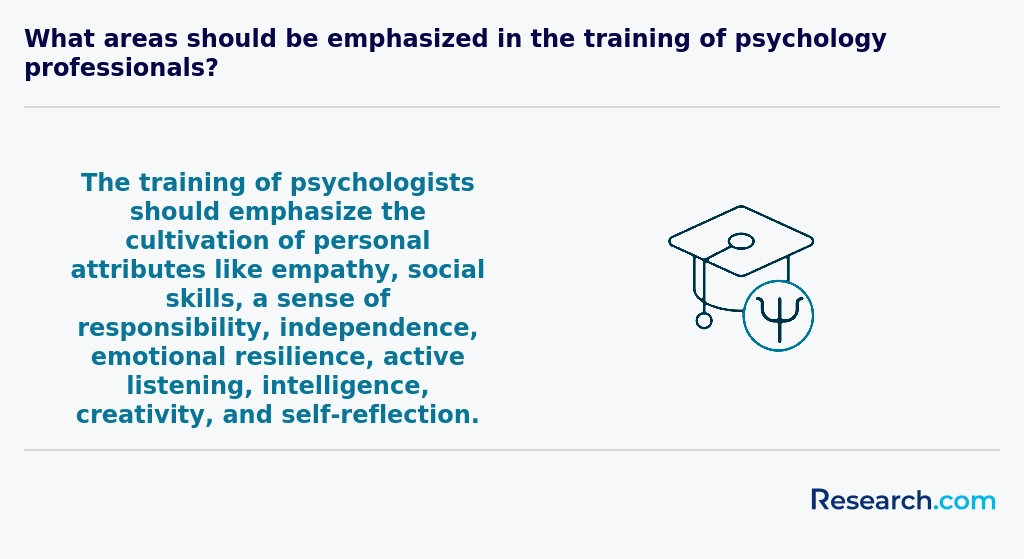
Graduates holding a psychology degree in Dayton find themselves stepping into a vibrant mosaic of career possibilities. Clinical paths beckon with roles in counseling or therapy, fueled by hands-on experience gained through local hospitals and mental health centers. Dayton's universities, like the University of Dayton and Wright State University, nurture these careers by blending rigorous academics with real-world practice, shaping professionals ready to meet community needs.
For those intrigued by the pulse of social change, Dayton's nonprofit sector offers gateways into human services and social work, with entry-level opportunities to impact substance abuse programs or youth outreach. This dynamic environment transforms day-to-day challenges into gratifying victories.
Beyond the clinic and community, psychology degree job opportunities Dayton include innovative research and teaching roles. Graduates engage as research assistants or lab coordinators, often paving the way toward faculty positions that spark discovery. Meanwhile, the city's manufacturing and tech firms open doors to industrial-organizational psychology careers, where the science of mind meets business to improve workplace wellbeing.
For those thinking to fast-track their prospects, exploring a 1 year masters degree could be the catalyst to unlocking even more specialized paths.
The job market for psychology degree holders in Dayton pulses with promise, intertwining opportunities in healthcare, education, and social services that many local graduates eagerly tap into. Those freshly walking the halls of Wright State University or the University of Dayton find themselves stepping into thriving roles-from clinical psychologist positions at Miami Valley Hospital to school psychology spots in Dayton's public schools. Dayton's distinctive blend of community-focused employers means that psychology graduates often witness their work immediately impacting families, schools, and mental health clinics nearby.
For students chasing psychology degree job opportunities Dayton delivers practical access to internships and practicum placements that aren't just boxes to check but vibrant learning grounds framing their future careers. Graduates often share how networking with organizations like the Dayton Psychological Association fuels connections leading to fulfilling counseling or research roles. Earning here hovers around $78,000 annually-enough to sustain a comfortable lifestyle locally, encouraging many to pursue advanced degrees to broaden clinical possibilities.
In this evolving landscape, those weighing investment against return appreciate that costs of study, particularly at in-state public universities, are reasonable. This foresight nurtures hope, especially when balanced with options like easy online certifications that pay well, which complement a local psychology degree perfectly.
2027 Most Affordable Psychology Degree Programs Ranking in Dayton
Investing in your education is a significant decision that can profoundly impact your future, and the Research.com team is committed to supporting you in making well-informed choices. To assist prospective students in Dayton, we have carefully developed the "2027 Most Affordable Psychology Degree Programs Ranking in Dayton." Our dedication to quality, credibility, and accuracy is demonstrated through rigorous research and thorough analysis.
We utilized the following reputable data sources to ensure a comprehensive evaluation of psychology degree programs:
By reviewing this ranking, readers will gain valuable insights into the most affordable and high-quality psychology degree options in Dayton, empowering them to make confident educational decisions. For a detailed explanation of our ranking process, please visit our Research.com methodology page.
.webp)

Frequently Asked Questions About psychology
Psychology degree students in Dayton can maximize their learning by engaging actively with local academic resources. Universities like Wright State offer access to research labs and faculty specializing in behavioral science, providing practical experience. According to the National Center for Education Statistics, hands-on research opportunities correlate with higher retention and deeper understanding in psychology disciplines.
Students should also seek internships within Dayton's diverse healthcare settings, such as Dayton Children's Hospital, where clinical psychology applications can be observed firsthand. The American Psychological Association emphasizes the importance of applied internships for career readiness.
Joining psychology clubs and attending local conferences can also enhance networking and professional growth. Combining classroom learning with experiential exposure is key to a robust education in Dayton's psychology field.
The field of psychology is constantly evolving, with several emerging niches gaining attention among students in Dayton and across the US. One notable area is neuropsychology, which explores how brain function impacts behavior and cognition. Demand for specialists in this niche is growing as technology advances. Another fast-growing niche is health psychology, focusing on how psychological factors affect physical health and wellness.
Additionally, forensic psychology is expanding, applying psychological principles to legal contexts. Dayton's close proximity to legal institutions offers practical training opportunities in this field. Environmental psychology, which studies the interaction between people and their surroundings, is also gaining traction due to increasing interest in sustainability.
According to the American Psychological Association, these interdisciplinary niches are expected to grow by 12% through 2030, reflecting broader societal needs.
After completing a psychology degree in Dayton, preparing for the job market involves a combination of gaining practical experience and building professional networks. Internships or practicum placements in local hospitals, schools, or counseling centers offer hands-on experience valued by employers.
Dayton's job market for psychology graduates is competitive but growing, with the Ohio Department of Job and Family Services projecting a 10% increase in related mental health jobs by 2028. Specialized training or certifications in counseling or behavioral analysis can enhance employment prospects.
Additionally, joining local professional organizations, such as the Dayton Psychological Association, helps connect graduates to mentorship and employment opportunities within the region.
Employers in Dayton highly value psychology graduates who demonstrate strong communication skills. The ability to clearly explain complex psychological concepts to clients or colleagues is essential in settings like counseling centers or social service agencies. According to the Ohio Department of Higher Education, Dayton-area employers also prioritize critical thinking and problem-solving abilities, as these skills enable graduates to analyze behavioral data and develop effective intervention strategies.
Additionally, proficiency in research methods and statistical analysis is important, especially for roles in clinical research or organizational psychology. Adaptability and teamwork are frequently mentioned by local employers, reflecting Dayton's collaborative work environment in healthcare and education sectors.
Finding internships in Dayton relevant to a psychology degree involves leveraging local resources and university partnerships. Wright State University, a major institution in Dayton, frequently connects psychology students with internships in clinical, counseling, and research settings. These placements often include hospitals, mental health clinics, and nonprofit organizations.
Students should also explore the Greater Dayton Area Mental Health & Wellness agencies, which offer internship programs that provide hands-on experience. According to the Bureau of Labor Statistics, internships can significantly improve employment prospects in psychology by providing practical skills and networking opportunities.
Networking through Dayton-area psychology associations and attending local career fairs can open additional internship leads. Using university career centers and online platforms specialized for psychology internships in Ohio will also aid the search effectively.
Obtaining a psychology degree in Dayton can significantly enhance career mobility and advancement. Dayton's growing healthcare and social services sectors provide multiple job opportunities for psychology graduates, including roles in counseling, mental health services, and human resources. According to the U.S. Bureau of Labor Statistics, employment of psychologists in Ohio is projected to grow 6% from 2022 to 2032, aligning with national trends.
Psychology degrees often serve as a foundation for specialized graduate programs, which are preferred or required for higher-level positions such as clinical psychologist or school counselor. Local institutions like Wright State University facilitate networking and internships, further improving job prospects.
Studying for a psychology degree in Dayton offers strong preparation for interdisciplinary roles by emphasizing collaboration across various fields such as healthcare, education, and social services. Programs in Dayton incorporate applied learning, combining psychological theories with practical skills relevant to multiple professions.
Dayton's universities often partner with local hospitals and community organizations, allowing students to gain experience working with diverse populations. This approach nurtures adaptability and communication-key qualities needed in roles that overlap with counseling, nursing, and social work.
According to the Ohio Board of Regents, about 35% of psychology graduates in the state enter interdisciplinary careers, reflecting the robust demand for flexible skill sets. This trend highlights how Dayton's curriculum aligns with workforce needs by integrating psychology with related disciplines.
Choosing between a thesis and a non-thesis psychology degree program in Dayton depends on your career goals and learning preferences. Thesis programs typically require original research and a formal written project, preparing students for doctoral studies or research roles. Non-thesis options often focus on coursework and practical experience, which suits those aiming for professional practice or applied positions.
The University of Dayton and Wright State University offer both paths, with thesis tracks often demanding 6 to 12 credit hours dedicated to research. According to the National Center for Education Statistics, about 40% of psychology master's students nationwide choose thesis programs, while 60% opt for non-thesis.
Cost and duration may also differ; thesis programs can extend your study time but may open doors to higher-paying roles in research or academia.
Students in Dayton interested in studying psychology abroad have several pathways through their local universities. Schools such as the University of Dayton often offer study abroad programs in collaboration with foreign institutions, allowing psychology majors to gain international experience. These programs typically last one semester and include coursework aligned with American Psychological Association (APA) standards, ensuring credits transfer smoothly.
Additionally, some Dayton colleges participate in exchange programs with universities in Europe and Asia, broadening opportunities for cultural and academic exposure. Financial aid and scholarships may be available specifically for psychology students planning to study overseas. According to the University of Dayton Study Abroad Office, about 15% of students participate in international programs annually, with psychology being a popular major among them.
Students pursuing psychology degrees in Dayton can benefit from various part-time job opportunities that enhance their education. Local hospitals and mental health clinics often seek psychology interns or aides, providing practical experience in patient interaction and assessment. According to the Bureau of Labor Statistics, Dayton's healthcare sector is growing, increasing such opportunities.
Additionally, community centers and nonprofit organizations in Dayton frequently look for part-time support staff to assist with counseling programs or social services. These roles help develop skills in communication and case management.
Research assistant positions at institutions like Wright State University allow students to gain hands-on experience with psychological experiments and data analysis, directly complementing academic studies.
Dayton offers psychology students various networking opportunities, largely through its local universities and professional organizations. Wright State University, a key institution in the area, hosts psychology clubs and career fairs where students can connect with faculty and local professionals. These events often feature guest speakers from clinical and research fields.
The Dayton Psychological Association provides an active platform for students to meet licensed psychologists and attend workshops. Additionally, students benefit from internships at nearby healthcare facilities and nonprofit organizations, which help build professional contacts and practical experience.
Participation in regional conferences such as those organized by the Ohio Psychological Association further enhances networking possibilities for psychology students in Dayton.
Alumni networks play a crucial role for psychology degree students in Dayton by providing ongoing professional connections and resources. Graduates from local universities often report that these networks help with job placements and internships within Dayton's mental health services and educational institutions.
In Dayton, psychology alumni networks facilitate mentorship programs that guide students through licensure requirements and career planning. According to the National Association of Colleges and Employers, students with active alumni engagement are 20% more likely to secure relevant employment within six months of graduation. This is especially important in psychology, where practical experience and professional relationships are key.
Furthermore, many Dayton psychology alumni participate in local conferences and workshops, increasing students' exposure to current research trends and clinical practices. Such involvement strengthens students' resumes and professional skills prior to entering the competitive mental health workforce.
Customizing a psychology degree program in Dayton allows students to align their education with specific career goals. Many universities in Dayton, such as the University of Dayton, offer flexible curricula with elective courses that focus on areas like clinical, counseling, or industrial-organizational psychology. Students can also choose internships or research projects related to their interests, gaining practical experience while networking within the Dayton community.
Dayton's institutions often support specialization through certificate programs or minors, helping students tailor their skills. According to the Ohio Department of Higher Education, nearly 45% of psychology graduates in Ohio pursue careers in health services, highlighting the importance of relevant hands-on experience.
Consulting academic advisors is essential for creating a personalized plan that meets licensure requirements and career objectives within Ohio's psychology job market.
Psychology students in Dayton often encounter several key challenges during their academic journey. One common difficulty is balancing rigorous coursework with practical experience requirements, such as internships or research projects, which are essential for hands-on learning in psychology.
Additionally, financial constraints are a significant concern. According to the National Center for Education Statistics, the average annual cost for in-state students at public universities in Ohio is around $11,500, which can impact Dayton students seeking affordable degree options.
Another challenge involves managing stress and mental health due to demanding study loads and competitive environments. Access to campus counseling services can vary between institutions.
With a psychology degree in Dayton, graduates can pursue several professional certifications to advance their careers. Common certifications include becoming a Licensed Professional Counselor (LPC) or Licensed Clinical Social Worker (LCSW), both requiring additional supervised experience and passing state exams. Dayton falls under Ohio's licensure system, where LPC certification demands a master's degree plus 3,000 hours of supervised practice.
Another option is certification as a Certified Alcohol and Drug Counselor (CADC), valuable for those focusing on addiction counseling, a growing need in Ohio communities.
For research or academic roles, Graduate Record Examinations (GRE) and certifications from the American Board of Professional Psychology (ABPP) may be relevant for advanced specialization.
When applying to psychology programs in Dayton, it is essential to highlight your academic achievements and relevant experiences clearly. Admissions committees often look for a strong GPA, typically above 3.0, and coursework emphasizing behavioral science and research methods.
Personal statements should convey your passion for psychology and your career goals. Mention any internships or volunteer work within local Dayton mental health facilities or organizations, as practical experience strengthens your application.
Letters of recommendation from professors familiar with your academic or research abilities add credibility. Additionally, many institutions in Dayton value applicants who demonstrate awareness of community mental health needs, reflecting a commitment beyond academics.
Psychology careers in the United States, including Dayton, are influenced by global trends emphasizing cultural competence and evidence-based practices. According to the American Psychological Association (APA), U.S. psychology professionals are increasingly engaging with international research to address mental health in diverse populations.
In Dayton, psychology degree programs often incorporate global perspectives through coursework and internships, preparing students for careers that require understanding multicultural issues. The U.S. Bureau of Labor Statistics reports that clinical and counseling psychologists, often trained locally, increase by 8% nationally from 2021 to 2031, partially driven by global health challenges.
Dayton's programs align with international standards, allowing graduates to pursue careers worldwide or collaborate in global psychology initiatives.
Gaining practical experience while studying for a psychology degree in Dayton is essential for applying theoretical knowledge in real-world settings. Many Dayton institutions encourage students to participate in internships or practicum placements at local hospitals, counseling centers, and schools. These opportunities provide hands-on experience in assessment, counseling, and research.
Additionally, Dayton psychology programs often collaborate with organizations such as the Dayton Mental Health Center and local community services, offering students supervised clinical hours. Volunteering for research projects under faculty guidance is another common way to build practical skills and professional connections.
According to the U.S. Bureau of Labor Statistics, students completing internships improve their employment prospects significantly. Practical training complements academic learning, preparing Dayton students for diverse career paths in psychology.
Choosing the right concentration within a psychology degree program in Dayton begins with understanding your career goals. Dayton-area universities typically offer concentrations such as clinical, counseling, developmental, or industrial-organizational psychology. Each path aligns with different professions-from therapy and social services to human resources.
Research local employment trends; for instance, the Dayton metropolitan area has a growing demand in mental health services, especially for clinical and counseling psychologists, per the Bureau of Labor Statistics (2023). Considering internship opportunities and faculty expertise in Dayton schools can also guide your choice.
Additionally, think about graduate school ambitions, as some concentrations better prepare students for advanced study. Consulting academic advisors and visiting program websites are practical steps in making an informed decision.
- 2027 Most Affordable Psychology Degree Programs Ranking in Fort Wayne
- 2027 Most Affordable Psychology Degree Programs Ranking in Indianapolis
- 2027 Most Affordable Psychology Degree Programs Ranking in Louisville
- 2027 Most Affordable Psychology Degree Programs Ranking in Notre Dame
- 2027 Most Affordable Psychology Degree Programs Ranking in Detroit
- 2027 Most Affordable Psychology Degree Programs Ranking in Chicago
- 2027 Most Affordable Psychology Degree Programs Ranking in Saint Louis
- 2027 Most Affordable Psychology Degree Programs Ranking in Buffalo
- 2027 Most Affordable Psychology Degree Programs Ranking in Washington
- 2027 Most Affordable Psychology Degree Programs Ranking in Baltimore
See What Experts Have To Say About Studying Psychology
Read our interview with Psychology experts

Elizabeth L. Jeglic Ph.D.
Psychology Expert
Professor of Psychology
City University of New York

Joann Farrell Quinn, Ph.D., MBA
Psychology Expert
Director at the College of Medicine Department of Medical Education
Morsani College of Medicine

Catherine Caldwell-Harris, Ph.D.
Psychology Expert
Associate Professor of Psychology
Boston University

- Fastest Growing Careers In Psychology | Psychology.org https://www.psychology.org/resources/fastest-growing-careers-in-psychology/
- Psychology Online Degree Pathway https://www.learndirect.com/course/psychology-online-degree
- Why Get a Psychology Degree Online? | University of Bridgeport https://www.bridgeport.edu/news/reasons-to-get-your-psychology-degree-online/
- Call for papers https://www.hogrefe.com/us/journal/international-perspectives-in-psychology-research-practice-consultation
- What can I do with a psychology degree? https://www.hull.ac.uk/study/undergraduate/courses/psychology-bsc-hons/what-can-i-do-with-a-psychology-degree
- Alumni Perspectives - Meet Our FPN Alumni https://www.aanmelder.nl/alumni-perspectives-june-2023
- University of Dayton https://mastersinpsychologyguide.com/schools/university-dayton/
- Know more about thesis vs non- thesis: what is the difference? https://studyfans.com/en/blogs/816
- Study Psychology Abroad | Go Overseas https://www.gooverseas.com/study-abroad/psychology
- Bachelor of Science in Psychology in University of Dayton | Fees, Eligibility and More https://www.jeduka.com/usa/universities/university-of-dayton/bachelor-of-science-in-psychology





