
2027 Best Psychology Degree Programs Ranking in River Forest

Co-Founder and Chief Data Scientist
Choosing the right psychology degree program is an important step toward a fulfilling career, especially for students in River Forest. This article presents the 2027 Best Psychology Degree Programs Ranking in River Forest, carefully developed by the Research.com team of data scientists.
The ranking offers clear insights to help you identify programs that match your goals and interests. By exploring these options, you can make a confident, informed decision about your education.
Studying psychology opens doors to understanding human behavior and making a positive impact-this guide is here to support your journey.
Key benefits of getting psychology degree in River Forest
- Salary for psychology degree graduates: Graduates often find rewarding jobs such as Human Resources Specialists earning a mean annual wage of $76,060 or Marketing Research Analysts with an average salary of $83,190, ensuring a stable and satisfying income.
- Career paths in River Forest: Many psychology graduates start careers in roles like Clinical Research Associates or Survey Researchers, gaining valuable experience locally before advancing to leadership or specialized positions.
- Benefits of online psychology degrees: Online graduates from River Forest universities enjoy flexible learning schedules and often continue working while studying, making it easier to balance life commitments and gain real-world experience.
- 2027 Best Psychology Degree Programs Ranking in River Forest
- What can I expect from psychology degree in River Forest?
- Where can I work with psychology degree in River Forest?
What can I expect from psychology degree in River Forest?
The average cost of earning a psychology degree in River Forest typically falls within a range reflective of private and public institutions nearby. Graduates from popular local colleges often recall investing around $30,000 to $50,000 annually, including tuition, fees, and essential materials. This investment feels substantial but is often balanced by the value gained through hands-on internships and close ties to Chicago's vibrant research community.
Many students appreciate that costs cover more than just classes; they contribute to access to personalized faculty guidance and practicum opportunities in local mental health clinics or schools. These real-life experiences not only deepen understanding but often pave the way for graduate studies or job placements. For those attending public colleges with state aid or scholarships, the financial burden can be notably lighter, reflecting an average closer to $20,000 per year.
Those who have walked this path emphasize how the cost feels justified by the rich academic environment and career preparation offered by River Forest's institutions, which aligns well with regional job growth and licensure requirements.
Where can I work with psychology degree in River Forest?
Graduates with psychology degrees from colleges in River Forest often find fulfilling work across a variety of settings, energized by how their education translates into meaningful impact. Many secure roles in healthcare facilities within nearby Oak Park and Chicago, such as mental health clinics or counseling centers, where they apply clinical skills nurtured during their studies. These environments offer rewarding challenges and direct opportunities to improve lives.
Others draw deeply satisfying experiences working in local schools, supporting children's growth as school psychologists or behavioral specialists. Graduates recount the joy of helping students overcome challenges, feeling their efforts ripple through the community. The demand here remains steady, fostering a strong sense of job security.
For those interested in community roles, nonprofits provide avenues to support families and youth, addressing real-world issues like substance abuse. In this work, graduates appreciate the chance to see tangible progress and build trusting relationships.
River Forest's proximity to universities also opens doors to research and academic positions, where graduates enjoy intellectually stimulating projects that expand knowledge. Corporate roles in human resources or organizational development remain a rewarding option, leveraging psychology insights to shape healthier workplaces.
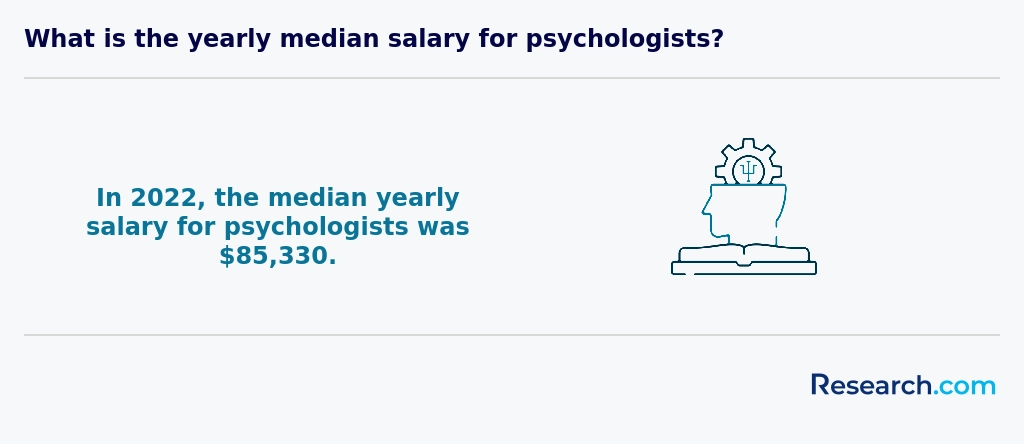
Graduates from psychology programs in River Forest often find their earnings shaped by both the local job market and their specific roles. For example, those stepping into positions such as Human Resources Specialist can expect an average annual salary around $76,060, reflecting strong opportunities in organizational psychology applications. Marketing Research Analyst roles, common among psychology graduates with strong analytical skills, offer about $83,190 yearly, providing attractive earnings close to Chicago's metropolitan standards.
Clinical Research Associate and Survey Researcher positions, often pursued by graduates from well-known institutions like Dominican University, report annual wages near $62,370. These roles allow early-career professionals to engage in meaningful research while earning a respectable income as they build experience.
Many graduates recall feeling optimistic when their degree enabled them to secure such roles, appreciating how their studies at River Forest colleges translate into tangible job prospects. Entry-level jobs in this region might not match the earnings of licensed psychologists but still provide a solid financial foundation and professional growth in psychology-related fields.
- Psychology degrees in River Forest mainly offer undergraduate programs, with tuition ranging from $15,000 to $35,000 per year.
- Entry-level salaries for psychology graduates with a bachelor's degree start around $40,000 annually, while advanced degrees can earn between $65,000 and $75,000.
- Employment opportunities are found in healthcare, social services, education, and private practice, with job growth in the area projected at 10% over the next decade.
- Licensure in Illinois requires graduate education, supervised experience, and passing exams, especially for those pursuing clinical psychology careers.
- Local internships and research programs are important for gaining practical experience and improving job prospects.
Completing a psychology degree in River Forest typically mirrors the traditional academic timelines found across the country, yet it carries the unique rhythm of local institutions like Dominican University. Graduates often reflect on the steady four years they invested in their bachelor's degrees, balancing demanding courses with vibrant campus life. Many cherish how this period solidified their passion through a mix of general education and specialized psychology classes, offering a strong foundation without feeling rushed.
For those advancing to a master's, the additional two years become a time of deeper exploration and personal growth. Alumni frequently describe this stage as both challenging and rewarding, emphasizing practical experiences that build confidence for professional roles. The flexibility to study part-time in River Forest helps students tailor their education to real-life commitments, fostering a satisfying balance.
Doctoral students nearby often share stories of intense dedication over four to seven years, involving research, clinical practice, and comprehensive exams. These graduates appreciate the robust support from Chicago-area programs, which makes the demanding journey feel purposeful and achievable.
In recent years, sports psychology has emerged as a dynamic and rapidly growing specialization within the broader field of psychology. Graduates with a psychology degree are increasingly exploring roles where they can support athletes in building resilience, enhancing performance, and managing the mental challenges of competitive sports. This evolving sector not only offers exciting career opportunities in team settings and individual coaching but also reflects a broader shift towards integrated wellness in athletic performance. With technological advancements and a growing focus on mental health, employers are placing greater value on professionals who combine academic expertise with practical experience. For a deeper understanding of the financial potential within this field, check out the sports psychology job salary details. As more institutions incorporate specialized training and real-world placements in their curricula, aspiring sports psychologists are well-positioned to thrive in a competitive job market while making a meaningful impact on athletes' well-being.
Graduates from River Forest universities often recall the vibrant campus life that shaped their understanding of psychology through direct interaction and hands-on learning. On-campus programs offer daily access to facilities like counseling centers and research labs, where students engage closely with professors and peers. This face-to-face environment fosters a strong sense of community and immediate support, which many find indispensable for mastering complex psychological concepts.
Conversely, online psychology degrees attract students balancing careers or family, offering flexibility that traditional settings can't match. Alumni appreciate the ability to tailor study schedules around life's demands, participating in virtual discussions and accessing recorded lectures on their own terms. Yet, even with this convenience, they acknowledge the importance of ensuring internships or clinical practicums align with licensure requirements, a key step often facilitated by local institutions in the Chicago area near River Forest.
Both paths carry value; the choice hinges on personal priorities. Whether immersed in the campus buzz or navigating studies from home, River Forest students grow equipped to enter a field where compassion and adaptability lead the way.
Graduates aiming to practice as licensed psychologists in Illinois must complete several post-graduate steps:
- Earn a doctoral degree in psychology from an APA-accredited program.
- Complete at least 3,360 hours of supervised professional practice, including 1,680 hours of direct client contact.
- Pass the Examination for Professional Practice in Psychology (EPPP) and the Illinois Jurisprudence Assessment.
- Submit an application to the Illinois Department of Financial and Professional Regulation with official transcripts, exam results, and supervision verification.
- Renew licensure every two years by completing 30 hours of approved continuing education, including at least six hours in ethics.
Students concerned about upfront costs can explore the cheapest online degree in psychology to reduce debt before licensure.
When considering the average cost of a psychology degree in River Forest, it is helpful to look at the median tuition figures, which are around $50,438 in total. For in-state students, this cost is somewhat lower, typically near $37,488. These figures reflect the combined tuition and fees over the course of completing a bachelor's degree in psychology, offering a tangible frame of reference for budgeting your education.
Graduates from popular River Forest colleges often reflect on how managing these expenses was a crucial part of their academic journey. Many found that financial aid and scholarships greatly alleviated the burden, allowing them to focus more fully on their studies and professional growth. Balancing costs like tuition with living expenses in River Forest, which tend to be moderate compared to Chicago's downtown, helped maintain a fulfilling college experience without excessive financial stress.
The typical psychology degree tuition and fees River Forest students face align with these median values, but additional costs such as textbooks and lab fees should also be anticipated. It's a practical approach to consider these costs early on to make well-informed choices about where and how to study psychology locally. Moreover, prospective students interested in exploring broader options might consider programs like Nevada psychology degree programs, which could offer different financial structures and curricula adapted to diverse interests and career goals.

After earning your bachelor’s or master’s degree in psychology, securing state licensure is essential for clinical practice. In Illinois, aspiring psychologists and counselors must fulfill several requirements to practice legally and ethically. Below is an overview of the main pathways: 1. Licensed Clinical Professional Counselor (LCPC) - Education: Master’s degree in counseling or psychology from a CACREP-accredited program. - Supervised Experience: Minimum of 3,360 hours of supervised postgraduate clinical experience over at least two years. - Exams: Passage of the National Counselor Examination (NCE) and the Illinois Jurisprudence Examination. - Application: Submit transcripts, supervision logs, and exam scores to the Illinois Department of Financial and Professional Regulation (IDFPR). 2. Licensed Clinical Psychologist - Education: Doctoral (Ph.D. or Psy.D.) in psychology from an APA-accredited institution. - Internships: Completion of a 1,500-hour predoctoral internship. - Supervised Experience: Additional 1,500 hours of postdoctoral supervised practice. - Exams: Successful completion of the Examination for Professional Practice in Psychology (EPPP) and the Illinois Jurisprudence Exam. - Application: Comprehensive application to IDFPR with verification of hours, internship, and academic credentials. Continuing Education and License Renewal To maintain active licensure in Illinois, professionals must complete 40 hours of continuing education (CE) every two years, including at least one hour of ethics training. Workshops on cultural competence, telehealth best practices, and evidence-based interventions count towards CE credits. Staying current with CE not only upholds licensure but also enhances clinical skills and career advancement. Alternative Pathways Those with degrees in related fields, such as social work or education, can also become a licensed therapist by completing accredited certificate programs, fulfilling supervised hours, and passing state licensure exams. These alternative routes expand opportunities for professionals passionate about mental health, ensuring a diverse and skilled workforce in River Forest.
Psychology students in River Forest often navigate a range of financial aid options that bring real hope and relief. Graduates from local colleges recall how Pell Grants, which do not require repayment, were crucial in bridging the gap between tuition costs and personal budgets-sometimes covering up to $7,500 annually. The Federal Supplemental Educational Opportunity Grant (FSEOG) also made a tangible difference for those with greater financial need.
Many undergraduates in River Forest emphasize the value of state-specific aid like the Illinois Monetary Award Program (MAP), which offers targeted support to residents pursuing psychology. Scholarships from their institutions, especially those aligned with academic merit or financial hardship, often felt like a personal endorsement of their dedication and potential.
Work-study programs at well-known local universities allowed students to earn while gaining experience tied to psychology fields, creating a balance of financial support and professional growth. For graduate students, specialized loan programs eased the worry of covering advanced degree costs.
Beyond campus resources, the American Psychological Association's scholarships inspired many students by connecting them to a wider community supportive of their aspirations in psychology. This network, combined with local aid, undoubtedly shapes a more manageable and motivating educational journey in River Forest.
For students in River Forest, IL, who are keen on pursuing a psychology degree without incurring significant financial burdens, exploring affordable options is crucial. One of the most effective ways to manage educational expenses is by considering institutions that offer competitive tuition rates and comprehensive financial aid packages. Prospective students can also look into most affordable psychology schools in Illinois to find programs that balance quality education with affordability. By doing so, they can make informed decisions about their educational investments, focusing on institutions that provide the best value for their money. This approach not only helps in reducing financial stress but also ensures that students can concentrate on their academic and professional development, ultimately achieving their goals in the field of psychology.
Students aspiring to enroll in psychology degree programs in River Forest find that meeting solid academic prerequisites is the first step toward a fulfilling journey. Graduates from popular local colleges often reflect on how their strong high school background in biology, mathematics, and social sciences set the stage for understanding complex psychological theories later on. A GPA of around 3.0 or higher usually reflects the dedication needed to keep pace with coursework at this level.
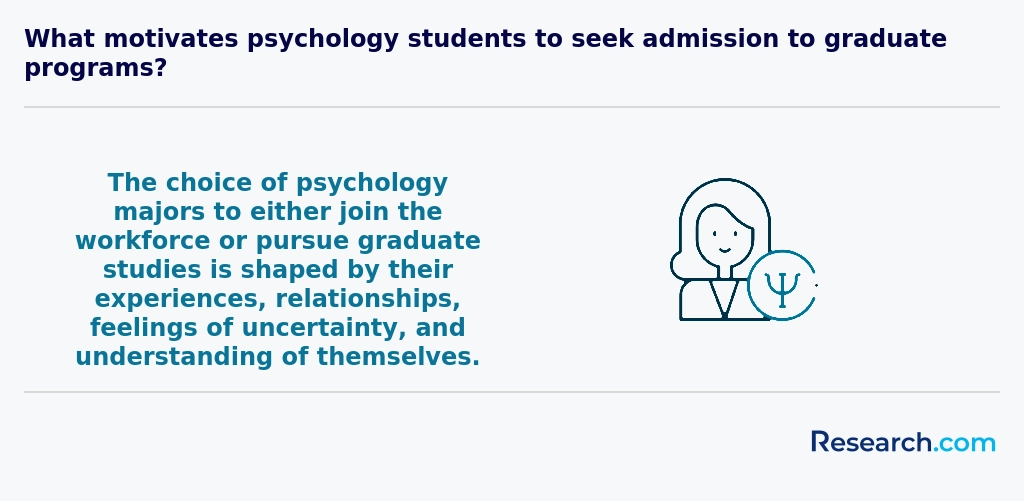
Many undergraduates recall the benefit of early exposure to introductory psychology classes or relevant activities, which fueled their passion and helped clarify their goals. At graduate levels, the expectations sharpen-earned bachelor's degrees in psychology or related fields, a good undergraduate GPA, and meaningful internship or research experience become essential. These experiences, they say, deepen empathy and practical skills, vital when working with real clients during clinical programs common in River Forest institutions.
Applicants often share how writing a thoughtful statement of purpose and securing strong recommendations create a personal connection to admissions committees, opening doors to programs that value commitment as much as academics.
Psychology graduates in Illinois must meet state-mandated standards to practice legally and ethically.
- Educational Credentials: Earn a master’s degree (for Licensed Professional Counselors) or a doctoral degree (for licensed psychologists) from an APA-accredited or regionally accredited program.
- Supervised Experience: Complete supervised clinical hours-typically 2,000+ for LPCs and 1–2 years of full-time supervised practice for psychologists.
- Examinations: Pass the national Examination for Professional Practice in Psychology (EPPP) and the Illinois Jurisprudence Assessment.
- Application Process: Submit official transcripts, supervisor verification forms, and fees to the Illinois Department of Financial and Professional Regulation.
- Continuing Education: Fulfill ongoing CE requirements (usually 20 credit hours every two years) to renew your license.
Students seeking to accelerate their education and clinical training may explore an accelerated psychology degree to streamline the path to licensure.
Students pursuing psychology degrees in River Forest often find themselves engaged with a thoughtfully structured curriculum that balances theory and practice. Core courses like Introduction to Psychology provide a broad overview, helping students grasp the many branches that shape human understanding. At local institutions, graduates frequently recall how classes like Research Methods and Statistics sharpened their ability to design studies and interpret data-skills they later relied on during internships or lab work.
Courses such as Biological and Cognitive Psychology bring concepts to life, exploring brain functions and mental processes through vivid examples, like memory experiments or brain imaging used in university labs. Developmental and Social Psychology classes immerse students in real-world scenarios, uncovering how human growth and social interactions influence behavior. Many River Forest graduates describe their study of Abnormal Psychology as eye-opening, revealing the complexities of psychological disorders in ways that sparked empathy and a desire to make a difference in counseling or social services.
Psychology degree specializations in River Forest cover a broad spectrum tailored to varied interests and career ambitions. Many graduates from well-known local colleges share how Clinical Psychology deeply engaged them, preparing for careers diagnosing and treating mental health challenges in community clinics and hospitals. Counseling Psychology also stands out, especially for those drawn to empathetic, client-centered work in schools or social service agencies.
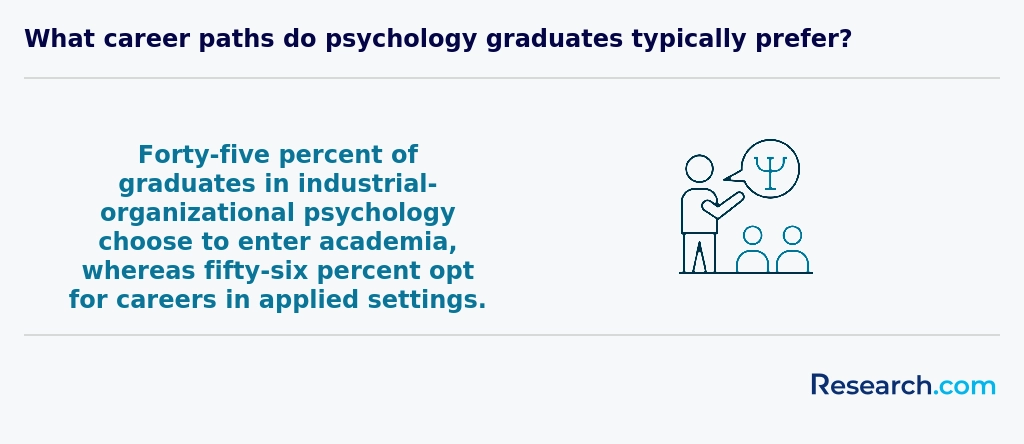
The best psychology programs River Forest specializations include Developmental Psychology, which molds students to understand lifelong human growth, and Experimental Psychology, where graduates become skilled in research and data analysis vital for advancing cognitive science. Institutions here even offer niche tracks like Industrial-Organizational and Forensic Psychology, reflecting the region's diverse workforce and legal landscape.
Graduates often describe feeling empowered by such focused studies, finding that these specializations unlock meaningful career paths with local demand. For those considering affordability and return on investment, exploring the psychology degree salary can provide valuable clarity. River Forest's programs uniquely blend practical skill-building with academic rigor, reliably supporting students' growth and future success.
Choosing the best psychology degree in River Forest means looking beyond the name of the institution and focusing on what truly shapes your experience. Graduates from well-known local universities often highlight how programs with strong faculty mentorship and diverse specialized tracks made their studies both inspiring and practical. Imagine exploring clinical psychology through hands-on internships offered by colleges nearby, where connections with Chicago's mental health community become a natural extension of your education.
Studies show that affordable psychology colleges River Forest offer a balance between cost and quality, allowing students to thrive without excessive financial stress. Reflecting on the journeys of past students, those who chose schools with clear pathways to licensure found smoother transitions into careers. Checking for accreditation and the availability of practicum placements ensures you gain essential skills. For those interested in clinical roles, it's wise to explore graduate options with credentials aligned to lpc professional associations iowa, reinforcing your professional standing.
Exploring psychology career options in River Forest reveals a diverse landscape shaped by the area's connection to Chicago's robust job market. Graduates from local colleges often share how their degrees opened doors to roles in mental health counseling and therapy, where they find meaning helping individuals cope with challenges. These positions, frequently requiring graduate studies, underscore the lasting value of a solid psychology foundation obtained nearby.
Other graduates have found fulfilling jobs with a psychology degree in River Forest in social work and community outreach, thriving in nonprofit organizations that serve diverse populations around the metropolitan area. This reflects the region's demand for compassionate professionals who apply psychological insights outside clinical settings.
Many successful alumni describe entering human resources or organizational psychology roles, translating classroom knowledge into workplace innovations. Some take educational support roles in schools, combining undergraduate training with certifications.
Their experiences often point to research and academic paths, where early roles as research assistants can lead to exciting opportunities. For those budgeting education costs, consulting the most affordable psychology schools in Illinois brings practical clarity to planning a career in this rewarding field.
The job market for psychology degree holders in River Forest remains robust, reflecting broader trends seen nationally. Graduates from well-regarded local institutions often find rewarding opportunities thanks to the area's strong healthcare and education sectors. Many alumni share how their degrees opened doors in clinical roles and school psychology positions, in part because River Forest's proximity to Chicago expands access to hospitals, counseling centers, and private practices.
Those exploring psychology degree job opportunities River Forest can tap into roles such as counselor, human resources specialist, or research analyst, leveraging skills honed during their university years. While entry-level jobs may be accessible with a bachelor's degree, pursuing advanced degrees typically enhances prospects and earning potential.
Graduates frequently mention how lower tuition rates at local colleges compared to Chicago's universities eased their financial burden, motivating them to excel further. Moreover, the market's positive trajectory, fueled by the growing need for mental health services, inspires students to pursue specialized paths, sometimes even exploring niches with insights found in sports psychology job salary discussions.
Looking toward the River Forest psychology career outlook 2027, the future is encouraging for those motivated to apply their passion and analytical skills within this welcoming and vibrant community.
2027 Best Psychology Degree Programs Ranking in River Forest
Investing in your education is a significant decision that can shape your future, and the Research.com team understands the importance of making informed choices. To assist prospective students in River Forest, we have meticulously crafted the "2027 Best Psychology Degree Programs Ranking in River Forest." Our commitment to quality, credibility, and accuracy is reflected in the extensive research and analysis conducted to compile this ranking.
We utilized the following reputable data sources to ensure a comprehensive evaluation of psychology programs:
By exploring this ranking, readers will gain valuable insights into the best psychology degree programs available in River Forest, helping them make well-informed decisions about their educational paths. For more details on our methodology, please visit our Research.com methodology page.


Frequently Asked Questions About psychology
Psychology degree students in River Forest can maximize their learning experience by combining classroom study with practical opportunities. Engaging in internships at local clinics or community centers allows students to apply theory to real-world situations, which enhances understanding and employability. River Forest is near several respected institutions offering research and volunteer positions, enabling students to expand their skills.
Joining campus psychology clubs or honor societies helps build networks, promote peer learning, and expose students to guest lectures and workshops. According to the National Center for Education Statistics, hands-on experience significantly improves retention and career readiness in psychology programs nationwide.
Additionally, utilizing academic resources, such as tutoring and counseling services offered by nearby colleges, supports success in challenging coursework.
The psychology field is evolving with new and specialized areas gaining importance nationwide, including in River Forest. Emerging niches such as neuropsychology, health psychology, and forensic psychology are growing rapidly. Neuropsychology focuses on brain-behavior relationships and is crucial due to advances in neuroscience technologies. Health psychology addresses how mental and physical health intersect, a need highlighted by recent public health challenges.
Forensic psychology combines psychology and the legal system, offering roles in criminal profiling and legal consultancy. According to the Bureau of Labor Statistics, employment for psychologists in these specialized areas is projected to grow 14% from 2022 to 2032, faster than average.
Locally, River Forest benefits from proximity to Chicago's medical and legal institutions, providing practical internship opportunities in these cutting-edge psychology fields.
After completing a psychology degree in River Forest, preparing for the job market involves several key steps. Start by gaining practical experience through internships or volunteer positions, as hands-on work is highly valued by employers. Local organizations and clinics in River Forest often offer opportunities for students to build skills relevant to mental health or research roles.
Networking is important; attend local psychology association meetings or university career fairs to connect with professionals. According to the Bureau of Labor Statistics, employment in psychology-related fields is expected to grow about 8% nationwide through 2032, indicating a steady need for qualified graduates.
Additionally, consider pursuing certifications or graduate education to enhance your qualifications, since many psychology roles require advanced degrees. Tailor your resume to highlight relevant coursework, research experience, and soft skills like communication and empathy, crucial for success in psychology careers.
Employers in River Forest highly value psychology degree graduates who possess strong analytical and critical thinking skills. These abilities help graduates interpret complex data, essential for roles in clinical, counseling, and research settings. Communication skills, both written and verbal, are crucial as graduates often interact with clients, colleagues, and supervisors.
According to the American Psychological Association, practical experience through internships or research projects significantly enhances employability. Employers also look for problem-solving skills, empathy, and cultural competence to work effectively within River Forest's diverse community.
Proficiency in using psychological assessment tools and software is increasingly important, reflecting the growing demand for tech-savvy graduates.
Finding psychology internships in River Forest involves combining local resources and broader networks within the Chicago metropolitan area. Students should begin by consulting their university's career center, which often maintains connections with local health clinics, counseling centers, and social service agencies offering supervised psychology internships.
River Forest's proximity to Chicago expands opportunities, as many nonprofit organizations and hospitals in the region provide placements for psychology students. According to the Illinois Psychological Association, internships typically require a commitment of 10-20 hours per week and offer valuable clinical experience.
Additionally, students can explore state resources like the Illinois Internship Clearinghouse, which lists internships relevant to psychology disciplines. Networking through academic conferences and joining professional groups such as the Society for Industrial and Organizational Psychology (SIOP) also enhances access to internships.
A psychology degree in River Forest can significantly enhance career mobility and advancement opportunities. Graduates often find roles in counseling, human resources, social services, and education, fields experiencing steady growth nationwide. According to the U.S. Bureau of Labor Statistics (2023), psychology-related jobs in Illinois are projected to grow by 8% over the next decade, slightly above the national average.
In River Forest, employers value graduates with local education credentials for their familiarity with community-specific mental health needs. Advanced degrees boost eligibility for leadership roles and specialized positions.
Additionally, professional licensure, which typically requires a master's or doctoral degree, is essential for many higher-level psychology careers in the region. This formal qualification often correlates with better salary prospects and job stability.
Studying for a psychology degree in River Forest equips students with a broad skill set ideal for interdisciplinary roles. Local programs emphasize collaboration across fields such as healthcare, education, and social services, reflecting the growing demand for professionals who understand human behavior in diverse contexts.
Courses typically integrate psychology with biology, sociology, and communication studies, fostering analytical and critical thinking skills essential for teamwork. According to the National Center for Education Statistics, River Forest colleges report a 15% increase in interdisciplinary course offerings over the past five years, enhancing adaptability.
This approach prepares graduates for careers in areas like counseling, healthcare administration, and human resources, where multidisciplinary knowledge is crucial.
Choosing between a thesis and a non-thesis psychology degree program in River Forest depends largely on your career goals and learning preferences. A thesis program involves conducting original research and writing a detailed paper, which is ideal if you plan to pursue a PhD or research-focused career. Many graduate programs in Illinois, including those near River Forest, emphasize thesis options for students seeking academic roles.
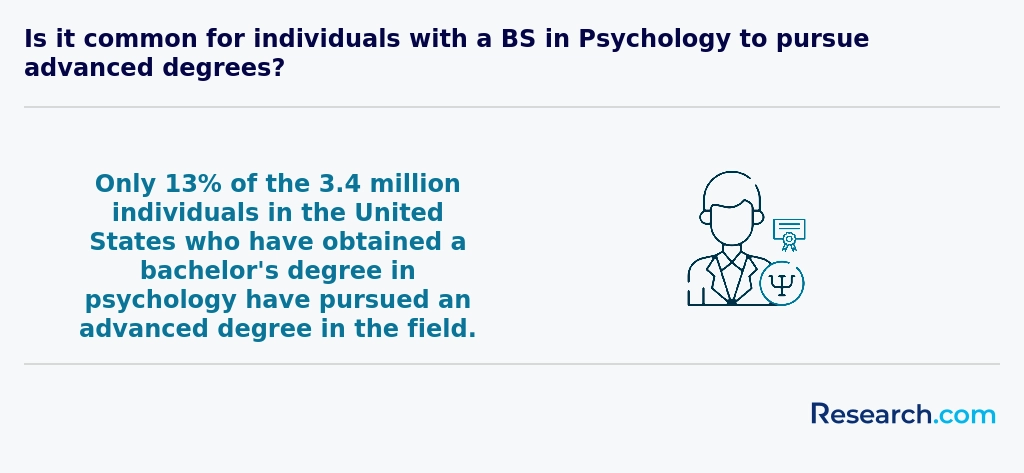
In contrast, non-thesis programs focus more on coursework and practical skills, appealing to students aiming for clinical practice or counseling careers. According to the Illinois Board of Higher Education, about 40% of psychology graduates opt for non-thesis paths to enter the workforce more quickly.
Consider the time commitment as thesis programs often require additional semesters. Speak with program advisors to understand faculty expertise and resources at specific River Forest institutions.
Students based in River Forest interested in studying psychology abroad have several options within the US higher education system. Many universities offer exchange or study-abroad programs allowing River Forest students to gain international experience while earning credits toward their psychology degree. For example, Loyola University Chicago, located near River Forest, partners with institutions in Europe and Asia for psychology-related study abroad opportunities.
Additionally, accredited online psychology programs provide flexible options for international study experiences paired with virtual coursework, useful for those unable to travel. According to the American Psychological Association, psychology remains one of the fastest-growing fields in US higher education, making such global perspectives increasingly valued.
Students should consult their academic advisors early, as transfer credit policies can vary significantly among institutions and programs.
In River Forest, part-time job opportunities that complement psychology degree education are diverse and valuable for practical experience. Many students find roles as research assistants at local universities, where they help conduct psychological studies and analyze data. This hands-on work enhances understanding of research methods taught in class.
Clinical or counseling assistant positions in nearby health clinics provide exposure to mental health services, fostering skills in patient interaction and care. Additionally, working as a behavioral technician in community programs supports work with individuals facing developmental or psychological challenges, aligning with applied psychology practices.
According to data from the Illinois Department of Employment Security, jobs related to mental health services in the River Forest area have grown by 7% over the past five years, reflecting increasing opportunities for psychology students.
Psychology students in River Forest have several networking opportunities to enhance their academic and professional growth. Local institutions like Dominican University often host psychology-related events, such as guest lectures and career fairs, connecting students with faculty and practicing professionals. Students can join psychology clubs and organizations that encourage collaboration and peer support.
The Chicago metropolitan area, close to River Forest, provides additional access to workshops and seminars from bodies like the Illinois Psychological Association, which frequently partner with local colleges. Networking through these channels helps students build valuable contacts in clinical, counseling, and research fields.
Internships at nearby clinics and hospitals also serve as practical networking avenues, often leading to mentorship and job opportunities.
Alumni networks provide vital support to psychology degree students in River Forest by connecting them with former graduates working in various psychology fields. These connections often lead to internship and job opportunities, which are crucial for gaining practical experience. According to the National Association of Colleges and Employers, 70% of jobs are found through networking. Local psychology alumni can also offer mentorship, helping students navigate licensing requirements and career planning specific to Illinois. Additionally, alumni events foster professional development and collaboration, enhancing students' understanding of emerging trends in psychology. This network becomes an essential resource throughout students' academic and professional journeys.
Customizing a psychology degree program in River Forest allows students to align their studies with specific career goals. Many local institutions offer electives in areas such as clinical psychology, counseling, or organizational behavior. Choosing relevant internships or research projects can also enhance hands-on experience.
Students can benefit from tailored advising services to select courses that meet professional certifications and licensure requirements, especially if planning to become licensed therapists or counselors.
The Illinois Department of Financial and Professional Regulation reports that over 60% of psychology graduates pursue licensure, highlighting the importance of careful program planning.
Additionally, joining local psychology associations might provide networking and mentorship opportunities crucial for career development.
Psychology students in River Forest face several common challenges typical of the U.S. higher education system. Many struggle with balancing demanding coursework and practical experience requirements, such as research projects and internships. According to the American Psychological Association, nearly 60% of psychology undergraduates nationwide report stress related to managing academic and fieldwork responsibilities.
Additionally, access to specialized faculty and research resources can be limited in smaller communities like River Forest compared to larger urban centers. This often requires students to seek external opportunities or online collaborations.
Financial burdens are also significant; the College Board reports average annual tuition fees in Illinois can exceed $30,000, making budgeting a key concern for many students pursuing psychology degrees.
With a psychology degree, graduates in River Forest can pursue a variety of professional certifications to advance their careers. Common certifications include Licensed Professional Counselor (LPC), Certified Alcohol and Drug Counselor (CADC), and Board Certified Behavior Analyst (BCBA). These credentials often require passing a state exam and completing supervised experience hours.
The Illinois Department of Financial and Professional Regulation oversees many of these licenses, ensuring standards are met locally. Additionally, some psychologists may seek certification through the American Board of Professional Psychology (ABPP) to specialize further. Such certifications enhance employability and are vital for clinical practice in River Forest and beyond.
Applying to a psychology program in River Forest requires a strong, clear application that highlights your academic achievements and passion for psychology. Focus on maintaining a competitive GPA, ideally above 3.5, as most local schools emphasize academic excellence. Including relevant volunteer or work experience, such as internships at mental health clinics or community centers, can strengthen your profile significantly.
River Forest institutions often request a personal statement; this should explain your motivation for studying psychology, your career goals, and why you chose their program specifically. Be sure to tailor each essay to reflect your understanding of the school's unique curriculum and faculty expertise.
References from professors acquainted with your analytical and research skills add great value. Lastly, prepare thoroughly for the TOEFL or GRE if required, as competitive scores may enhance your chances of admission.
Psychology careers in the United States, including River Forest, are shaped by global trends emphasizing cultural competence and interdisciplinary research. The American Psychological Association highlights that about 65% of psychology professionals engage in clinical practice, research, or teaching with growing international collaboration. Understanding diverse populations is crucial as mental health challenges differ worldwide. Rivers Forest universities often prepare students for global certifications, helping graduates explore careers beyond US borders. According to the U.S. Bureau of Labor Statistics, employment for psychologists is projected to grow 8% through 2031, reflecting demand driven by global mental health awareness and research advancements in behavioral sciences.
Gaining practical experience while studying for a psychology degree in River Forest is essential for applying theoretical knowledge. Many local colleges and universities encourage students to participate in internships at nearby hospitals, mental health clinics, and community service organizations. These placements provide invaluable exposure to real-world psychological practice.
Additionally, River Forest students can engage in research assistant positions, often available through faculty-led projects. According to the National Center for Education Statistics, hands-on research involvement enhances learning outcomes and employability in psychology fields.
Volunteering with local nonprofits focused on mental health or developmental services also offers practical experience. Students should consult their academic advisors to identify suitable opportunities aligned with their interests and career goals.
Choosing the right concentration within a psychology degree program in River Forest involves understanding your career goals and interests first. Popular concentrations include clinical, counseling, developmental, and industrial-organizational psychology, each offering distinct career paths. According to the National Center for Education Statistics, about 35% of psychology graduates pursue clinical or counseling areas, reflecting strong local demand for mental health professionals.
Researching available programs in River Forest, like those at local colleges or universities, helps identify concentrations supported by faculty expertise and internship opportunities. Accreditation by the American Psychological Association (APA) is crucial for programs focused on clinical or counseling psychology.
Additionally, consider job placement rates and local market needs; for example, the Illinois Department of Employment reports steady growth in mental health services within the Chicago metropolitan area, which includes River Forest. This data can inform your choice by aligning specialization with regional opportunities.
- 2027 Best Psychology Degree Programs Ranking in Chicago
- 2027 Best Psychology Degree Programs Ranking in Notre Dame
- 2027 Best Psychology Degree Programs Ranking in Fort Wayne
- 2027 Best Psychology Degree Programs Ranking in Indianapolis
- 2027 Best Psychology Degree Programs Ranking in Detroit
- 2027 Best Psychology Degree Programs Ranking in Saint Louis
- 2027 Best Psychology Degree Programs Ranking in Louisville
- 2027 Best Psychology Degree Programs Ranking in Saint Paul
- 2027 Best Psychology Degree Programs Ranking in Minneapolis
- 2027 Best Psychology Degree Programs Ranking in Kansas City
See What Experts Have To Say About Studying Psychology
Read our interview with Psychology experts

Catherine Caldwell-Harris, Ph.D.
Psychology Expert
Associate Professor of Psychology
Boston University

Robin M. Kowalski. Ph.D.
Psychology Expert
Professor of Psychology
Clemson University

Joann Farrell Quinn, Ph.D., MBA
Psychology Expert
Director at the College of Medicine Department of Medical Education
Morsani College of Medicine

- OPRF Psychology: classes and clubs https://trapezeonline.com/5920/features/oprf-psychology-classes-and-clubs/
- What Certifications Can I Get With A Bachelor's In Psychology? https://www.psychology.org/resources/certification-skills-for-psychology-major-resumes/
- Call for papers https://www.hogrefe.com/us/journal/international-perspectives-in-psychology-research-practice-consultation
- Sample letters in psychology https://www.mystudies.com/en-in/human-and-social-sciences/psychology/letter-model/
- Study Psychology Abroad https://astarfuture.co.uk/study_psychology_abroad.html
- Mental Health Challenges Faced by Psychology Students | The Healthcare Guys https://healthcareguys.com/2023/11/23/mental-health-challenges-faced-by-psychology-students/
- Why Get a Psychology Degree Online? | University of Bridgeport https://www.bridgeport.edu/news/reasons-to-get-your-psychology-degree-online/
- Student Services - Oak Park and River Forest High School https://www.oprfhs.org/students/student-services
- CLINICAL PSYCHOLOGY (THESIS / NON-THESIS) - Lisansüstü Eğitim Enstitüsü https://lee.nisantasi.edu.tr/en/clinical-psychology-thesis-non-thesis/
- Alumni Perspectives - Meet Our FPN Alumni https://www.aanmelder.nl/alumni-perspectives-june-2023


