
2027 Most Valuable Psychology Degree Programs Ranking in Madison

Co-Founder and Chief Data Scientist
Choosing the right psychology degree program can shape your future in exciting ways. This article presents the 2027 Most Valuable Psychology Degree Programs Ranking in Madison, carefully developed by the Research.com team of data scientists. It's designed to guide you through the best options available locally.
By exploring this ranking, you'll gain clear insights to make an informed decision about your education. A psychology degree opens doors to rewarding careers, personal growth, and meaningful impact. We hope this resource helps you feel confident and inspired on your academic journey.
Key benefits of getting psychology degree in Madison
- Salary for psychology degree graduates: Graduates can earn competitive wages, such as Human Resources Specialists making about $76,060 annually and Marketing Research Analysts earning around $83,190 per year, reflecting strong financial potential.
- Career paths in Madison: Psychology degree holders from local colleges often find diverse roles in healthcare, counseling, or research, giving them exciting options to pursue their passion and make a difference.
- Benefits of online degrees: Earning a psychology degree online in Madison offers flexibility and convenience, allowing students to balance studies with life commitments while gaining valuable knowledge from reputable institutions.
- 2027 Most Valuable Psychology Degree Programs Ranking in Madison
- What can I expect from psychology degree in Madison?
- Where can I work with psychology degree in Madison?
What can I expect from psychology degree in Madison?
The average cost of pursuing a psychology degree in Madison typically centers around the University of Wisconsin-Madison, where in-state undergraduate tuition runs about $10,700 per year as of 2023. Graduate students can expect tuition to be somewhat higher, but this investment often feels justified by the rich academic experience and opportunities available. Graduates often reflect on how reasonable tuition paired with financial aid and scholarships made advanced study more accessible, reducing the stress of financial barriers.
Many students imagine themselves engaging deeply with research projects funded by major grants like those from the NIH, gaining hands-on experience in cutting-edge labs. This practical exposure often leads to internships with local hospitals or nonprofits, environments where their skills directly impact community mental health. These immersive experiences make the tuition cost feel like an investment in a clearer, more confident career path.
Looking ahead, emerging trends suggest increasing grant support and enhanced financial resources could further ease the cost burden, expanding access for future Madison psychology students who dream of making a real difference in the field.
Where can I work with psychology degree in Madison?
Graduates from psychology programs at institutions like the University of Wisconsin-Madison often find themselves thriving in diverse roles throughout the city. Many start their careers in healthcare settings-imagine working in a busy mental health clinic or rehabilitation center, supporting patients as a behavioral health technician or case manager. These roles bring a real sense of fulfillment, as you actively contribute to improving individuals' well-being.
Others explore opportunities in local schools, such as the Madison Metropolitan School District, where licensed school psychologists and counselors play key roles in shaping student success. Graduates frequently describe the joy of helping children overcome learning challenges or emotional struggles, making a tangible impact daily.
In government agencies and nonprofits-like Dane County Human Services-psychology graduates engage in transformative community programs addressing mental health and addiction recovery. These roles often inspire a deep connection to social change.
Finally, emerging trends show growth in corporate Madison, where organizational psychology supports employee development and workplace satisfaction, blending psychology expertise with innovative business practices. Such varied paths illustrate the exciting futures awaiting Madison's psychology students.
Graduates with a psychology degree in Madison can expect varied earnings depending on their chosen career path. For example, those starting as human resources specialists might earn an average annual wage of around $76,060, reflecting a solid entry point for graduates branching into organizational psychology roles. Others leaning toward data-driven roles, such as marketing research analysts, can anticipate mean salaries near $83,190, offering a rewarding blend of psychology and business analytics.
Some graduates choose specialized research-related jobs. Clinical research associates and survey researchers typically earn about $62,370 annually, which aligns well with early-career income for those focusing on experimental psychology or social research roles in local universities or healthcare settings.
Many Madison-based graduates from institutions like the University of Wisconsin-Madison find these figures encouraging, particularly as they gain practical experience. The moderate cost of living in Madison combined with these salaries fosters both professional growth and personal satisfaction. As trends shift towards integrating technology and data science with psychology, future earnings could see upward mobility for those adapting to these emerging fields.
- Psychology degrees in Madison are offered at undergraduate and graduate levels, including bachelor's, master's, and doctoral programs.
- In-state tuition at public universities like UW-Madison ranges from $10,000 to $12,000 per year, while out-of-state tuition can be around $35,000 annually.
- Entry-level psychology jobs in Madison typically start near $45,000 per year, with common sectors including clinical, counseling, social services, and academic research.
- Mid-career psychologists and licensed professionals often earn between $70,000 and $90,000 annually.
- Advanced degrees and licenses open opportunities in hospitals, mental health clinics, and university research centers in Madison.
Completing a psychology degree in Madison often takes about four years for undergraduates attending institutions like the University of Wisconsin-Madison. Many graduates recall feeling energized as they balanced rigorous coursework with campus involvement, appreciating how the full-time study accelerated their path to a Bachelor's degree in Psychology.
For those pursuing a master's degree locally, the journey typically spans around two years. Many graduate students describe this period as intense yet rewarding, combining classroom learning with research opportunities that deepen their passion for psychological science.
Doctoral candidates at universities in Madison usually spend between 5 to 7 years completing their PhD or PsyD programs. Graduates often highlight the excitement of engaging deeply in research and clinical experiences, which sometimes extends their timeline but profoundly enriches their expertise and professional confidence.
Looking ahead, emerging accelerated programs and integrated BA/MA tracks could reshape these timelines, allowing future students in Madison to achieve their psychology goals more swiftly while maintaining the enriching academic and practical experiences that make their degree journey memorable.
A crucial aspect often missing from program rankings is an in-depth look at the overall student experience and campus life. In Madison, NJ, the environment outside the classroom is just as influential in shaping your academic and professional journey. Students not only benefit from rigorous coursework and expert mentorship but also from a vibrant campus community that fosters personal growth and networking opportunities. Many local institutions host engaging student organizations, mental health initiatives, and cultural events that help build a strong support network-essential for balancing academic demands with social well-being. Moreover, the city’s close-knit community and accessible local resources create an atmosphere where aspiring psychologists can thrive both academically and personally. For those weighing their options, exploring the ranking of cheapest psychology degree online programs may serve as a useful comparison to gauge the overall value of campus life versus online learning environments. This comprehensive look into campus culture not only enhances the educational appeal of in-person programs but also provides key insights for prospective students aiming to choose a program that aligns with both their academic goals and lifestyle preferences.
Online and on-campus psychology degrees in Madison differ mainly in how students engage with their studies and campus life. Graduates from UW-Madison often describe on-campus programs as energizing, thanks to face-to-face discussions, hands-on research assistantships, and instant access to counseling centers. This direct interaction creates a strong support network that feels personal and motivating.
In contrast, online students appreciate the flexibility to balance work or family alongside coursework, using virtual labs and video lectures that bring the curriculum to life from anywhere. Some online graduates recall joining lively discussion boards and scheduled Zoom meetings that foster a sense of connection despite physical distance.
Looking ahead, blended formats in Madison might merge the best of both worlds-offering virtual convenience with valuable in-person networking events or local practicum options. This evolving landscape could make psychology degrees more accessible while preserving the immersive experience that Madison's traditional programs are known for.
After completing a psychology degree-whether through campus programs or an online psychology degree-prospective psychologists must meet New Jersey’s licensure requirements:
- Education: Earn a doctoral degree (PhD or PsyD) from an APA-accredited program.
- Supervised Experience: Complete at least 3,500 hours of supervised clinical practice under a licensed psychologist.
- Examinations: Pass the Examination for Professional Practice in Psychology (EPPP) and the New Jersey jurisprudence exam.
- Application: Submit official transcripts, supervised practice verification, and exam scores to the New Jersey Board of Psychological Examiners.
- Continuing Education: Complete 40 hours of approved continuing education every two years to maintain and renew licensure.
The average cost of a psychology degree in Madison currently reflects a median total of $56,226, balancing tuition, fees, and living expenses over the entire course of study. Graduates from the University of Wisconsin-Madison, a widely recognized institution for psychology, often recall managing expenses around $38,000 for in-state students, inclusive of tuition and necessary academic fees, though out-of-state students typically face higher costs. These numbers align closely with the broader average psychology degree cost Madison students encounter, factoring in housing, textbooks, and other essentials.
Many psychology students envision immersive learning experiences, such as participating in lab research or internships, which may introduce additional costs but also invaluable professional growth. For some, the price tag feels more manageable thanks to financial aid, scholarships, and grants tailored specifically to psychology majors, making the investment in their future less daunting. Those attending smaller private colleges in the area often note a higher financial commitment, sometimes exceeding $50,000 annually, which, while substantial, offers closer faculty mentorship and niche specializations that enrich their education.
With rising living expenses and the competitiveness of the field, it's worth exploring affordable psychology schools in Michigan, as they can present alternative paths with reduced financial burden while maintaining quality education in related programs. This pragmatic approach eases the total expenses Madison psychology students face while still enabling them to pursue their passion for understanding human behavior.
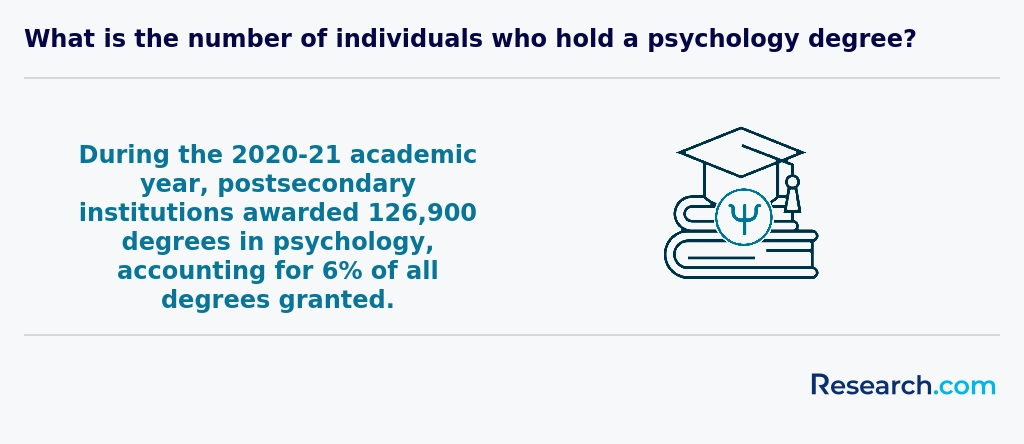
For students aiming to streamline their education and enter the workforce faster, exploring accelerated or dual-degree tracks can be a game-changer. Many institutions in Madison, NJ, now offer integrated curricula that blend graduate and doctoral coursework, reducing overall time to completion by up to a year. These programs typically admit high-achieving undergraduates after their junior year, allowing them to begin master’s-level studies immediately and transition seamlessly into doctoral research. Key advantages include:
- Time and Cost Savings: By overlapping requirements, students can shave months or even a full year off traditional timelines, while often paying a reduced per-credit rate for combined semesters.
- Cohesive Research Focus: Early access to advanced seminars and lab rotations helps refine your dissertation topic sooner, boosting publication and grant opportunities.
- Enhanced Career Readiness: Employers and licensing boards recognize the rigorous training in integrated tracks, positioning graduates for leadership roles in clinical, academic, or corporate settings. If you’re considering an accelerated path, review our guide to masters and phd combined programs for detailed comparisons of admission criteria, curriculum structure, and financial aid options across top psychology schools.
Psychology students in Madison often access multiple financial aid sources that ease the path through their degrees. Many graduates recall the relief of receiving Pell Grants, which can cover up to $7,395 annually and don't require repayment, making them a vital cornerstone for managing tuition costs at institutions like the University of Wisconsin-Madison. Filling out the FAFSA is a common first step students embrace to unlock these federal opportunities early in their academic journey.
State funds, such as the Wisconsin Grant, also play a key role, often covering around $2,300 yearly. Students frequently share how this support makes attending a public university feel more attainable and less stressful.
On campus, assistantships and research roles provide both practical experience and financial relief. Graduates recall the pride and motivation gained from these positions, which sometimes include tuition waivers and stipends, transforming aid into engaging career-building opportunities.
Many also tap into private scholarships from groups like the American Psychological Association, which feel rewarding to receive due to their specialized focus on psychology majors.
Looking forward, there's growing optimism that employer tuition reimbursements and innovative university partnerships will further expand these financial lifelines for Madison's psychology students.
. To further enhance one's understanding of the best psychology degree programs, it's essential to compare options across different regions, considering factors such as affordability, curriculum quality, and career outcomes. For instance, prospective students in Madison, NJ, can benefit from exploring valuable psychology programs in New Jersey and comparing them with programs in other states to make an informed decision about their education, ensuring they choose a program that aligns with their goals and aspirations.
Enrolling in a psychology degree program in Madison often begins with completing a high school diploma or equivalent, a step that many graduates recall with a sense of accomplishment. For those applying to renowned schools like the University of Wisconsin-Madison, submitting standardized test scores such as the SAT or ACT-if required-can still make a significant difference, even as test-optional policies gain traction.
Strong academic performance, especially in science and math courses, is frequently emphasized. Graduates often share how this foundation helped them confidently tackle the quantitative research aspects of their programs. Official transcripts showcasing courses in biology, social sciences, and statistics play an essential role during admissions, offering a clear glimpse into an applicant's preparedness.
For graduate psychology programs in Madison, the bar rises to include a bachelor's degree in psychology or a related field, alongside letters of recommendation and a personal statement. Many students describe submitting these materials as an empowering step toward their goals, especially when reflecting on the research and work experiences they accumulated.
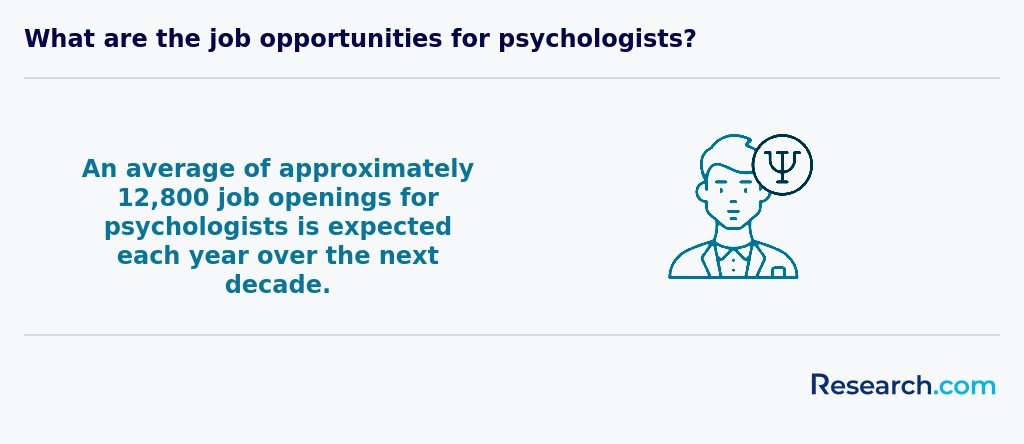
Navigating the application process for psychology programs in Madison, NJ requires early planning and careful attention to key dates. Most institutions offer both rolling admissions and fixed-deadline options: • Research and Campus Visits: Begin by exploring program websites and scheduling virtual or in-person campus tours by September. • Document Preparation: Request official high school or college transcripts, secure two to three letters of recommendation, and craft a personal statement that highlights your passion for psychology. Aim to have these materials ready by November. • Standardized Testing and Portfolios: If required, submit SAT/ACT scores or portfolio items (for research-track applicants) by the December testing window. Check each school’s policy, as many have gone test-optional. • Financial Aid and Scholarships: Complete the FAFSA and any institution-specific financial aid forms by January 15 to qualify for the maximum aid package. Remember to apply separately for departmental scholarships, which often close by February. • Application Submission: For fall enrollment, most deadlines fall between January 15 and March 1; spring admits typically close by October 1. Confirm each program’s timeline on their admissions page. Staying organized with a checklist and calendar reminders ensures you meet all requirements. For students comparing cost-effective options beyond New Jersey, see Affordable Psychology Degree Programs Ranking in Michigan to evaluate competitive programs and deadlines in the Midwest.
Psychology degree programs in Madison typically include a solid mix of foundational courses such as Introduction to Psychology, Research Methods and Statistics, and Biological Psychology. Graduates from institutions like the University of Wisconsin-Madison often recall how these courses laid the groundwork for understanding human behavior in both lab and everyday settings, making complex theories feel tangible.
Students frequently describe their excitement when diving into Cognitive Psychology and Developmental Psychology, where they explore memory, decision-making, and human growth through hands-on projects and discussions. Social Psychology classes bring real-life relevance by examining how peer interactions at campus events or internships influence behavior.
Many find value in specialized electives such as abnormal psychology or health psychology, which connect classroom learning to community-based research and local internships. This blend of theory and practice enhances confidence, preparing students to confidently contribute in healthcare or business environments across Madison and beyond.
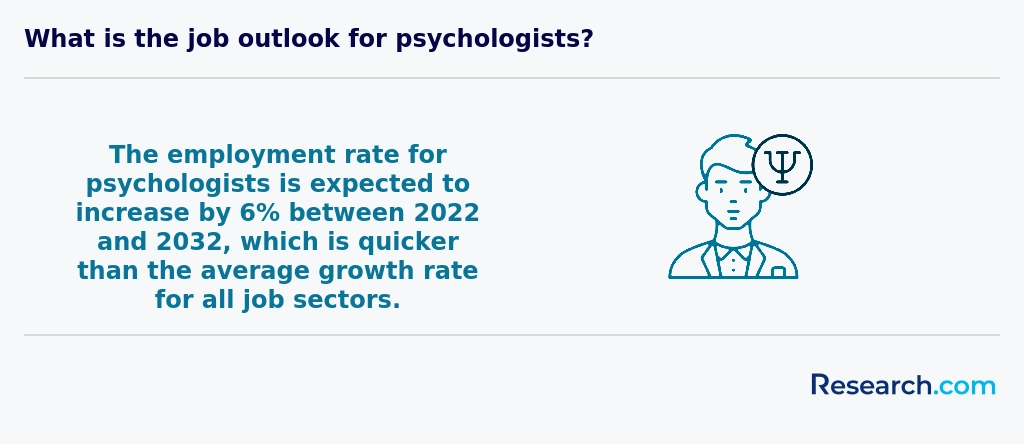
Psychology degree specializations in Madison encompass a dynamic range of fields that reflect both traditional and emerging trends. Graduates from the University of Wisconsin-Madison often describe their experiences working closely with faculty on innovative projects in areas like Clinical Psychology, where they develop hands-on skills treating mental health while engaging in cutting-edge research on therapy techniques. Cognitive and Developmental Psychology specializations prepare students to explore mental processes and lifespan growth, with coursework designed to simulate real-world scenarios such as memory studies and childhood behavioral assessments.
Many Madison psychology program concentration options also include Social Psychology and Neuropsychology, where students benefit from the city's rich research environment. For instance, future practitioners delve into brain-behavior relationships, supported by significant funding and advanced labs. These opportunities inspire enthusiasm and foster a sense of purpose among students eager to contribute to mental health innovations. Those interested in blending management science with psychology often pursue paths like the PhD in industrial-organizationalpsychology, reflecting a forward-looking approach to applied psychology careers in Madison.
Choosing the best psychology degree in Madison often means balancing passion with practical concerns. Graduates from the University of Wisconsin-Madison frequently highlight the value of researching program accreditation and faculty expertise, which can shape their academic journey and professional network. With the rise of affordable psychology colleges Madison Wisconsin offers, many students find that cost-effective options allow them to focus more on their studies rather than financial stress, enhancing their overall experience.
Future-focused students are wise to explore programs with strong research and internship opportunities, as these experiences often lead to real-world skill-building and increased confidence. Many alumni recall their hands-on work in UW-Madison labs, which fueled excitement for clinical and cognitive psychology paths. Considering specialization tracks aligned to emerging psychology fields can open doors to innovative careers.
Additionally, understanding licensure processes early on ensures smooth career transitions; for example, exploring the arkansas psychology license by endorsement can guide those considering mobility. Ultimately, thinking ahead about program reputation, costs, and practical exposure will help prospective students find their ideal psychology degree in Madison.
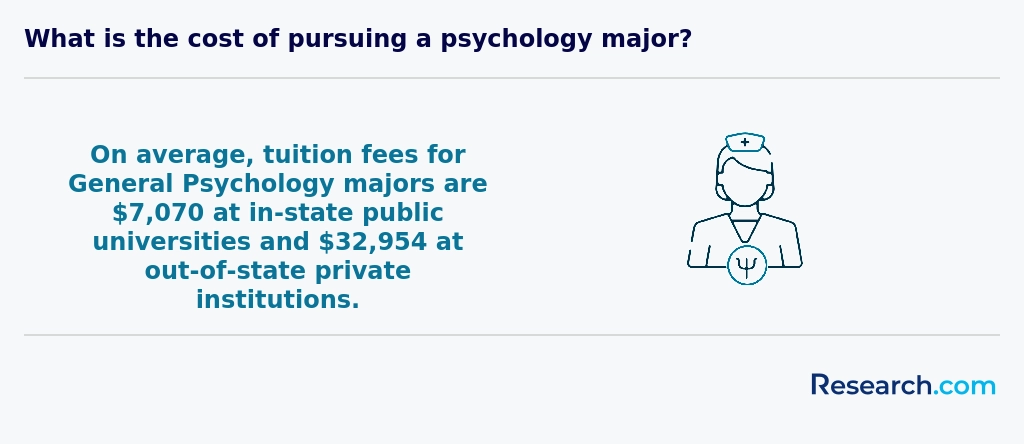
For those exploring psychology career opportunities in Madison, paths are expanding beyond traditional clinical roles. Graduates from universities like the University of Wisconsin-Madison often find themselves thriving in clinical psychology, providing therapy in hospitals or private practice, fueled by a community eager for mental health support. Others discover rewarding positions in school psychology, where they make a tangible difference in local schools by supporting student well-being and learning.
With Madison's growing tech and business sectors, many graduates apply their skills in industrial-organizational psychology, optimizing workplace dynamics and enhancing employee satisfaction. Counseling psychology roles addressing substance abuse and family therapy are increasingly vital, supported by nonprofit initiatives around the city. Research positions at institutions such as UW-Madison also attract graduates passionate about advancing psychological science.
Job seekers looking for diversification can explore opportunities in social services, human resources, or mental health advocacy within Madison's vibrant community. To tap into this range of options, students frequently consult local job boards and associations focused on careers for behavioral psychologists, ensuring their psychology degree in Madison translates into meaningful employment.

The psychology degree job outlook Madison offers is promising, with a growing demand for mental health professionals across hospitals, schools, and community centers. Graduates from the University of Wisconsin and other local institutions often find opportunities as behavioral health technicians or research assistants, especially as Madison emphasizes mental health awareness in its public health initiatives. Many graduates highlight how internships at institutions like the University of Wisconsin Hospital and Clinics helped them build practical skills, opening doors to counseling and therapy roles.
Employment opportunities for psychology graduates Madison continue expanding due to research facilities and public agencies seeking expertise in psychological well-being. Those with advanced degrees can expect improved licensure options and higher salaries, aligning financial rewards with the city's competitive cost of living. Affordability concerns remain, but careful planning helps students navigate tuition costs averaging $35,000 to $50,000 annually at public universities.
For students exploring the value of a local psychology education, it's also useful to compare programs across states, such as through resources detailing the valuable psychology programs in New Jersey, to envision future career possibilities beyond Madison.
2027 Most Valuable Psychology Degree Programs Ranking in Madison
Investing in your education is a significant decision that can shape your future, and the Research.com team understands the importance of making informed choices. To assist prospective students in Madison, we have meticulously crafted the "2027 Most Valuable Psychology Degree Programs Ranking in Madison." Our commitment to quality, credibility, and accuracy is reflected in the extensive research and analysis conducted to compile this ranking.
We utilized the following reputable data sources to ensure a comprehensive evaluation of psychology degree programs:
By exploring this ranking, readers will gain valuable insights into the most valuable psychology degree programs available in Madison, empowering them to make well-informed decisions about their educational paths. For more details on our methodology, please visit our Research.com methodology page.
# 1 position
Fairleigh Dickinson University-Florham Campus
Master of Science in Psychology

# 2 position
Fairleigh Dickinson University-Florham Campus
Bachelor of Artschelor of Arts in Psychology

Frequently Asked Questions About psychology
Psychology degree students in Madison can maximize their learning experience by engaging actively in both coursework and research opportunities. The University of Wisconsin-Madison, a recognized institution here, offers extensive labs and research projects where students can assist faculty, gaining valuable hands-on experience. According to the American Psychological Association, undergraduate research involvement greatly enhances critical thinking and job prospects.
Students should also participate in local internships or practicum placements, which connect theoretical knowledge with real-world application. Networking with professionals through Madison's psychology community events can open doors to mentorship and career growth. Utilizing Madison Public Library and university counseling centers provides additional resources for study and skill development.
Emerging niches within the psychology field reflect the evolving needs of society and advancements in research. In Madison, growing interest centers on neuropsychology, which studies brain-behavior relationships and is supported by local institutions like the University of Wisconsin's Brain and Cognitive Sciences program. Another expanding area is health psychology, focusing on how mental health impacts physical well-being.
Additionally, industrial-organizational psychology is increasingly relevant due to Madison's expanding tech and healthcare sectors. This niche applies psychological principles to workplace efficiency and employee wellness.
Environmental psychology, analyzing human interaction with surroundings, also gains traction amid rising sustainability efforts nationwide.
Students interested in psychology in Madison have access to programs that emphasize these growing specializations, aligned with national trends described by the American Psychological Association (APA).
Graduates with a psychology degree in Madison should start by gaining practical experience through internships or volunteer work, such as at local clinics or research centers affiliated with the University of Wisconsin-Madison. This hands-on involvement strengthens resumes and develops relevant skills. Networking is also crucial; joining organizations like the Wisconsin Psychological Association connects students with professionals and job opportunities in the region.
Licensing requirements vary by career goals, so graduates must verify state-specific credentials, especially for clinical or counseling roles. According to the U.S. Bureau of Labor Statistics, expected growth for psychology jobs in Wisconsin is about 6% through 2030, slightly below the national average, indicating steady demand.
Additionally, improving data analysis and communication skills enhances employability, as employers prioritize candidates with these abilities.
Employers in Madison highly value psychology graduates who demonstrate strong critical thinking and analytical skills. These abilities are essential for accurately interpreting research data and applying psychological theories in practical settings.
Communication skills are also crucial, as professionals often need to explain complex concepts clearly to diverse audiences, including clients and colleagues. According to the Wisconsin Department of Workforce Development, effective interpersonal communication increases job success rates by over 20% in the mental health field.
Additionally, proficiency in research methods and statistical analysis remains a top priority, enabling graduates to contribute to evidence-based practices. Familiarity with software like SPSS or R is often required by Madison employers.
Ethical decision-making and cultural competence are increasingly important due to the city's diverse population and regulatory standards in psychological services.
Finding internships in Madison relevant to a psychology degree involves using local university resources and community organizations. The University of Wisconsin-Madison, for example, offers extensive internship placement services specifically for psychology students. Their Career and Professional Development Center collaborates with over 200 local organizations in mental health, research, and social services.
Students should also explore hospitals like UnityPoint Health - Meriter and community mental health clinics that provide practical experience. Additionally, the Wisconsin Psychological Association regularly posts internship opportunities online, catering to those seeking roles in clinical and counseling psychology.
Networking through faculty and attending Madison's psychology-related events can also increase chances of securing internships. According to the UW-Madison Department of Psychology, approximately 65% of their undergraduates gain internship experience prior to graduation, highlighting the city's active internship landscape.
A psychology degree in Madison can significantly enhance career mobility and advancement opportunities. Local institutions like the University of Wisconsin-Madison offer respected programs that equip graduates with critical skills valued in healthcare, education, and social services sectors.
According to the U.S. Bureau of Labor Statistics, psychology-related occupations in Wisconsin are expected to grow about 5% from 2022 to 2032, reflecting a steady demand. In Madison's expanding mental health community, degree holders often qualify for roles such as counselors, behavioral analysts, or research assistants, which provide pathways to leadership positions.
Moreover, networking in Madison's robust academic and clinical settings supports professional development. Graduates with advanced degrees typically report higher salaries and faster promotion rates, especially in research and clinical practice environments where Madison is nationally recognized.
Studying for a psychology degree in Madison offers a strong foundation for interdisciplinary roles by integrating coursework from related fields such as neuroscience, social work, and public health. The University of Wisconsin-Madison, a leading institution in the area, provides research opportunities that encourage collaboration across departments, preparing students for diverse career paths.
Students gain practical experience through internships and projects that combine psychological theory with real-world applications in education, healthcare, and business. According to UW-Madison's psychology department, over 70% of graduates engage in interdisciplinary work within five years of earning their degree.
This broad approach equips students with critical thinking and communication skills essential for roles involving teamwork across various professional domains.
When choosing between a thesis and a non-thesis psychology degree program in Madison, consider your career goals carefully. Thesis programs emphasize research, preparing students for doctoral studies or research jobs. Non-thesis options often focus more on coursework and practical experience, suited for those seeking clinical or applied roles.
Madison schools like the University of Wisconsin offer both routes, with about 60% of psychology master's students opting for thesis tracks, according to their 2023 enrollment data. Thesis students generally spend extra semesters conducting original research, which can enhance graduate school applications.
Meanwhile, non-thesis students may finish quicker and engage in internships, helping build professional skills directly related to practice.
Students based in Madison seeking to study psychology abroad have diverse options through established exchange programs at local universities such as the University of Wisconsin-Madison. Many agreements allow psychology majors to spend a semester or year abroad at partner institutions worldwide, enhancing their academic and cultural experience.
Popular destinations include programs in Europe, Australia, and Asia, where students can study topics like cognitive psychology and mental health from global perspectives. According to the UW-Madison Global Education Office, about 15% of undergraduates participate in study abroad annually, with psychology among the top fields.
Additionally, students may pursue summer research internships abroad, often supported by university scholarships or national grants, fostering hands-on experience in different healthcare systems.
Madison offers several part-time job opportunities that align well with psychology degree studies. Positions such as research assistants at the University of Wisconsin-Madison psychology department provide valuable hands-on experience in experimental design and data analysis. According to the UW Career Services, about 15% of psychology students secure these roles each year.
Additionally, roles like behavioral health aides or mental health technicians at local clinics give students exposure to real-world client interactions, enhancing clinical skills before graduation. The Wisconsin Department of Workforce Development notes a growing demand for such support roles in Dane County, with a projected 7% increase in psychological support positions by 2028.
Psychology students in Madison benefit from numerous networking opportunities thanks to the city's vibrant academic and professional communities. The University of Wisconsin-Madison, home to one of the top psychology departments nationwide, regularly hosts seminars, workshops, and guest lectures that connect students with leading researchers and practitioners.
Local organizations such as the Wisconsin Psychological Association offer student memberships, which provide access to conferences and regional meetings. These events enable students to engage with licensed psychologists and gain insights into career pathways.
Additionally, Madison's strong healthcare and research sectors provide internships and volunteer positions, fostering practical connections that can support future employment.
Alumni networks play a crucial role in supporting psychology degree students in Madison by providing valuable connections within the local and broader professional community. Graduates and current students benefit from mentorship opportunities that help guide academic and career decisions. According to the University of Wisconsin-Madison's psychology department, active alumni engagement increases internship placements by up to 30%, aiding practical experience development.
Networking events organized by alumni groups often feature guest speakers from clinical, research, and counseling fields, giving students insight into career pathways. Additionally, alumni can offer job leads and recommendations, which are essential in a competitive job market. These connections facilitate both entry-level positions and advanced academic opportunities.
The strength of Madison's alumni networks in psychology strengthens the overall educational experience, providing students a supportive community beyond campus.
Customizing a psychology degree program in Madison involves selecting courses and experiences that align with your specific career goals. Many institutions in the area offer concentrations such as clinical, developmental, or industrial-organizational psychology. By choosing a concentration, you can focus your learning on the field you wish to enter.
Additionally, Madison schools often encourage participation in research projects or internships. These opportunities allow students to gain practical experience and make professional connections.
Academic advisors can help tailor your coursework based on your interests and emerging industry trends. The University of Wisconsin-Madison, for example, provides ample resources for student customization, supported by data from the National Center for Education Statistics.
Psychology students in Madison often face a variety of challenges related to the demanding nature of their studies. One common obstacle is managing a heavy course load that includes both theoretical classes and practical research components. The University of Wisconsin-Madison, the largest institution in the area, reports that psychology majors must complete numerous credits in statistics and experimental methods, which can be difficult for students less familiar with quantitative skills.
Another challenge involves obtaining relevant internship and research opportunities, which are critical for career advancement. Competition for these positions remains strong given the popularity of psychology programs in Madison. According to the National Center for Education Statistics, about 300 students graduate annually with psychology degrees from Madison-area universities, intensifying the need to secure distinctive experiences.
Additionally, many students must balance academic demands with part-time jobs or family responsibilities, creating stress and time management issues. Mental health concerns among psychology students themselves have risen, echoing national trends reported by the American Psychological Association, indicating the importance of campus support services.
With a psychology degree in Madison, graduates can pursue several professional certifications to enhance their careers. Common certifications include Licensed Professional Counselor (LPC), which requires a master's degree, relevant supervised hours, and passing a state exam governed by the Wisconsin Department of Safety and Professional Services. Another option is the Board Certified Behavior Analyst (BCBA), beneficial for those interested in behavioral therapy fields.
Additionally, some graduates seek certification as a Certified Alcohol and Other Drug Counselor (AADC), which is recognized statewide. Data from the Wisconsin Department of Health Services emphasizes growing demand for licensed counselors in the region, reflecting Madison's expanding mental health sector.
To write a winning application for a psychology program in Madison, focus on clearly demonstrating your academic preparedness and passion for the field. Most programs require a strong undergraduate GPA, typically above 3.0, with relevant coursework in psychology or related sciences. Highlight any research experience, internships, or volunteer work that show your practical understanding of psychological concepts.
Personal statements should be concise yet compelling, detailing your motivation to study psychology in Madison and your career goals. Use specific examples to illustrate your skills and dedication. According to the University of Wisconsin-Madison, applicants with hands-on research often have an edge.
Standardized test scores like the GRE are optional for many psychology programs but check each school's requirements carefully.
The global perspective on a psychology career increasingly recognizes the importance of cultural competence and evidence-based practices. In the United States, including Madison, psychology professionals often engage with diverse populations, reflecting broader international trends. According to the U.S. Bureau of Labor Statistics, employment for psychologists is projected to grow 8% from 2022 to 2032, indicating strong demand. Madison, home to several research institutions, offers students access to global research collaborations and cross-cultural studies, preparing graduates for work in diverse settings worldwide. Understanding global mental health challenges is now integral to most psychology programs, enhancing career flexibility.
Gaining practical experience while studying psychology in Madison typically involves engaging in internships, research assistant positions, and volunteer work. Many local universities, such as the University of Wisconsin-Madison, offer opportunities to work in psychology labs or clinics, allowing students to apply theoretical knowledge in real-world settings. According to the UW-Madison Department of Psychology, around 70% of undergraduates have some hands-on experience by graduation.
Students can also seek internships at nearby mental health facilities or community organizations. These placements are valuable for understanding patient care and behavioral assessment. Networking with professors and career centers helps identify such roles.
Choosing the right concentration within a psychology degree program in Madison involves understanding your career goals and interests. Psychology degrees often offer various specializations such as clinical psychology, counseling, developmental psychology, or industrial-organizational psychology. Each focus prepares students for different roles, from therapy and research to human resources.
Consider how each concentration aligns with job market demands in Wisconsin; for example, clinical psychology is in high demand due to growing mental health needs, according to the Wisconsin Department of Workforce Development. Researching faculty expertise and available internships at Madison universities can also guide your choice.
Finally, think about licensure requirements if you plan to become a practicing psychologist, as some concentrations better prepare you for certification exams recognized in Wisconsin.
- 2027 Most Valuable Psychology Degree Programs Ranking in New York
- 2027 Most Valuable Psychology Degree Programs Ranking in Bronx
- 2027 Most Valuable Psychology Degree Programs Ranking in Queens
- 2027 Most Valuable Psychology Degree Programs Ranking in Philadelphia
- 2027 Most Valuable Psychology Degree Programs Ranking in New Haven
- 2027 Most Valuable Psychology Degree Programs Ranking in Albany
- 2027 Most Valuable Psychology Degree Programs Ranking in Amherst
- 2027 Most Valuable Psychology Degree Programs Ranking in Worcester
- 2027 Most Valuable Psychology Degree Programs Ranking in Providence
- 2027 Most Valuable Psychology Degree Programs Ranking in Rochester
See What Experts Have To Say About Studying Psychology
Read our interview with Psychology experts

Catherine Caldwell-Harris, Ph.D.
Psychology Expert
Associate Professor of Psychology
Boston University

Robin M. Kowalski. Ph.D.
Psychology Expert
Professor of Psychology
Clemson University

Joann Farrell Quinn, Ph.D., MBA
Psychology Expert
Director at the College of Medicine Department of Medical Education
Morsani College of Medicine

- Social Sciences University Transfer | Madison College https://madisoncollege.edu/academics/programs/associate-social-sciences
- Call for papers https://www.hogrefe.com/us/journal/international-perspectives-in-psychology-research-practice-consultation
- What Certifications Can I Get With A Bachelor's In Psychology? https://www.psychology.org/resources/certification-skills-for-psychology-major-resumes/
- Ontario Psychological Association - Networking and Community Resources https://www.psych.on.ca/become-a-member-(1)/member-services/networking-and-community-resources
- Course https://outline.madisoncollege.edu/courses/20809231
- Alumni Perspectives - Meet Our FPN Alumni https://www.aanmelder.nl/alumni-perspectives-june-2023
- Society for the Teaching of Psychology https://teachpsych.org/page-1784686/8675326
- Wisconsin Psychology Schools | Psychology Degree Guide https://psychologydegreeguide.org/state/wisconsin/
- Know more about thesis vs non- thesis: what is the difference? https://studyfans.com/en/blogs/816
- Psychology at University of Wisconsin-Madison https://www.vaia.com/en-us/degrees/universities/university-of-wisconsin-madison/psychology-at-university-of-wisconsin-madison/


