
2027 Best Psychology Degree Programs Ranking in Scottsdale

Co-Founder and Chief Data Scientist
Choosing the right psychology degree program is a crucial step for students in Scottsdale who want to build a meaningful career. This article introduces the 2027 Best Psychology Degree Programs Ranking in Scottsdale, created by the Research.com team of data scientists. It is designed to help you make an informed choice among local programs worth considering.
Reading this guide will provide clear insights into each program's strengths, helping you feel confident about your decision. Pursuing a psychology degree opens doors to rewarding opportunities and personal growth.
Key benefits of getting psychology degree in Scottsdale
- Salary for psychology degree graduates can be rewarding in Scottsdale, with roles like Human Resources Specialists earning a mean annual wage of $76,060 and Marketing Research Analysts earning around $83,190.
- A psychology graduate from Arizona State University might explore diverse careers, such as Clinical Research Associate or Survey Researcher, each offering meaningful work and salaries near $62,370.
- Completing a psychology degree online from a school like the University of Arizona enables flexible study schedules, helping students balance life and work while gaining valuable skills recognized by Scottsdale employers.
- 2027 Best Psychology Degree Programs Ranking in Scottsdale
- What can I expect from psychology degree in Scottsdale?
- Where can I work with psychology degree in Scottsdale?
What can I expect from psychology degree in Scottsdale?
The average cost of pursuing a psychology degree in Scottsdale typically aligns with regional tuition rates, which can range between $10,000 and $15,000 per year for in-state students at nearby institutions like Arizona State University. Graduates from these programs often recall balancing tuition fees with part-time work or scholarships, highlighting a shared determination to access quality education without overwhelming debt. This investment can feel intense initially, but many students emphasize the value they found in combining rigorous coursework with hands-on internships at local clinics or community centers.
One graduate describes the momentum gained from engaging with real-world psychology practices while navigating tuition costs, an experience that enhanced both their practical skills and confidence in their career path. Another reflects on how managing expenses alongside academic demands cultivated a strong sense of resilience, which proved as vital as the degree itself. The blend of financial planning and immersive learning in Scottsdale cultivates not just knowledge but the personal growth essential for a fulfilling journey in psychology.
Where can I work with psychology degree in Scottsdale?
Graduates from psychology programs at Scottsdale's well-known colleges often find themselves stepping into healthcare roles that profoundly impact lives. Imagine working in a local mental health clinic where every counseling session uncovers new depths of human resilience. Many who studied psychology in Scottsdale share how rewarding it is to contribute to hospitals or behavioral health centers, addressing challenges that matter to their community's well-being.
Others take their skills into education, joining school districts that serve thousands of students. Here, psychology graduates become crucial advocates, helping young people navigate learning difficulties and emotional hurdles-an experience that feels both meaningful and dynamic.
The corporate world in Scottsdale also calls to those curious about human behavior, offering roles in human resources and organizational development where psychology graduates influence workplace culture and innovation. This real-world application often surprises students who thought their options were limited to therapy or counseling.
Some choose to immerse themselves in social services, working with vulnerable groups like children and the elderly. The chance to develop programs and provide outreach in nonprofit settings often brings a deep sense of purpose to their careers, reflecting the city's commitment to community care.
In Scottsdale, graduates with a psychology degree often find diverse career paths, each with distinct earning potentials. For example, human resources specialists, a common role for psychology alumni, earn a mean annual wage of about $76,060 according to US Bureau of Labor Statistics data. Many graduates from popular institutions like Arizona State University's downtown campus share stories of starting their careers confidently in HR, leveraging psychological insights to enhance workplace culture while enjoying competitive salaries.
Others venture into research roles such as marketing research analysts or clinical research associates. Marketing research analysts command an average wage near $83,190 annually, reflecting the high value Scottsdale's vibrant business community places on consumer psychology expertise. Clinical research associates, who often support healthcare studies, report earnings around $62,370, illustrating the variety in income tied to specific job functions.
Students often note that combining a solid foundation from Scottsdale colleges with real-world internships creates opportunities to surpass average incomes quickly. These figures challenge the notion that a psychology degree limits you to entry-level pay-careers here are dynamic, with salaries reflecting the diverse applications of psychological knowledge.
- Psychology degrees in Scottsdale are offered by several accredited public and private universities.
- Undergraduate tuition typically ranges from $9,000 to $15,000 per year for in-state students.
- Graduate programs cost between $12,000 and $25,000 annually depending on the school and program type.
- Entry-level salaries for psychology graduates start around $45,000, increasing to $70,000-$90,000 for those with advanced degrees.
- Licensing in Arizona requires an accredited degree, supervised experience, and passing state exams for clinical practice.
- The job market focuses on mental health counseling and clinical psychology, showing steady growth and demand.
Completing a psychology degree in Scottsdale typically aligns with national trends but carries its own local nuances. For example, graduates from Arizona State University's downtown campus often remark on how the four-year bachelor's timeline feels both rigorous and rewarding, especially balancing internships within the city's vibrant mental health community. Many find that studying full-time accelerates their path, while part-time students-perhaps juggling jobs or family-embrace a longer but deeply enriching journey.
Moving beyond the bachelor's, Scottsdale students pursuing a master's degree at institutions like Grand Canyon University highlight how two years can fly by when courses are structured to accommodate busy schedules, including accelerated options. This flexibility is a game-changer for those eager to advance their career without sacrificing work-life balance.
Doctoral candidates in Scottsdale, mindful of the 4-to-7-year commitment, often reflect on the intensity of research and clinical training. Yet, they also speak about the profound satisfaction that comes from immersing themselves in such intensive study within a city known for supportive educational networks and access to diverse practicum sites.
For students looking to pursue a psychology degree in Scottsdale, AZ, without breaking the bank, considering the cost of tuition is essential. Besides the programs mentioned, students can also explore most affordable psychology programs in arizona to find options that fit their budget. Many institutions in Scottsdale offer competitive pricing, scholarships, and financial aid to make psychology degrees more accessible. By weighing the costs against the potential benefits, including career opportunities and personal fulfillment, students can make informed decisions about their educational investments. This approach enables them to balance their academic aspirations with financial realities, paving the way for a successful and affordable educational journey in psychology.
Choosing between online and on-campus psychology degrees in Scottsdale often hinges on lifestyle and interaction preferences. Graduates from Arizona State University's West campus often recall the energizing buzz of engaging face-to-face with professors and peers, which creates a supportive community and instant academic feedback. This traditional setting offers hands-on access to labs and counseling centers, invaluable for fields like clinical psychology that require practical experience.
Conversely, students who opted for online programs appreciate the freedom to balance studies with work or family life, diving into lectures and assignments on their own schedule. This flexibility eliminates commuting hassles common around Scottsdale, saving both time and money, which recent online graduates often highlight as a game-changer for maintaining motivation.
However, the challenge of securing local internships independently tests online students' planning skills, fostering independence and problem-solving. Both paths hold value, but the decision ultimately depends on whether personal connection or adaptability drives your educational journey in Scottsdale's evolving academic landscape.
Before beginning professional practice, psychology graduates in Scottsdale, AZ, must secure state licensure and meet certification standards set by the Arizona Board of Behavioral Health Examiners (AZBBHE). First, candidates typically complete a relevant graduate degree (master’s or doctoral) from an accredited program and accrue at least 3,200 hours of supervised clinical experience. This internship or practicum must be supervised by a licensed psychologist or professional counselor and documented according to AZBBHE guidelines. Next, applicants sit for the Examination for Professional Practice in Psychology (EPPP), a national standardized test that assesses core knowledge in psychological theory, ethics, and research methods. In Arizona, candidates may also need to pass a state jurisprudence exam on local laws and regulations. Once both exams are cleared, the AZBBHE reviews the application, verifying education, supervision logs, and background clearances before issuing a license-either Licensed Psychologist (LP) or Licensed Associate Counselor (LAC), depending on the degree earned. Maintaining licensure requires ongoing continuing education: psychologists must complete 40 hours every two years, including courses in ethics, multicultural competencies, and evidence-based practices. Many professionals enhance their skill set through targeted programs; for instance, individuals often earn a psychology certificate online in specialized areas such as child or geriatric psychology to fulfill CE requirements and stand out in a competitive job market. Finally, for those pursuing counseling licensure (LAC to LPC), Arizona mandates an additional two years of post-master’s supervised experience and passage of the National Counselor Examination (NCE). Understanding these licensure pathways early helps students tailor their degree choices, internships, and professional development activities toward a seamless transition into practice.
Determining the average cost of a psychology degree in Scottsdale requires looking beyond simple tuition numbers. Many students find that public institutions offer a more accessible financial path. For example, Scottsdale Community College, within the Maricopa County Community College District, charges roughly $85 per credit hour for in-state students. For a full-time psychology student, this equates to about $6,000 to $8,000 annually, making it a viable option for those mindful of budget constraints. Graduates often reflect positively on how these affordable tuition rates allowed them to focus more on their studies and less on financial stress.
However, the psychology degree tuition and fees in Scottsdale can differ drastically at private universities, where annual costs can soar between $20,000 and $40,000 for bachelor's programs. Graduate psychology degrees, such as master's or doctorates, push these figures even higher, sometimes reaching $50,000 a year. Despite the sticker shock, many students value the specialized training and networking opportunities these programs provide, often viewing the investment as a stepping stone toward fulfilling careers.
Beyond tuition, additional expenses such as textbooks, supplies, and campus resources add another $1,000 to $2,500 yearly. Coupled with Scottsdale's slightly higher living costs, students must strategize their budgets carefully. Fortunately, financial aid and scholarships designed for Arizona residents or psychology majors often ease this burden. Prospective students would do well to reach out to schools directly and explore resources, including the National Center for Education Statistics, to get a clearer financial picture tailored to their situation.
Many who chose psychology degrees in Scottsdale share stories of balancing financial planning with academic passion. Their journeys emphasize that while costs vary widely, thoughtful choices-like starting at a community college or seeking financial aid-can make this rewarding field accessible. For those wondering about future career timelines during their studies, understanding how long to become an LPC in Vermont can help frame educational investments within a broader professional pathway.
Before beginning professional practice, psychology graduates in Scottsdale must meet state licensure requirements to ensure public safety and professional credibility. In Arizona, the Board of Psychologist Examiners mandates several key steps: 1. Earn a regionally accredited graduate degree in psychology from an APA-accredited program or one that meets equivalent standards. 2. Complete a minimum of 3,000 supervised postgraduate hours-typically divided between practicum, internship, and postdoctoral experience-under a licensed psychologist. 3. Pass the Examination for Professional Practice in Psychology (EPPP) and a state jurisprudence exam administered by the Arizona Board of Psychologist Examiners. 4. Submit an application, official transcripts, supervisor evaluations, and fee payment to the Board. Additional certifications-such as school psychologist endorsement or substance abuse counseling credentials-may require separate exams or supervised experience. Many students balance licensure costs with program fees; for comparable cost-effective alternatives outside Arizona, consider our Inexpensive Psychology Degree Programs Ranking in Kansas City, MO, which highlights low-tuition pathways that still fulfill core accreditation and licensure prerequisites. Proper planning of coursework and practicum placements can streamline licensure timelines, ensuring you transition smoothly from graduate study to credentialed practice.
Financial aid for psychology students in Scottsdale often feels like navigating a maze, but the pathways are more promising than many expect. Graduates from Grand Canyon University recall how federal support through FAFSA unlocked Pell Grants, sometimes up to $7,395, which significantly eased their financial worries.
State programs such as Arizona's AzLEAP grant further bridge the gap, offering local students essential aid that can transform daunting tuition bills into manageable investments. Those attending Arizona State University's Polytechnic campus note that institutional scholarships-awarded for academic merit or dedication to psychology-often made the difference between abandoning studies and thriving academically.
Work-study opportunities shine as practical lifelines, allowing psychology students to gain hands-on experience on campus while earning to cover living costs, fostering a sense of independence and accomplishment. Beyond campus, scholarships from psychology-focused organizations like the APA offer an inspiring reminder that the field supports its own, helping students build a future with less debt and more confidence.
Graduates seeking to practice psychology or counseling in Arizona must obtain state licensure. Key steps include:
- Educational Requirements: Earn a relevant graduate degree (e.g., M.A. in Counseling or MFT) from an accredited institution.
- Supervised Experience: Complete 3,000–3,200 post-graduate supervised hours under an approved supervisor.
- Examinations: Pass the Examination for Professional Practice in Psychology (EPPP) for psychologists or the National Counselor Examination (NCE) for counselors; MFT candidates take the AMFTRB exam.
- Application Process: Submit your application, official transcripts, supervisor verifications and exam scores to the Arizona Board of Behavioral Health Examiners.
For those pursuing marriage and family therapy, explore our best online mft programs to complete licensure coursework efficiently.
Enrolling in a psychology degree program in Scottsdale demands more than just paperwork; it requires a solid academic foundation that sets you up for success. Many graduates from Scottsdale's well-regarded institutions recall how meeting the minimum high school GPA of around 2.5 to 3.0 was a crucial stepping stone-this benchmark signals readiness for the analytical and writing challenges ahead. Imagine walking through the doors of a flagship State university in Scottsdale, discovering that your high school performance opened those doors wide, making you feel capable and motivated.
While standardized tests like the SAT or ACT were once non-negotiable, today's students frequently navigate a more flexible landscape with test-optional policies. This shift invites reflection: could your unique strengths shine through in other ways? Several Scottsdale colleges emphasize preparatory courses-such as introductory psychology, social sciences, and basic statistics-that graduates remember as eye-opening, laying a practical foundation by connecting textbook concepts to real human behavior.
At the graduate level, people aspire to bring their passion for psychology into focus by securing a Bachelor's related degree with a GPA above 3.0. For many, the process becomes deeply personal: crafting personal statements, gathering recommendations, or showcasing research experience at Scottsdale's diverse colleges. This rigorous approach makes every accepted graduate feel a powerful sense of achievement and belonging in the psychology community.

For many aspiring psychologists in Scottsdale, AZ, the journey doesn’t end at earning a degree-it’s just the beginning of a rewarding career. As you prepare to transition from student to professional, focus on building a strong network, engaging in internships, and seeking mentorship opportunities to enhance your real-world experience. Be proactive in researching industry trends and innovative practices that not only elevate your skill set but also set you apart in a competitive job market. For example, if you are drawn to a specialized area like child psychology, taking the time to understand the necessary steps to attain expertise is invaluable; you can learn more about what it takes by visiting how do you become a child psychologist. Additionally, consider joining professional associations and participating in local workshops or online forums, as these platforms offer insights and peer advice that can guide you as you build your career. Balancing academic achievements with continuous professional development is key to long-term success in the evolving field of psychology.
Students pursuing psychology degrees in Scottsdale dive into foundational courses like Introduction to Psychology, which brings theories and key figures to life through engaging discussions and relatable examples. Graduates often recall how Developmental Psychology helped them understand the evolving human experience-from childhood struggles to adult challenges-making theory feel personal and immediate.
Abnormal Psychology courses challenge students to rethink stigma around mental health, grounding abstract concepts in real clinical cases. Social Psychology classes reveal the invisible forces shaping group dynamics on Scottsdale campuses and beyond, sparking insightful debates that resonate with everyday life.
At institutions like Arizona State University's Scottsdale programs, students appreciate how Cognitive Psychology deepens their awareness of thought processes, memory, and decision-making in practical situations. Meanwhile, rigorous Research Methods and Statistics courses empower students to critically analyze data, a skill graduates describe as transformative in both academic and professional arenas.
Electives like Clinical or Health Psychology allow students to connect classroom knowledge to local community needs, inspiring a sense of purpose and excitement for future careers in counseling or education within Scottsdale's diverse social fabric.
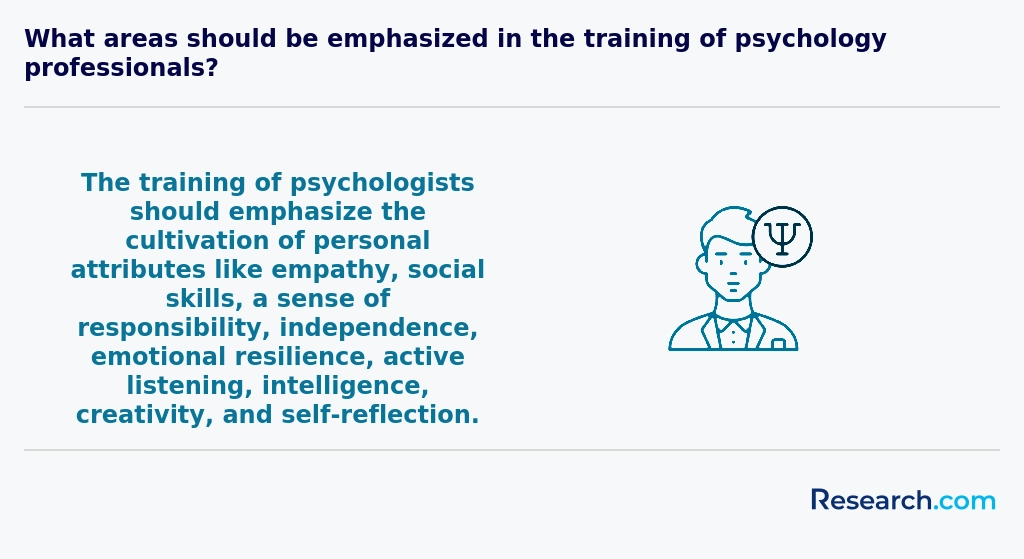
Psychology degree programs in Scottsdale routinely offer diverse specializations designed to push students beyond broad theory into precise, impactful practices. Graduates often share how clinical psychology deepened their understanding of mental health through hands-on counseling techniques learned at local universities, preparing them to face real-world mental health challenges with confidence. Exploring Scottsdale psychology program concentration options, many also find counseling psychology resonates deeply, where they develop empathy and communication skills that transform personal interactions and professional therapy alike.
Others gravitate toward experimental psychology, engaging in rigorous lab work to unravel behavioral mysteries, a path that some Scottsdale alumni describe as intellectually exhilarating and foundational for research careers. Industrial-organizational psychology attracts students intrigued by workplace dynamics, blending business growth with human motivation-particularly relevant in Scottsdale's booming industries. One cannot ignore the appeal of specialized fields like developmental and health psychology, where students witness firsthand how psychological theory influences health outcomes and lifespan development.
Financial considerations are part of the journey too, but passionate students find the investment worthwhile. For example, those moving toward licensure through counseling programs appreciate resources like iowa lpc license renewal to plan their careers beyond graduation.
Choosing the best psychology degree programs in Scottsdale goes beyond just picking a school with a good name. Graduates from popular local universities often recall that accreditation was a game-changer-it's not merely a stamp of approval but a key to licensure and credible employment. Imagine investing time and money only to discover your degree won't meet state requirements. Cost is another reality check; balancing tuition with living expenses in Scottsdale means getting creative, sometimes opting for affordable psychology degrees Scottsdale that still offer quality faculty and hands-on internships.
One graduate shared how flexible evening classes allowed them to work full-time and build real-world counseling skills. Others emphasize how program specializations, like clinical or industrial-organizational psychology, shaped their career paths more than the prestige of their college. Seeking programs that integrate research projects or internships can unlock a deeper understanding, moving beyond textbooks. For those curious about options with better financial feasibility, check out resources like the online Christian counseling degree tuition as a practical example of affordability meeting quality.

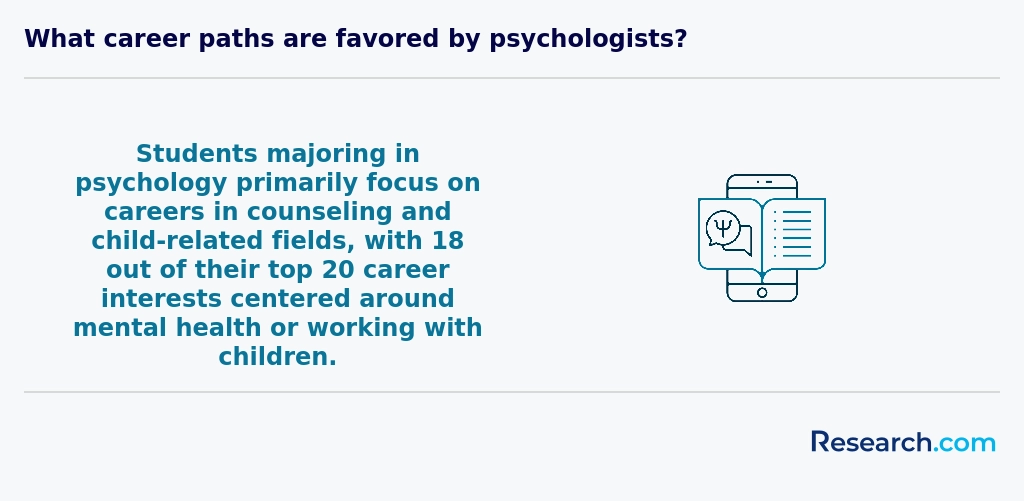
Graduates holding a psychology degree in Scottsdale find themselves at a unique crossroads of opportunity, well beyond traditional therapy roles. Many alumni from well-regarded local institutions describe discovering paths in clinical and counseling psychology, where they contribute meaningfully in hospitals and community centers. Yet, the job prospects with psychology degree Scottsdale extend further into fields like industrial-organizational psychology, crucial for the bustling corporate offices and tech startups around the city, shaping better workplaces and happier employees.
Others excitedly pursue careers as school psychologists or human resources specialists, roles where psychology roots deepen daily influence on education and recruitment. Social services coordination is another vital avenue, where graduates develop impactful local programs. These diverse career paths reflect the versatility of the degree and the growing mental health demands of this vibrant city.
Those curious about affordable options may explore the most affordable psychology programs in arizona, balancing cost with opportunity while preparing for these promising futures.

The psychology degree job outlook Scottsdale reveals a dynamic market fueled by the city's growing healthcare infrastructure and mental health services. Graduates from local universities often share how their internships at nearby hospitals and clinics opened doors to counseling and clinical psychology roles, reflecting a real demand for mental health professionals. These opportunities extend beyond traditional paths, as corporate sectors increasingly seek industrial-organizational psychologists to enhance workplace wellness and productivity.
Scottsdale psychology career opportunities are especially promising for those willing to engage deeply with the community, including roles in schools where counselors are critical in managing student behavioral health. Graduates express a rewarding sense of purpose working in educational settings, seeing firsthand the difference they can make. However, navigating the cost of education-from bachelor's degrees at local public universities to graduate programs-requires careful planning, especially given the competitive salaries ranging around $90,000 annually, which is modestly above state averages.
For those curious about pathways into specialized fields, understanding licensure is crucial. Many graduates benefit from resources discussing how do you become a child psychologist, which guides them through necessary steps to qualify for impactful roles. The local job market challenges assumptions that psychology careers lack growth in smaller cities, revealing instead a thriving environment for graduates ready to adapt and serve diverse populations.
2027 Best Psychology Degree Programs Ranking in Scottsdale
Investing in your education is a significant decision that can shape your future, and the Research.com team understands the importance of making informed choices. To assist prospective students in Scottsdale, we have meticulously crafted the "2027 Best Psychology Degree Programs Ranking in Scottsdale." Our commitment to quality, credibility, and accuracy is reflected in the extensive research and analysis conducted to compile this ranking.
We utilized the following reputable data sources to ensure a comprehensive evaluation of psychology programs:
By exploring this ranking, readers will gain valuable insights into the best psychology degree programs available in Scottsdale, empowering them to make well-informed decisions about their academic and professional futures. For more details on our methodology, please visit our Research.com methodology page.
# 1 position
Arizona State University Digital Immersion
Bachelor of Science in Psychology

# 2 position
Arizona State University Digital Immersion
Master of Science in Psychology
# 3 position
Arizona State University Digital Immersion
Doctor of Philosophy in Psychology
# 4 position
Phoenix Seminary
Master of Science in Psychology

Frequently Asked Questions About psychology
Students pursuing psychology degrees in Scottsdale can enhance their learning by actively engaging in both classroom and practical experiences. Enrolling in internships at local mental health clinics or hospitals allows hands-on application of theoretical knowledge, which is crucial for career readiness. Scottsdale is home to several accredited institutions offering psychology programs recognized by the American Psychological Association (APA), ensuring quality education aligned with national standards.
Joining student organizations like Psi Chi, the International Honor Society in Psychology, provides networking opportunities and access to professional development resources. Additionally, utilizing Scottsdale's library systems and online databases helps students stay current with research trends.
Effective time management and seeking mentorship from faculty also contribute significantly to academic success. According to the National Center for Education Statistics, students who participate in experiential learning demonstrate higher retention and job placement rates nationally, a metric relevant to Scottsdale programs as well.
Emerging niches within the psychology field reflect growing demands and advances in society and technology. In Scottsdale and the broader U.S., clinical neuropsychology is expanding rapidly, focusing on brain-behavior relationships, partly due to increased awareness of traumatic brain injuries and aging populations (American Psychological Association, 2023). Another niche is health psychology, where practitioners examine psychological factors affecting physical health, important in managing chronic illnesses common in Arizona's aging communities.
Additionally, forensic psychology is gaining traction, with rising opportunities collaborating with legal systems. Scottsdale students can also explore sports psychology, supporting athletes' mental health amid rising awareness of psychological wellness in sports. These niches offer promising career paths supported by evolving research and practical needs.
Preparing for the job market after completing a psychology degree in Scottsdale involves several key steps. Graduates should seek internships or practicum experiences during their studies to gain practical skills and build professional networks. According to the Bureau of Labor Statistics, employment for psychologists is expected to grow by 8% through 2031, indicating strong demand, especially in healthcare and education sectors.
Obtaining state licensure is essential for many psychology roles in Arizona. Prospective professionals often pursue a master's or doctoral degree for clinical positions. Networking through local organizations like the Arizona Psychological Association can provide valuable job leads. Additionally, developing skills in data analysis and counseling enhances employability in Scottsdale's competitive market.
Employers in Scottsdale seek psychology degree graduates who possess strong critical thinking and analytical skills. These abilities are essential for evaluating research data and applying psychological theories effectively.
Communication skills, both written and verbal, rank highly, as professionals often need to explain complex concepts to clients or colleagues. According to the U.S. Bureau of Labor Statistics, psychology roles in Arizona emphasize interpersonal skills to ensure positive client interactions.
Additionally, employers value ethical judgment and cultural competence, recognizing Scottsdale's growing diversity. Graduates skilled in these areas are better prepared to work with varied populations.
Technical proficiency, including familiarity with statistical software like SPSS, also enhances employability in research and clinical settings within the region.
To find internships in Scottsdale relevant to a psychology degree, start by exploring opportunities at local mental health clinics, hospitals, and counseling centers. Scottsdale is home to facilities such as the HonorHealth Scottsdale Shea Medical Center, which often offers internships in behavioral health. Many universities with psychology programs also provide internship placement support through their career services.
It's important to check requirements early, as internships may require background checks and proof of coursework. Websites like the Arizona Psychological Association occasionally list internships, while national platforms such as the American Psychological Association's internship database can help identify relevant roles near Scottsdale. Networking with faculty and local professionals is also valuable in securing quality experiences.
Obtaining a psychology degree in Scottsdale can significantly enhance career mobility and advancement opportunities. The local job market for psychology professionals, driven by healthcare, education, and counseling services, has grown steadily. According to the U.S. Bureau of Labor Statistics, employment of psychologists in Arizona is expected to grow 16% from 2020 to 2030, faster than the national average. Graduates with a psychology degree often find roles in clinical, counseling, and industrial-organizational settings, with prospects for promotion to supervisory and specialist positions.
Additionally, Scottsdale's proximity to numerous healthcare facilities supports practical experience through internships, which employers value. Advanced degrees and licensure, commonly required for higher-level roles, further increase earning potential and job security in this region.
Studying for a psychology degree in Scottsdale equips students with skills applicable across multiple disciplines. Local universities often emphasize a curriculum that blends psychological theory with practical applications in healthcare, education, and business. This interdisciplinary approach helps graduates collaborate effectively with professionals in social work, counseling, and organizational leadership.
Arizona's workforce data highlights a growing demand for psychologists and related roles, reflecting the need for professionals who understand diverse perspectives. Programs in Scottsdale frequently incorporate research methods, ethical practices, and communication skills, which are essential in varied settings.
Students also benefit from partnerships with community organizations, providing hands-on experience in real-world interdisciplinary environments.
When choosing between a thesis and a non-thesis psychology degree program in Scottsdale, consider your career goals first. Thesis programs require conducting original research and writing a detailed paper, which is ideal if you plan to pursue a PhD or research-oriented roles. Non-thesis options emphasize coursework and practical skills, suiting students aiming for professional practice or immediate employment.
In Scottsdale, about 40% of psychology graduate students opt for thesis tracks, reflecting interest in research careers, according to data from the National Center for Education Statistics. Also, thesis programs usually take longer to complete, often 2-3 years, compared to non-thesis tracks.
Cost and funding availability can influence your choice. Thesis students may qualify for research assistantships, which help offset tuition.
Students in Scottsdale interested in studying psychology abroad have several pathways through U.S. higher education frameworks. Many Scottsdale-based institutions, such as Arizona State University, provide exchange programs and study abroad partnerships with universities in countries like the United Kingdom, Canada, and Australia. These programs typically last a semester or a year, allowing students to earn credits transferrable toward their psychology degrees.
According to the Institute of International Education, approximately 10% of U.S. psychology undergraduates participate in study abroad programs, reflecting growing interest in global perspectives on mental health.
Additionally, Scottsdale students can pursue accredited online psychology degrees from international universities, combining flexibility with a global curriculum. Understanding regional accreditation and credit transfer policies is crucial when choosing these options.
Students pursuing psychology degrees in Scottsdale can enhance their education by taking part-time jobs closely related to their field. Common opportunities include working as behavioral health technicians or research assistants at local clinics and universities. These positions help develop practical skills such as patient observation and data collection.
Additionally, Scottsdale's numerous counseling centers often seek part-time intake coordinators or administrative support staff, providing insight into clinical settings and client interaction. According to Arizona's Department of Health Services, behavioral health jobs in the Phoenix metropolitan area, which includes Scottsdale, are projected to grow by 16% through 2030, reflecting expanding opportunities.
Volunteering in community mental health programs is another valuable option, offering experience in diverse psychological services while networking within the local health system.
Psychology students in Scottsdale benefit from several strong networking opportunities that connect them with local professionals and academics. Institutions like Arizona State University's West campus and Gateway Community College host frequent events, workshops, and guest lectures featuring licensed psychologists and researchers.
Students can also join professional organizations such as the Arizona Psychological Association, which offers networking events, mentorship programs, and continuing education workshops in the Phoenix metropolitan area, including Scottsdale.
Local internships and volunteer positions in Scottsdale's mental health clinics and hospitals provide hands-on experience and valuable contacts in clinical settings. Meeting professionals at conferences like the Southwest Psychological Association's annual meeting, held nearby, further boosts networking prospects.
These opportunities support career growth and help psychology students build essential professional relationships within Scottsdale's mental health community.
Alumni networks play a significant role in supporting psychology degree students in Scottsdale by providing valuable professional connections. Graduates from local programs often gain access to networks that include licensed psychologists, counselors, and academic professionals who can offer mentorship and career advice.
These connections are particularly important in Scottsdale, where the mental health field is growing rapidly. According to the Arizona Board of Behavioral Health Examiners, the demand for psychology professionals in the region has increased by over 15% in recent years. Alumni networks facilitate job placements and internships by linking current students to employers seeking qualified candidates.
In addition, alumni events and online communities allow students to share research, collaborate on projects, and stay informed about industry trends. This ongoing support enhances students' professional development beyond graduation.
Customizing a psychology degree in Scottsdale allows students to align their education with specific career ambitions. Many local institutions offer elective courses and specialization tracks, such as clinical psychology, counseling, or industrial-organizational psychology. This flexibility helps tailor the curriculum to individual interests.
Internship opportunities within Scottsdale's healthcare facilities and community organizations provide practical experience, crucial for career readiness. For example, Arizona State University's Scottsdale campus connects students with local mental health agencies for hands-on training.
Additionally, students can select research projects or thesis topics relevant to their professional goals, guided by faculty experts. The ability to combine coursework, applied experience, and research fosters a well-rounded, career-focused education in psychology.
Psychology students in Scottsdale commonly face challenges related to program competitiveness and clinical placement availability. Local universities often have limited spots for internship opportunities, which are essential for licensure and practical experience. According to the Arizona Board of Psychologist Examiners, waiting lists for supervised clinical hours have increased by 12% in recent years, reflecting a statewide demand issue.
Another hurdle is balancing rigorous coursework with part-time work or family responsibilities. Many students report stress stemming from demanding research projects and the need to stay current with evolving psychological theories and ethical standards. The Bureau of Labor Statistics projects a 9% growth in psychology jobs in Arizona through 2030, heightening competition for internships and full-time roles.
Graduates with a psychology degree in Scottsdale have access to several professional certifications that can enhance their career prospects. Common certifications include Licensed Professional Counselor (LPC), which requires a master's degree and supervised clinical hours. Another option is becoming a Certified Alcohol and Drug Counselor (CADC), popular due to local treatment facilities emphasizing addiction support. The Board Certified Behavior Analyst (BCBA) credential is also notable, particularly for those interested in applied behavior analysis. According to the Arizona Board of Psychologist Examiners, licensure requirements typically involve passing standardized exams and completing supervised practice hours, emphasizing practical experience alongside education.
To write a winning application for a psychology program in Scottsdale, start by thoroughly researching local institutions such as Arizona State University's West campus. Highlight your passion for psychology through clear, specific goals in your personal statement. Demonstrate strong academic performance, particularly in relevant coursework like biology and statistics, as competitive programs often expect a GPA above 3.0.
Include relevant experience, such as internships or volunteer work in mental health settings, to showcase practical skills. Scottsdale's growing healthcare sector offers various opportunities for this. Finally, secure strong letters of recommendation from professors or professionals familiar with your dedication to psychology. According to the National Center for Education Statistics, thorough applications correlate with higher acceptance rates nationwide.
Psychology careers have a broad global relevance, but within the U.S., and particularly in Scottsdale, this field is shaped by recognized standards and licensure requirements. The U.S. Bureau of Labor Statistics projects a 6% growth in psychologist jobs from 2022 to 2032, reflecting steady demand. Internationally, psychology practices and degrees may vary, but U.S. training emphasizes evidence-based methods aligned with global research trends.
For Scottsdale students, obtaining a psychology degree means access to programs that meet professional accreditation standards, ensuring global competitiveness. According to Arizona Board of Psychologist Examiners, licensure requires a doctoral degree and supervised experience, consistent with many countries' regulations.
Gaining practical experience while studying for a psychology degree in Scottsdale is vital for career readiness. Many local colleges encourage students to participate in internships at mental health clinics, hospitals, and community service organizations.
Arizona's workforce reports that psychology internships in Scottsdale offer valuable exposure to counseling, research, and case management. Students can also engage in research projects under faculty supervision, which is especially common at universities with active psychology departments.
Volunteering opportunities at places like the Scottsdale Center for the Arts and local nonprofit agencies further enhance hands-on skills. These experiences complement classroom learning and improve graduate employability.
Choosing the right concentration within a psychology degree in Scottsdale involves understanding your career goals and interests. Psychology programs often offer areas such as clinical, counseling, developmental, or industrial-organizational psychology. According to the U.S. Bureau of Labor Statistics, fields like clinical psychology are projected to grow by 8% through 2031, which may influence your choice.
Consider the coursework and practical experiences offered by Scottsdale schools. Many local programs emphasize hands-on internships aligned with Arizona's mental health services. This experience is crucial for licensure and employment.
Additionally, research program accreditation to ensure it meets state requirements, as this affects certification eligibility in Arizona. Checking graduate employment rates in Scottsdale can also guide your decision. Institutions like Arizona State University at the Polytechnic campus provide useful data on graduate outcomes.
- 2027 Best Psychology Degree Programs Ranking in Phoenix
- 2027 Best Psychology Degree Programs Ranking in Riverside
- 2027 Best Psychology Degree Programs Ranking in San Diego
- 2027 Best Psychology Degree Programs Ranking in La Jolla
- 2027 Best Psychology Degree Programs Ranking in Claremont
- 2027 Best Psychology Degree Programs Ranking in Irvine
- 2027 Best Psychology Degree Programs Ranking in Pasadena
- 2027 Best Psychology Degree Programs Ranking in Los Angeles
- 2027 Best Psychology Degree Programs Ranking in Santa Barbara
- 2027 Best Psychology Degree Programs Ranking in Denver
See What Experts Have To Say About Studying Psychology
Read our interview with Psychology experts

Robin M. Kowalski. Ph.D.
Psychology Expert
Professor of Psychology
Clemson University

Elizabeth L. Jeglic Ph.D.
Psychology Expert
Professor of Psychology
City University of New York

Joann Farrell Quinn, Ph.D., MBA
Psychology Expert
Director at the College of Medicine Department of Medical Education
Morsani College of Medicine

- How To Find Psychology Internships https://www.psychology.org/resources/how-to-find-an-internship/
- Skills of a Psychology Major - Psychology Department https://wagner.edu/psychology/skills/
- Psychology Degree Requirements | University of Bridgeport https://www.bridgeport.edu/news/psychology-education-requirements/
- How to help students cope with mental health challenges https://www.eaie.org/resource/help-students-cope-mental-health-challenges.html
- Financial Aid & Scholarships https://scottsdaleprep.greatheartsamerica.org/academics/college-counseling/financial-aid-scholarships/
- How Long Does It Take to Get a Psychology Degree? https://www.albany.edu/psychology/communications/how-long-to-get-a-psychology-degree
- What can I do with a psychology degree? https://www.hull.ac.uk/study/undergraduate/courses/psychology-bsc-hons/what-can-i-do-with-a-psychology-degree
- Study Psychology Abroad | Go Overseas https://www.gooverseas.com/study-abroad/psychology
- 48 Jobs You Can Get with a Psychology Degree - Mid-Atlantic Christian University https://www.macuniversity.edu/48-jobs-you-can-get-with-a-psychology-degree/
- Study Psychology Abroad https://astarfuture.co.uk/study_psychology_abroad.html





