
2027 Most Popular Psychology Degree Programs Ranking in Fairfax

Co-Founder and Chief Data Scientist
Choosing the right psychology degree program in Fairfax can shape your future in meaningful ways. This article introduces the 2027 Most Popular Psychology Degree Programs Ranking in Fairfax, developed by the Research.com team of data scientists.
With carefully analyzed data, this ranking helps you identify programs that align with your goals and interests. Whether you're exploring career options, personal growth, or making a positive impact on others, a psychology degree opens many doors.
Read on to discover trusted, insightful information that supports your educational journey with confidence and enthusiasm.
Key benefits of getting psychology degree in Fairfax
- Salary for psychology degree graduates: Graduates in Fairfax can expect competitive pay, such as Human Resources Specialists earning around $76,060 annually and Marketing Research Analysts making approximately $83,190. These figures reflect rewarding opportunities in well-paid, psychology-related roles.
- Career paths overview: Psychology graduates from local universities often pursue diverse careers, including roles in clinical research, marketing analysis, and human resources-showcasing the degree's flexibility. Fairfax's educational institutions prepare students to explore many fields tailored to their interests and strengths.
- Benefits of online degrees: Completing a psychology degree online from Fairfax universities offers great flexibility and convenience, allowing students to balance work and study effectively. Online graduates often gain the same valuable skills as traditional students, opening doors to rewarding careers with less disruption to their daily lives.
- 2027 Most Popular Psychology Degree Programs Ranking in Fairfax
- What can I expect from psychology degree in Fairfax?
- Where can I work with psychology degree in Fairfax?
What can I expect from psychology degree in Fairfax?
The average cost of earning a psychology degree in Fairfax typically ranges between $10,000 and $35,000 per year, depending on whether you attend a public or private institution. Many students at George Mason University find this investment rewarding, appreciating the balance of affordability and high-quality education. Graduates often share how financial aid options and scholarships helped ease their tuition burden, allowing them to focus on immersive experiences like research projects and internships.
Studying psychology in Fairfax means gaining hands-on skills that extend beyond the classroom. Imagine working alongside clinical professionals in nearby hospitals or engaging with community agencies, all while supported by programs designed to prepare you for a meaningful career. Many students recall the excitement of applying their knowledge in real-world settings, feeling empowered as they contribute to mental health initiatives.
With Fairfax's strong educational resources and local opportunities, pursuing a psychology degree here not only nurtures your academic growth but also inspires confidence and readiness to impact lives positively.
Where can I work with psychology degree in Fairfax?
With a psychology degree from a respected Fairfax institution, graduates discover vibrant career opportunities that genuinely make a difference. Many find rewarding roles in healthcare settings like hospitals and mental health clinics, where they support individuals through meaningful therapy and assessments. The growing demand for mental health counselors in Fairfax energizes these professionals with a purposeful mission.
Others thrive in educational environments such as Fairfax County Public Schools, combining their passion for psychology with a commitment to student success. Graduates often share how rewarding it feels to empower young minds as school psychologists or counselors, shaping futures one student at a time.
Social service agencies also welcome psychology professionals ready to serve their communities. Many graduates express deep fulfillment working with nonprofits, assisting families and at-risk groups, making visible impacts every day.
In the business world, graduates leverage their insights into human behavior to boost employee well-being and organizational growth. Corporate roles in human resources and market research open doors to dynamic, fast-paced careers.
Government agencies nearby offer stable, impactful positions in research and program development for those advancing toward higher degrees, inspiring graduates to pursue lasting, meaningful careers.
Graduates with a psychology degree from well-known Fairfax institutions often find themselves stepping confidently into rewarding careers that offer strong financial prospects. For example, those working as Human Resources Specialists in the area earn an average annual wage of $76,060, enabling them to support a vibrant lifestyle in and around Fairfax. Marketing Research Analysts, another popular path for psychology graduates, command a mean salary of $83,190, reflecting the value of analytical skills developed during their studies.
Many graduates begin their journey in roles such as Clinical Research Associates or Survey Researchers, both offering a solid mean annual wage of $62,370. These positions provide important experience while delivering income stability. Even supportive roles like Childcare Workers, with a mean wage of $32,070, allow graduates to make a meaningful impact while gaining valuable hands-on skills.
Studying psychology in Fairfax blends academic excellence with access to thriving local industries. This combination fuels confidence in graduates as they step into careers where their passion meets promising earnings, empowering them to build fulfilling futures.
- Tuition for a bachelor's degree in psychology in Fairfax ranges from $10,000 to $25,000 per year at public schools and often exceeds $30,000 annually at private colleges.
- Job openings for psychology-related careers in Northern Virginia, including Fairfax, are expected to grow by about 10% over the next decade, slightly faster than the national average.
- Starting salaries for psychology graduates with a bachelor's degree typically range from $40,000 to $50,000 annually.
- Graduates with a master's degree or higher can expect starting salaries around $60,000, with experienced clinical psychologists and licensed counselors earning over $80,000 per year.
- Many Fairfax psychology programs offer internships and practicum placements with local hospitals, schools, and counseling centers for hands-on experience.
- Fairfax's location near federal agencies and private research groups provides unique career opportunities in research and government roles.
In Fairfax, pursuing a psychology degree is an empowering journey that fits beautifully into your life's rhythm. Many students at institutions like George Mason University find that completing an associate degree takes about two years, offering a solid foundation to step confidently into the field. Those aiming higher often embrace the four-year bachelor's degree, balancing general education and specialized psychology courses, an experience that graduates recall as both challenging and rewarding.
For driven individuals, Fairfax's welcoming academic environment supports the pursuit of advanced degrees. Master's programs typically require two more years after the bachelor's, opening doors to deeper expertise. Doctoral candidates at local universities embark on a profound path lasting four to seven years, immersing themselves in groundbreaking research and clinical practice that shape their future careers with passion and purpose.
Students often share how the supportive community and flexible course options helped them manage their studies alongside work or family, making these timelines not only achievable but inspiring milestones in their personal growth.
Ensuring that your chosen psychology program is properly accredited and meets established licensing standards is critical for long-term career success. Accreditation not only guarantees that the curriculum meets rigorous academic benchmarks but also enhances your eligibility for financial aid, graduate studies, and licensure in clinical settings. Prospective students should verify that the program is recognized by reputable bodies such as the American Psychological Association (APA) or other regional agencies, so that employers and licensing boards view your education as credible. In addition, exploring options like apa accredited online psychology psyd programs can broaden your choices, providing the flexibility of online learning alongside high academic standards. By prioritizing accredited programs, students in Fairfax, VA, can confidently invest in an education that paves the way for thriving careers in clinical, counseling, educational, and industrial-organizational psychology.
Choosing between online and on-campus psychology degrees in Fairfax opens exciting paths tailored to diverse lifestyles and goals. On-campus students at popular local institutions thrive through face-to-face interactions with professors and classmates, enjoying access to vibrant campus resources like counseling centers and research labs. This environment cultivates hands-on learning and valuable internships, bringing textbook theories to life in meaningful ways.
Meanwhile, online learners embrace flexibility, perfect for balancing busy schedules or family commitments without sacrificing quality. Many graduates who studied online highlight the freedom to absorb lectures at their own pace, engaging in rich virtual discussions while staying rooted in Fairfax. The digital format encourages self-motivation and time management skills that empower personal and professional growth.
Both experiences share a commitment to high standards approved by the American Psychological Association, ensuring every Fairfax student prepares confidently for a rewarding psychology career. Whether exploring ideas amid lively campus settings or connecting through innovative digital platforms, students here find their unique journey inspiring and achievable.
Navigating the application process for psychology degree programs in Fairfax, VA requires careful planning and attention to key deadlines. Prospective students should begin by researching program-specific requirements on each university’s admissions website. Common application components include official transcripts, a personal statement outlining your interest in psychology, letters of recommendation, and standardized test scores if applicable. Some institutions also request a résumé or CV detailing relevant volunteer, research, or internship experiences. Step-by-Step Application Guide: 1. Research and Select Programs: Compare curricula, specializations, and accreditation status to ensure alignment with your career goals. 2. Prepare Documents: Request transcripts at least six weeks before deadlines; draft and revise your personal statement with input from mentors. 3. Secure Recommendations: Ask professors or supervisors 4–6 weeks in advance to write detailed letters highlighting your academic and interpersonal strengths. 4. Submit Standardized Tests: If required, schedule SAT/ACT or GRE exams early to allow time for retakes and score reporting. 5. Complete Online Application: Upload all materials, pay application fees, and verify submission via email confirmation. Typical Deadlines for Fall and Spring Admission:
- George Mason University: Fall – December 1; Spring – October 15
- Marymount University: Fall – January 15; Spring – November 1
- Northern Virginia Community College: Rolling admissions, but priority consideration if submitted by March 1 To maximize your chances, submit applications at least two weeks before official deadlines and attend virtual or on-campus information sessions. If you’re comparing tuition costs across regions, consider our Low Cost Psychology Degree Programs Ranking in New York, NY for insight into affordable alternatives.
Understanding the average cost of a psychology degree in Fairfax empowers aspiring students to plan confidently for their future. Many graduates from George Mason University, a highly regarded institution for psychology in Fairfax, share how the investment in their education-averaging around $14,220 for in-state students-enabled them to build a rewarding career. This figure represents a median total cost that balances quality and affordability, especially compared to private schools or out-of-state tuition fees.
Students pursuing their psychology degree tuition and fees Fairfax 2027 will find that choosing public universities offers a substantial financial advantage while still accessing exceptional programs. For instance, those attending local colleges feel encouraged by the practical costs combined with supportive faculty who inspire their passion for mental health.
Beyond tuition, it's essential to consider additional expenses such as books, fees, and living costs, which are part of the comprehensive college experience in Fairfax. Many psychology students embrace the vibrant community and enriching opportunities near Washington D.C., which contribute to their personal and professional growth. Some graduates emphasize focusing on long-term benefits and engaging actively with resources, including understanding Delaware counseling license requirements as a step toward licensure and career advancement.
To get the most out of a psychology degree program in Fairfax, VA, it's essential to consider the various factors that influence the quality of education and career preparation. Prospective students should research the program's accreditation, faculty expertise, and available specializations to ensure alignment with their academic and career goals. For instance, those interested in clinical psychology may want to explore programs at a popular psychology school in Virginia, which can provide access to renowned faculty, cutting-edge research opportunities, and a network of professionals in the field. By carefully evaluating these aspects and seeking out programs that offer hands-on experience, mentorship, and a supportive learning environment, students can optimize their psychology education experience in Fairfax, VA, and set themselves up for success in their future careers.
Psychology students in Fairfax find a wealth of financial aid opportunities that make pursuing their dreams more attainable and inspiring. Graduates from schools like George Mason University often share how starting with the Free Application for Federal Student Aid (FAFSA) opened doors for Pell Grants, which provide crucial need-based funding without the worry of repayment. This support can cover a significant part of tuition, often easing financial stress.
Many students also benefit from state scholarships aimed at Virginia residents, especially those committed to psychology-related fields. Fairfax colleges frequently offer merit-based awards recognizing academic achievement and diversity, uplifting students who bring unique perspectives to the field. For example, work-study programs allow psychology learners to gain hands-on experience while earning money, creating a fulfilling balance between study and self-sufficiency.
Federal loans with flexible repayment plans further empower students to invest in their future with confidence. Local partnerships and private foundations add an extra layer of support, encouraging students engaged in mental health initiatives to thrive both academically and personally.
Accreditation ensures your psychology degree meets quality standards and qualifies you for professional practice in Virginia. Before enrolling, verify that your program aligns with state licensure requirements.
- Regional Accreditation: Confirm the institution is accredited by the Southern Association of Colleges and Schools Commission on Colleges (SACSCOC).
- APA Accreditation: For doctoral paths (PhD/PsyD) aiming at clinical psychology licensure, choose a program approved by the American Psychological Association.
- Counselor Accreditation: If your goal is professional counseling, enroll in a CACREP-accredited program: cacrep accredited programs.
- Supervised Experience: Complete required practicum and internship hours (often 3,000–6,000 hours) under qualified supervision.
- Licensing Exams: Pass state board exams-EPPP for psychologists or NCE/NCMHCE for counselors-as mandated by the Virginia Board of Psychology.
- Continuing Education: Maintain licensure through annual continuing education credits as specified by Virginia regulations.
To embark on a psychology degree journey in Fairfax, students often begin with a solid foundation-a high school diploma or GED paired with strong grades in biology, math, and social sciences. Imagine walking through the vibrant campuses of popular Fairfax colleges, where eager students share how their dedication to these subjects opened doors to thrilling academic experiences.
Graduate applicants, aiming for Master's or Doctorate programs, bring a completed bachelor's degree with a focus on psychology or related fields. Graduates from Fairfax institutions recall how maintaining a GPA around 3.0 and gathering meaningful research or internship experiences truly boosted their confidence and readiness for advanced study.
Letters of recommendation and personal statements also play a vital role, often reflecting one's passion and career vision. Some Fairfax programs may ask for GRE scores, yet many graduates appreciate that the emphasis now shifts toward showcasing personal growth and practical experience over test results.
With these prerequisites, Fairfax students step forward inspired, ready to make their mark in the dynamic world of psychology.
Graduates seeking to practice as licensed psychologists in Fairfax, VA must navigate state-specific licensure and certification requirements to ensure compliance and professional credibility. First, candidates must complete an accredited doctoral program in psychology-many opt for an online psychology doctorate degree to balance flexibility with rigorous training. After earning a doctoral degree (PhD or PsyD), applicants register with the Virginia Board of Psychology, submit official transcripts, and pay applicable fees. Next, aspiring psychologists must accrue a minimum of 3,500 supervised clinical hours under a board-approved supervisor. These hours typically include assessments, treatment planning, and direct client contact within clinical, school, or organizational settings. Once supervised hours are complete, candidates sit for the Examination for Professional Practice in Psychology (EPPP), a two-part national exam covering foundational and applied psychological knowledge. Passing the EPPP with the required score (as determined by the Virginia Board) is mandatory for licensure. Finally, licensed psychologists in Virginia must fulfill continuing education (CE) requirements to maintain their credential. The Board requires 16 CE credits every two years, with at least 8 credits in ethics or professional responsibility. Professionals may choose CE workshops, online courses, or state-approved conferences to satisfy these obligations. By understanding and following these licensure and certification steps, psychology graduates can confidently launch fulfilling careers across clinical, educational, and corporate environments in Fairfax, VA.
Psychology students in Fairfax embark on an exciting journey through courses that open their minds to the depths of human behavior and mental processes. At universities like George Mason, students find themselves engaging deeply with foundational classes such as general psychology, where they explore the major theories shaping the field.
Graduates often describe how courses like Research Methods and Statistics empower them with skills to analyze real-world data, making complex scientific concepts approachable and relevant. Imagine designing experiments that reveal how memory works or how decision-making unfolds-these classes bring theory to life.
- Developmental Psychology offers inspiring insights into growth across the lifespan, helping students understand the profound changes in cognition and emotion from childhood to adulthood.
- Cognitive Psychology reveals the mysteries behind perception and problem-solving, often sparking "aha!" moments in the classroom.
- Biological Psychology connects students to the astounding relationship between brain function and behavior, a favorite for those fascinated by neuroscience.
- Social Psychology encourages exploration of group dynamics, reflecting Fairfax's diverse social fabric and preparing students for culturally sensitive work.
- Abnormal Psychology opens doors to understanding mental health challenges with compassion and knowledge.
Many programs in Fairfax also offer specialized courses tailored to the community's unique needs, like clinical psychology and counseling techniques, fostering ethical awareness and multicultural competence. Students frequently highlight how these experiences spark confidence and a deeper sense of purpose, fueling their passion for making a difference.
In Fairfax, students choosing psychology degrees enjoy a range of inspiring specializations tailored to their passions and career dreams. Many graduates from popular colleges embrace clinical psychology, gaining confidence through hands-on internships that prepare them to support individuals facing mental health challenges. Those drawn to helping others flourish often find fulfillment in counseling psychology, working in community centers or schools to make a real difference.
For the curious mind, experimental psychology offers thrilling opportunities to dive into research, developing skills that open doors to advanced studies or innovative career paths. Universities in Fairfax also provide rich experiences in developmental psychology, where students explore human growth from childhood to adulthood, connecting theory to meaningful real-life caregiving roles.
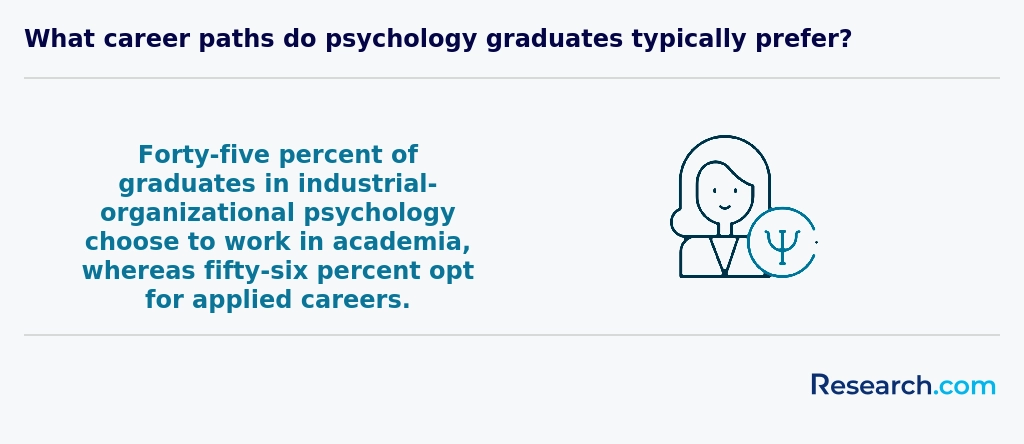
Exploring the psychology degree specializations in Fairfax reveals exciting options like industrial-organizational psychology, balancing business with human wellbeing, and forensic psychology, where graduates engage with the legal system. Many students consider the differences between paths through resources on psyd vs phd, helping them choose the best fit.
Choosing the best psychology degree programs in Fairfax means focusing on programs with strong accreditation and faculty who inspire through active research and community projects. Graduates from popular Fairfax colleges often share how hands-on experiences and flexible schedules empowered them to balance studies with personal growth, creating lasting confidence in their future careers.
Consider universities offering diverse specializations that resonate with your passions-be it clinical, cognitive, or social psychology. Affordable psychology colleges Fairfax 2027 make quality education accessible, with options ranging from renowned public universities to innovative online formats. Many students find these pathways both manageable and rewarding.
Listening to alumni stories, you'll see how their involvement in internships and research fueled their professional success and opened doors locally. Take advantage of strong psychology programs that connect you with the thriving community and job market nearby.
For broader perspectives, explore resources like top psychology colleges kentucky, which provide insights useful even beyond Fairfax.

Graduates with a psychology degree in Fairfax discover a wealth of exciting career paths, each offering unique ways to make a positive impact. Many find fulfillment in counseling and clinical psychology, supporting individuals through life's challenges as therapists or counselors. Those drawn to education can thrive as school psychologists in Fairfax County Public Schools, creating supportive environments where students flourish emotionally and academically. For students passionate about business, industrial-organizational psychology presents opportunities to enhance workplace culture and employee well-being within local corporations.
Additionally, psychology graduates engaging in research roles contribute to groundbreaking studies at universities and government agencies nearby, such as the National Institutes of Health. These roles inspire innovation and deepen our understanding of human behavior. Exploring popular psychology school options in Fairfax equips students with the skills and connections to embrace these diverse jobs with a psychology degree in Fairfax.
Many graduates share a sense of pride in how their education empowers them to serve the community and pursue meaningful work, knowing Fairfax offers vibrant career opportunities grounded in this dynamic field.

The job market for psychology degree graduates in Fairfax is vibrant and full of promise, especially for those emerging from local universities and colleges known for their strong psychology programs. Many graduates find meaningful roles in the region's thriving healthcare sector or within Fairfax's extensive school districts, where their skills as mental health counselors, school psychologists, or behavioral health technicians are in high demand. This positive trend in employment opportunities for psychology graduates Fairfax offers a chance to have a real impact in communities while building a rewarding career.
Graduates often describe their early work as deeply fulfilling, whether supporting patients in clinical settings or assisting research projects at nearby institutions. Those pursuing further credentials align themselves with long-term growth, since licensed positions typically require graduate study and licensure-a goal well within reach when exploring options like apa accredited online psychology psyd programs. Fairfax's job outlook encourages students to envision not just job security but a career that makes a difference every day.
2027 Most Popular Psychology Degree Programs Ranking in Fairfax
Investing in your education is a significant decision that can shape your future, and the Research.com team understands the importance of making informed choices. To assist prospective students in Fairfax, we have meticulously crafted the "2027 Most Popular Psychology Degree Programs Ranking in Fairfax." Our commitment to quality, credibility, and accuracy is reflected in the extensive research and analysis conducted to compile this ranking.
We utilized the following reputable data sources to ensure a comprehensive evaluation of psychology degree programs:
By exploring this ranking, readers will gain valuable insights into the best psychology programs available in Fairfax, empowering them to make well-informed decisions about their educational journey. For more details on our methodology, please visit our Research.com methodology page.

Frequently Asked Questions About psychology
Psychology degree students in Fairfax can maximize their learning by engaging actively in both coursework and practical experiences. Many Fairfax institutions encourage participation in research labs, offering hands-on opportunities to apply theories. According to the American Psychological Association, students involved in research tend to achieve higher academic success and better job prospects.
Internships with local organizations such as mental health clinics or schools provide real-world experience vital for clinical or counseling psychology careers. Fairfax's proximity to Washington, D.C. expands access to diverse internship placements.
Joining psychology student groups and attending seminars can deepen understanding and foster networking. Additionally, utilizing campus resources like tutoring centers and academic advising tailored to psychology students supports academic progress effectively.
Emerging niches within the psychology field in Fairfax reflect broader trends in the U.S. but also respond to local community needs. One growing area is health psychology, which examines how psychological factors affect physical health and chronic disease management. Fairfax's access to major healthcare systems supports research and practical work in this niche.
Another expanding specialty is forensic psychology. With regional law enforcement agencies nearby, Fairfax offers opportunities for students interested in applying psychology to legal and criminal justice settings.
Additionally, neuropsychology is gaining attention due to advances in brain research and technology. Fairfax-based universities increasingly integrate neuropsychological studies within their psychology programs to meet the rising demand for experts in cognitive function and brain injury assessment.
These niches represent opportunities for prospective students to align their studies with local industry requirements and future job markets.
After earning a psychology degree in Fairfax, preparation for the job market involves several strategic steps. Building practical experience through internships or volunteer work at local clinics or schools can significantly enhance employability. According to the Bureau of Labor Statistics, clinical and counseling psychologist roles are expected to grow 8% from 2021 to 2031, signaling steady opportunities.
Networking is essential, too. Engage with local professional organizations such as the Virginia Psychological Association. They offer job boards, mentorship, and continuing education resources specifically for psychology graduates.
Additionally, consider pursuing certifications or licenses if planning clinical work. In Virginia, licensure requires supervised hours and passing the Examination for Professional Practice in Psychology. Prepare your resume and interview skills focused on psychology roles popular in Fairfax's healthcare and social service sectors.
Employers in Fairfax seeking psychology degree graduates prioritize strong analytical and communication skills. Graduates must be able to interpret complex data and convey findings clearly, which is vital for roles in research, counseling, and human services. According to the U.S. Bureau of Labor Statistics and local job market analyses, critical thinking and problem-solving abilities are among the top desired traits.
Additionally, proficiency in ethical decision-making and understanding diverse populations are highly valued. Fairfax employers often emphasize cultural competence due to the area's demographic diversity. Skills in data analysis software like SPSS or R also enhance job prospects, as many psychology roles require handling quantitative research.
Teamwork and interpersonal skills are essential for collaborative environments such as clinics and schools. Practical experience through internships or volunteer work further strengthens candidates' profiles in the competitive Fairfax job market.
Finding internships in Fairfax relevant to a psychology degree involves exploring various local institutions and resources. Students should start by contacting university career centers, which often have partnerships with mental health clinics, hospitals, and nonprofit organizations in the area. These centers provide listings of available internships tailored to psychology majors.
Local hospitals like Inova Health System and community organizations frequently offer internship programs focused on clinical psychology and counseling. According to the Fairfax County Economic Development Authority, healthcare and social assistance sectors employ a significant portion of the workforce, creating ample internship opportunities.
Networking with faculty and joining psychology-related student groups can also uncover less advertised internships. Searching platforms such as Handshake or the Virginia Community College System's internship portals can provide additional listings specific to Fairfax. Lastly, attending local job fairs and workshops enhances connections with potential employers in the psychology field.
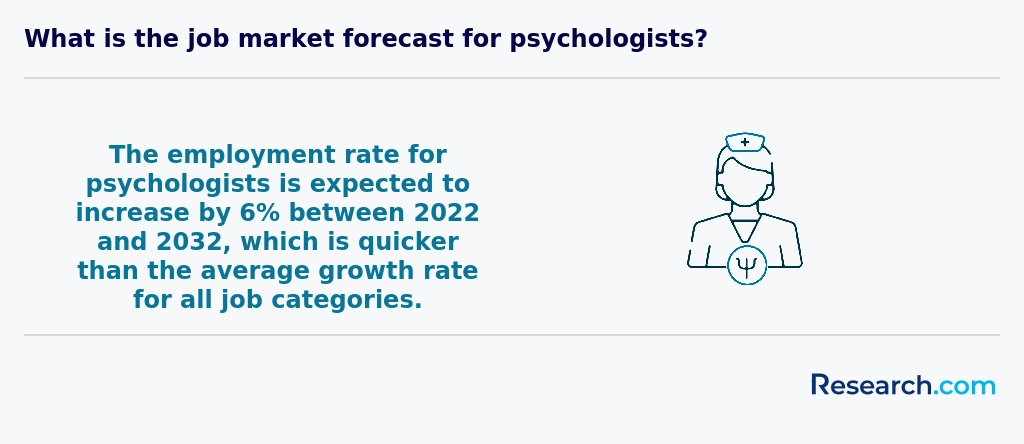
A psychology degree in Fairfax offers significant advantages for career mobility and advancement. According to the U.S. Bureau of Labor Statistics, employment for psychologists in Virginia is projected to grow 10% from 2022 to 2032, faster than the average for all occupations. This growth creates new opportunities for graduates in clinical, counseling, and research roles. Fairfax's proximity to government agencies and private sector organizations offers psychology degree holders a variety of career paths, including human resources, education, and healthcare.
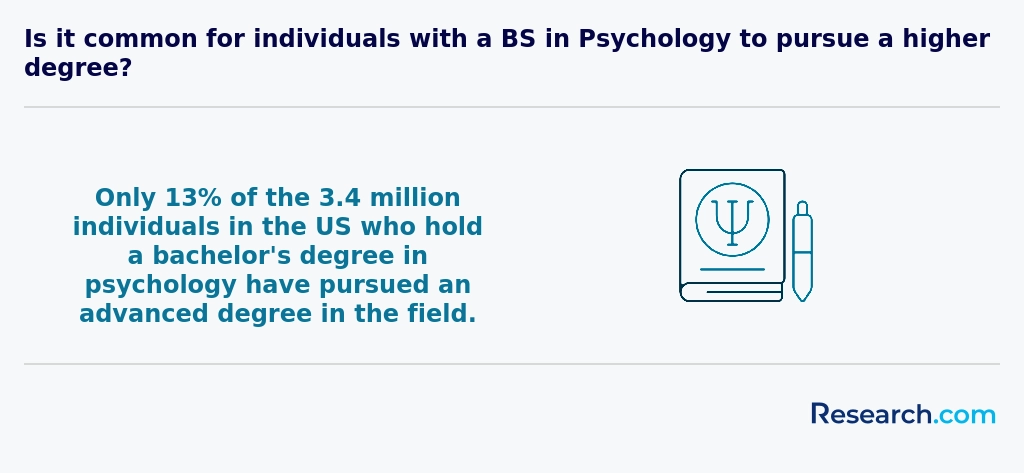
Moreover, postgraduate degrees can further enhance advancement prospects. For example, a master's or doctorate is often required for licensed clinical positions, which typically offer higher salaries and leadership opportunities.
Local networking organizations, such as the Northern Virginia Psychological Association, provide valuable connections that facilitate career development and mobility within the region.
Studying for a psychology degree in Fairfax offers robust preparation for interdisciplinary roles by integrating diverse academic fields crucial to understanding human behavior. Local universities emphasize collaboration between psychology, neuroscience, sociology, and health sciences, reflecting workforce demands.
According to data from the Virginia Employment Commission, Fairfax's growing healthcare and technology sectors call for professionals with combined expertise. Psychology students engage in coursework and research that develop skills in critical thinking, data analysis, and communication, all vital in interdisciplinary environments.
Programs also feature practicum experiences in community organizations, allowing students to apply psychological principles alongside professionals from social work, education, and medicine.
When deciding between a thesis and a non-thesis psychology degree program in Fairfax, students should consider their long-term goals. Thesis programs typically require independent research, which is essential for those planning to pursue a Ph.D. or careers in research. According to the American Psychological Association, thesis students develop strong skills in data analysis and scientific writing.
Non-thesis programs often emphasize coursework and practical experience, appealing to students seeking applied positions in counseling or human services. In Fairfax, about 60% of psychology graduate students choose non-thesis paths for quicker completion and direct entry into the workforce, as reported by Fairfax County Public Schools.
Additionally, thesis programs often take longer to complete due to research demands. Students should assess their available time, learning preferences, and career plans before choosing.
Students based in Fairfax who wish to study psychology abroad have several pathways to consider within the US higher education framework. Many universities in Fairfax, such as George Mason University, offer robust study-abroad programs that allow psychology majors to gain international experience while earning credits toward their degrees. These programs often partner with institutions in Europe, Australia, and Asia, providing students with opportunities to study diverse psychological theories and practices.
Additionally, students may participate in exchange programs coordinated through organizations like the Institute of International Education, which reported over 350,000 US students studied abroad in 2022, with psychology among the popular fields. Funding options including federal grants and scholarships are available to support these experiences. According to the Open Doors Report, psychology remains one of the top five majors chosen by US study abroad participants in recent years.
Students pursuing psychology degrees in Fairfax have several part-time job opportunities that enhance their educational experience. Many work as research assistants at local universities such as George Mason University, where hands-on experience with psychological studies is invaluable.
Interning at Fairfax County mental health organizations can also provide practical skills in client interaction and case management. Additionally, working in school counseling support roles helps in understanding developmental psychology and educational assessments.
According to the Bureau of Labor Statistics, part-time roles in social services and community outreach are growing by 9% annually in the Fairfax area, reflecting increased demand for mental health support.
Psychology students in Fairfax have access to a variety of valuable networking opportunities, essential for building professional connections early in their careers. Local universities often host regular psychology club meetings, guest lectures, and workshops where students meet faculty and practicing professionals. For example, George Mason University, a key institution in Fairfax, offers students chances to engage with its Psi Chi chapter, part of the international honor society in psychology, fostering connections among peers and experts.
Additionally, students can participate in internships and research projects with nearby mental health clinics and nonprofit organizations, expanding their professional circles.
Annual events like the Northern Virginia Psychological Association meetings provide platforms for networking with licensed psychologists and graduate students from the region. These connections can significantly aid in securing internships, research roles, or job placements post-graduation.
Alumni networks play a significant role for psychology degree students in Fairfax by offering valuable professional connections and career support. These networks help students access internships and job opportunities through established contacts in local mental health organizations and educational institutions.
In Fairfax, where psychology jobs are projected to grow by 14% through 2031 according to the U.S. Bureau of Labor Statistics, strong alumni ties can give students a competitive advantage. Alumni groups often provide mentorship, guiding current students through the licensing process required for clinical psychology careers in Virginia.
Additionally, alumni events and workshops foster continuous learning and skill development beyond graduation, which is crucial for adapting to evolving psychological practices and research.
Customizing a psychology degree program in Fairfax allows students to align their education with specific career goals. Many local institutions offer elective courses in areas like clinical psychology, counseling, or industrial-organizational psychology, enabling focused study. Internships and practicum opportunities, often available through Fairfax's proximity to diverse healthcare and business organizations, provide practical experience important for licensure or employment.
Students can also consider research projects or independent studies to deepen expertise in niche areas. According to the National Center for Education Statistics, tailored psychology programs increase graduates' job placement rates by up to 15%. Consulting academic advisors helps to select coursework and experiences that best meet professional objectives in the Fairfax context.
Psychology students in Fairfax often face several key challenges during their studies. One common difficulty is balancing rigorous coursework with practical experience, as programs typically require internships or research projects alongside academic classes. According to data from the American Psychological Association, about 60% of psychology undergraduates nationwide report time management as a significant stressor, which is equally relevant for Fairfax students.
Another challenge involves accessing affordable mental health resources while coping with academic pressure. Fairfax County's growing population increases demand for counseling services, sometimes limiting availability for students.
Additionally, the competitive nature of advanced psychology programs can create anxiety. Students aiming for graduate study must maintain high GPAs and research involvement, often experiencing uncertainty about career paths. These hurdles reflect national trends but are shaped locally by the Fairfax education and job market environment.
With a psychology degree in Fairfax, graduates can pursue several professional certifications that enhance career opportunities. One common certification is the Licensed Professional Counselor (LPC), which requires a master's degree and supervised clinical hours. This credential allows you to provide mental health therapy in Virginia.
Another valuable certification is the Board Certified Behavior Analyst (BCBA), which focuses on applied behavior analysis and is useful for those working with developmental disorders. The Virginia Department of Health Professions oversees these licenses, ensuring standards for practice are met.
Additionally, graduates may consider Certified School Psychologist credentials, especially if interested in educational settings. Fairfax County Public Schools employ many with these certifications. Pursuing certifications can increase job prospects and earning potential within the Fairfax area.
Writing a winning application for a psychology program in Fairfax requires careful preparation and attention to detail. Start by thoroughly researching local universities like George Mason University, which is well-known for its psychology offerings and emphasizes research skills. Highlight your academic achievements, especially in psychology-related courses and relevant extracurriculars.
Strong letters of recommendation from faculty or professionals who can attest to your passion and skills in psychology are crucial. Additionally, your personal statement should clearly explain your motivation for studying psychology and how you plan to contribute to the field. Fairfax programs often value applicants who demonstrate community involvement or research experience.
Standardized test scores, if required, should meet or exceed the averages reported by Fairfax institutions, such as GMU's average GRE scores around the 50th percentile. Finally, follow each program's specific submission guidelines to ensure your application stands out in this competitive market.
Psychology careers hold significant value worldwide, with strong demand in the United States and abroad. In Fairfax, psychology graduates benefit from access to diverse clinical, research, and counseling opportunities, reflecting global trends in mental health awareness. According to the U.S. Bureau of Labor Statistics, employment of psychologists is projected to grow 8% from 2022 to 2032, which aligns with increasing societal focus on mental wellbeing.
Internationally, psychology practices vary, but the core skills in research, analysis, and clinical work remain consistent. For Fairfax students, understanding global mental health challenges enhances career adaptability, especially given the city's multicultural environment.
American psychology degrees, including those earned in Fairfax, often emphasize evidence-based practices and ethical standards recognized worldwide. This foundation supports graduates seeking advanced credentials or work abroad.
Gaining practical experience while studying for a psychology degree in Fairfax is essential for career readiness. Many universities in the area, such as George Mason University, offer internships and research assistant positions that allow students to apply classroom knowledge in real-world settings. According to the National Center for Education Statistics, approximately 60% of psychology undergraduates participate in experiential learning opportunities during their studies.
Local healthcare facilities and community organizations often partner with colleges to provide volunteer roles and practicum placements. These experiences help develop skills in assessment, counseling, and data collection. Additionally, attending psychology-related workshops and joining student organizations can enhance professional growth and networking within Fairfax's academic community.
Choosing the right concentration within a psychology degree program in Fairfax involves understanding your career goals and interests. Psychology offers diverse paths, including clinical, counseling, industrial-organizational, and developmental psychology. Fairfax institutions often align concentrations with local workforce demand, particularly in health services and human resources.
Research from the Virginia Employment Commission shows growing job opportunities in mental health counseling and social services, influencing concentration choices. Additionally, consider program curriculum, faculty expertise, and internship opportunities specific to Fairfax to gain practical experience.
Prospective students should evaluate accreditation status and licensure preparation to ensure the concentration supports advanced study or professional certification.
- 2027 Most Popular Psychology Degree Programs Ranking in Durham
- 2027 Most Popular Psychology Degree Programs Ranking in New York
- 2027 Most Popular Psychology Degree Programs Ranking in Raleigh
- 2027 Most Popular Psychology Degree Programs Ranking in Queens
- 2027 Most Popular Psychology Degree Programs Ranking in Bronx
- 2027 Most Popular Psychology Degree Programs Ranking in Greensboro
- 2027 Most Popular Psychology Degree Programs Ranking in Buffalo
- 2027 Most Popular Psychology Degree Programs Ranking in Cleveland
- 2027 Most Popular Psychology Degree Programs Ranking in Rochester
- 2027 Most Popular Psychology Degree Programs Ranking in Columbus
See What Experts Have To Say About Studying Psychology
Read our interview with Psychology experts

Elizabeth L. Jeglic Ph.D.
Psychology Expert
Professor of Psychology
City University of New York

Joann Farrell Quinn, Ph.D., MBA
Psychology Expert
Director at the College of Medicine Department of Medical Education
Morsani College of Medicine

Robin M. Kowalski. Ph.D.
Psychology Expert
Professor of Psychology
Clemson University

- Have You Found a Niche? https://www.apaservices.org/practice/business/marketing/building/niche
- What can I do with a psychology degree? https://www.hull.ac.uk/study/undergraduate/courses/psychology-bsc-hons/what-can-i-do-with-a-psychology-degree
- Know more about thesis vs non- thesis: what is the difference? https://studyfans.com/en/blogs/816
- Psychology - SWPS University https://english.swps.pl/academics/warsaw/ba-programs/psychology
- Best Types Of Online Psychology Degrees 2025 https://www.psychology.org/degrees/
- Best 40+ Virginia Psychology Degrees Updated for 2025, Online Included https://www.psychologydegrees.org/state/virginia
- Study Psychology Abroad | Go Overseas https://www.gooverseas.com/study-abroad/psychology
- Emily Aiken of Fairfax returns to school to help kids thrive-in and out of the classroom https://www.vsac.org/blog/emily-aiken-fairfax-returns-school-help-kids-thrive-and-out-classroom
- Virginia Psychology Schools | Psychology Degree Guide https://psychologydegreeguide.org/state/virginia/
- Ontario Psychological Association - Networking and Community Resources https://www.psych.on.ca/become-a-member-(1)/member-services/networking-and-community-resources


