
2027 Most Valuable Online Master's in Psychology Degree Programs Ranking in Massachusetts

Co-Founder and Chief Data Scientist
Choosing the right online master's in psychology program can be a big step toward advancing your career and personal growth. This article introduces the 2027 Most Valuable Online Master's in Psychology Degree Programs Ranking in Massachusetts, created by the Research.com team of data scientists. It's designed to help you navigate your options with confidence and clarity.
By exploring this carefully developed ranking, you'll discover programs that balance quality, value, and flexibility. Whether you're starting out or seeking to specialize, this guide ensures you focus on what truly matters for your future success and fulfillment.
Key benefits of getting online psychology degree in Massachusetts
- Graduates with a psychology degree in Massachusetts can expect competitive salaries, such as $91,990 annually for School Psychologists and up to $154,380 for Industrial-Organizational Psychologists, offering strong financial rewards in diverse fields.
- Career paths include roles like Mental Health Counselor or Marriage/Family Therapist, with many graduates from institutions like Boston University finding fulfilling opportunities helping communities grow and heal.
- Online psychology degrees provide flexible learning schedules and access to top programs like those at UMass, enabling students to balance life and study while still gaining quality education and building valuable skills.
- 2027 Most Valuable Online Master's in Psychology Degree Programs Ranking in Massachusetts
- What can I expect from online psychology degree in Massachusetts?
- Where can I work with online psychology degree in Massachusetts?
What can I expect from online psychology degree in Massachusetts?
The average cost of pursuing an online psychology degree in Massachusetts varies widely depending on whether you choose a public or private institution. Graduates from well-known public universities often share how in-state tuition rates helped them manage expenses, typically falling between $15,000 and $30,000 for the entire master's program. This affordability made balancing work, family, and study much more achievable. On the other hand, private colleges in Massachusetts, praised for their extensive networking opportunities and specialized coursework, can cost upwards of $40,000, but many students feel this investment pays off through closer connections with renowned researchers and local healthcare centers.
Imagine engaging in virtual case studies while also having the chance to pursue internships affiliated with places like Massachusetts General Hospital-these hands-on experiences add rich value beyond price tags.
Many students cheer the availability of scholarships, employer tuition reimbursements, and financial aid, which lighten the financial load and fuel their passion to advance in psychology careers without overwhelming debt.
Where can I work with online psychology degree in Massachusetts?
Graduates from online psychology programs at schools like Boston University and Northeastern often find themselves diving into dynamic roles within Massachusetts' vibrant mental health scene. Imagine joining a community health center in Worcester, collaborating with seasoned professionals to develop treatment plans and support patients navigating tough times. The state's emphasis on mental wellness opens doors to positions as behavioral health technicians or licensed counselors, especially for those who pursue extra certifications after their degree.
Many graduates also embrace opportunities in educational settings. Picture working as a guidance counselor in a Boston public school, helping students build resilience and thrive amid academic pressures. The growing focus on mental health in K-12 schools means roles in program coordination and research assistance flourish at places like UMass Amherst and Harvard-affiliated nonprofits, letting graduates explore their passion for developmental psychology.
Beyond healthcare and education, online psychology degree holders in Massachusetts often step into human resources roles, crafting better workplace environments in bustling corporate hubs. This diversity of paths reflects the adventurous spirit of psychology students ready to make a meaningful impact in their communities.
Graduates from Massachusetts schools like Boston University and UMass Amherst often find their online psychology degrees opening doors to exciting career paths with rewarding salaries. Imagine starting as a mental health counselor, earning around $60,080 annually, helping individuals navigate life's challenges while building your professional confidence.
Those who pursue specialized roles might thrill at the potential of becoming an industrial-organizational psychologist, where salaries skyrocket to about $154,380 per year-perfect for those fascinated by workplace dynamics and eager to shape better work environments.
For others, becoming a school psychologist is a fulfilling choice, combining passion for education and mental health with a comfortable mean wage near $91,990. Graduates working as marriage and family therapists report average earnings of $68,730, blending empathy with practical impact in families' lives.
Picture yourself thriving in Massachusetts's dynamic healthcare and academic settings, supported by strong demand and robust wages. Each step post-graduation not only enhances your skills but also your paycheck, encouraging you to explore new possibilities and deepen your expertise.
- Online psychology master's degrees in Massachusetts typically cost between $15,000 and $40,000, with public universities offering lower tuition for in-state students.
- Entry-level psychology salaries average $50,000 to $60,000 annually, while experienced licensed practitioners can earn $70,000 to over $90,000.
- The job market for psychology professionals in Massachusetts is expected to grow about 10% over the next decade due to high demand for mental health services.
- Accredited online programs follow strict state standards and often provide flexible schedules and clinical placement opportunities.
- Licensure pathways in Massachusetts require specific education and supervised experience, which many online programs are designed to fulfill.
For those chasing a Master's degree through schools like Northeastern or Suffolk University, the timeline typically spans 1.5 to 3 years. Graduates often share stories of juggling work, family, and study, savoring the part-time options that let them stretch their learning while still living life fully.
The doctoral path, often explored via online Psy.D. or Ph.D. programs at these top Massachusetts schools, demands deeper dedication-usually 4 to 7 years. Many find excitement in pacing their research and practicum, carving their unique routes with online peers and mentors guiding the way.
Imagine juggling your psychology studies from the comfort of your Massachusetts home while sipping coffee in a Boston café, versus navigating bustling campus life at a place like Northeastern University. Online programs offer incredible flexibility-graduates often share how they balanced work, family, and coursework without ever stepping foot on campus. This is a boon for those living in remote areas like Western Massachusetts or Cape Cod, where commuting days can get long and tiring.
On the flip side, attending on-campus classes at schools such as Harvard or UMass Amherst means immersive, hands-on experiences. Graduates treasure the direct interaction with professors and peers in lively lab settings or internships, often arranged through university partnerships. Picture participating in a dynamic clinical practicum downtown or collaborating on research in real time, which sparks unexpected friendships and connections.
Cost-wise, online degrees can feel like a breath of fresh air-cutting down on housing and transport expenses that students at Massachusetts colleges frequently mention as major savings. Yet both routes maintain rigorous academics and essential accreditation. The choice ultimately hinges on your lifestyle and learning vibe within the vibrant Massachusetts psychology community.
For many exploring affordable online master's psychology programs Massachusetts offers, the average cost of completing a degree hovers around $22,200. Graduates from well-regarded programs within the University of Massachusetts system often recall feeling pleasantly surprised at how manageable their tuition was, especially compared to private institutions. With public universities charging roughly $500 to $700 per credit and most programs requiring 30 to 40 credits, students find themselves balancing quality education with affordability.
One graduate shared their journey of juggling work and study, appreciating the reduced expenses by not commuting or living on campus. This practical benefit complements the tuition savings and makes the financial commitment less daunting. Despite some private universities charging upwards of $30,000, many students discover scholarship opportunities and financial aid through resources like the Massachusetts Office of Student Financial Assistance, which further eases concerns about costs.
Understanding the average cost provides a clearer roadmap for prospective students. Those curious about which majors make the most money can explore the field of psychology with the confidence that an online degree from Massachusetts institutions delivers strong value. The combination of interactive online coursework and a supportive academic environment helps students feel connected and engaged throughout their studies.
Imagine enrolling in an online psychology program at a Massachusetts college like Boston University or UMass Amherst, where financial aid options can feel like hidden treasures unlocking your academic adventure. Many graduates recall the relief of applying for federal aid through FAFSA, tapping into Pell Grants and low-interest student loans that made their dreams doable without overwhelming debt.
State-specific perks also come into play: programs like MassGrant and scholarships from the Massachusetts Office of Student Financial Assistance are designed especially for residents studying within the state. Graduates often share how these resources gave them a vital boost, turning daunting tuition bills into manageable steps forward.
Merit-based scholarships from universities or grants from organizations like the Massachusetts Psychological Association also create pathways to reduce costs. Plus, employer tuition assistance programs, common among healthcare and social service workers in Massachusetts, add another layer of support.
Many who choose public sector careers celebrate the Public Service Loan Forgiveness program, which helps erase debts after a decade of service, making the journey to a psychology degree feel adventurous but financially smart.
Some graduates recall the relief of GRE waivers, a fresh breeze in admissions policies especially helpful for online learners balancing life's puzzles. And for those eyeing professional licensure tracks, like clinical psychology, relevant work experience acts as a vital bridge-connecting classroom concepts with real-world impact under Massachusetts's strict licensing standards.
Diving into an online psychology degree in Massachusetts means embarking on a journey through some truly fascinating courses. Many graduates from well-regarded institutions like Boston University or UMass Amherst recall how their first encounter with Introduction to Psychology felt like unlocking a new language for understanding human thoughts and behaviors. Imagine grasping how memory tricks or social influences shape everyday decisions!
Core classes often include Research Methods and Statistics, which at first can seem daunting but quickly transform into exciting tools for discovering how psychological theories hold up in the real world. Graduates often share how these skills enabled them to interpret data confidently during remote research projects.
Beyond basics, students explore intriguing areas such as Developmental Psychology, where you trace human growth from infancy through adulthood, and Abnormal Psychology, which dives deep into mental health challenges. Others remember the engaging debates in Social Psychology on how group dynamics influence behavior-perfect preparation for those envisioning careers in counseling or clinical work.
Plus, many programs in Massachusetts incorporate hands-on practicum opportunities, offering a taste of real-life clinical settings without leaving home. This combination of theory, research, and applied experience sets the stage for exciting careers in psychology right from your laptop.
Exploring online psychology specializations Massachusetts offers reveals an exciting variety of paths that cater to different passions and career dreams. Graduates from schools like Boston University and Brandeis often highlight Clinical Psychology, where they dived into diagnosing and treating mental health issues-skills essential for licensure in the state's competitive mental health field.
Others embraced Counseling Psychology, finding joy in guiding individuals through life's challenges, reflecting the growing demand for licensed therapists nationwide. Imagine tailoring your learning online while juggling work life, just like those who chose Industrial-Organizational Psychology to improve workplace wellbeing within Boston's thriving corporate landscape. These Massachusetts online psychology degree concentration options create a vibrant palette of choices, from Neuropsychology's brain-behavior mysteries to Forensic Psychology's intriguing legal intersections.
One graduate shared how specializing in Health Psychology helped them positively impact community health through both research and practical applications. If you're curious about career potential, consider the insights from highest paying master degrees as you navigate these dynamic concentrations.
Choosing the best online psychology degree in Massachusetts means embarking on a journey that balances academic prestige, flexible learning, and meaningful career prospects. Graduates from well-known institutions in Boston often share how regional accreditation by NECHE boosted their confidence in the program's legitimacy, especially when pursuing licensure. Picture yourself diving into specialized courses that spark your curiosity-whether in developmental psychology or industrial-organizational fields-while managing your schedule around work and family through asynchronous learning.
Many learners appreciate programs offering hands-on internships in Massachusetts' rich healthcare settings, turning theory into transformative real-world practice. Costs can feel daunting, but exploring financial aid options or employer tuition reimbursement, as some graduate students do, lightens that burden. If affordability is a top priority, don't miss exploring the cheapest associate degree online options as a stepping stone.
Remember to assess student support quality and faculty expertise-find programs where professors fuel your passion for research and discovery, enhancing your educational adventure in the field of psychology degrees Massachusetts offers online.
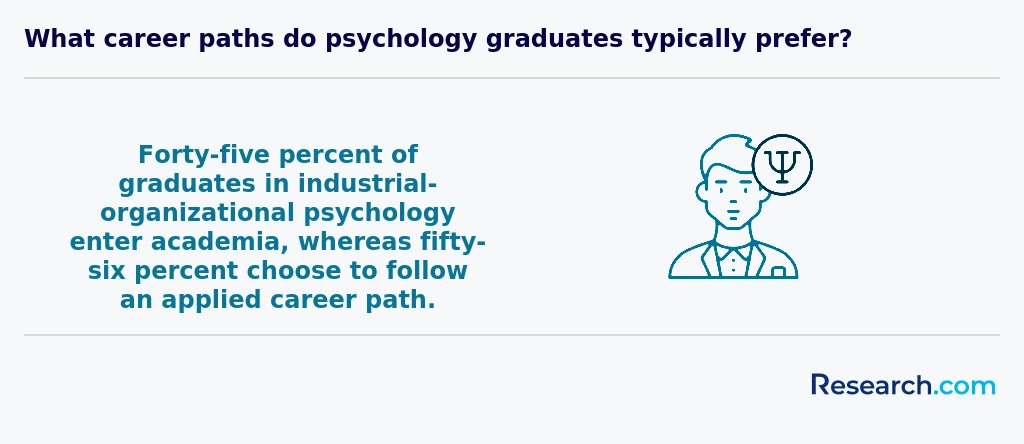
Exploring career paths after earning an online psychology degree in Massachusetts can be thrilling. Graduates from local institutions like Boston University or the University of Massachusetts report exciting journeys into clinical psychology, where becoming a licensed mental health counselor allows them to provide vital support to individuals across the state. The blend of rigorous academic training and hands-on licensure requirements sparks confidence as they step into these roles.
Others find themselves drawn to school psychology careers, supporting children's growth and learning in Massachusetts' diverse educational environments. These professionals often praise their fulfilling work assisting teachers and families, powered by certifications that complement their psychology degrees.
For those captivated by organizational behavior, areas such as human resources and employee wellness within Massachusetts' biotech hubs offer dynamic opportunities. Alumni working in these fields often share how their psychology background empowers them to enhance workplace morale and productivity.
Entry-level options like research assistant roles at universities or social service agencies also attract graduates eager to contribute to cutting-edge studies and community well-being. Many aspiring students consider the financial aspects carefully; seeking out the cheapest online doctoral programs can open doors to advanced opportunities while balancing cost.
Overall, the wealth of online psychology degree jobs Massachusetts offers reflects a landscape ripe for adventure and growth.
The job market for online psychology degree holders in Massachusetts is vibrant and full of promise, especially for graduates from popular institutions like Boston University and Northeastern University. Many have found exciting roles in clinical settings and community health centers across the state, where the integration of behavioral health is a growing priority. Picture a graduate who, after earning their degree online, confidently navigates telehealth appointments for local patients, harnessing both their digital skills and clinical knowledge in a way that resonates deeply with the evolving healthcare landscape.
Massachusetts' psychology degree job outlook is buoyed by its competitive salary offers and expanding specialties like neuropsychology and forensic psychology, with opportunities centered around the vibrant Boston metro area. Graduates often appreciate how their online program equipped them with flexible learning schedules and real-world applications, allowing them to balance work and education seamlessly.
For those exploring affordable paths, the cheapest online masters programs provide a welcoming gateway to these rewarding roles, making the dream of a psychology career real without uprooting one's life.
2027 Most Valuable Online Master's in Psychology Degree Programs Ranking in Massachusetts
Investing in your education is a significant decision that can profoundly impact your career and future opportunities. The Research.com team recognizes the importance of making well-informed choices, which is why we have carefully developed the "2027 Most Valuable Online Master's in Psychology Degree Programs Ranking in Massachusetts." Our dedication to quality, credibility, and accuracy is evident in the thorough research and precise analysis undertaken to create this ranking. We employed the following trusted data sources to ensure a comprehensive and reliable evaluation of the programs:
By reviewing this ranking, readers will access valuable insights into the most valuable online master's programs in psychology offered across Massachusetts, empowering them to make confident and strategic educational decisions. For a detailed explanation of our methodology, please visit the Research.com methodology page.

# 2 position
UMassOnline
Master of Family Therapy

Frequently Asked Questions About psychology
Online psychology degree students in Massachusetts can maximize their learning by engaging actively with virtual class discussions and utilizing campus resources that offer remote access. The Massachusetts Department of Higher Education highlights that students benefiting from peer collaboration tend to achieve higher retention and comprehension rates.
Additionally, connecting with local mental health organizations for internships or volunteer opportunities provides practical experience crucial for psychology careers. According to the Massachusetts Psychological Association, hands-on experience significantly improves career prospects.
Finally, leveraging online libraries and subscribing to journals such as the Massachusetts Psychologist helps students stay current with regional research and trends in psychology.
Emerging niches in psychology reflect evolving societal needs and technological advances. In Massachusetts, there is growing interest in neuropsychology, which focuses on brain-behavior relationships, driven by research at institutions like Massachusetts General Hospital.
Another expanding area is health psychology, addressing mental wellness in medical settings. According to the Bureau of Labor Statistics, demand for psychologists in healthcare is expected to grow 14% nationally by 2032, likely mirrored in Massachusetts.
Additionally, forensic psychology is gaining prominence due to the state's legal complexities and rising mental health awareness in criminal justice.
Technology-related fields such as telepsychology and digital mental health interventions are also rapidly developing, especially given current remote care trends.
Preparing for the job market after earning an online psychology degree in Massachusetts requires strategic planning. First, graduates should consider obtaining state licensure if they plan to work as licensed psychologists or counselors. Massachusetts requires supervised clinical hours and passing the Examination for Professional Practice in Psychology (EPPP).
Networking is crucial; joining local organizations like the Massachusetts Psychological Association can provide valuable contacts and job leads. Internships and practicum experiences during study increase employability, offering practical skills that employers seek.
According to the U.S. Bureau of Labor Statistics, Massachusetts has a higher-than-average demand for psychologists, with a 10% job growth projected through 2030.
Continuing education and certifications in specialties such as behavioral analysis or counseling also enhance job prospects.
Employers in Massachusetts highly value psychology graduates who demonstrate strong critical thinking and analytical skills. These abilities are essential for interpreting research data and applying psychological theories effectively in real-world settings.
Communication skills are also crucial. Graduates must convey complex ideas clearly, whether in writing or verbally, especially when working with diverse populations or interdisciplinary teams.
Massachusetts employers seek candidates proficient in ethical decision-making and familiar with state regulations governing mental health practices. According to the Massachusetts Department of Higher Education, approximately 75% of psychology-related job postings prioritize these competencies.
Additionally, skills in research methods and data analysis, including familiarity with statistical software, significantly improve employability in this field.
Finding internships in Massachusetts relevant to a psychology degree involves leveraging both academic and professional resources. Many online psychology programs require internships as part of the curriculum, and students should begin by consulting their school's career services. Massachusetts hosts numerous healthcare facilities and community organizations offering psychology-focused placements.
The Massachusetts Psychological Association and the Massachusetts Department of Mental Health provide listings of internship opportunities and can be invaluable for networking. According to recent data from the Bureau of Labor Statistics, Massachusetts employs over 20,000 psychologists, showing a strong local demand that supports internship availability.
Additionally, students may explore hospital internship programs in Boston and Worcester, as well as nonprofit organizations specializing in mental health. Early planning and proactive communication with supervisors increase the chances of securing a meaningful internship aligned with academic goals.
In Massachusetts, earning an online psychology degree significantly enhances career mobility and advancement opportunities. According to the Massachusetts Department of Higher Education, the demand for psychology professionals is expected to grow by 13% through 2028, outpacing many other fields. This growth supports diverse roles, from clinical work to organizational psychology, accessible with advanced degrees.
Online programs offer flexibility, allowing professionals to continue working while studying, which helps maintain and expand their career networks. Additionally, a master's or doctoral degree in psychology can lead to higher salaries; for example, the U.S. Bureau of Labor Statistics reports that licensed psychologists in Massachusetts earn a median annual wage above $90,000.
Licensing and certification requirements in the state also favor candidates with accredited online degrees, making such qualifications essential for career progression in clinical and counseling roles.
Studying for a psychology degree online in Massachusetts equips students to engage in interdisciplinary roles by emphasizing collaboration across various fields such as healthcare, education, and social services. Massachusetts universities integrate psychology courses with foundational knowledge in biology, sociology, and public health, reflecting the state's focus on holistic approaches to mental health.
Students learn research methods and data analysis skills applicable in diverse settings, preparing them to work alongside professionals like social workers, clinicians, and educators. According to the Massachusetts Department of Higher Education, many programs also offer applied internships and projects that provide practical experience.
The state's emphasis on evidence-based practice ensures graduates are ready to address complex social issues through multidisciplinary teamwork. This is especially relevant given Massachusetts' robust healthcare and biotech sectors, which frequently require psychological expertise combined with other scientific disciplines.
Choosing between a thesis and a non-thesis online psychology degree program in Massachusetts depends on your career goals and learning preferences. A thesis program generally requires conducting original research and writing a comprehensive paper, which can be beneficial if you aim for doctoral studies or research-intensive roles. According to the Massachusetts Department of Higher Education, research-focused programs align with academic and clinical psychology paths that demand strong research skills.
Non-thesis programs often emphasize practical skills and coursework, appealing to those targeting immediate employment in counseling, human services, or organizational psychology. They usually require internships or capstone projects instead of a thesis.
Consider also program duration and available faculty expertise in your chosen school, as these can affect the learning experience. Seek out Massachusetts institutions accredited by the APA or regionally recognized bodies for quality assurance.
Students based in Massachusetts seeking to study psychology abroad have several options through online programs affiliated with international institutions. While Massachusetts itself hosts many respected psychology programs, studying abroad online offers exposure to diverse theoretical approaches and global perspectives. Accredited international universities often provide fully online psychology master's degrees that accept U.S. students, enabling them to earn credentials recognized in many countries.
It is important to verify the accreditation of these programs and their alignment with Massachusetts licensing requirements for psychology professionals. Resources such as the American Psychological Association (APA) and the Massachusetts Board of Registration of Psychologists can guide students in assessing program eligibility and recognition.
Moreover, some Massachusetts-based universities have partnerships with foreign institutions, allowing students to enroll in joint or dual-degree programs online. These collaborations blend local accreditation with international curricula, providing flexible learning options without relocating overseas.
According to the National Center for Education Statistics, about 14% of psychology graduate students in the U.S. enroll in distance education, reflecting growing acceptance of online international study. For Massachusetts students, leveraging these options can expand academic horizons while benefiting from the state's strong educational infrastructure.
Part-time job opportunities in Massachusetts that complement psychology degree education are diverse and often provide valuable hands-on experience. Positions such as research assistants at universities like Boston University or Harvard offer exposure to experimental methods and data analysis, strengthening academic knowledge.
Additionally, roles in mental health support, such as behavioral health technician or residential counselor, are common. These jobs allow students to work directly with clients under supervision, a practical asset for psychology careers.
Massachusetts' aging population increases demand for geriatric care aides, where psychology students can apply knowledge of cognitive decline and mental health.
According to the Massachusetts Department of Labor, jobs in psychological support services are projected to grow by over 10% through 2030, reflecting steady opportunities for students.
Online psychology students in Massachusetts can access numerous networking opportunities despite distance learning. Many universities offer virtual events, workshops, and webinars tailored to psychology students. These events often feature professionals from Massachusetts' broad mental health community, providing crucial industry insights.
The Massachusetts Psychological Association actively supports students by hosting annual conferences and special interest groups, allowing remote participation. Additionally, virtual internships and practicum placements are available through partnerships with local clinics and organizations, fostering real-world connections.
Students may also join national psychology organizations like the American Psychological Association (APA), which often have regional chapters supporting Massachusetts professionals and students. These avenues help build networks essential for career advancement.
Alumni networks offer valuable resources for students pursuing online psychology degrees in Massachusetts. These networks connect current students with graduates who have firsthand experience in local psychology careers. Access to such connections can improve job prospects in Massachusetts, where the demand for licensed psychologists is expected to grow by 12% through 2030 according to the Massachusetts Labor and Workforce Development agency.
Additionally, alumni often share advice on licensure requirements specific to Massachusetts, which can be complex due to state regulations. Networking through alumni groups also provides opportunities for mentorship, internships, and professional development. Many Massachusetts institutions with online programs maintain active alumni communities, fostering ongoing collaboration and support.
In Massachusetts, customizing an online psychology degree to align with your career goals starts with selecting programs offering diverse specialization options. Many accredited schools provide tracks such as clinical, counseling, or industrial-organizational psychology, enabling students to tailor their studies. Elective courses and practicum placements often allow further personalization based on interests.
Massachusetts is home to several institutions recognized for strong psychology programs, and Massachusetts Department of Higher Education resources can help identify approved online options. Additionally, you can focus on licensure requirements in the state, as programs designed around Massachusetts licensing criteria can better prepare you for professional certification.
Carefully reviewing program curricula and faculty expertise ensures the training supports your intended career path, whether in research, therapy, or applied psychology.
Online psychology students in Massachusetts commonly face challenges related to balancing coursework with professional and personal responsibilities. Given that many enrolled students are working adults, managing time effectively is a significant concern. According to the Massachusetts Department of Higher Education, over 60% of graduate students juggle work while studying, which can increase stress levels.
Another difficulty involves meeting clinical training requirements. Psychology programs often require in-person practicums or internships that can be limited in availability or require travel, complicating completion for online students.
Access to faculty and peer support can also be constrained in online learning environments, affecting student engagement and retention. Reliable technology and internet access issues, although less common in Massachusetts than in some areas, still impact some students' ability to participate fully.
With an online psychology degree in Massachusetts, graduates can pursue several professional certifications to advance their careers. One key certification is the Licensed Mental Health Counselor (LMHC), which requires a master's degree, supervised experience, and passing the National Clinical Mental Health Counseling Examination. This credential is recognized in Massachusetts and beneficial for clinical practice.
Another option is becoming a Certified Addiction Counselor (CAC), important given Massachusetts's focus on substance abuse treatment. Earning a CAC involves specific coursework and practical hours.
Additionally, psychology graduates can obtain the Board Certified Behavior Analyst (BCBA) certification, widely respected for work in applied behavior analysis.
Writing a winning application for an online psychology program in Massachusetts requires clarity, strong academic credentials, and a personal connection to the field. Start by highlighting your relevant education,.work, or volunteer experience in psychology or related areas. Massachusetts has a competitive higher education environment, with top institutions like Boston University and Suffolk University offering online options, so emphasizing your commitment is essential.
Admissions committees value a well-crafted personal statement that clearly explains your career goals and why an online program suits your needs.
Include letters of recommendation from professionals familiar with your academic or work performance.
For up-to-date program criteria or Massachusetts-specific statistics, consult official school websites or data from the Massachusetts Department of Higher Education.
Psychology careers in Massachusetts reflect broader global trends emphasizing mental health's growing importance. According to the Bureau of Labor Statistics, employment for psychologists in the U.S. is projected to grow 8% from 2022 to 2032, driven by increasing demand for mental health services.
Globally, psychology professionals work in diverse settings including healthcare, education, and corporate sectors. U.S.-trained psychologists, including those graduating from Massachusetts online programs, often have competitive advantages due to rigorous accreditation standards.
In Massachusetts specifically, organizations like the Massachusetts Psychological Association provide resources to support professional development, highlighting the state's commitment to advancing psychology careers within national and international contexts.
Gaining practical experience while pursuing an online psychology degree in Massachusetts is essential for applying theoretical knowledge. Many accredited programs incorporate practicum or internship components that can be completed locally. Students often partner with healthcare facilities, schools, or community organizations in Massachusetts to fulfill these requirements.
The Massachusetts Department of Higher Education highlights partnerships between universities and local employers to facilitate remote internships and supervised fieldwork. This helps bridge online study with real-world practice.
Additionally, obtaining licenses or certifications, such as those overseen by the Massachusetts Board of Registration of Psychologists, usually requires documented clinical hours, which students can accumulate through approved placements.
Seeking volunteer or part-time roles in mental health services across Massachusetts also enhances experience, broadening career prospects post-graduation.
Choosing the right concentration within an online psychology degree program in Massachusetts requires understanding both personal interests and career goals. Popular concentrations include clinical psychology, counseling, and industrial-organizational psychology, each offering different career paths.
Review program curricula and check for Massachusetts Board of Registration of Psychologists requirements to ensure the concentration aligns with licensure eligibility. According to the U.S. Bureau of Labor Statistics, Massachusetts had over 9,000 practicing psychologists in 2022, with demand growing in clinical and counseling fields.
Consider the flexibility of online delivery and internship opportunities, especially if you aim to work locally. Resources like the Massachusetts Psychological Association provide insights into specialization trends and job market data within the state.
- 2027 Most Valuable Online Master's in Psychology Degree Programs Ranking in New York
- 2027 Most Valuable Online Master's in Psychology Degree Programs Ranking in Pennsylvania
- 2027 Most Valuable Online Master's in Psychology Degree Programs Ranking in Virginia
- 2027 Most Valuable Online Master's in Psychology Degree Programs Ranking in Ohio
- 2027 Most Valuable Online Master's in Psychology Degree Programs Ranking in Indiana
- 2027 Most Valuable Online Master's in Psychology Degree Programs Ranking in Florida
- 2027 Most Valuable Online Master's in Psychology Degree Programs Ranking in Alabama
- 2027 Most Valuable Online Master's in Psychology Degree Programs Ranking in Missouri
- 2027 Most Valuable Online Master's in Psychology Degree Programs Ranking in Kansas
- 2027 Most Valuable Online Master's in Psychology Degree Programs Ranking in Texas
See What Experts Have To Say About Studying Psychology
Read our interview with Psychology experts

Elizabeth L. Jeglic Ph.D.
Psychology Expert
Professor of Psychology
City University of New York

Joann Farrell Quinn, Ph.D., MBA
Psychology Expert
Director at the College of Medicine Department of Medical Education
Morsani College of Medicine

Catherine Caldwell-Harris, Ph.D.
Psychology Expert
Associate Professor of Psychology
Boston University

- Online Psychology Degrees | University of Phoenix https://www.phoenix.edu/online-psychology-degrees.html
- Ontario Psychological Association - Networking and Community Resources https://www.psych.on.ca/become-a-member-(1)/member-services/networking-and-community-resources
- BA in Psychology (General Psychology) https://www.umassglobal.edu/academic-programs/ba-in-psychology
- Alumni Perspectives - Meet Our FPN Alumni https://www.aanmelder.nl/alumni-perspectives-june-2023
- Scholarships For Psychology Majors (2025) https://www.psychology.org/scholarships/
- Psychology (Online) https://www.claflin.edu/DivisionofAcademicAffairs/the-center-for-professional-and-continuing-studies/degrees/psychology-(online)
- Compare Online Psychology Degrees https://www.compareonlinepsychologydegrees.com/
- Are Online Degrees The Same As Traditional Degrees? - Intelligent https://www.intelligent.com/best-online-degrees/are-online-degrees-the-same-as-traditional-degrees/
- Massachusetts Psychology Schools, Colleges & Universities https://www.psychologycareercenter.org/massachusetts-psychology-schools.html
- 2025 Most Affordable Online Colleges for Psychology Degrees https://www.onlineu.com/most-affordable-colleges/psychology-degrees


